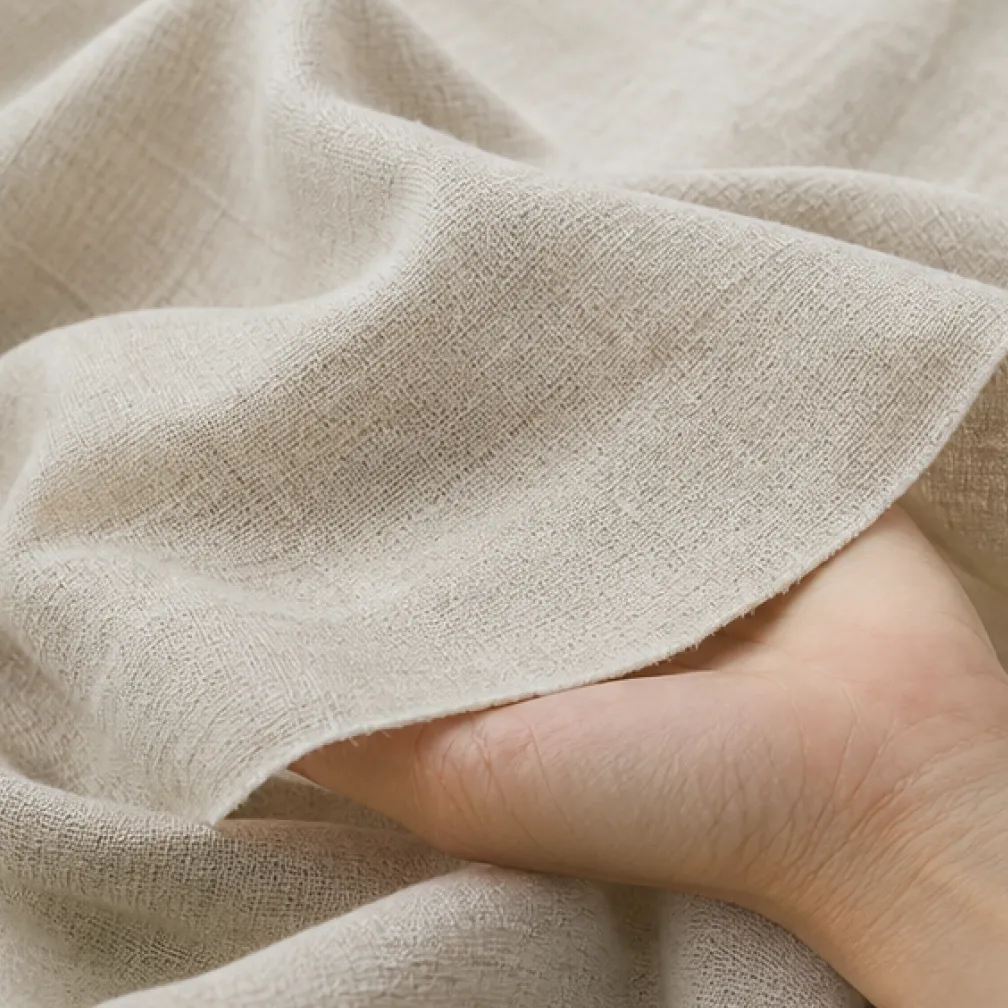
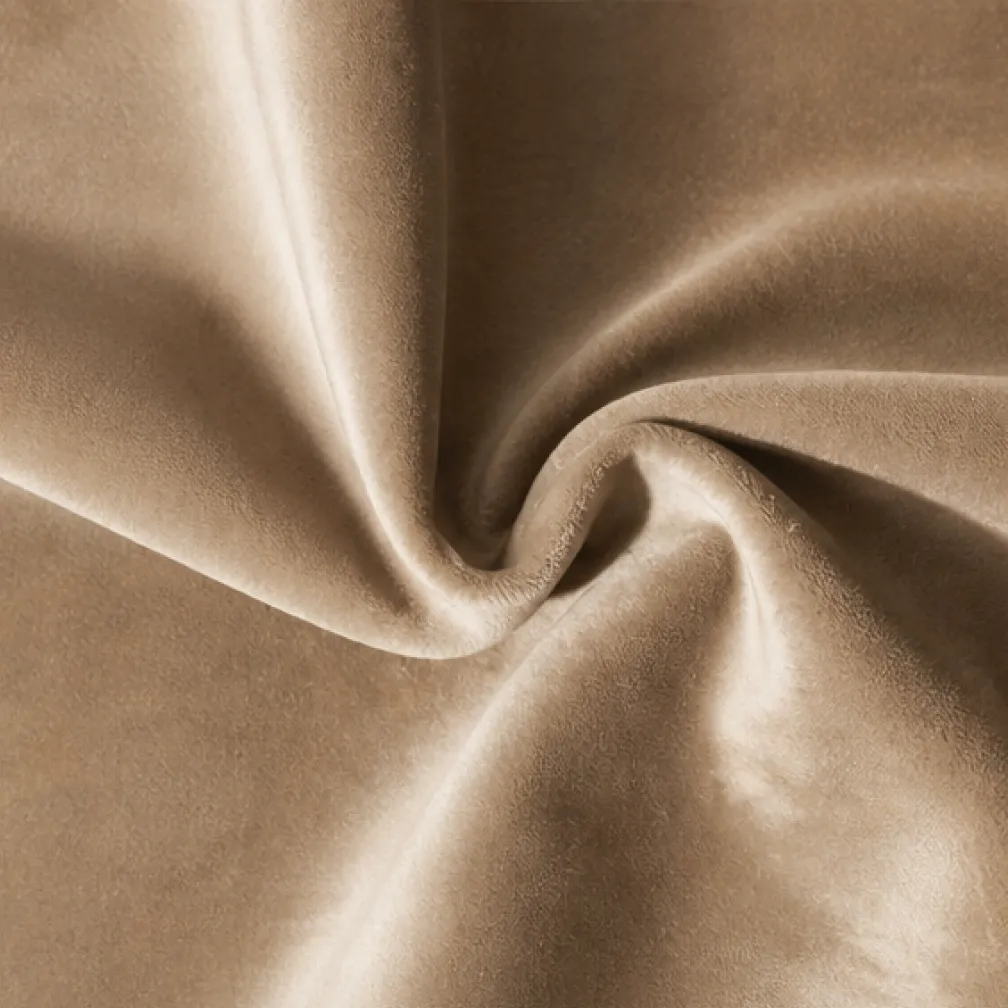
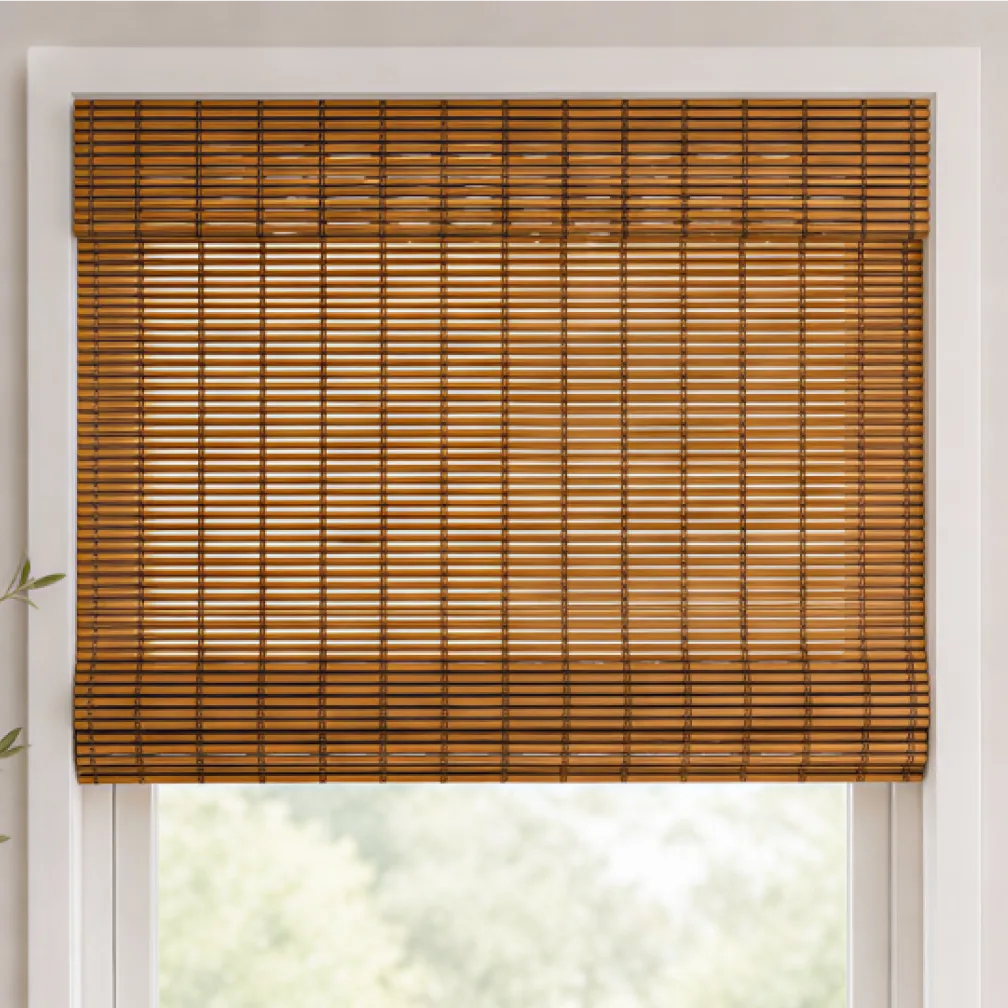
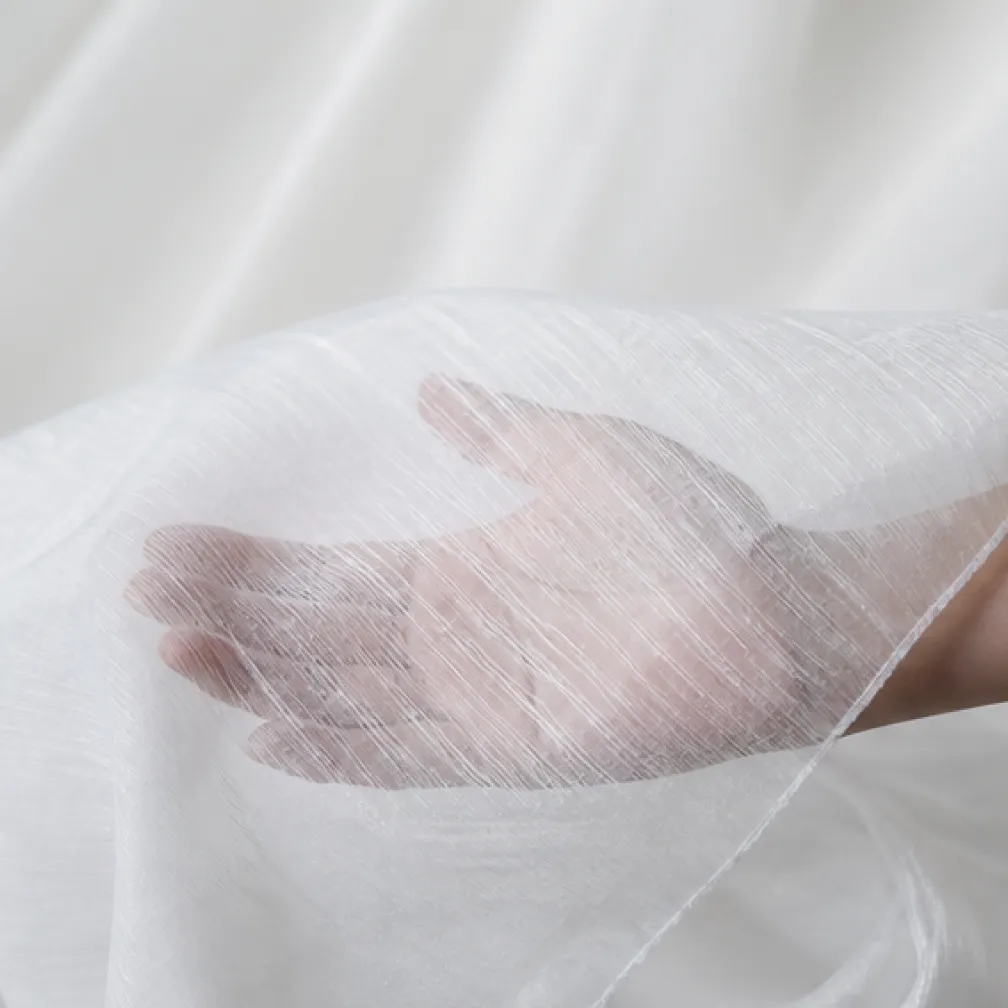
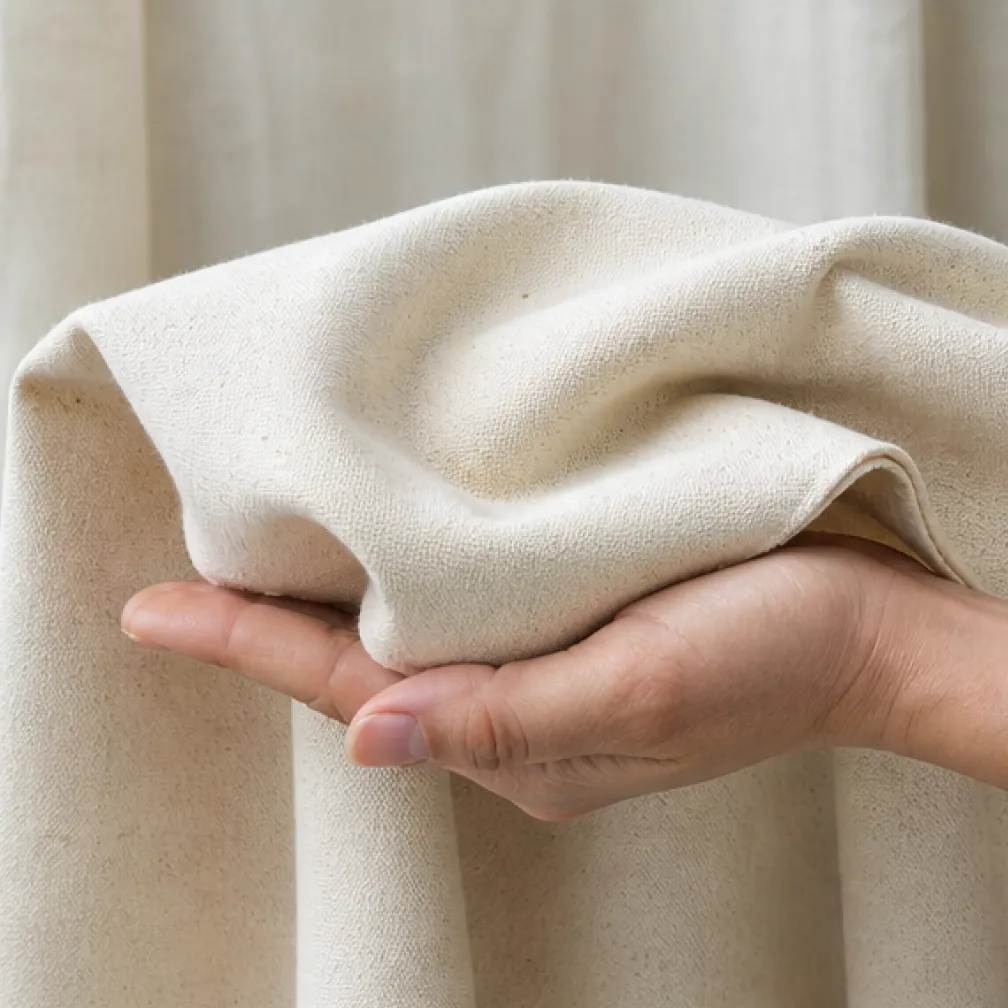
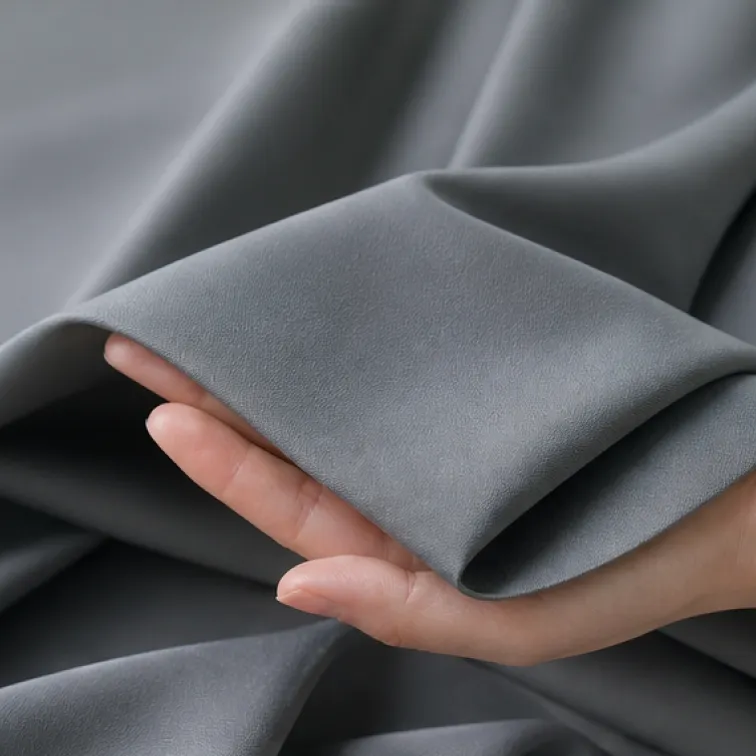
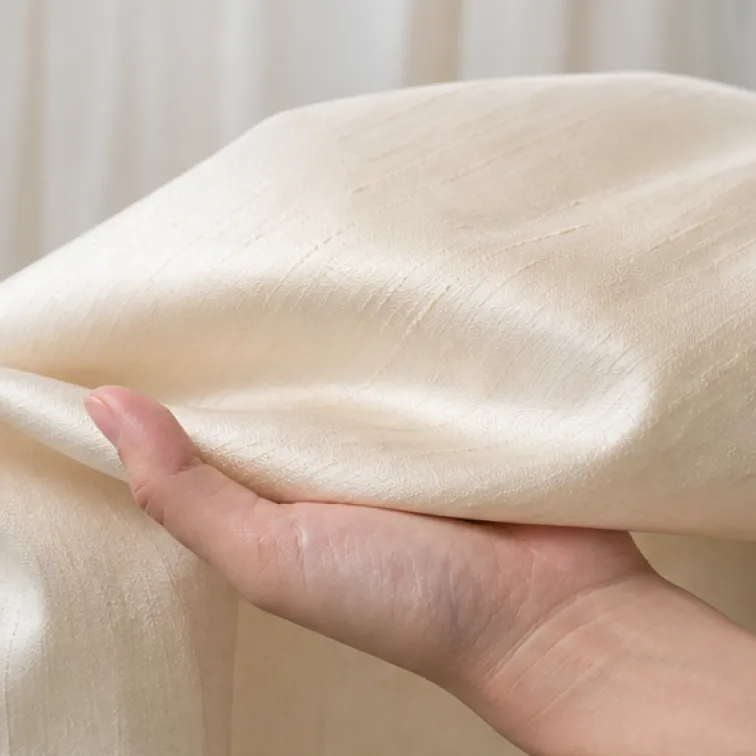
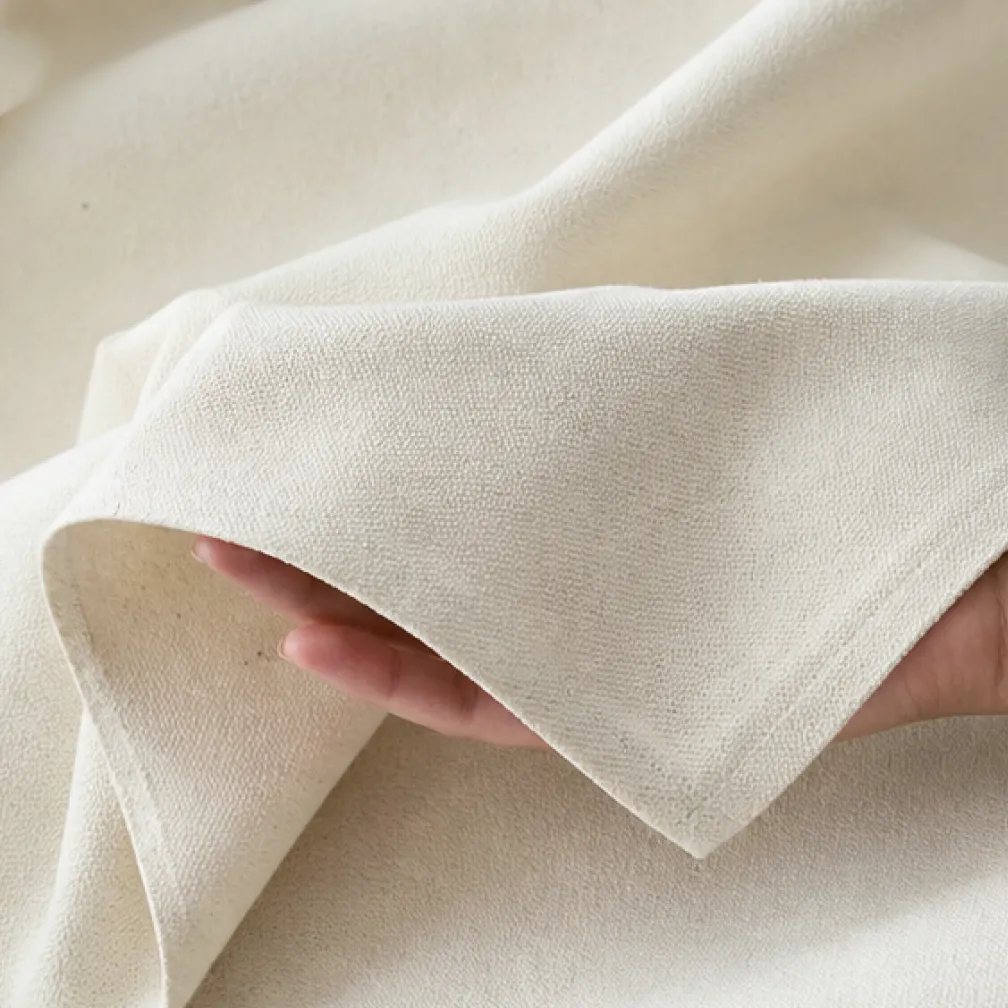
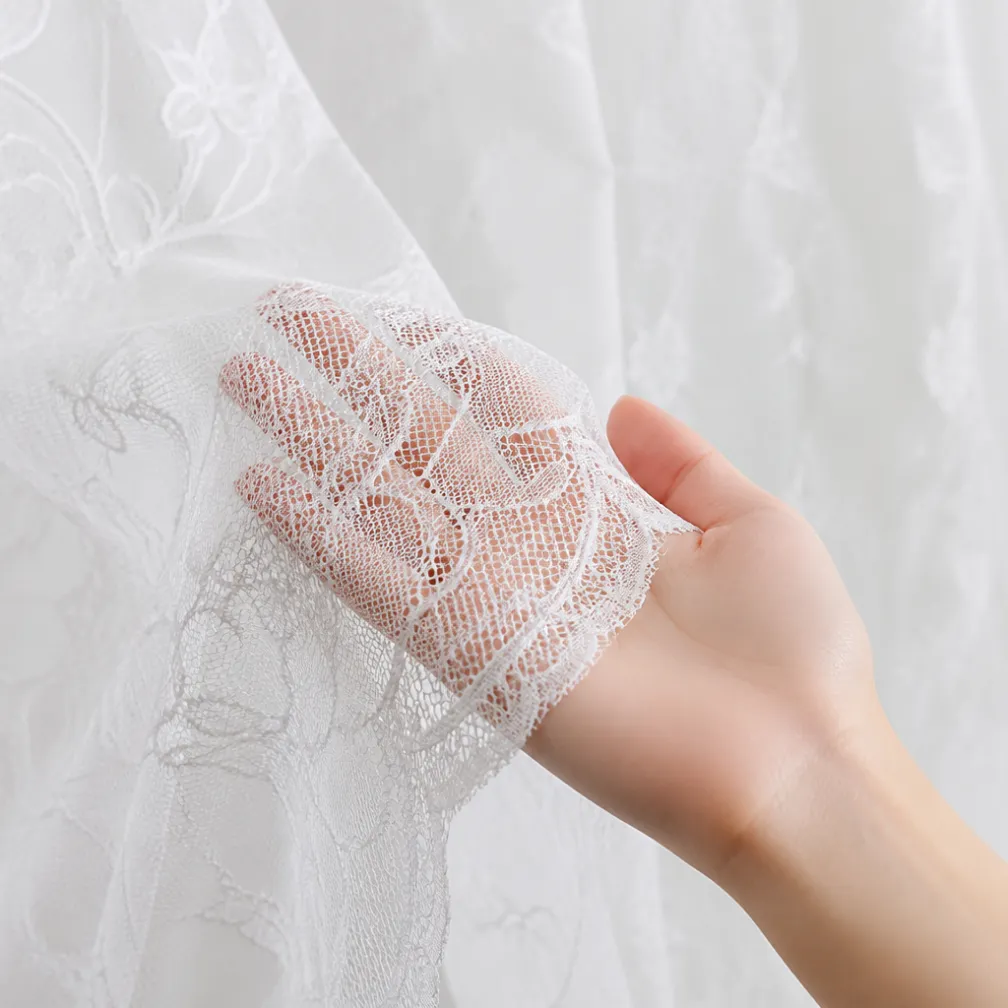
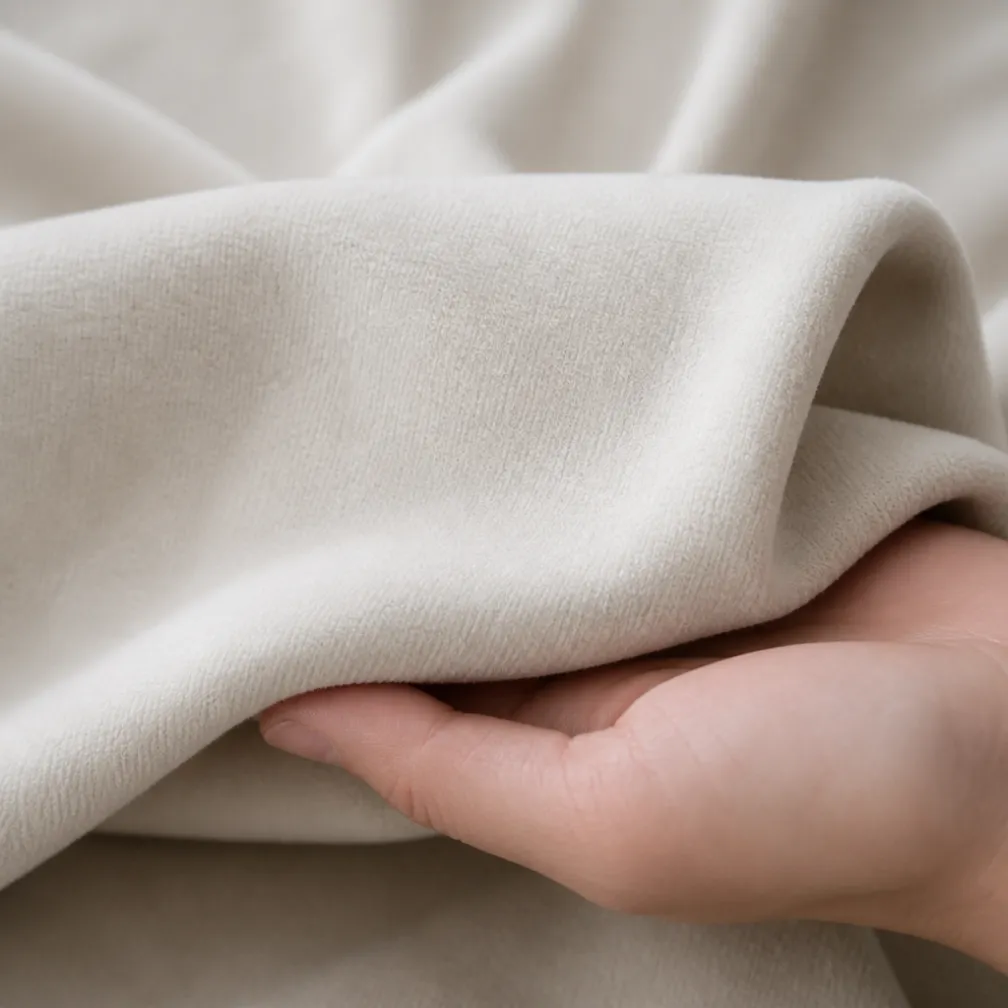
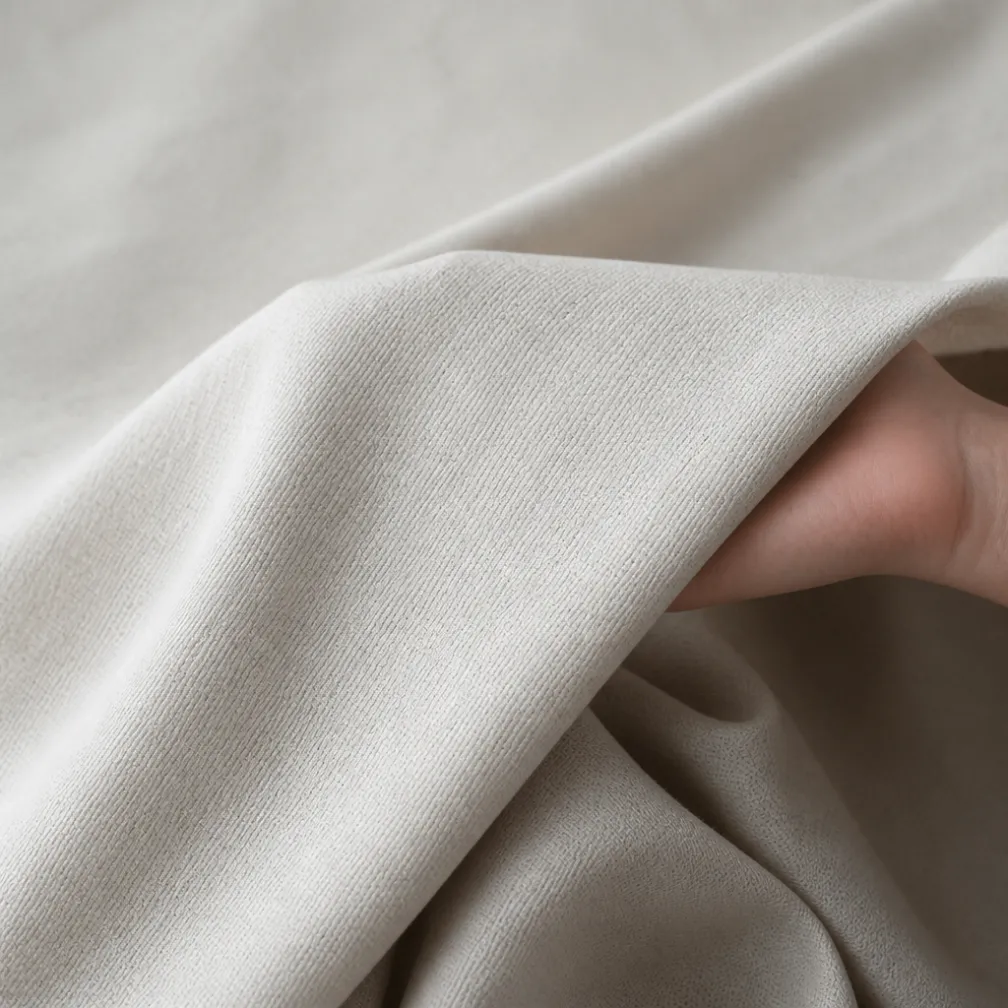
Heavyweight Velvet Upholstery Fabric

Crushed Velvet Curtain Fabric

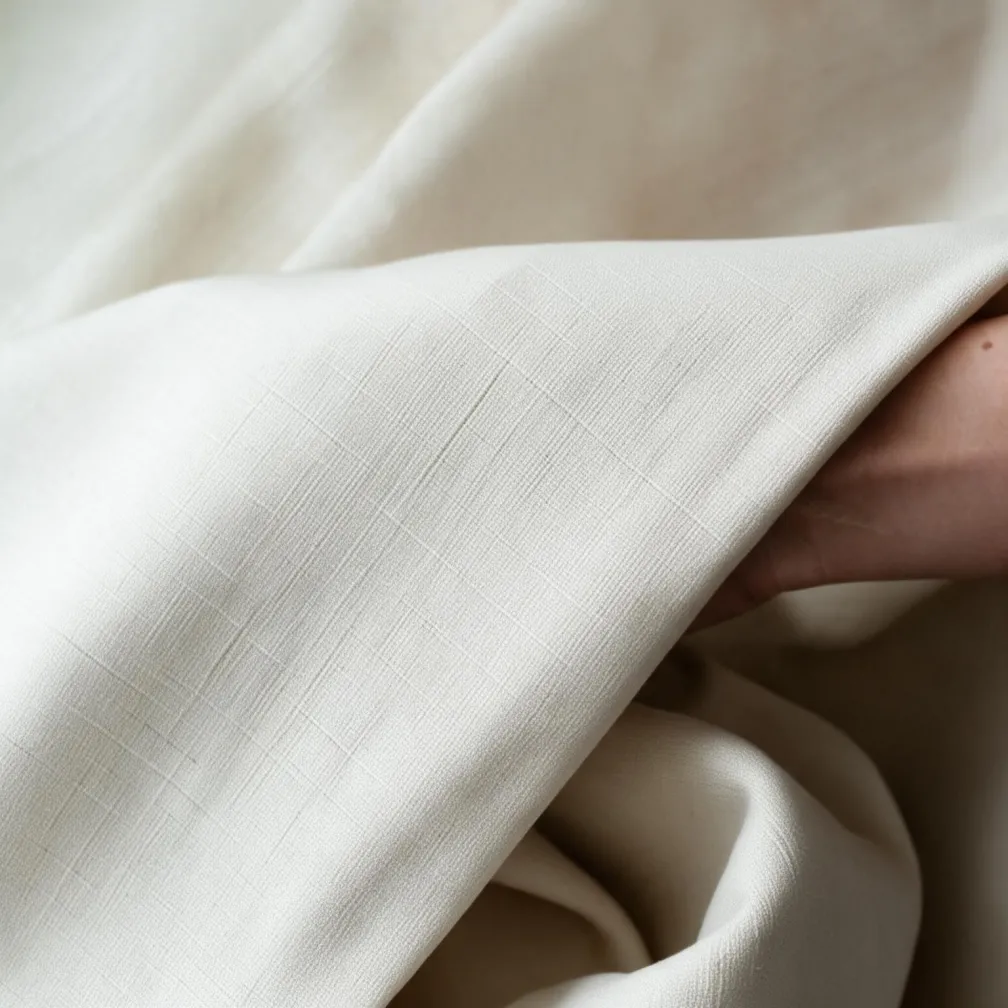
100% Cotton Velvet Fabric Rolls

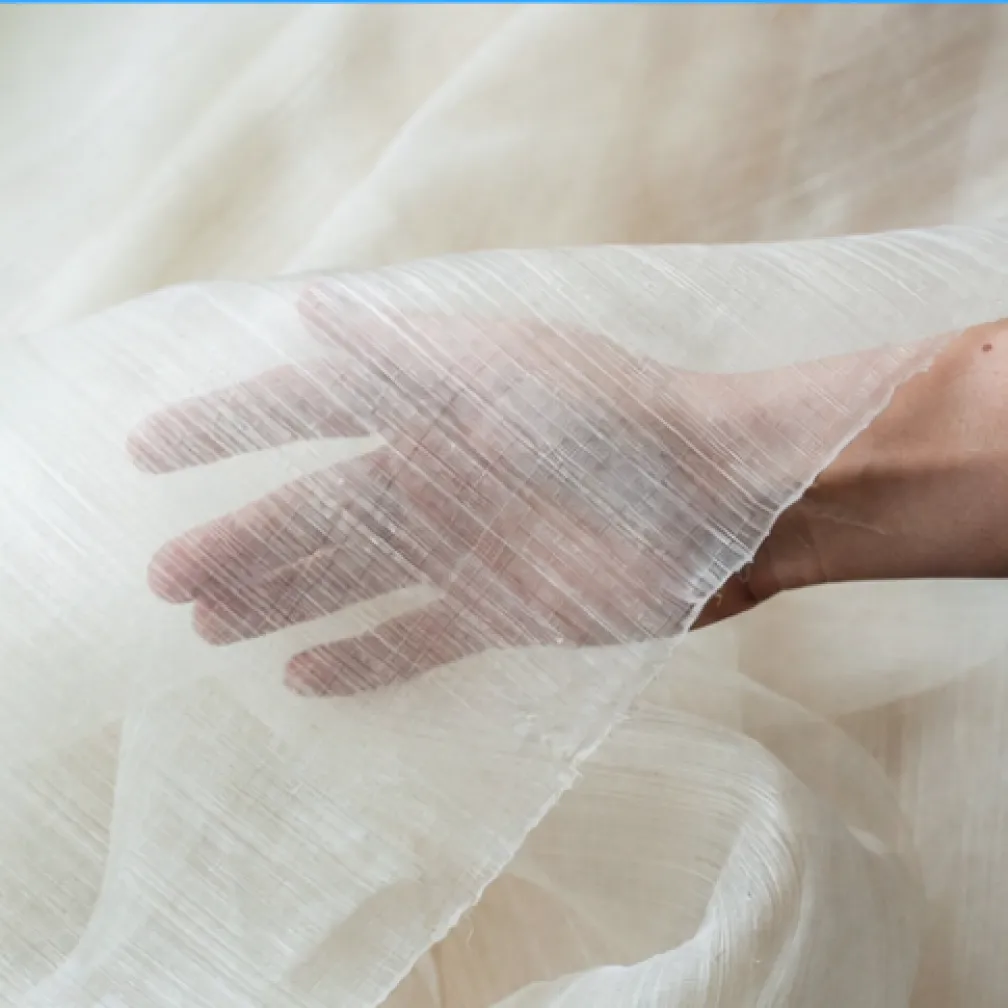
Luxury Silk Velvet Drapery

Commercial Blackout Velvet

Stretch Velvet Fabric
Velvet pile is easily crushed under its own weight when laid flat on traditional cutting tables. We utilize our advanced Vertical Cutting Machine to suspend the fabric, ensuring perfectly straight, gravity-aligned cuts without damaging the delicate surface texture.
Heavyweight velvet panels are notorious for slipping during sewing. Our production lines integrate the Automatic Backwards Tension Joint Machine , which dynamically adjusts thread tension to guarantee flat, ripple-free seams on thick materials.
Shading variations and pile defects are critical issues in velvet manufacturing. We process all fabric rolls through a Single-Sided Inspection Machine equipped with targeted LED lighting to accurately identify and isolate nap inconsistencies.
Creating sharp pleats in heavy velvet requires immense structural force. We deploy our Automatic Pleating Machine, capable of penetrating up to 2cm of thick fabric to precisely stitch complex pleats without manual measurement errors.
We manufacture wide-width velvet rolls to eliminate the need for vertical joining seams. This preserves the uninterrupted visual flow of the plush pile across large commercial drapery installations.


| Technical Category | Available Options & Specifications |
|---|---|
| Fabric Composition | 100% Polyester, Cotton Velvet, Silk-Blend Velvet |
| Fabric Weight (GSM) | 250g/㎡ - 500g/㎡ (Heavyweight Commercial Options Available) |
| Roll Width | Standard 140cm, Wide-Width 280cm |
| Header Styles | Pinch Pleat, Eyelet/Grommet, Pencil Pleat, Goblet Pleat |
| Functional Finishes | Fire Retardant (IFR or Topical), Stain Resistant, Anti-Static |
| Primary Applications | Hotel Drapery, Theater Acoustic Curtains, Luxury Upholstery |
We build the machines that make curtains — and use them on our own production line. That means every process, from cutting to pleating, runs on equipment we engineered ourselves.
learn more about us


Yes, we provide comprehensive OEM/ODM customization services. We can adjust fabric composition (polyester, cotton, silk blends), pile height, GSM weight, and apply functional treatments based on your specific project requirements.
Our standard in-stock velvet models support flexible MOQs, allowing B2B buyers to test the material on a smaller scale. Custom OEM orders requiring specific dyeing or structural modifications will have a higher MOQ, which is determined after evaluating the project details.
Pile protection is integrated into our entire workflow. We use vertical cutting machinery to avoid pressing the fabric flat during processing. For shipping, finished velvet curtains and rolls are securely packaged to prevent prolonged surface compression, preserving the nap texture.
We supply commercial-grade velvet engineered with inherent flame retardant (IFR) yarns or finished with topical FR chemical treatments. These fabrics are rigorously tested to comply with international fire codes, such as NFPA 701 and BS 5867, making them suitable for hospitality procurement.
Delivery schedules depend on material availability and order complexity. Standard models in stock can be processed quickly, usually within 7 to 15 days. Large-scale custom production runs generally require a lead time of 15 to 30 days following deposit confirmation.
Procuring velvet fabrics for hospitality, theater, or luxury residential projects requires an understanding of textile density, pile mechanics, and specialized manufacturing techniques. Velvet is renowned for its rich aesthetic and exceptional functional properties, but poor manufacturing processes can lead to irreversible pile damage, shading issues, and structural failure. Evaluating these technical variables ensures the selected drapery meets long-term commercial performance standards.
The defining characteristic of velvet is its dense, raised pile, created by weaving an extra set of warp yarns that are subsequently cut to form a plush surface. This pile naturally lays in a specific direction, known as the 'nap'. Because the nap absorbs and reflects light differently depending on the viewing angle, a velvet curtain will appear darker or lighter if the panels are not oriented identically. Professional manufacturers enforce strict nap direction controls during cutting and sewing to guarantee visual consistency across massive drapery installations.
The base fiber dictates the velvet's durability, maintenance, and drape. 100% Cotton Velvet offers a classic matte finish, exceptional breathability, and a stiff, structured drape, but it is susceptible to fading in direct sunlight. Silk Velvet provides unparalleled softness and a luminous sheen, typically reserved for ultra-luxury or residential applications. For B2B commercial procurement, Synthetic Velvet (100% Polyester) is the industry standard. It mimics the luxurious feel of natural fibers while providing superior dimensional stability, wrinkle resistance, and high UV colorfastness, allowing it to withstand aggressive commercial environments.
Beyond aesthetics, heavyweight velvet is highly functional. The dense pile structure traps air, providing significant thermal insulation against window heat transfer. More importantly, the thickness and porous nature of the pile act as excellent sound absorbers. Heavyweight velvet (typically exceeding 300 GSM) is frequently specified for theaters, recording studios, and hotel rooms to dampen ambient noise and reduce echo, actively improving the acoustic comfort of the interior space.
Processing thick velvet demands specialized, high-torque sewing equipment. Standard machinery often suffers from needle deflection when attempting to penetrate multiple layers of heavy velvet, leading to skipped stitches or broken needles. Furthermore, the plush surface causes fabric layers to slip against each other during sewing, resulting in puckered seams. Sourcing from a vertically integrated factory equipped with synchronized tension-controlled sewing heads and automated heavy-duty pleating machines guarantees that the thickest fabrics are stitched with absolute precision and durability.