Woven Wood Blinds

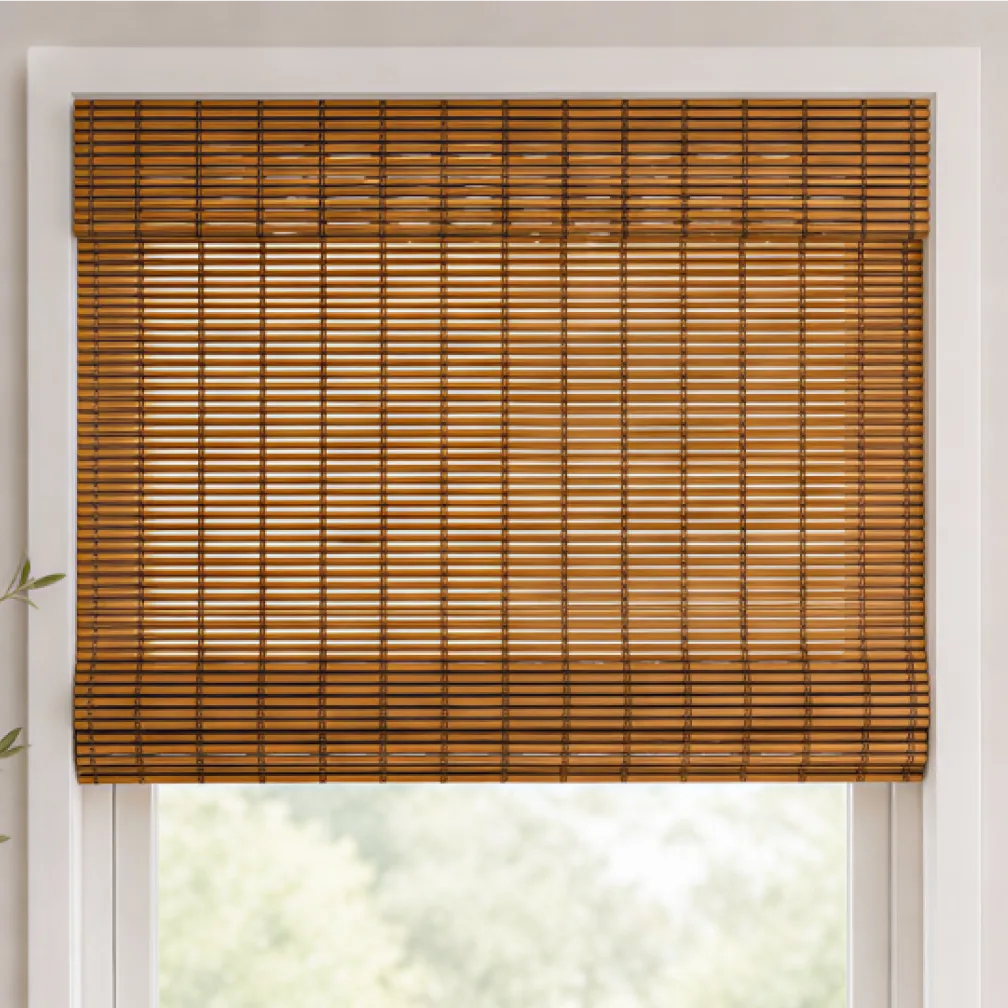
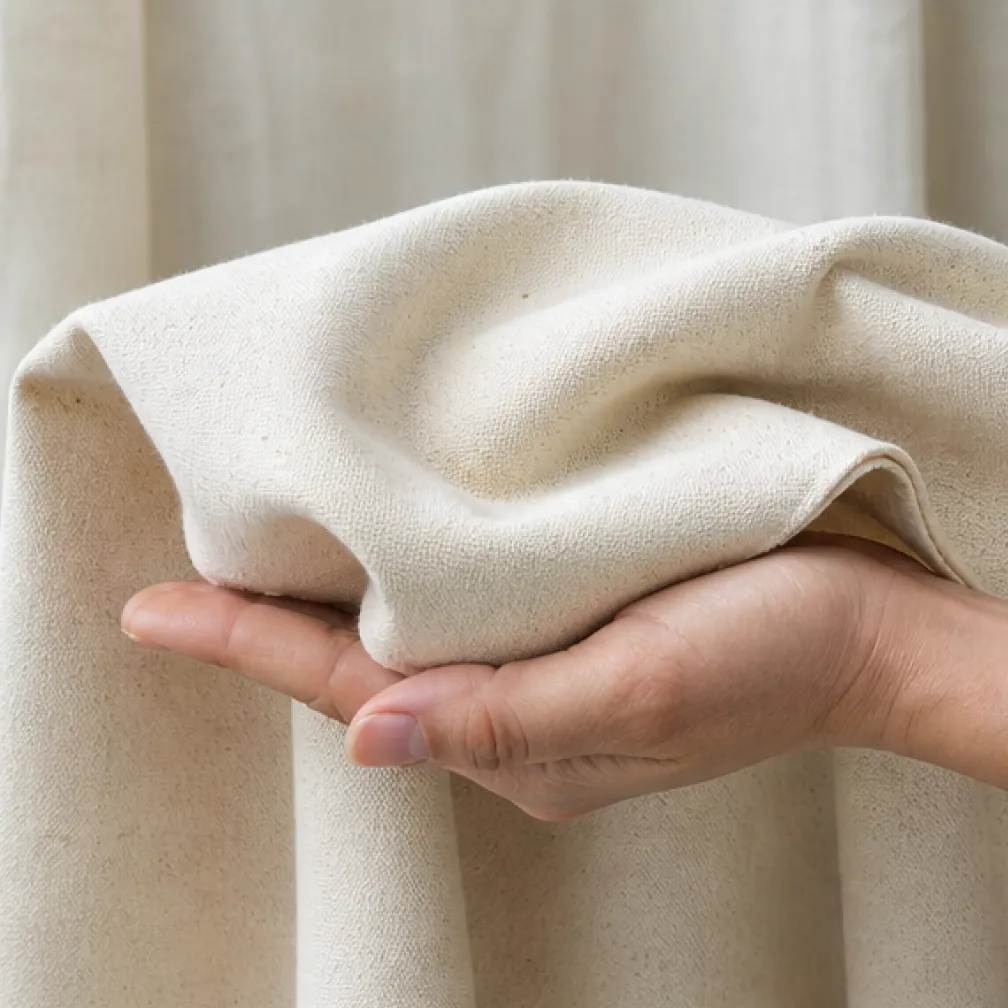
Bamboo Roman Shades

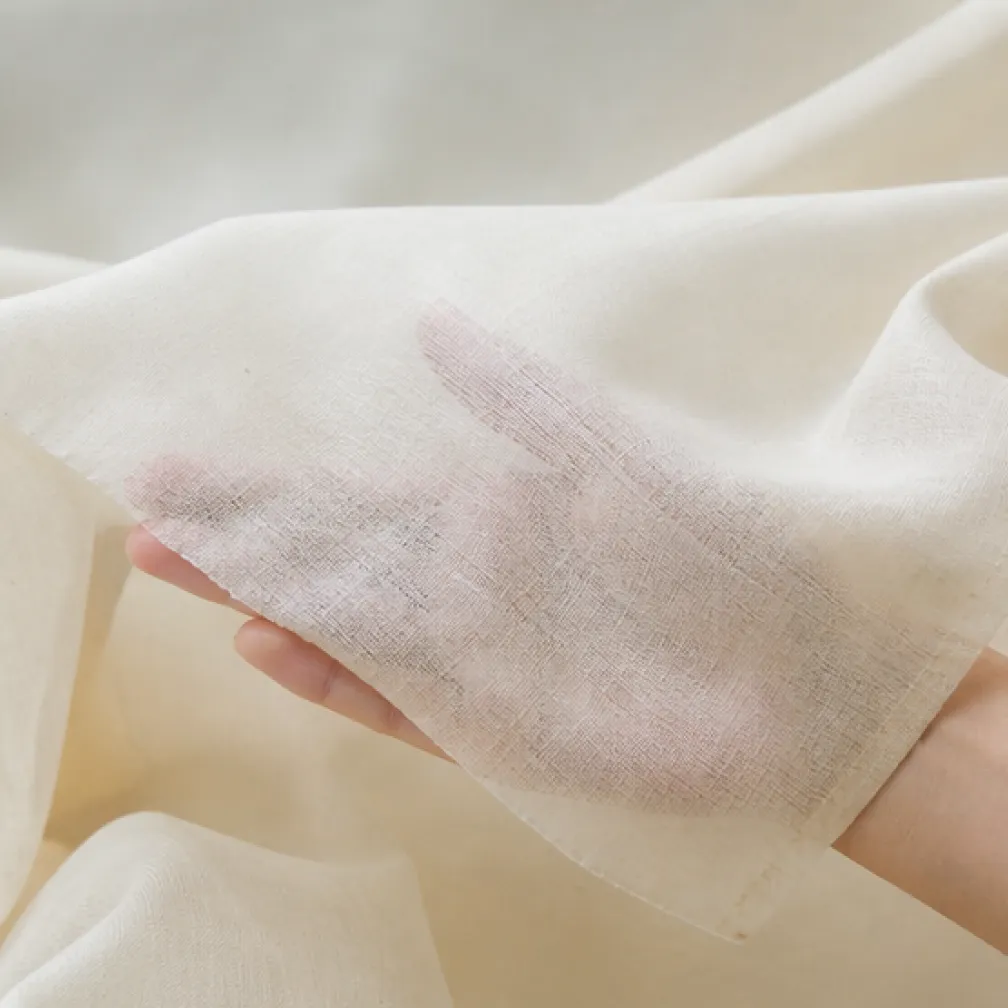
Matchstick Roller Blinds

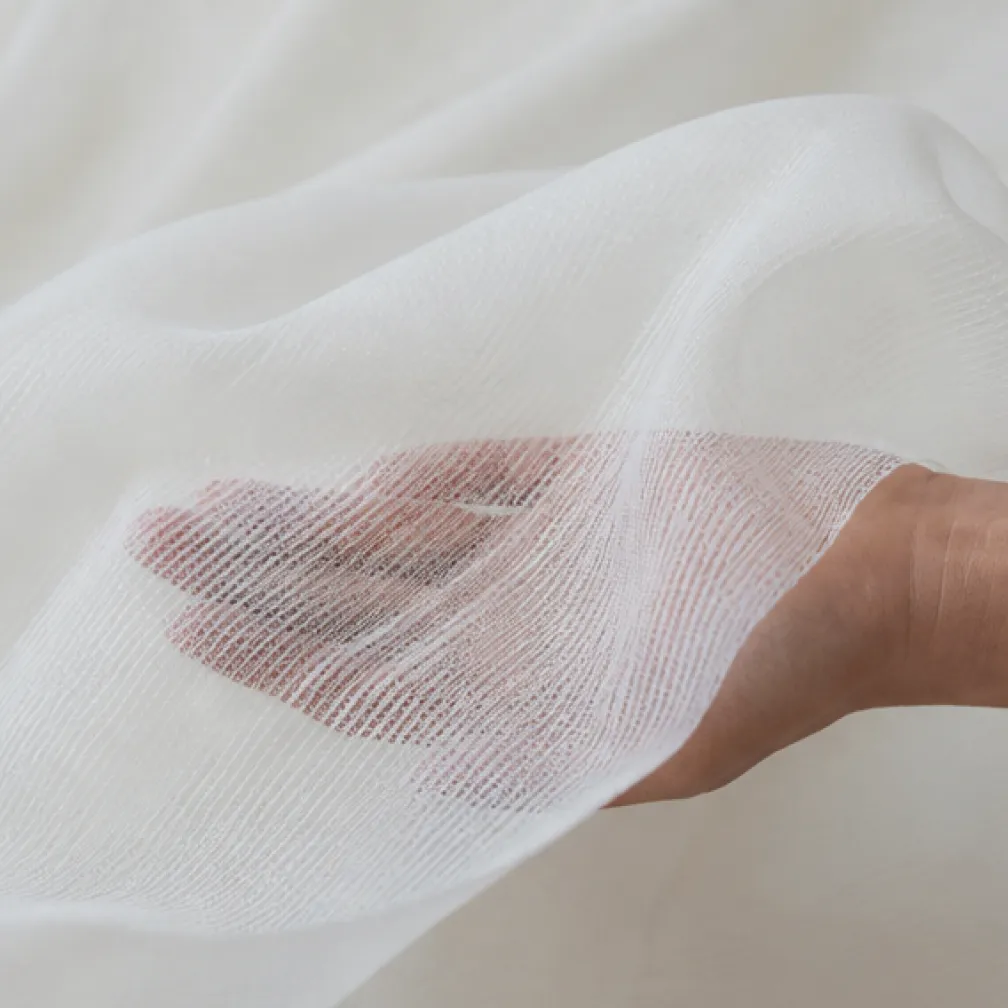
Blackout Bamboo Shades

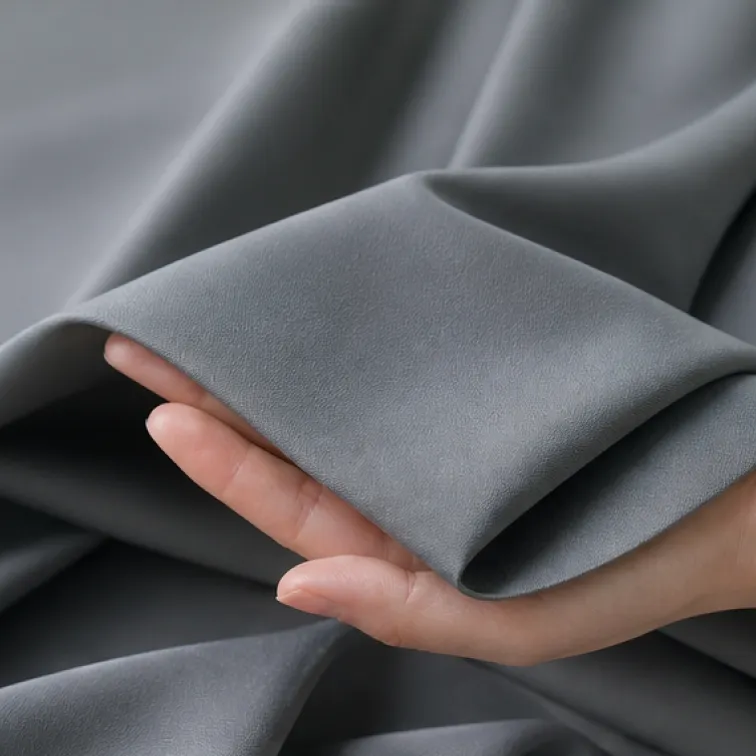
Cordless Bamboo Shades

Outdoor Bamboo Blinds
Manufacturing Roman-style bamboo shades requires perfect horizontal alignment. We utilize our proprietary Machine for making Roman shades to process multiple natural fiber panels simultaneously, ensuring parallel folds and high production output without manual measuring errors.
Cutting natural wood rolls on flat tables often causes diagonal skewing or uneven slat snapping. We use our Vertical Cutting Machine to suspend the material, ensuring perfectly straight, gravity-aligned cuts that prevent the shade from rubbing against window frames.
Binding the raw edges of woven wood prevents unraveling but often causes puckering if tension is incorrect. Our production lines integrate the Automatic backwards tension hemming machine to apply edge tapes smoothly and securely.
Our Machine for making Roman shades utilizes advanced CNC technology to calculate and sew perfectly straight lifting rings and ribs directly into the woven bamboo. This completely eliminates human error, ensuring the shade raises smoothly without binding.
We inspect every woven roll on a Single-Sided Inspection Machine equipped with LED backlighting. This rapidly identifies broken slats, weaving flaws, or severe color variations before the material reaches the fabrication phase.


| Technical Category | Available Options & Specifications |
|---|---|
| Face Materials | Natural Bamboo, Jute, Rattan, Woven Wood Grasses |
| Lining Options | Unlined, Light-Filtering Sateen, 100% Blackout (3-Pass) |
| Shade Styles | Roman Fold, Roller Blind |
| Lift Mechanisms | Continuous Cord Loop, Cordless Spring, Motorized |
| Edge Finishing | Raw Cut (Treated), Fabric Edge Binding (Twill Tape) |
| Primary Applications | Resort Drapery, Sunroom Shades, Residential Window Coverings |
We build the machines that make curtains — and use them on our own production line. That means every process, from cutting to pleating, runs on equipment we engineered ourselves.
learn more about us


Our MOQ is flexible depending on the product specifications. Standard sizes and in-stock woven patterns support lower minimums suitable for equipment testing and mock-up rooms. Custom dimensions, specific slat sourcing, or specialized hardware integration require a higher baseline volume, negotiated based on project scope.
Delivery schedules depend on order volume and complexity. Standard orders are typically processed within 7 to 15 days following deposit confirmation. Custom manufacturing, OEM processing, and large-scale commercial projects are scheduled and confirmed based on customization complexity.
Yes. We can manufacture shades using multi-layered construction. We securely attach a dedicated 3-pass blackout lining to the reverse side of the woven wood face, providing 100% optical isolation and enhanced thermal insulation for hospitality environments.
Absolutely. For commercial and luxury residential procurement, we offer advanced cordless mechanisms and motorized lift systems. These can be hardwired or battery-operated and seamlessly integrated into smart home or commercial building management systems for automated control.
Natural woven materials are prone to splintering and unravelling when cut. We apply heavy-duty fabric edge binding (typically cotton or polyester twill tape) to the vertical edges using automated tension-controlled sewing machinery. This locks the raw ends of the slats, ensuring long-term structural integrity.
Procuring natural fiber window coverings for hospitality, commercial offices, or residential projects involves evaluating both the physical properties of the organic material and the mechanical fabrication of the shade. Unlike synthetic polyester fabrics, woven woods are highly textured, naturally rigid, and environmentally reactive. Their aesthetic appeal and functional longevity depend entirely on proper moisture stabilization, precise dimensional cutting, and robust hardware integration. Understanding these engineering variables ensures successful procurement for high-traffic environments.
Woven wood shades are constructed by interlacing natural materials—such as bamboo reeds, jute fibers, rattan, and wood grasses—with synthetic or cotton warp threads. The physical profile of the material dictates its light-filtering capability. Thin 'matchstick' weaves create a highly translucent, delicate screen that provides minimal privacy but excellent glare reduction. Conversely, wide, flat tortoise slats provide substantial coverage, a heavier visual weight, and significant room darkening. Procuring the correct weave density is the first step in matching the shade to the specific functional requirements of the commercial space.
Because bamboo and wood are natural, porous materials, they respond to ambient humidity. If raw bamboo is woven into a shade without proper processing, it will warp, bow, or crack as it absorbs moisture or dries out. Professional manufacturers resolve this by subjecting the raw materials to rigorous kiln-drying processes before weaving. This stabilizes the moisture content within the fibers, ensuring the finished shade remains flat and dimensionally stable long after installation.
A common operational challenge with woven woods is their inherent lack of privacy; the gaps between the woven slats allow light and visibility to pass through. For bedrooms or presentation spaces, integrating a secondary lining is critical. Manufacturers offer light-filtering or 3-Pass Blackout Linings attached to the rear of the shade. The manufacturing challenge lies in sewing these soft fabric layers to rigid wood slats without causing puckering, tension distortion, or unsightly needle holes—a process that requires specialized automated hemming equipment.
Historically, fabricating Roman-style bamboo shades was highly labor-intensive, requiring workers to manually mark lines and attach lifting rings across rigid panels. This method frequently resulted in crooked stitching, diagonal skewing, and uneven fold spacing. Sourcing from a vertically integrated facility equipped with automated shade machinery fundamentally solves this. CNC-controlled sewing heads replace manual marking, guaranteeing mathematically perfect parallel lines. Furthermore, automated vertical cutting ensures the rigid slats are trimmed exactly square, preventing the shade from rubbing against the window frame during operation.