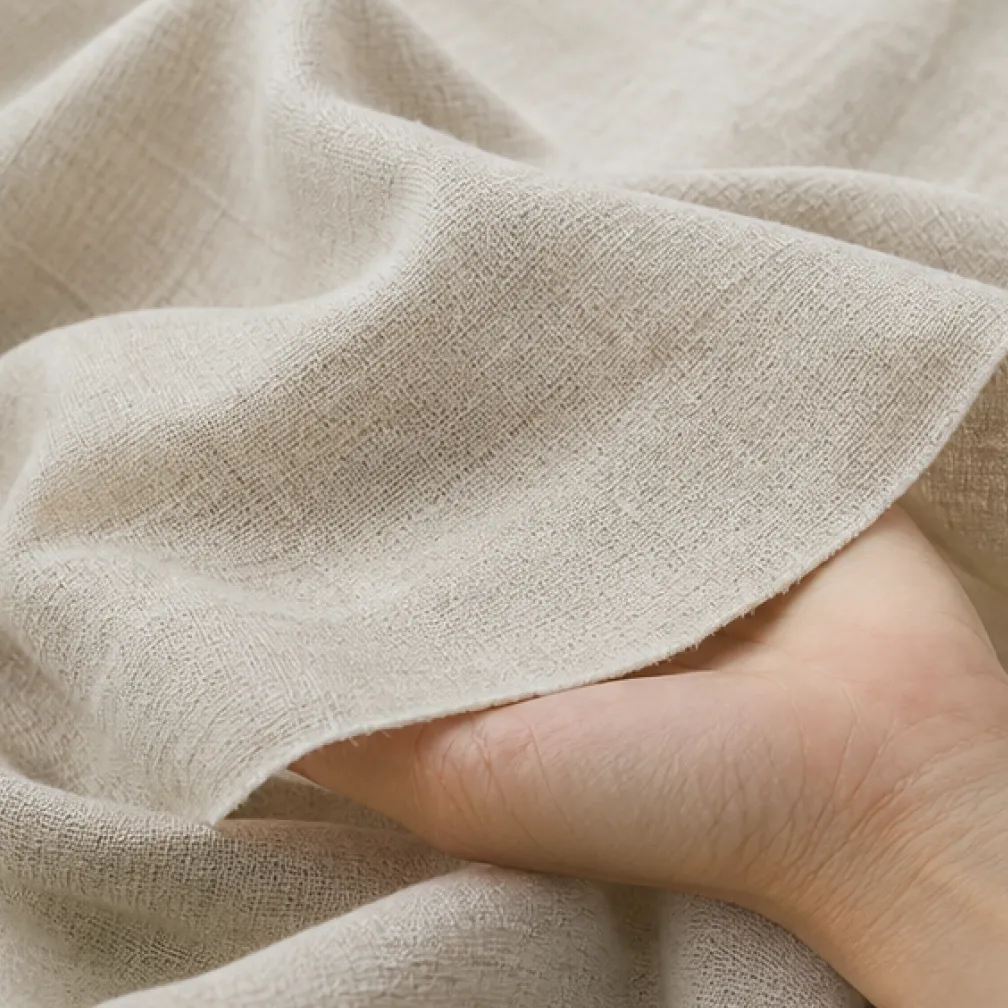
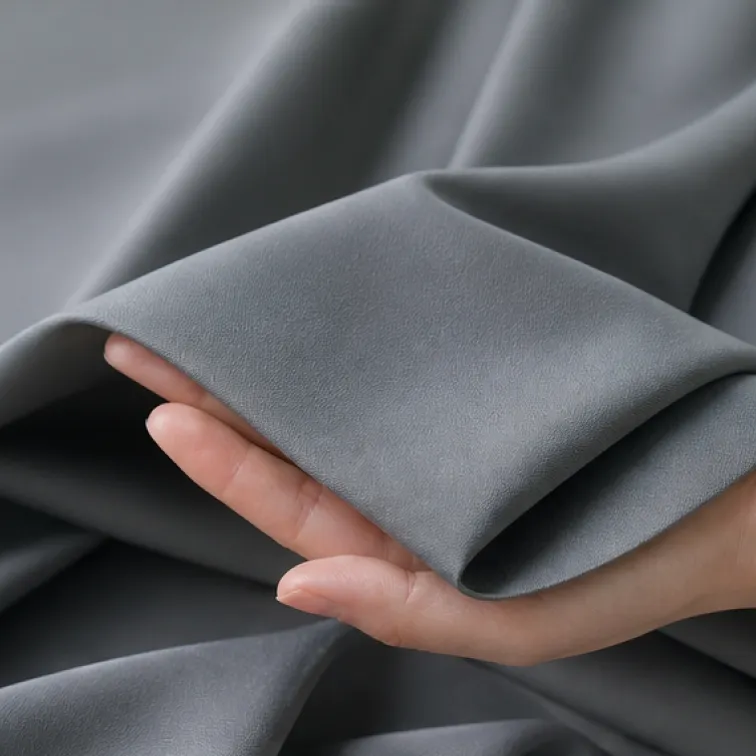
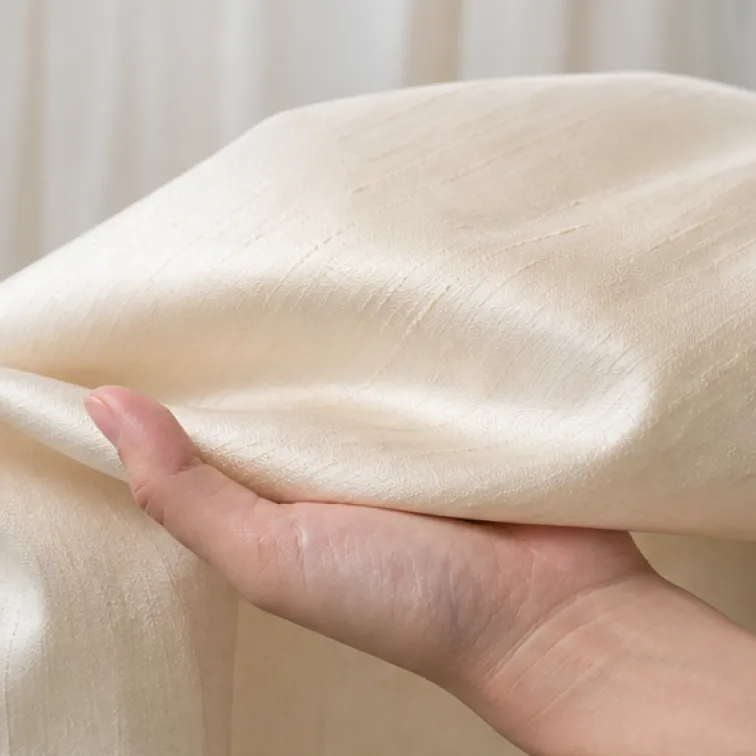
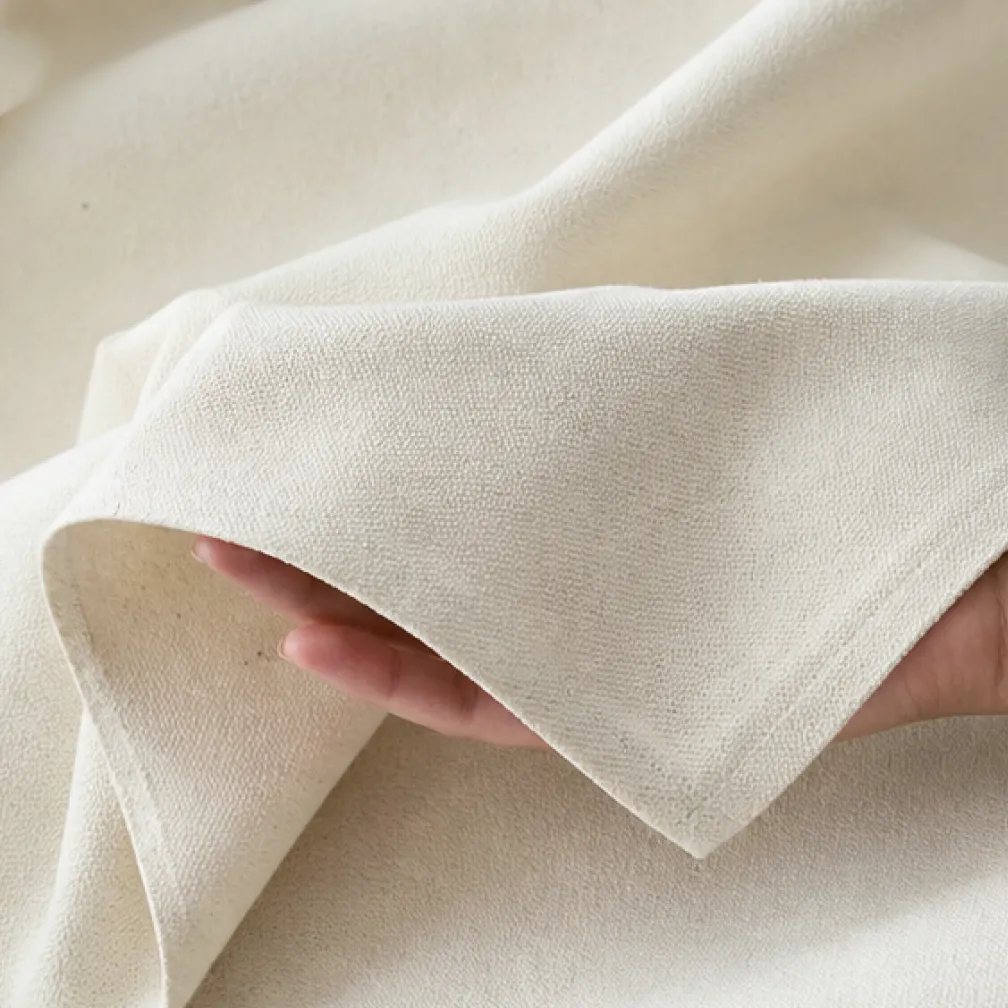
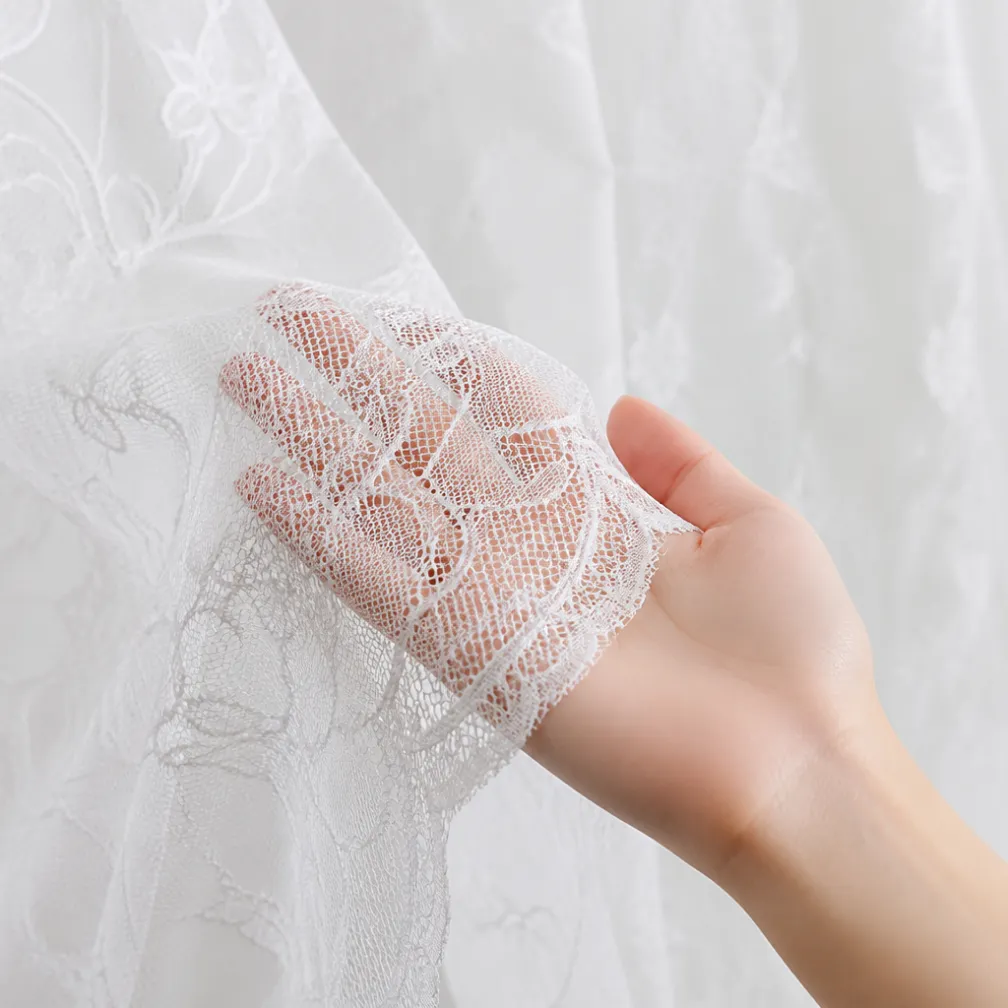
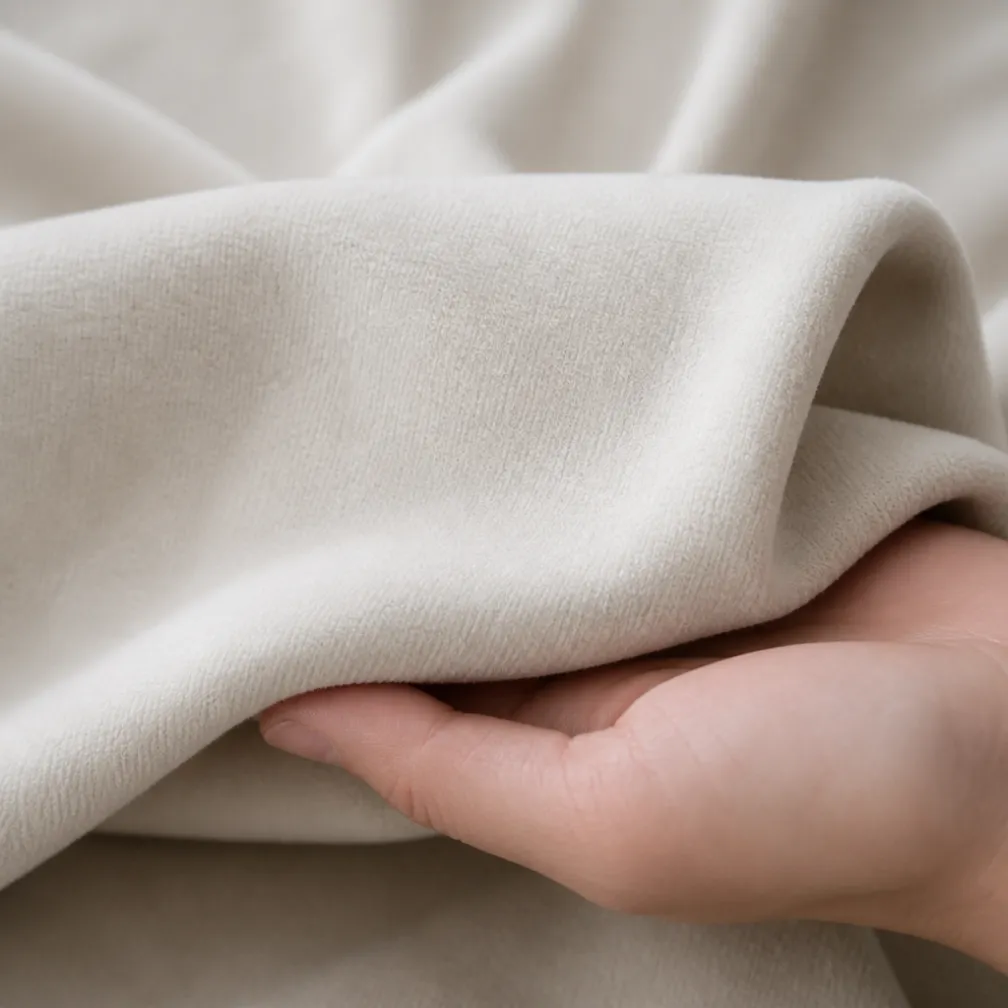
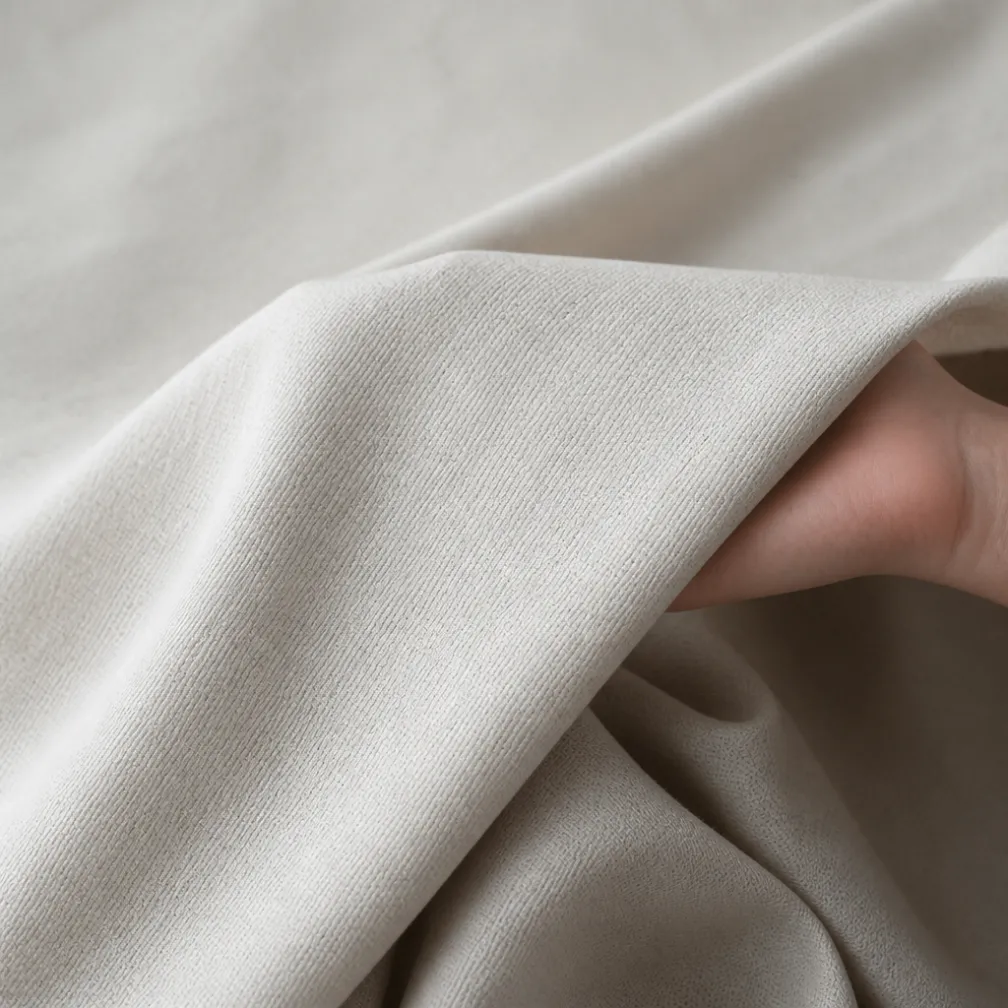
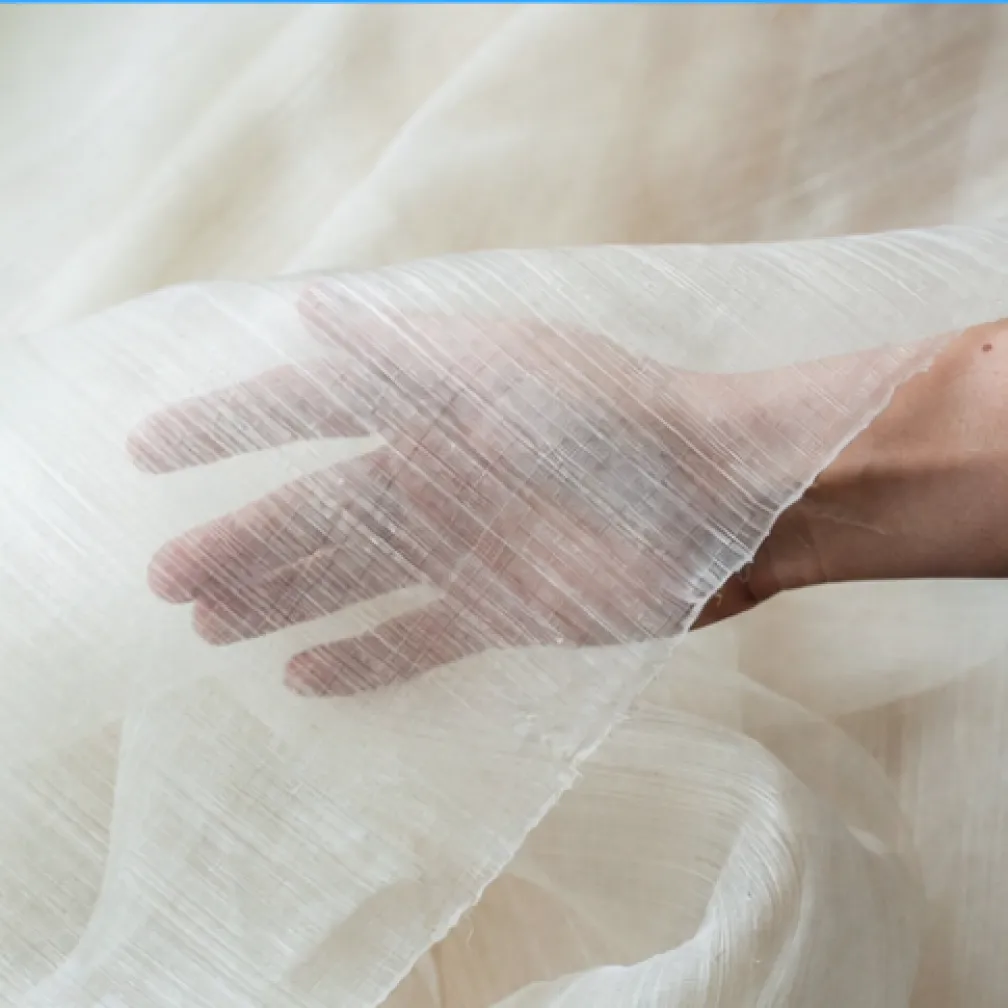
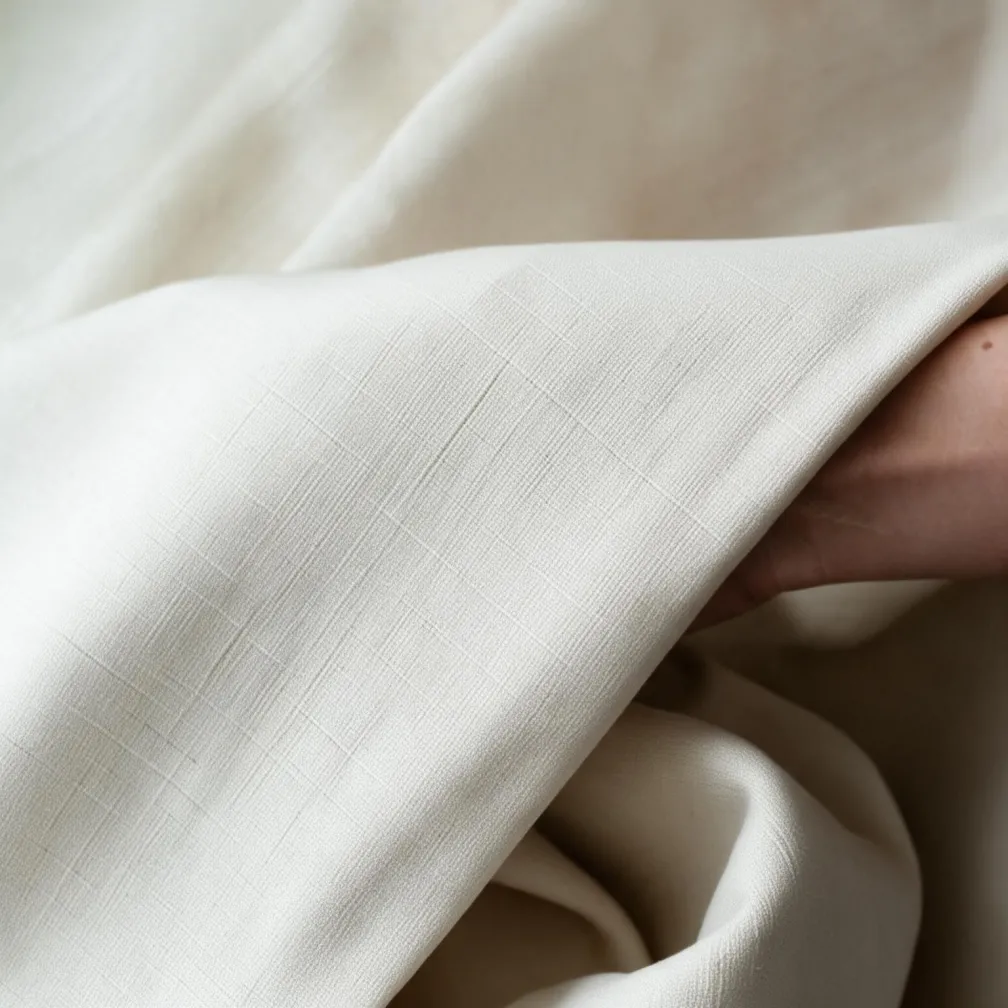
Natural Linen Clothing Fabric

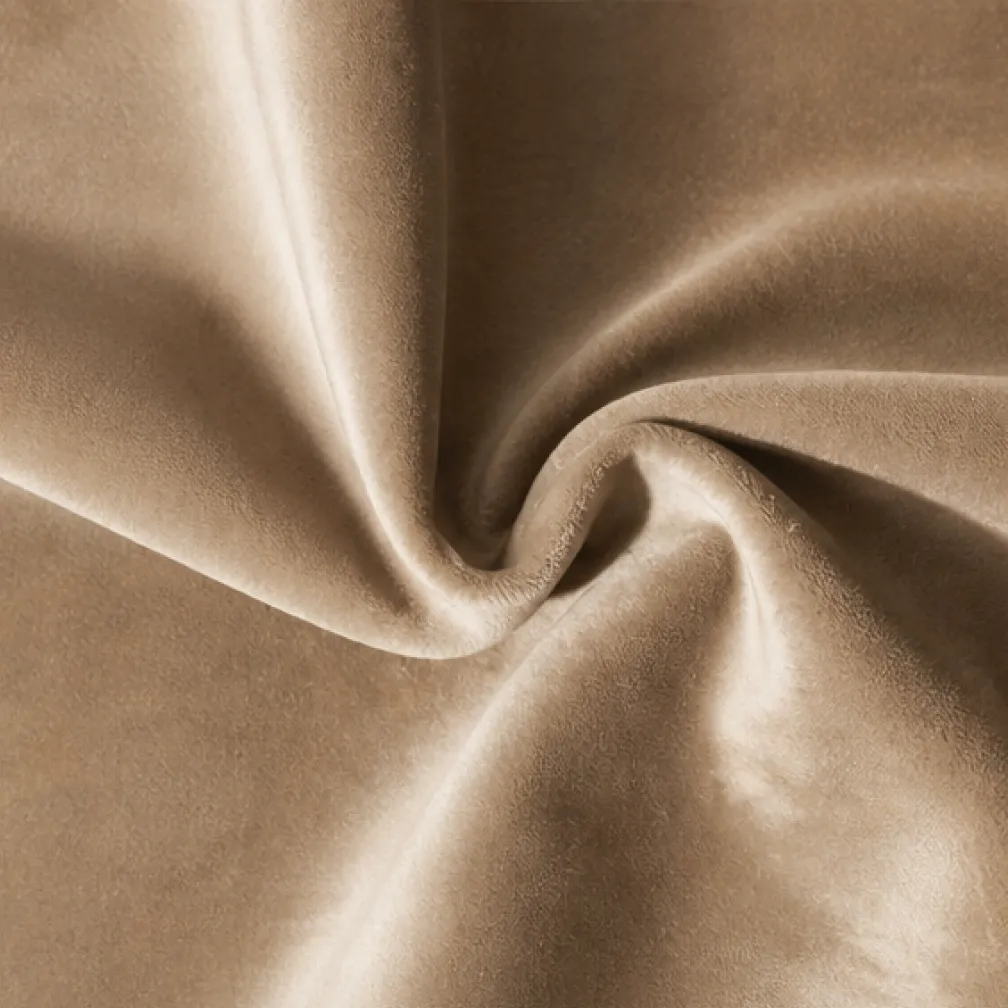
Breathable Modal Apparel Fabric

95% Polyester 5% Spandex Blends

Heavyweight Fleece Material

Organic Cotton Garment Textiles

Printed Clothing Fabric Rolls
Apparel fabrics often skew diagonally when unrolled, leading to twisted seams in finished garments. We utilize our Vertical Cutting Machine to suspend the fabric during processing, ensuring perfectly straight, gravity-aligned alignment before the fabric is rolled for shipment.
Winding stretch fabrics (like poly-spandex) with excessive tension causes the material to deform permanently. Our production lines integrate specialized winding systems that dynamically adjust feed rates to maintain zero-tension rolling, preserving the fabric's natural elasticity.
We inspect every roll on a Single-Sided Inspection Machine using high-brightness LED backlighting. This rapidly identifies and removes weaving knots, broken yarns, or dye spots, ensuring garment factories receive only A-grade, cut-ready material.
Applying functional finishes (like water resistance or wrinkle-free treatments) requires precise temperature control. We utilize a specialized Horizontal Iron Setting Machine to cure these treatments evenly, stabilizing the weave structure without compromising the fabric's soft hand-feel.
To prevent the edges of knitted or loosely woven fabrics from curling during automated garment cutting, we apply stabilizing finishes to the selvedge. This ensures the fabric lays perfectly flat on the cutting table, maximizing yield and reducing waste.


| Technical Category | Available Options & Specifications |
|---|---|
| Fabric Composition | Linen, Cotton, Modal, Polyester, Spandex Blends, Fleece |
| Fabric Weight (GSM) | 80g/㎡ (Lightweight) to 400g/㎡ (Heavy Fleece/Outerwear) |
| Fabric Structures | Wovens (Plain, Twill, Poplin) & Knits (Jersey, Interlock) |
| Color Processing | Reactive Dyeing, Disperse Dyeing, Rotary/Digital Printing |
| Functional Finishes | Pre-Shrunk (Sanforized), Anti-Pilling, Moisture-Wicking |
| Primary Applications | Activewear, Casual Clothing, Shirting, Eco-Friendly Apparel |
We build the machines that make curtains — and use them on our own production line. That means every process, from cutting to pleating, runs on equipment we engineered ourselves.
learn more about us


Our MOQ is highly flexible depending on the specification. Standard in-stock fabric rolls support lower minimums suitable for sample making and small capsule collections. Custom weaving or specific Pantone piece-dyeing requires a higher baseline volume to initiate the production run, negotiated based on project scope.
We eliminate shrinkage issues by applying rigorous mechanical and thermal pre-shrinking treatments (sanforization) during the textile finishing phase. This process locks the woven or knitted structure, significantly reducing the residual shrinkage rate to within strict commercial apparel tolerances.
Yes. We provide comprehensive OEM/ODM color matching services. Garment manufacturers can provide Pantone TCX codes or physical swatches, and our laboratory will formulate exact dye recipes to ensure consistent color reproduction across entire bulk orders.
Absolutely. We engineer high-performance stretch textiles, including popular 95% polyester / 5% spandex blends. We utilize specialized tension-controlled winding equipment to ensure the elastane yarns maintain their recovery properties and do not deform during storage and shipment.
Delivery schedules depend on material availability and order complexity. Standard in-stock fabric orders are typically processed and shipped within 7 to 15 days following deposit confirmation. Custom manufacturing, dyeing, or specialized printing generally requires 15 to 30 days.
Procuring textiles for commercial garment manufacturing involves evaluating precise performance metrics that dictate how the fabric behaves on the cutting table and during consumer wear. Unlike decorative fabrics, apparel materials must balance drape, breathability, colorfastness, and dimensional stability. Understanding the engineering variables behind fiber blending, dyeing processes, and physical finishing ensures that procurement decisions align seamlessly with automated clothing manufacturing requirements.
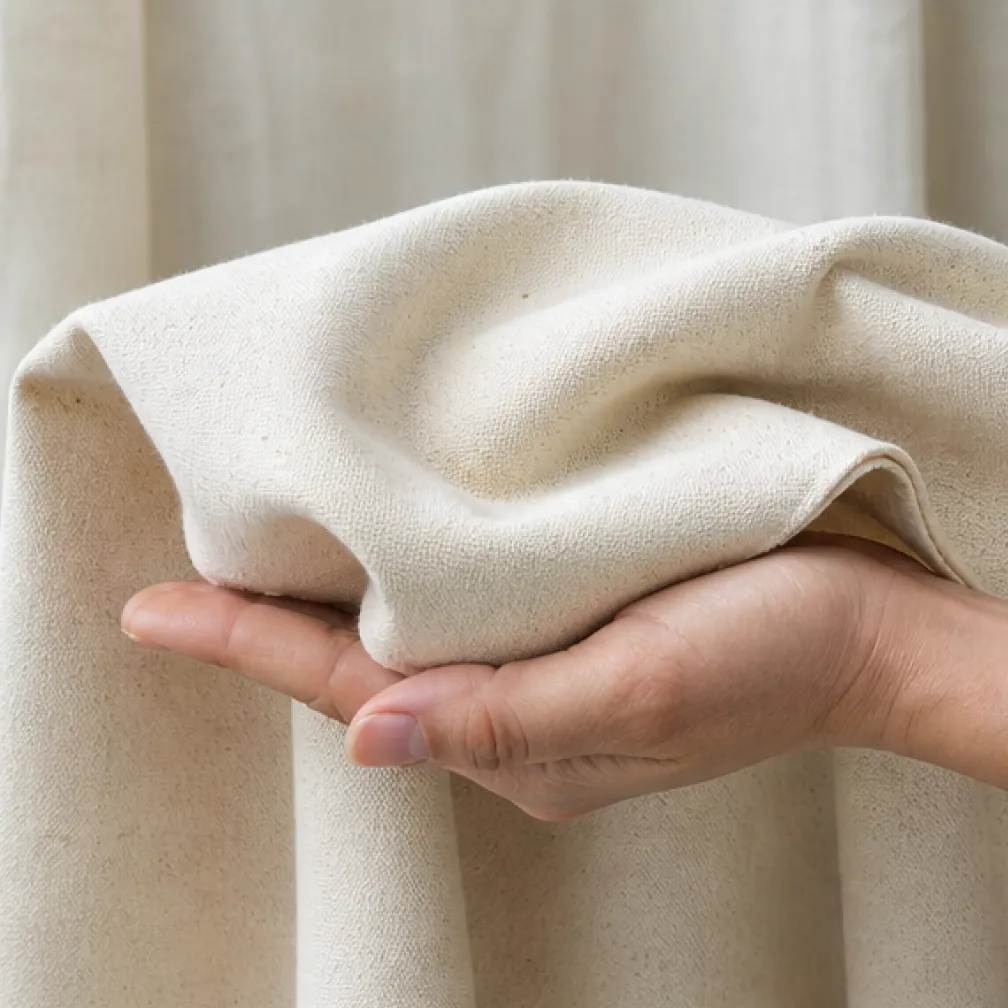
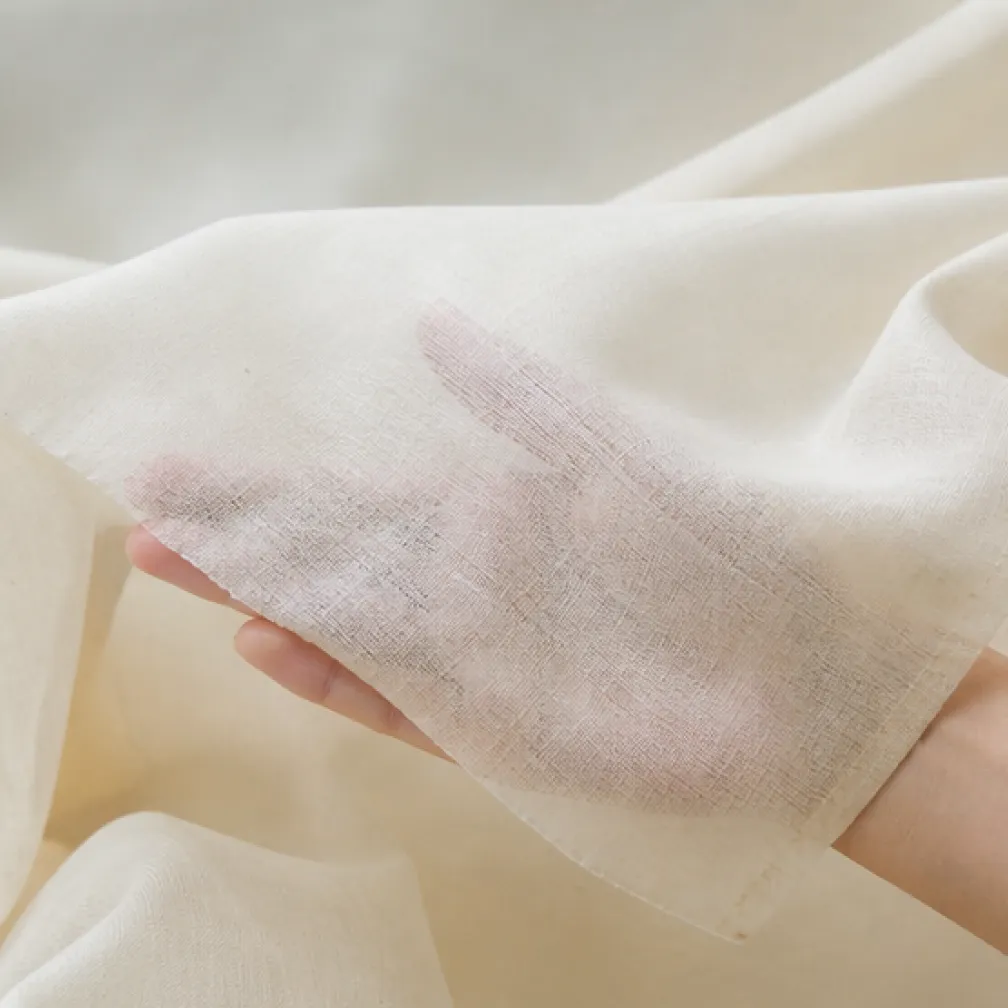
The composition of the fabric dictates its ultimate application. Natural fibers like Cotton and Linen provide exceptional breathability and comfort but are prone to wrinkling and significant shrinkage. Semi-synthetics like Modal (derived from beech tree pulp) offer an ultra-soft hand-feel, excellent moisture-wicking, and superior drape, making them ideal for intimates and loungewear. For activewear and structured garments, incorporating elastane (Spandex/Lycra) into a Polyester or Cotton base (e.g., 95/5 blends) is critical. This provides necessary stretch and, more importantly, recovery—ensuring the garment returns to its original shape after stretching.
Fabric shrinkage is the leading cause of fit issues in the apparel industry. If raw fabric is cut and sewn without proper stabilization, the garment will distort after the consumer's first wash. Professional textile manufacturers resolve this through Sanforization—a process of steaming, mechanically compressing, and heat-setting the fabric. This pre-shrinks the material, locking the warp and weft yarns, and guarantees that the finished garment will maintain its intended sizing and silhouette over its lifespan.
Apparel fabrics require rigorous dyeing processes to withstand frequent washing, friction, and perspiration without bleeding or fading. We utilize Reactive Dyes for natural cellulosic fibers (cotton, linen, modal) and Disperse Dyes for synthetics (polyester). These dyes form a molecular bond with the fibers rather than just sitting on the surface, ensuring deep color saturation and high fastness ratings that meet stringent international retail standards.
Sourcing bulk apparel fabric requires evaluating the material's compatibility with automated garment manufacturing. Fabrics that arrive with extreme weft skewing will result in twisted pant legs and misshapen shirts when cut in bulk layers. Furthermore, stretch fabrics wound too tightly on the roll will 'relax' after cutting, causing the garment pieces to shrink before sewing. Sourcing from a facility equipped with tension-less winding systems, gravity-assisted alignment, and edge-stabilizing finishes ensures the fabric lays perfectly flat on the cutting table, maximizing yield and eliminating production bottlenecks.