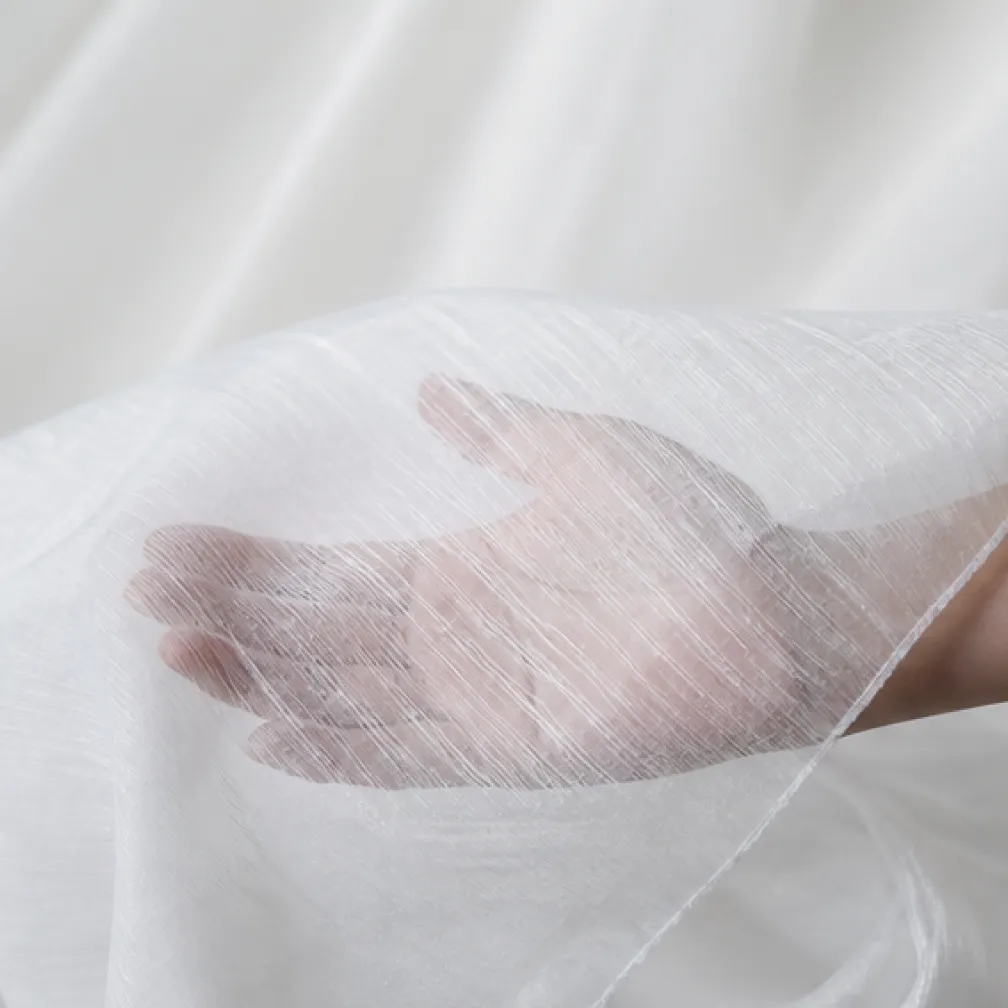
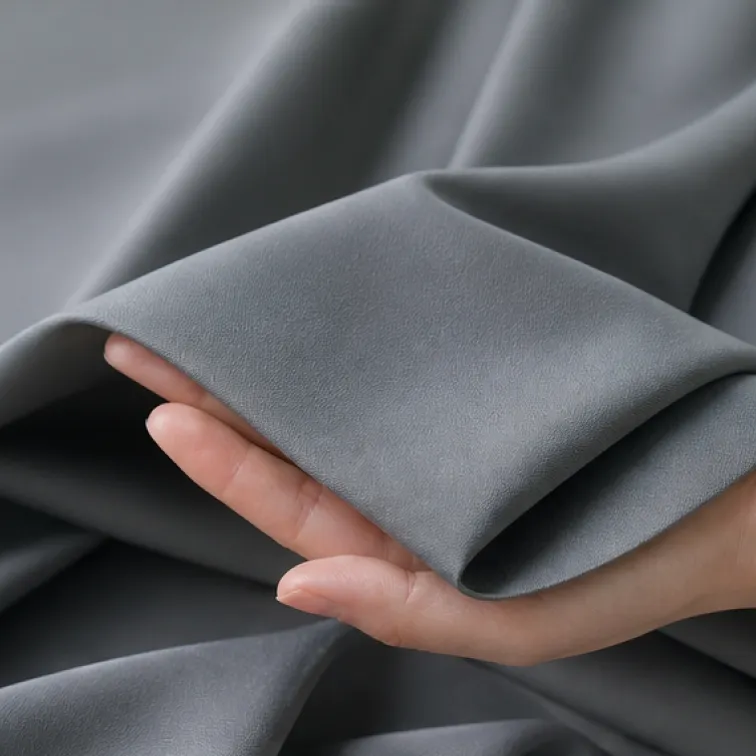
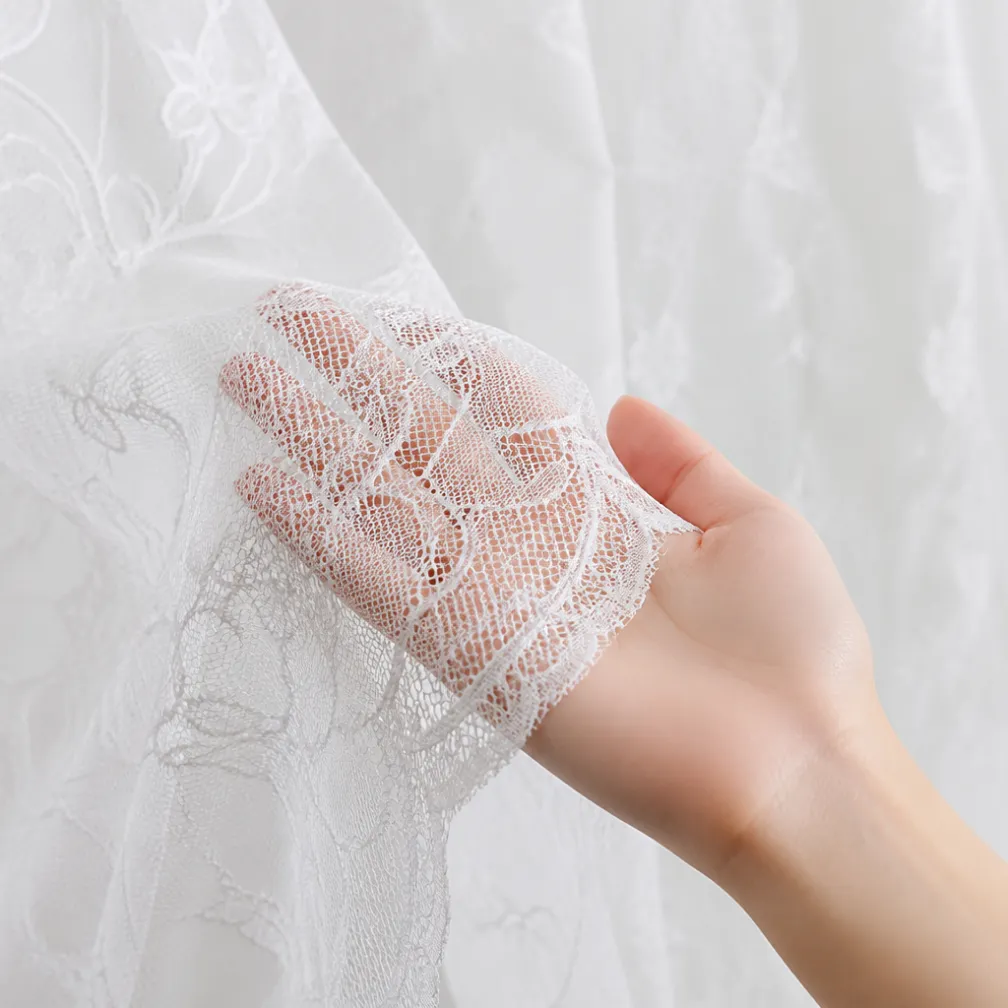
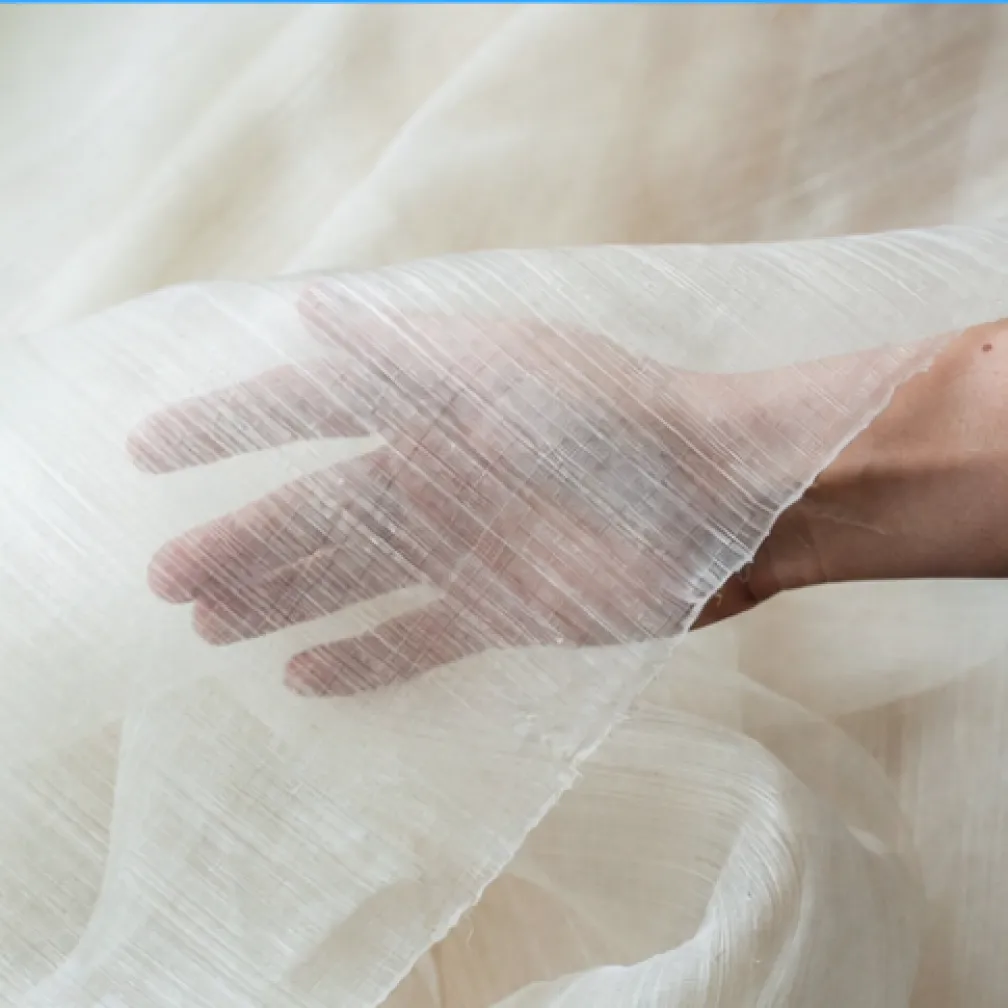
White Organza Curtain Panels

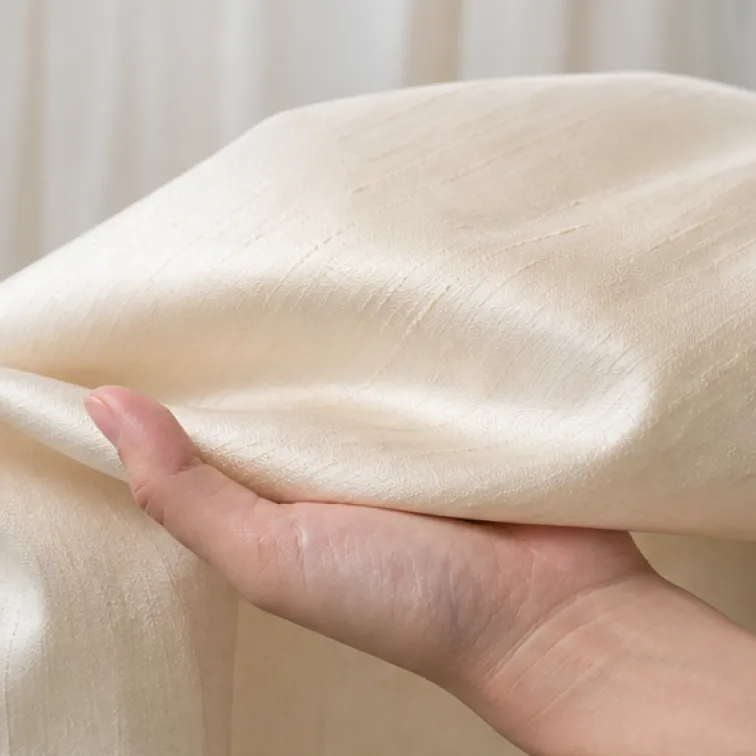
Luxury Silk Organza Sheers

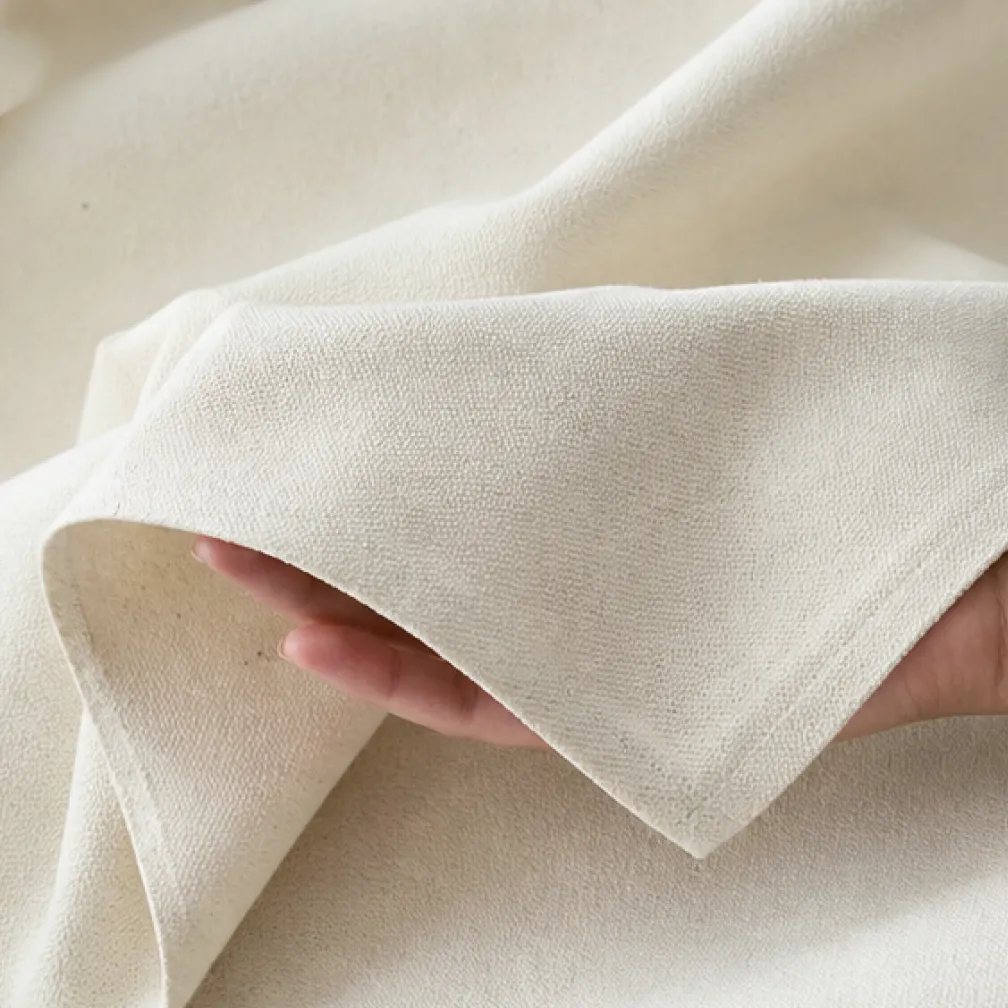
100% Polyester Organza Rolls

Gold Organza Event Drapes

Black Organza Window Curtains

Printed Organza Drapery Fabric
Organza's slippery, static-prone surface makes it difficult to align on flat cutting tables. We utilize our Vertical Cutting Machine to suspend the fabric, ensuring perfectly straight, gravity-aligned cuts without diagonal skewing.
Sewing stiff, inelastic fabrics often causes extreme puckering along the seams. Our production lines integrate the Automatic backwards tension hemming machine. This system dynamically adjusts thread tension to guarantee flat, ripple-free edges without bruising the sheer surface.
High transparency amplifies even microscopic weaving defects. We process every roll through a Single-Sided Inspection Machine equipped with LED backlighting to rapidly isolate shading variations and yarn snags before fabrication.
To capitalize on organza's volume-holding capabilities, we process the finished panels using our Automatic Pleating Machine. It calculates and stitches complex, deep pleats uniformly, creating a structured, high-end drape aesthetic.
We manufacture synthetic organza rolls in wide widths (up to 330cm). This capability enables the production of expansive commercial sheer panels and event backdrops without introducing visually disruptive vertical joining seams.


| Technical Category | Available Options & Specifications |
|---|---|
| Fabric Composition | 100% Polyester, Silk Organza, Nylon Blends |
| Fabric Weight (GSM) | 20g/㎡ - 50g/㎡ (Ultra-Sheer to Structured) |
| Roll Width | Standard 140cm, Wide-Width 280cm / 330cm |
| Header Styles | Pinch Pleat, Rod Pocket, Pencil Pleat (for volume) |
| Functional Finishes | Thermal Set (Anti-Slip), Anti-Static, Fire Retardant (Optional) |
| Primary Applications | Event Backdrops, Luxury Sheers, Overdrapes, Canopy Fabrics |
We build the machines that make curtains — and use them on our own production line. That means every process, from cutting to pleating, runs on equipment we engineered ourselves.
learn more about us


Our MOQ is flexible based on the product specifications. Standard in-stock 100% polyester organza supports lower minimums suitable for event testing or mock-up rooms. Custom-dyed pure silk organza or specific OEM weaving orders require a higher baseline volume to initiate production.
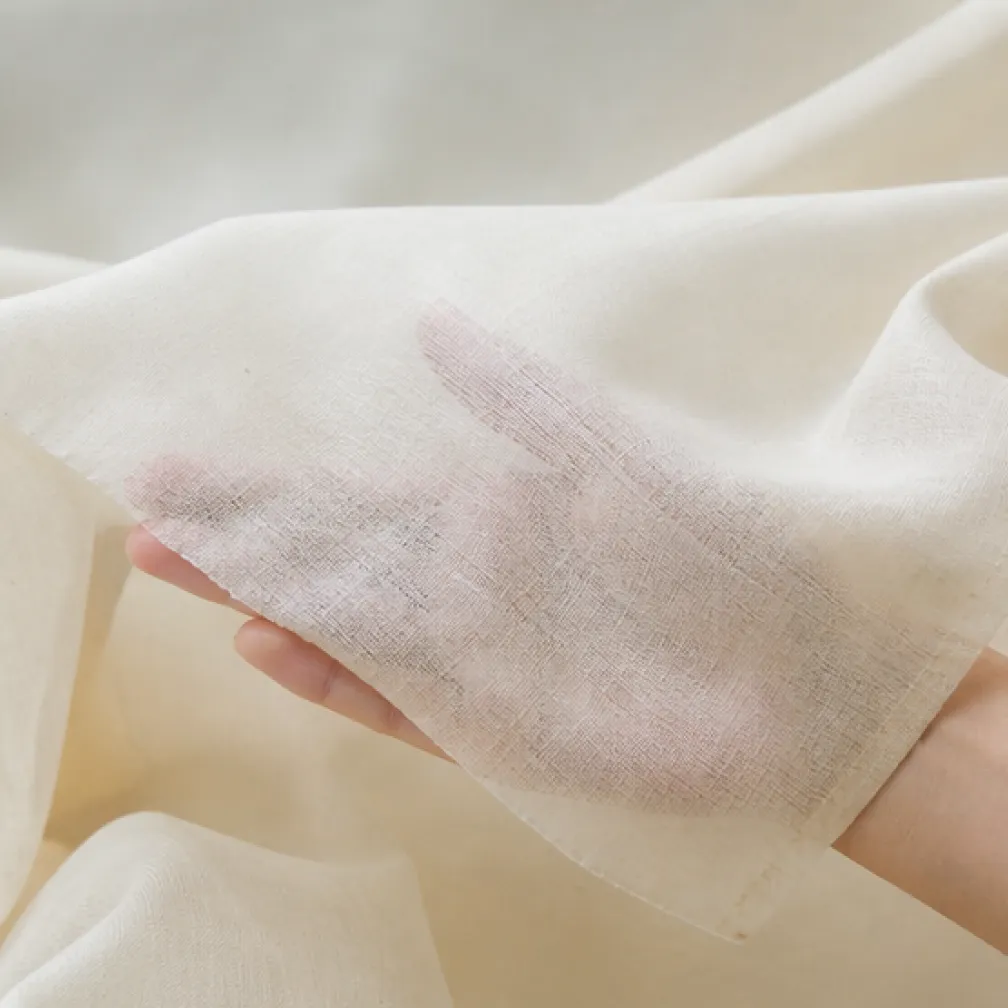
Voile is woven to be soft, flowing, and highly drapable. Organza is woven from tightly twisted filament yarns, creating a stiff, wiry texture that holds volume and shape. Organza also offers higher transparency and a more luminous sheen compared to the matte finish of voile.
Yes. While natural silk organza is difficult to treat chemically, our 100% polyester organza can be engineered with inherent flame retardant (IFR) yarns or treated topically during finishing. This ensures full compliance with international commercial fire codes, such as NFPA 701.
Absolutely. We manufacture and process wide-width synthetic organza fabric rolls, commonly available in 280cm or 330cm dimensions. This allows us to fabricate large, continuous sheer treatments without vertical seams, which are particularly visible on highly transparent fabrics.
Organza's stiffness and lack of elasticity make it highly prone to puckering under incorrect thread tension. We eliminate this by utilizing our proprietary post-tension sewing machinery. These automated systems adjust the feed rate and tension in real-time, preventing the fabric from shifting or bunching during stitching.
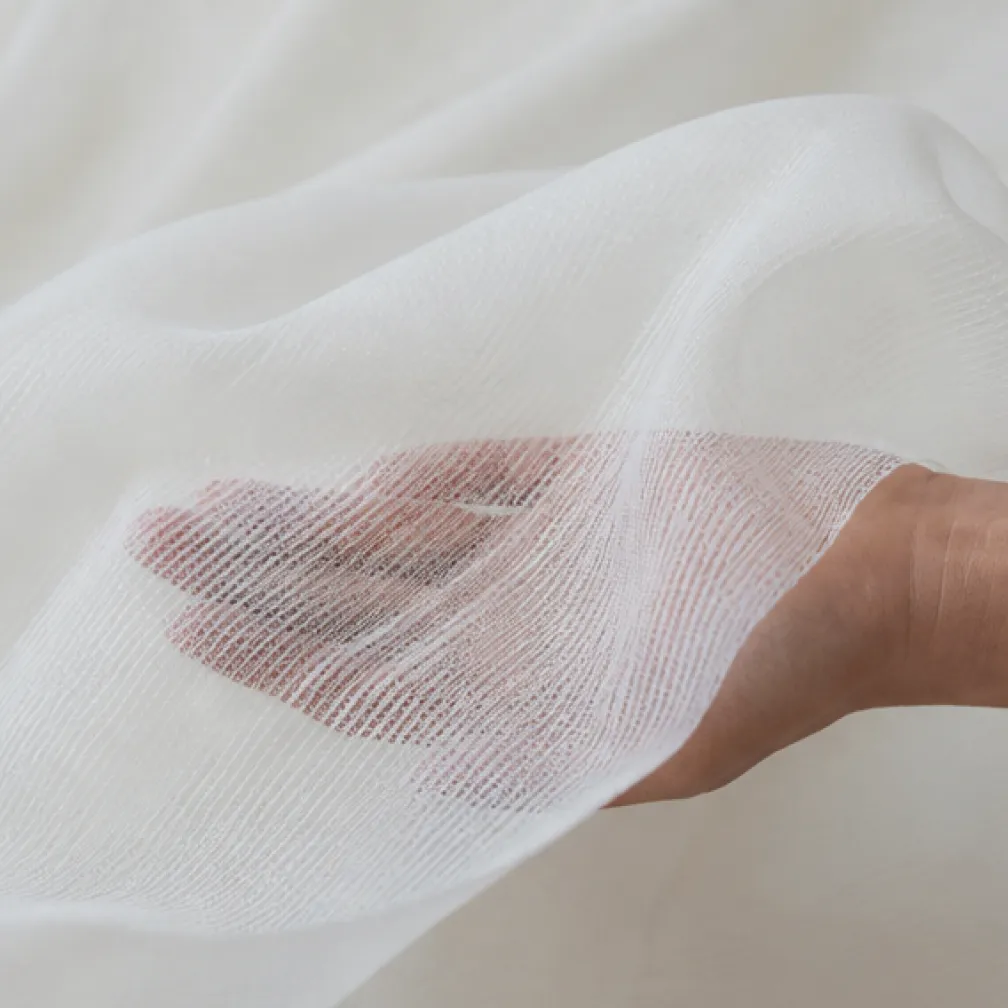
Procuring organza curtain fabrics for hospitality, event venues, or luxury residential projects requires an understanding of its unique physical properties. Organza is globally recognized for its extreme sheer clarity, luminous sheen, and stiff, voluminous drape. However, these same properties make it one of the most challenging textiles to manufacture and maintain. Evaluating the engineering behind modern synthetic organza and the manufacturing precision required ensures successful large-scale procurement.
Pure silk organza is the benchmark for luxury. It is woven from continuous silk filaments, offering an unparalleled, iridescent luster and a naturally crisp hand-feel. However, it is highly vulnerable to UV degradation, water spotting, and wrinkling, making it difficult to maintain in heavy-traffic environments without protective linings. Polyester organza provides a pragmatic B2B alternative. Advanced synthetic weaving accurately replicates the crisp stiffness and high transparency of silk while delivering superior dimensional stability, high colorfastness against UV light, and resistance to moisture, ensuring longevity in commercial settings.
Organza is a plain weave fabric constructed with very fine, smooth yarns spaced relatively far apart to achieve its signature transparency. This architecture makes the fabric highly susceptible to 'yarn slippage'—a defect where the yarns shift apart under physical stress or at the seam lines, creating visible holes. Professional manufacturers combat this by applying specialized thermal setting treatments and chemical binders during the finishing phase. This locks the fiber matrix in place, providing the tensile strength necessary for commercial drapery fabrication.
Processing organza into finished drapery is notoriously difficult. The fabric is slippery yet stiff, causing layers to slide against each other under standard sewing machine feet, leading to severely puckered seams. Furthermore, static electricity frequently causes the sheer panels to cling unnaturally during cutting. Sourcing from a vertically integrated facility equipped with anti-static treatments, specialized tension-controlled hemming machines, and gravity-assisted cutting systems is critical. These technologies eliminate manual pulling and misalignment, guaranteeing perfectly flat hems, precise pattern matching, and pristine fabric surfaces across bulk commercial orders.