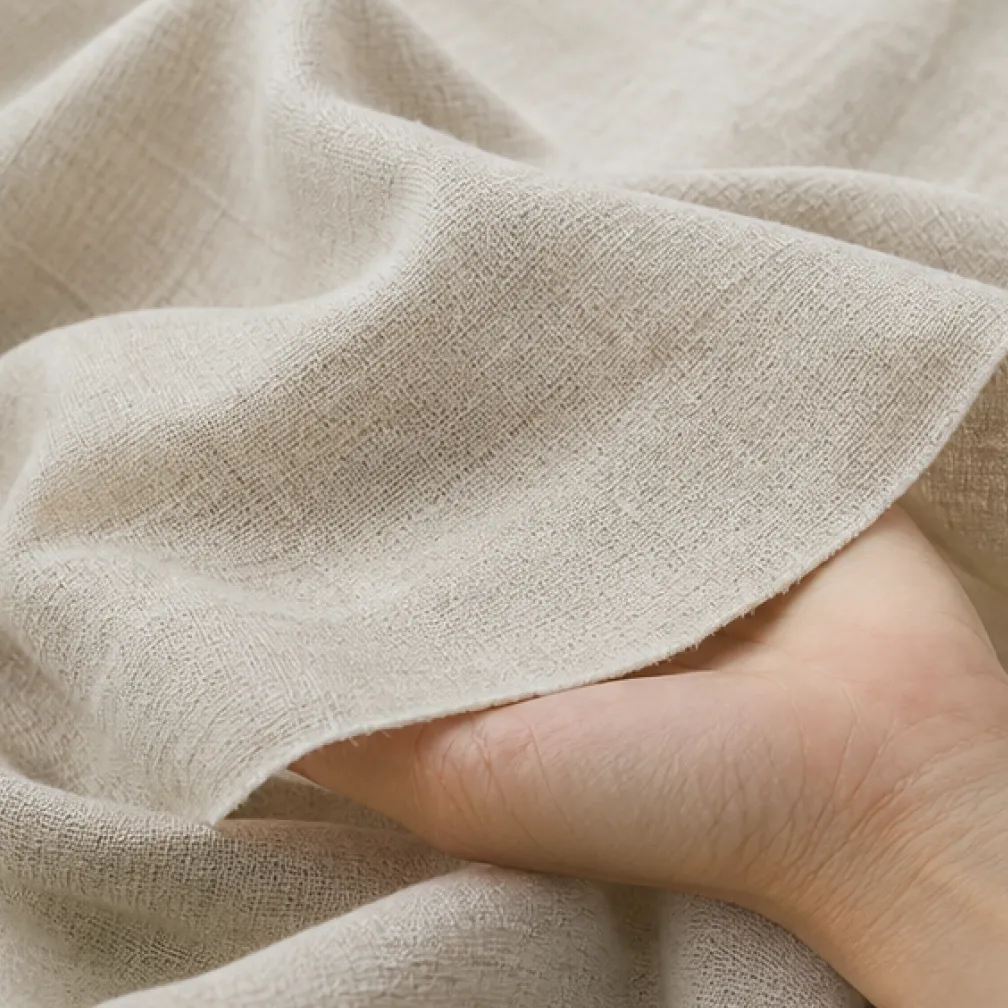
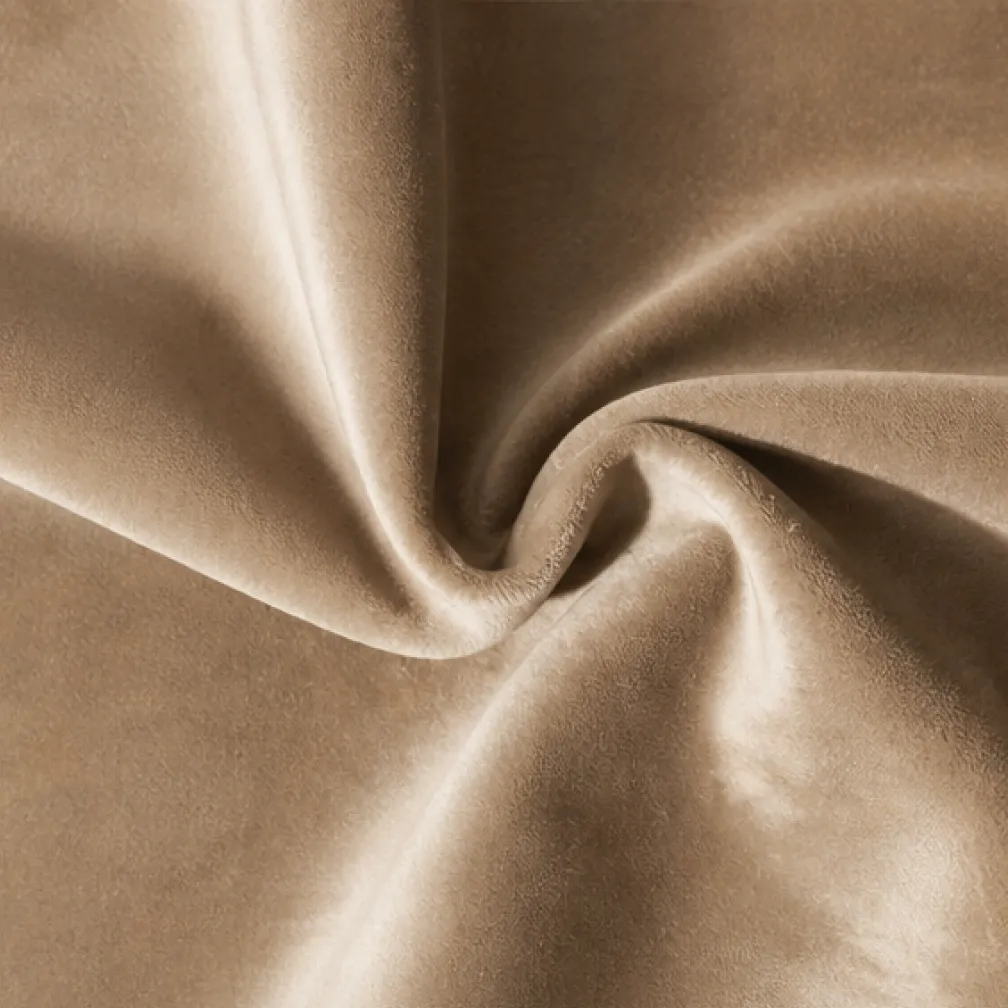
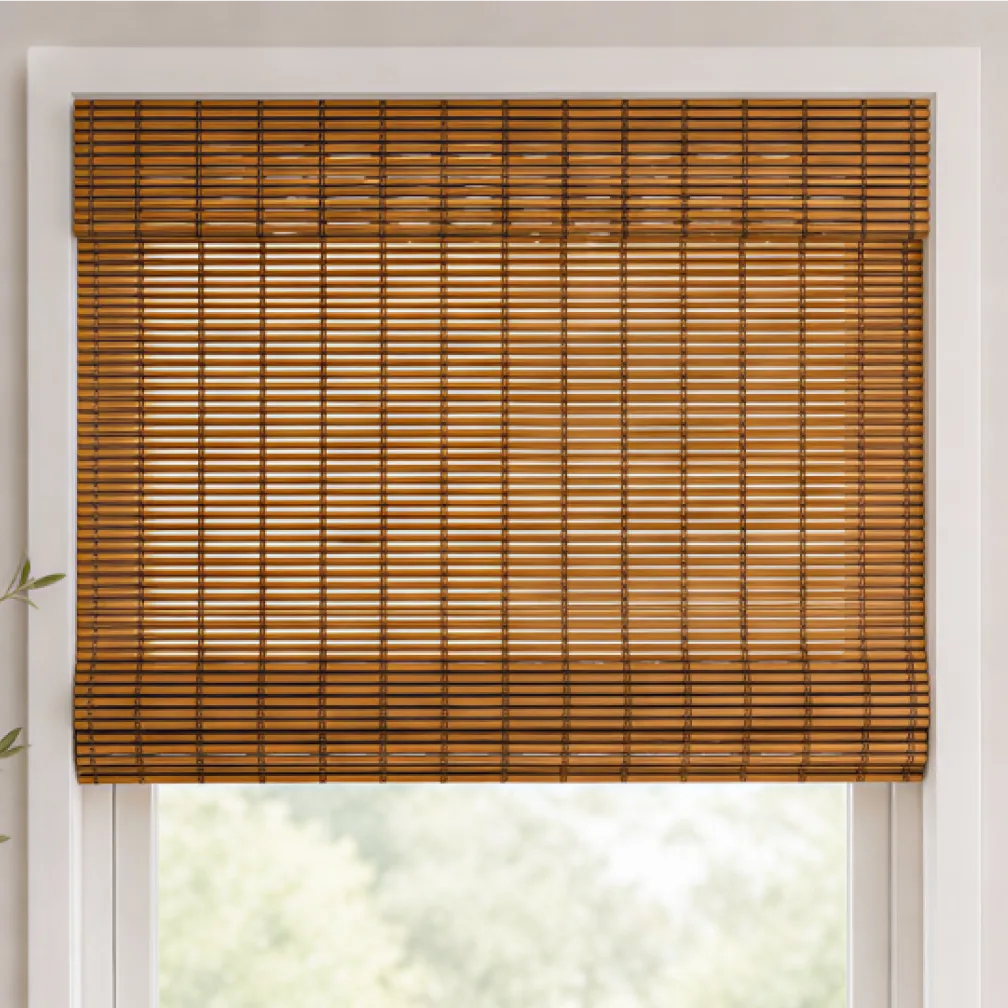
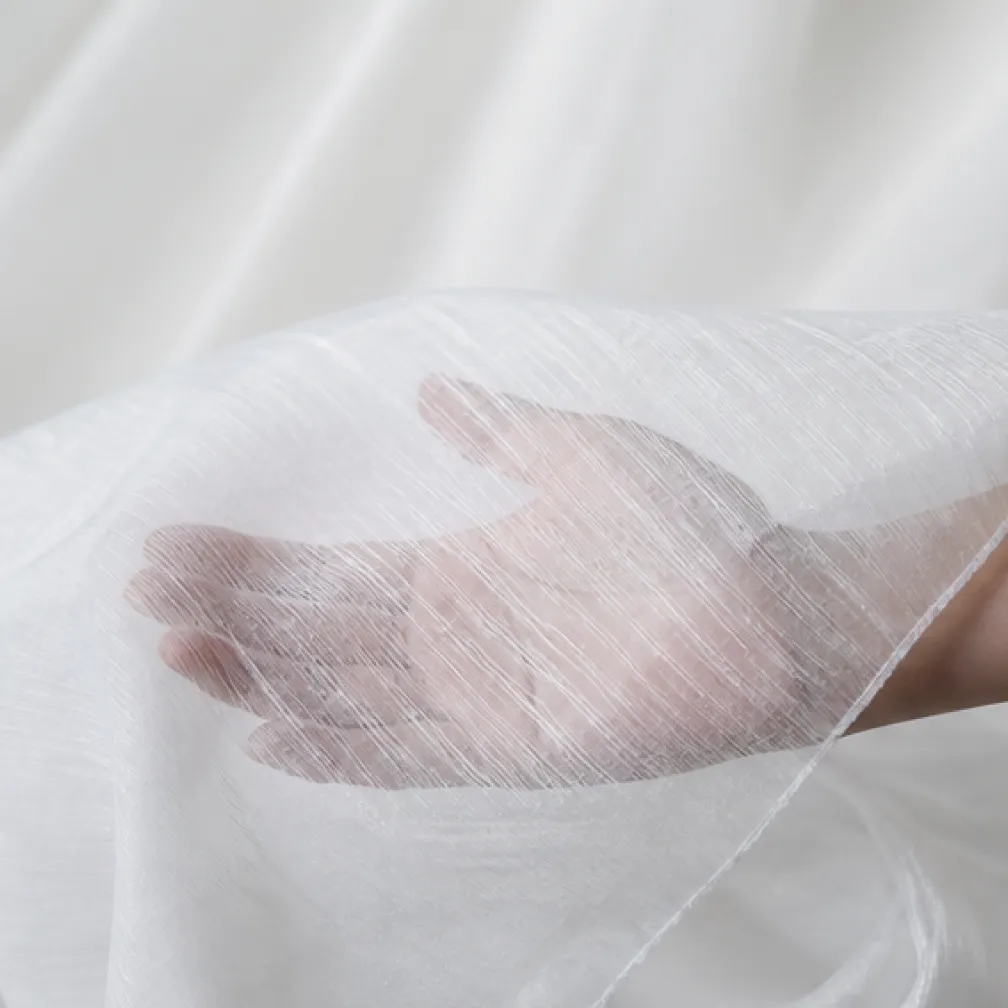
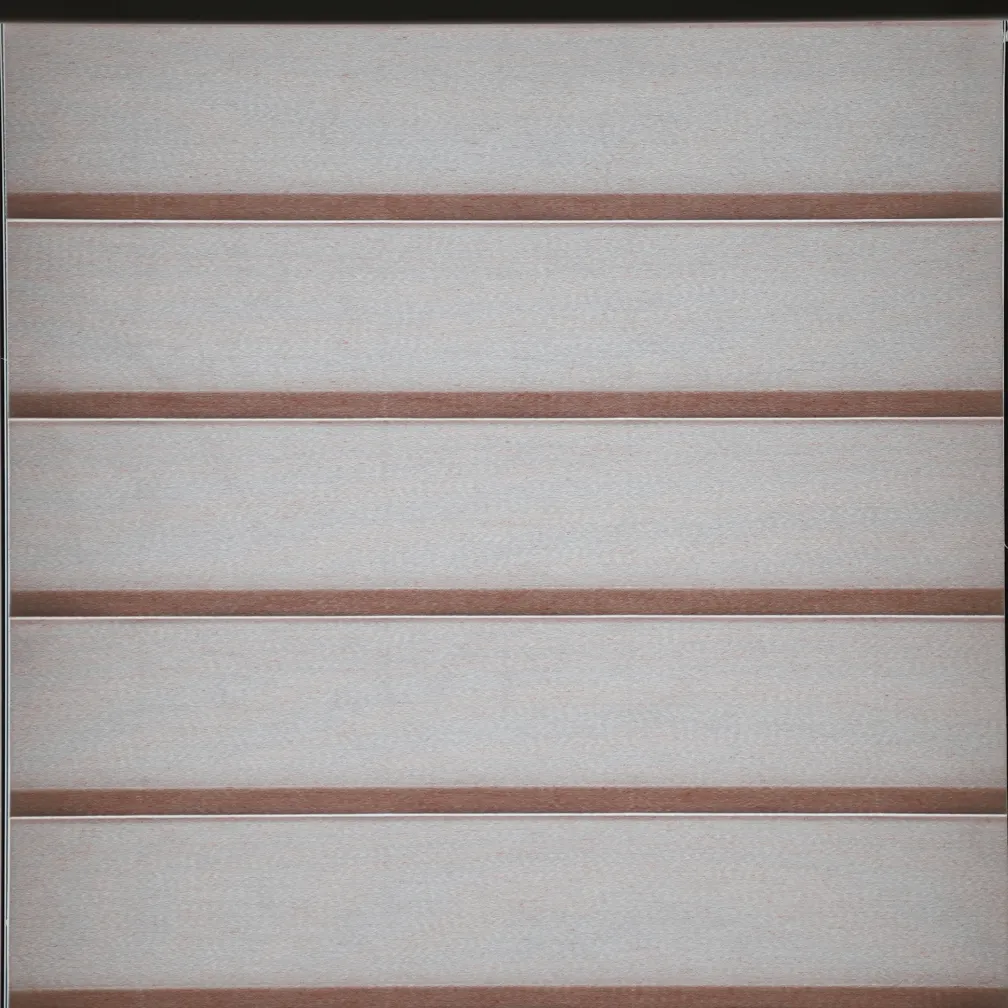
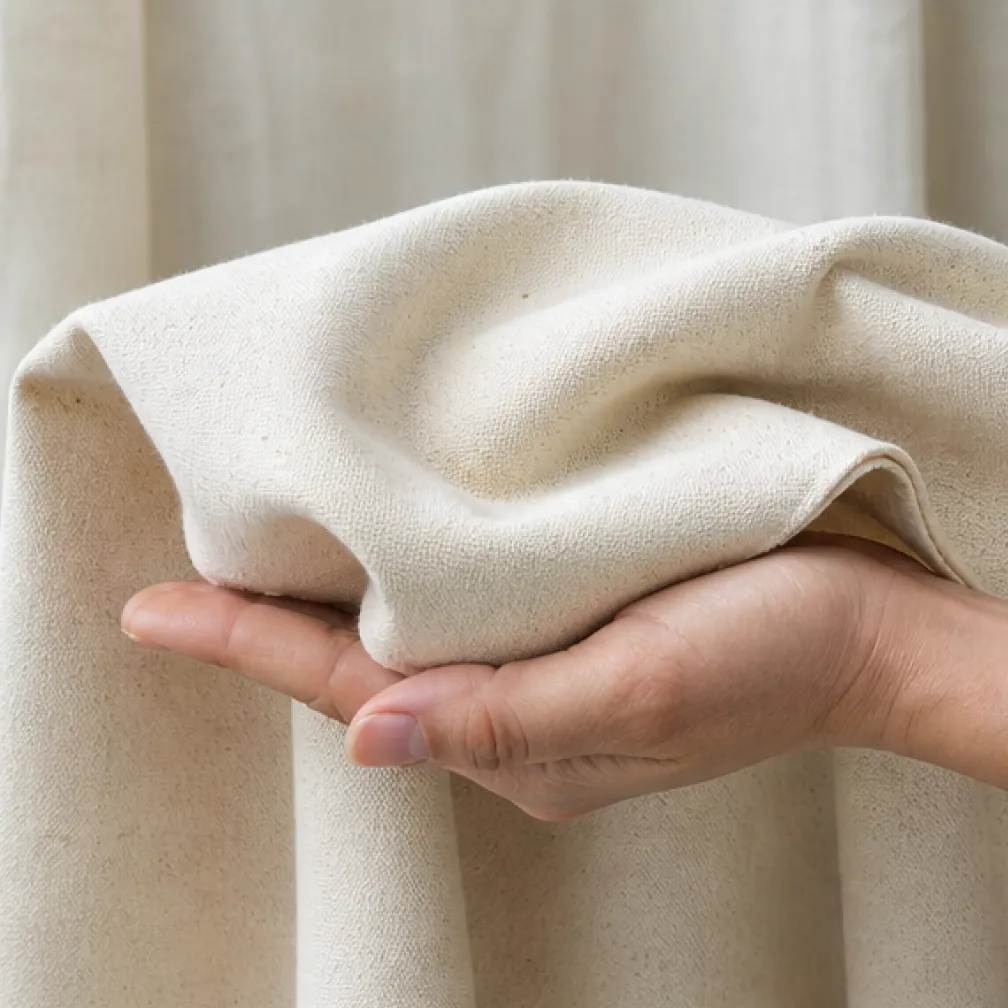
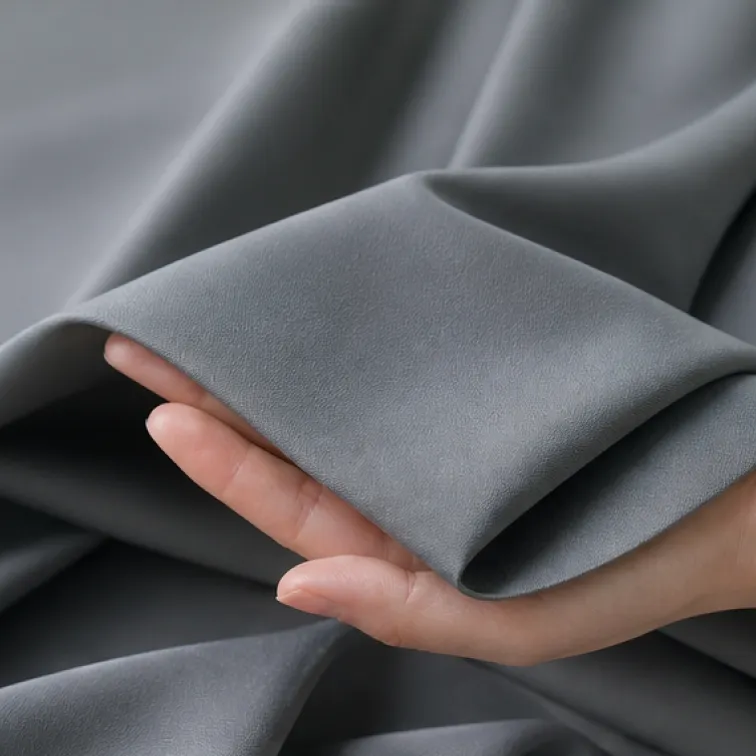
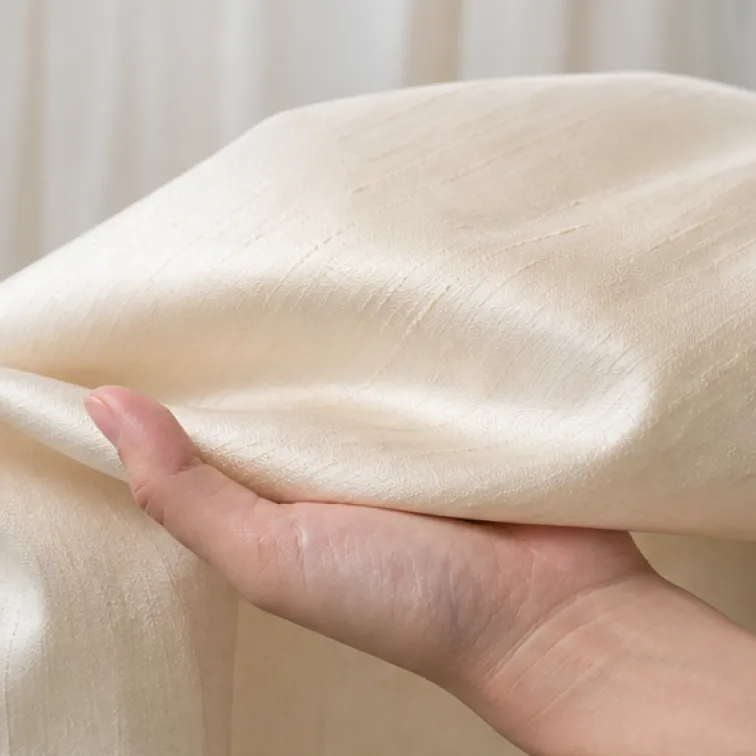
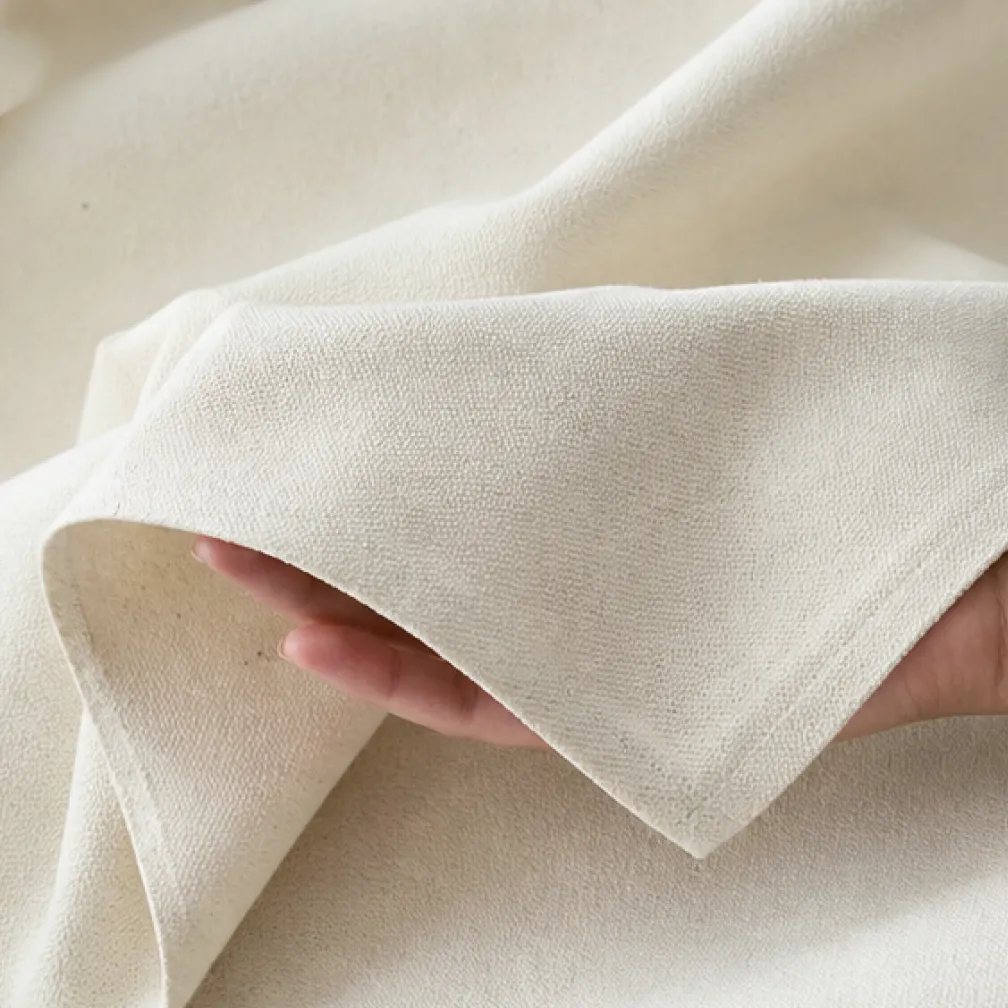
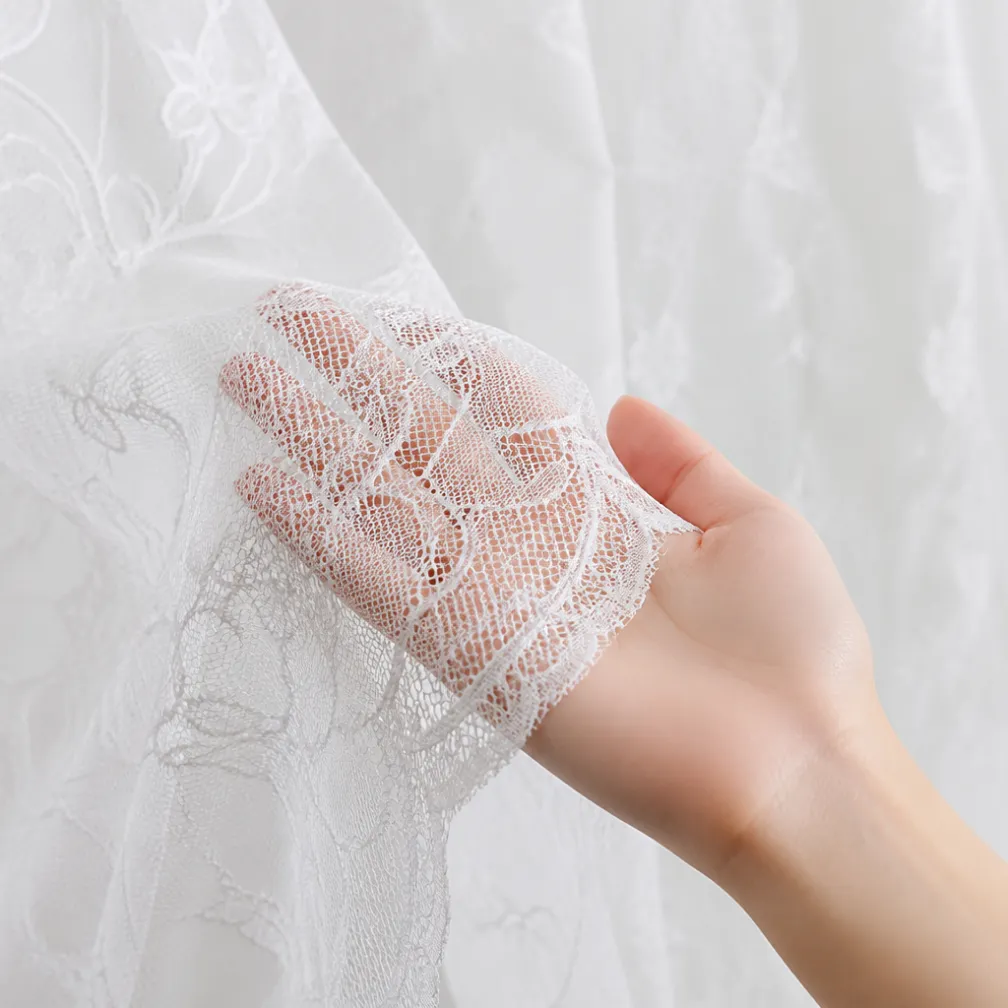
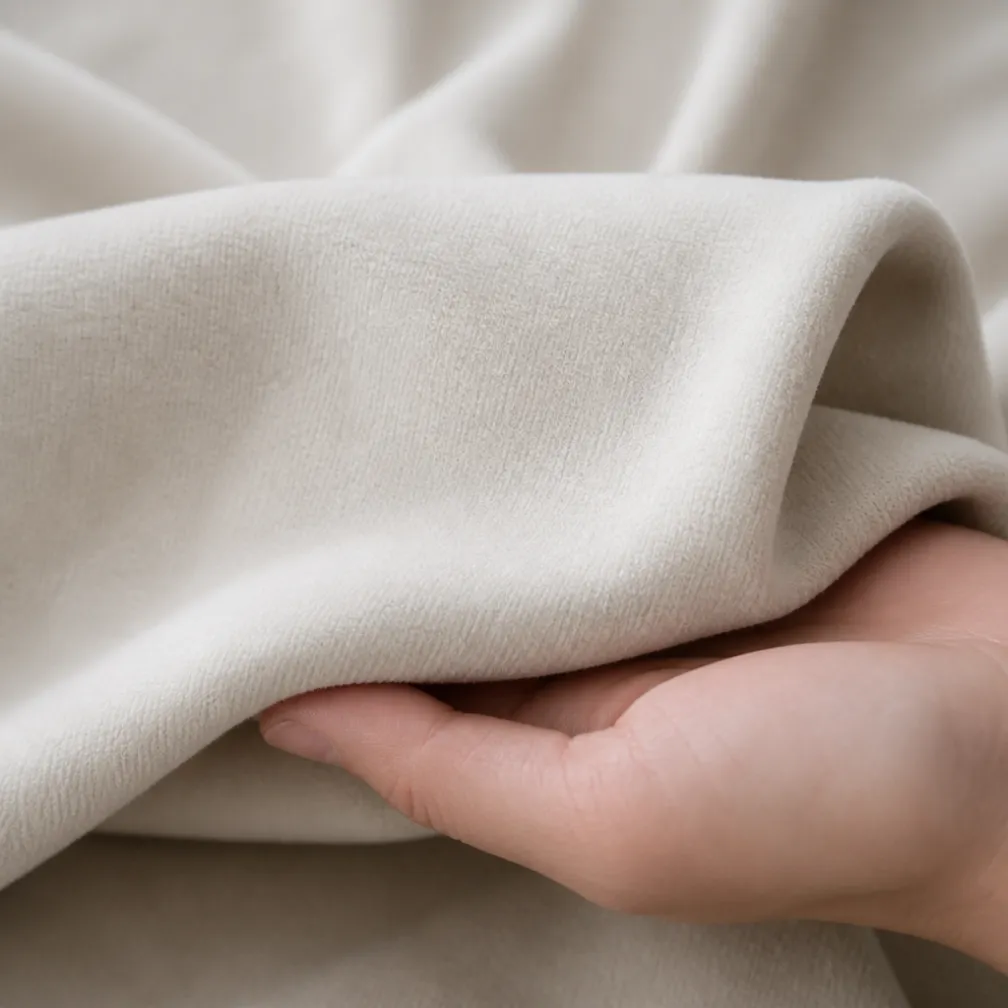
Unbleached Muslin Curtains

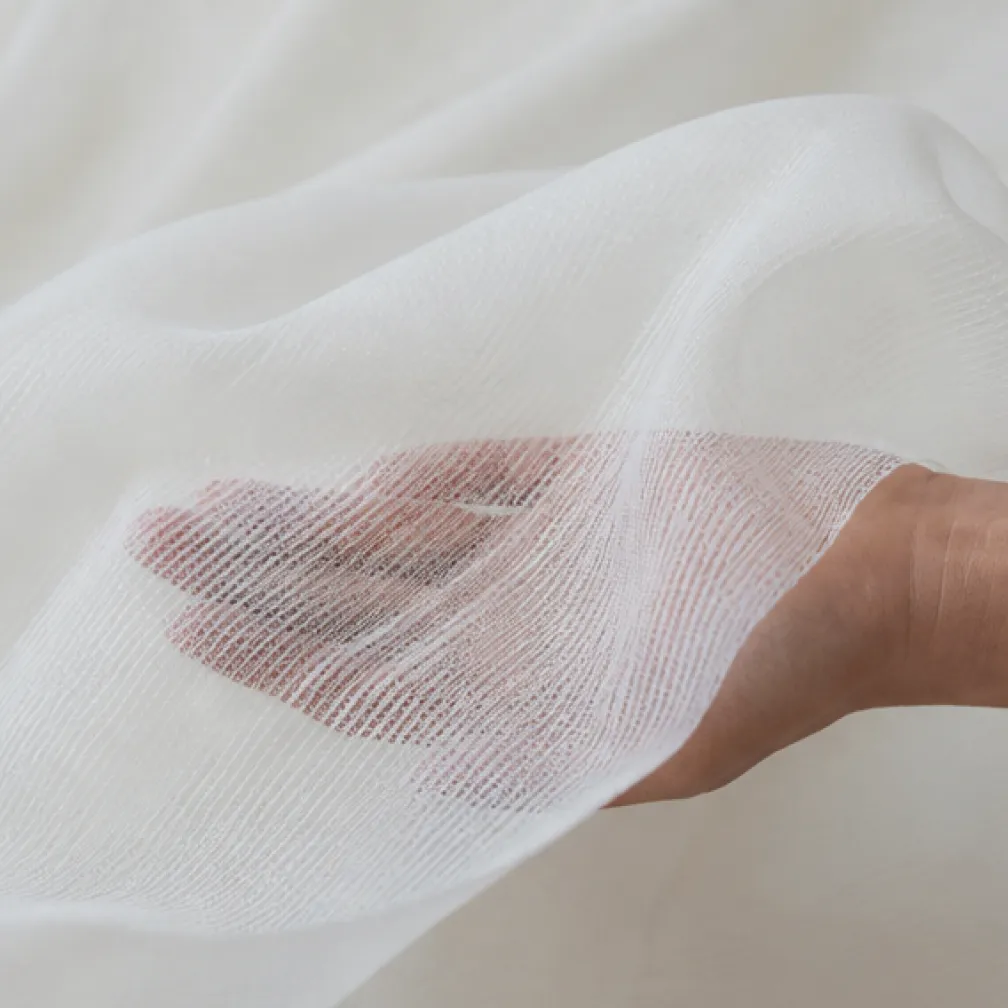
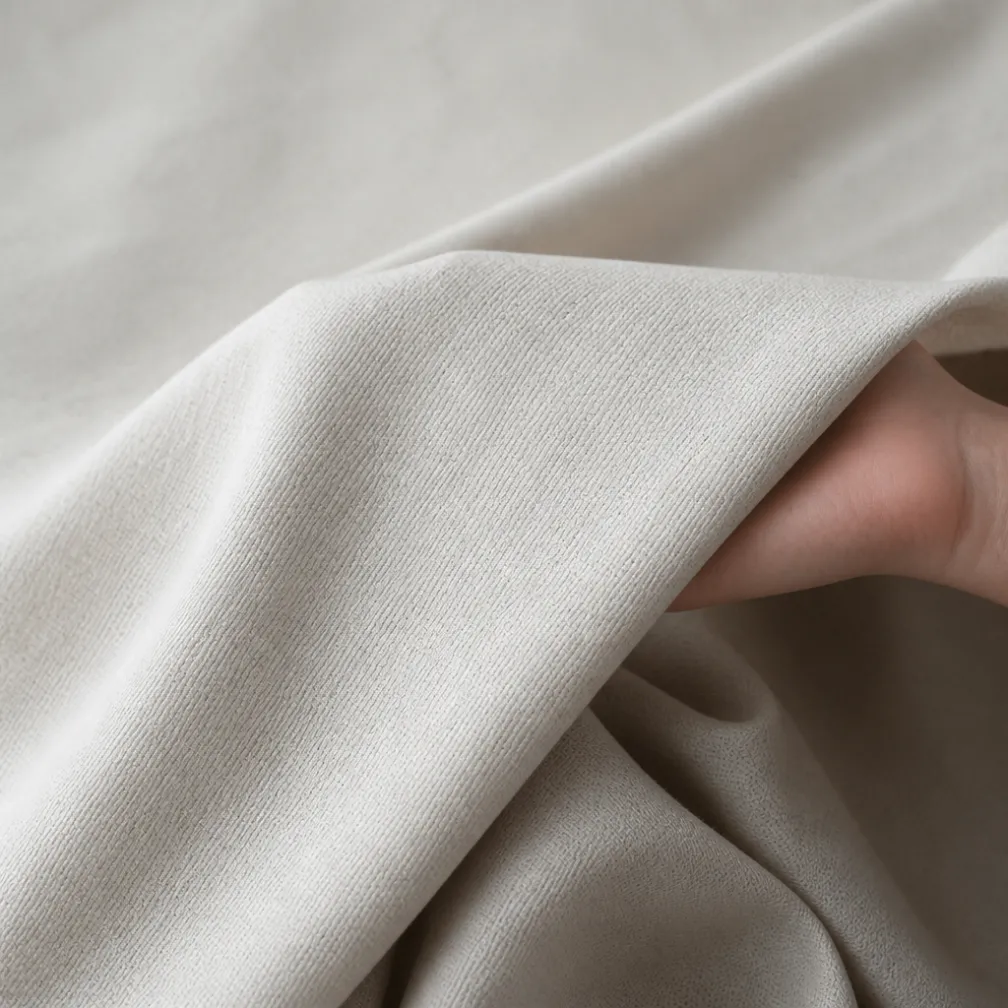
Cotton Gauze Curtain Panels

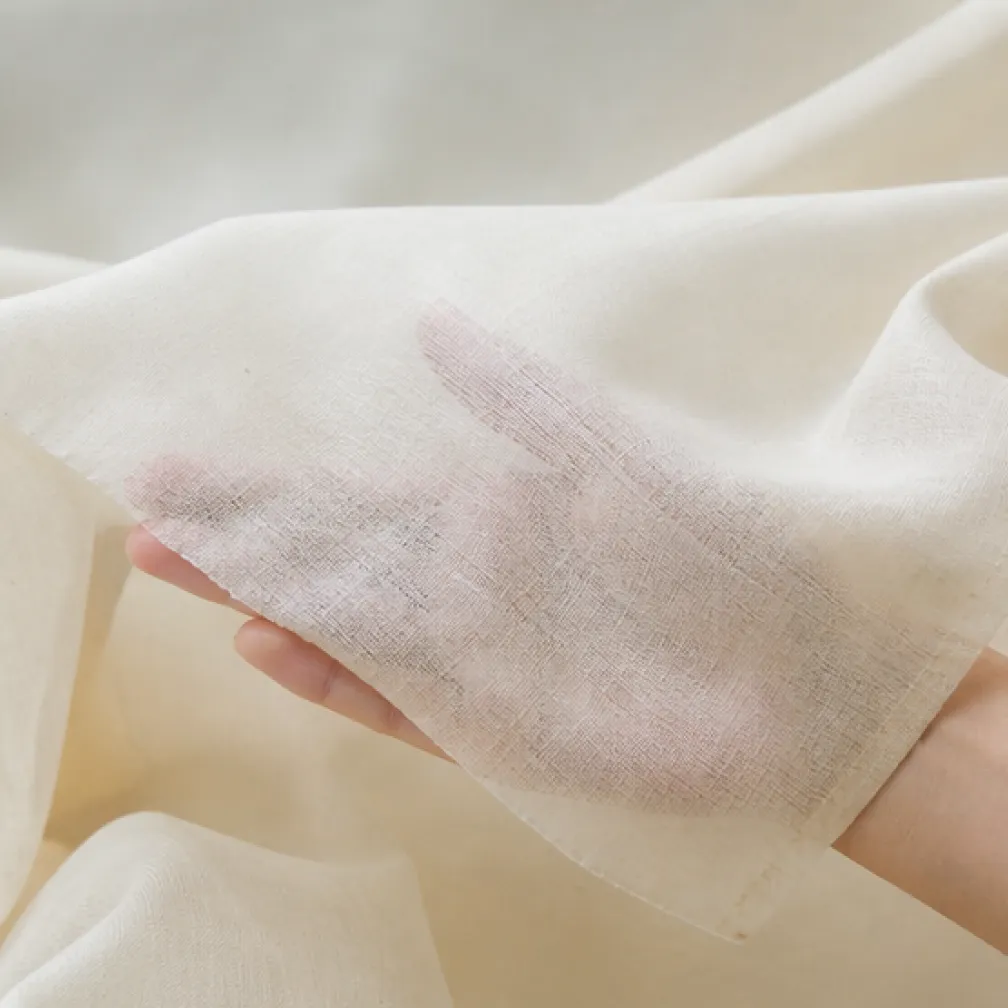
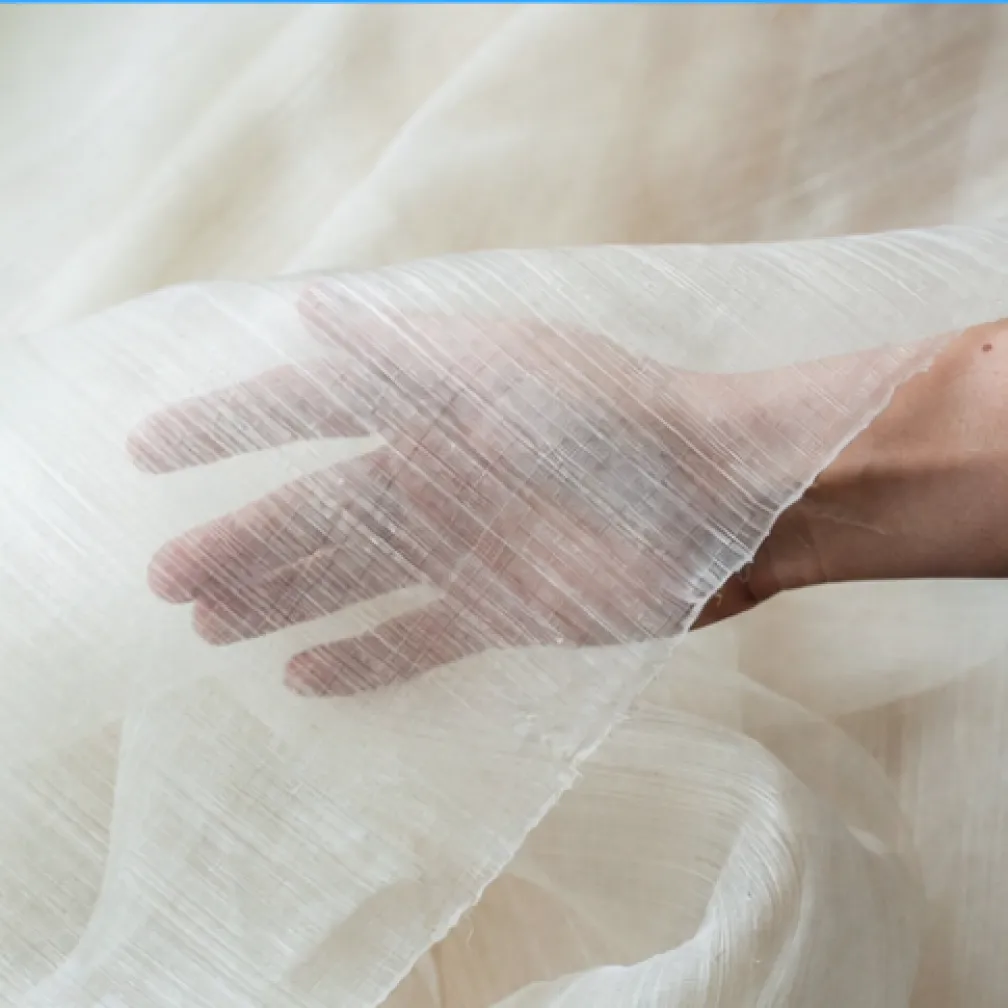
Cheesecloth Drapery Fabric

Conservatory Muslin Drapes

Black Gauze Curtains

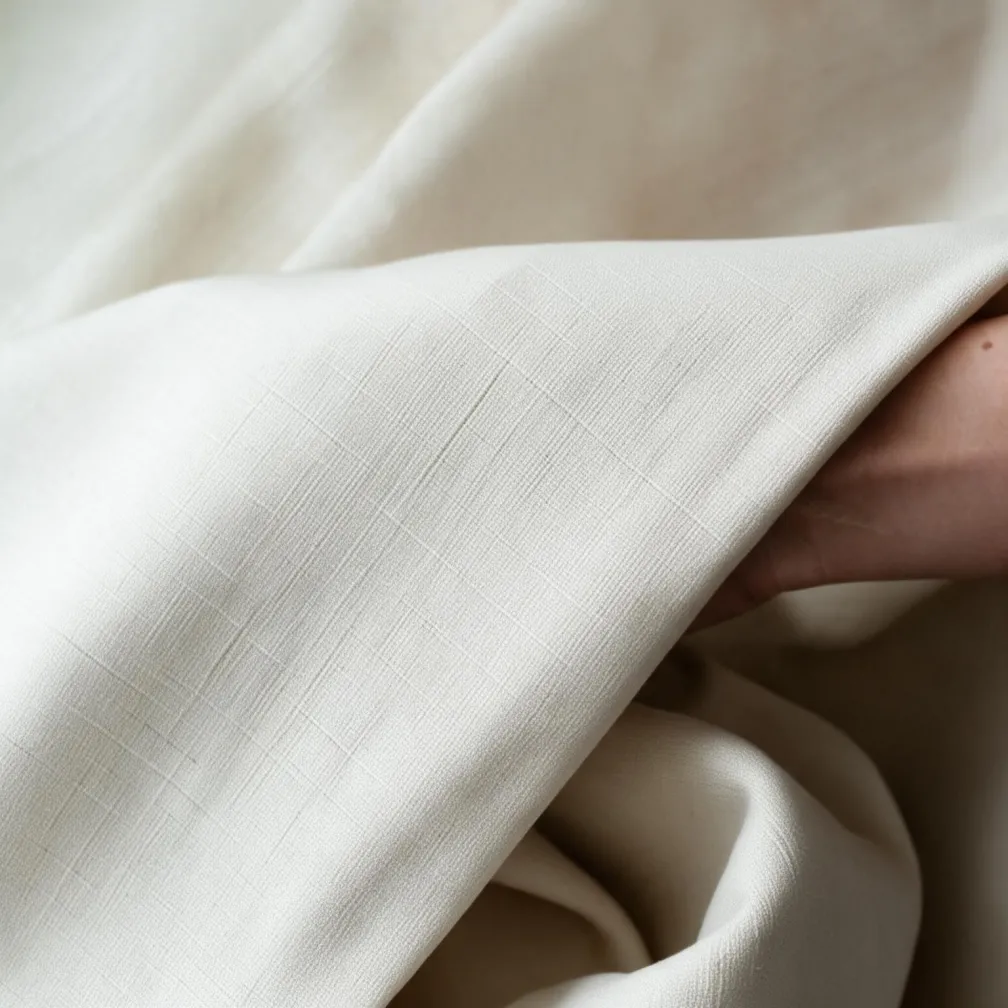
Bleached Muslin Net Curtains
Loosely woven gauze easily distorts when manipulated on flat tables. We use our Vertical Cutting Machine to suspend the fabric, ensuring perfectly straight cuts aligned with natural gravity to prevent diagonal warping.
Stitching airy muslin frequently causes extreme seam puckering. Our production lines integrate the Automatic backwards tension hemming machine. This system dynamically adjusts thread tension to guarantee flat, ripple-free edges.
We inspect every roll on a Single-Sided Inspection Machine equipped with LED backlighting. This rapidly identifies and removes weaving knots or yarn irregularities before the delicate material reaches the cutting phase.
To lock in the final dimensions of the cheesecloth without crushing its texture, we utilize a specialized Horizontal Iron Setting Machine with regulated steam control, stabilizing the weave architecture safely.
To ensure sharp drape aesthetics without stretching the open mesh, we utilize our Automatic Pleating Machine. It precisely calculates and stitches complex pleats, eliminating manual measurement errors in delicate cottons.


| Technical Category | Available Options & Specifications |
|---|---|
| Fabric Composition | 100% Cotton, Poly-Cotton Blends |
| Fabric Styles | Unbleached Muslin, Bleached Gauze, Graded Cheesecloth |
| Fabric Weight (GSM) | 40g/㎡ - 150g/㎡ (Depending on grade and weave density) |
| Roll Width | Standard 140cm, Wide-Width 280cm / 330cm |
| Header Styles | Rod Pocket, Pinch Pleat, S-Fold, Pencil Pleat |
| Functional Finishes | Pre-Shrunk, Anti-Yellowing, Topical Fire Retardant (Optional) |
| Primary Applications | Event Backdrops, Conservatory Drapes, Residential Sheers |
We build the machines that make curtains — and use them on our own production line. That means every process, from cutting to pleating, runs on equipment we engineered ourselves.
learn more about us


Our MOQ depends on the customization level. Standard in-stock muslin models support lower minimums suitable for pilot runs. Custom weaving or specific piece-dyeing requires a higher baseline volume, negotiated per project scope.
We apply industrial thermal pre-shrinking (sanforization) during the finishing stage. This process mechanically compresses and locks the cotton fiber structure, drastically reducing residual shrinkage and ensuring dimensional stability after washing.
Yes. While natural cotton is inherently flammable, we apply specialized topical flame retardant (FR) treatments during finishing. This ensures the airy fabrics comply with rigorous international commercial fire codes, such as NFPA 701 and BS 5867.
Absolutely. We manufacture and process wide-width rolls, commonly up to 280cm or 330cm. Utilizing these wide-width materials allows us to fabricate continuous, seamless commercial window treatments without visual interruptions.
We utilize proprietary post-tension sewing machinery. These automated systems adjust the feed rate and thread tension in real-time, preventing the delicate, loosely woven yarns from shifting or bunching during the stitching process.
Procuring loose-weave fabrics for hospitality, event venues, or residential projects involves navigating the distinct physical properties of airy, highly breathable textiles. While muslin and gauze are prized for their soft, organic drape and excellent light diffusion, they present specific manufacturing challenges—namely shrinkage, weft distortion, and seam instability. Evaluating a manufacturer's technical capabilities ensures the final product meets commercial standards.
Muslin is a plain-woven cotton fabric available in a wide range of weights, from delicate sheers to coarse, heavyweight sheets. Unbleached muslin retains natural cotton flecks, offering a rustic aesthetic. Gauze is characterized by an open, airy weave with a highly relaxed structure, providing maximum air permeability. Cheesecloth shares a similar open-mesh structure but is typically graded by its thread count (e.g., Grade 10 to Grade 90). For commercial drapery, higher-grade, reinforced cheesecloth and gauze are utilized to ensure the material can withstand handling without tearing.
Loosely woven natural fibers swell and contract significantly more than tightly woven canvas when exposed to moisture. If raw muslin is sewn into drapery without prior treatment, it will experience severe vertical shrinkage. Professional textile manufacturers resolve this by integrating rigorous pre-shrinking (sanforization) processes. By mechanically compressing and thermally setting the fabric, the residual shrinkage is reduced to commercial tolerances, guaranteeing dimensional stability for the end-user.
Processing airy, unstructured fabrics into finished drapery requires equipment calibrated specifically for delicate textiles. Manual cutting easily distorts the weft, making the curtain hang diagonally. Standard sewing machines snag the open weave or cause severe puckering along the hems. Sourcing from a vertically integrated facility equipped with gravity-assisted vertical cutting machines, intelligent tension-controlled hemming units, and precise pleating technology ensures flawless seam integrity and exact pattern alignment across bulk commercial orders.