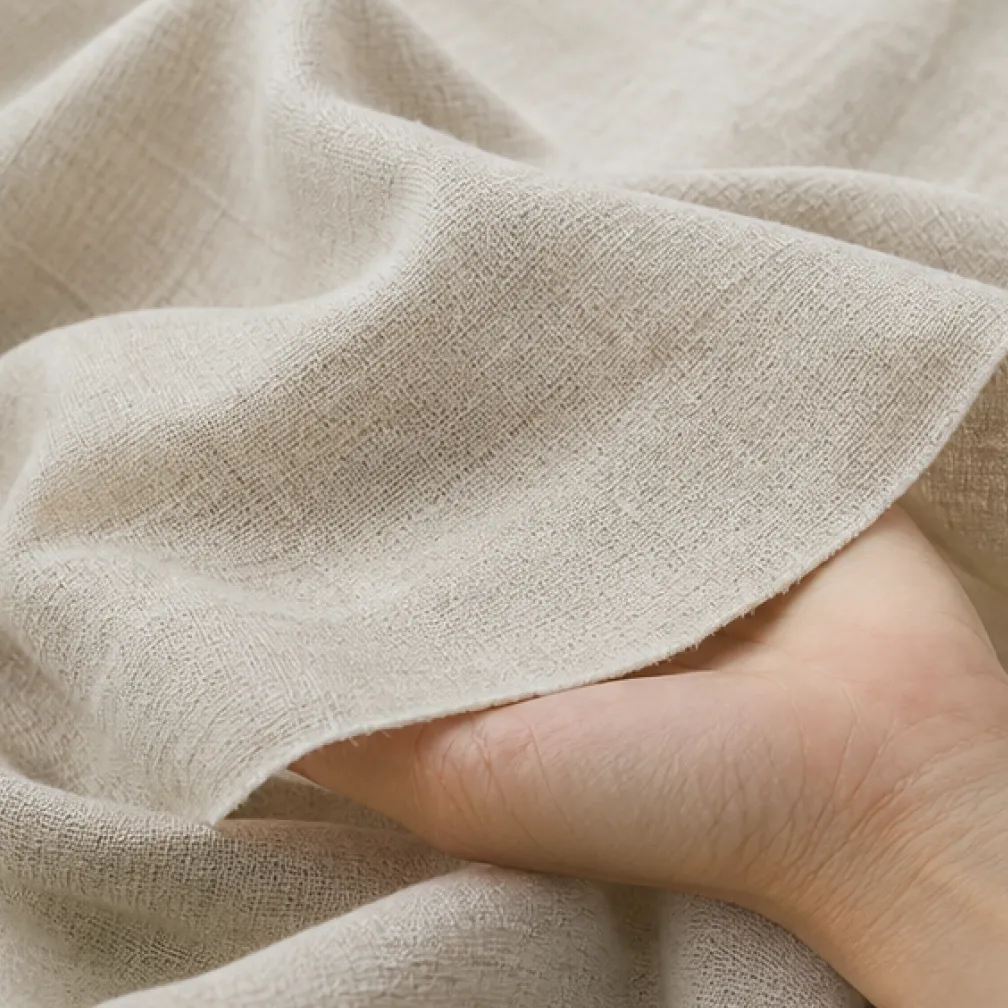
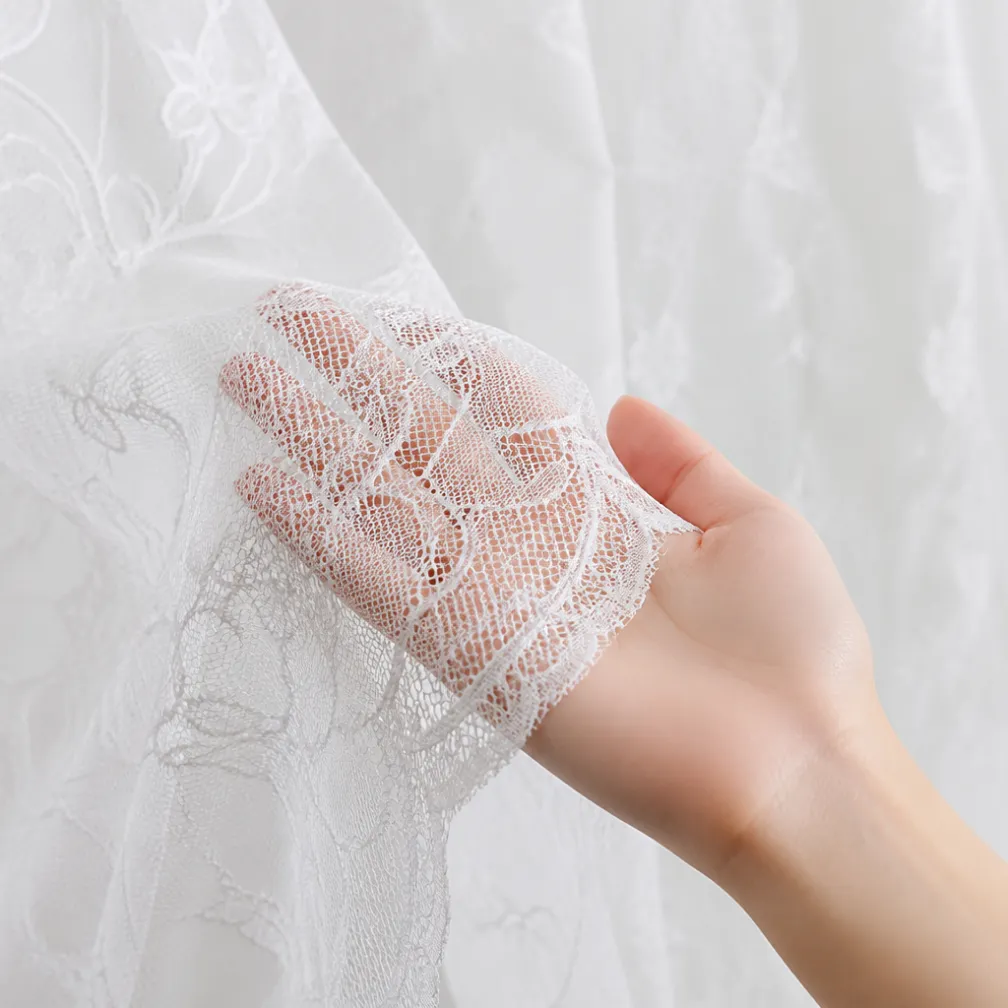
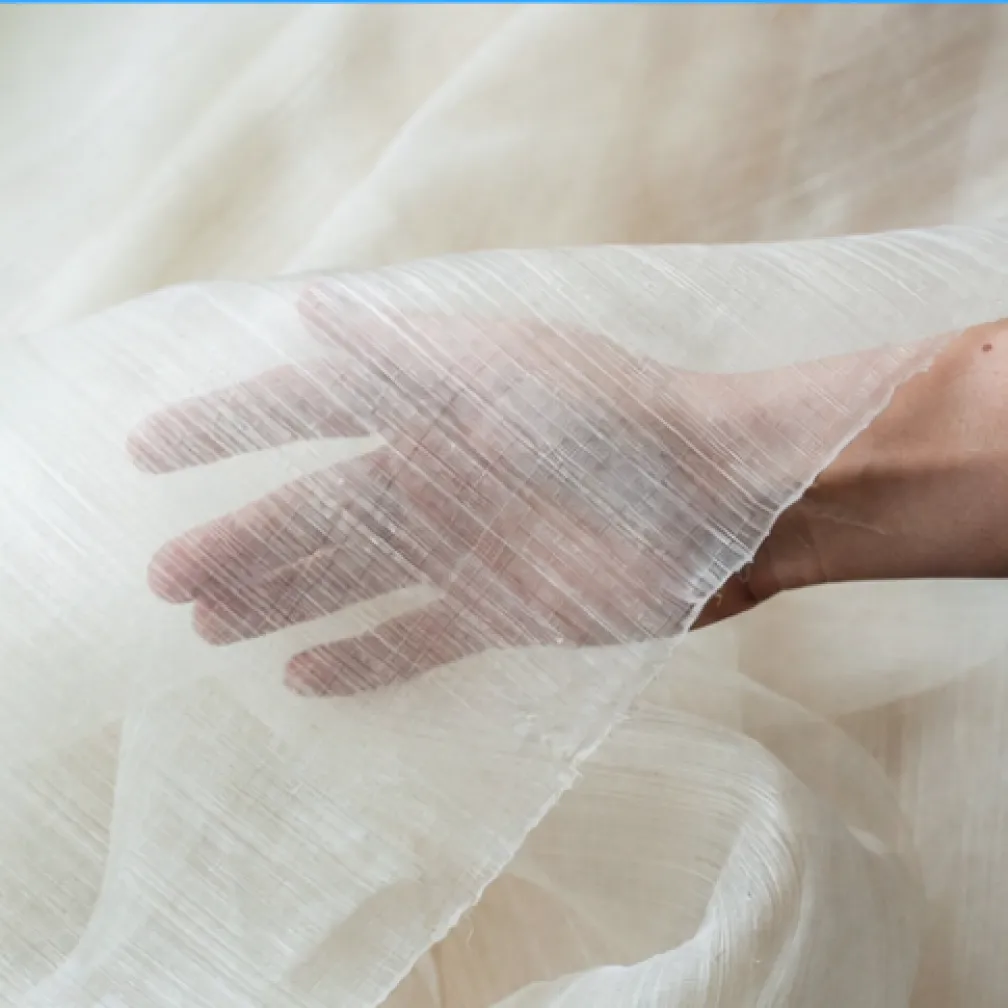
White Lace Curtain Fabric

Black Lace Curtain Panels

Vintage Victorian Lace Curtains

100% Cotton Lace Fabric Rolls

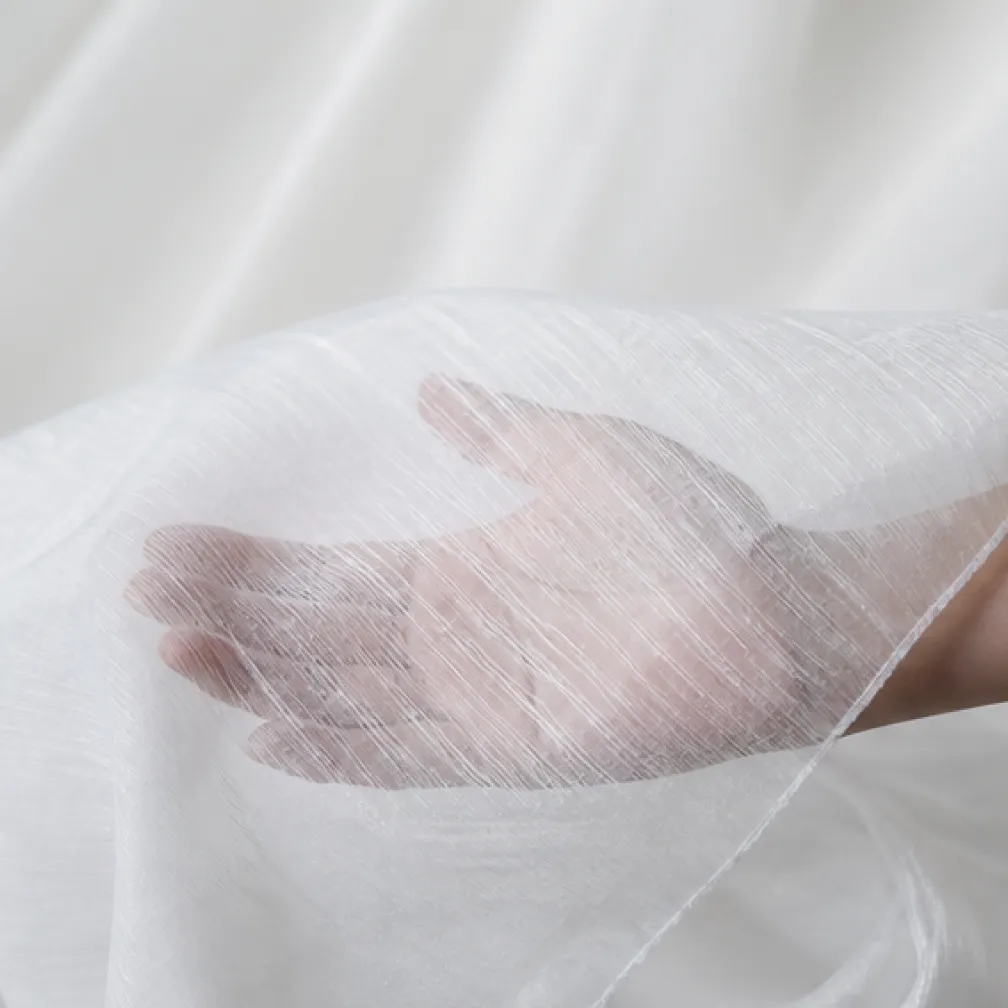
Lace Sheer Curtains for Living Room

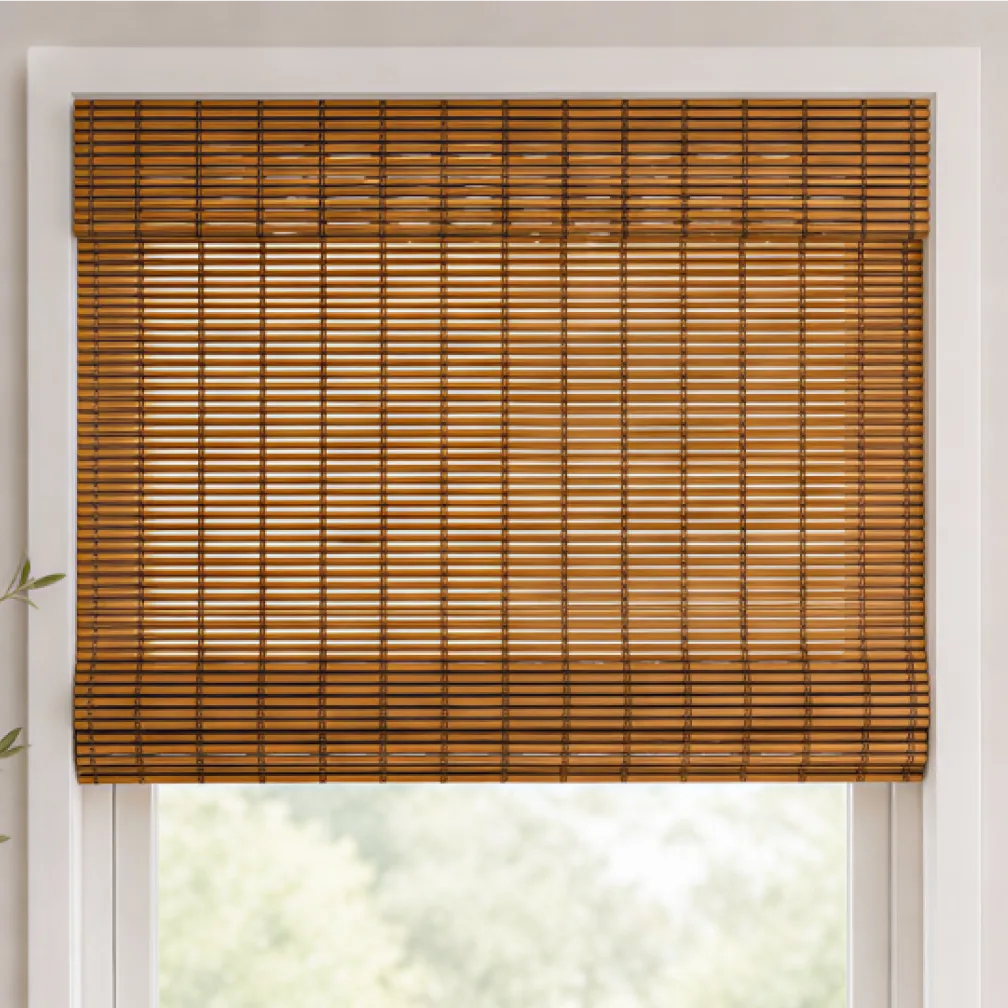
Lace Roller Blinds Material
Manual cutting easily distorts the delicate mesh structure of lace. We utilize our Automatic Curtain Length Cutting Machine to suspend the fabric, ensuring perfectly straight, pattern-aligned cuts through natural gravity alignment.
Attaching stiff heading tapes to lightweight lace frequently causes puckering. Our production lines integrate the Automatic Curtain Belt Hemming Machine, which synchronizes fabric feed rates to attach headers smoothly without stretching the lace matrix.
To prevent dimensional shrinkage, finished lace panels are processed on our Automatic Ironing Table. The advanced steam control and rapid drying technology set the fibers precisely, enhancing the fabric's drape without thermal damage.
Broken yarns in open-weave fabrics can lead to immediate structural failure. We inspect every roll using a Single-Sided Inspection Machine equipped with LED backlighting to rapidly identify and isolate knitting defects or shading variations.
We weave wide-width lace rolls up to 300cm. This capability enables the production of large, continuous sheer panels for commercial architectural windows, entirely bypassing the need for disruptive vertical joining seams.


| Technical Category | Available Options & Specifications |
|---|---|
| Fabric Composition | 100% Polyester, Poly-Cotton Blends, 100% Cotton Lace |
| Manufacturing Process | Computerized Jacquard Weaving, Raschel Knitting |
| Roll Width | Standard 140cm, Wide-Width 280cm / 300cm |
| Header Styles | Rod Pocket, Pinch Pleat, Eyelet/Grommet, Pencil Pleat |
| Functional Finishes | Thermal Set (Anti-Shrink), Fire Retardant (optional), UV-Resistant |
| Primary Applications | Hospitality Sheers, Residential Drapery, Event Backdrops |
We build the machines that make curtains — and use them on our own production line. That means every process, from cutting to pleating, runs on equipment we engineered ourselves.
learn more about us


Yes. We provide complete OEM/ODM capabilities for B2B clients. You can submit custom artwork, vintage motifs, or specific geometric designs. Our technicians will program the jacquard looms to replicate the exact pattern at your required GSM and width.
Our MOQ depends on the customization level. For in-stock standard lace patterns, we support lower minimums suitable for equipment testing or pilot projects. Custom-woven jacquard orders require a higher baseline volume to initiate the loom setup, which will be negotiated based on project scope.
Delicate open-weaves are highly susceptible to edge fraying. We utilize specialized double-sided hemming machinery with synchronized offset correction. This ensures the edges are folded and stitched flatly with precise tension, locking the mesh structure without puckering or needle tearing.
Absolutely. We manufacture synthetic polyester lace that offers exceptional durability, colorfastness, and resistance to UV degradation. For commercial hospitality procurement, we can engineer the fabric with inherent flame retardant (IFR) properties or apply topical FR treatments to meet international fire safety codes.
Delivery times depend on product type and order volume. Standard in-stock fabric orders are typically processed and shipped within 7 to 15 days. For custom jacquard weaving or OEM finished curtain production, the lead time generally ranges from 15 to 30 days after the initial deposit is confirmed.
Procuring lace curtain fabrics for hospitality, event venues, or residential retail requires a solid understanding of weaving technology, fiber composition, and structural finishing. Unlike solid blackout or standard sheer materials, lace relies on an open-mesh architecture combined with intricate patterning. Evaluating these technical variables ensures the selected textiles deliver the desired aesthetic while meeting commercial durability standards.
The manufacturing process directly dictates the aesthetic depth and physical strength of the lace. Jacquard weaving uses a computerized loom to control individual warp yarns, allowing for highly intricate, raised patterns—such as classic floral or Victorian motifs—to be woven directly into the ground mesh. This method produces premium, high-definition lace with excellent structural integrity. Alternatively, Raschel knitting produces lace at higher speeds, resulting in a flatter profile and a softer hand feel, often utilized for lightweight sheers and wide-width commercial rolls.
Historically, lace was crafted from cotton or linen. While these natural fibers provide a beautiful matte finish, they are highly susceptible to shrinkage, wrinkling, and tearing under tension. For modern B2B procurement, 100% polyester or poly-cotton blends are the industry standard. Synthetic fibers offer superior tensile strength, preventing the open weave from snagging. Furthermore, engineered polyester lace resists UV yellowing and can withstand rigorous commercial laundering cycles without losing its dimensional stability or pattern memory.
Because lace is primarily composed of negative space (the mesh ground), it is inherently prone to sagging or vertical stretching. Professional manufacturers apply rigorous thermal setting treatments (heat-stenting) during the fabric finishing stage. This process utilizes controlled high temperatures to lock the synthetic fibers in place, stabilizing the mesh matrix. Procuring pre-shrunk, heat-set lace ensures that the finished curtains will retain their precise drop length and pattern symmetry long after installation.
Processing delicate lace into finished drapery presents significant manufacturing challenges. Manual cutting often distorts pattern alignment, and standard sewing machines can easily snag or stretch the open weave. Sourcing from a vertically integrated facility equipped with gravity-assisted cutting machines and intelligent tension-controlled sewing heads is critical. These advanced systems synchronize fabric feed rates and thread tension, ensuring flat hems, perfect pattern continuity, and zero edge puckering across high-volume commercial orders.