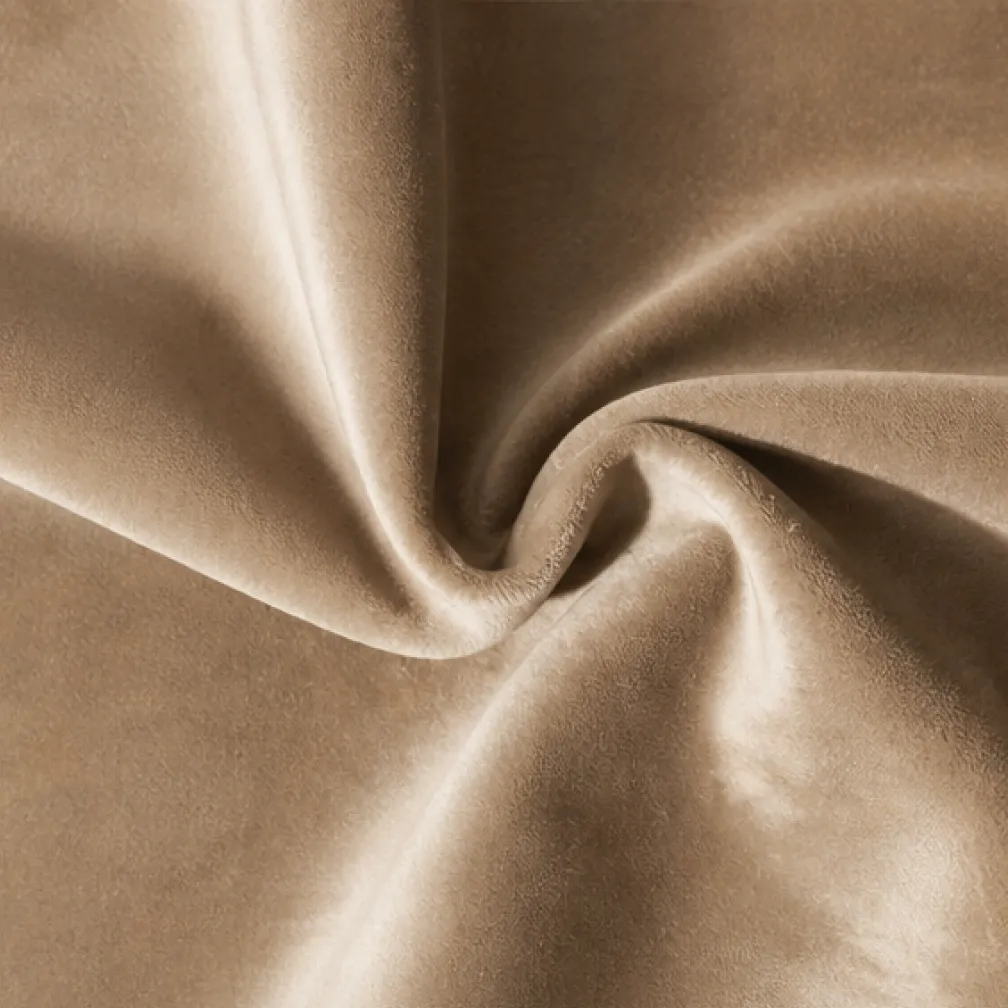
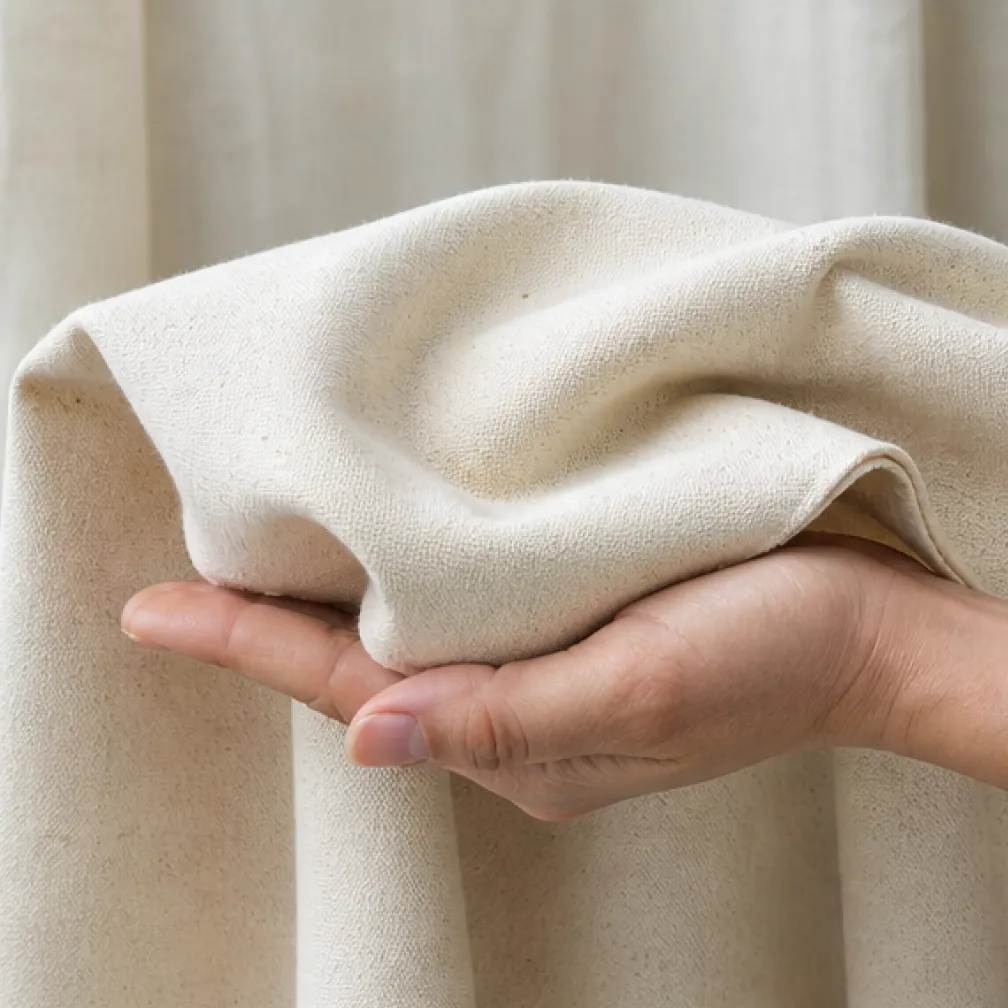
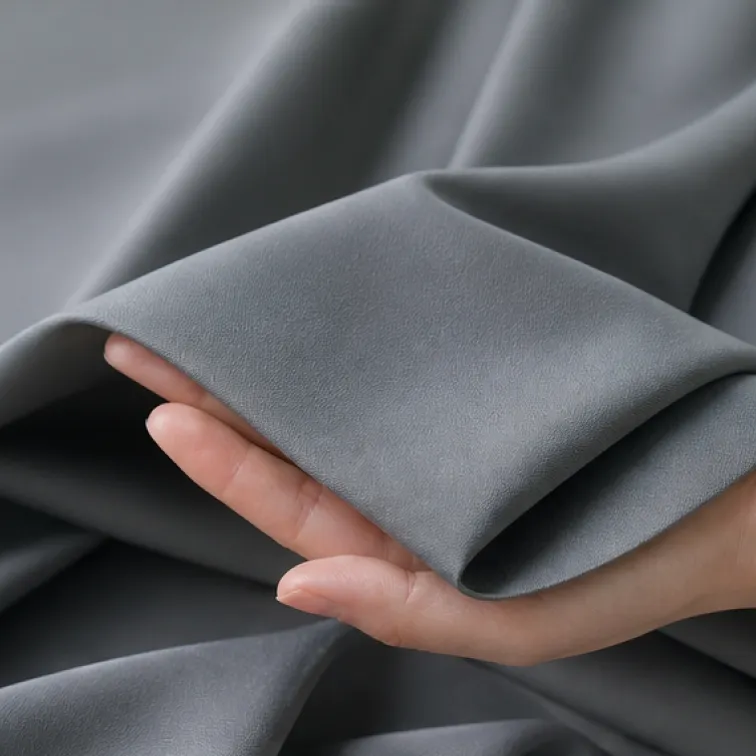
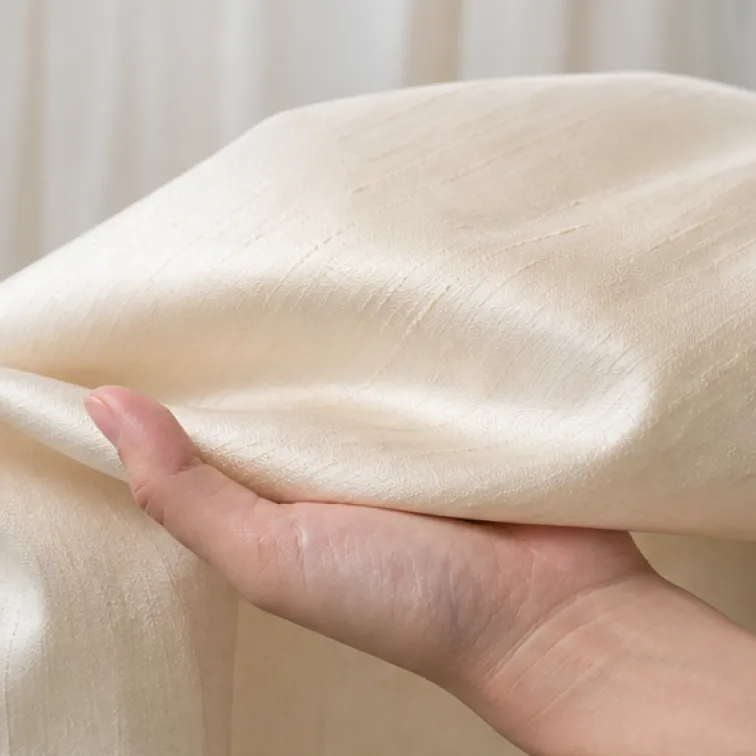
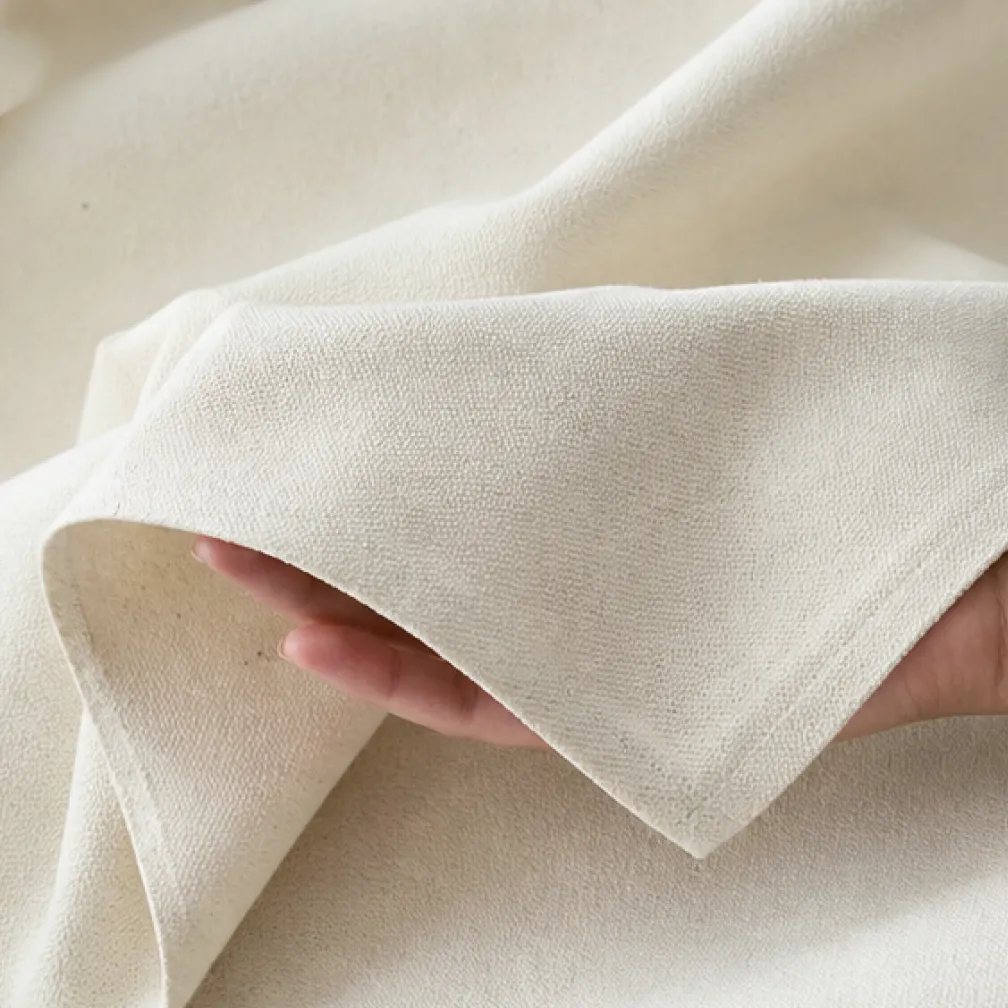
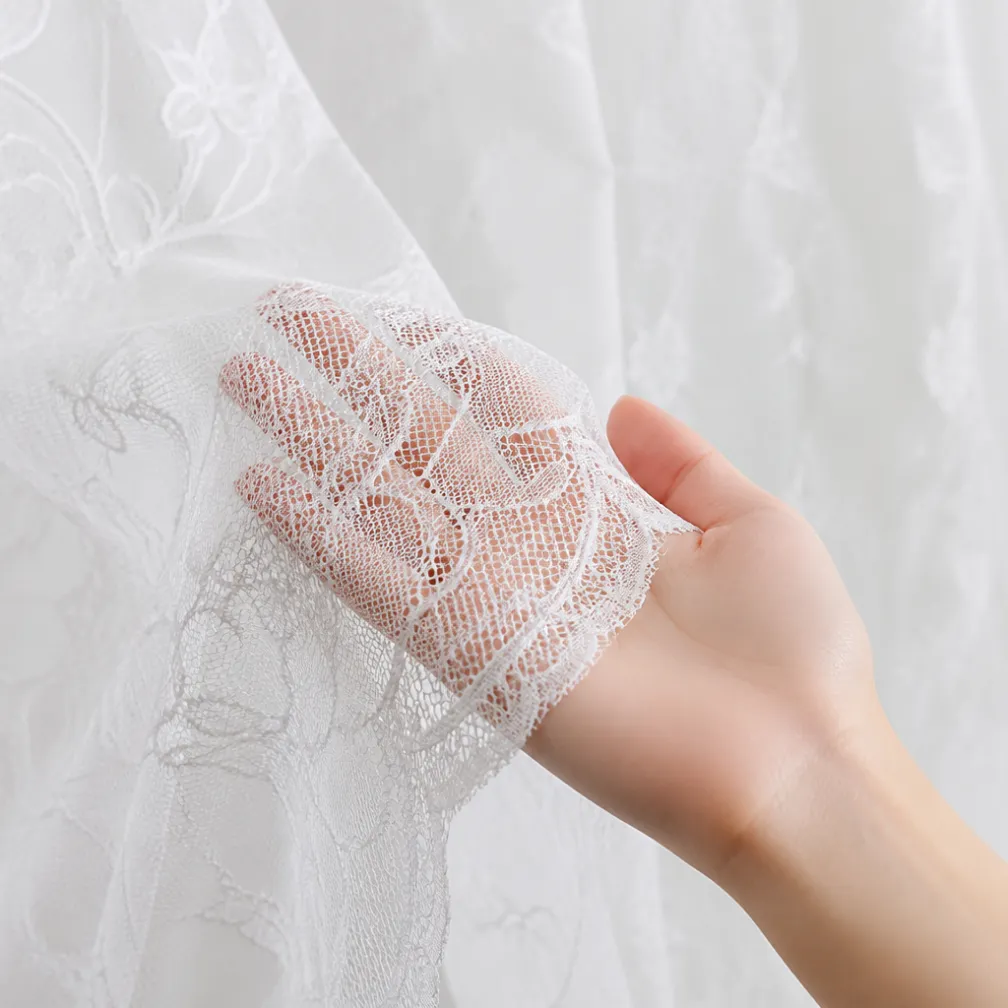
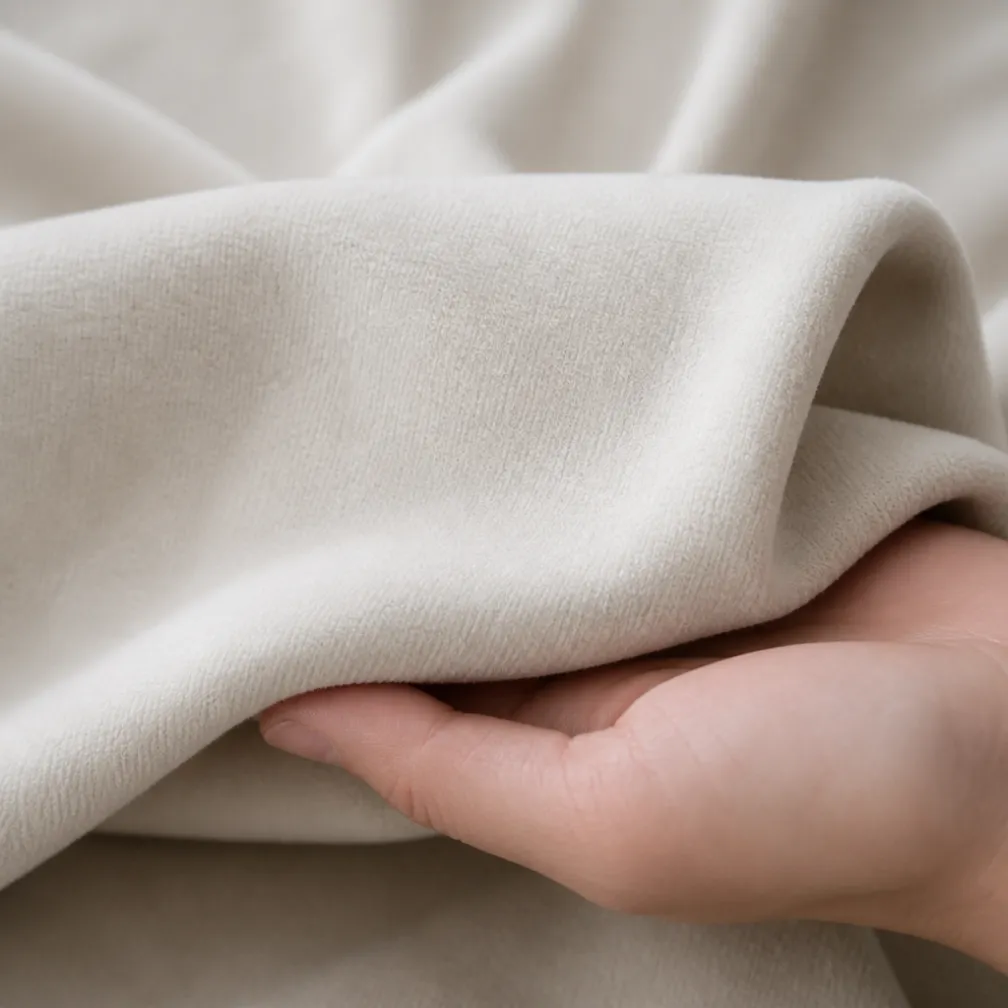
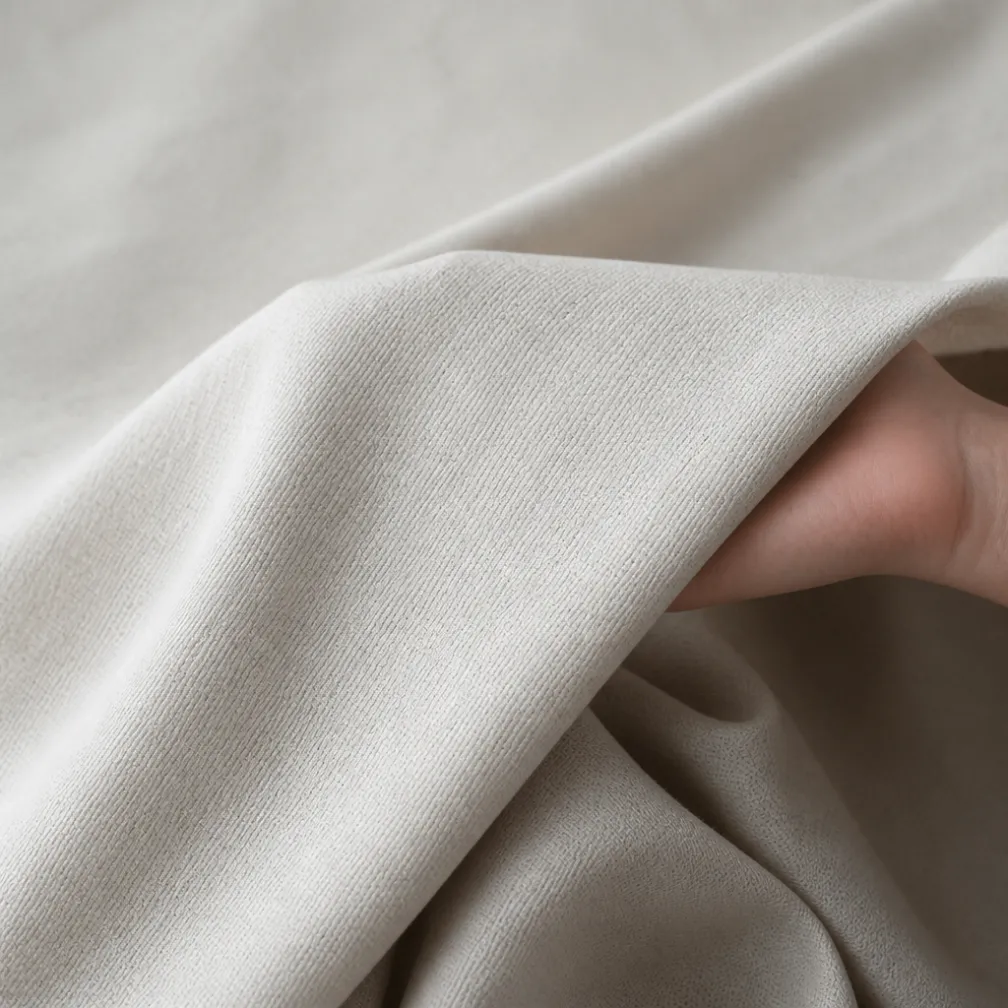
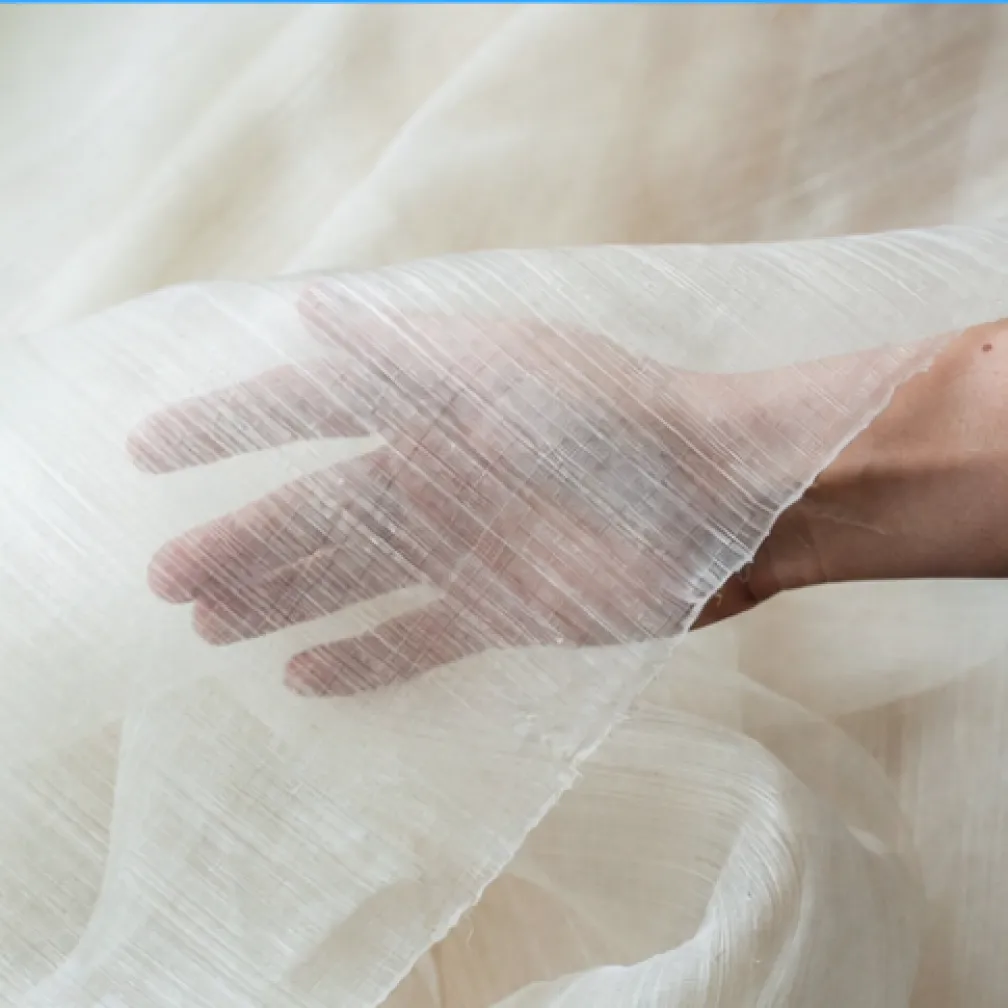
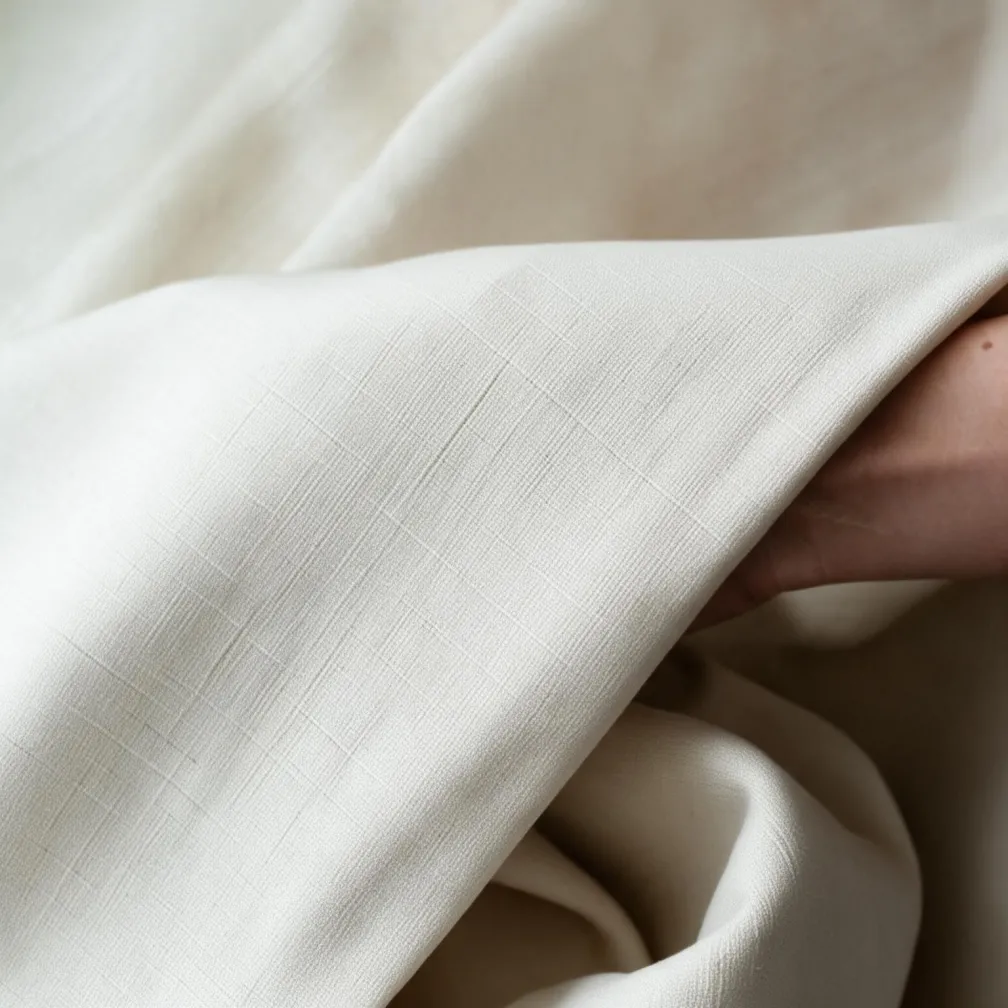
High-Performance Velvet Upholstery

Textured Boucle Sofa Fabric

Waterproof Outdoor Furniture Fabric

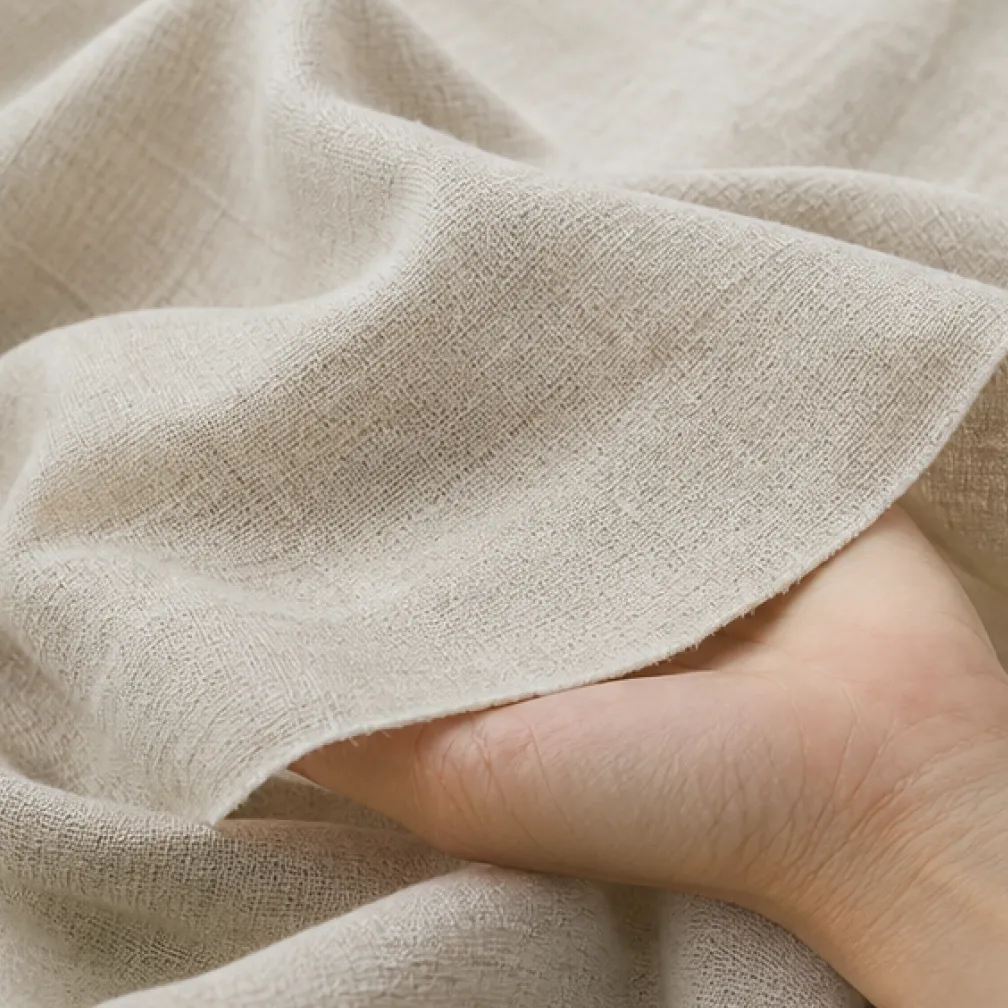
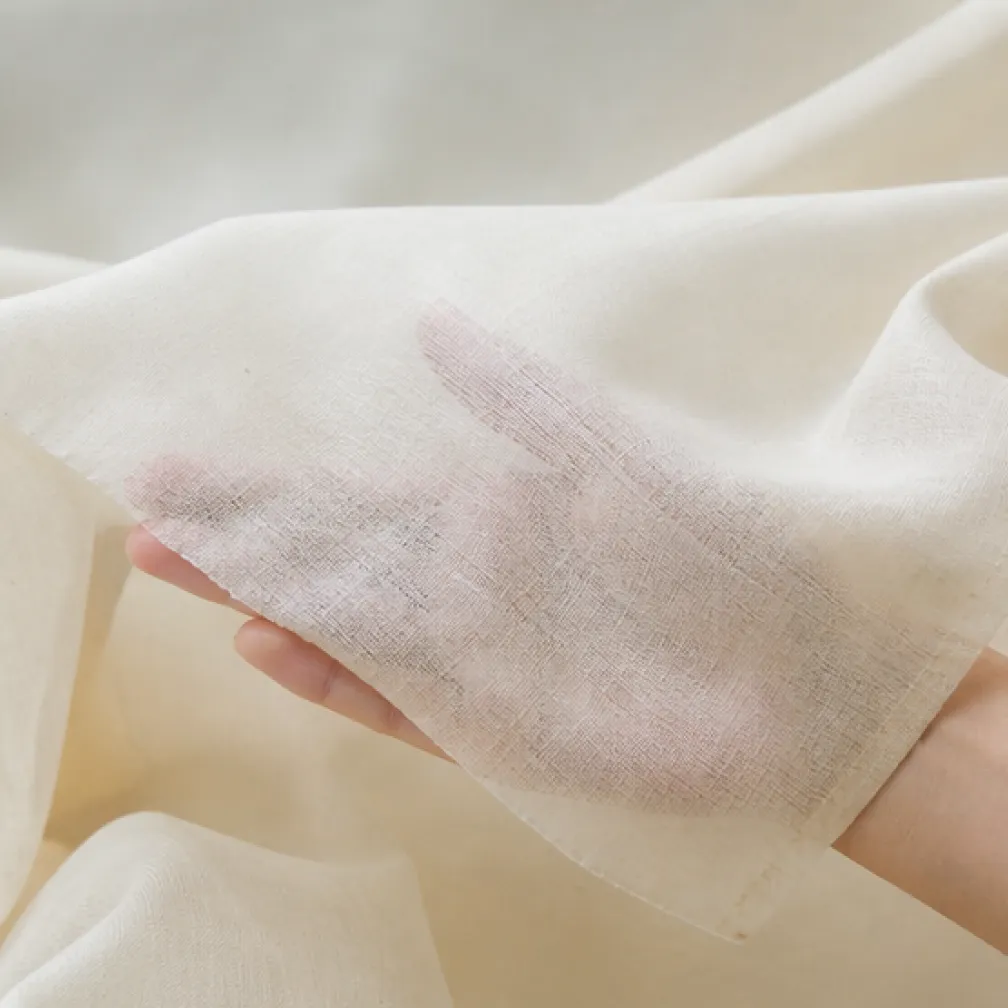
Heavyweight Linen Blend Upholstery

Stain-Resistant Microfiber Fabric

Soft Chenille Upholstery Fabric
Heavy upholstery rolls easily skew when manipulated on flat tables. We utilize our Vertical Cutting Machine to suspend the dense fabric, ensuring perfectly straight, gravity-aligned cuts. This guarantees pattern symmetry across large sectional sofas.
Processing thick textiles requires exact tension to prevent material warping. Our production lines integrate the Automatic Backwards Tension Hemming Machine. This system dynamically adjusts feed rates, ensuring raw edges are bound flatly without ripple defects.
We inspect every roll on a Single-Sided Inspection Machine using high-brightness LED backlighting. This rapidly identifies and removes weaving knots, broken yarns, or coating inconsistencies before the material is shipped to furniture manufacturers.
Applying protective latex or acrylic backings requires precise temperature control. We utilize a specialized Horizontal Iron Setting Machine to cure the backing evenly, stabilizing the weave structure without compromising the fabric's soft hand-feel.
Joining heavyweight sofa fabrics demands exceptional needle penetration force. For custom fabricated orders, we deploy specialized Closed Sewing Machines engineered specifically for medium-to-heavy materials, preventing skipped stitches or broken threads.


| Technical Category | Available Options & Specifications |
|---|---|
| Fabric Composition | 100% Polyester, Linen Blends, Cotton Velvet, Boucle, Microfiber |
| Abrasion Rating | 30,000 to 100,000+ Double Rubs (Commercial Grade) |
| Fabric Weight (GSM) | 300g/㎡ - 800g/㎡ (Heavyweight Upholstery) |
| Roll Width | Standard 140cm (54 inches) |
| Functional Finishes | Stain Resistant, Waterproof, Acrylic Backed, Fire Retardant |
| Primary Applications | Sofa Manufacturing, Hotel Seating, Soft Chenille Upholstery, Dining Chairs |
We build the machines that make curtains — and use them on our own production line. That means every process, from cutting to pleating, runs on equipment we engineered ourselves.
learn more about us


Our MOQ is highly flexible depending on the specification. Standard in-stock upholstery rolls support lower minimums suitable for prototyping and small furniture runs. Custom weaving, specific Pantone dyeing, or specialized performance coatings require a higher baseline volume to initiate production, negotiated based on project scope.
We rigorously test our textiles using industry-standard abrasion machines (Wyzenbeek or Martindale). For commercial and heavy-duty residential applications, we engineer our fabrics to exceed 30,000 to 50,000+ double rubs, ensuring long-term resistance to pilling and surface wear.
Yes. We manufacture commercial-grade upholstery engineered with inherent flame retardant (IFR) synthetic yarns or treated with topical FR chemical backings. This ensures full compliance with stringent international fire codes, such as CAL 117, NFPA 260, and BS 5852, making them suitable for hospitality environments.
Absolutely. We apply advanced topical treatments during the finishing process to create 'Performance Fabrics'. These hydrophobic and oleophobic finishes repel liquids, oils, and dirt, preventing stains from setting into the fibers while maintaining a soft, comfortable hand-feel.
Delivery schedules depend on material availability and order complexity. Standard in-stock fabric orders are typically processed and shipped within 7 to 15 days following deposit confirmation. Custom manufacturing, OEM processing, or specialized chemical finishing generally requires 15 to 30 days.
Procuring upholstery fabrics for furniture manufacturing, hospitality, or commercial interior design involves evaluating rigorous performance metrics that extend far beyond aesthetics. Unlike decorative drapery, sofa fabrics are subjected to extreme daily friction, dynamic tension, and frequent spills. Understanding the engineering variables behind textile durability, backing applications, and performance finishes ensures that procurement decisions align closely with the long-term functional demands of the furniture.
The primary metric for evaluating upholstery durability is its abrasion resistance, typically measured via the Wyzenbeek test (in North America) or the Martindale test (in Europe). These tests simulate the friction of a person sitting down and standing up. A standard residential fabric may only require 15,000 double rubs, while heavy-duty commercial environments (hotel lobbies, restaurants, office seating) demand fabrics rated at 30,000 to 100,000+ double rubs. Tightly woven synthetics (like microfiber or high-denier polyester) and dense velvets naturally offer higher abrasion resistance than loose, natural fiber weaves.
A high-quality face fabric can still fail if it lacks structural support. When a person sits on a sofa, the fabric stretches, placing immense tension on the sewn seams. If the weave is loose, the yarns will pull apart, resulting in 'seam slippage' and ruined cushions. Professional textile manufacturers apply a specialized backing—usually a thin layer of liquid acrylic or latex—to the reverse side of the fabric. Once cured, this backing locks the warp and weft yarns together, dramatically increasing the fabric's dimensional stability and preventing seam failure under heavy dynamic loads.
For high-traffic or hospitality seating, stain resistance is a mandatory specification. 'Performance Fabrics' are not necessarily a specific fiber type, but rather textiles that have undergone advanced chemical finishing. By applying hydrophobic (water-repelling) and oleophobic (oil-repelling) treatments at the molecular level, manufacturers create a barrier that forces spills to bead up on the surface rather than soaking into the cushion. Modern finishing techniques ensure these protective barriers do not compromise the fabric's breathability or soft hand-feel.
Sourcing bulk upholstery fabric requires evaluating the manufacturer's quality control capabilities for heavy materials. Thick boucles or heavy velvets easily skew during cutting, leading to mismatched patterns on finished sofas. Furthermore, applying backing coatings requires precise thermal regulation to avoid stiffening the fabric excessively. Sourcing from a vertically integrated facility equipped with gravity-assisted vertical cutting machines, automated defect inspection, and regulated curing ovens ensures that every roll delivered to the furniture manufacturer is structurally sound, dimensionally accurate, and ready for heavy-duty fabrication.