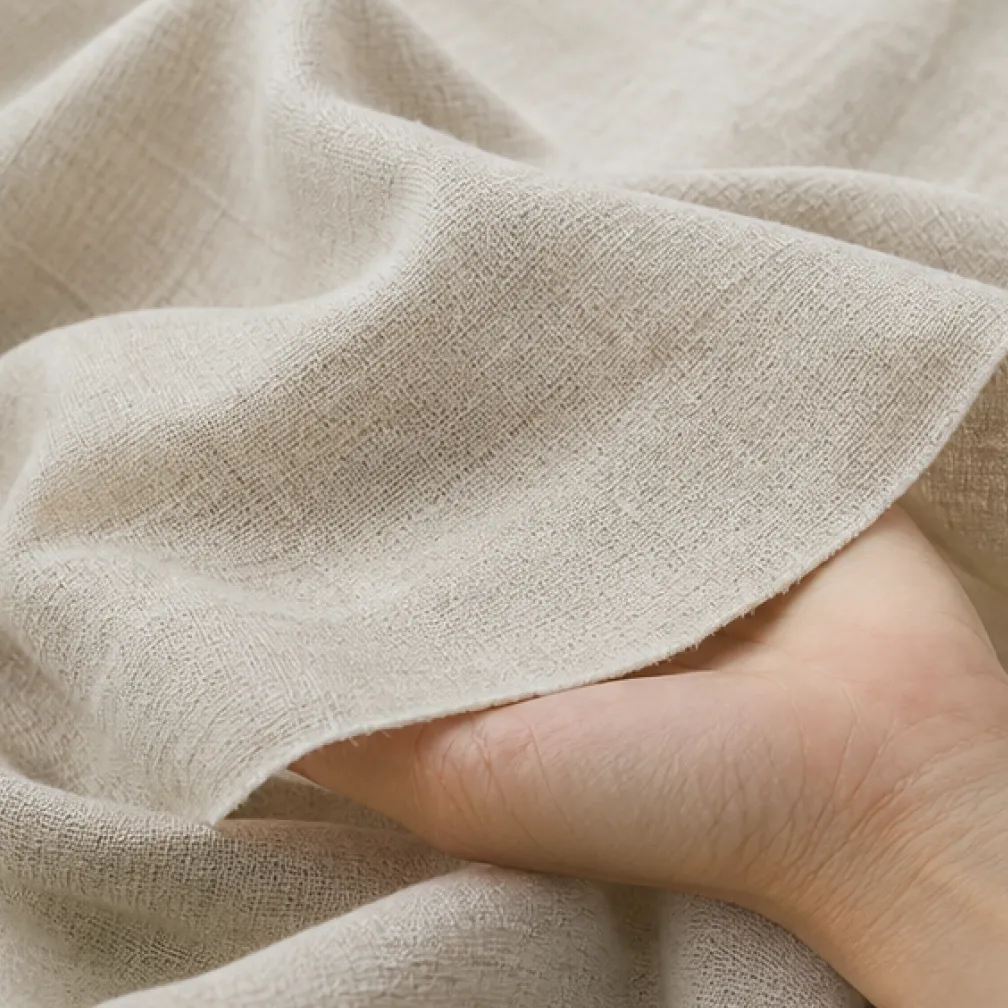
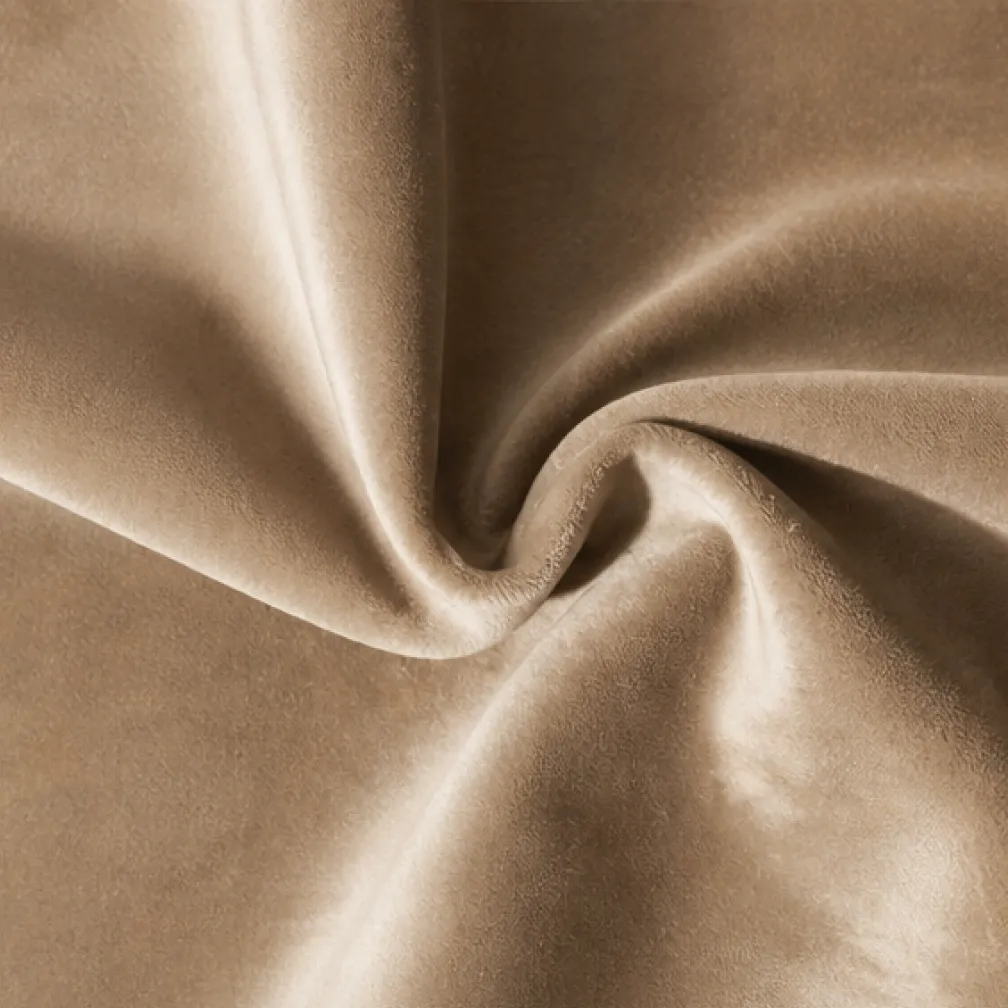
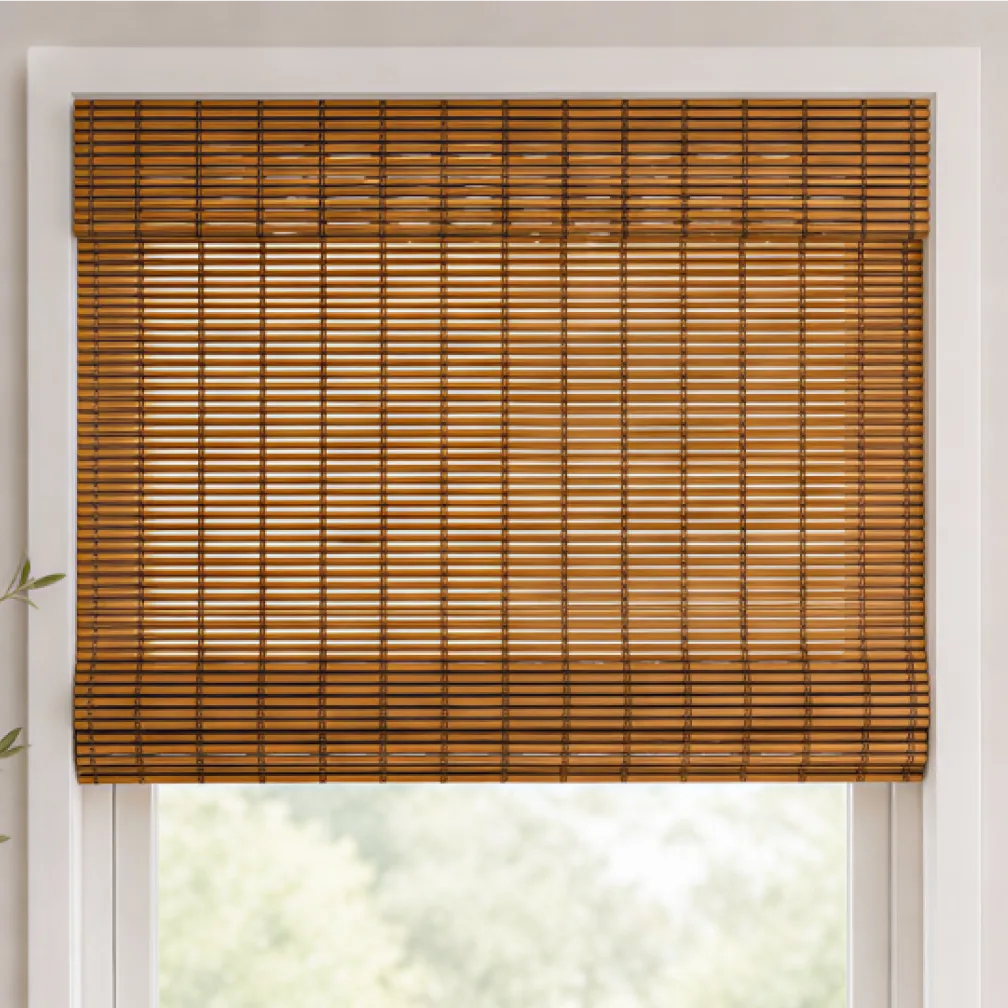
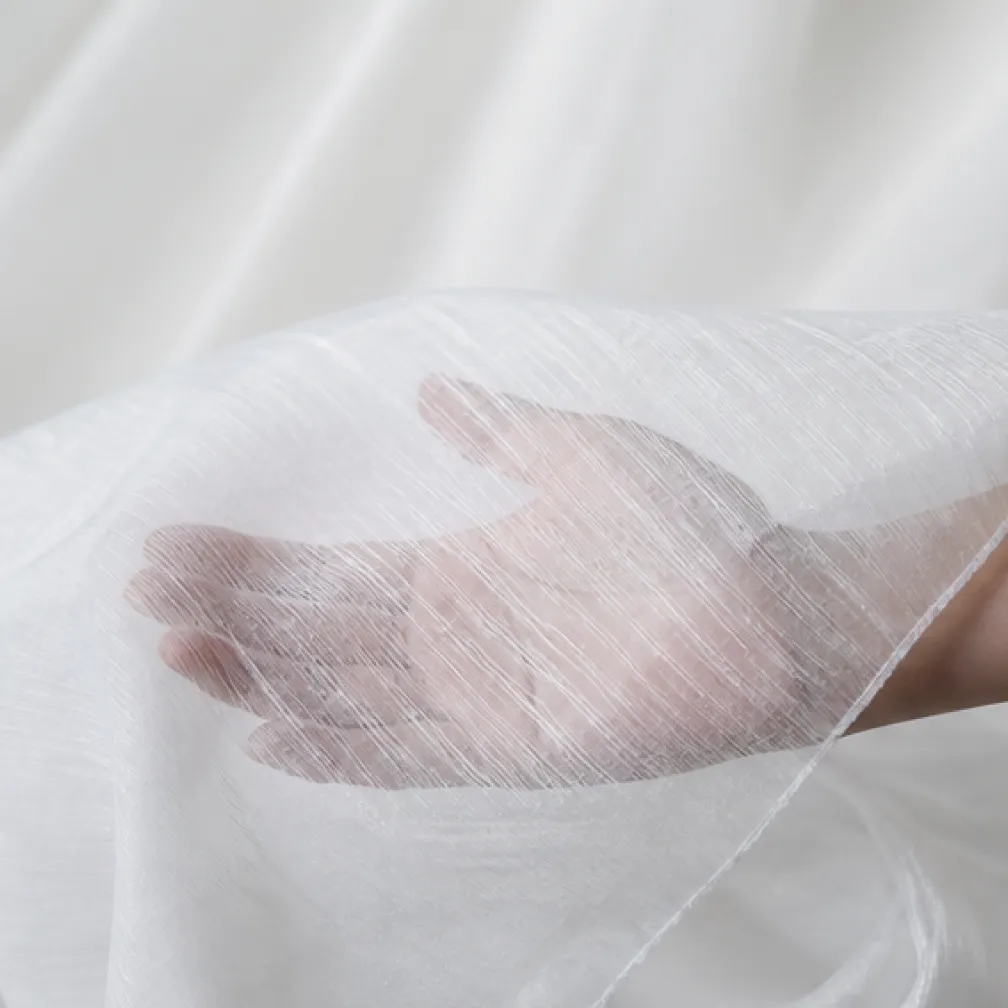
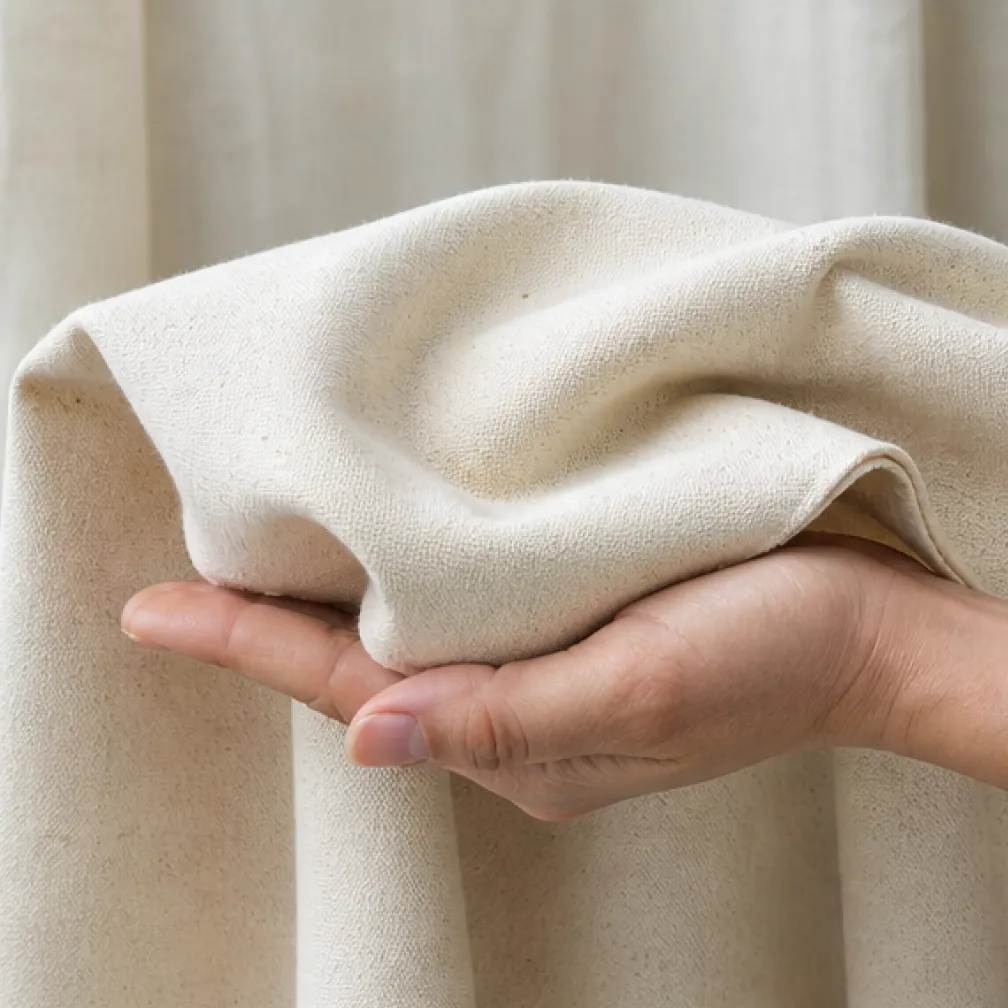
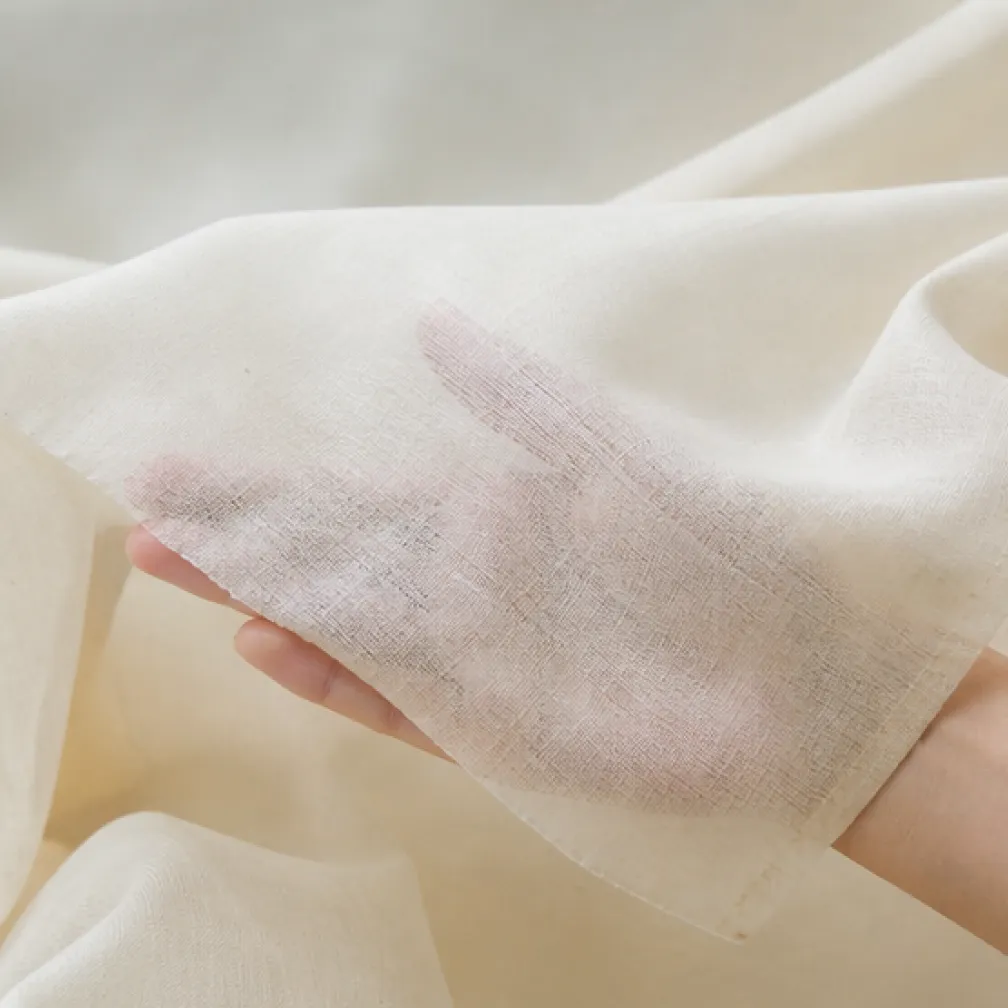
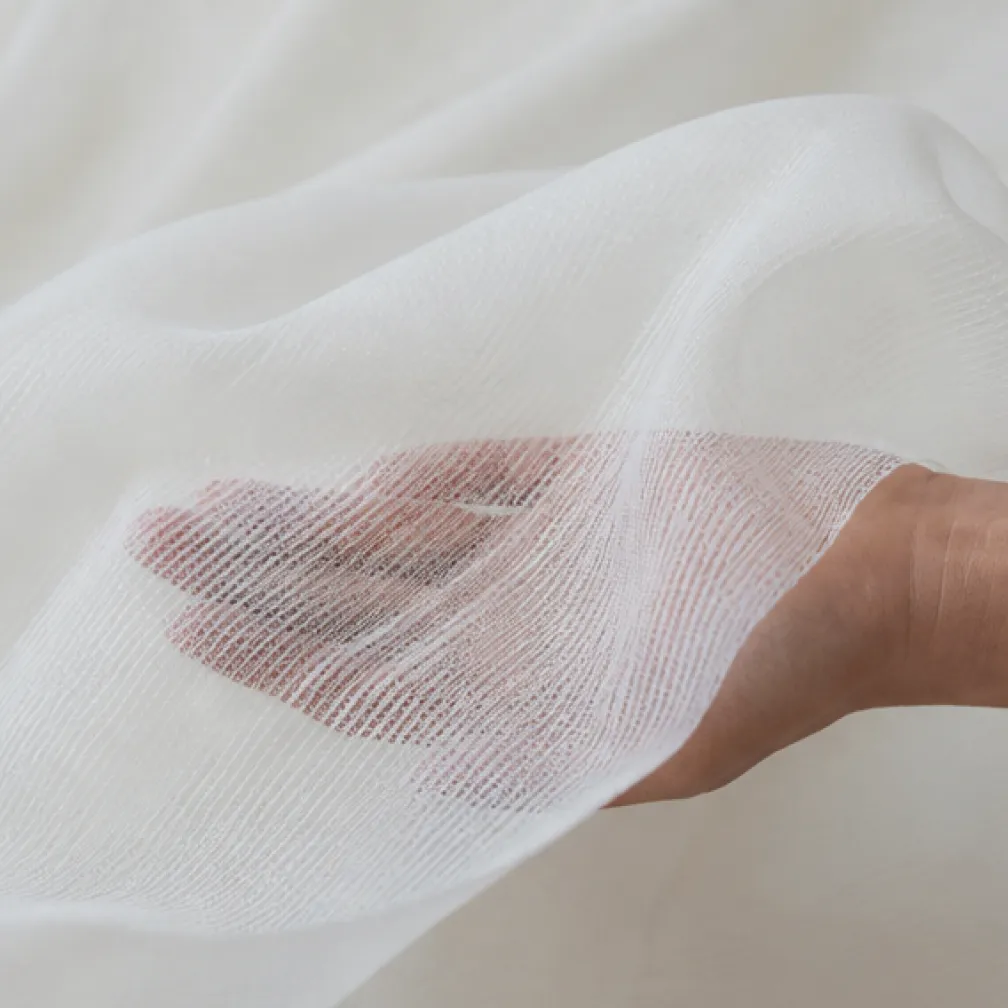
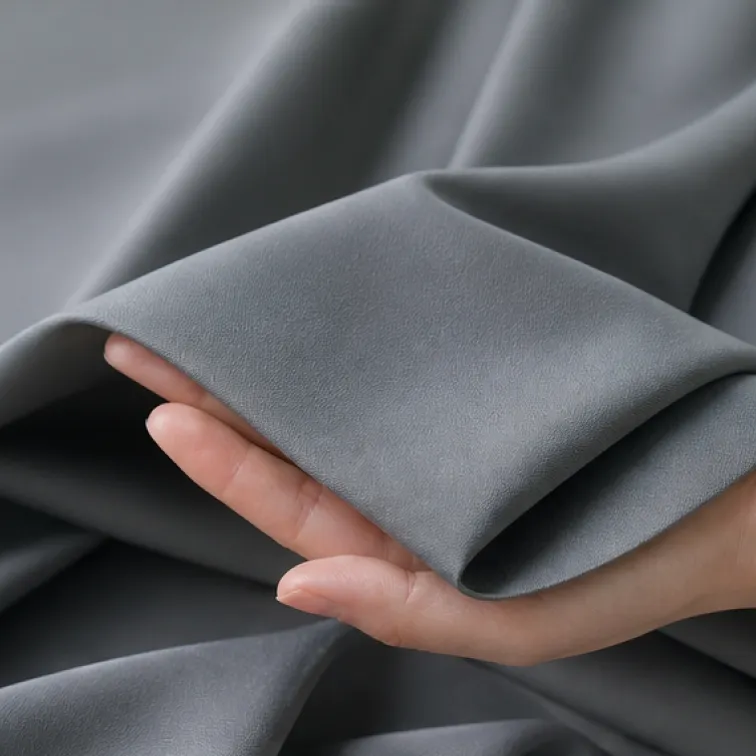
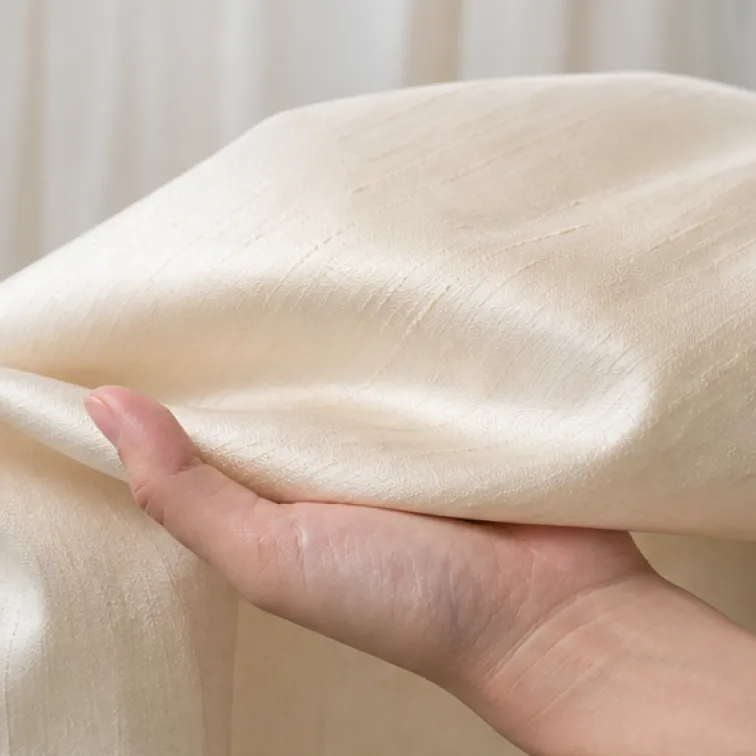
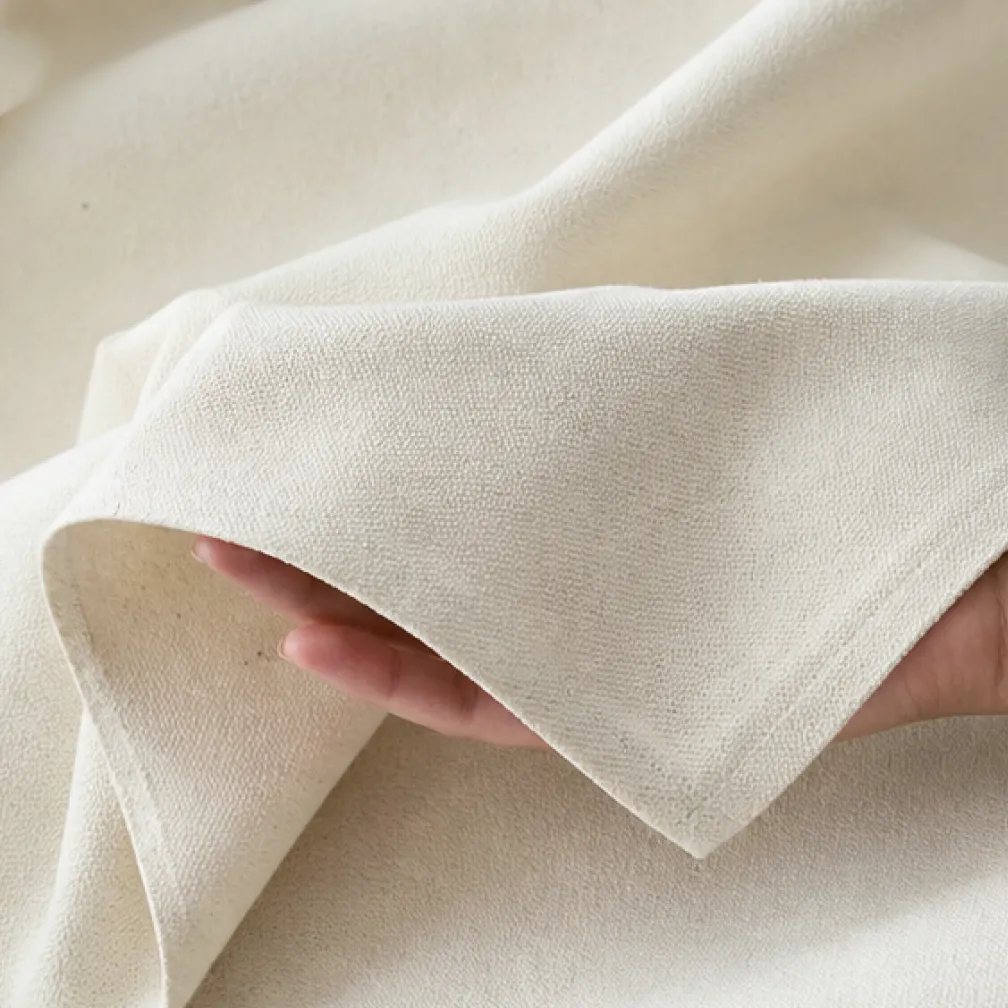
100% Blackout Curtain Lining

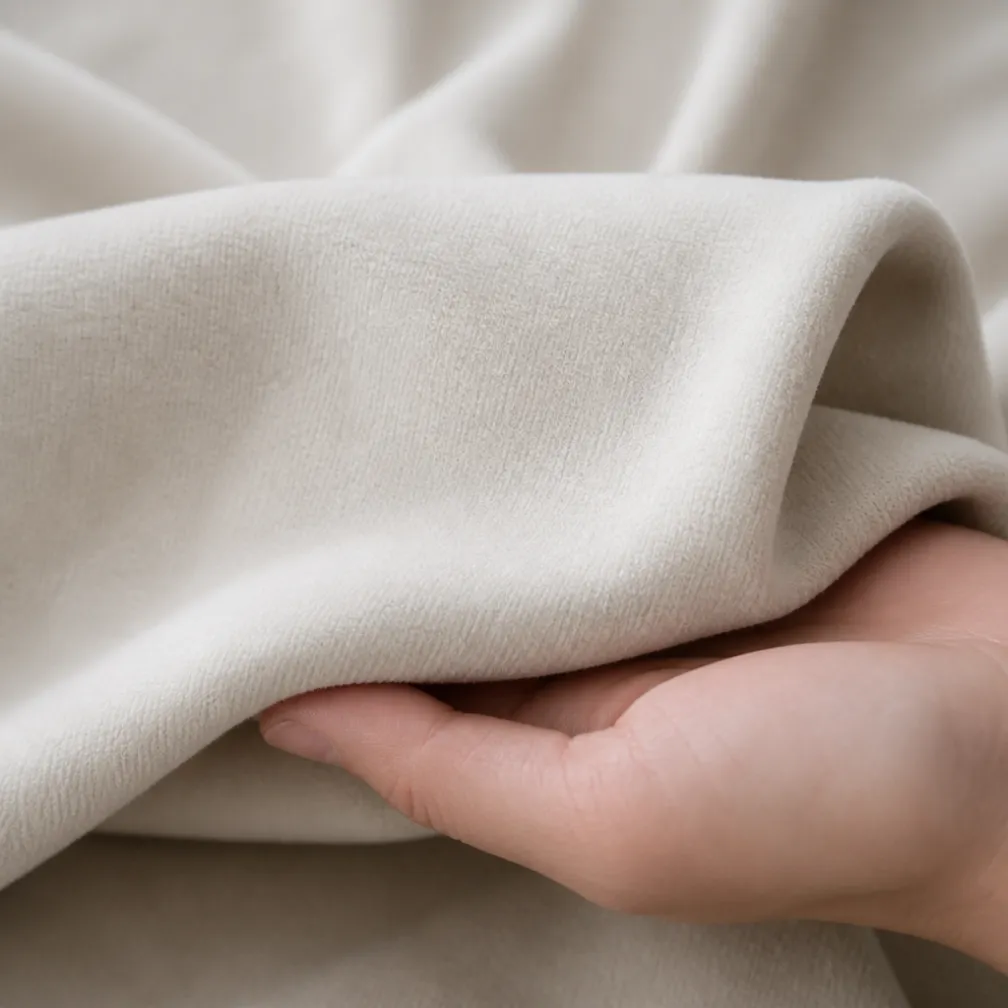
Black Velvet Blackout Curtains

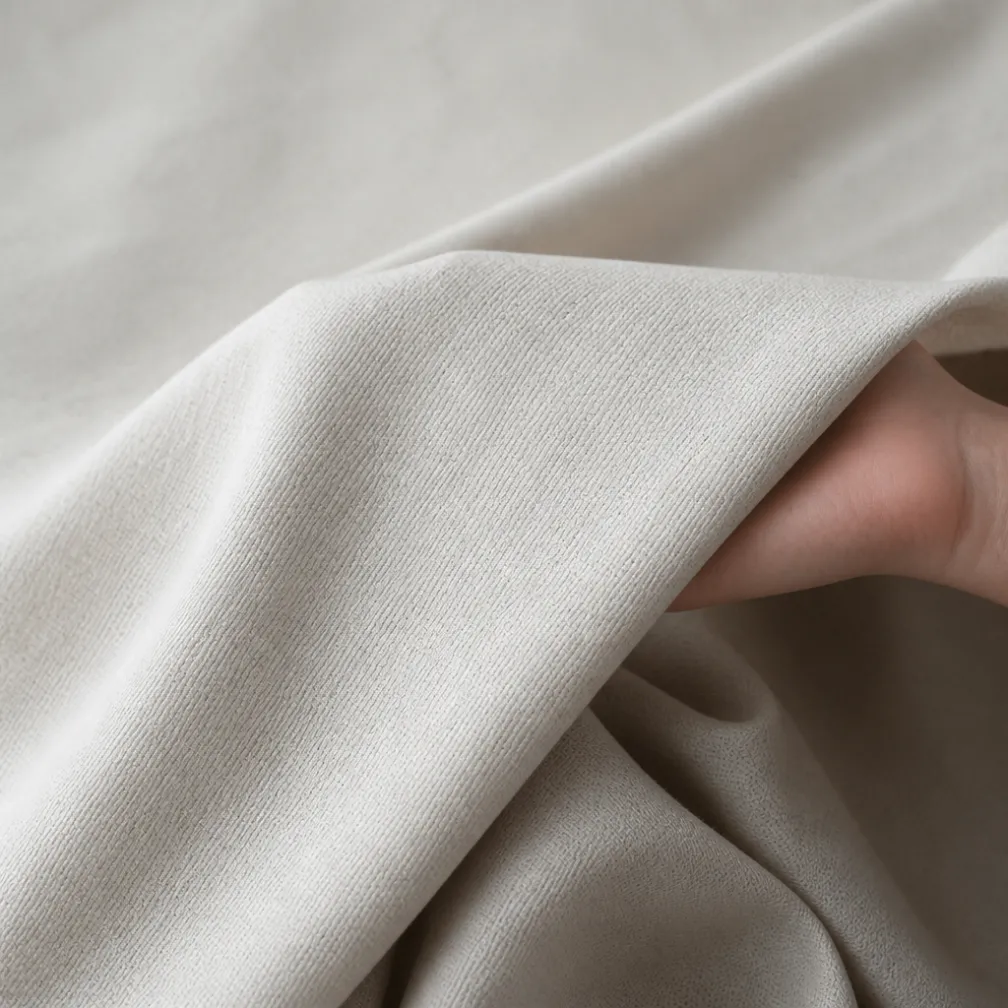
Blackout Linen Curtains

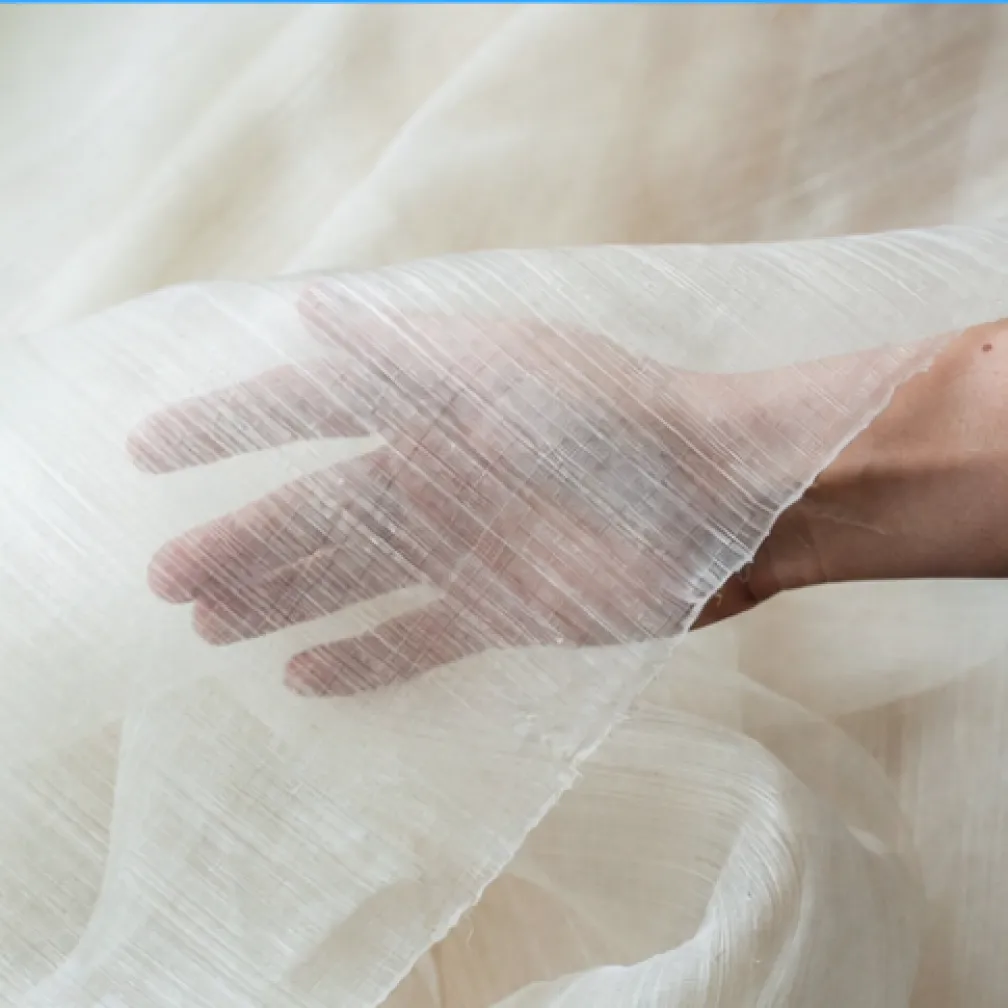
Thermal Blockout Drapery

Wide-Width Blackout Fabric Rolls

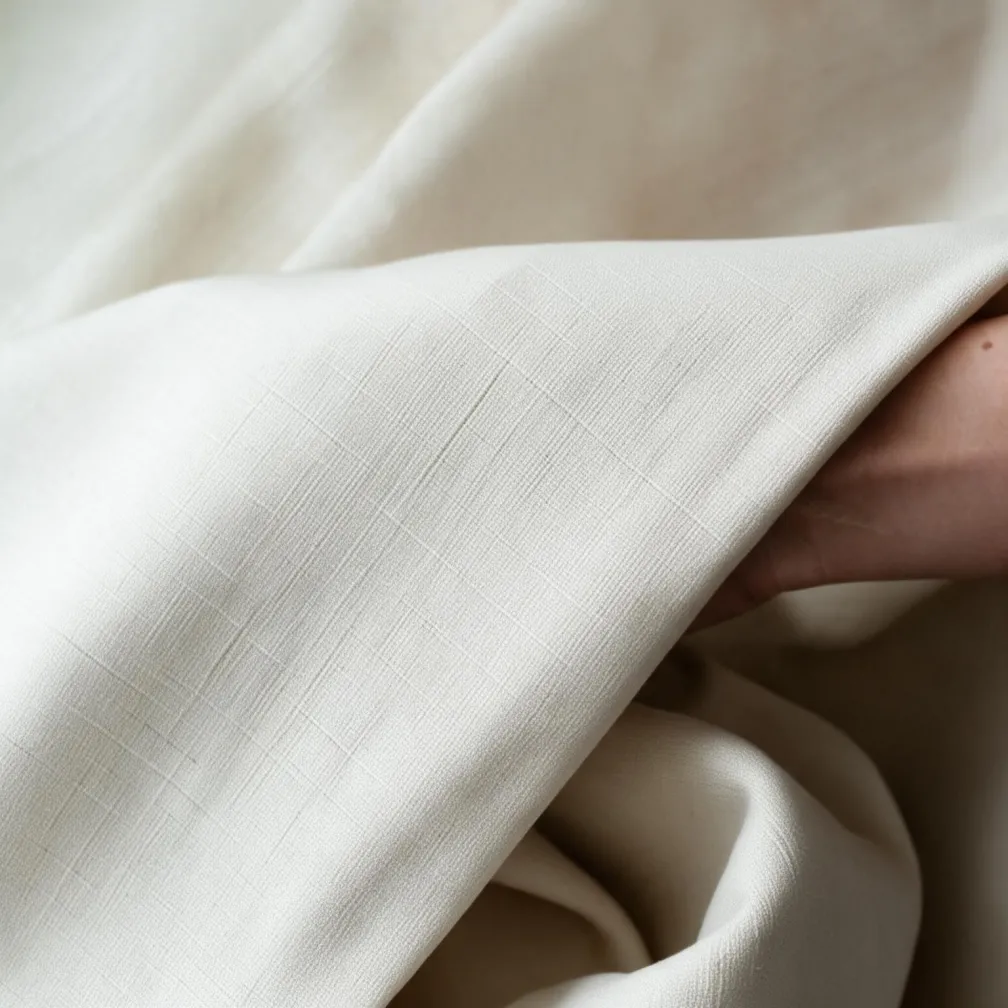
White Blockout Curtains
Heavy blackout yardage easily skews during unrolling. We use our Vertical Cutting Machine to suspend the fabric, ensuring perfectly straight, gravity-aligned cuts without diagonal warping across thick material.
Sewing multi-layered coated fabrics frequently causes extreme seam puckering. Our production lines utilize the Automatic Backwards Tension Hemming Machine. This system dynamically adjusts thread tension to guarantee flat, ripple-free edges.
Creating sharp pleats in stiff blackout material is notoriously difficult. We process finished panels through our Automatic Pleating Machine, which precisely calculates and stitches complex pleats without manual measurement errors.
Even microscopic pinholes compromise blackout integrity. We inspect every roll on a Single-Sided Inspection Machine equipped with high-intensity LED backlighting to rapidly identify and isolate coating inconsistencies.
To lock in the final dimensions safely, we utilize a specialized Horizontal Iron Setting Machine. This stabilizes the thick fabric structure with regulated steam, setting the pleats without melting the acrylic coating.


| Technical Category | Available Options & Specifications |
|---|---|
| Fabric Technology | Triple-Weave (85-95% Block), Acrylic/Silicone Coated (100% Block) |
| Fabric Weight (GSM) | 220g/㎡ - 400g/㎡ (Customizable based on application) |
| Roll Width | Standard 140cm, Wide-Width 280cm / 330cm |
| Header Styles | Pinch Pleat, Eyelet/Grommet, Pencil Pleat, Rod Pocket, S-Fold |
| Functional Treatments | Fire Retardant (Optional), Anti-Static, Thermal Insulated |
| Primary Applications | Hotel Drapery, Residential Curtains, Blackout Roller Shades, Linings |
We build the machines that make curtains — and use them on our own production line. That means every process, from cutting to pleating, runs on equipment we engineered ourselves.
learn more about us


Our MOQ is highly flexible depending on the specification. Standard in-stock blackout rolls support lower minimums suitable for equipment testing and mock-up rooms. Custom weaving, specific Pantone dyeing, or specialized coating orders require a higher baseline volume to initiate the production run, negotiated based on project scope.
Delivery schedules depend on material availability and order complexity. Standard in-stock fabric orders are typically processed within 7 to 15 days following deposit confirmation. Custom manufacturing or OEM processing generally requires 15 to 30 days, subject to final production confirmation.
We ensure complete optical isolation by inspecting every fabric roll on advanced LED backlit tables prior to fabrication. This instantly reveals any coating inconsistencies or pinholes. Additionally, our automated cutting ensures perfectly straight edges to prevent light bleed along the window frame.
Absolutely. We manufacture and process wide-width blackout fabric rolls, commonly available in 280cm or 330cm dimensions. This allows us to fabricate large, continuous commercial window treatments without disruptive vertical seams that could let light through.
Thick, coated fabrics generate extreme needle friction and lack natural elasticity, making them prone to puckering under incorrect thread tension. We eliminate this issue by utilizing proprietary post-tension sewing machinery. These automated systems adjust the feed rate and tension in real-time.
Procuring blackout curtains for commercial, hospitality, or large-scale retail applications requires a fundamental understanding of textile engineering and production mechanics. Unlike standard sheer or decorative fabrics, blackout materials must meet strict functional parameters regarding optical isolation, thermal resistance, and acoustic dampening. Selecting the correct fabric architecture ensures the finished product aligns with the specific environmental requirements of the installation site.
The primary function of a blackout curtain is achieved through one of two manufacturing processes. Triple-weave technology integrates a high-density, light-absorbing carbon or black yarn between the front and back facing yarns. This yields a soft, highly drapable fabric that blocks 85% to 95% of incoming light, making it ideal for standard residential use. Conversely, coated blackout fabrics (often referred to as 100% blackout cloth) involve applying successive layers of acrylic foam or silicone to the reverse side of a base fabric. A standard 3-pass coating completely seals the fabric pores, preventing 100% of light transmission while significantly enhancing thermal insulation against window heat transfer.
When sourcing wholesale blackout fabrics, procurement managers must evaluate several technical specifications beyond basic color and pattern. Fabric weight, measured in Grams per Square Meter (GSM), dictates both the drape quality and the baseline durability of the curtain. Standard commercial blackout fabrics range from 240 GSM to over 350 GSM. Furthermore, fabric roll width is a critical cost determinant. Procuring wide-width fabrics (typically 280 cm or 330 cm) allows for seamless curtain manufacturing, eliminating the labor costs and aesthetic disruptions associated with joining multiple narrow panels together.
Sourcing directly from a fully integrated facility that manufactures both the textile machinery and the finished goods provides distinct supply chain advantages. Equipment calibration directly impacts product quality. Processing heavy, multi-layered blackout fabrics requires specialized high-torque sewing heads and automated pleating machines to prevent skipped stitches and needle deflection. By operating the exact heavy-duty machinery designed for thick textiles, a direct manufacturer guarantees standardized seam integrity, exact dimensional compliance, and rapid scalability for high-volume B2B orders.