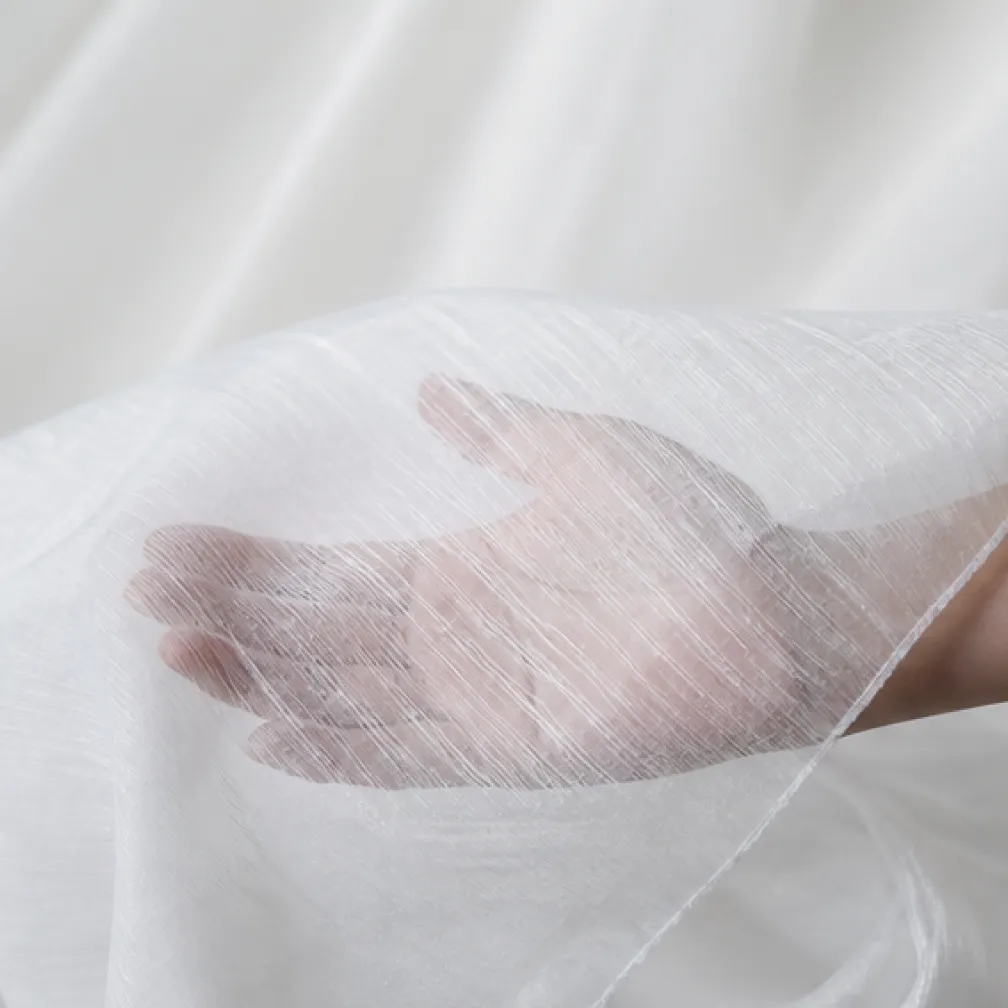
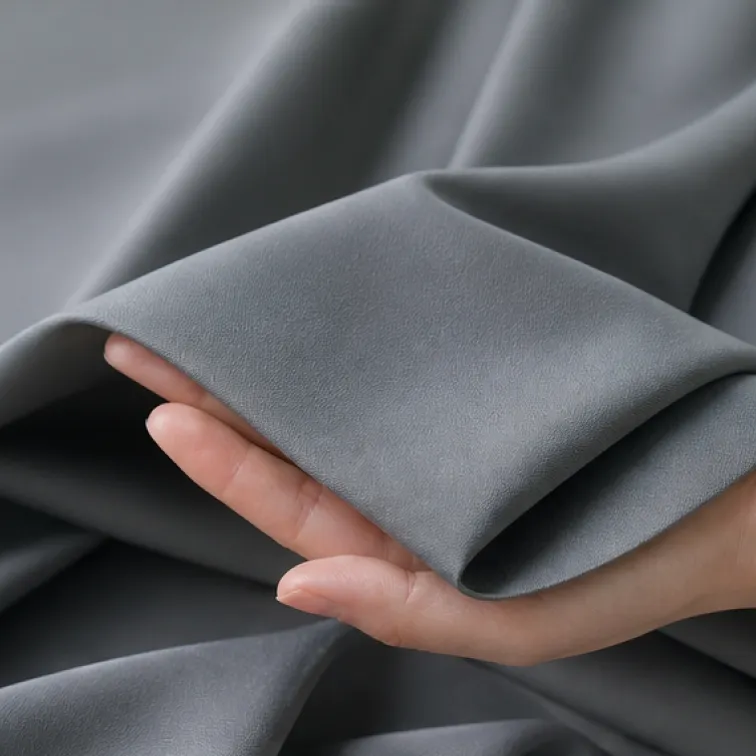
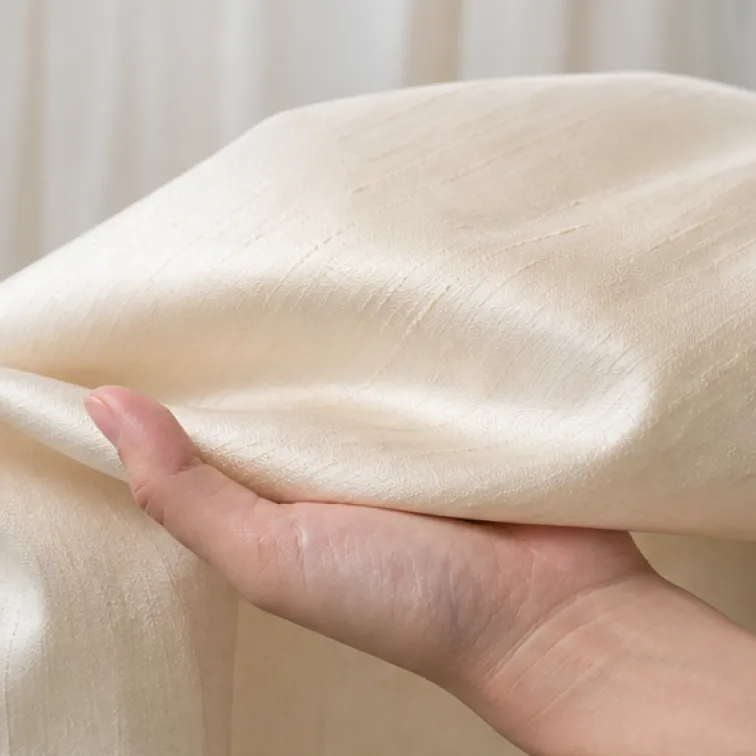
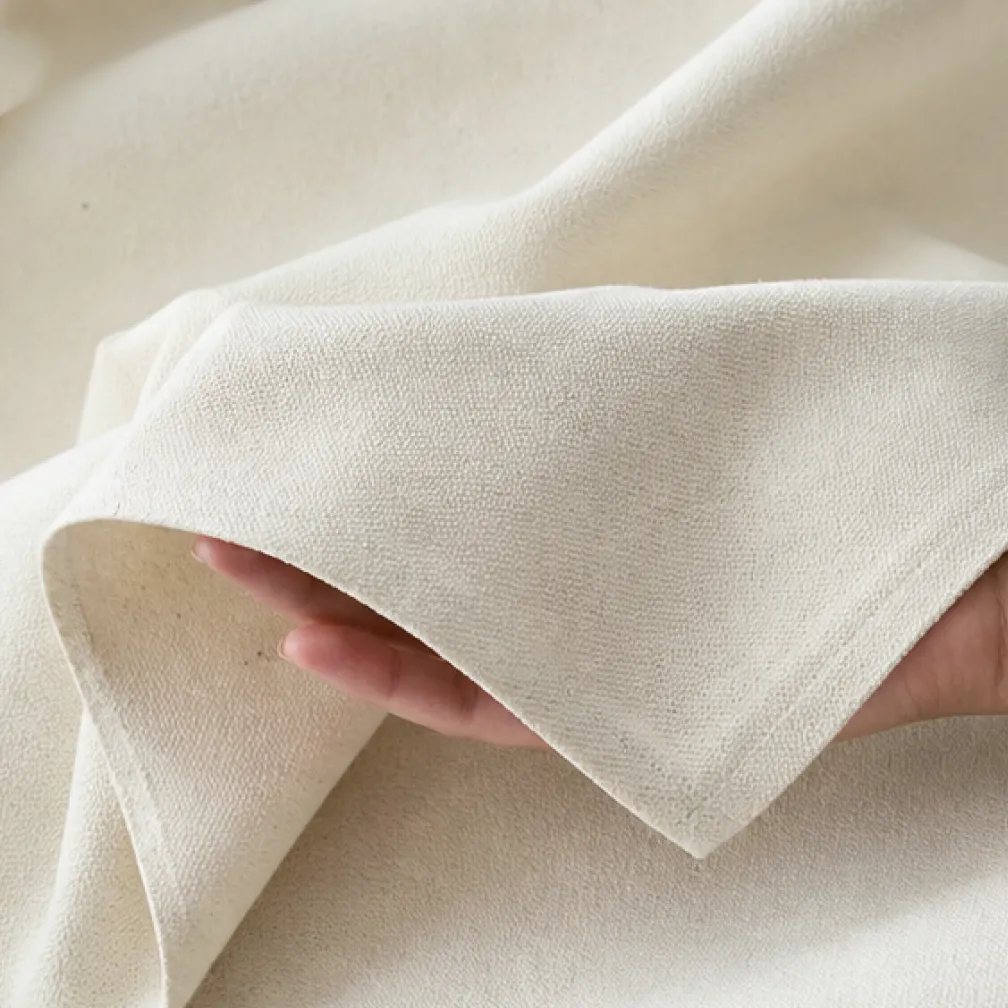
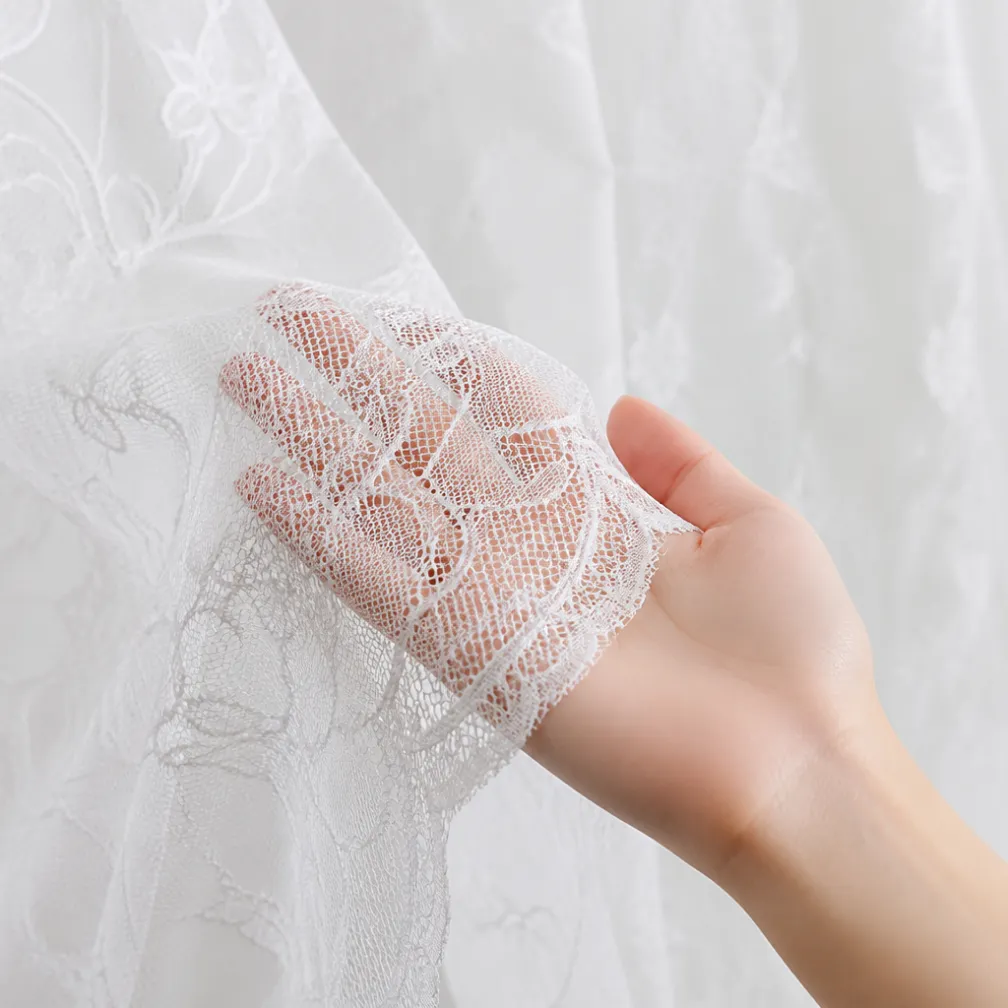
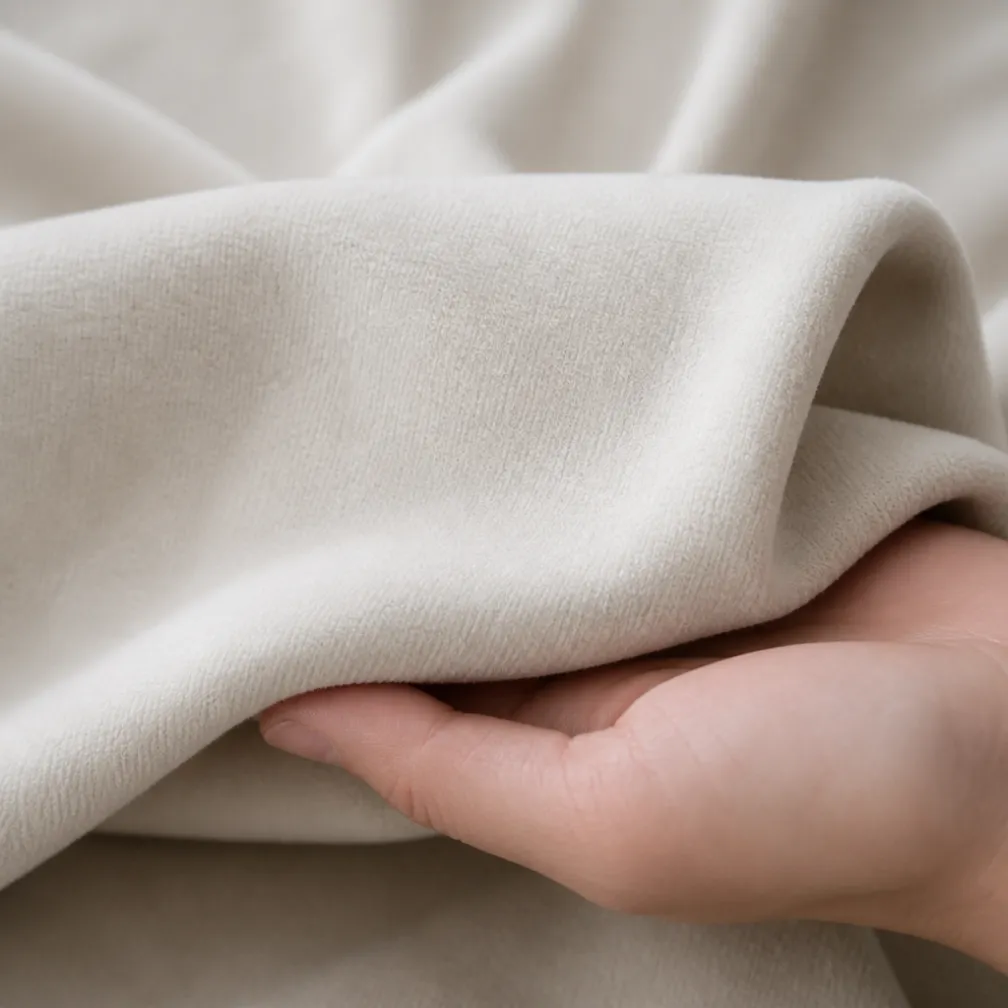
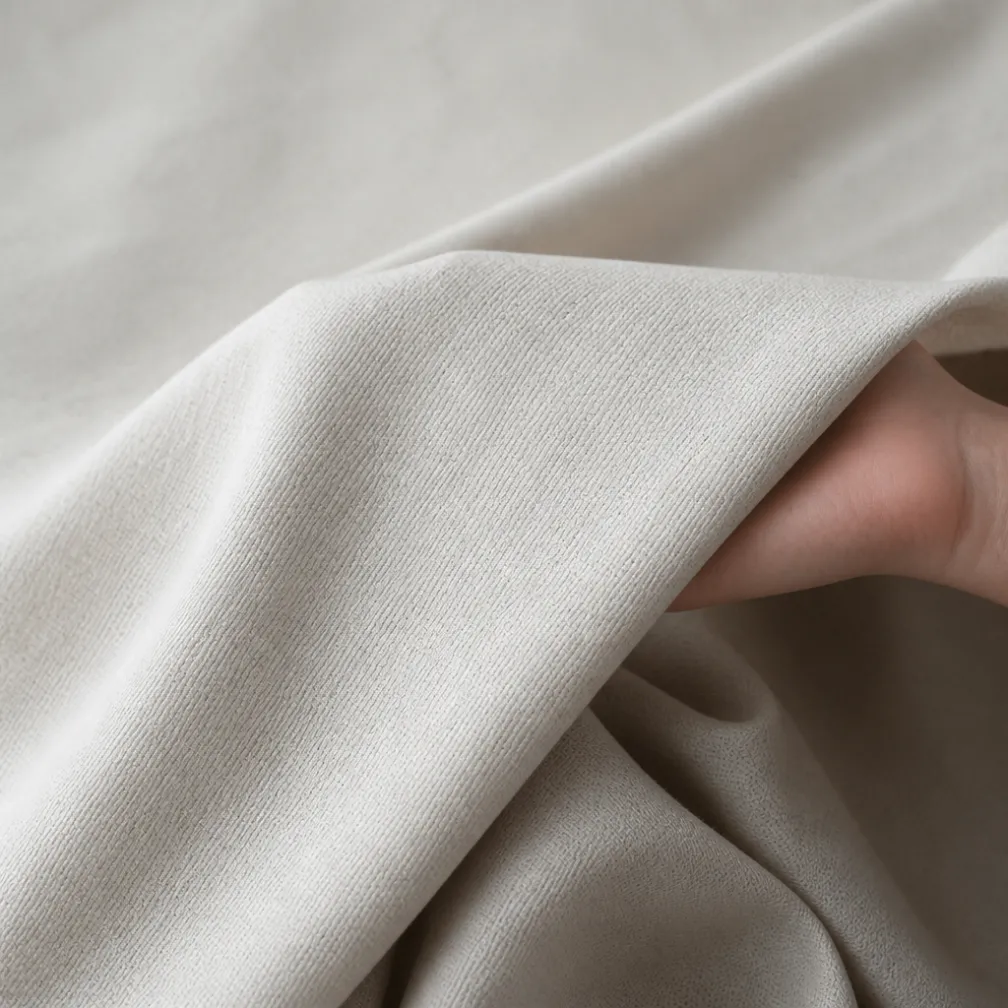
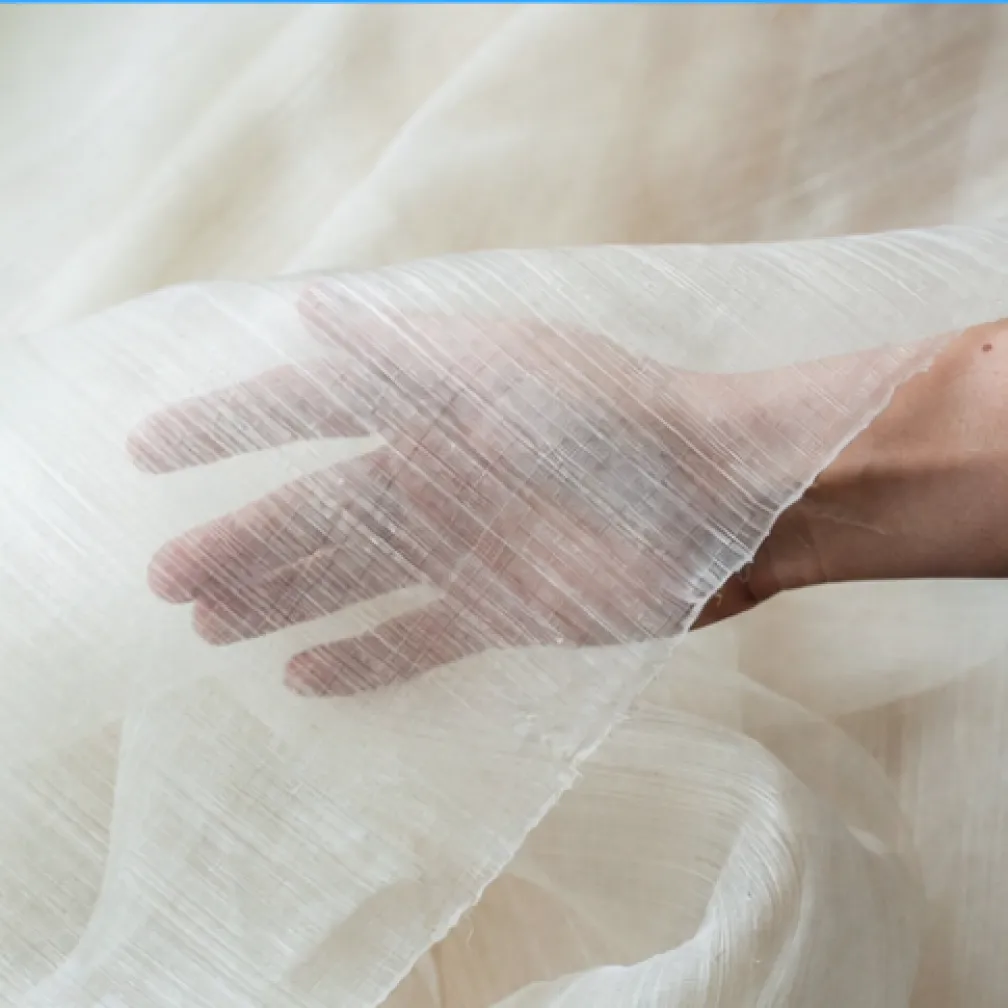
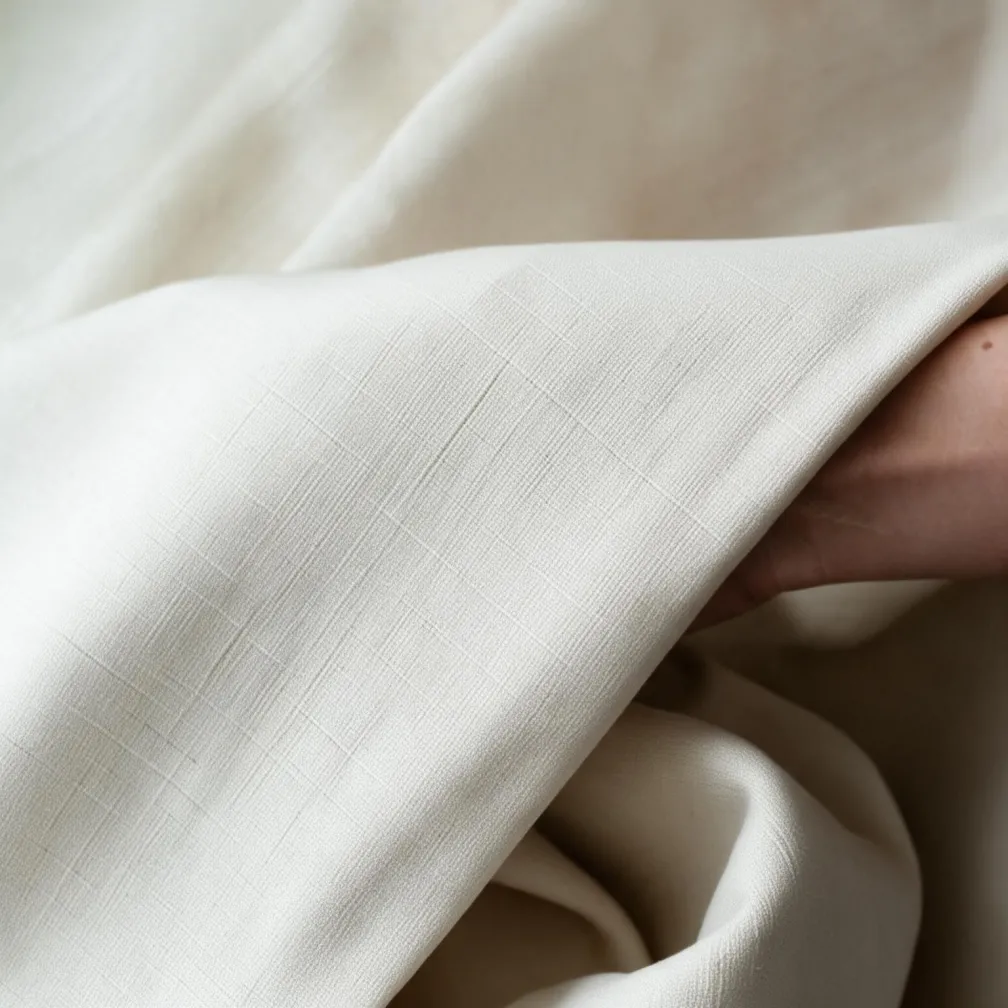
Lightweight Plain Voile Curtains

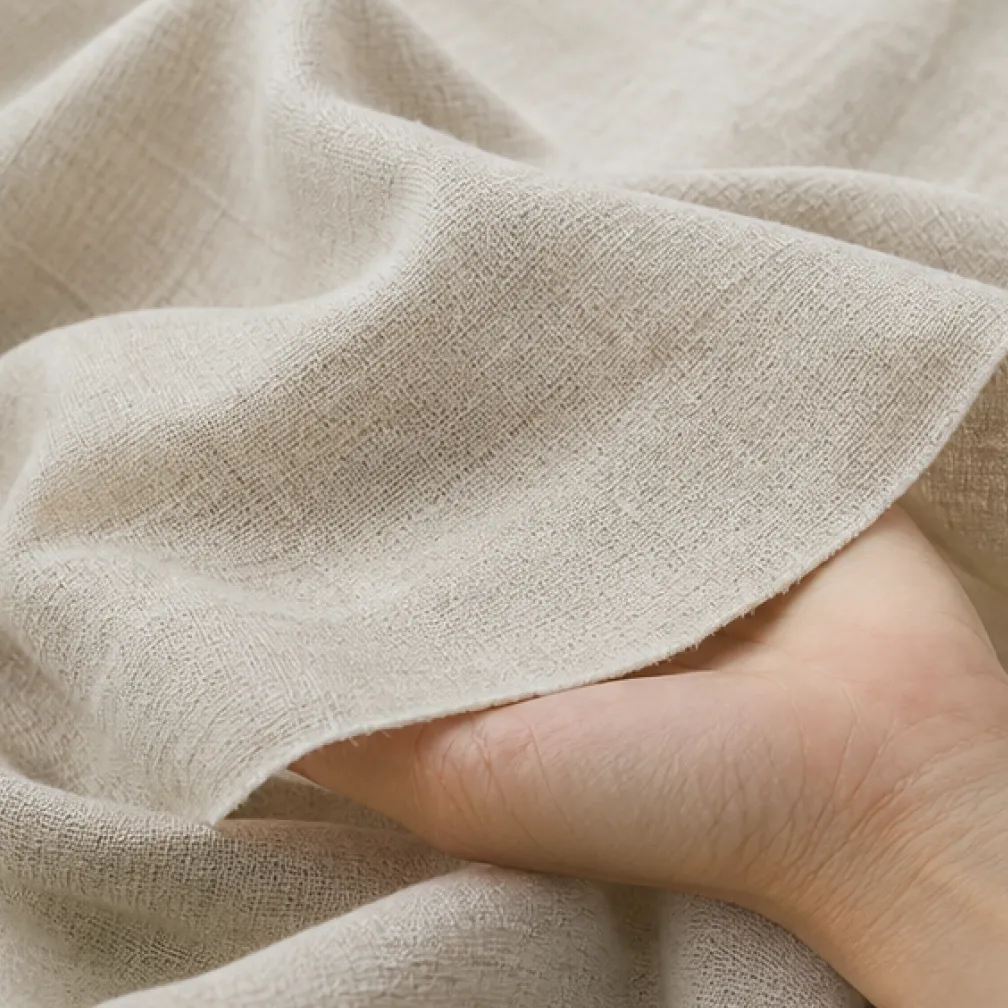
Linen-Blend Semi-Sheer Panels

Geometric Embroidered Sheers

Ombre Light Filtering Drapes

Extra-Wide Sheer Fabric Rolls

Pinch Pleat Translucent Curtains
Lightweight sheer fabrics are highly prone to weft distortion during manual handling. We utilize our advanced vertical cutting machine to automatically suspend and correct fabric alignment before cutting, ensuring every panel hangs perfectly straight without skewing.
Thin materials frequently pucker or warp along the seams when processed on standard equipment. Our production lines feature the automatic backwards tension hemming machine, which dynamically adjusts thread tension to guarantee flat, ripple-free edges.
Even minor weaving defects are visible in translucent materials. We process all sheer rolls through a single-sided inspection machine equipped with high-brightness LED backlighting to identify and isolate any yarn inconsistencies or color variations.
To prevent the loose weave of translucent fabrics from shifting under physical stress, we employ precise binding techniques and optimized stitch densities that lock the yarns in place, maintaining structural integrity during daily use and laundering.
We routinely weave and process wide-width sheer rolls (up to 330cm). This capability allows us to manufacture large, continuous curtain panels for architectural windows without the need for disruptive vertical joining seams.


| Technical Category | Available Options & Specifications |
|---|---|
| Fabric Composition | 100% Polyester Voile, Linen-Polyester Blends, Slub Sheers |
| Fabric Weight (GSM) | 30g/㎡ - 120g/㎡ (Customizable based on light filtering needs) |
| Roll Width | Standard 140cm, Wide-Width 280cm / 330cm |
| Header Styles | Pinch Pleat, Eyelet/Grommet, Pencil Pleat, S-Fold, Rod Pocket |
| Functional Finishes | UV-Resistant, Anti-Yellowing, Anti-Static, Fire Retardant (optional) |
| Primary Applications | Hotel Sheers, Residential Translucent Drapery, Event Backdrops |
We build the machines that make curtains — and use them on our own production line. That means every process, from cutting to pleating, runs on equipment we engineered ourselves.
learn more about us


Yes. We offer complete OEM and ODM manufacturing services. B2B clients can customize fabric composition (polyester, linen blends), GSM, header styles, and functional finishes such as anti-static or UV-resistant treatments according to specific project requirements.
Our Minimum Order Quantity depends on whether the fabric is woven-to-order or selected from our running stock. Custom-dyed fabrics require a standard baseline volume to initiate the dyeing vats, while finished curtains made from in-stock sheer rolls offer a much more flexible and lower MOQ for hospitality pilot projects.
Voile is a highly transparent, lightweight fabric woven from highly twisted yarns, providing maximum light transmission and a soft, flowing drape. Semi-sheer fabrics utilize a slightly denser weave or thicker yarns, offering a higher degree of daytime privacy and more structured light filtering while still remaining translucent.
Absolutely. We manufacture and process wide-width translucent fabric rolls, commonly available in 280cm or 330cm dimensions. Utilizing these wide-width materials allows us to fabricate expansive, continuous window treatments without introducing unsightly vertical joining seams.
Processing lightweight sheer fabric requires specialized equipment to prevent distortion. We design and utilize advanced post-tension sewing machines that automatically adjust thread tension and fabric feed rates in real-time, eliminating seam puckering and ensuring perfectly flat, straight hems.
Procuring translucent curtains for hospitality, commercial, or large-scale retail projects involves balancing aesthetic drape with structural durability. Unlike heavy blackout materials, lightweight sheers present unique challenges in weaving stability, light diffusion, and sewing execution. Understanding these technical variables ensures the selected window treatments meet both design expectations and functional facility requirements.
The primary function of a translucent curtain is to manage natural light while maintaining daytime privacy. The degree of light filtration depends heavily on the yarn thickness and weaving density, typically measured in Grams per Square Meter (GSM). A standard polyester voile (around 30-50 GSM) provides high visibility and minimal light blocking, ideal for softening harsh sunlight. Conversely, semi-sheer fabrics or linen-blends (80-120 GSM) offer denser coverage, effectively diffusing UV rays and reducing interior glare while obstructing outside visibility during the day.
The structural weave of the sheer fabric dictates its texture and application. Voile is plain-woven from highly twisted yarns, resulting in a crisp, fine, and exceptionally drapable fabric. It is the standard for classic hotel sheers. Batiste, while also a plain weave, uses less twisted yarns, producing a slightly softer, more opaque finish that resembles natural cotton or linen. Selecting the right base architecture determines the final hand feel and visual weight of the installed curtain.
Translucent fabrics are inherently delicate. During the manufacturing process, they are highly susceptible to yarn slippage, where the threads shift out of place under physical stress. Furthermore, standard sewing equipment often causes thin fabrics to pucker along the seams. Sourcing from a facility equipped with specialized machinery is critical. Automated cutting machines prevent weft skewing before sewing begins, while intelligent post-tension hemming equipment ensures the sheer fabric remains flat and structurally sound throughout the stitching process.
Commercial sheer curtains require frequent laundering and must withstand constant handling. It is vital to procure fabrics with excellent dimensional stability to prevent vertical shrinkage or distortion of the pleats over time. High-quality synthetic sheers undergo strict heat-setting processes during textile finishing. This thermal treatment locks the fabric structure, ensuring the curtains retain their original drop length and crisp pleat memory even after repeated commercial washing cycles.