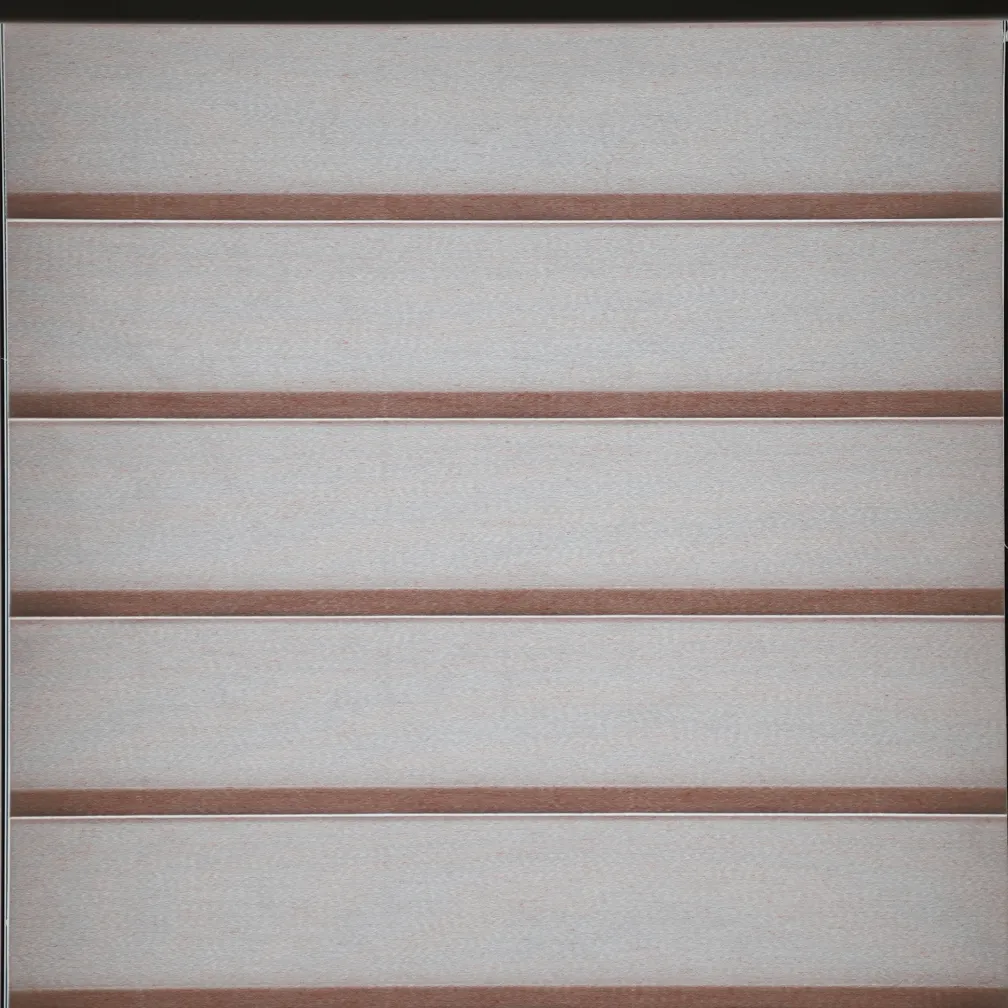
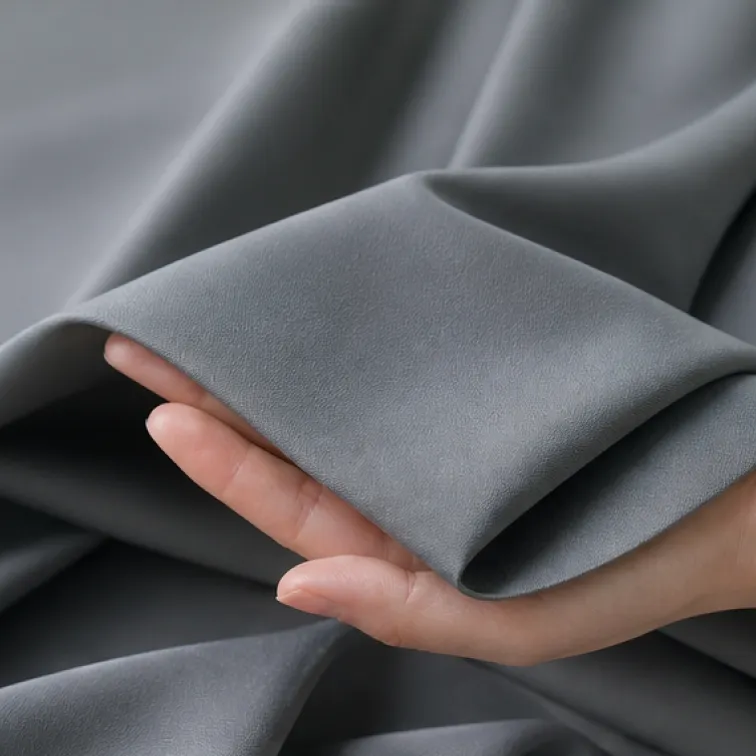
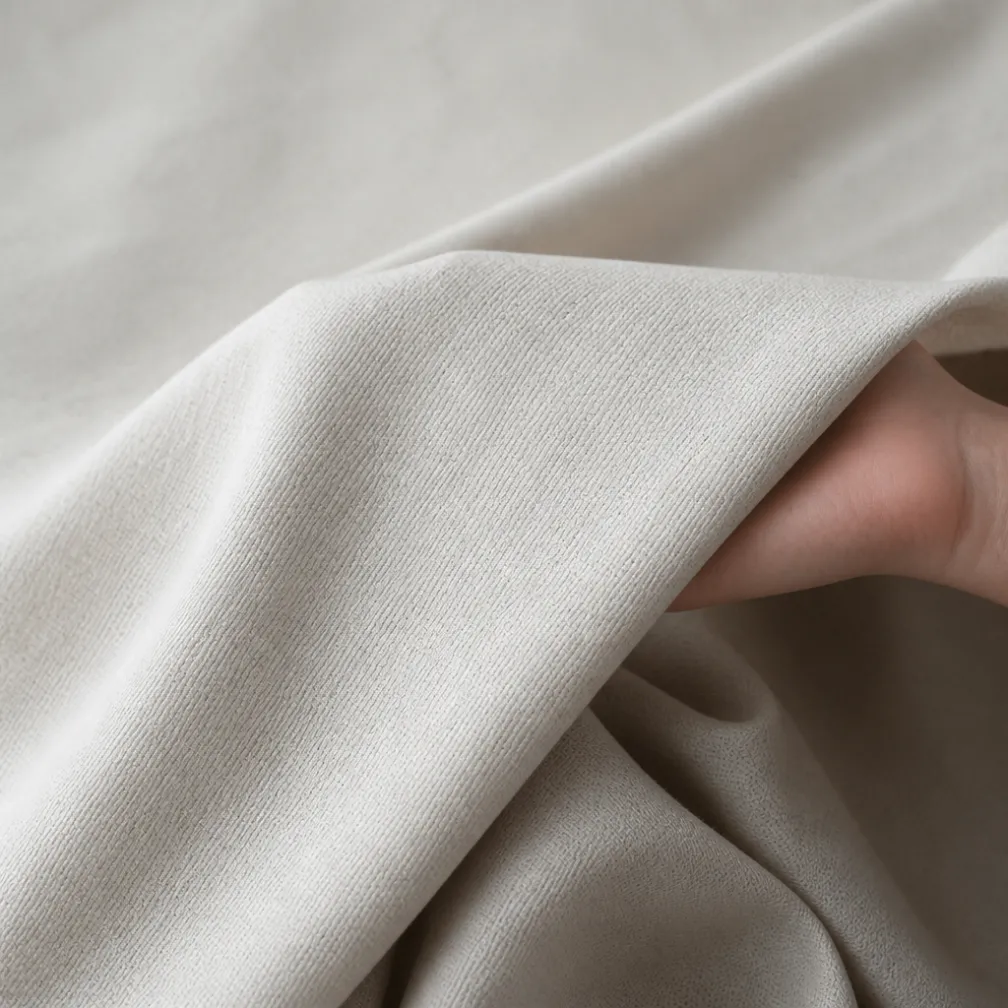
Classic Flat Roman Shades

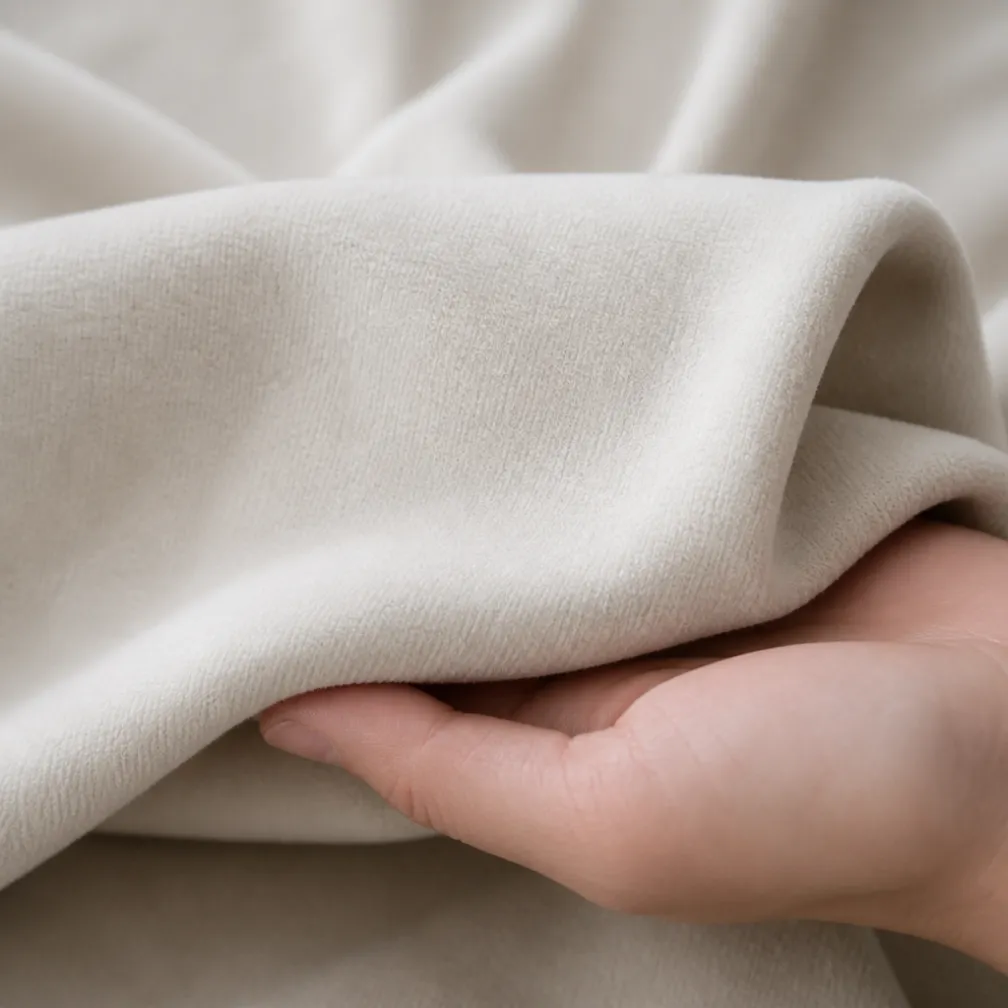
Lined Blackout Roman Blinds

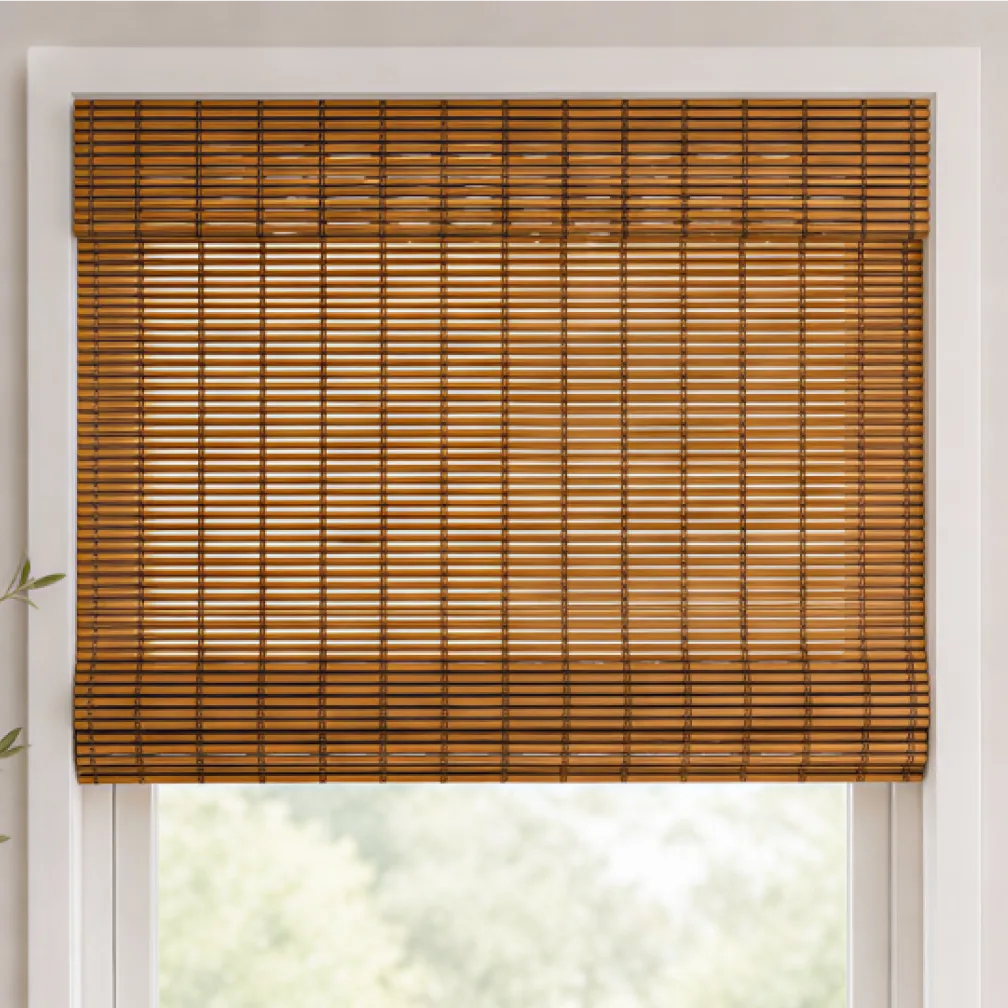
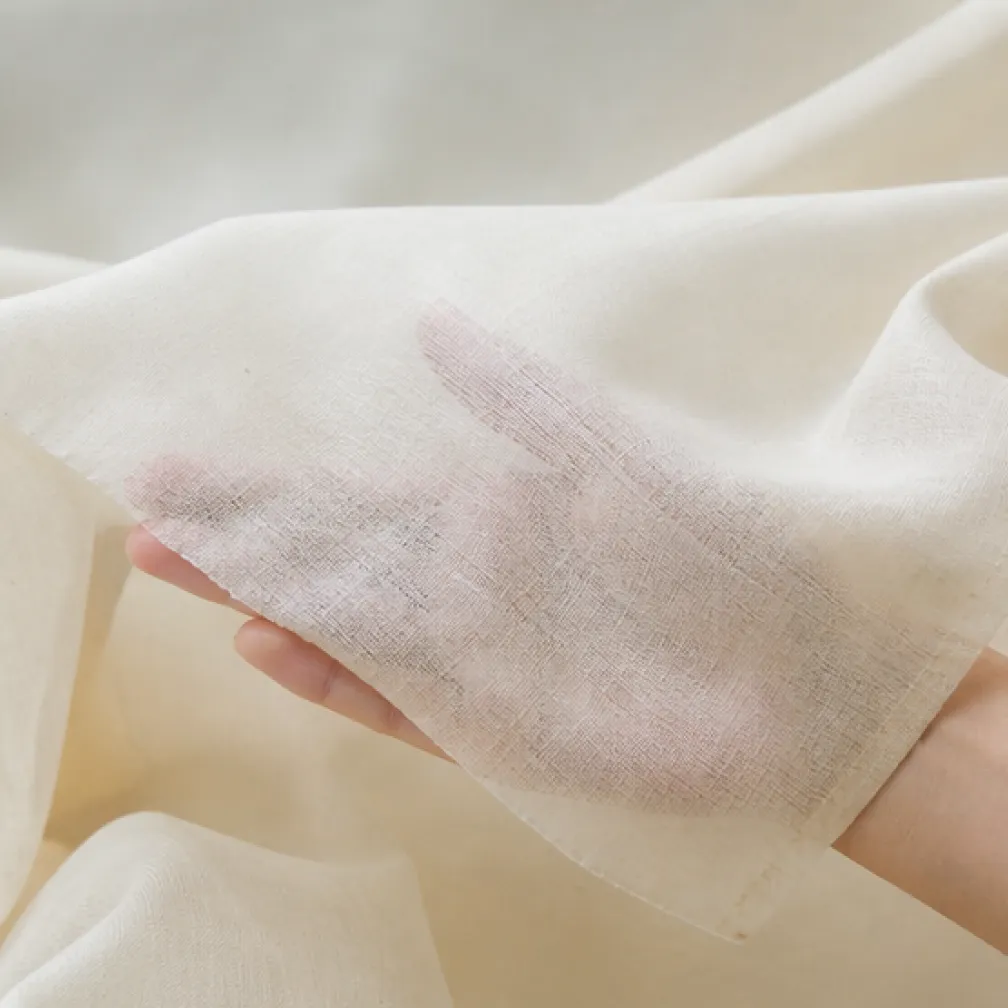
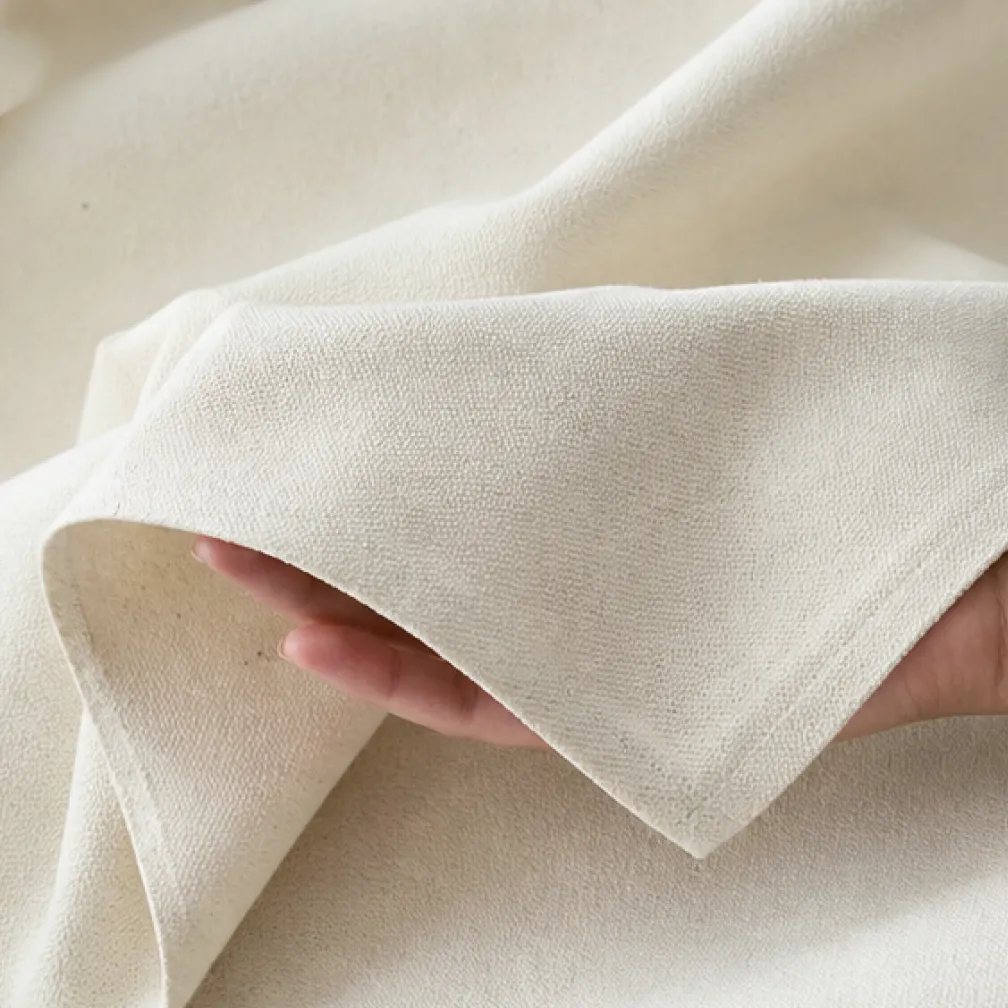
Wide Window Roman Shades

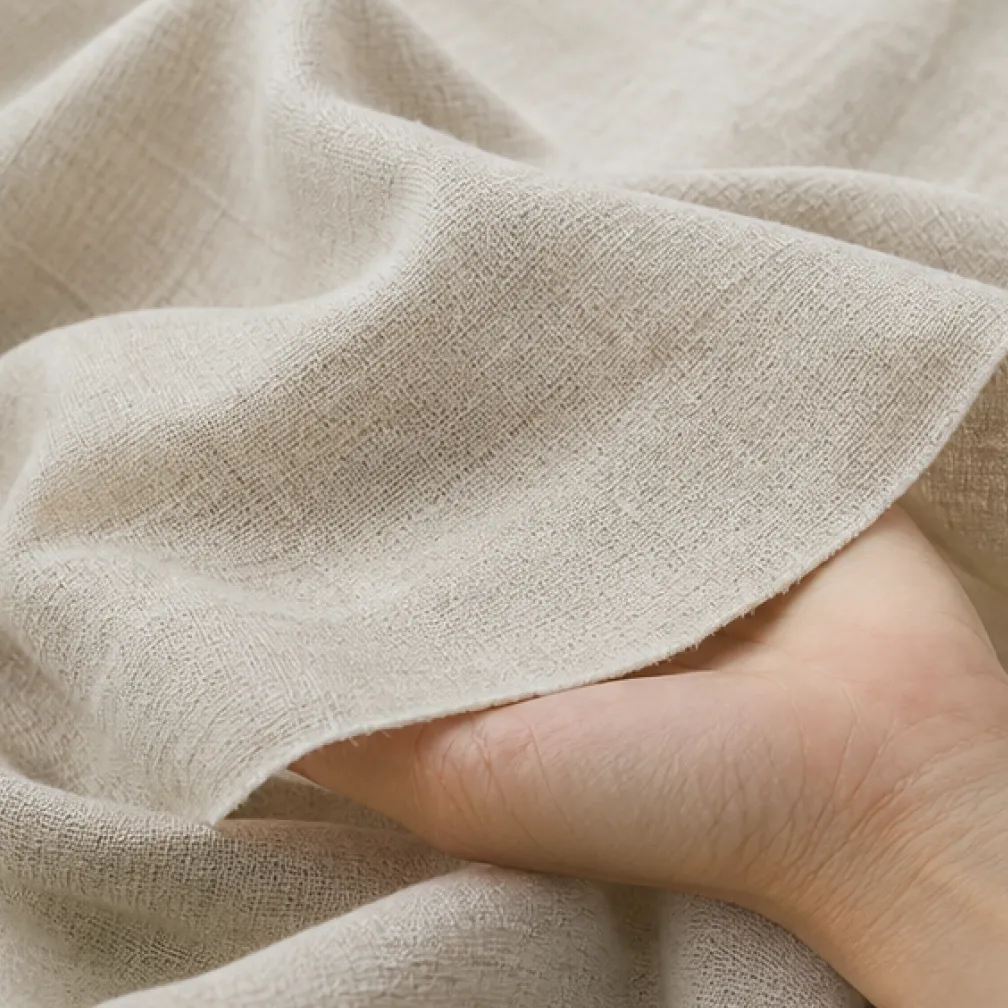
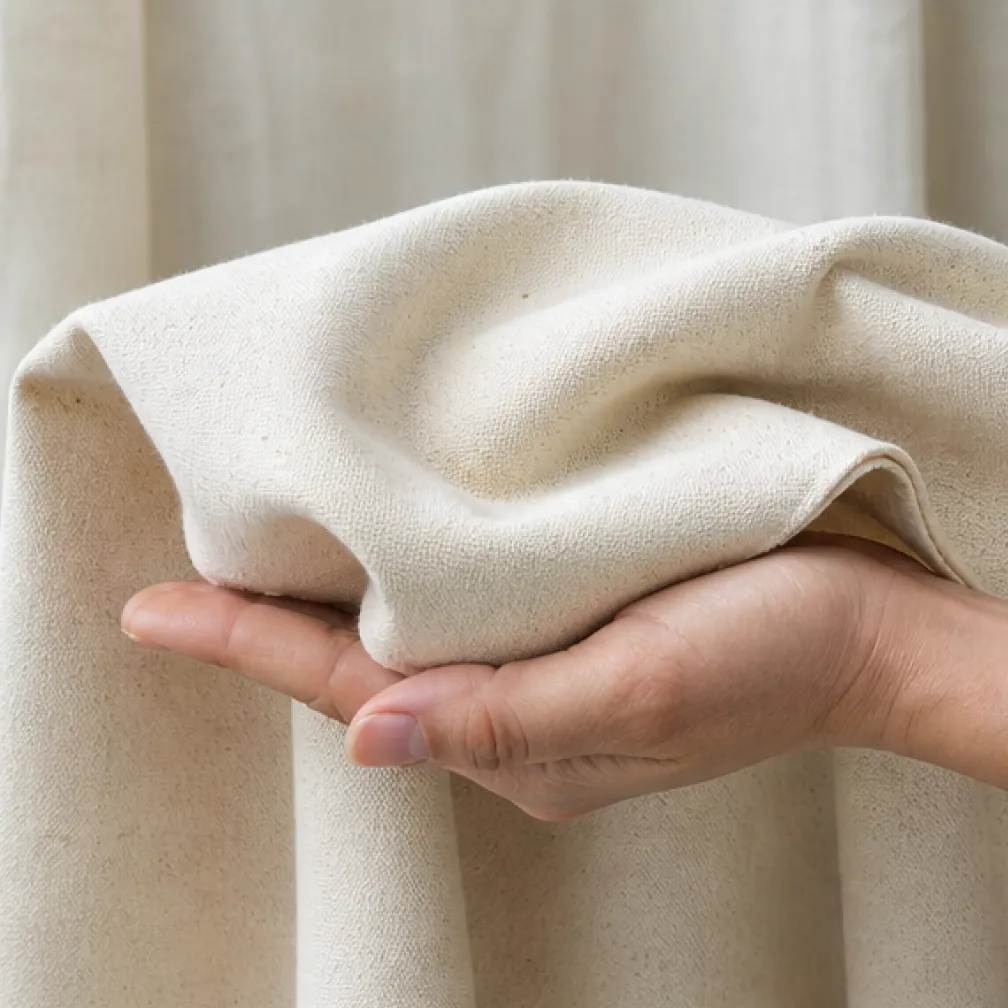
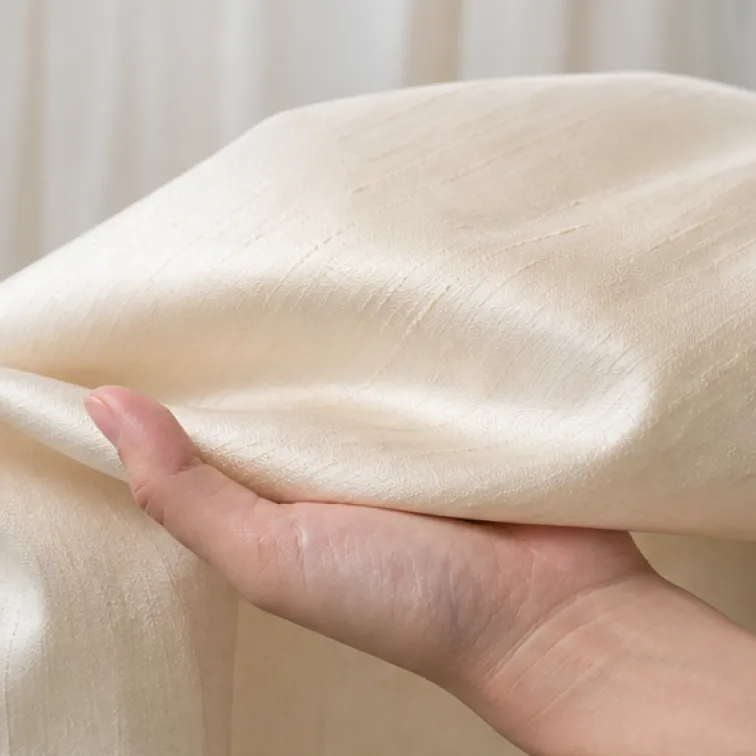
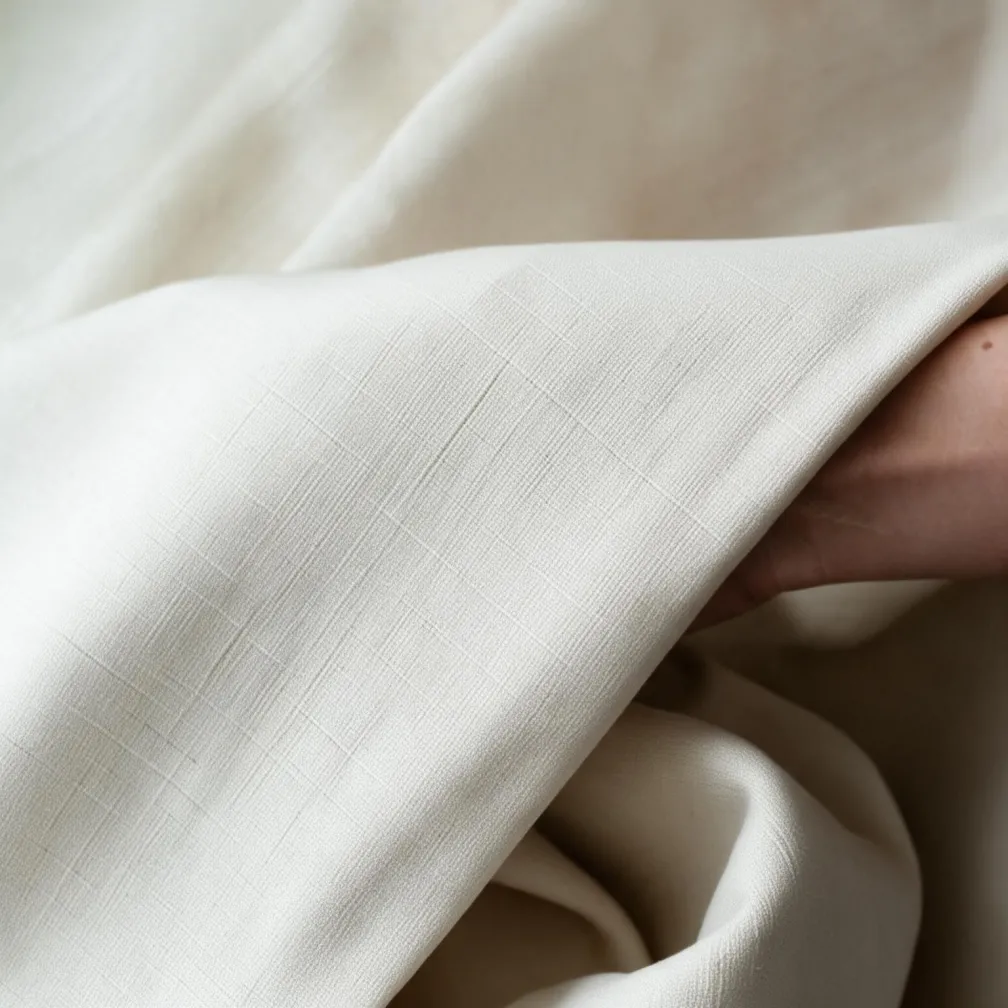
Textured Fabric Roman Shades

Motorized Roman Shade Systems

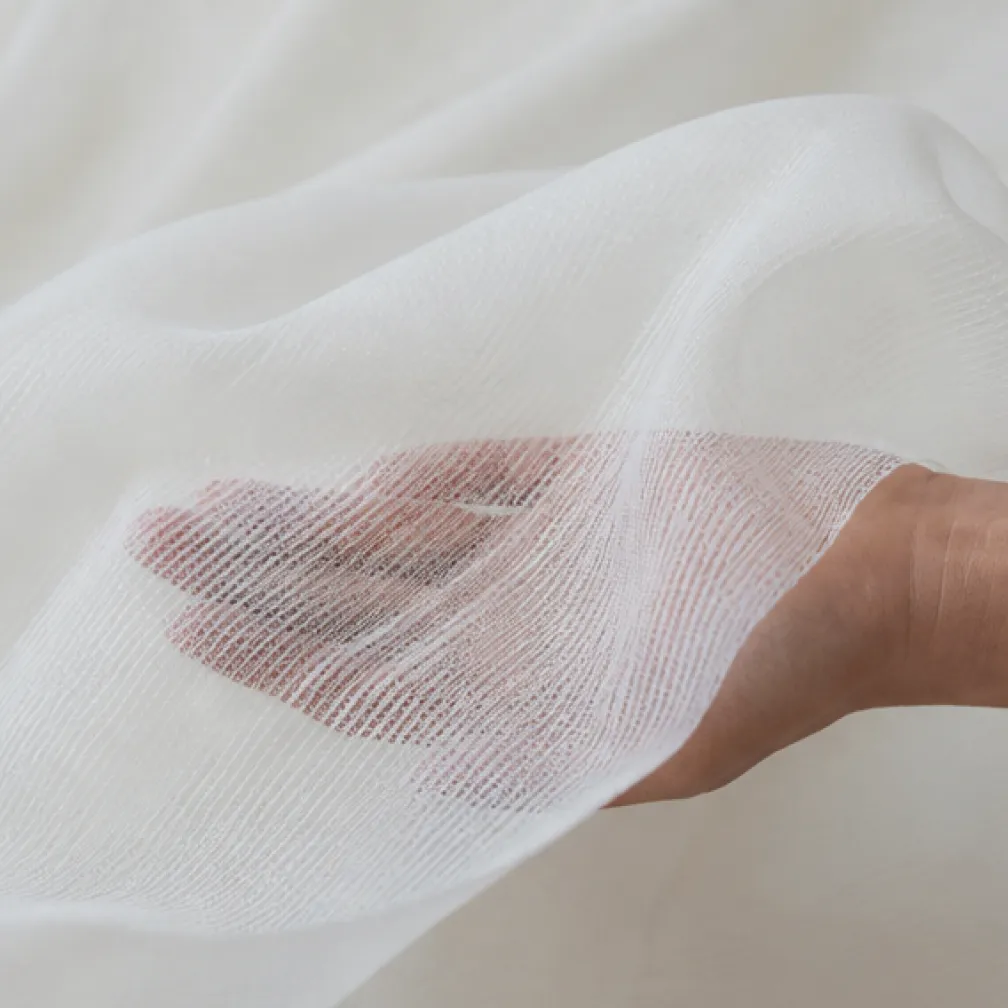
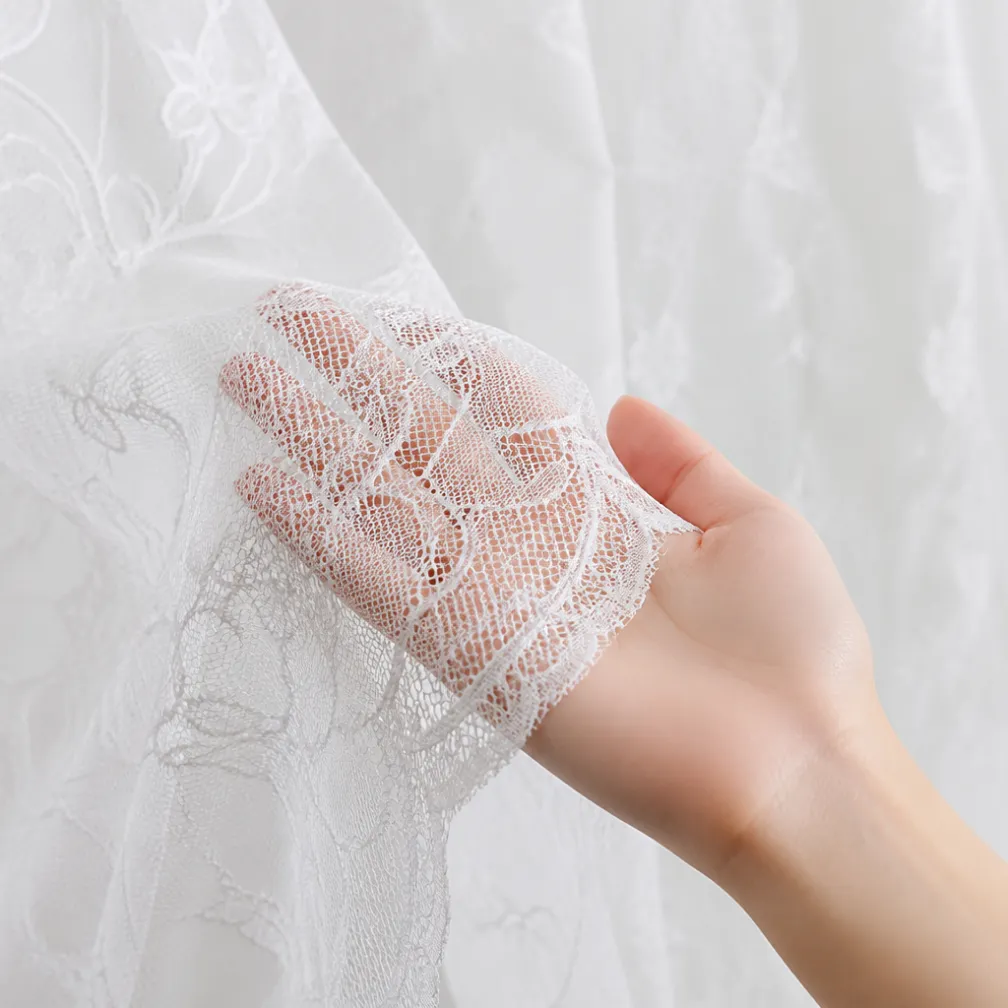
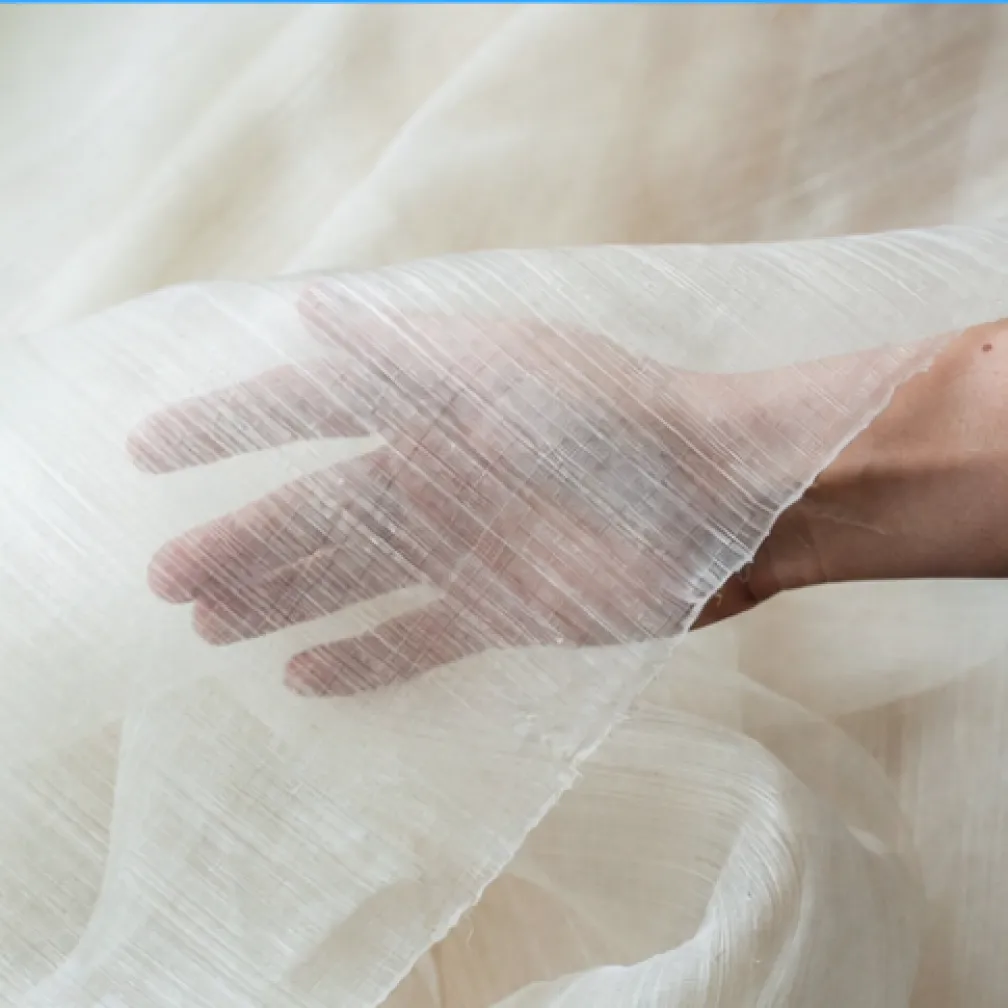
Soft Fold Roman Drapery
Traditional manufacturing requires workers to kneel on the floor to measure and mark fabrics, leading to severe inaccuracies. We utilize our proprietary Automatic Roman Shade Machine to process multiple panels simultaneously, drastically improving both precision and production output.
Sewing layered linings to face fabrics often causes severe seam puckering. Our production lines integrate the Automatic Backwards Tension Hemming Machine. This system dynamically adjusts thread tension to guarantee flat, ripple-free edges on thick, multi-layered shades.
Fabric yardage easily skews when unrolled. We use our Vertical Cutting Machine to suspend the material, ensuring perfectly straight, gravity-aligned cuts. This guarantees the final shade will not hang diagonally within the window frame.
Our Automatic Roman Shade Machine utilizes advanced CNC technology to calculate and sew perfectly straight, parallel lines for the shade ribs. This completely eliminates human measurement error, ensuring every fold stacks flawlessly.
We inspect every fabric roll on a Single-Sided Inspection Machine equipped with LED backlighting. This rapidly identifies and isolates any weaving flaws or shading variations before the material reaches the fabrication phase.


| Technical Category | Available Options & Specifications |
|---|---|
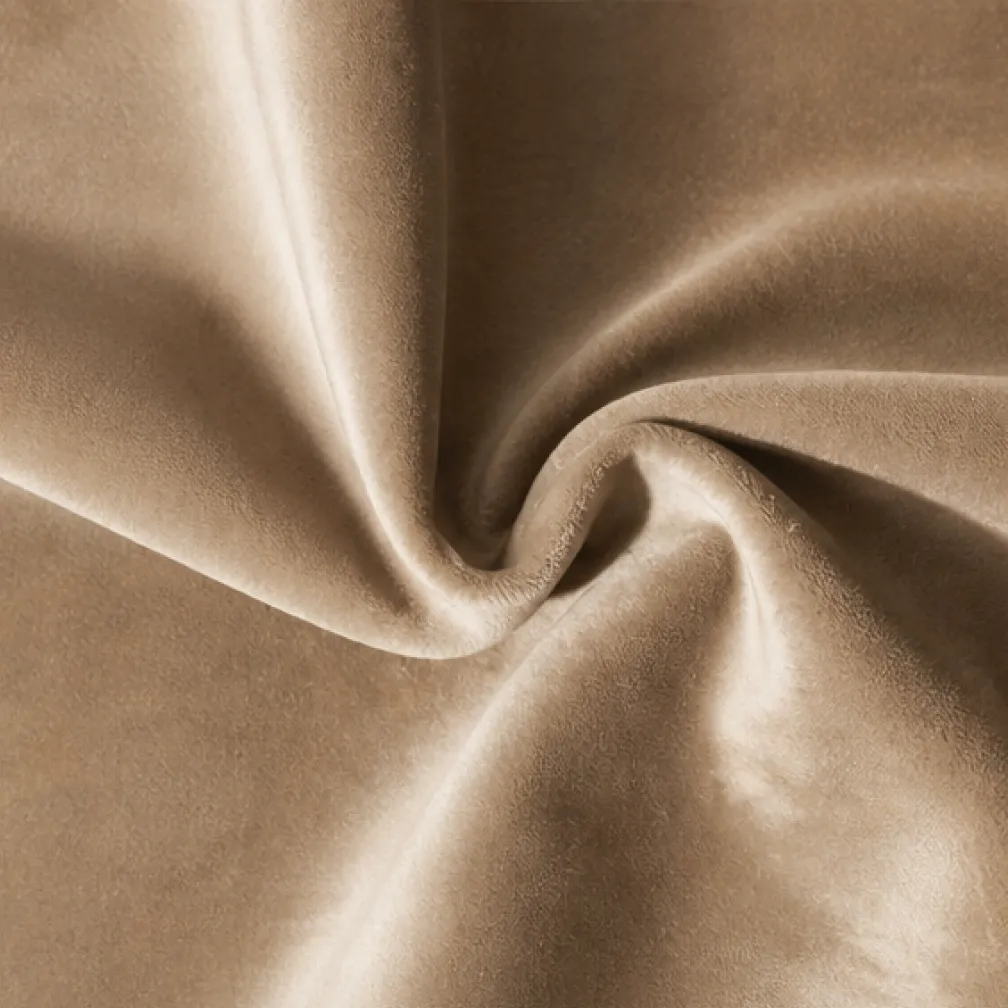
| Face Fabric Options | Polyester, Linen Blends, Faux Silk, Canvas, Velvet |
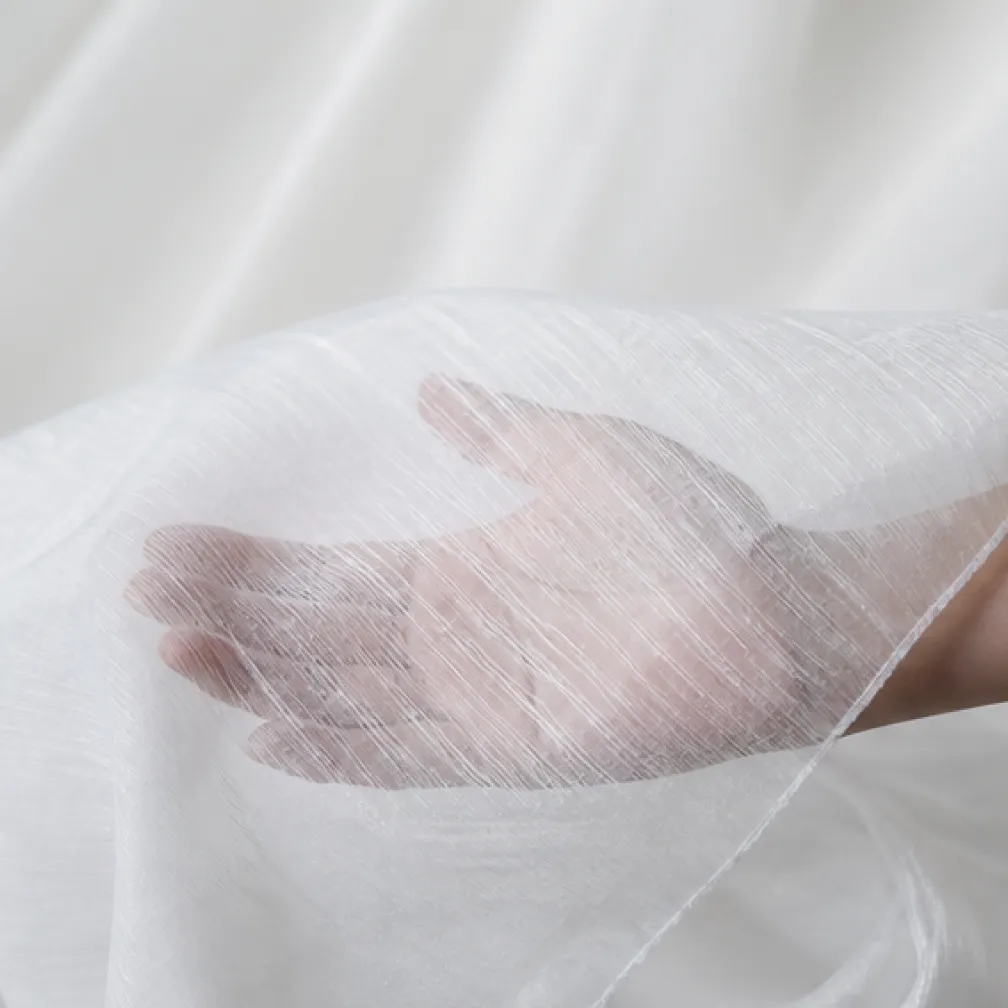
| Lining Options | Unlined, Light-Filtering Sateen, 100% Blackout (3-Pass) |
| Fold Styles | Flat Fold, Soft Fold (Hobbled), Relaxed European |
| Lift Mechanisms | Continuous Cord Loop, Cordless, Motorized (Smart Integration) |
| Functional Finishes | Fire Retardant (Optional), UV-Resistant Linings |
| Primary Applications | Hotel Room Shades, Corporate Offices, Residential Window Coverings |
We build the machines that make curtains — and use them on our own production line. That means every process, from cutting to pleating, runs on equipment we engineered ourselves.
learn more about us


Our MOQ is flexible depending on the product specifications. Standard sizes and in-stock fabrics support lower minimums suitable for equipment testing and mock-up rooms. Custom dimensions, specific fabric sourcing, or specialized hardware integration require a higher baseline volume, negotiated based on project scope.
Delivery schedules depend on order volume and complexity. Standard orders are typically processed within 7 to 15 days following deposit confirmation. Custom manufacturing and OEM processing are scheduled and confirmed based on customization complexity.
Yes. We can manufacture shades using multi-layered construction. We securely attach a dedicated 3-pass blackout lining to the reverse side of the face fabric, providing 100% optical isolation and enhanced thermal insulation.
Absolutely. For commercial and luxury residential procurement, we offer advanced motorized lift systems. These can be hardwired or battery-operated and seamlessly integrated into smart home or commercial building management systems for automated control.
We eliminate manual measuring errors by utilizing our proprietary automated shade machinery. This CNC-controlled equipment sews the horizontal ribs with mathematical precision, ensuring every line is perfectly parallel and the folds stack cleanly.
Procuring Roman shades for hospitality, commercial offices, or residential projects involves evaluating both the textile properties and the mechanical fabrication of the window covering. Unlike traditional free-hanging drapery, Roman shades are highly structured products. Their aesthetic appeal and functional longevity depend entirely on precise dimensional accuracy, robust hardware integration, and proper fabric tensioning. Understanding these engineering variables ensures successful procurement for high-traffic environments.
These shades are defined by how the fabric stacks when raised. Flat Roman Shades feature continuous pieces of fabric that hang completely flat when lowered, providing a clean, modern aesthetic. They utilize horizontal rods (ribs) sewn into the back to ensure crisp, uniform folding. Soft Fold (or Hobbled) variations retain overlapping loops of fabric even when fully extended, creating a more traditional, voluminous look. Procuring the correct style dictates the manufacturing process; flat shades require absolute CNC precision for the rib placement, while soft folds require complex fabric tensioning to prevent the loops from sagging unevenly.
A high-quality commercial shade is rarely a single layer of fabric. The face fabric provides the aesthetic texture, but the functional performance relies on the lining. Sourcing products with bonded Sateen Linings protects the face fabric from UV degradation (sun rot) while providing a uniform exterior appearance to the building facade. For bedrooms or presentation spaces, integrating a 3-Pass Blackout Lining is critical. The manufacturing challenge lies in sewing these disparate layers together without causing puckering or tension distortion—a process that requires specialized automated hemming equipment.
Historically, Roman blind fabrication was highly labor-intensive, requiring workers to kneel and manually draw lines across large fabric panels. This method frequently resulted in crooked stitching, diagonal skewing, and inconsistent fold spacing. Sourcing from a vertically integrated facility equipped with automated machinery fundamentally solves this. CNC-controlled sewing heads replace manual marking, guaranteeing mathematically perfect parallel lines. This ensures the shade raises smoothly without binding in the tracks and that every fold stacks precisely on top of the next.