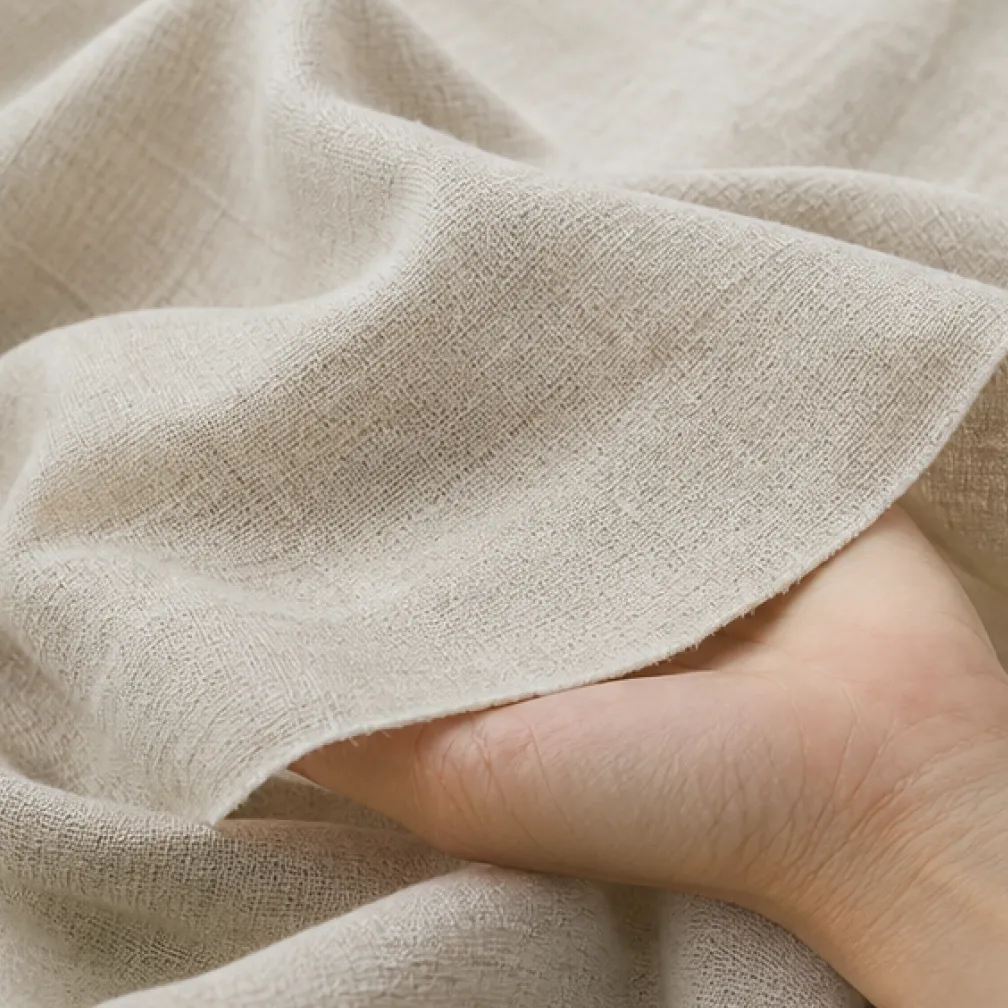
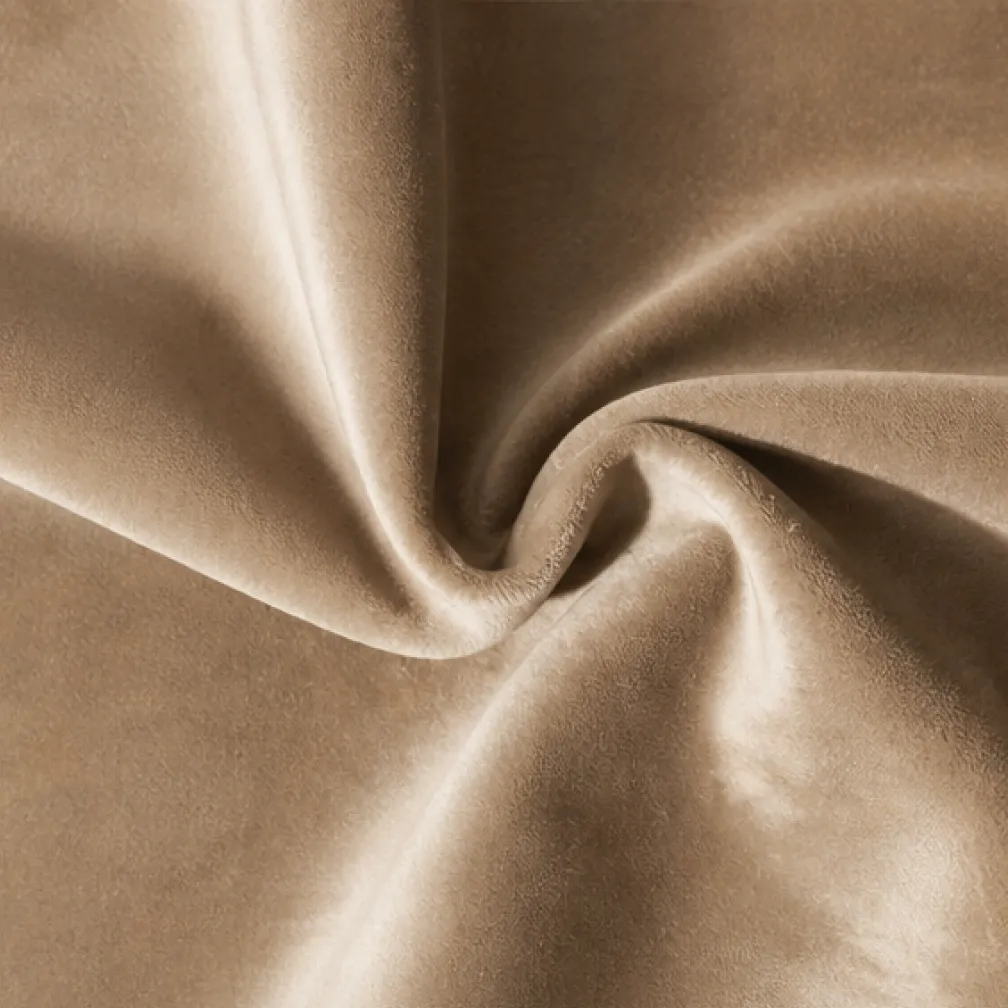
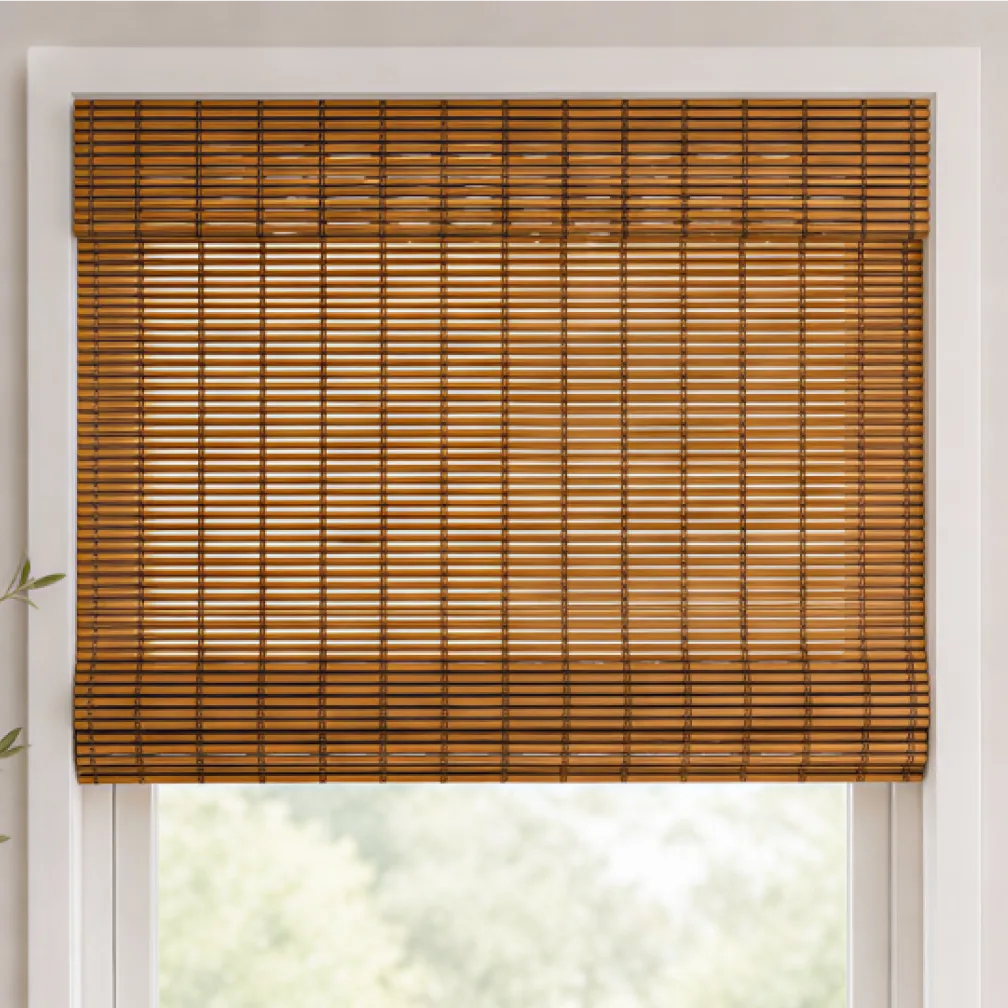
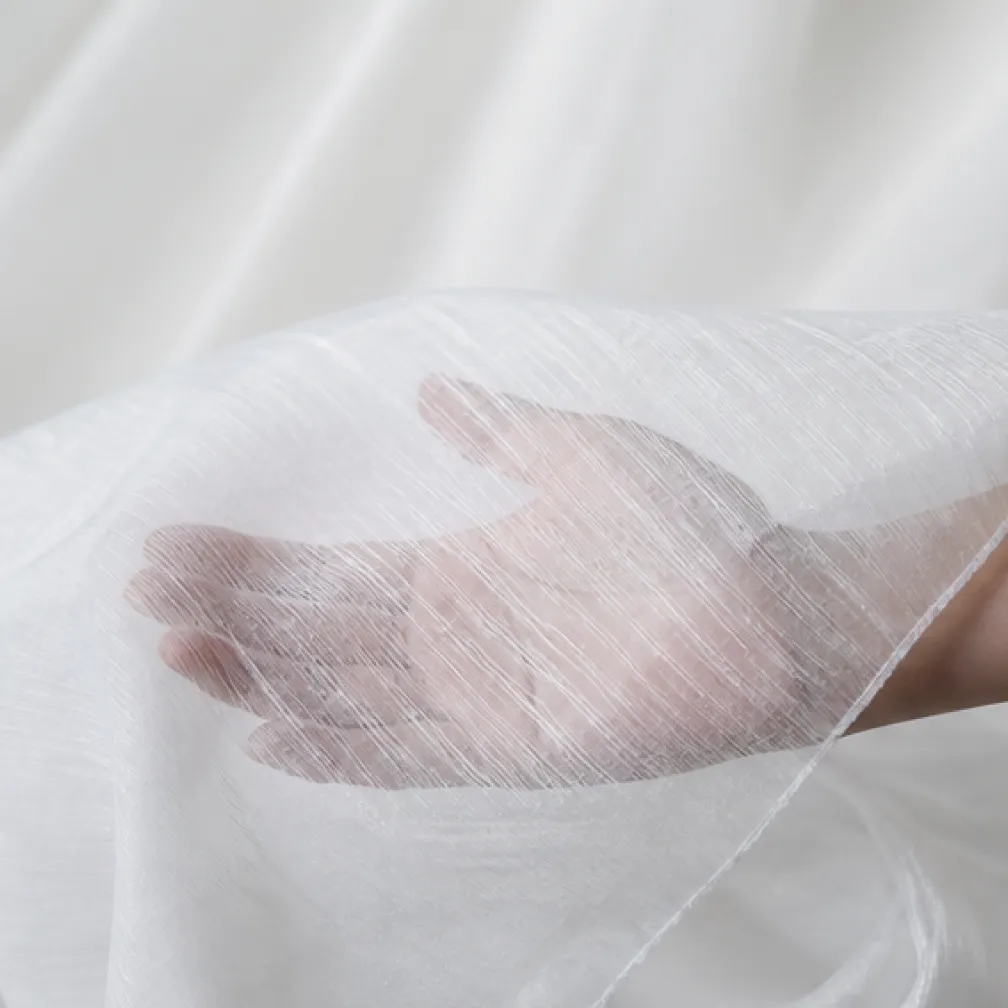
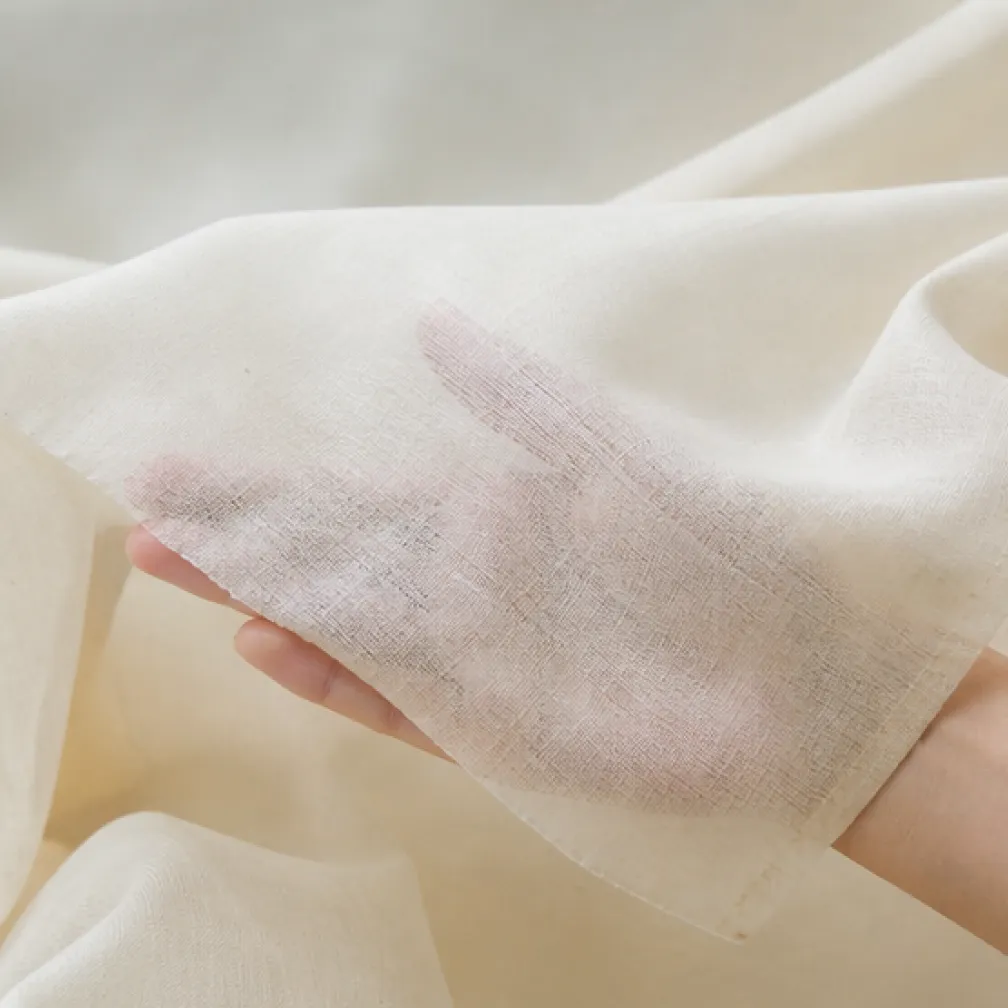
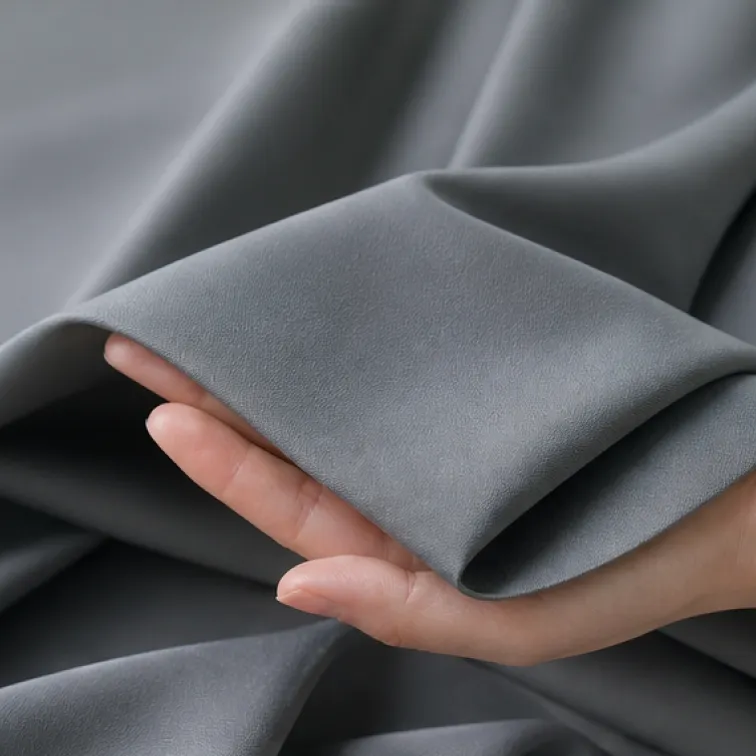
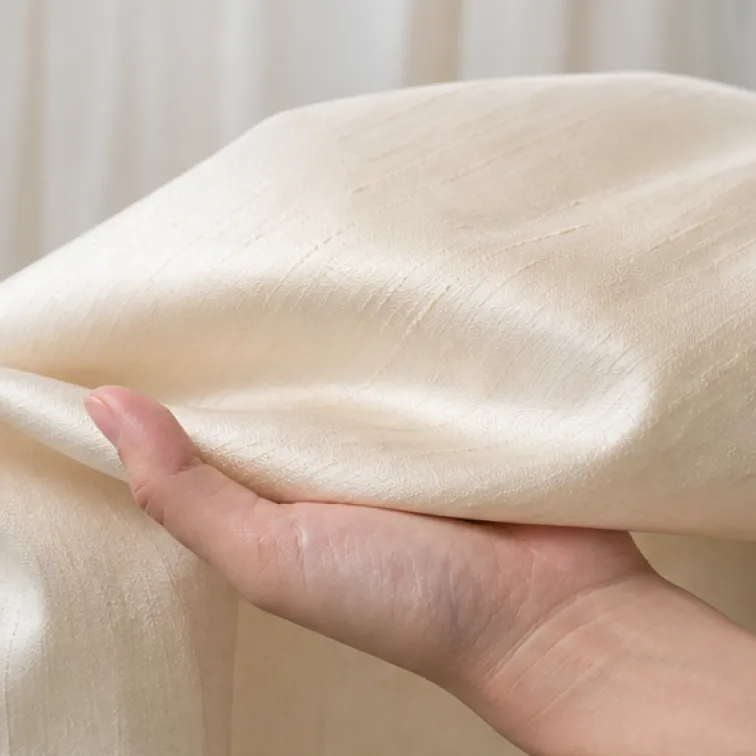
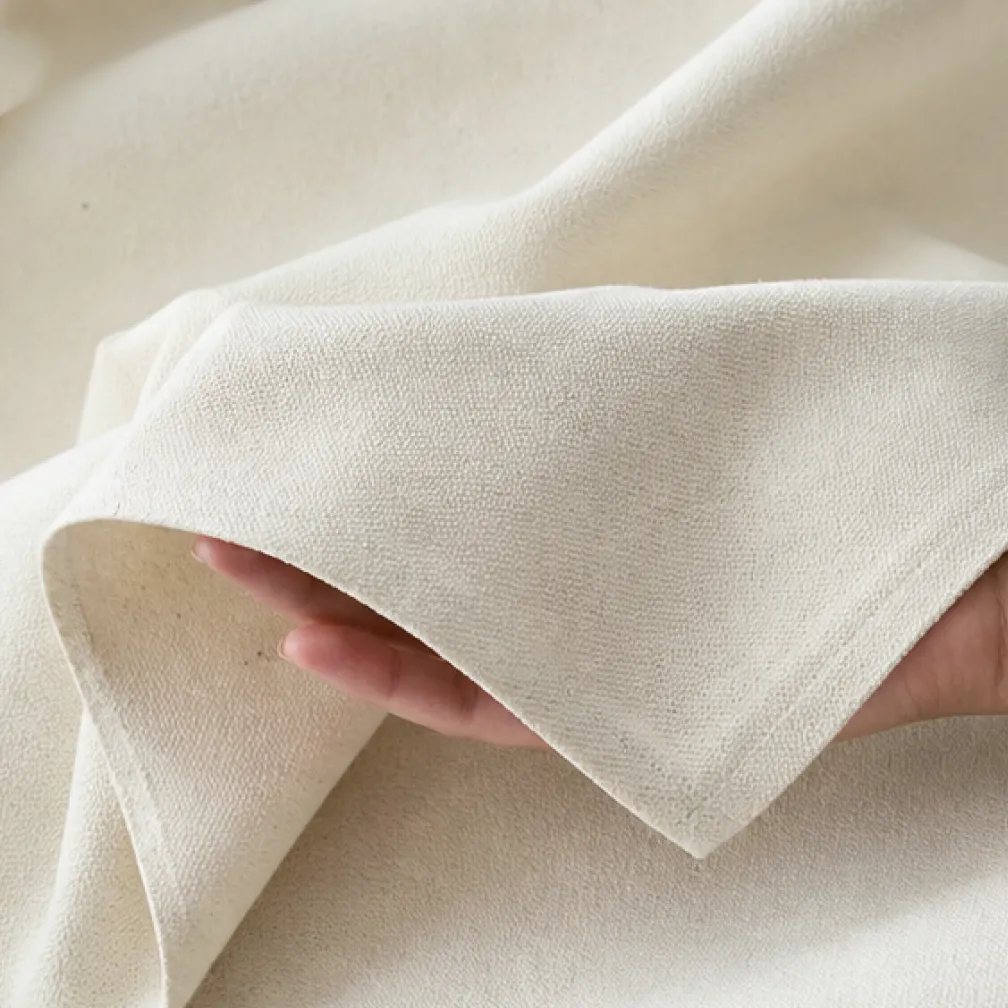
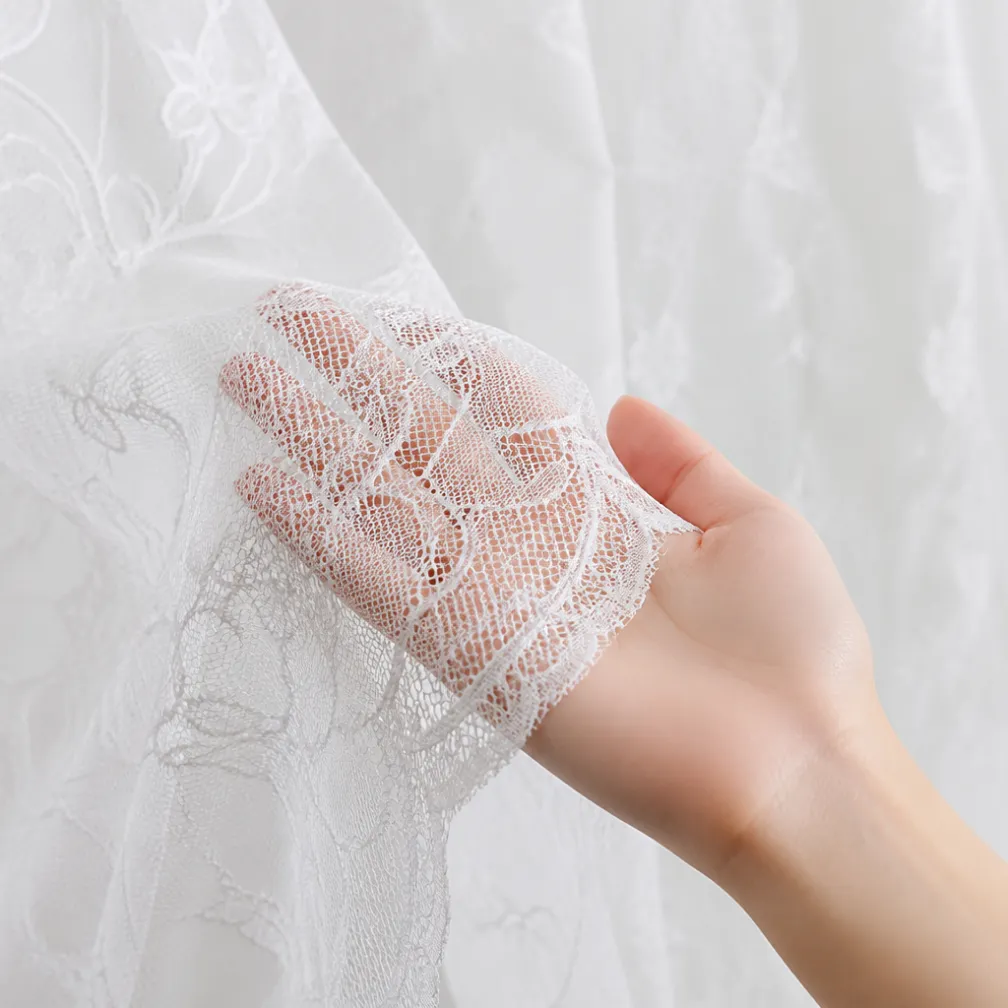
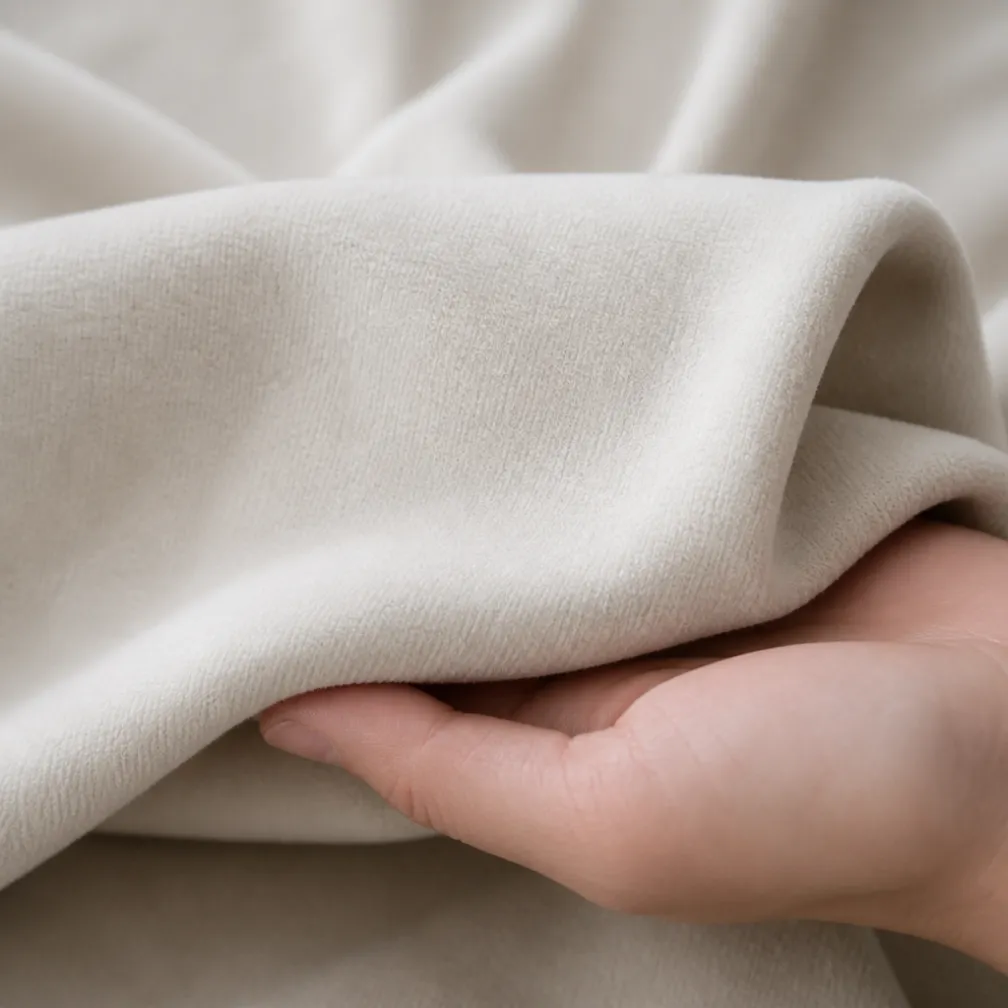
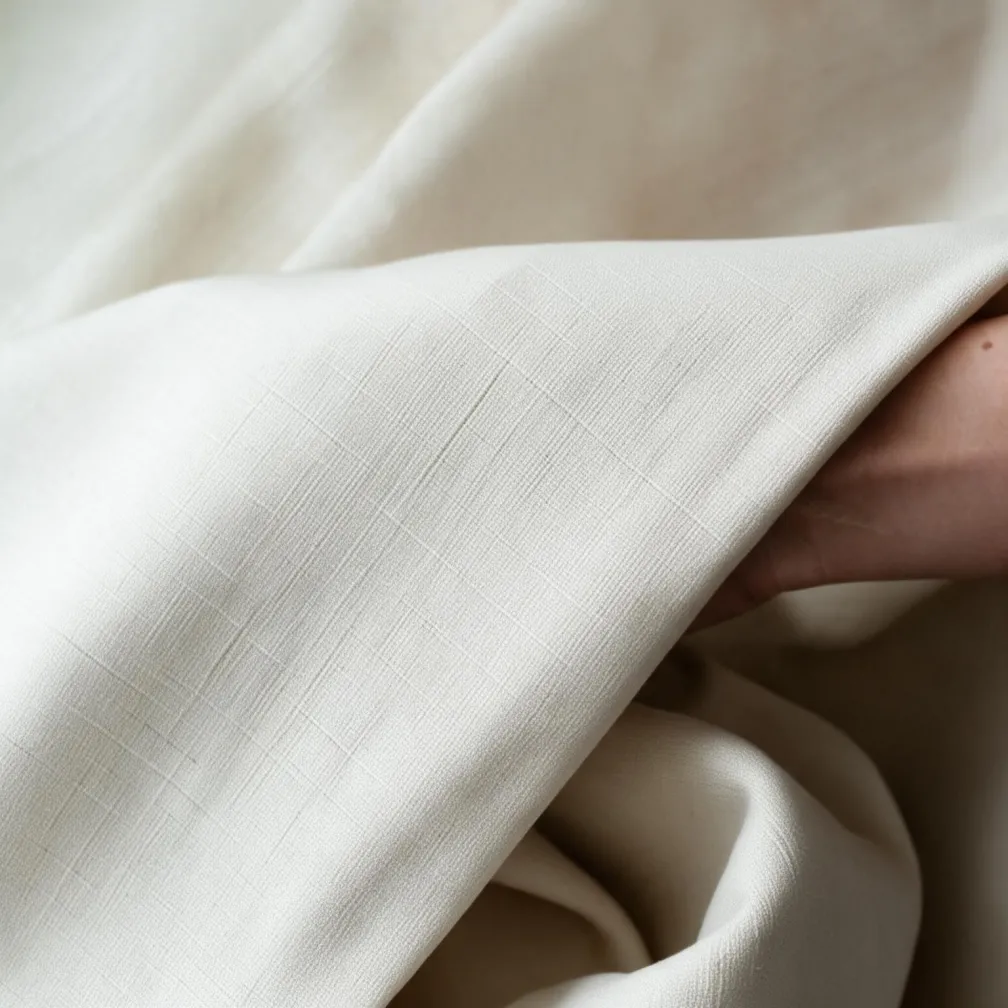
100% Pure Natural Linen Curtains

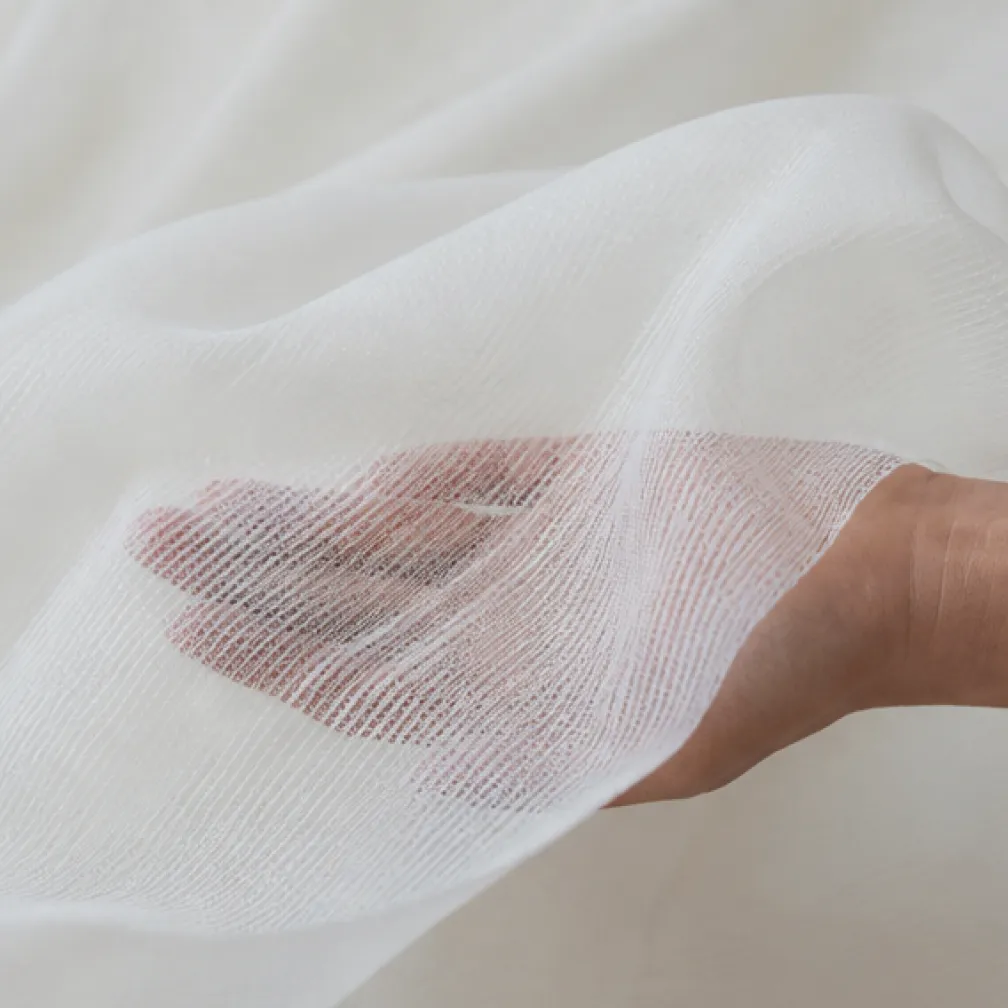
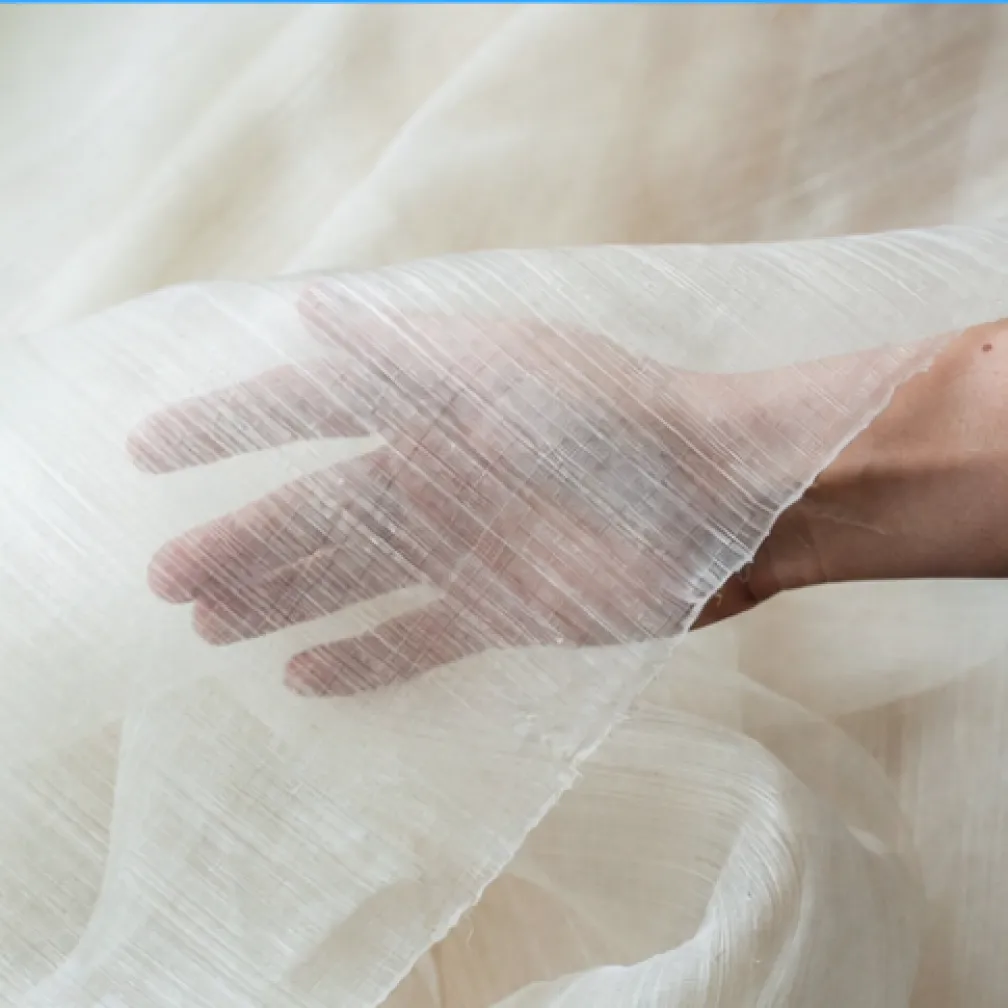
Polyester Faux Linen Sheers

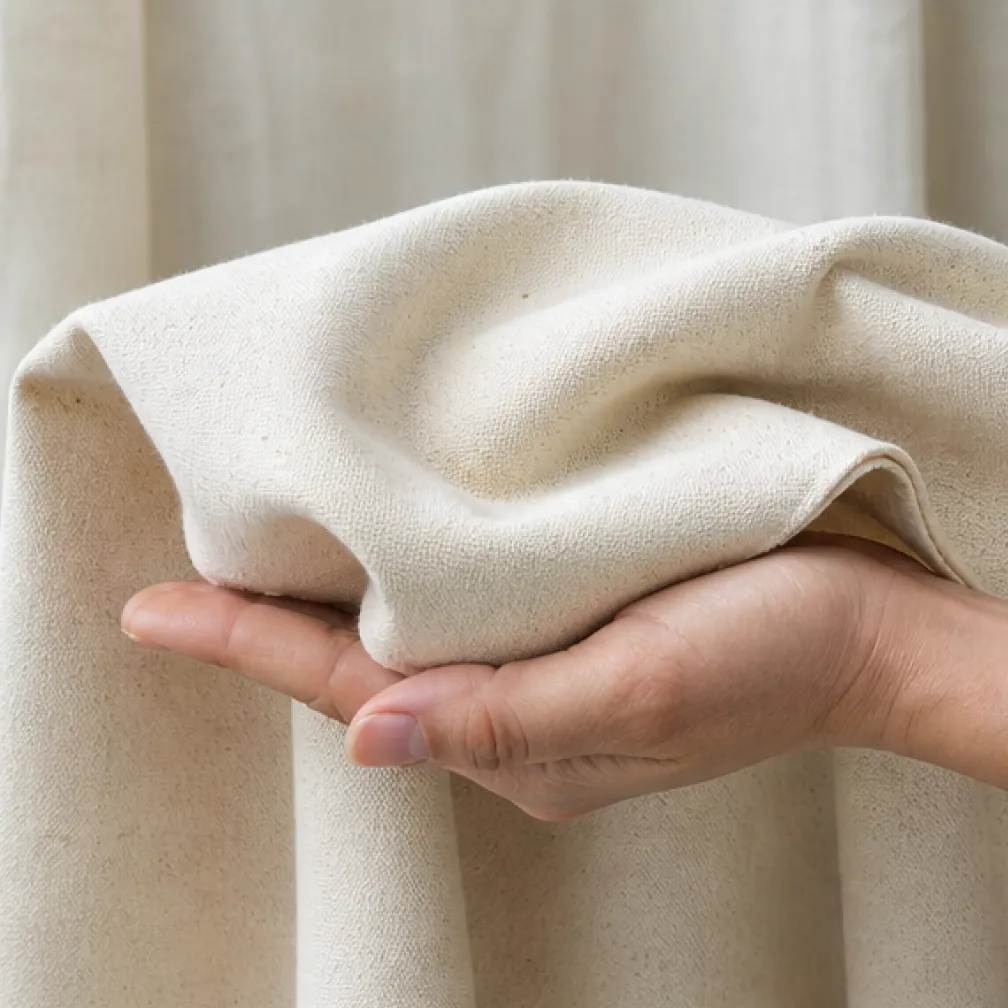
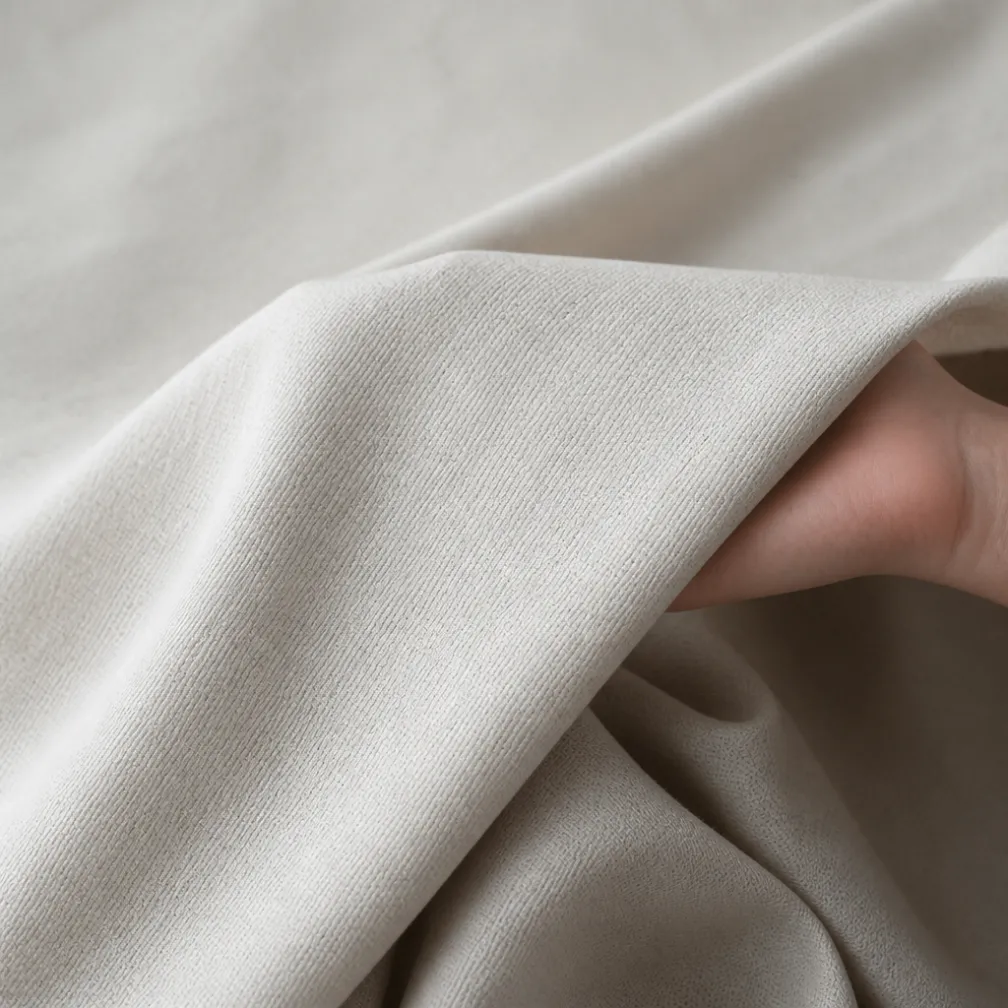
Heavyweight Linen Textured Drapes

Linen-Blend Blackout Fabric

Slub Faux Linen Fabric Rolls

Extra-Wide Linen Drapery
Textured linen fabrics are prone to weft distortion. We utilize our proprietary Automatic Curtain Length Cutting Machine featuring a dual-lifting function to suspend the fabric naturally, ensuring perfectly straight, gravity-aligned cuts without skewing.
Heavyweight faux linens easily pucker along seams. Our production lines integrate the Automatic backwards tension hemming machine. This system dynamically adjusts thread tension to guarantee flat, ripple-free edges on thick materials.
We process all fabric rolls through a Single-Sided Inspection Machine. The LED backlighting clearly highlights weaving inconsistencies, ensuring only flawless A-grade material proceeds to the cutting phase.
To ensure sharp and uniform drape memory across bulk orders, we process the finished panels using our Automatic Pleating Machine, which precisely calculates and stitches complex pleats without manual measurement errors.
We weave wide-width linen rolls up to 330cm. This capability allows us to manufacture expansive curtain panels for commercial environments without introducing vertical joining seams.


| Technical Category | Available Options & Specifications |
|---|---|
| Fabric Composition | 100% Pure Flax, Poly-Linen Blends, 100% Polyester Faux Linen |
| Fabric Weight (GSM) | 80g/㎡ (Sheer) - 450g/㎡ (Heavyweight Textured) |
| Roll Width | Standard 140cm, Wide-Width 280cm / 330cm |
| Header Styles | Pinch Pleat, Eyelet/Grommet, Pencil Pleat, S-Fold, Tailored Pleat |
| Functional Finishes | Pre-Shrunk, Anti-Wrinkle, UV-Resistant, Fire Retardant (optional) |
| Primary Applications | Hospitality Drapery, Residential Curtains, Retail Fabric Rolls |
We build the machines that make curtains — and use them on our own production line. That means every process, from cutting to pleating, runs on equipment we engineered ourselves.
learn more about us


MOQ varies based on the product type. Standard in-stock faux linen fabrics generally support lower minimums, convenient for pilot runs and testing. Custom OEM/ODM orders requiring specific yarn blends or custom dyeing will require a higher MOQ, which is negotiated based on manufacturing complexity.
Delivery times depend on order volume and material availability. Standard in-stock fabric orders typically ship within 7 to 15 days following deposit confirmation. Custom manufacturing and OEM processing generally require 15 to 30 days, subject to the final production schedule.
Pure linen is woven from natural flax fibers, offering superior breathability and an organic texture, but it is prone to wrinkling and shrinkage. Faux linen is engineered from polyester to mimic the natural slub texture of flax. It provides enhanced durability, better color retention, and wrinkle resistance at a lower price point.
Yes. We manufacture and process wide-width faux linen fabric rolls, commonly available at 280cm or 330cm. Utilizing these wide-width materials allows us to fabricate large, continuous window treatments without vertical joining seams.
We apply rigorous thermal pre-shrinking treatments to our fabrics during the finishing stage. This stabilizes the weave architecture, significantly reducing the shrinkage rate and ensuring the curtains retain their original dimensions after commercial laundering.
Procuring textured curtain fabrics for commercial or large-scale residential projects involves evaluating the balance between aesthetic appeal and functional durability. Both pure linen and faux linen offer the sought-after organic, relaxed drape, but their material properties dictate their suitability for different environments. Understanding these material variables ensures that procurement decisions align with the specific maintenance requirements of the installation site.
The defining characteristic of linen fabric is the 'slub'—the slight natural irregularities and thicker nodes found in flax yarn. This texture creates a varied, organic surface that diffuses light beautifully. In pure linen, these slubs occur naturally during the spinning process. In high-quality faux linen (typically 100% polyester), manufacturers intentionally extrude yarns with varying thicknesses to replicate this organic texture. Advanced weaving techniques ensure that faux linen achieves an authentic visual profile without looking artificially uniform.
Pure linen is a premium natural fiber. It is highly breathable, hypoallergenic, and possesses a unique, crisp drape. However, natural flax is inherently prone to creasing and requires specialized dry cleaning to prevent significant shrinkage. This makes it ideal for high-end residential applications but challenging for heavy commercial use. Faux linen offers a highly pragmatic alternative for B2B applications. Engineered from synthetic fibers, it is highly resistant to wrinkling, fading, and shrinking. It can withstand standard commercial laundering cycles, making it the preferred choice for hospitality and large-scale architectural projects.
The fabric weight, measured in Grams per Square Meter (GSM), directly impacts the curtain's drape memory and light-filtering capabilities. Lightweight faux linen sheers (80-120 GSM) provide excellent daytime privacy while maximizing natural light. Heavyweight textured linens (250-400+ GSM) offer substantial drape, acoustic dampening, and improved thermal insulation. Regardless of weight, ensuring dimensional stability is critical. Professional manufacturers apply thermal setting and pre-shrinking treatments to lock the woven structure, preventing vertical shrinkage when the curtains are eventually washed or steamed.
When sourcing bulk textured fabrics, evaluating a manufacturer's equipment capabilities is just as important as the material itself. Heavyweight linen blends require high-torque sewing heads to prevent needle deflection, while loosely woven faux linens require specialized tension-controlled hemming to prevent the edges from stretching or puckering. Sourcing from a vertically integrated facility that utilizes automated fabric inspection and precision cutting ensures consistent batch quality, exact pattern matching, and durable seam integrity across large-volume orders.