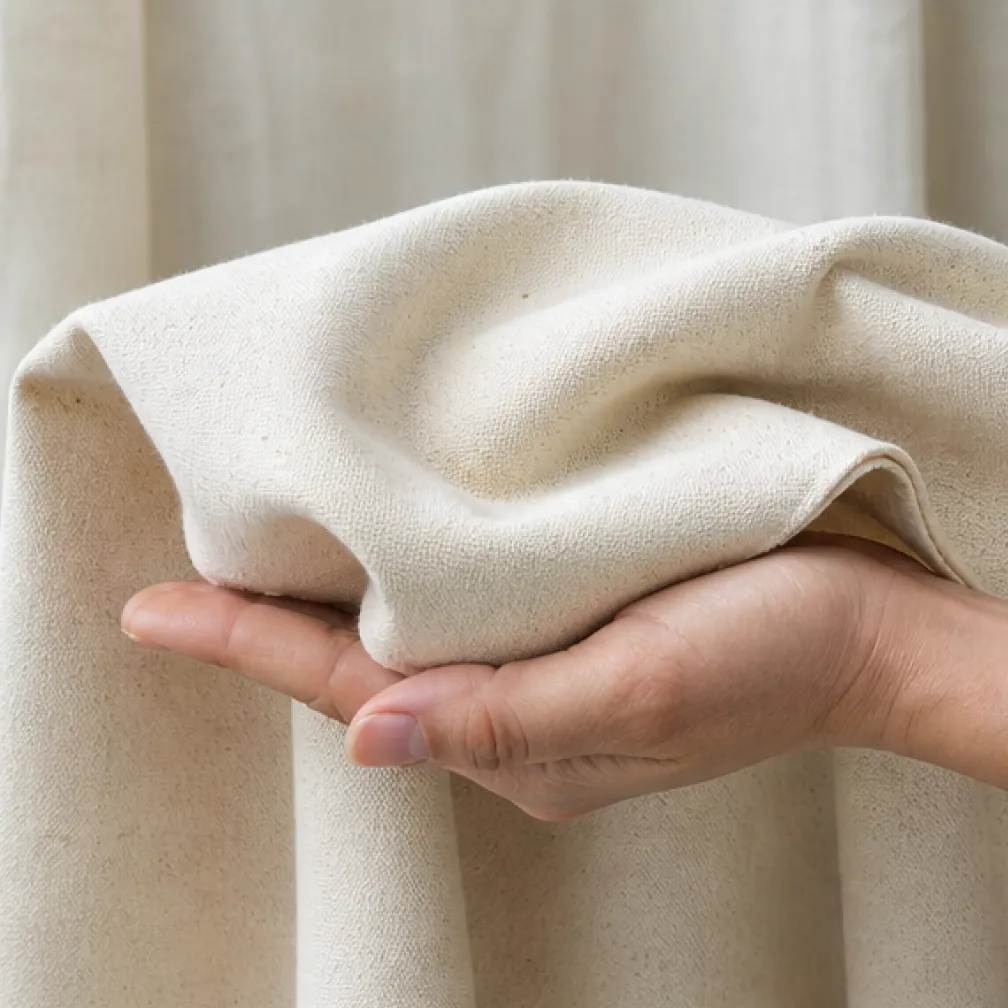
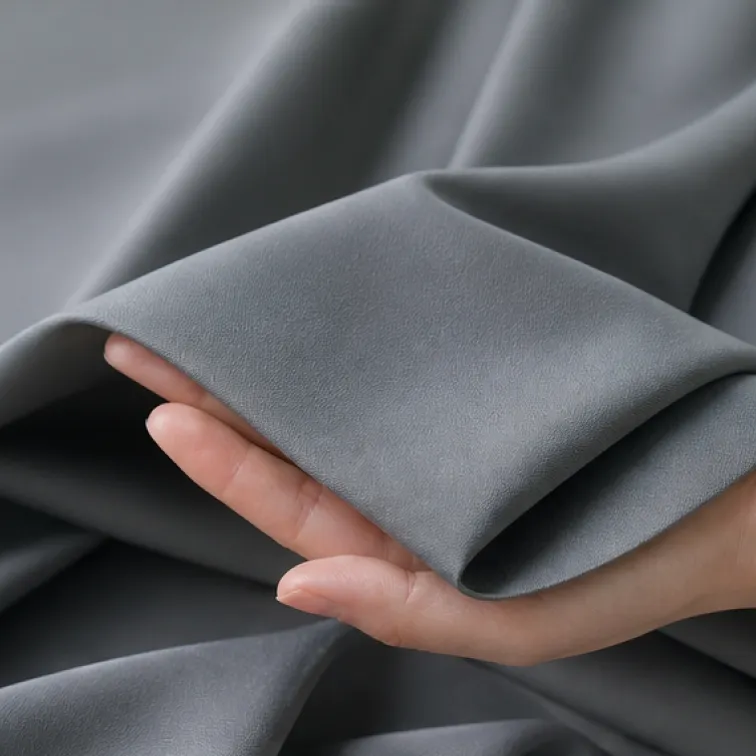
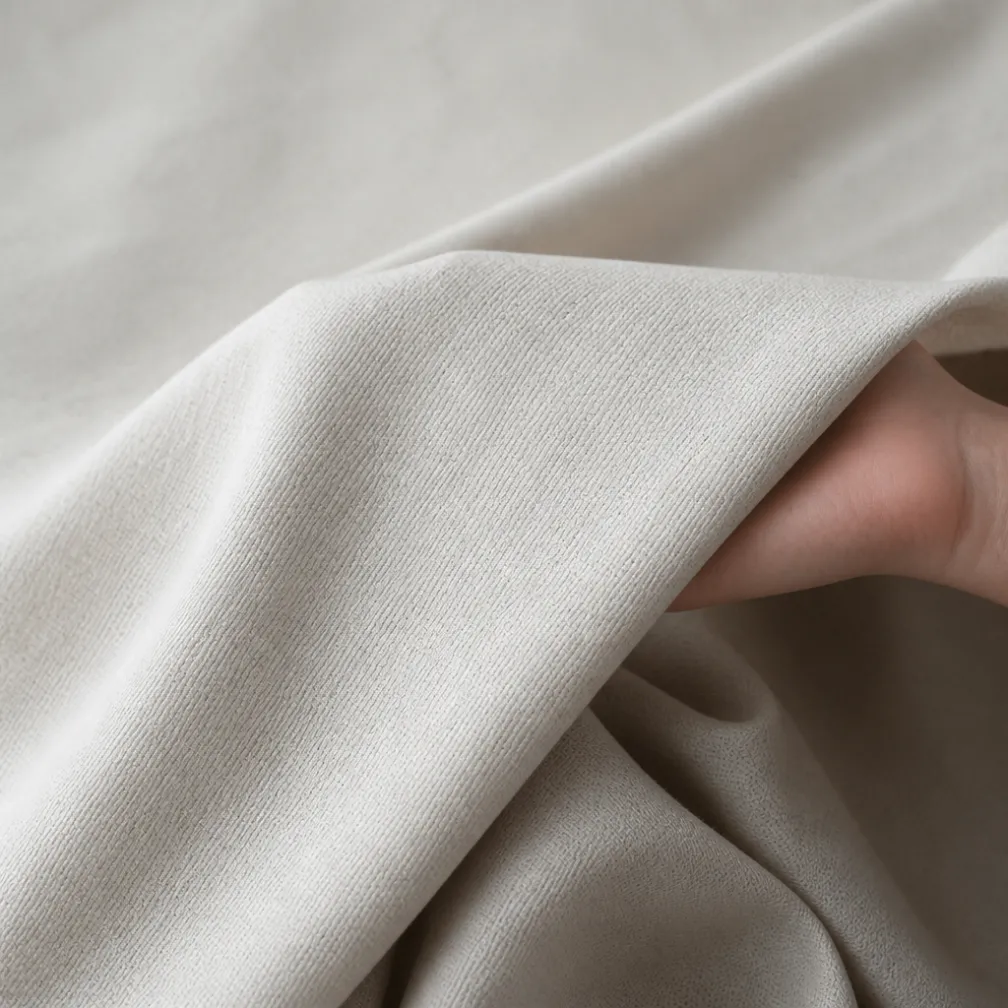
100% Polyester Blackout Curtains

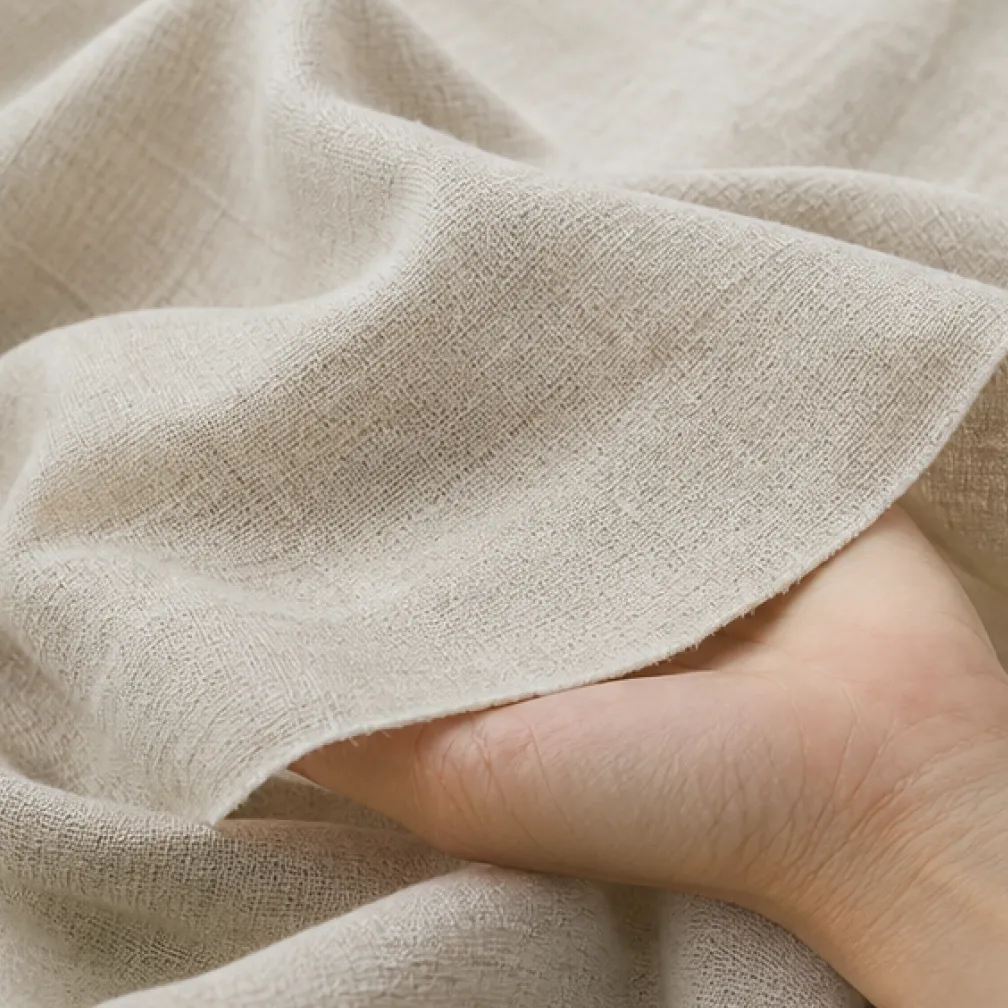
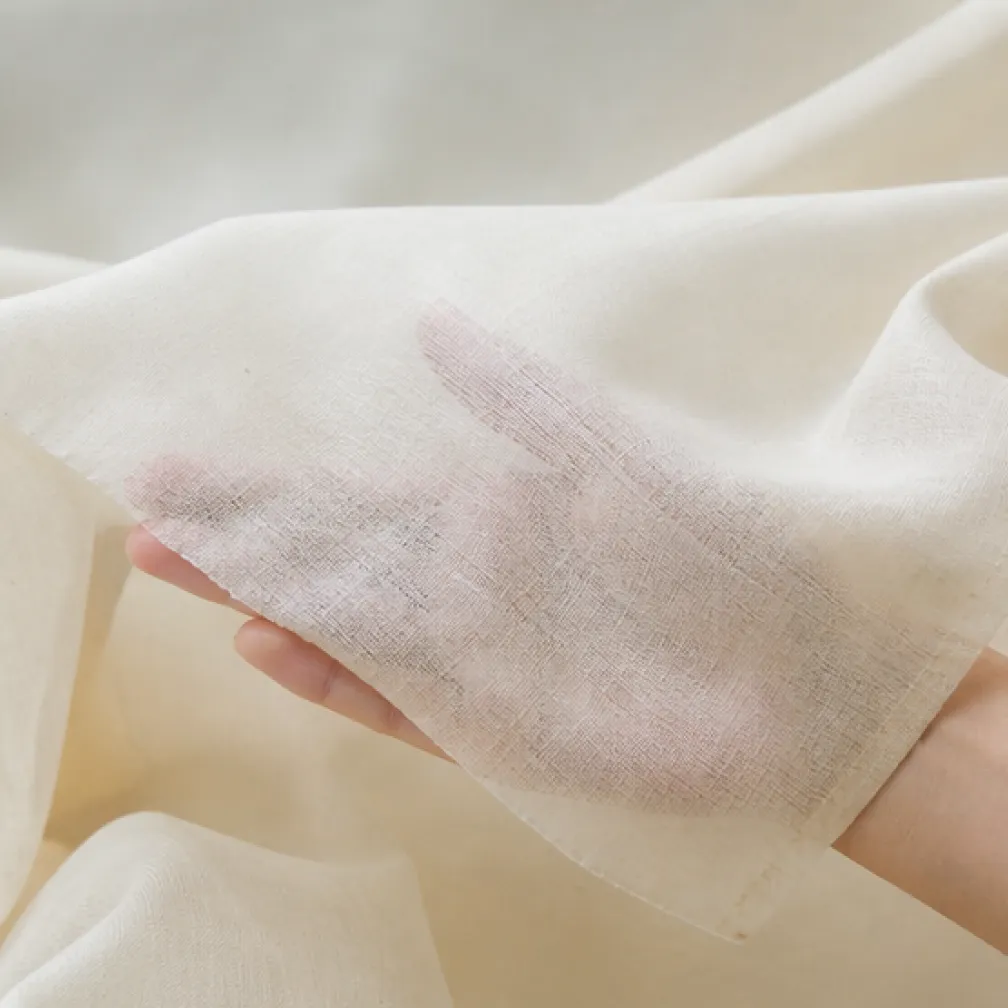
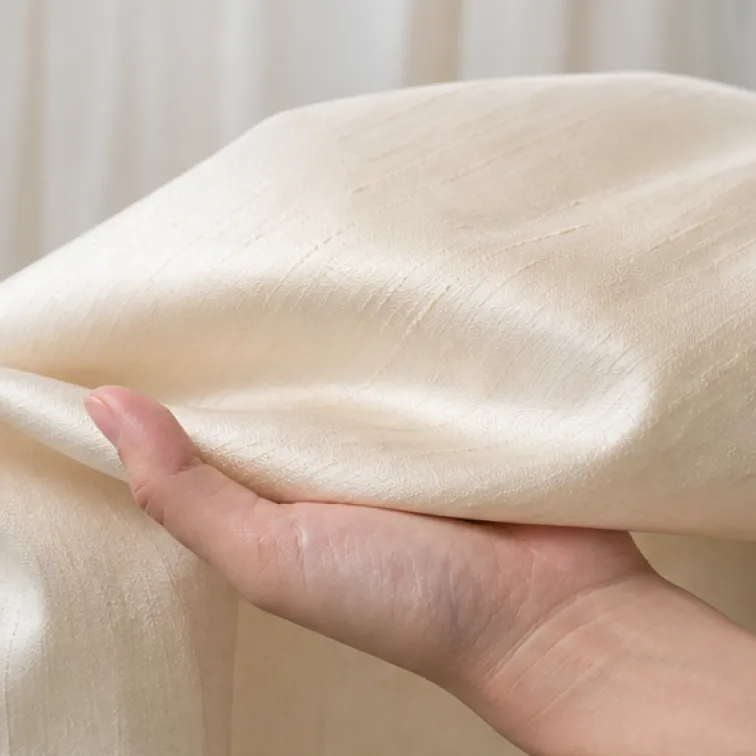
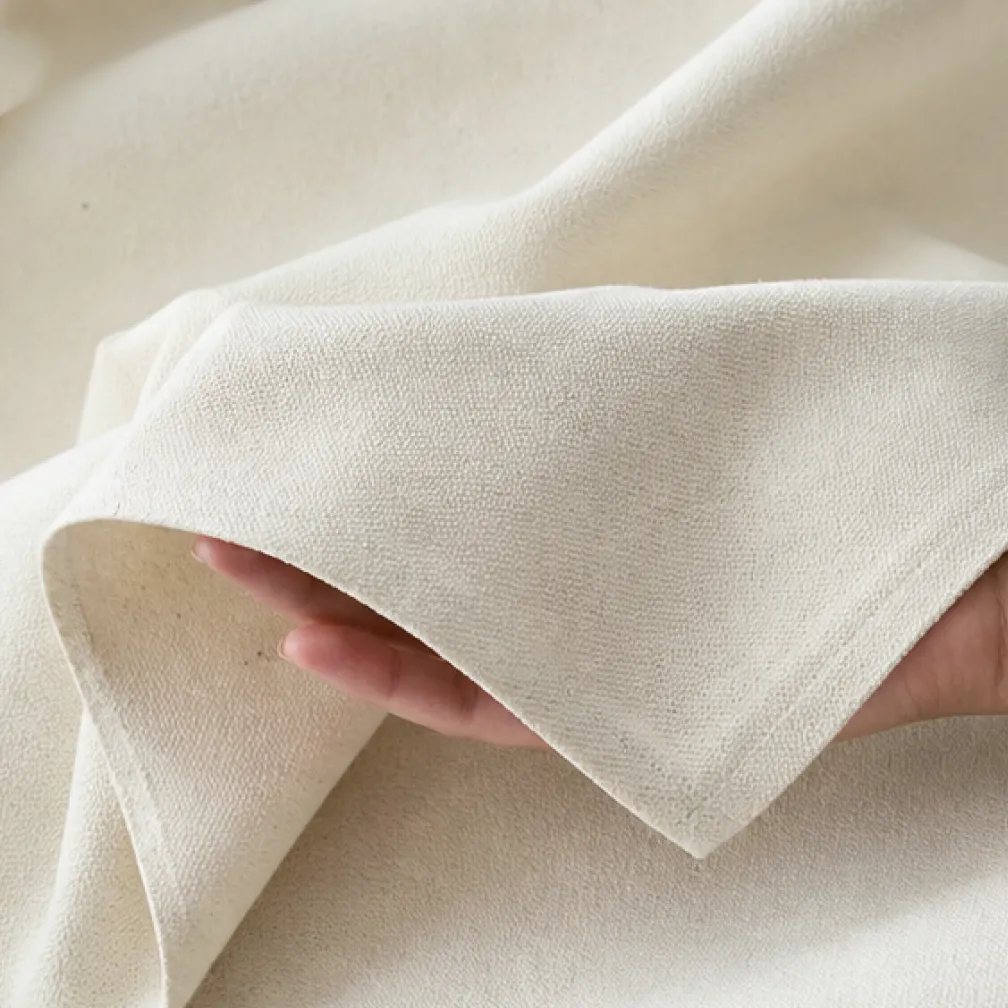
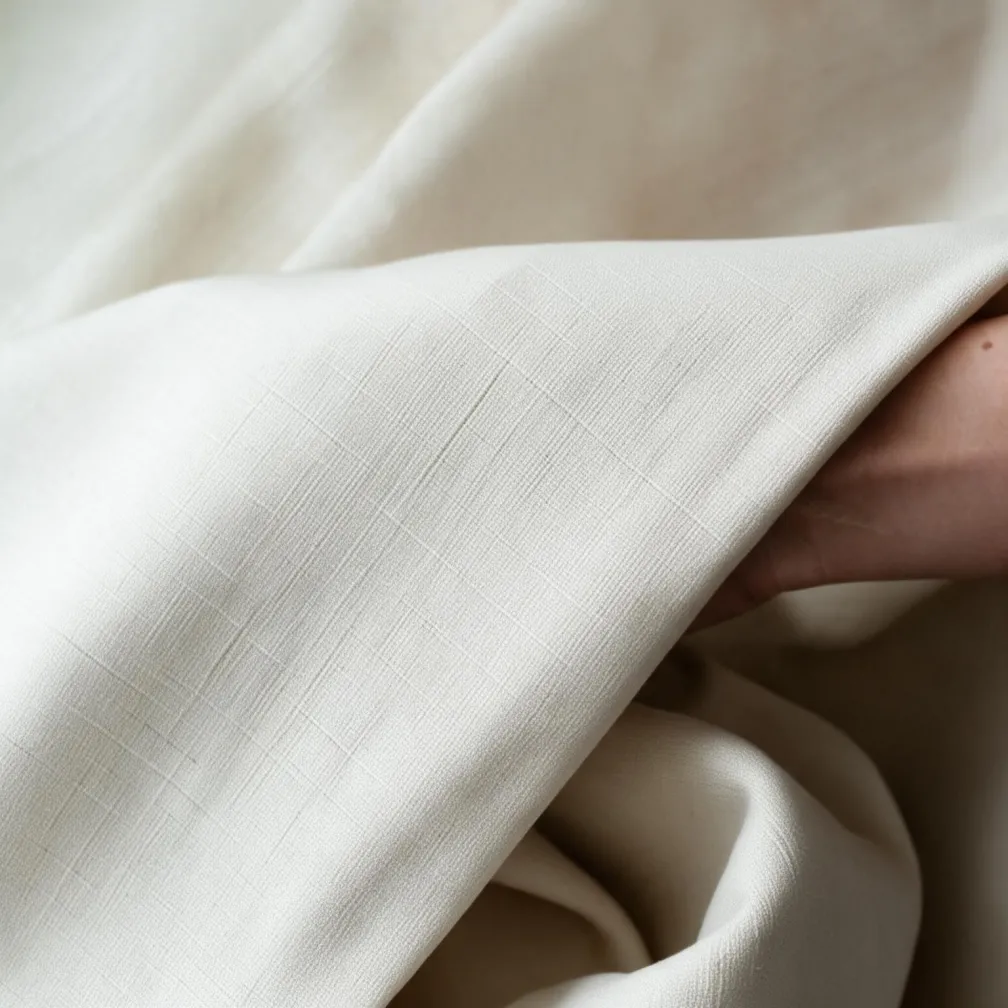
Polyester Linen Blend Drapes

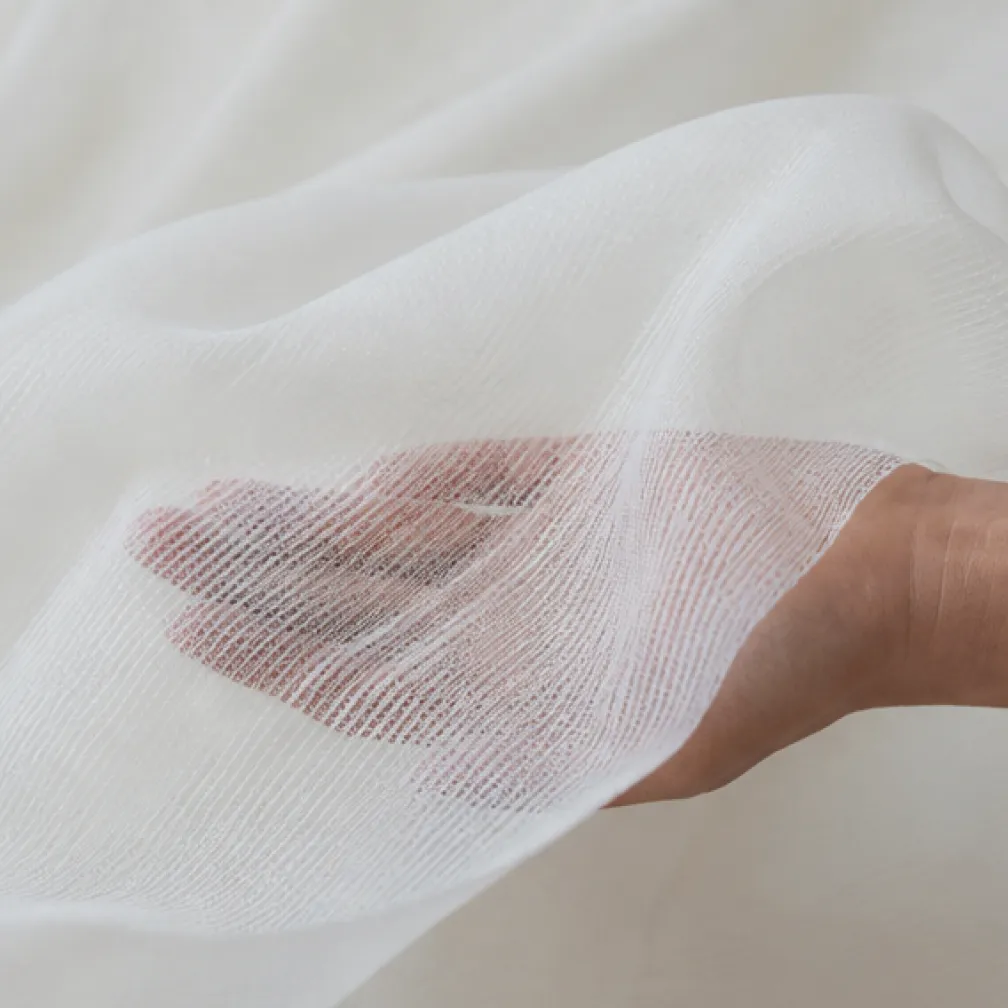
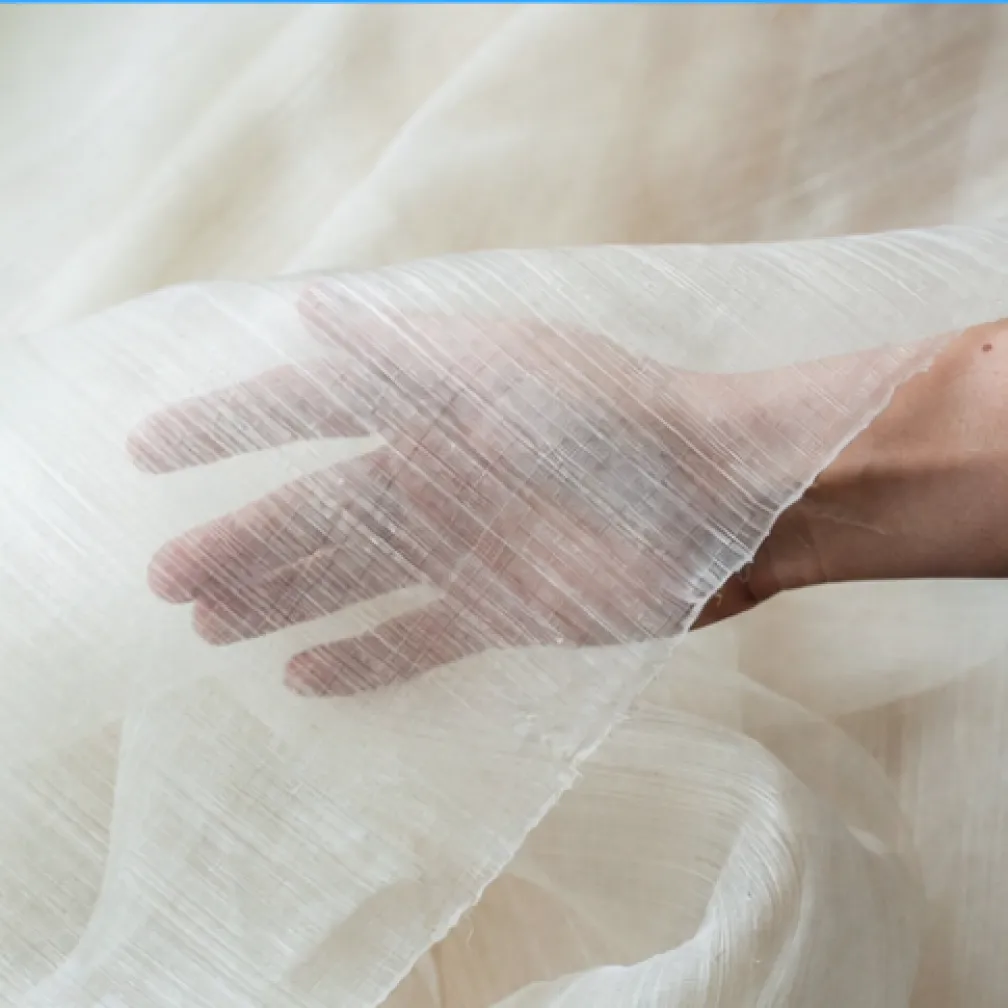
Sheer Polyester Fabric Rolls

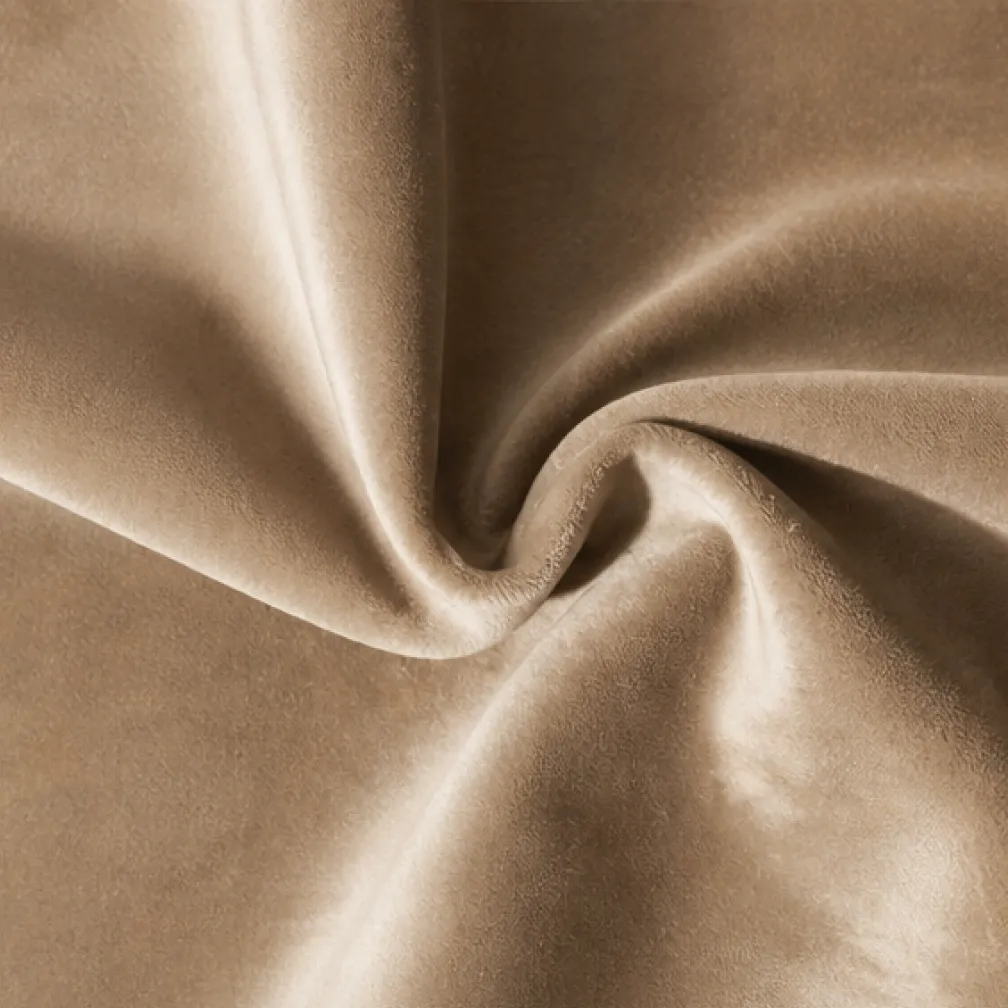
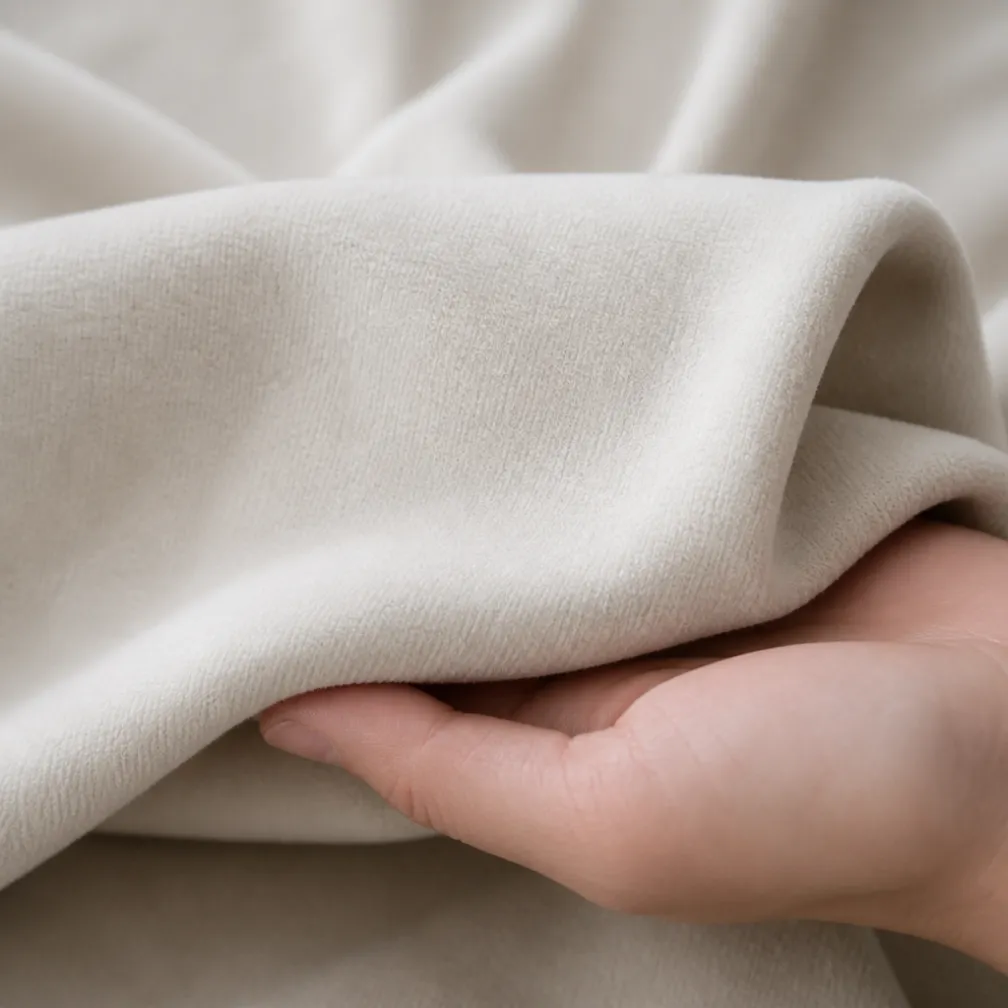
Polyester Velvet Curtains

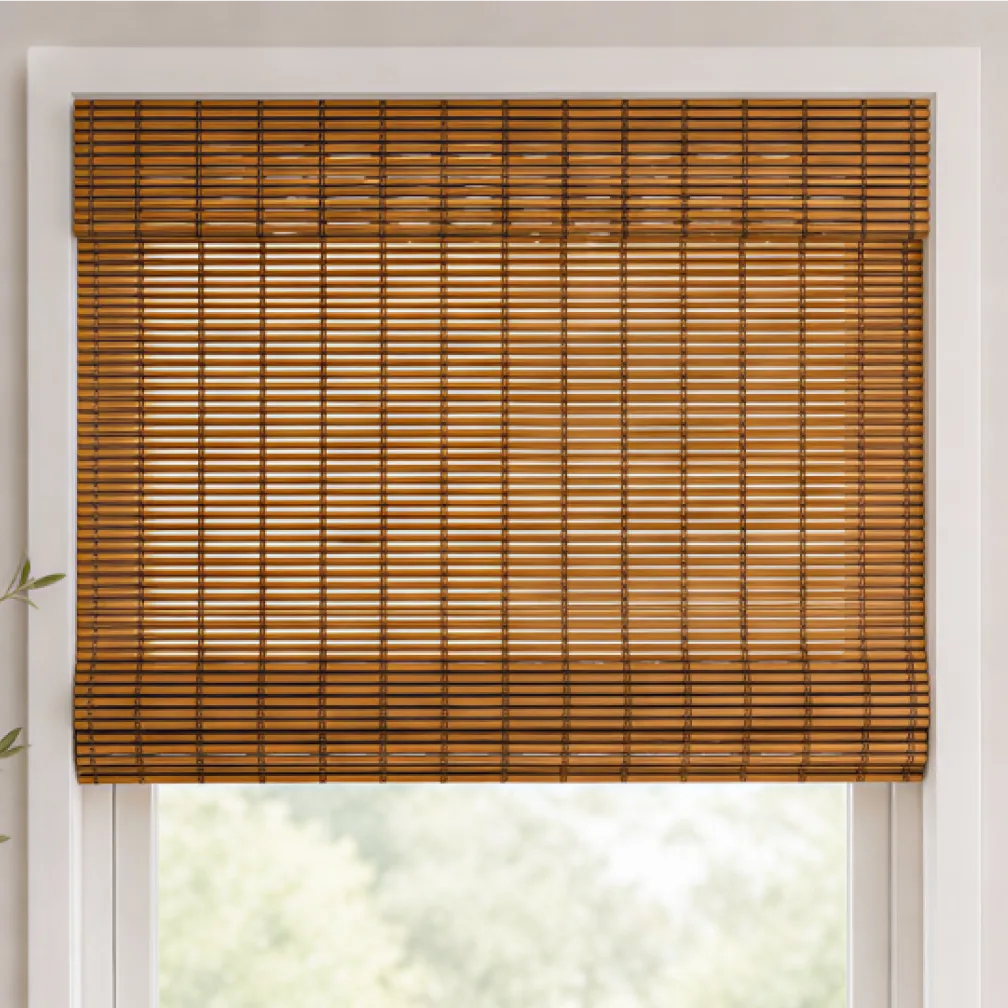
Outdoor Polyester Curtain Panels

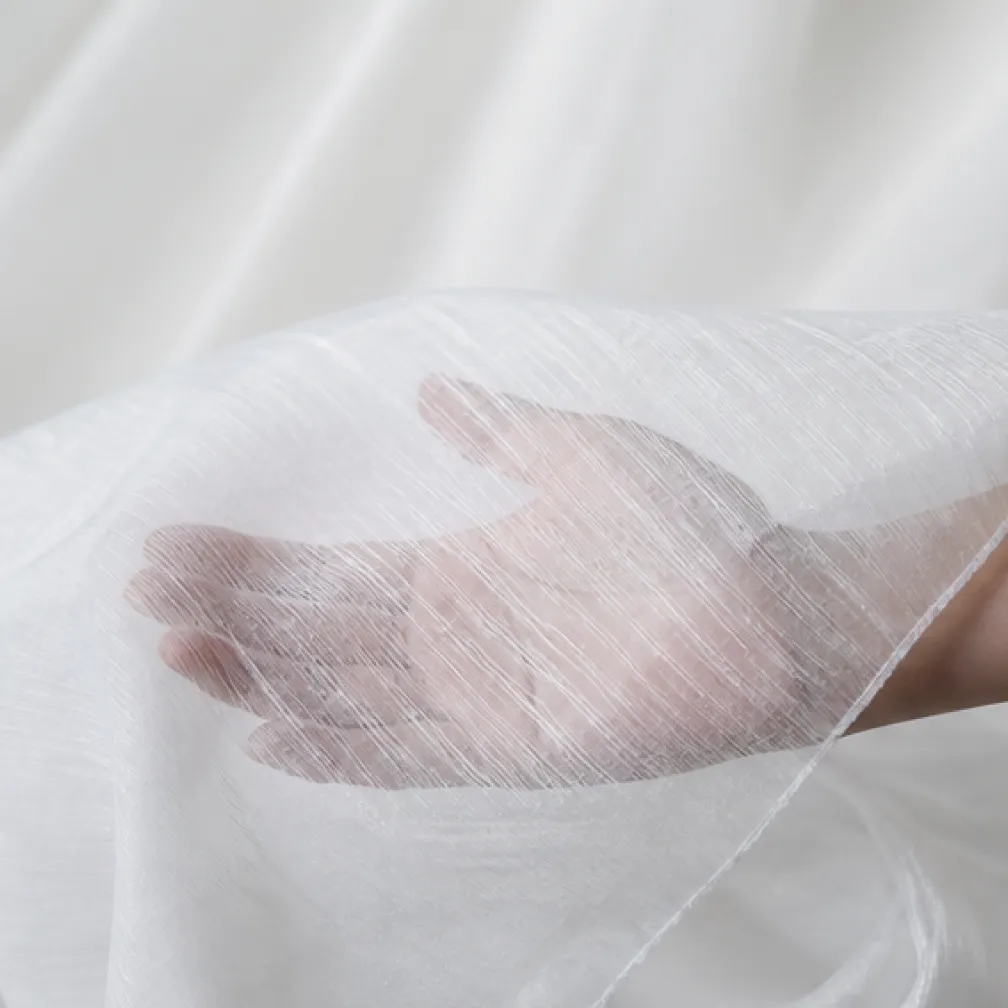
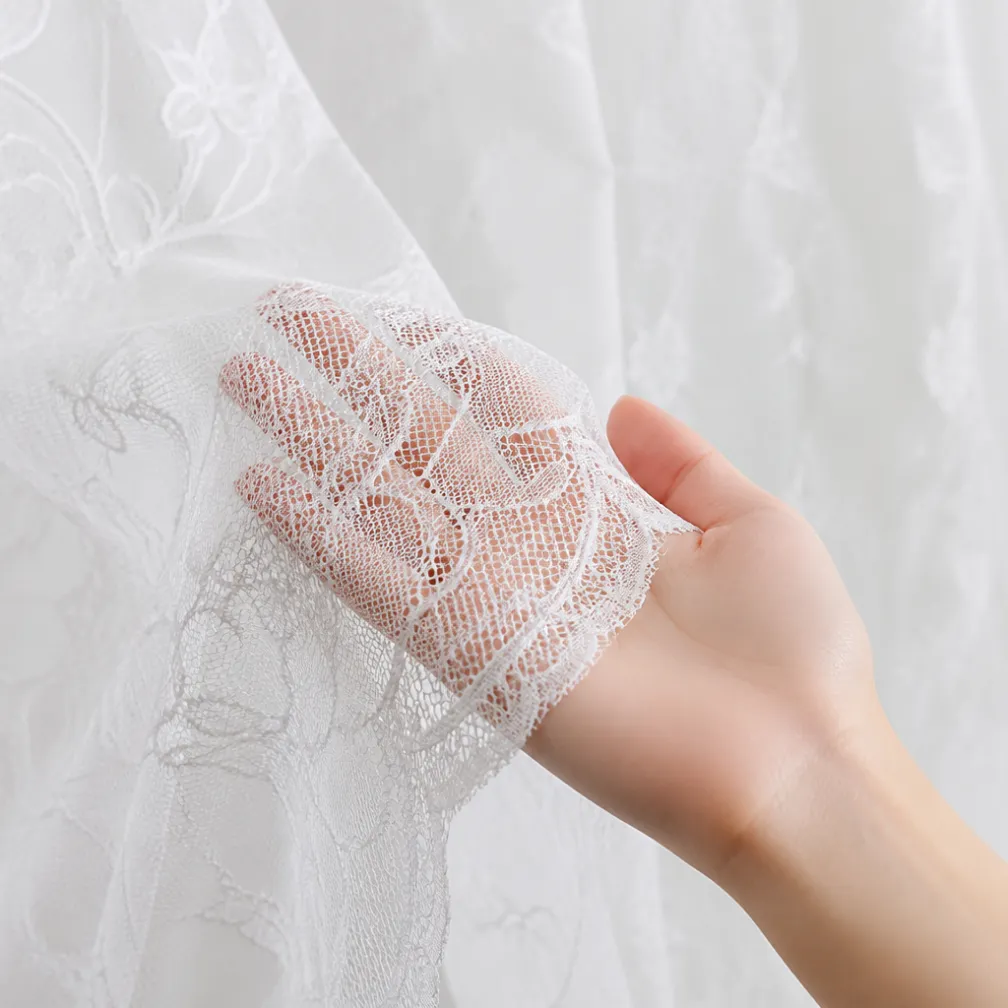
White Polyester Sheer Curtains
Polyester yardage easily skews during unrolling due to static cling. We use our Vertical Cutting Machine to suspend the fabric, eliminating static tension and ensuring perfectly straight, gravity-aligned cuts without diagonal warping.
These fibers lack elasticity and are notorious for seam puckering when stitched rapidly. Our production lines utilize the Automatic backwards tension hemming machine. This system dynamically adjusts thread tension to guarantee flat, ripple-free edges.
Leveraging the thermoplastic nature of polyester, we process finished panels through our Automatic Pleating Machine. It precisely calculates and stitches complex pleats, creating uniform drape aesthetics without manual measurement errors.
While polyester sets well with heat, excessive temperatures cause warping. We utilize a specialized Horizontal Iron Setting Machine with regulated steam control to stabilize the fabric matrix and lock in the final dimensions safely.
We inspect every roll on a Single-Sided Inspection Machine equipped with LED backlighting. This rapidly identifies and isolates any yarn inconsistencies or dye shading variations before the material reaches the cutting phase.


| Technical Category | Available Options & Specifications |
|---|---|
| Fabric Composition | 100% Polyester, Poly-Linen Blends, Poly-Cotton Blends |
| Fabric Weight (GSM) | 50g/㎡ (Sheers) - 400g/㎡ (Heavyweight Blackout) |
| Roll Width | Standard 140cm, Wide-Width 280cm / 330cm |
| Header Styles | Pinch Pleat, Eyelet/Grommet, Pencil Pleat, S-Fold |
| Functional Finishes | Anti-Static, UV-Resistant, Waterproof (Outdoor), Fire Retardant (Optional) |
| Primary Applications | Hospitality Drapery, Commercial Window Treatments, Residential Curtains |
We build the machines that make curtains — and use them on our own production line. That means every process, from cutting to pleating, runs on equipment we engineered ourselves.
learn more about us


Our MOQ is highly flexible depending on the specification. Standard in-stock polyester rolls support lower minimums suitable for testing and mock-up rooms. Custom weaving or specific Pantone dyeing orders require a higher baseline volume to initiate the production run, which we negotiate based on project scope.
Delivery schedules depend on material availability and order complexity. Standard in-stock fabric orders are typically processed and shipped within 7 to 15 days following deposit confirmation. Custom manufacturing or OEM processing generally requires 15 to 30 days.
Yes. We can engineer our 100% polyester fabrics with inherent flame retardant (IFR) yarns or apply topical FR chemical treatments during the finishing process. This ensures full compliance with international commercial fire codes, such as NFPA 701 and BS 5867.
Absolutely. We manufacture and process wide-width fabric rolls, commonly available in 280cm or 330cm dimensions. This allows us to fabricate large, continuous commercial window treatments without disruptive vertical seams.
These fabrics lack natural elasticity, making them prone to puckering under incorrect thread tension. We eliminate this issue by utilizing our proprietary post-tension sewing machinery. These automated systems adjust the feed rate and tension in real-time, preventing the fabric layers from shifting during stitching.
Procuring polyester curtain fabrics for hospitality, commercial, or large-scale residential projects involves evaluating the precise thermoplastic properties and weave structures of the material. Polyester is the dominant fiber in commercial drapery due to its exceptional durability and low maintenance requirements. Understanding the engineering variables behind these textiles ensures that procurement decisions align closely with the specific environmental and functional needs of the installation site.
The defining characteristic of 100% polyester is its thermoplastic nature. This means the fibers react to precise heat applications during manufacturing. Professional textile facilities use high-temperature calendering and specialized heat-setting machines to lock the fabric's physical structure. This thermal treatment guarantees excellent dimensional stability, ensuring the fabric will not shrink, stretch, or warp under standard conditions. Furthermore, this property allows the fabric to hold crisp, permanent pleats that survive rigorous commercial laundering without requiring continuous re-ironing.
Pure 100% polyester delivers maximum durability, wrinkle resistance, and colorfastness. It is highly versatile, capable of being woven into heavy blackout materials, plush velvets, or lightweight voiles. However, some projects require a more organic aesthetic. Blending polyester with natural fibers like linen or cotton (Poly-Linen/Poly-Cotton) combines the textured, matte finish and breathability of natural yarns with the structural resilience of synthetic fibers. These blends offer an optimal compromise for luxury hospitality environments seeking an organic look without the severe shrinkage risks of pure natural fibers.
A common drawback of drapery made from these materials is the accumulation of static electricity. Static causes the curtain panels to cling together irregularly and acts as a magnet for airborne dust, dirt, and pet hair, accelerating the need for cleaning. We apply industrial anti-static finishing treatments to our rolls. This chemical finish dissipates electrical charges on the fabric surface, ensuring the curtains hang naturally and remain clean for extended periods in high-traffic commercial spaces.
Processing polyester into finished drapery requires equipment calibrated specifically for non-elastic fibers. Standard sewing machines often cause thin polyester to pucker, or the rapid needle friction generates excessive heat that can melt delicate yarns. Sourcing from a vertically integrated facility equipped with intelligent tension-controlled hemming machines, gravity-assisted cutting tables, and active needle-cooling systems ensures flawless seam integrity and exact pattern matching across bulk commercial orders.