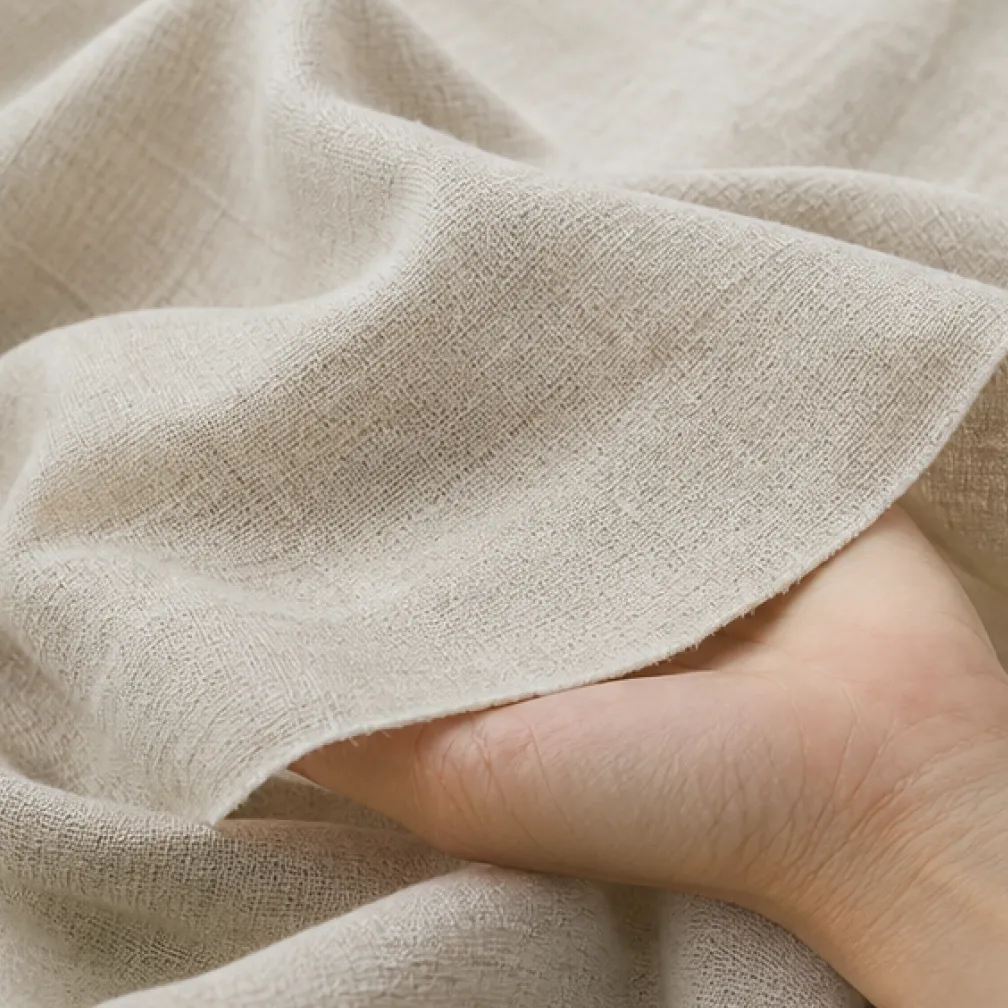
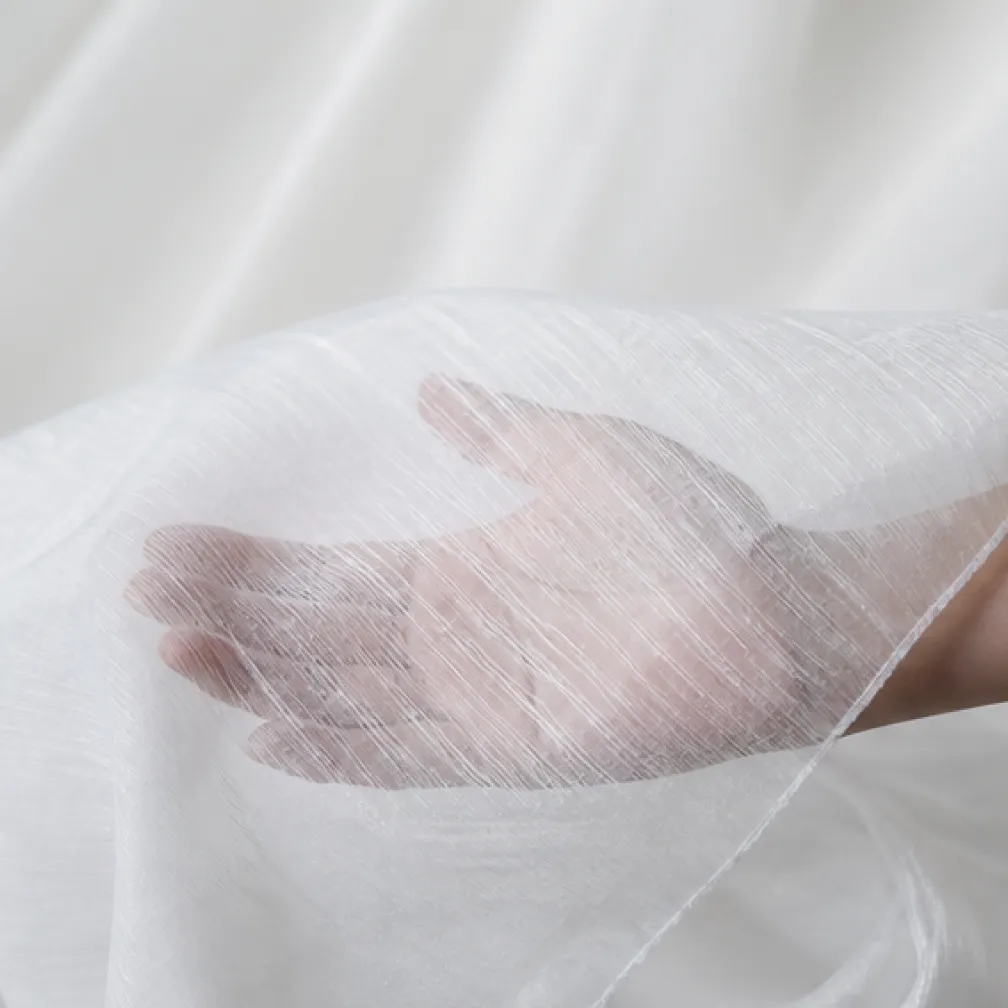
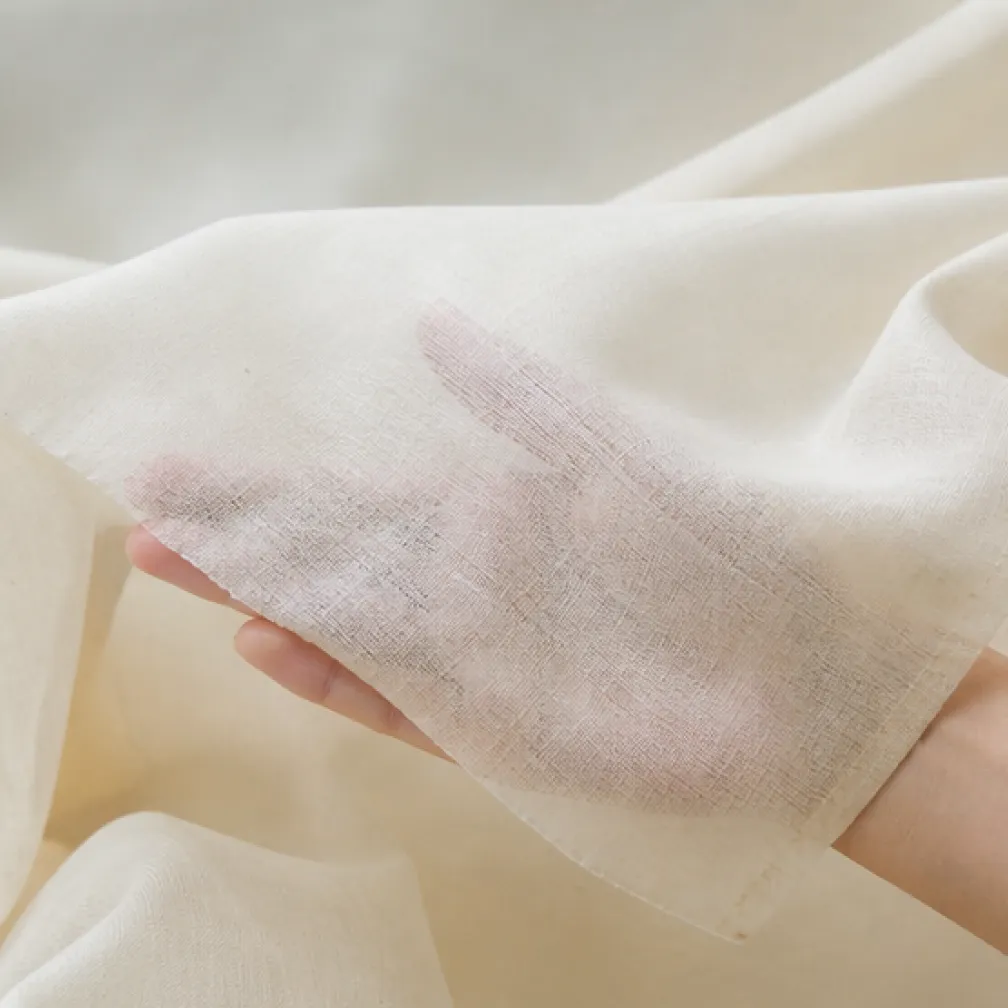
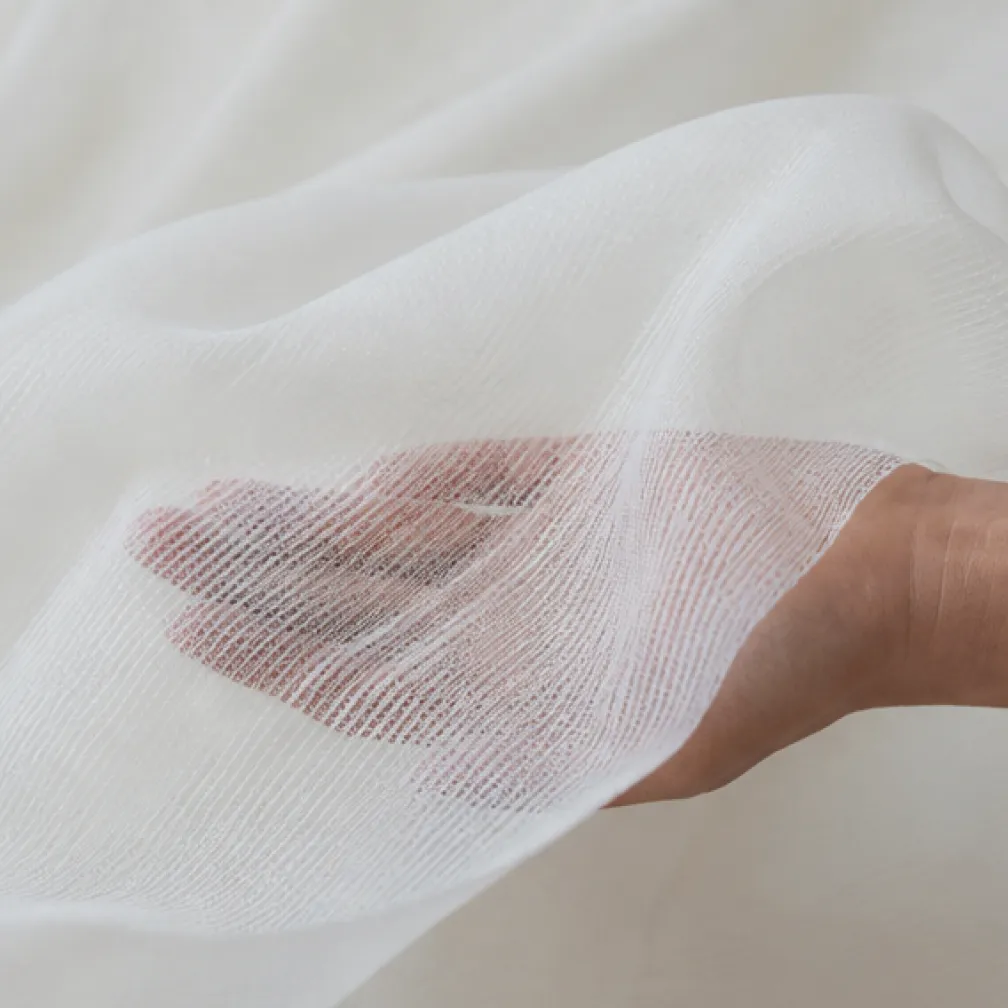
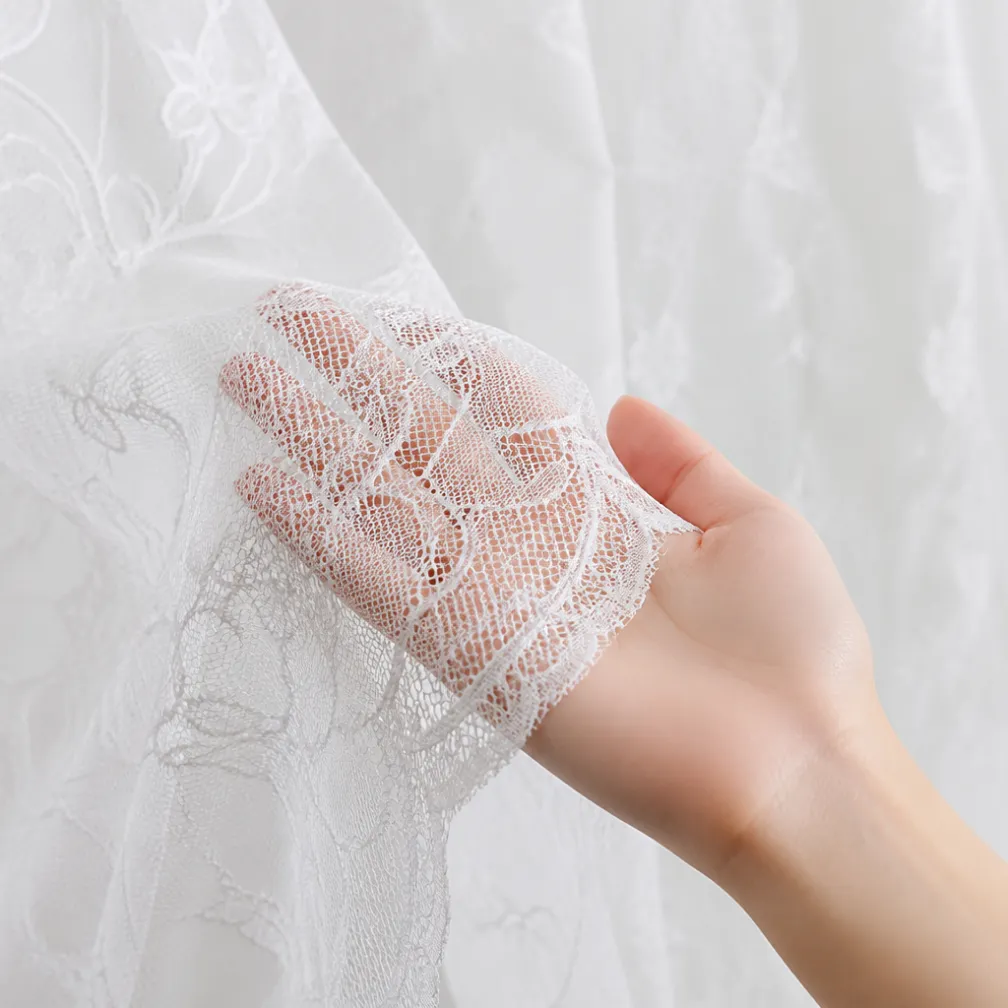
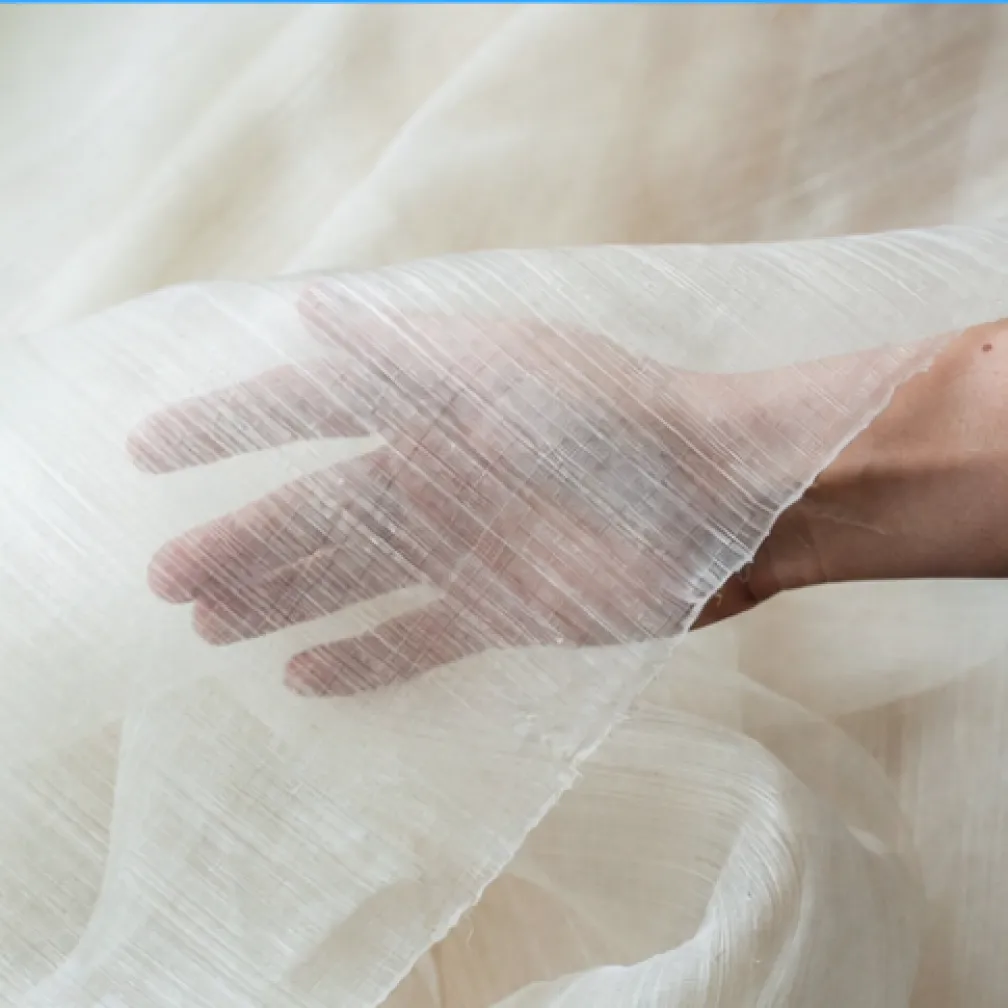
100% Cotton Sheer Curtains

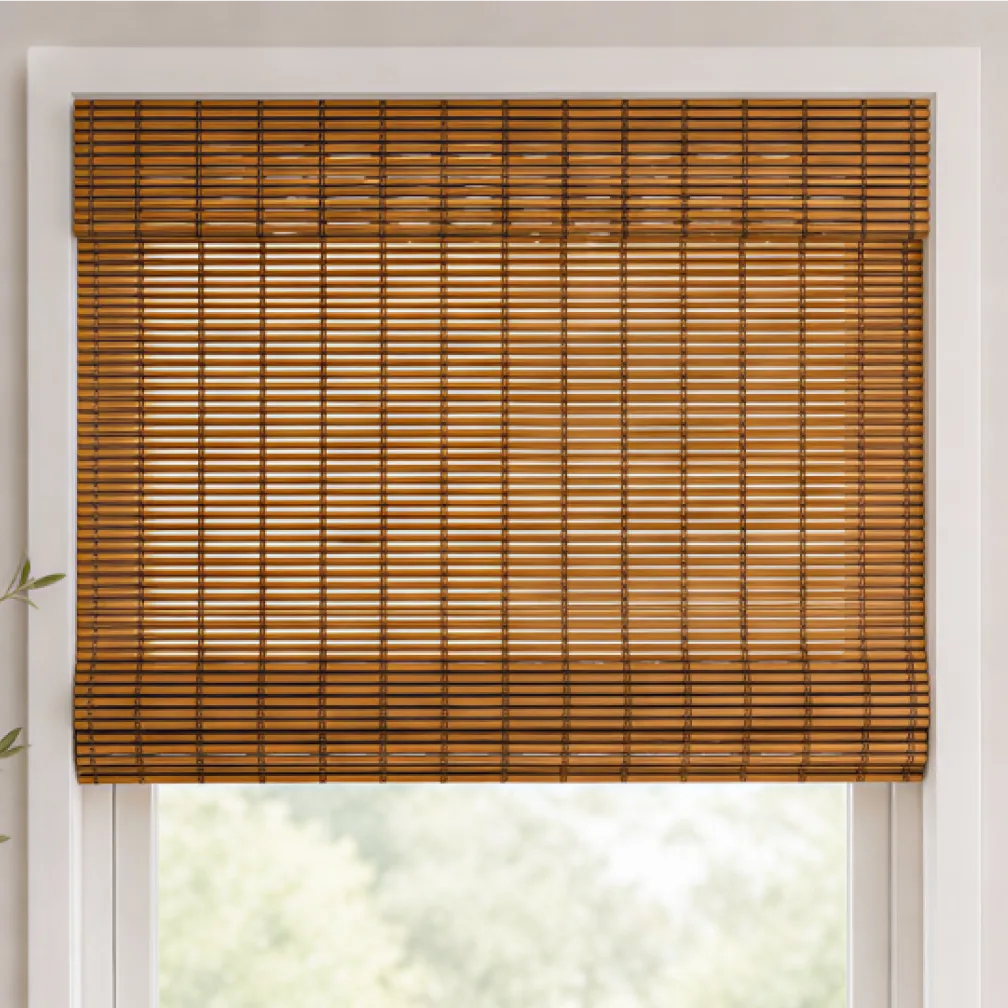
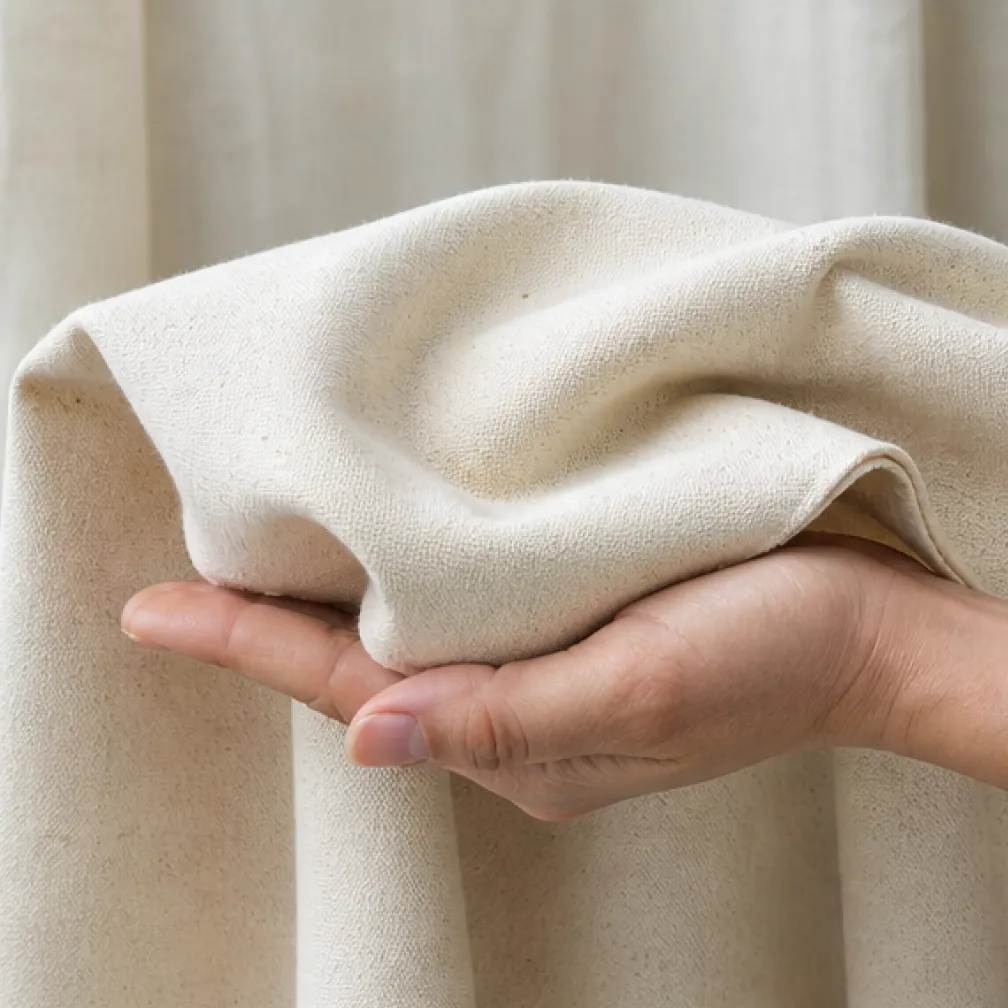
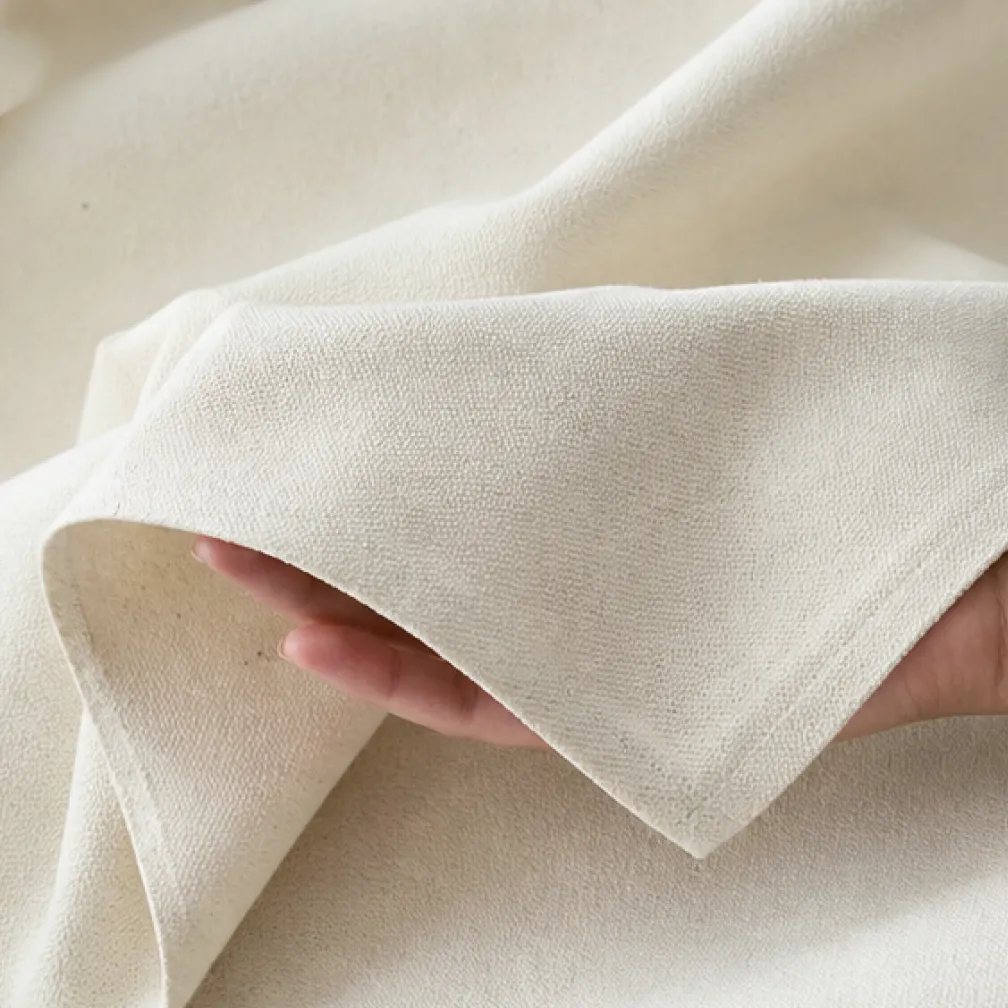
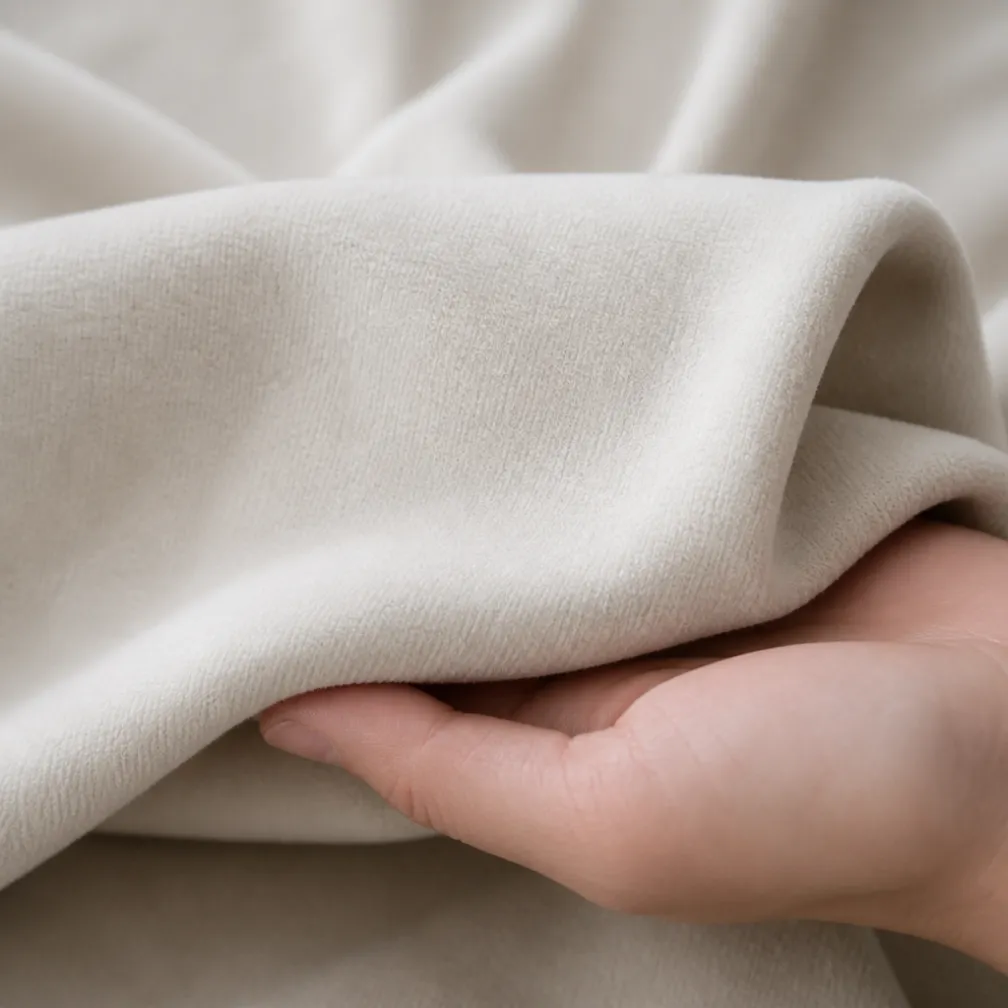
Heavyweight Cotton Canvas Drapery

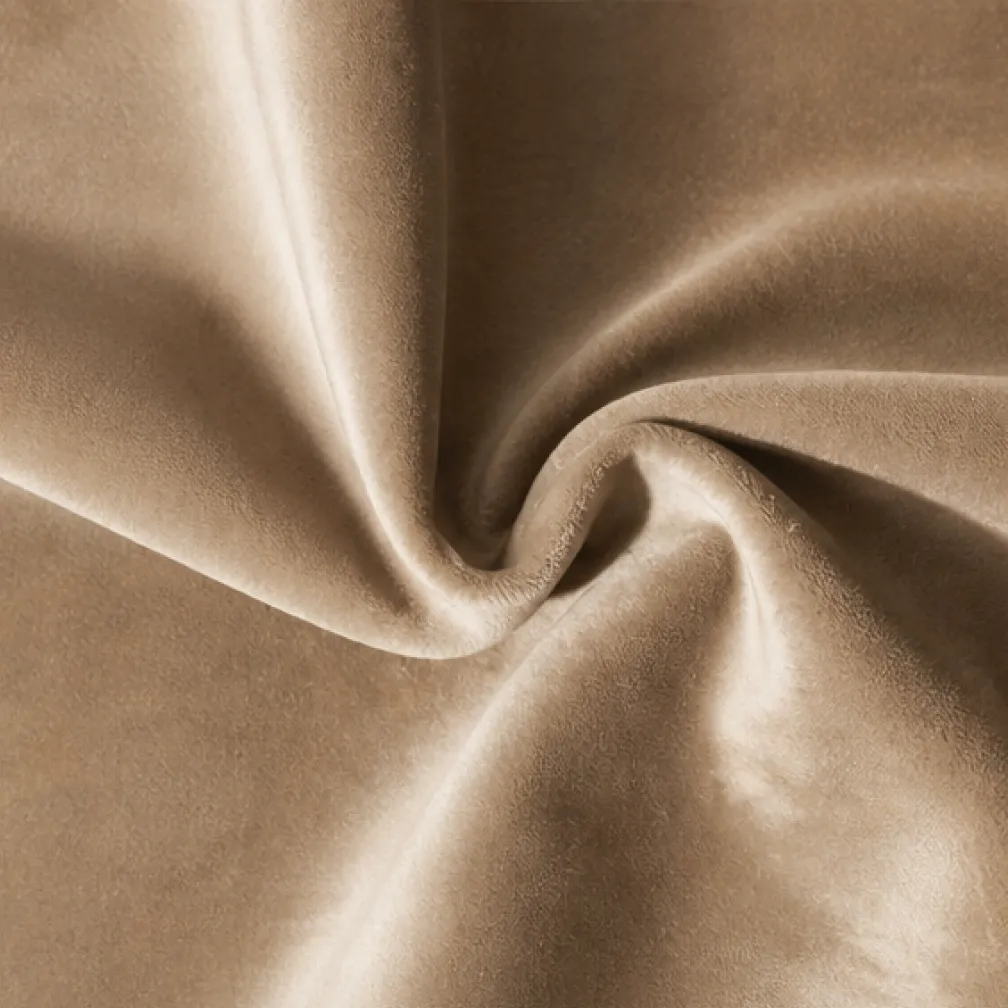
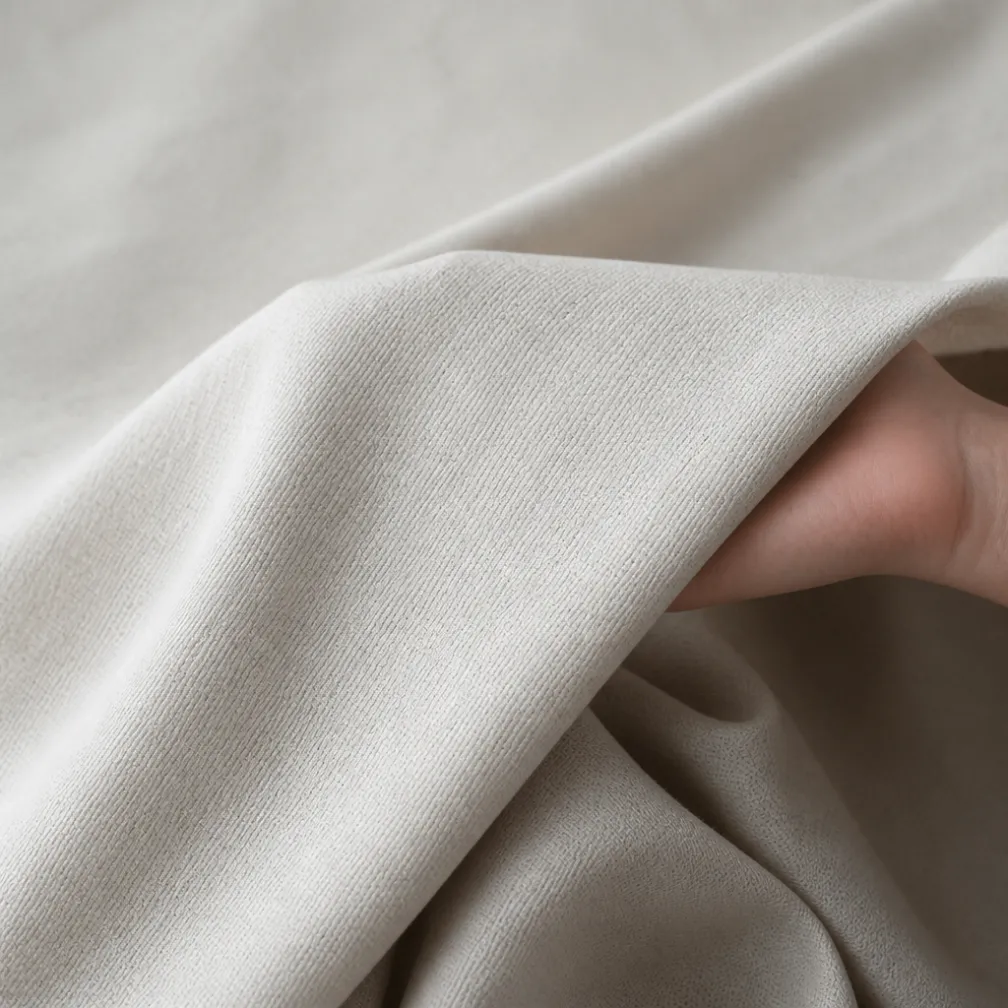
Cotton Sateen Curtain Lining

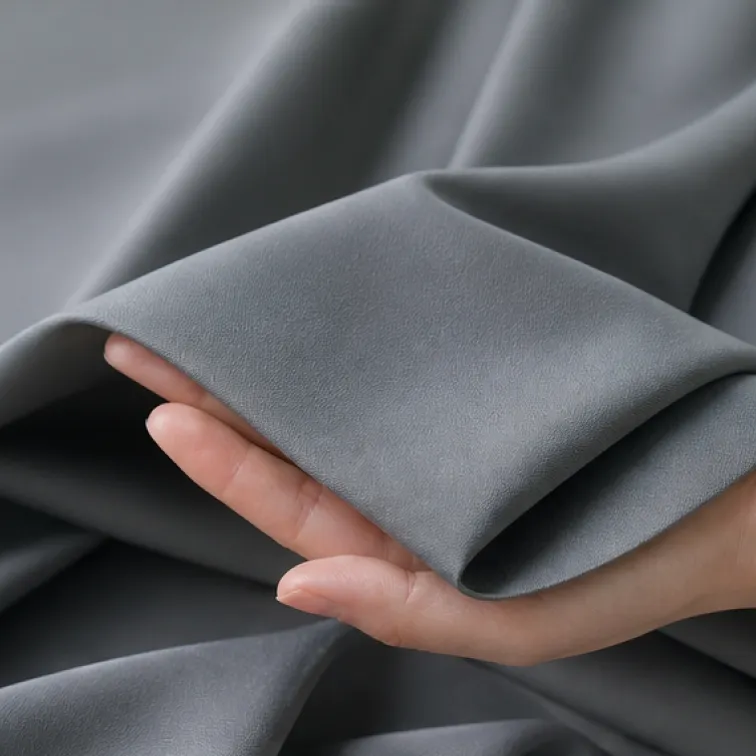
Solid 100% Cotton Curtains

Printed Pure Cotton Fabric Rolls

100% Cotton Blackout Curtains
Woven cotton is prone to weft skewing when manipulated manually. We utilize our Vertical Cutting Machine to suspend the fabric, ensuring perfectly straight cuts aligned with natural gravity, which prevents diagonal warping in the final panel.
Stitching pure cotton often results in thread tension imbalances and puckered seams. Our production lines integrate the Automatic backwards tension hemming machine. This system dynamically adjusts feed rates to guarantee flat, ripple-free edges.
Cotton lacks the thermoplastic memory of polyester, making pleat retention difficult. We process finished panels using our Automatic Ironing Table, utilizing high-pressure steam and rapid drying to set deep, long-lasting pleat creases without scorching the natural fibers.
Natural fibers occasionally contain spinning knots or weaving irregularities. We inspect every roll on a Single-Sided Inspection Machine equipped with LED backlighting to rapidly identify and remove flaws before the cutting phase.
To ensure sharp and uniform drape aesthetics across bulk orders, we utilize our Automatic Pleating Machine. It precisely calculates and stitches complex pinch or tailored pleats, eliminating manual measurement errors in heavy cotton materials.


| Technical Category | Available Options & Specifications |
|---|---|
| Fabric Composition | 100% Pure Cotton |
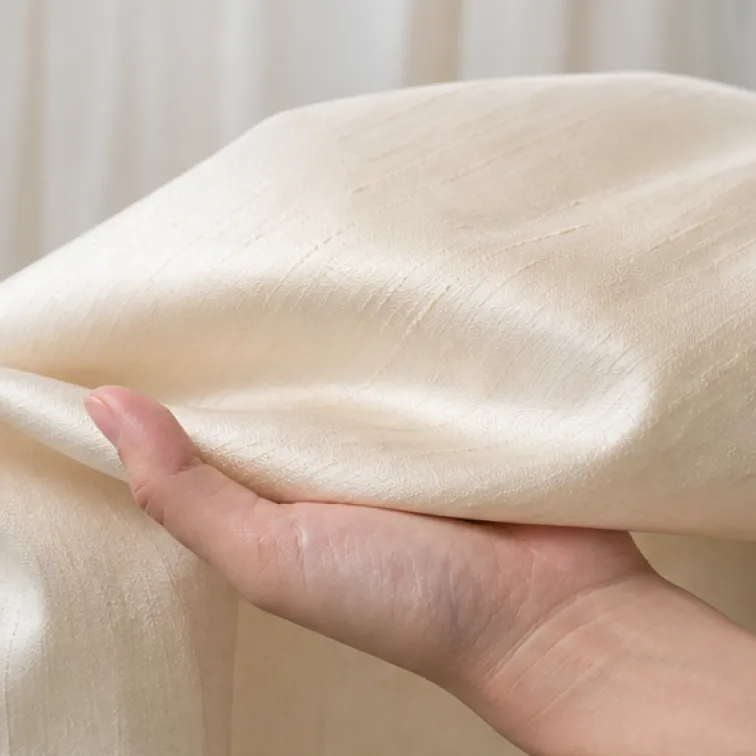
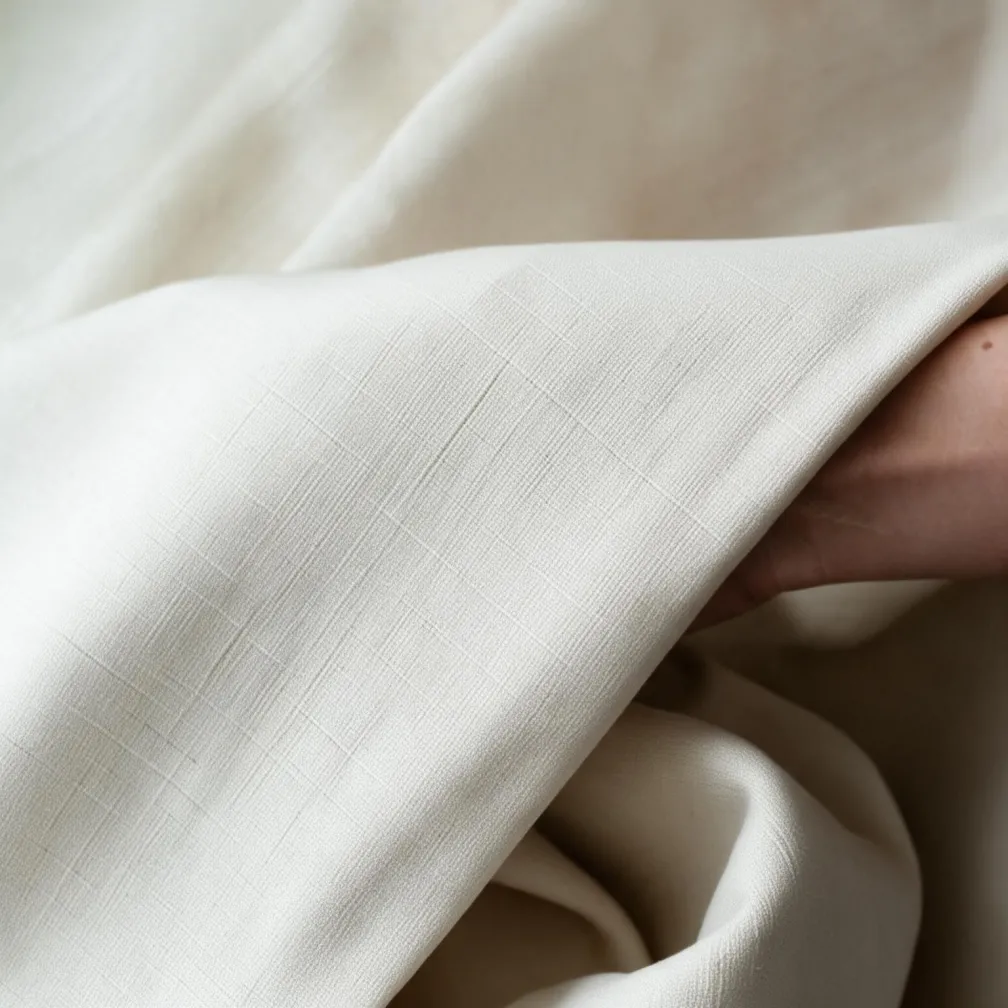
| Weave Structures | Canvas, Sateen, Twill, Slub, Plain Weave Sheer |
| Fabric Weight (GSM) | 80g/㎡ (Sheers) - 350g/㎡ (Heavy Canvas) |
| Header Styles | Pinch Pleat, Eyelet/Grommet, Pencil Pleat, Rod Pocket |
| Functional Finishes | Pre-Shrunk, Reactive Dyed, Topical Fire Retardant (optional) |
| Primary Applications | Residential Drapery, Premium Curtain Linings, Hospitality Curtains |
We build the machines that make curtains — and use them on our own production line. That means every process, from cutting to pleating, runs on equipment we engineered ourselves.
learn more about us


Our MOQ depends on the level of customization. For standard in-stock cotton models, we support flexible minimums suitable for testing and small pilot projects. OEM/ODM custom weaving or specific reactive dyeing orders require a higher baseline volume to initiate production, which is negotiated based on the project scope.
Shrinkage is a primary concern with natural fibers. We apply rigorous thermal pre-shrinking treatments during the textile finishing phase. This process locks the woven structure of the cotton, significantly reducing the residual shrinkage rate and ensuring the finished curtains retain their exact dimensions.
Yes. While 100% cotton is naturally flammable, we can apply specialized topical flame retardant (FR) chemical treatments during the finishing process. This allows the fabric to comply with stringent international commercial fire codes, such as NFPA 701, making it suitable for hospitality environments.
Absolutely. We offer complete OEM and ODM services. B2B clients can provide specific patterns, and we will utilize advanced digital printing or rotary screen printing to apply the designs onto the cotton fabric with high resolution and excellent colorfastness.
Delivery schedules vary based on material availability and order complexity. Standard in-stock fabric orders are typically processed and shipped within 7 to 15 days following deposit confirmation. Custom manufacturing, printing, or OEM processing generally requires 15 to 30 days.
Procuring pure cotton curtain fabrics for commercial or residential projects involves navigating the distinct physical properties of natural fibers. While 100% cotton is highly prized for its breathable nature, matte finish, and organic drape, it presents specific manufacturing and maintenance challenges—namely shrinkage, wrinkling, and color fading. Evaluating a manufacturer's technical capabilities in handling these variables ensures the final product meets commercial durability standards.
Unlike synthetic polyester, natural cotton fibers swell and contract significantly when exposed to moisture and heat. If raw cotton fabric is sewn into drapery without prior treatment, the first wash can result in vertical shrinkage of up to 5-10%, completely ruining the curtain's floor clearance. Professional textile manufacturers resolve this by integrating rigorous pre-shrinking (sanforization) processes. By mechanically compressing and thermally setting the fabric before it is cut, the residual shrinkage is reduced to an acceptable minimum (usually under 2%), guaranteeing dimensional stability for the end-user.
The structural weave dictates the functional application of the cotton fabric. Heavyweight Cotton Canvas (250+ GSM) offers a dense, highly durable structure that blocks significant light and provides excellent thermal insulation. Cotton Sateen utilizes a specific weave structure that exposes more yarn surface, creating a smooth, subtly lustrous finish frequently used for high-end curtain linings to protect face fabrics from UV damage. Conversely, Lightweight Cotton Sheers (under 100 GSM) are loosely woven to maximize light diffusion and air circulation, offering a crisp, natural alternative to synthetic voile.
Maintaining color saturation in natural fibers requires specific chemical processes. Basic dyes often sit on the surface of cotton yarns and fade rapidly under UV exposure. Commercial-grade cotton curtains are processed using reactive dyes. In this method, the dye molecules form a covalent bond directly with the cellulose in the cotton fibers. This results in exceptional colorfastness, preventing bleeding during washing and resisting the severe fading caused by prolonged sunlight exposure at the window.
Processing 100% cotton into finished drapery requires equipment calibrated specifically for non-elastic fibers. Cotton does not forgive incorrect thread tension; a poorly calibrated sewing machine will cause severe seam puckering. Furthermore, because cotton lacks thermoplastic memory, forming permanent pleats is difficult. Sourcing from a vertically integrated facility equipped with intelligent tension-controlled hemming machines and high-pressure automated ironing tables ensures that the seams remain perfectly flat and the pleats hold a sharp, consistent crease.