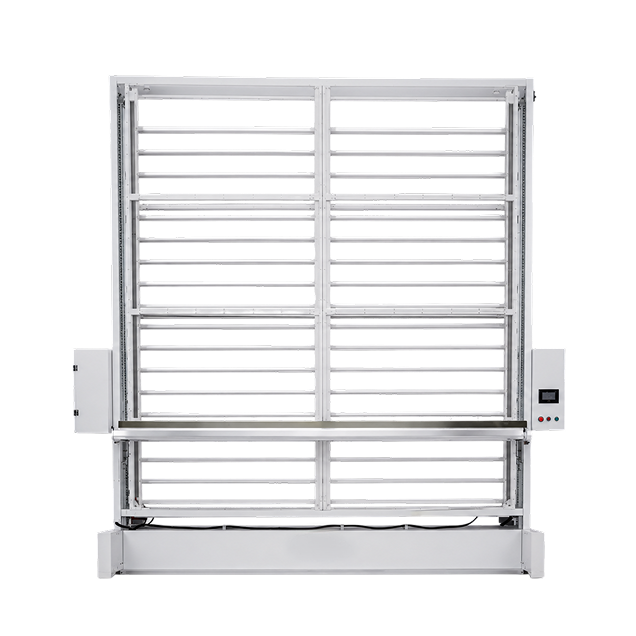
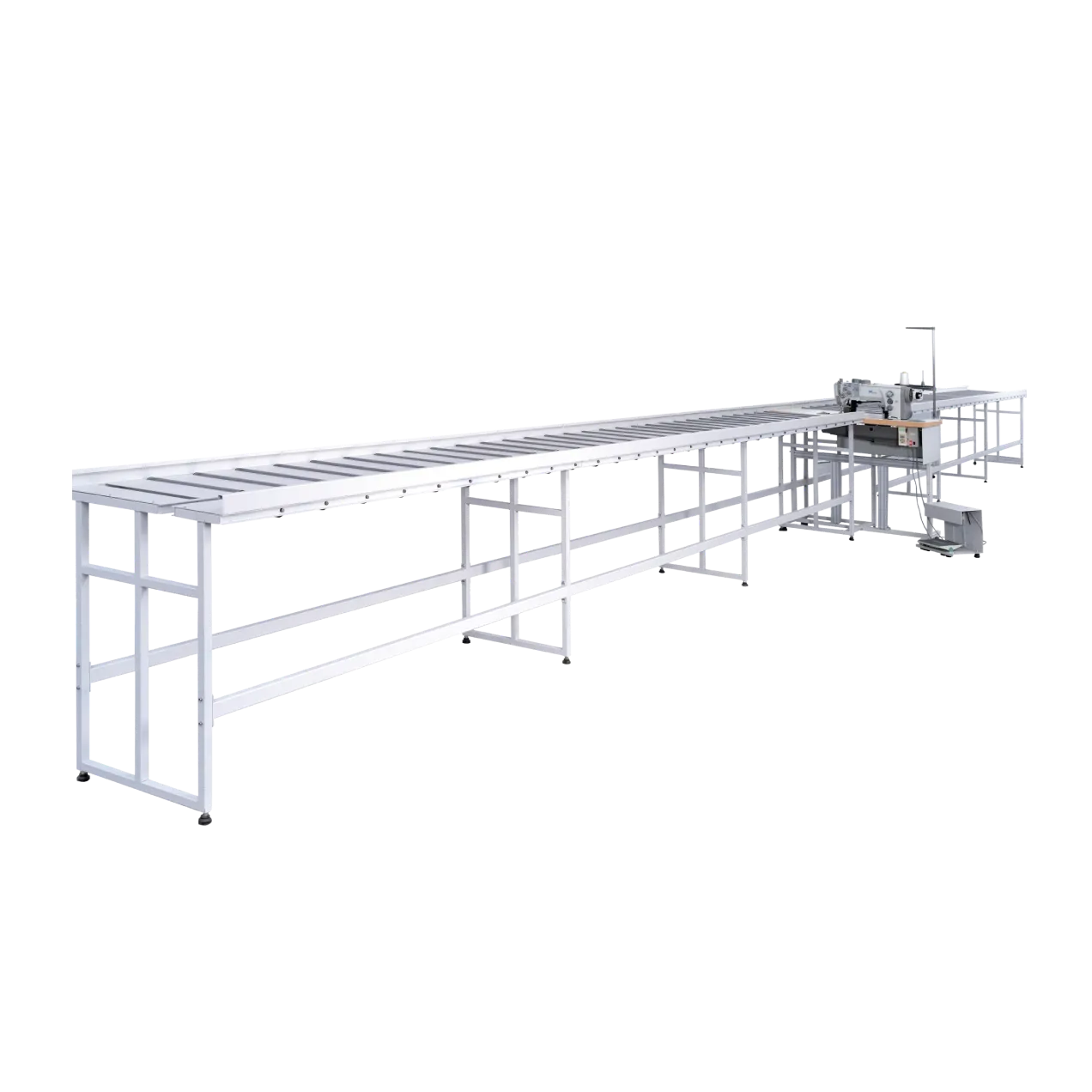
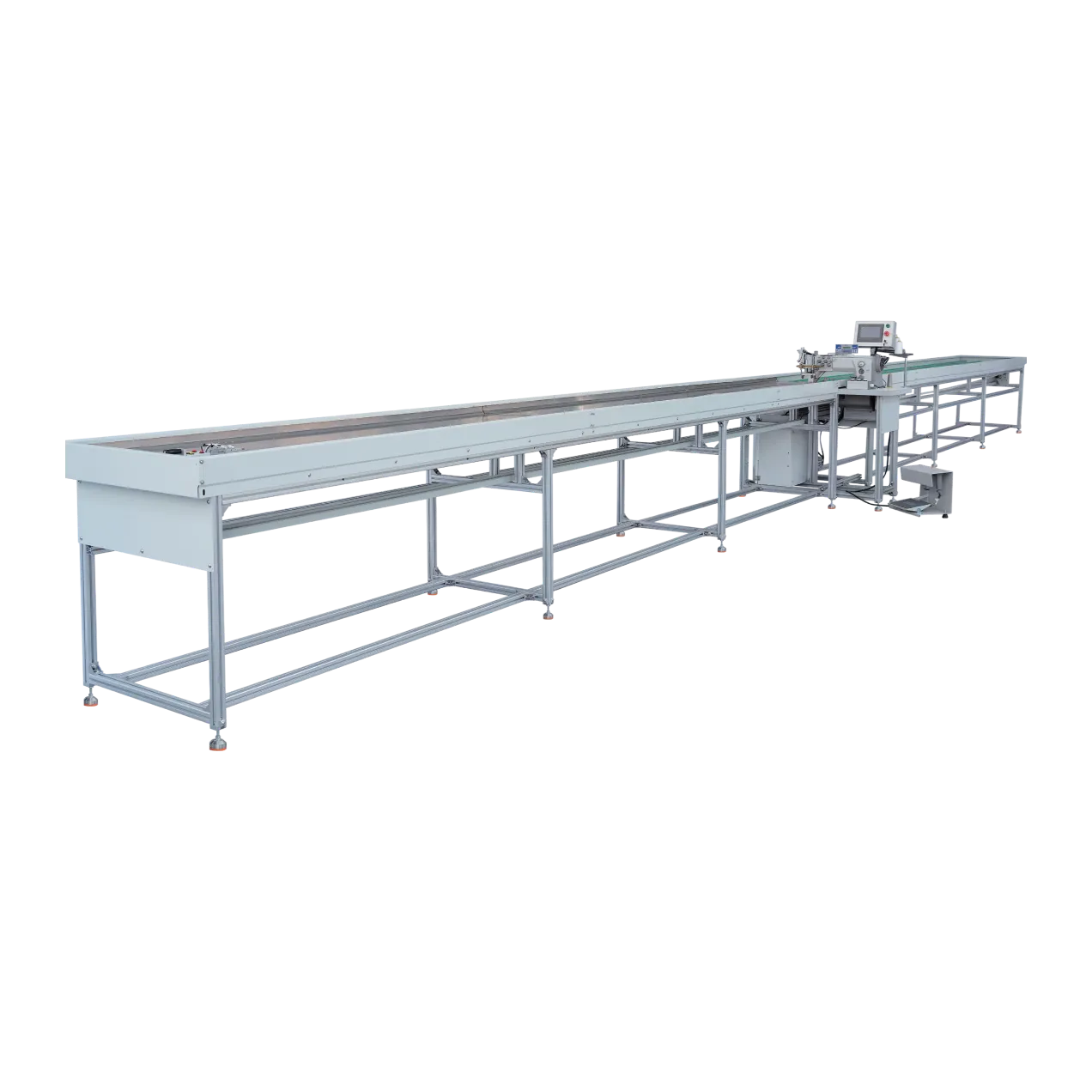
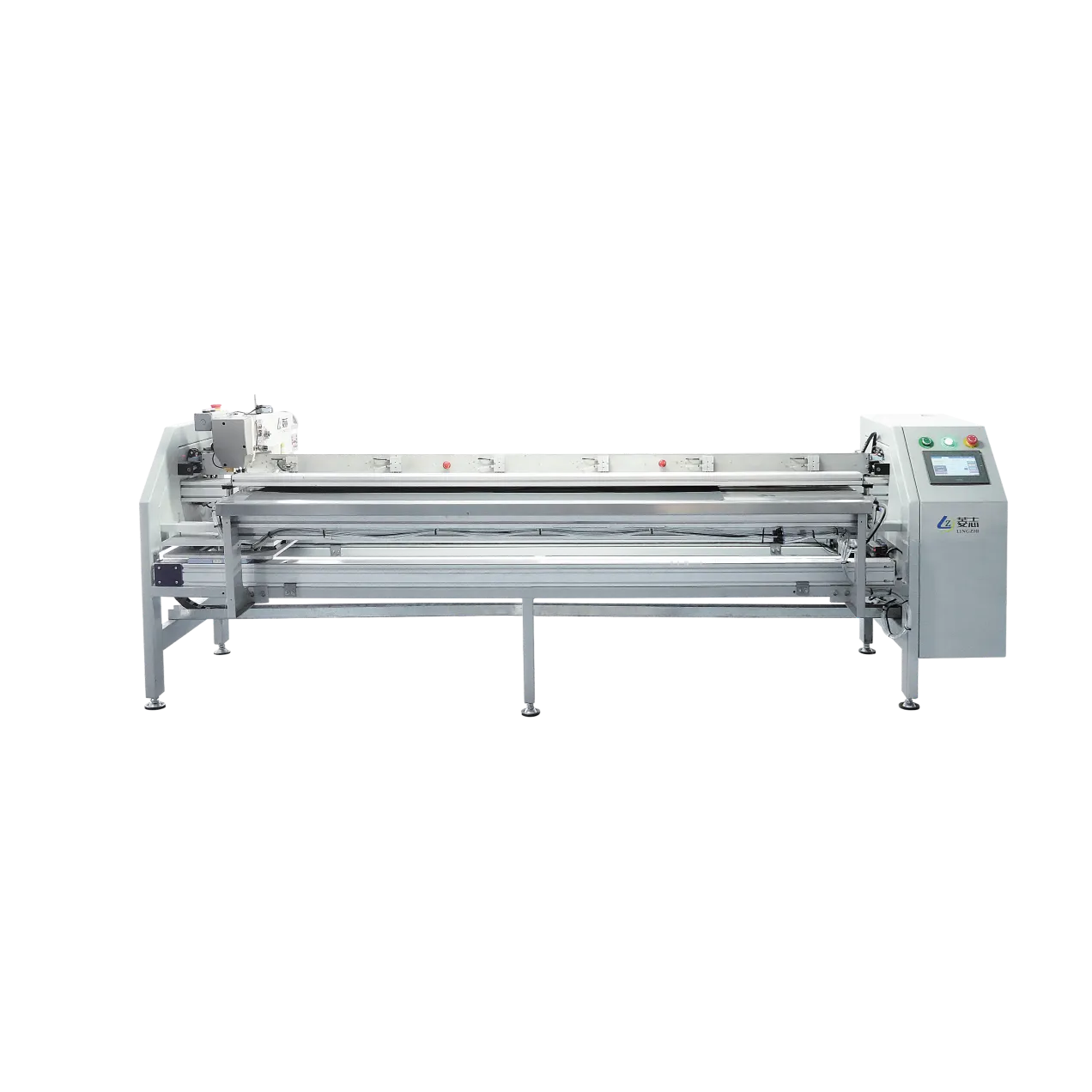
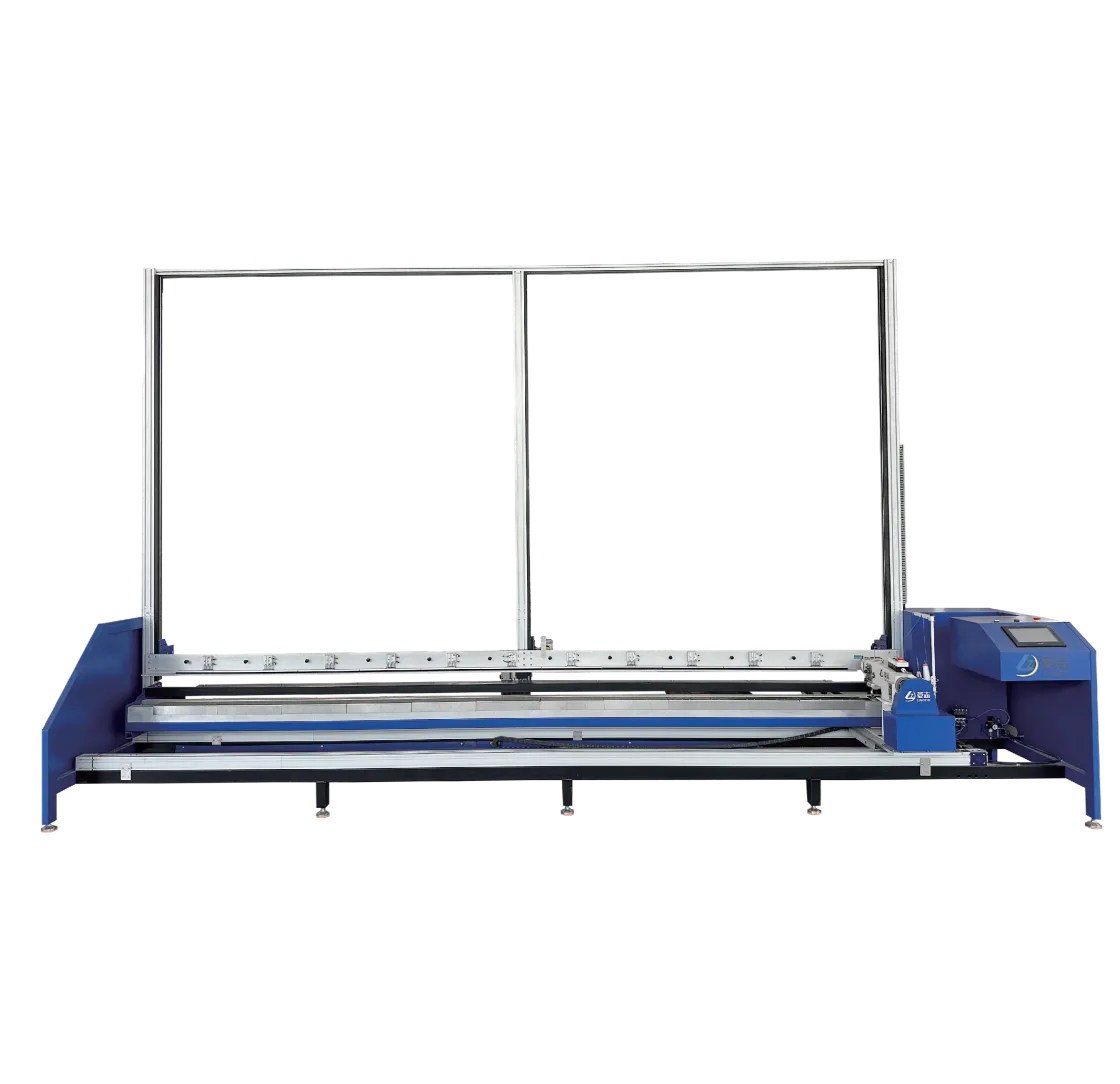
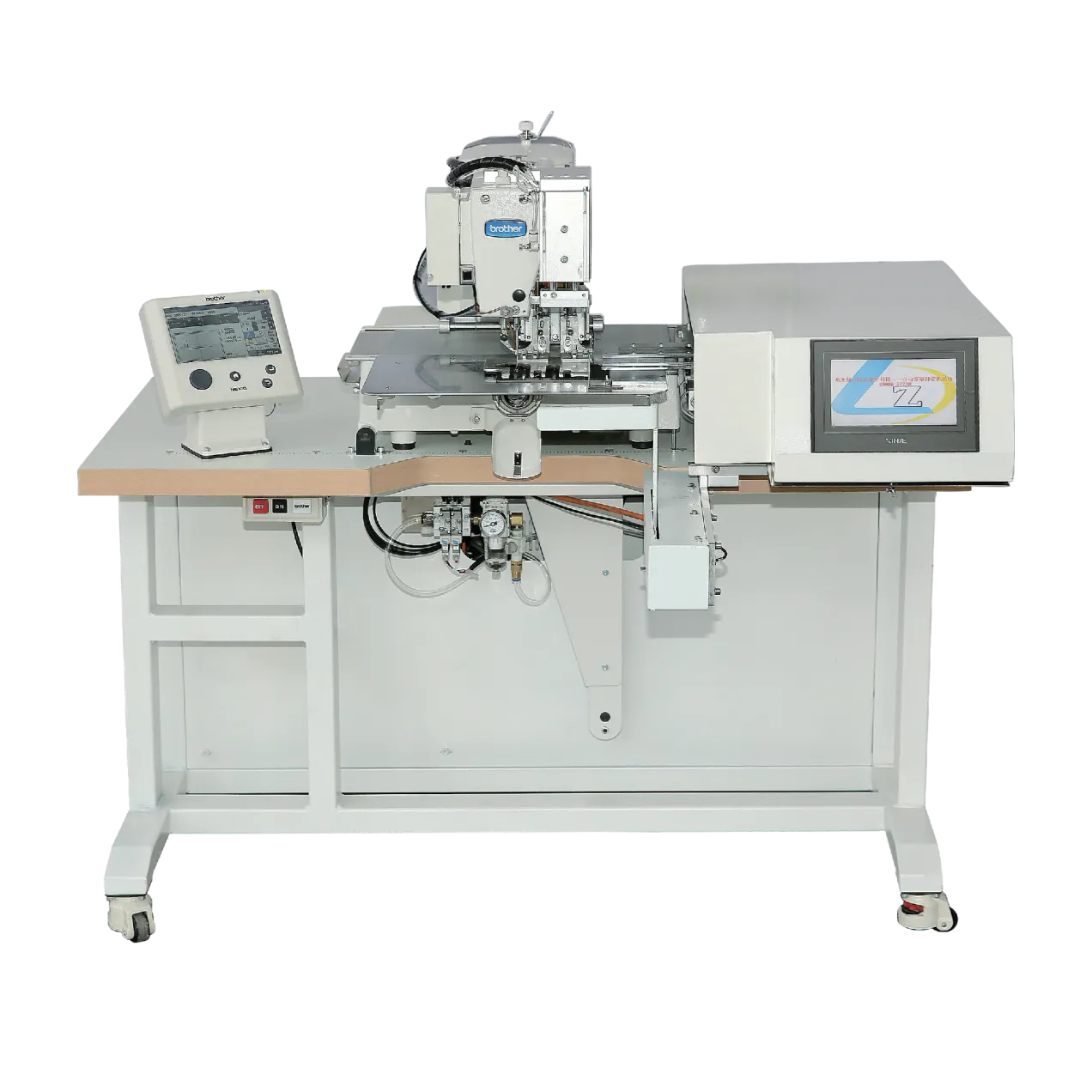
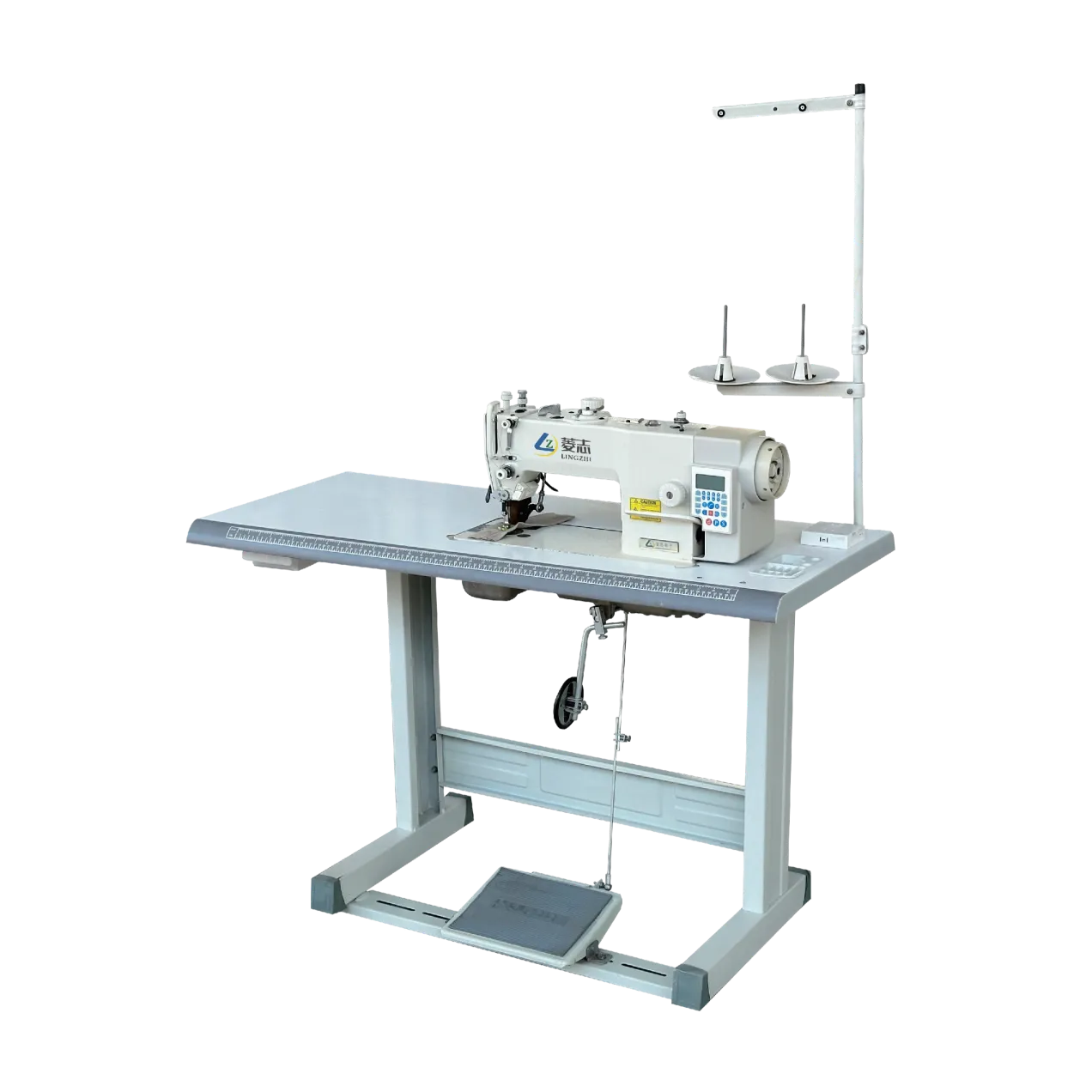
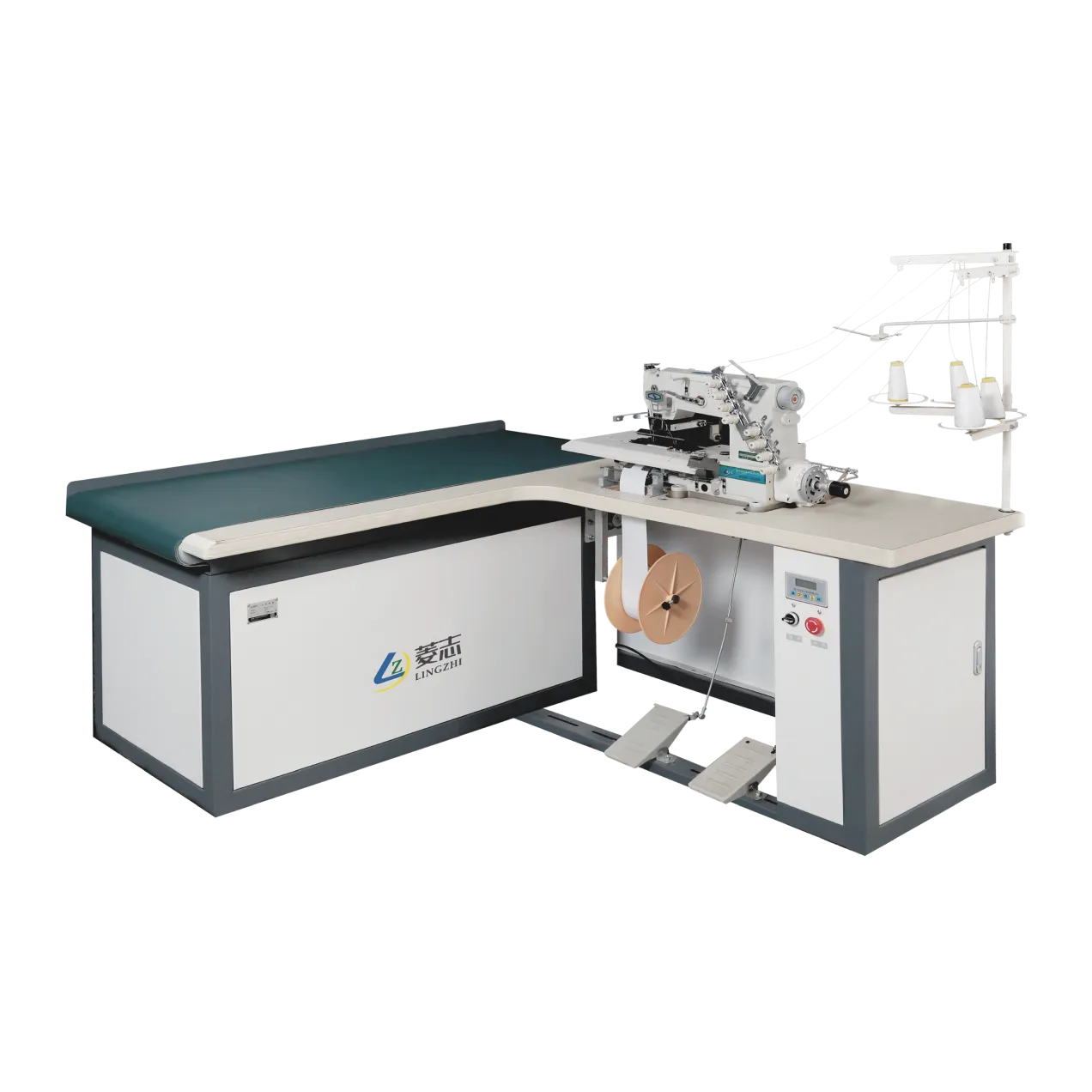
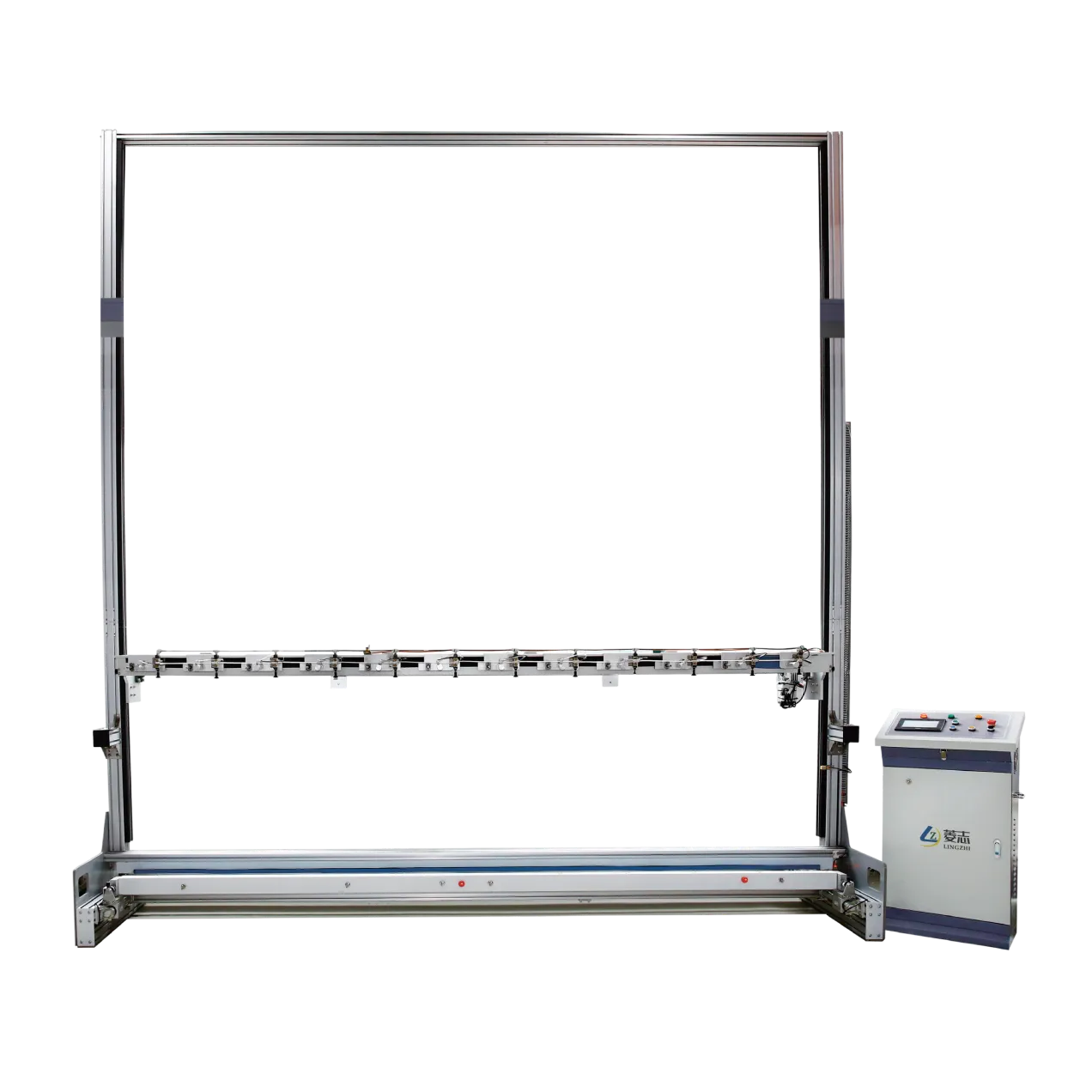
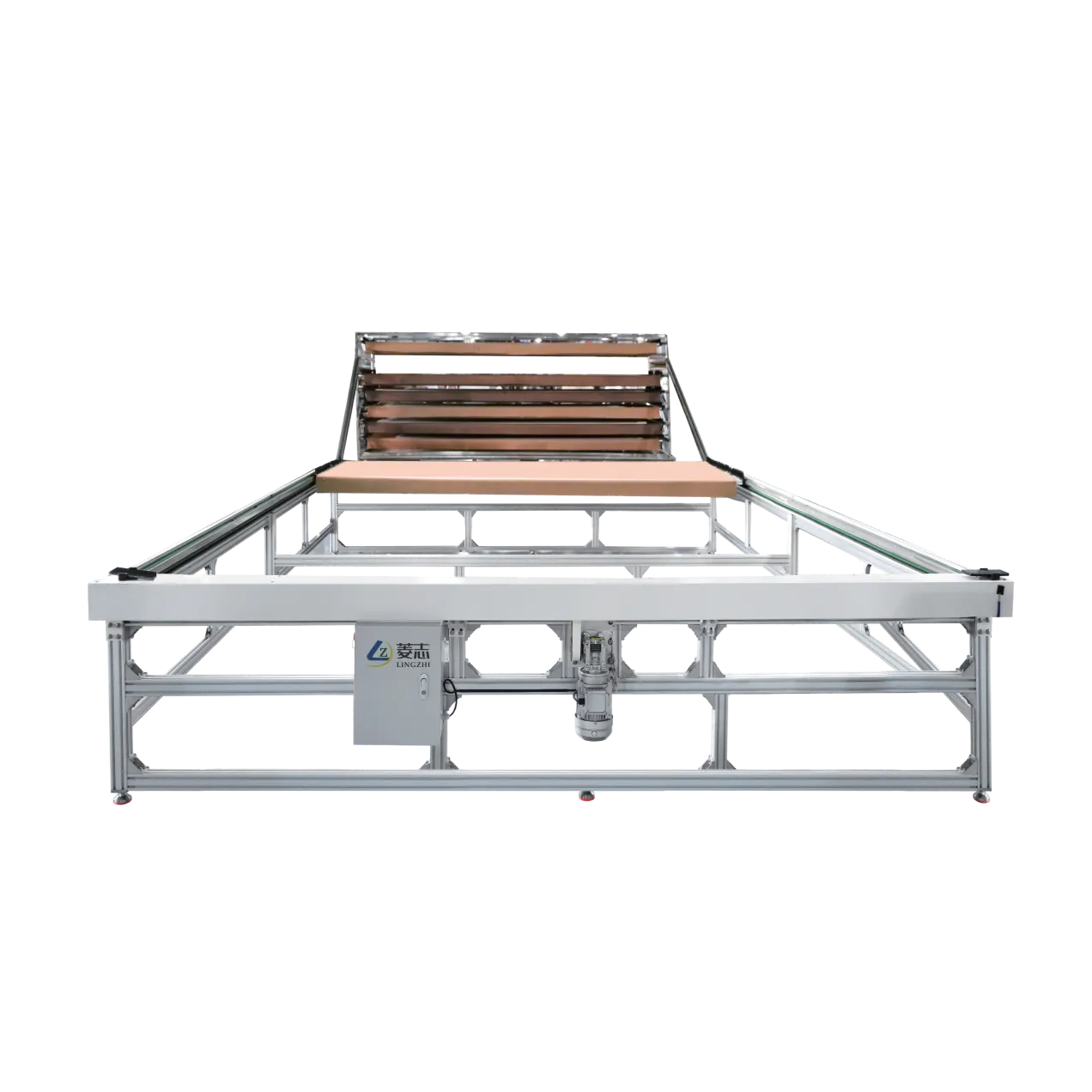
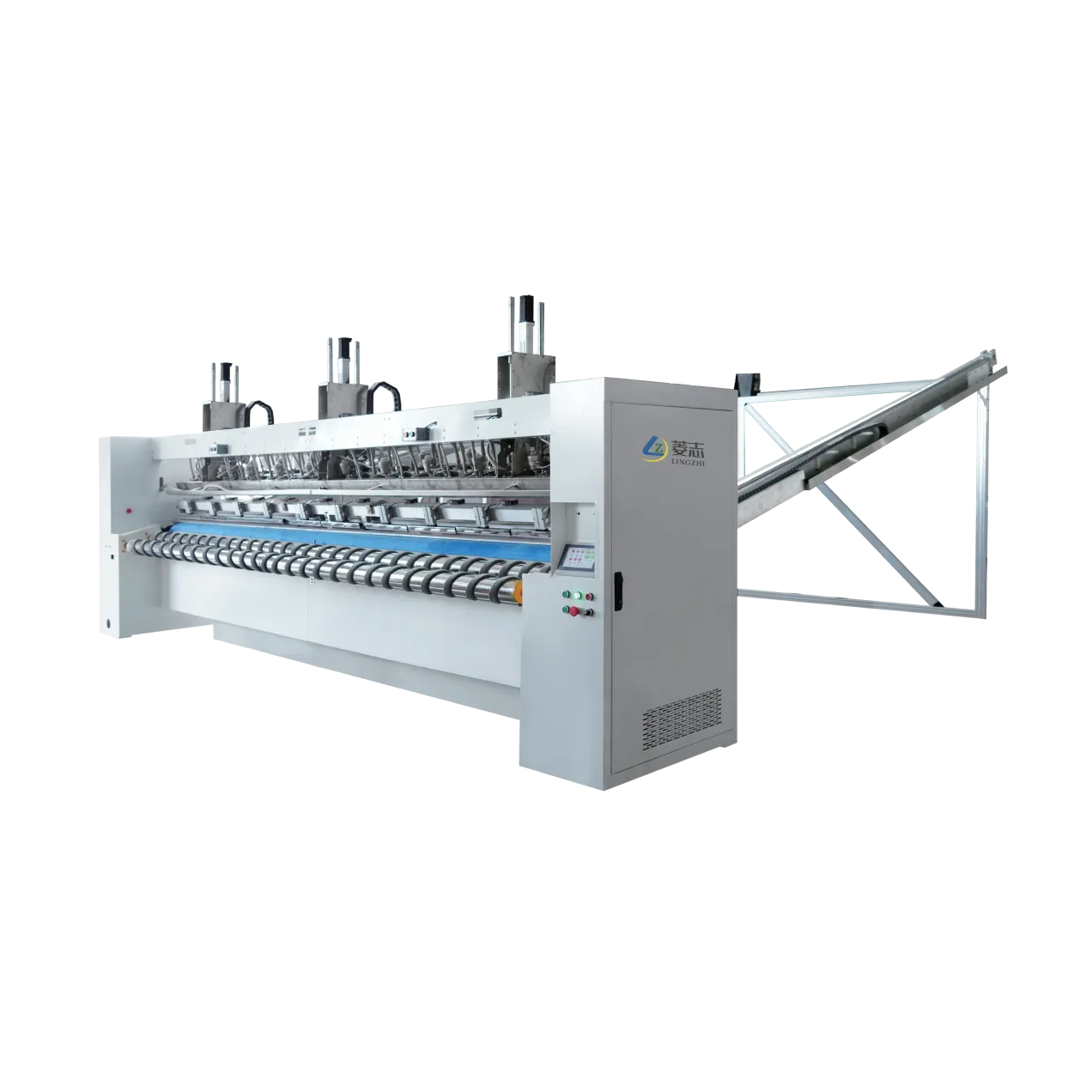
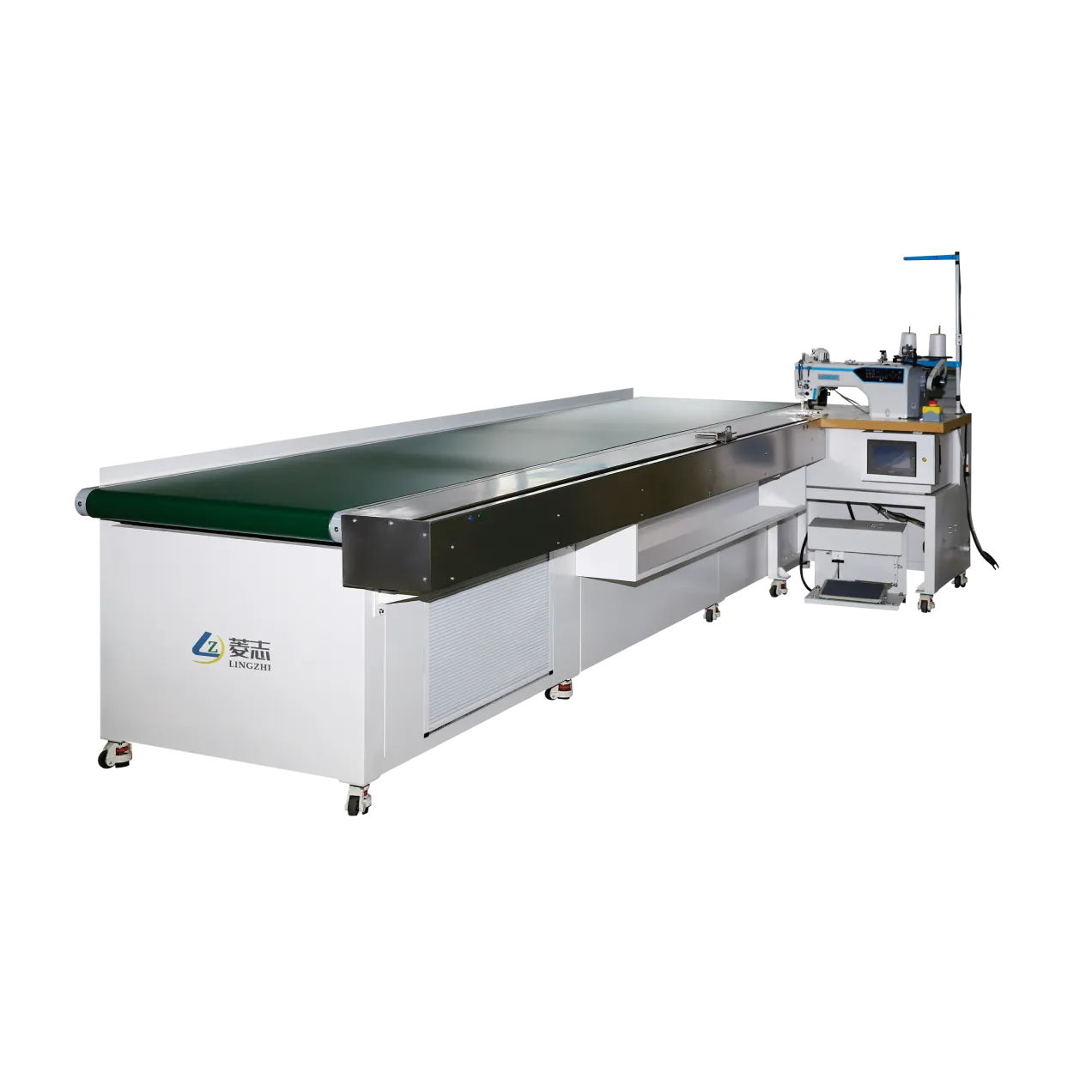
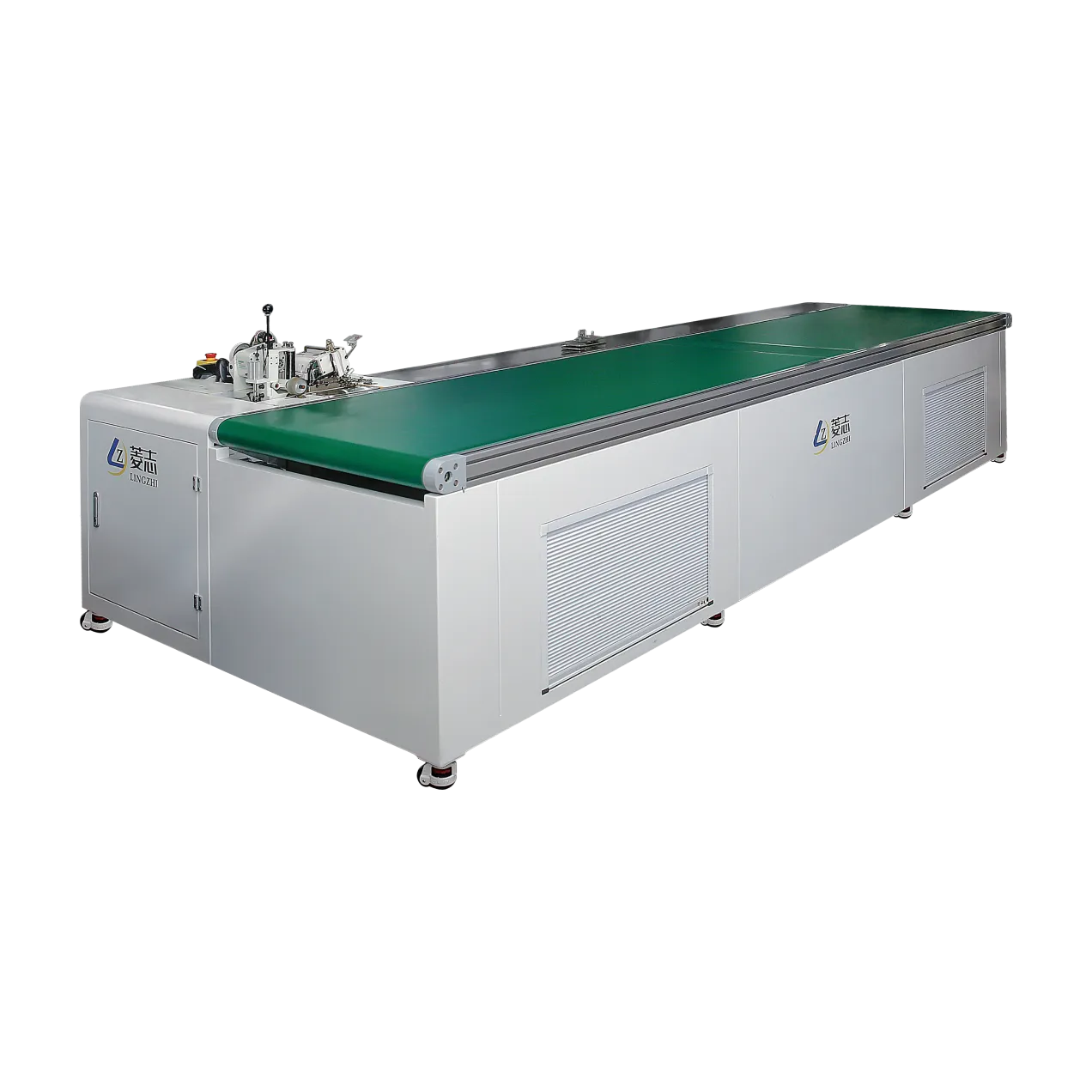
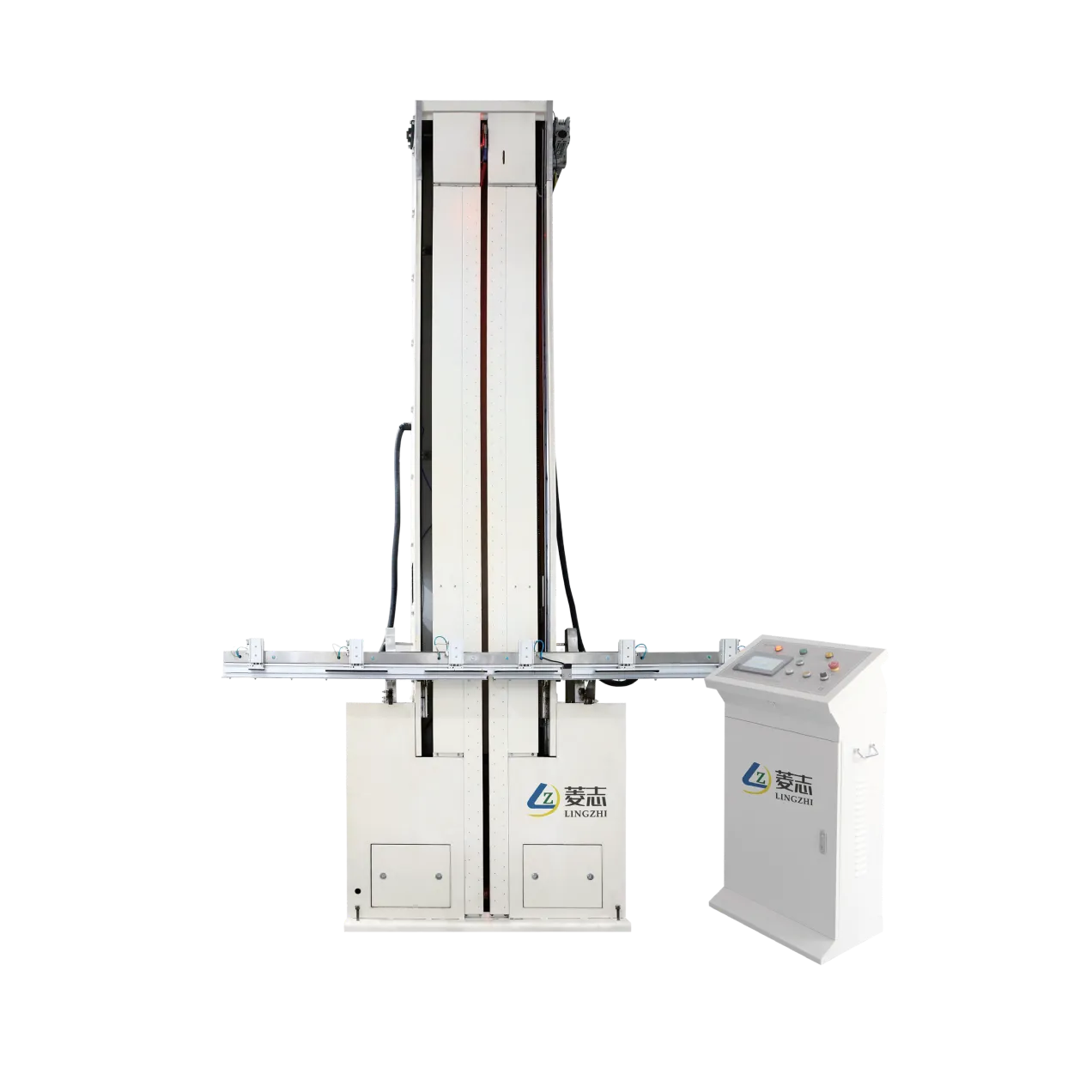
We manufacture industrial vertical curtain cutting machines engineered for precise fabric sizing and alignment. This equipment eliminates the need for expansive horizontal spreading tables, standardizing the cutting process for heavy textiles and curtain fabrics within a highly compact physical footprint.

| Product Name | Model | Voltage | Power | Dimensions (L*W*H) | Weight |
|---|---|---|---|---|---|
| Vertical Cutting Machine | LZ-SC-02 | 220V/50HZ | 1 kW | 2000 * 800 * 3500 mm | 400 KG |

As a vertically integrated manufacturer with 23 years of industry expertise, we deliver precision-engineered automated curtain sewing equipment and commercial-grade fabrics worldwide — ensuring factory-direct quality, stable performance, and comprehensive technical support for your production lines.
learn more about us


The machine processes a wide range of home textiles, including heavy drapery, polyester blends, blackout fabrics, and sheer curtains. The automated cutting track maintains straight edges regardless of material weight or thickness.
Traditional cutting requires a 3 to 5-meter horizontal spreading table occupying roughly 20 square meters. This vertical machine condenses that requirement to approximately 3 square meters, allowing factories to deploy more machines in the same footprint.
Yes, the loading and cutting mechanisms are specifically designed for single-person operation. The vertical clamping system eliminates the need for two workers to manually stretch and align the fabric across a table.
It features a vertical gravity-assisted alignment system that naturally corrects weft skew (fabric distortion) before the blade cuts. This prevents the distorted, uneven fabric panels common in manual spreading.
The LZ-SC-02 operates on standard 220V/50HZ industrial power and draws 1kW. It has a total structural weight of 400KG, built with a heavy-duty chassis to ensure stability and minimize vibration during high-speed cutting.
Transitioning from manual spreading to automated vertical cutting addresses the two largest overheads in textile processing: floor space allocation and labor dependency. Industrial vertical cutting machines reposition the fabric handling process, leveraging mechanical design to standardize the initial and most critical phase of curtain manufacturing.
Horizontal cutting requires operators to manually pull fabric across a long table, inherently introducing uneven tension. Vertical cutting, by contrast, utilizes gravity to naturally drape the material from a top roller. This vertical orientation prevents the fabric from stretching horizontally along the table surface, which is the primary cause of weft skew in curtain production. By allowing the fabric to settle naturally before clamping, the vertical cutter ensures that the subsequent cut perfectly matches the true grain of the textile.
A standard horizontal spreading setup consumes up to 20 square meters of production space and requires at least two operators to handle 3 to 5-meter fabric lengths. The vertical curtain cutting machine condenses this process into a 3-square-meter footprint. This 85% reduction in floor space allows factory managers to either deploy multiple cutting stations within the same area or utilize the recovered space for additional sewing and pleating lines. Furthermore, shifting from a two-person manual task to a single-person automated operation effectively halves the direct labor cost associated with the cutting department.
Manual cutting inevitably produces variances in edge straightness, even with skilled operators. Automated vertical cutting employs a motorized blade tracking along a fixed, rigid rail, ensuring that every fabric panel is cut to exact perpendicular dimensions. This geometric consistency at the cutting stage prevents misalignment errors downstream. When perfectly squared fabric panels are fed into automatic hemming, joining, or pleating machines, the final curtain maintains structural integrity, hangs cleanly, and meets stringent quality assurance standards.