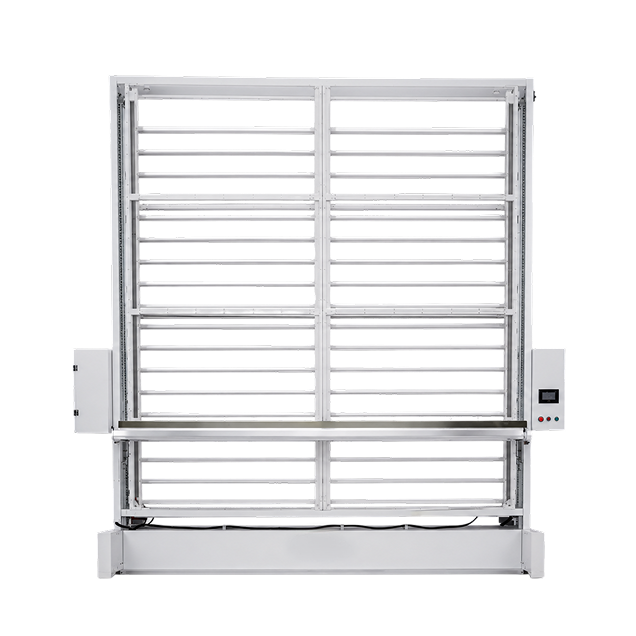
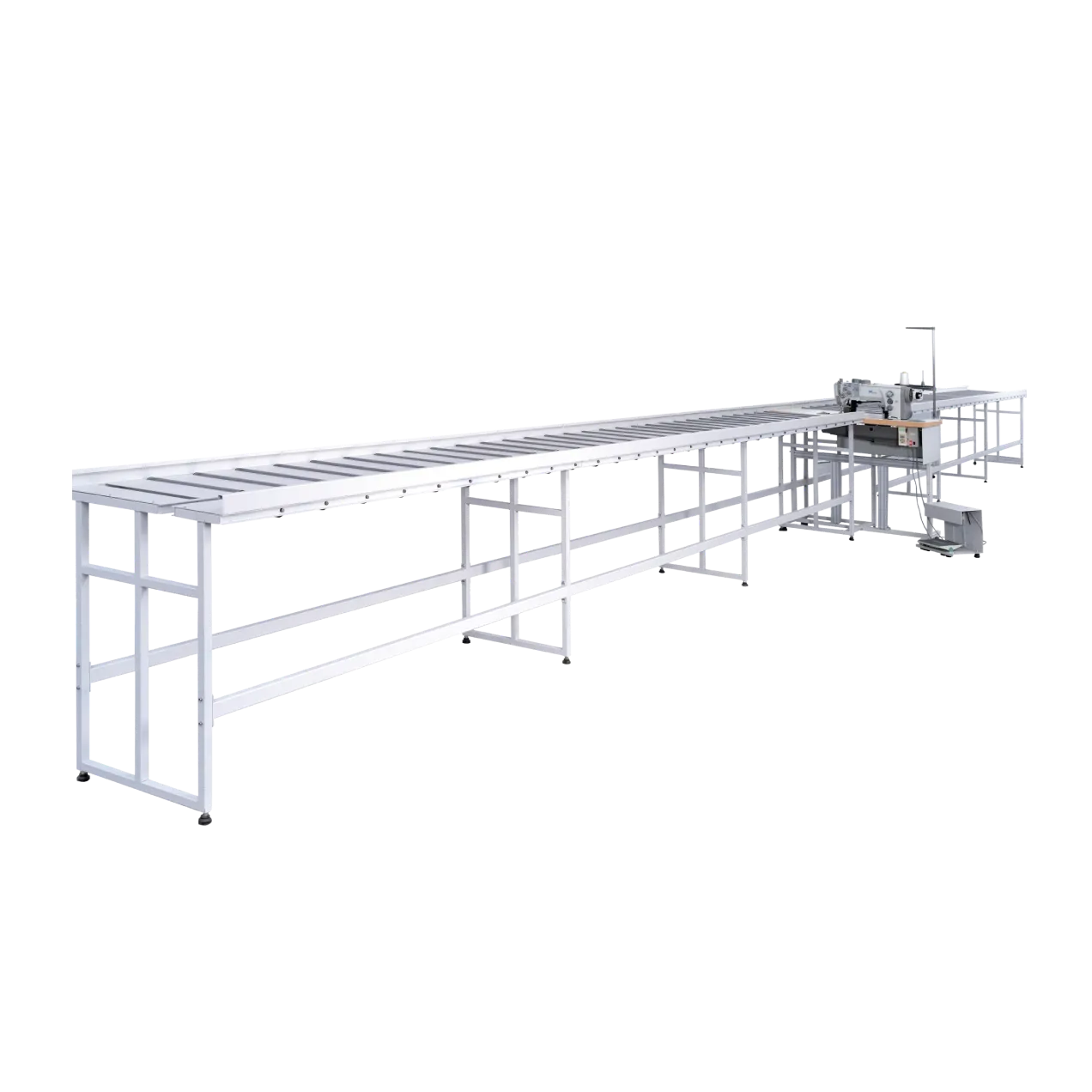
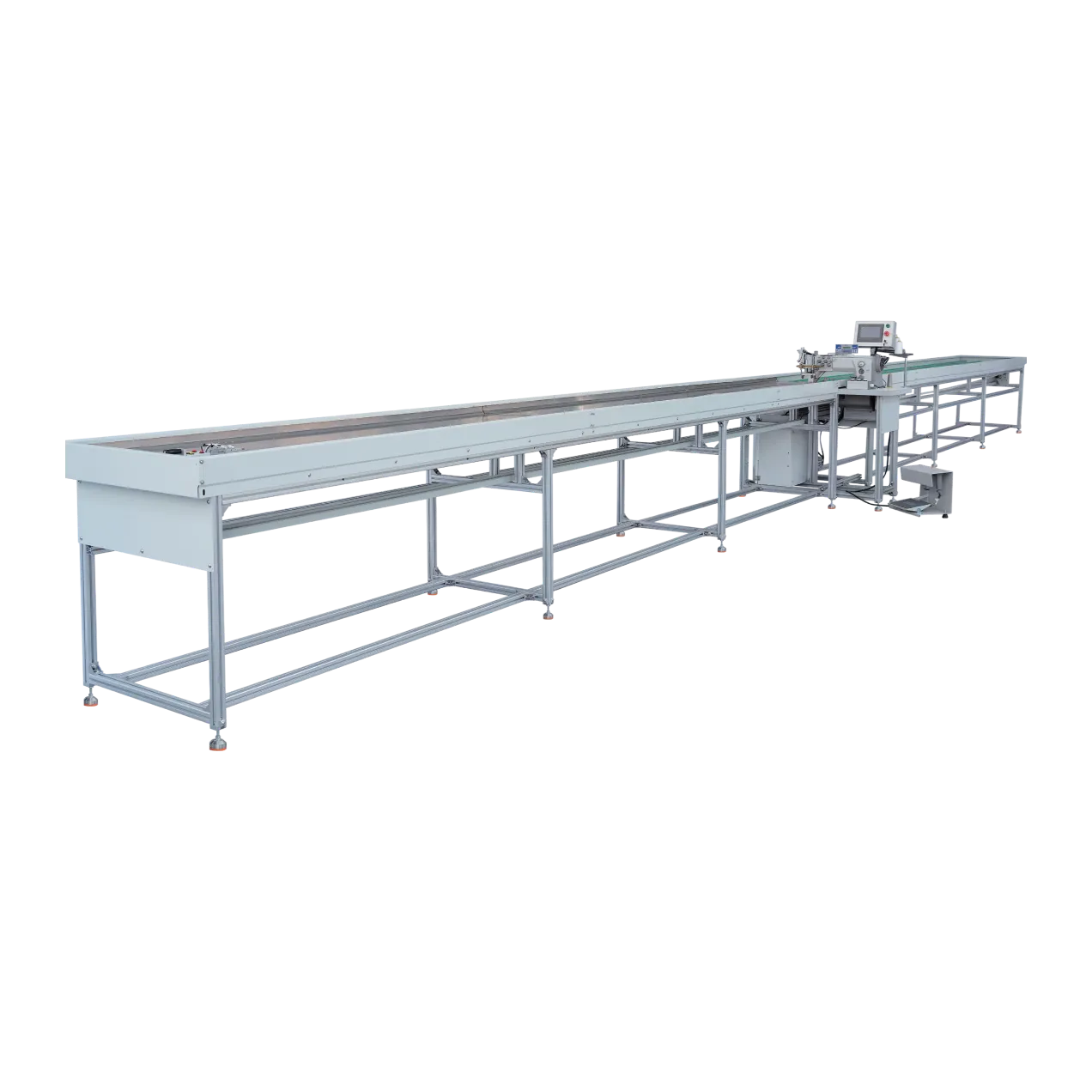
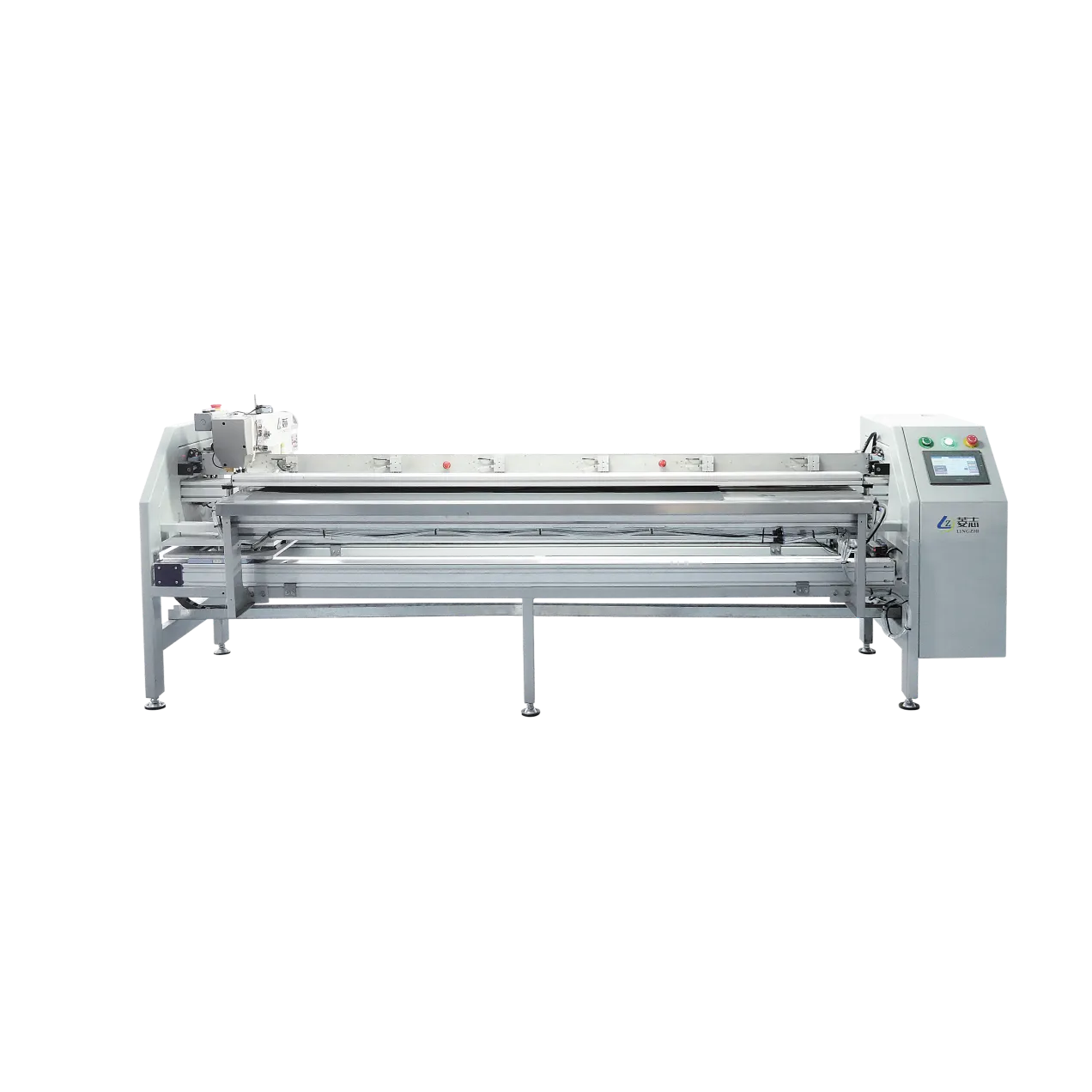
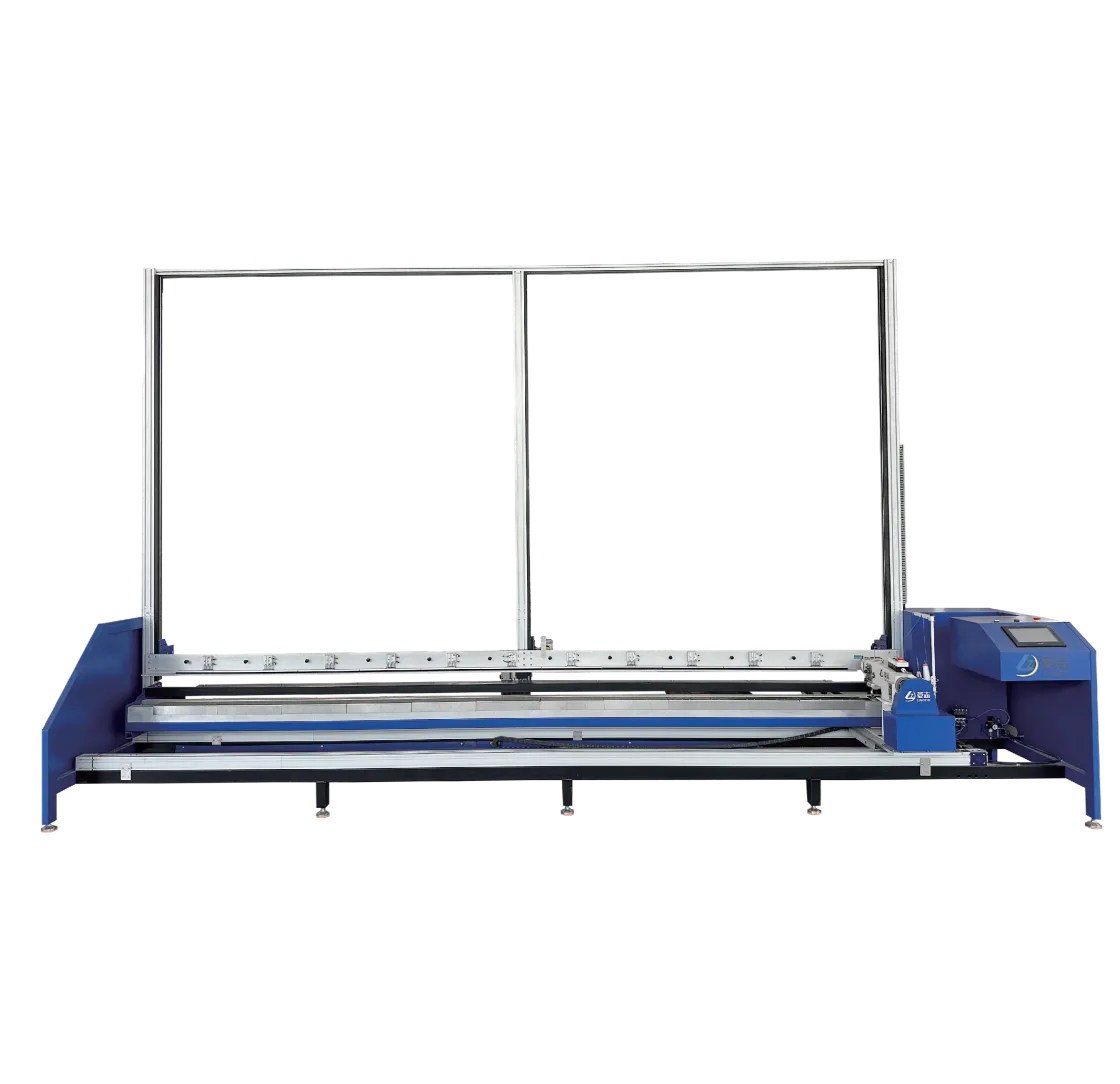
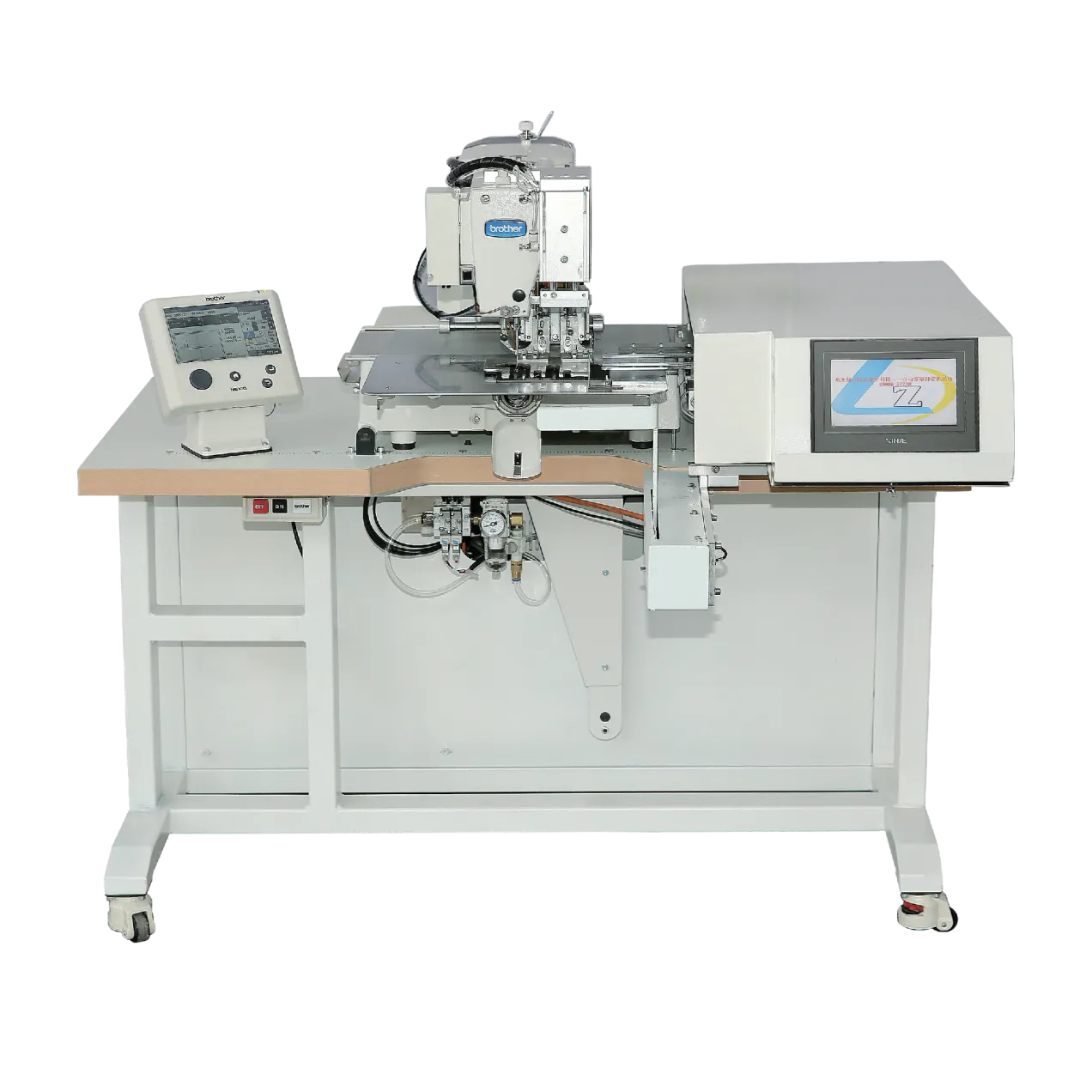
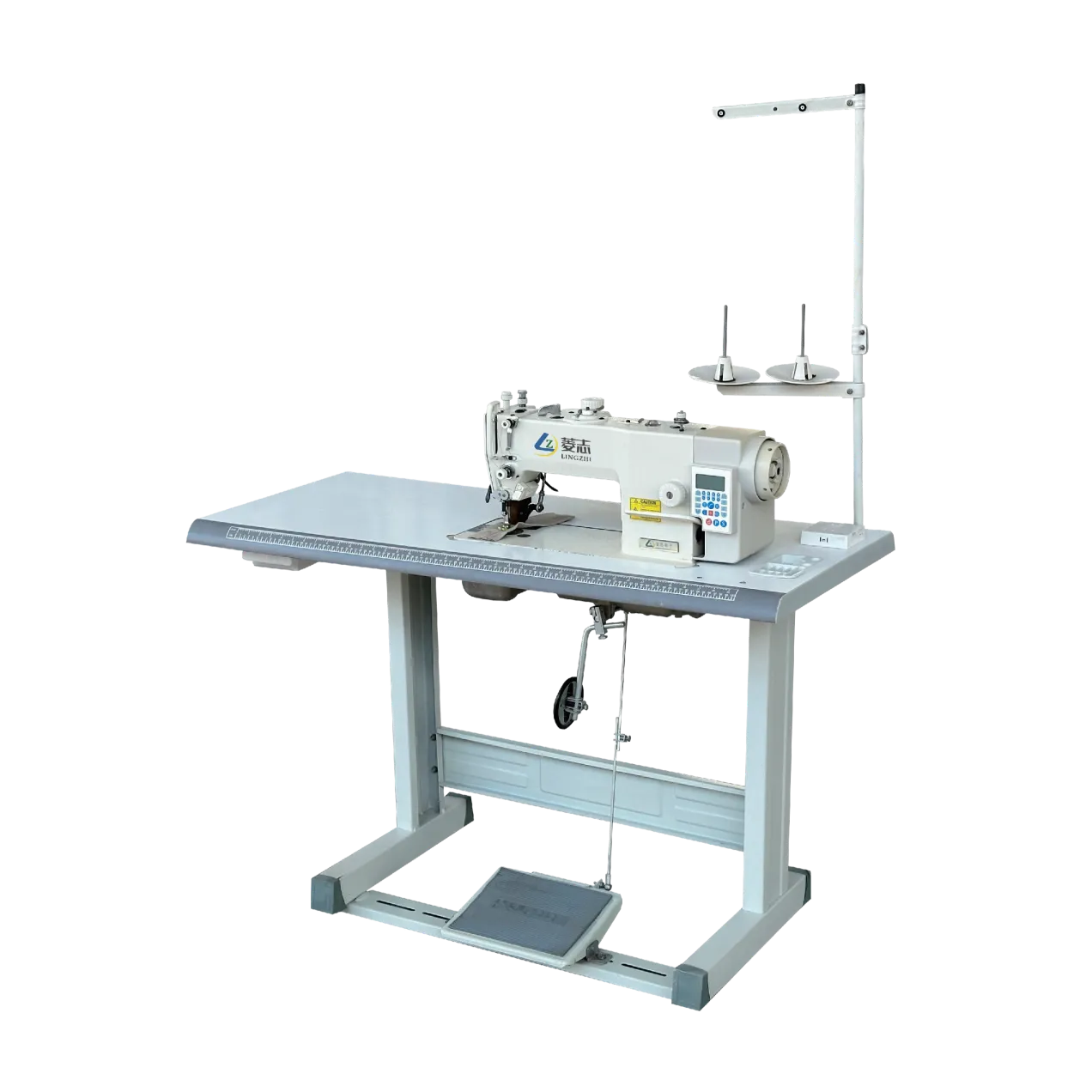
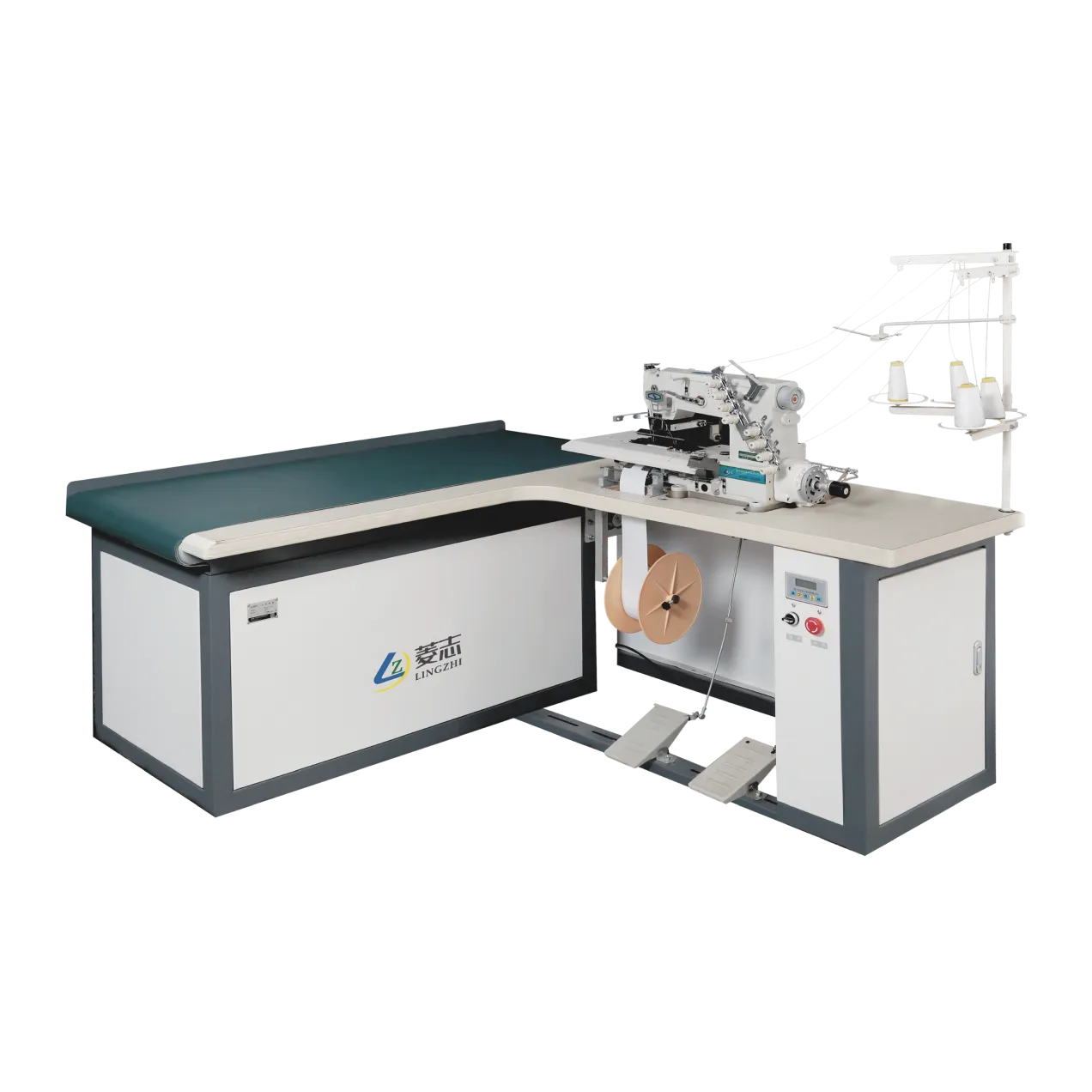
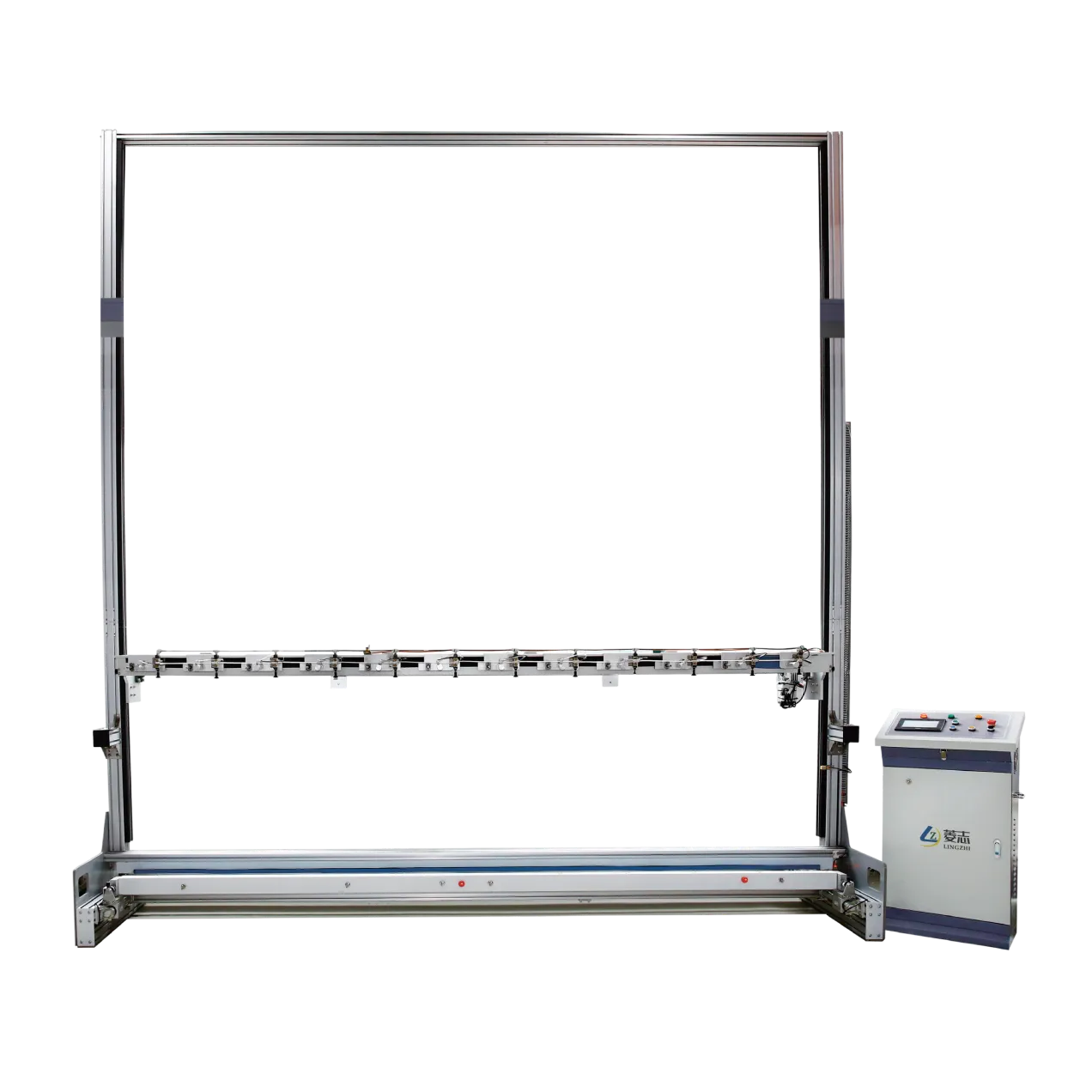
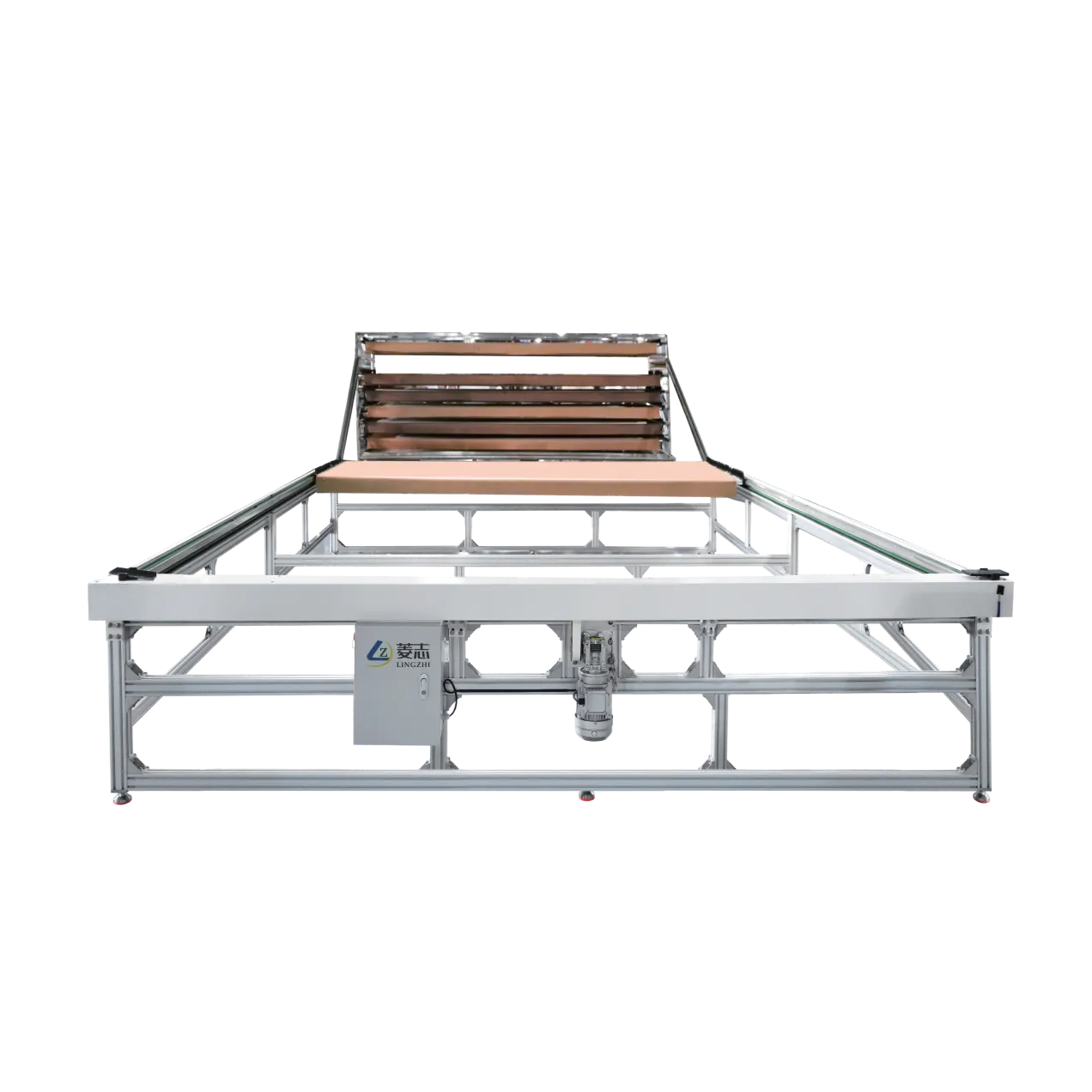
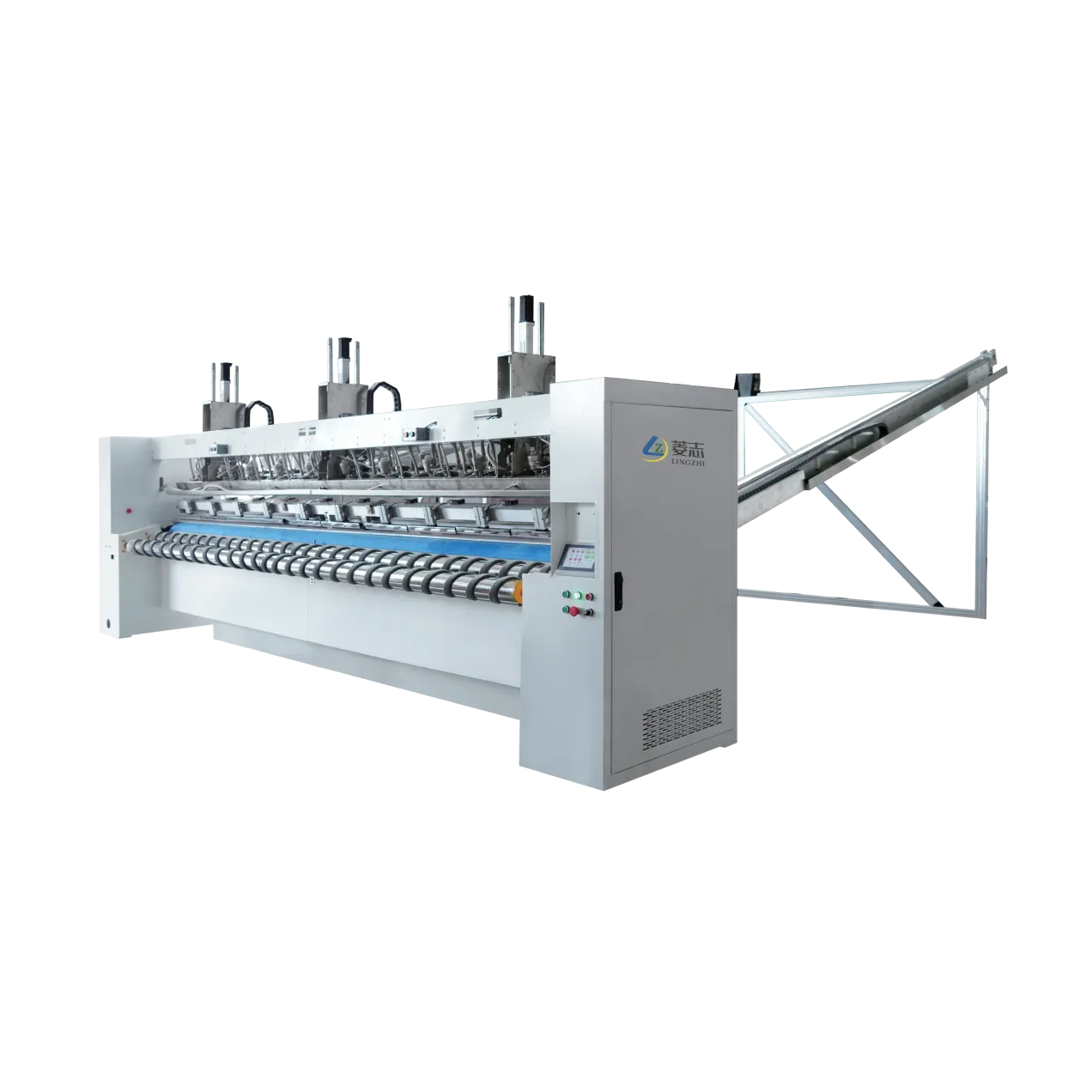
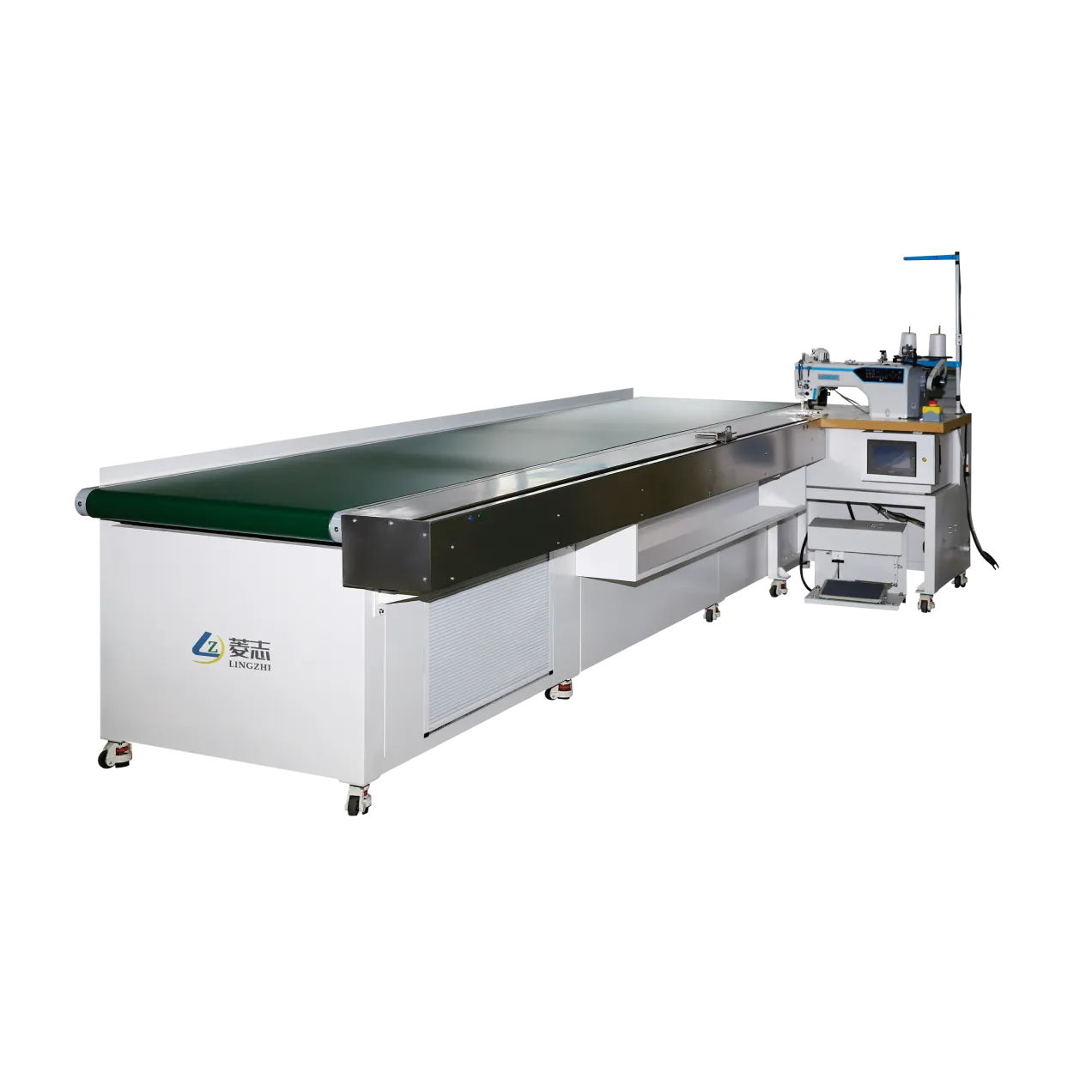
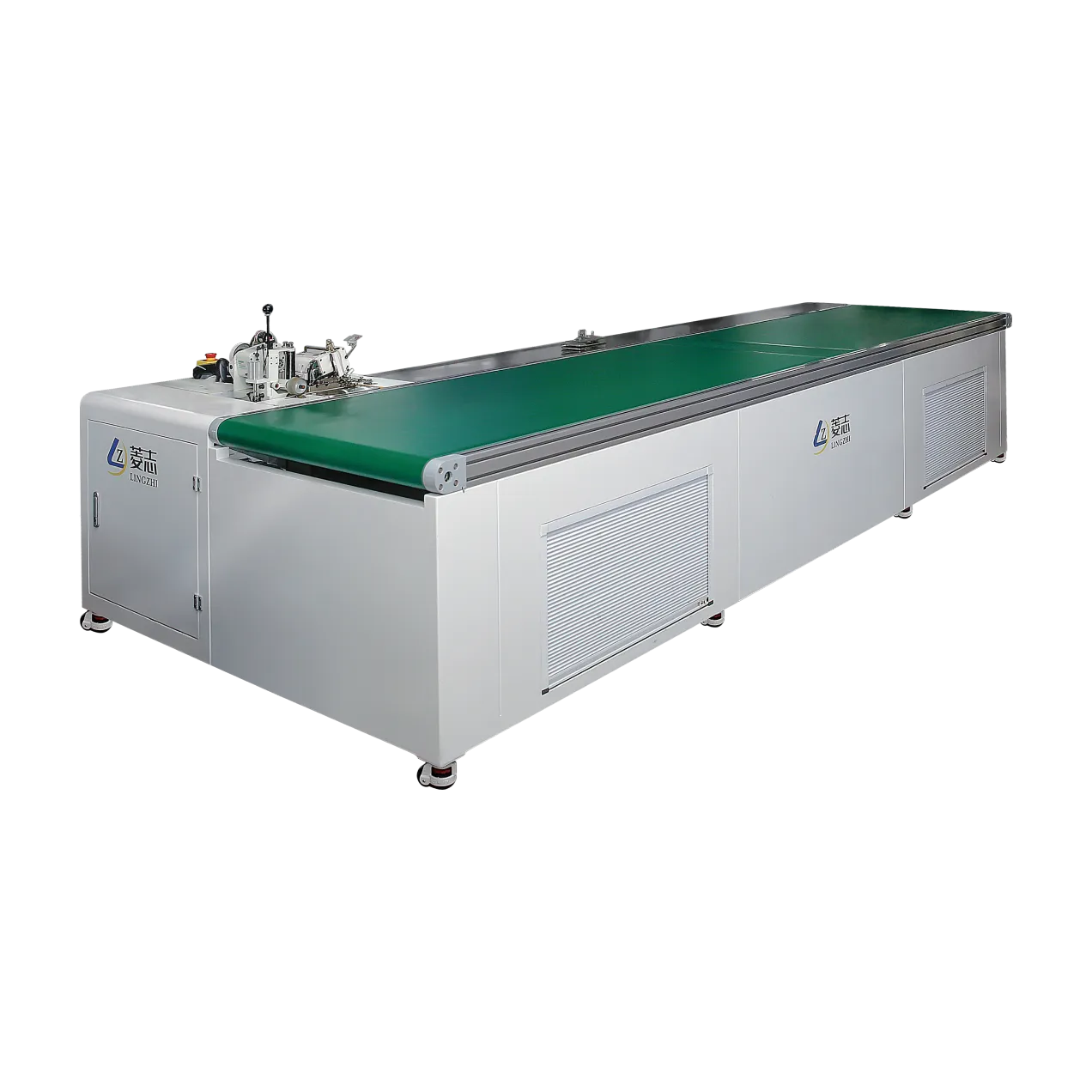
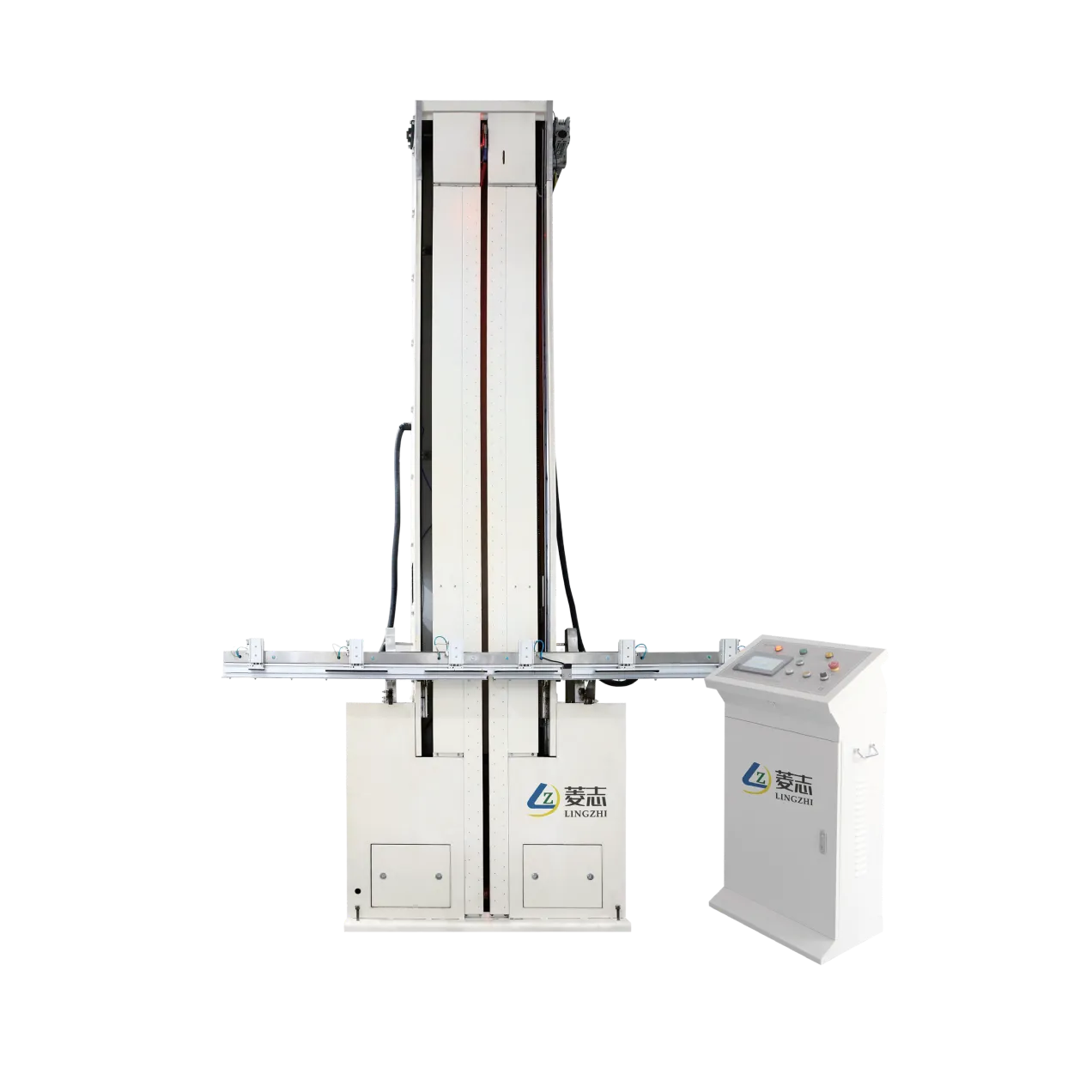
The LZ-DZJ-20 automatic curtain pleating machine is engineered to calculate and execute exact pleat depths and spacing via a digital interface. Designed to replace manual measuring and folding in drapery manufacturing, this system utilizes a high-performance Japan-imported Brother sewing head capable of driving stitches through fabric stacks up to 2cm thick without mechanical hesitation.

| Product Name | Model | Voltage | Power | Dimensions (L*W*H) | Weight |
|---|---|---|---|---|---|
| Automatic Pleating Machine for Textiles | LZ-DZJ-20 | 220V/50HZ | 1.6 kW | 1500 * 800 * 1200 mm | 180 KG |

As a vertically integrated manufacturer with 23 years of industry expertise, we deliver precision-engineered automated curtain sewing equipment and commercial-grade fabrics worldwide — ensuring factory-direct quality, stable performance, and comprehensive technical support for your production lines.
learn more about us


The operator inputs the starting fabric length, the target finished length, and the desired number of pleats into the touchscreen. The internal computer then automatically calculates the exact pleat depth and the required intervals between them.
The high-performance sewing head is engineered to punch through dense fabric stacks, accommodating a maximum material thickness of 2cm without compromising stitch stability or deflecting the needle.
Yes. The software supports multiple pleat configurations. Operators can transition from two-pleat to three-pleat formats using a one-button toggle on the interface, eliminating the mechanical downtime usually required to change presser feet.
No. The tension guides and built-in cooling system are specifically calibrated to support standard industrial sewing threads as well as specialized transparent fishing threads, preventing thread burn during high-speed operations.
The unit operates on a standard 220V/50HZ power supply with a 1.6kW rating. It occupies a physical workstation footprint of 1500mm in length, 800mm in width, and 1200mm in height, weighing 180KG.
In custom and commercial drapery manufacturing, the pinch pleat dictates the final volume and hanging structure of the curtain. Executing precise double or triple pinch pleats manually relies heavily on operator calculation and physical dexterity. A slight mathematical error in pleat spacing results in an unbalanced curtain panel that fails quality inspection. Implementing a computerized curtain pleating machine replaces human calculation with algorithmic precision, standardizing the aesthetic output across entire production batches.
Traditional pleating requires an operator to manually calculate the distance between pleats based on the flat fabric width versus the required finished width. This mathematical process is prone to error and slows down production. A computerized drapery pleater machine resolves this by handling the variables internally. The operator simply inputs the raw material width, the final target width, and the desired pleat count into the digital interface. The machine's positioning system automatically adjusts to deliver exact pleat depths and intervals, ensuring perfect geometric symmetry across the entire curtain header.
A significant mechanical hurdle in pleating is penetrating the thick header tape combined with multiple folds of heavy fabric. When executing a triple pinch pleat on blackout material, the total thickness can severely strain standard sewing mechanisms, leading to skipped stitches or shattered needles. To counter this, advanced pleating equipment integrates heavy-duty sewing heads—such as those manufactured by Brother—specifically geared for thick textiles. This mechanical reinforcement allows the machine to drive the needle cleanly through up to 2cm of compressed fabric, locking the pleat securely without structural hesitation.
To achieve an invisible stitch line, many manufacturers use transparent fishing thread or high-tensile nylon. The friction generated by rapid needle penetration through thick fabric creates intense heat, which frequently melts or snaps these synthetic threads. High-quality pleating machines address this specific failure point by integrating an active needle cooling system. This continuous thermal regulation prevents the thread from burning, minimizing stoppage time for rethreading and ensuring continuous, high-speed production capability.