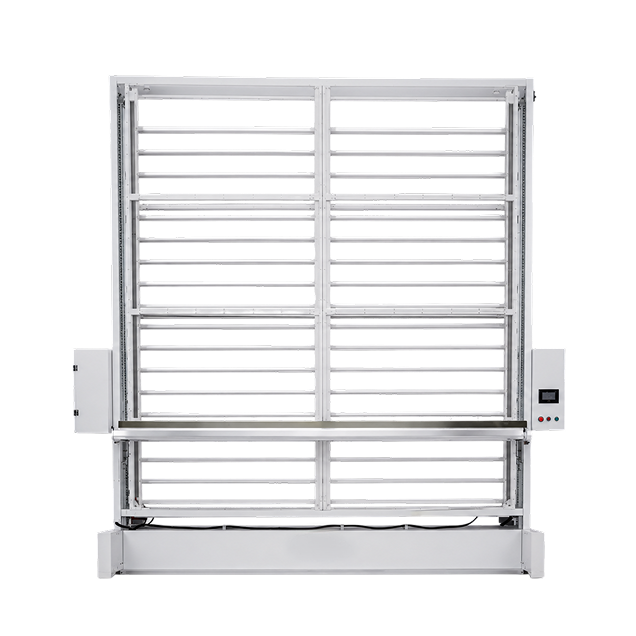
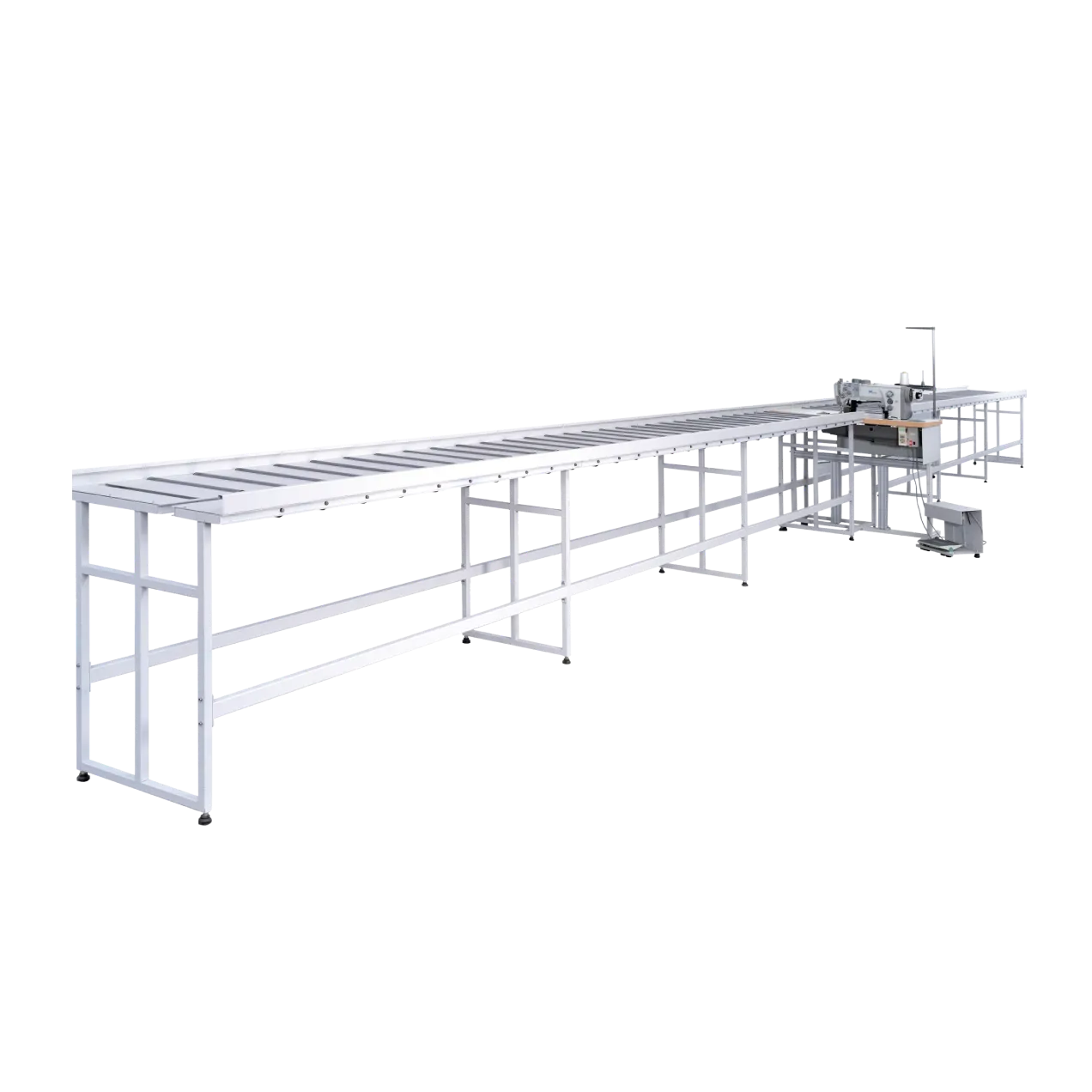
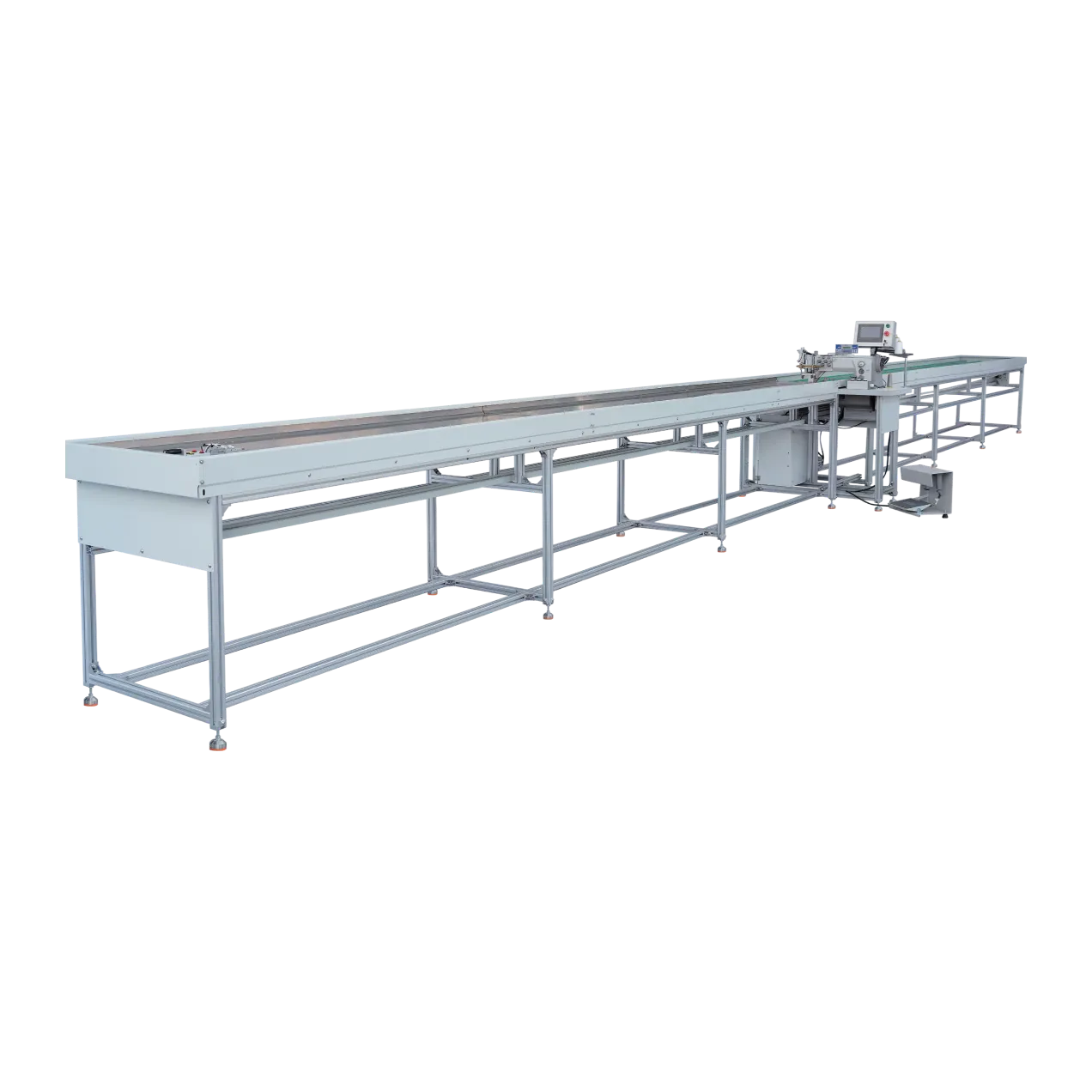
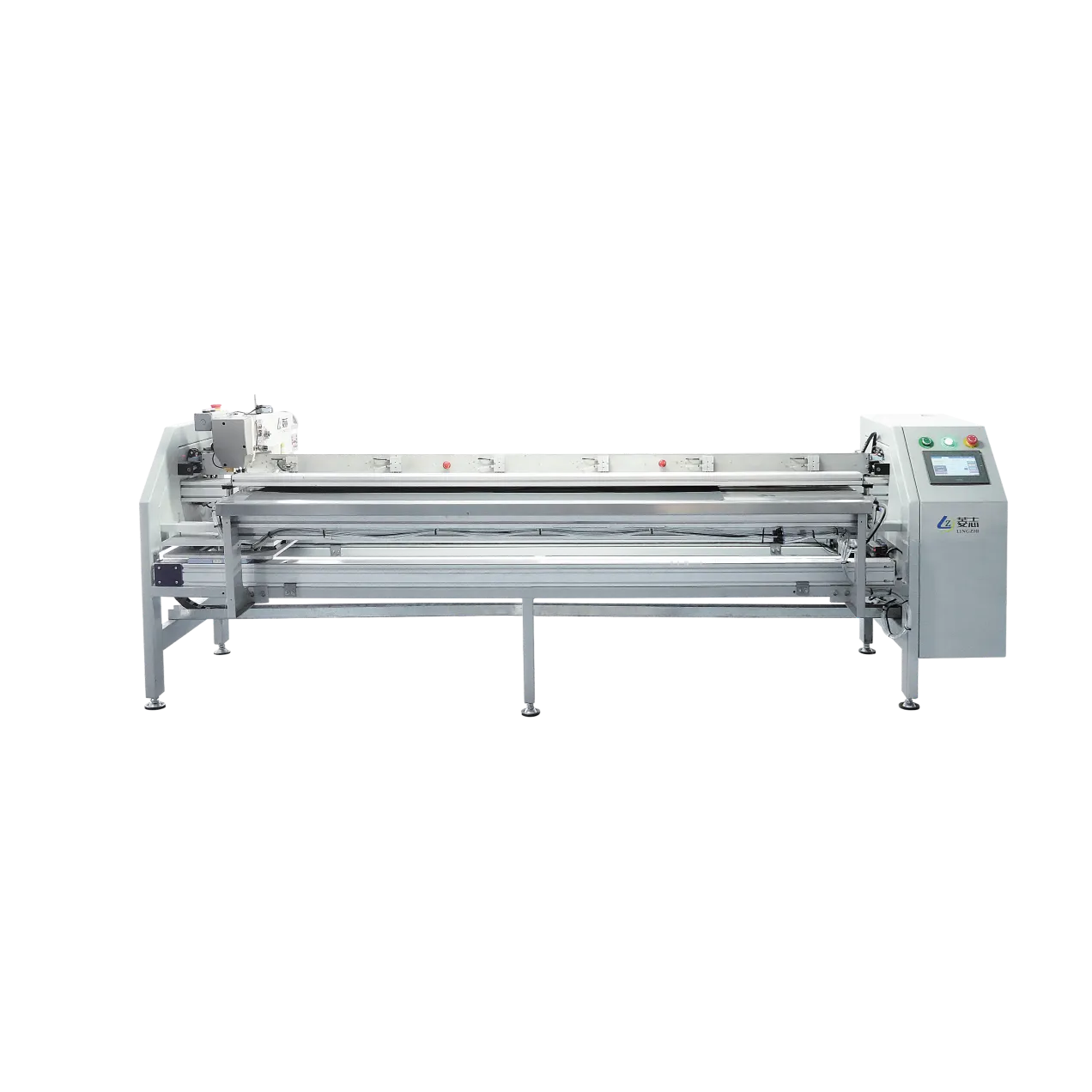
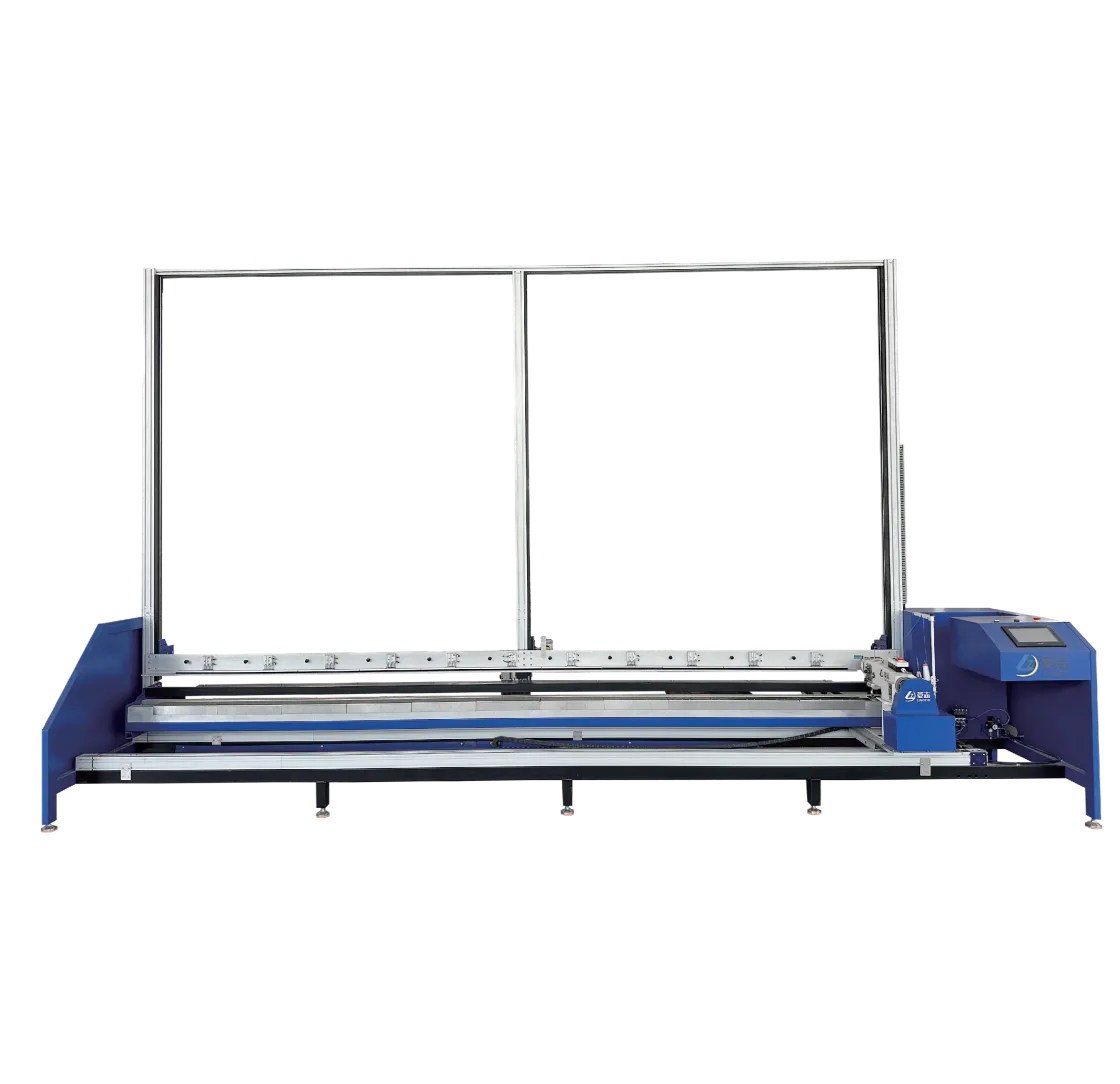
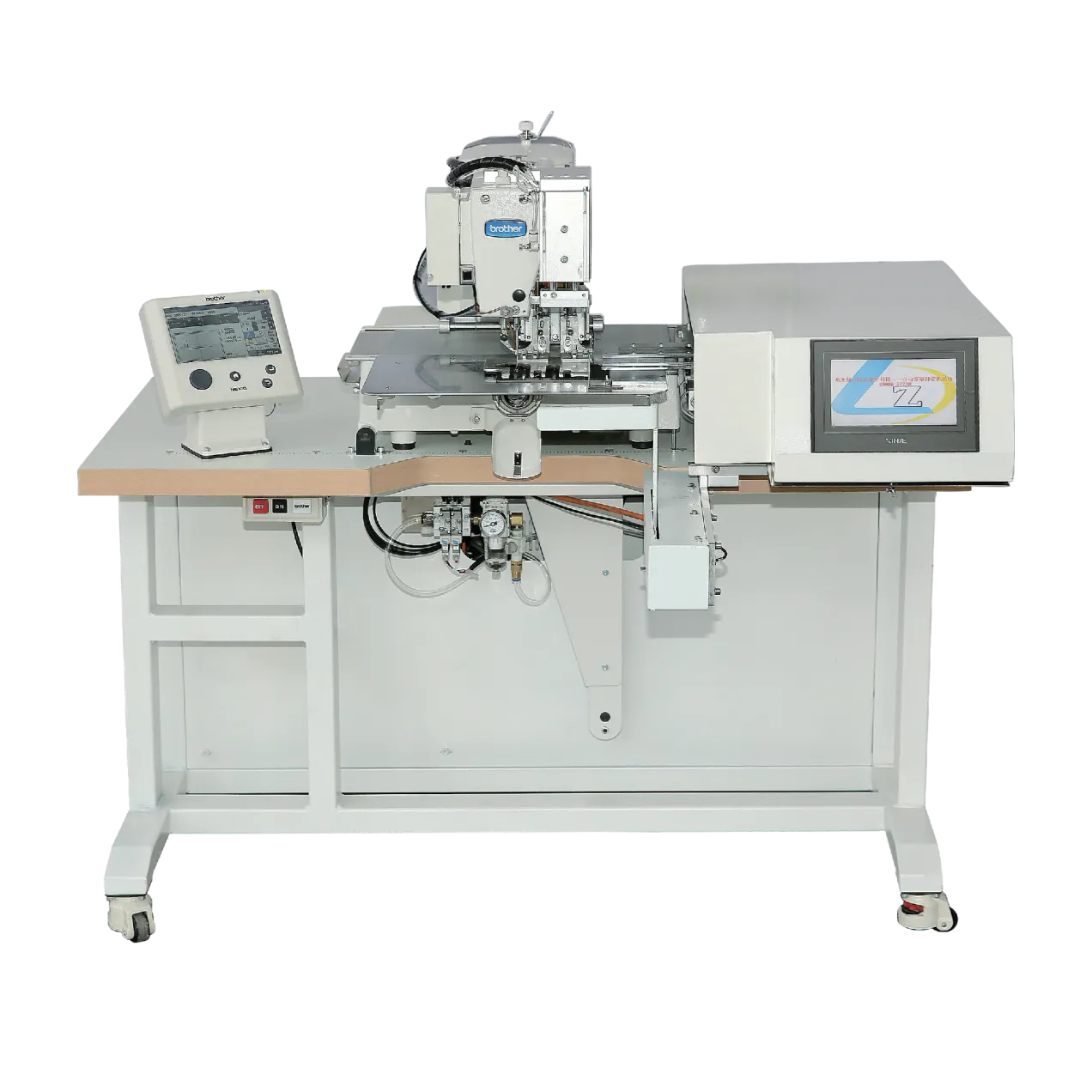
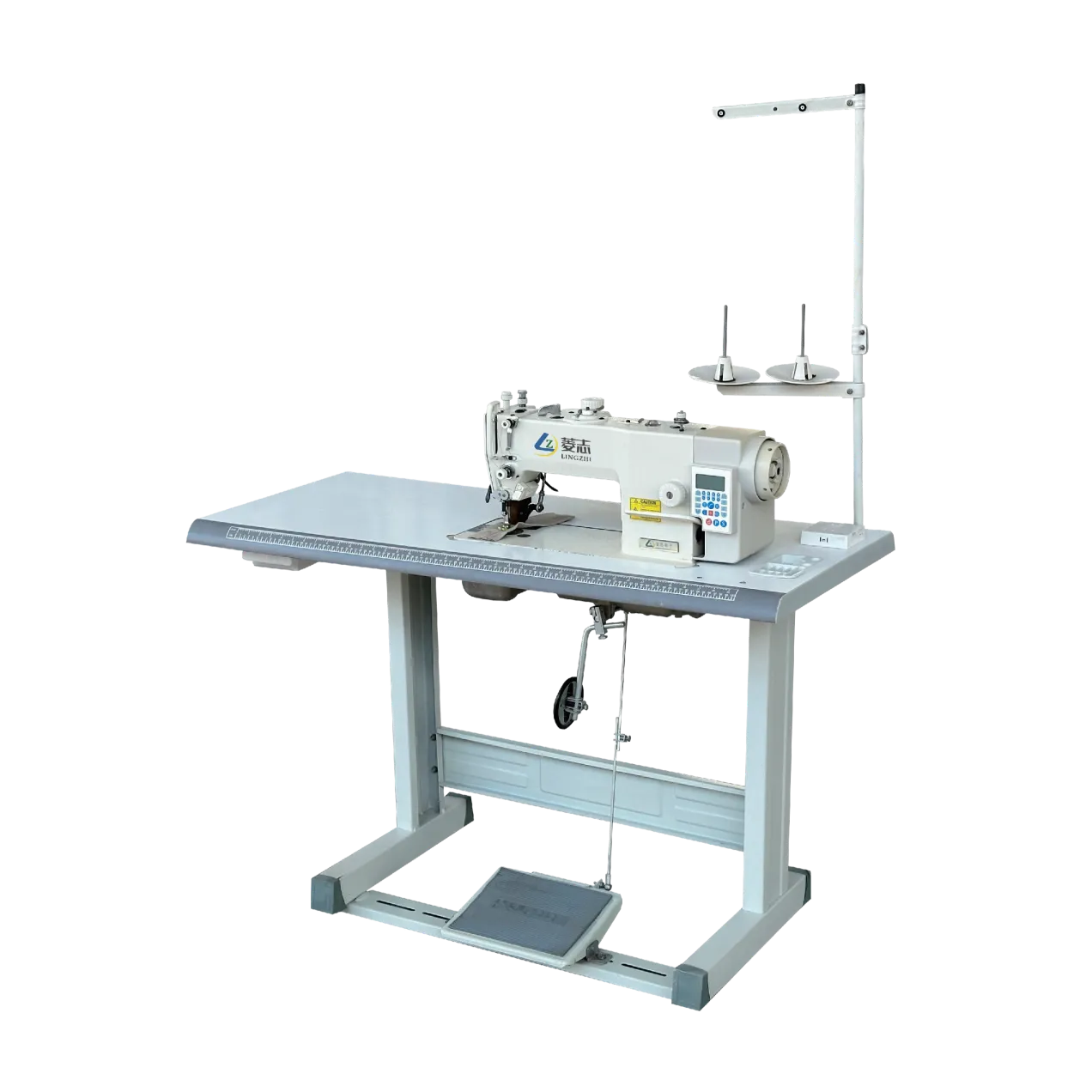
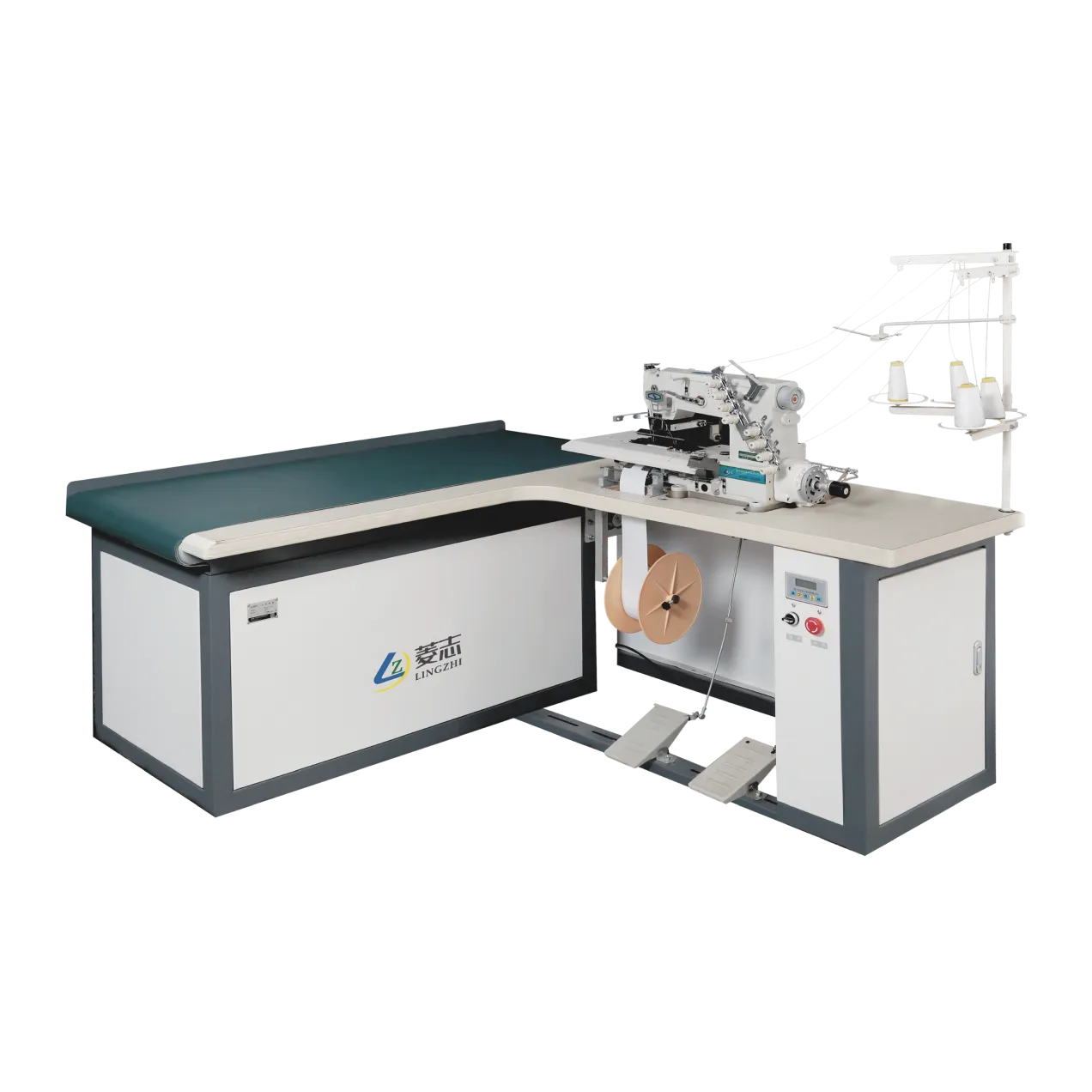
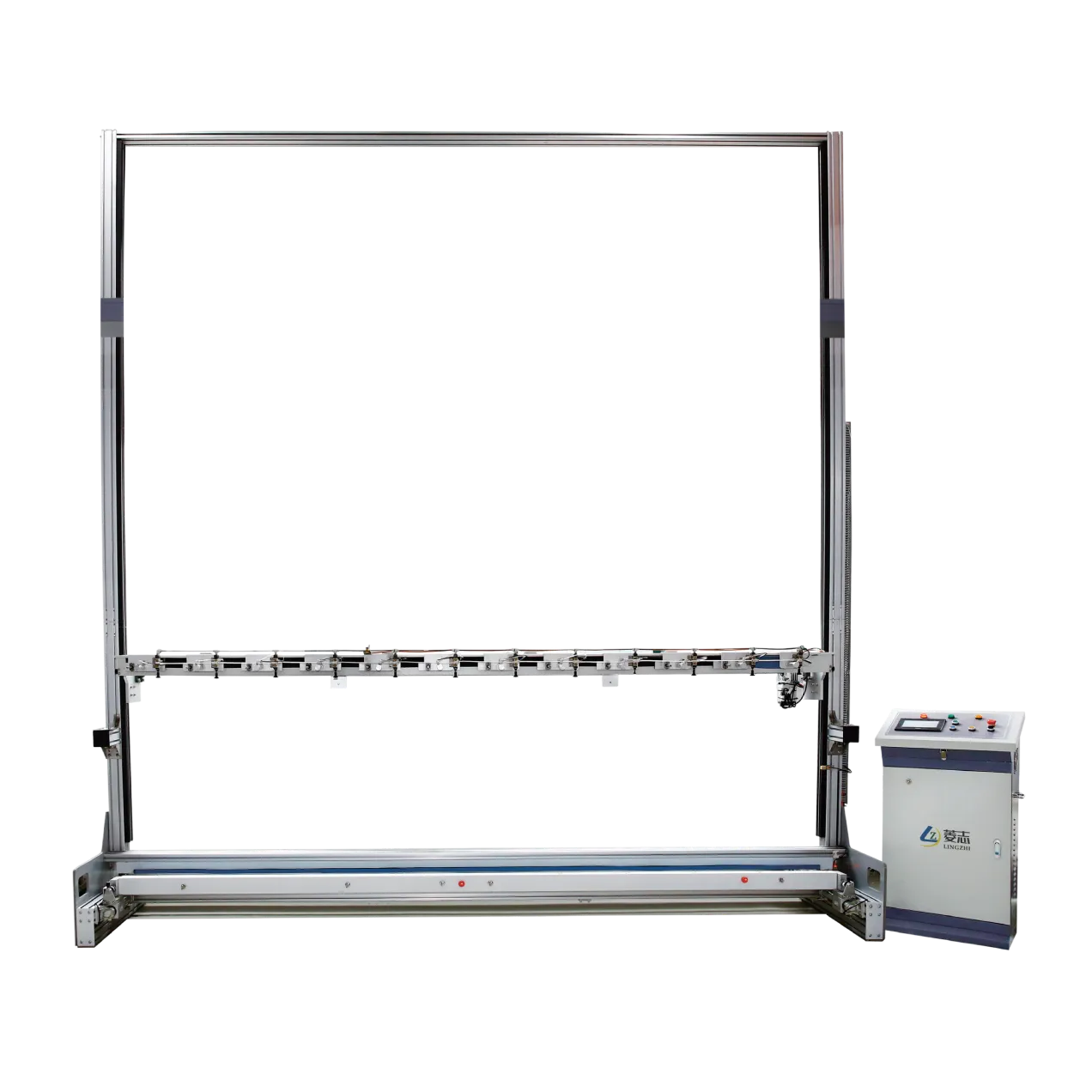
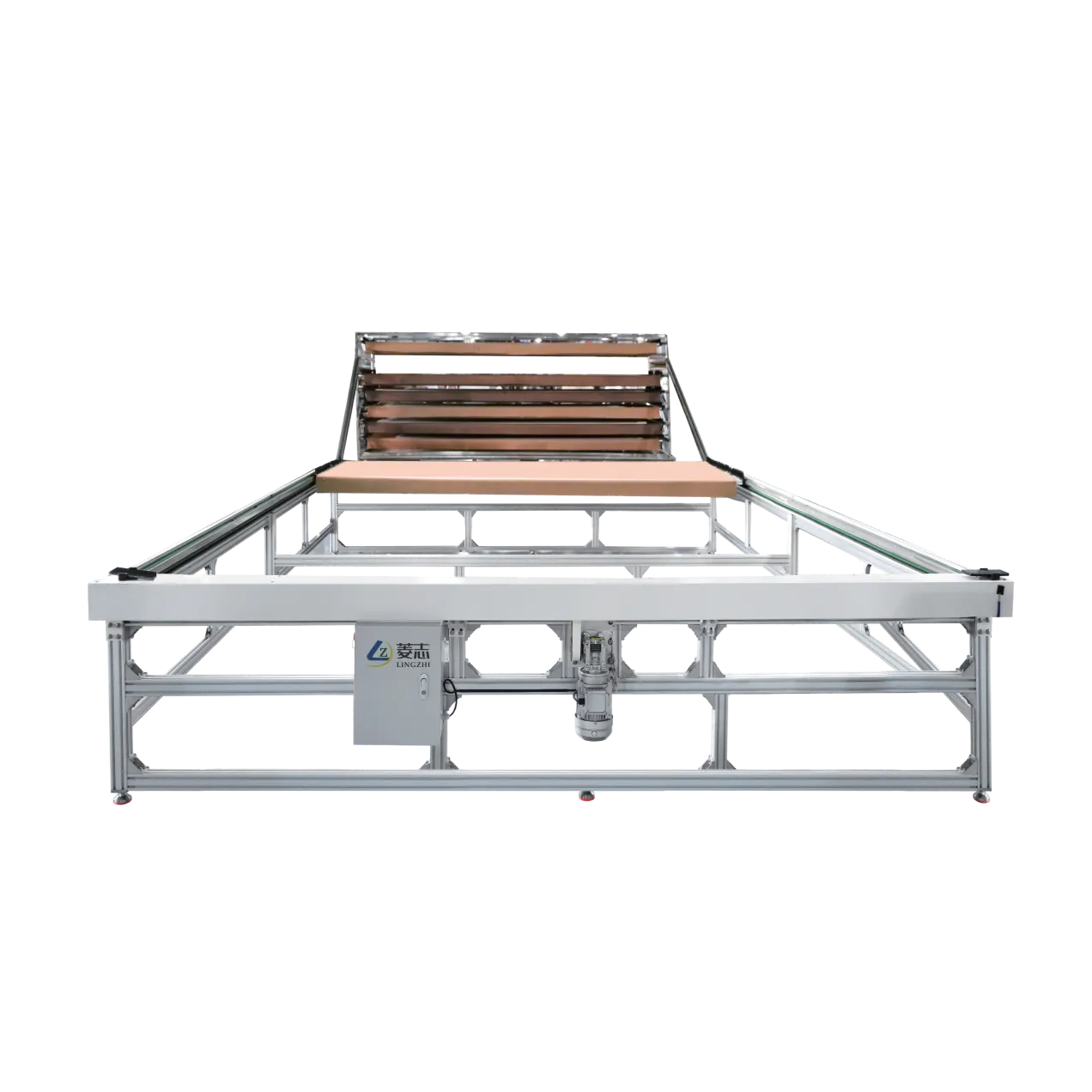
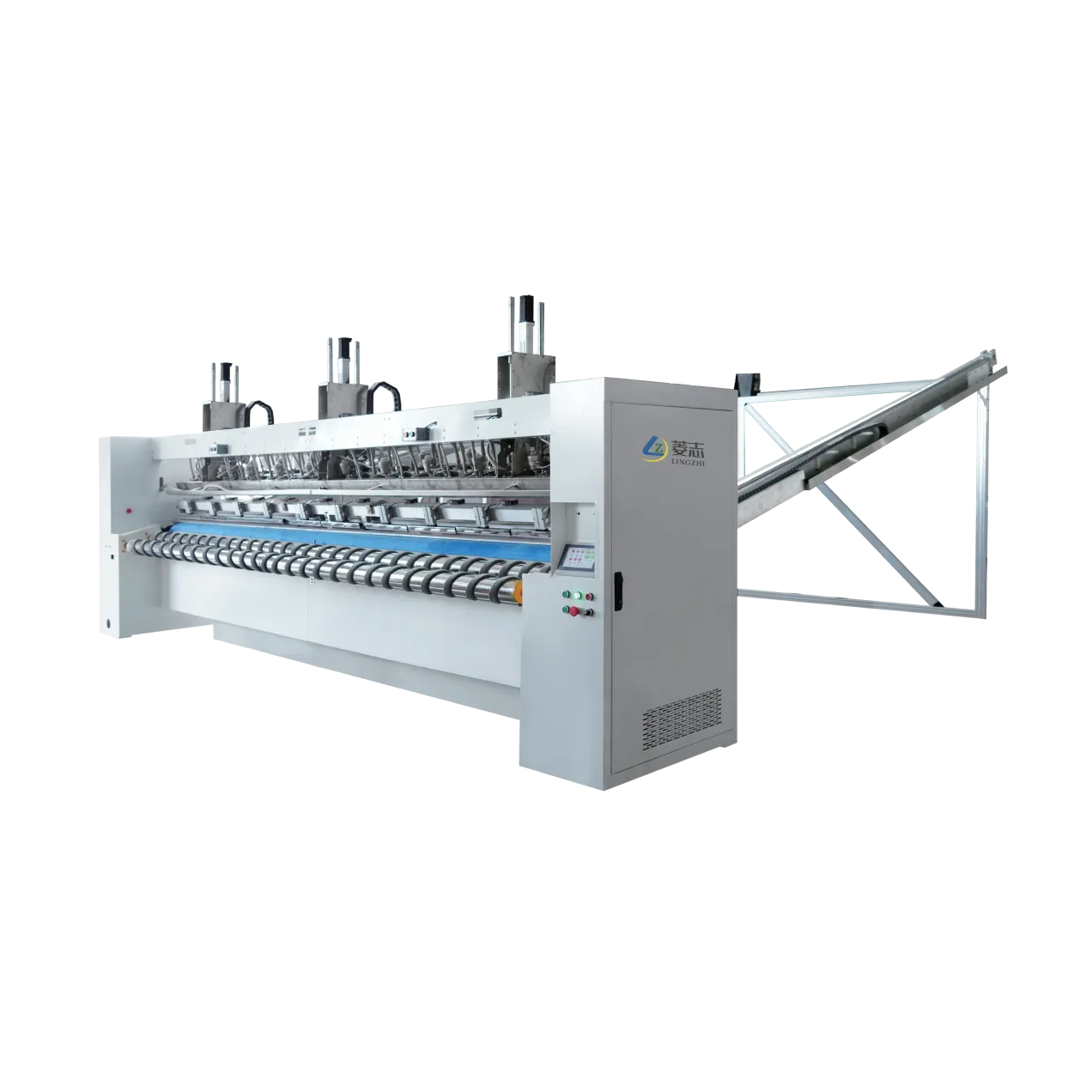
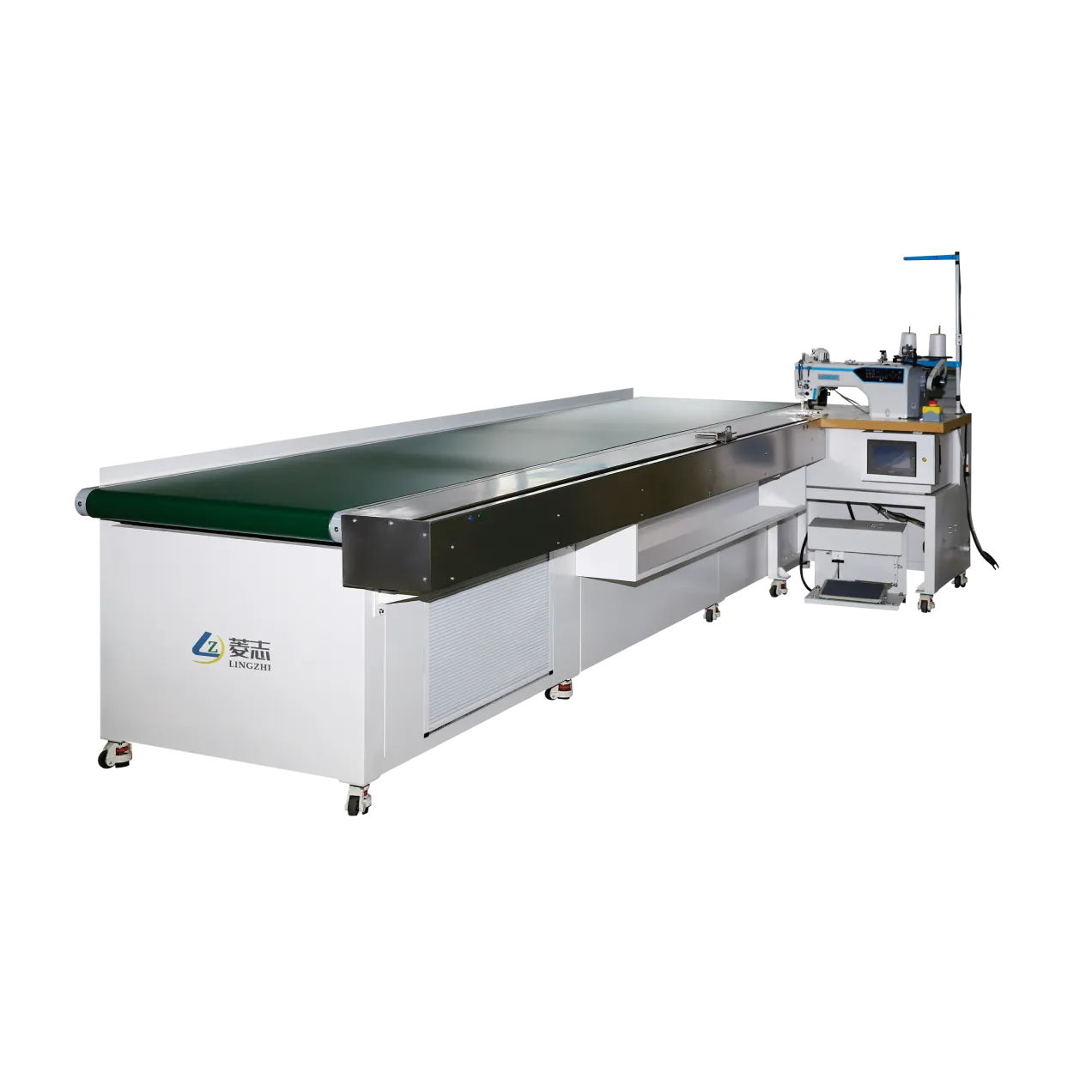
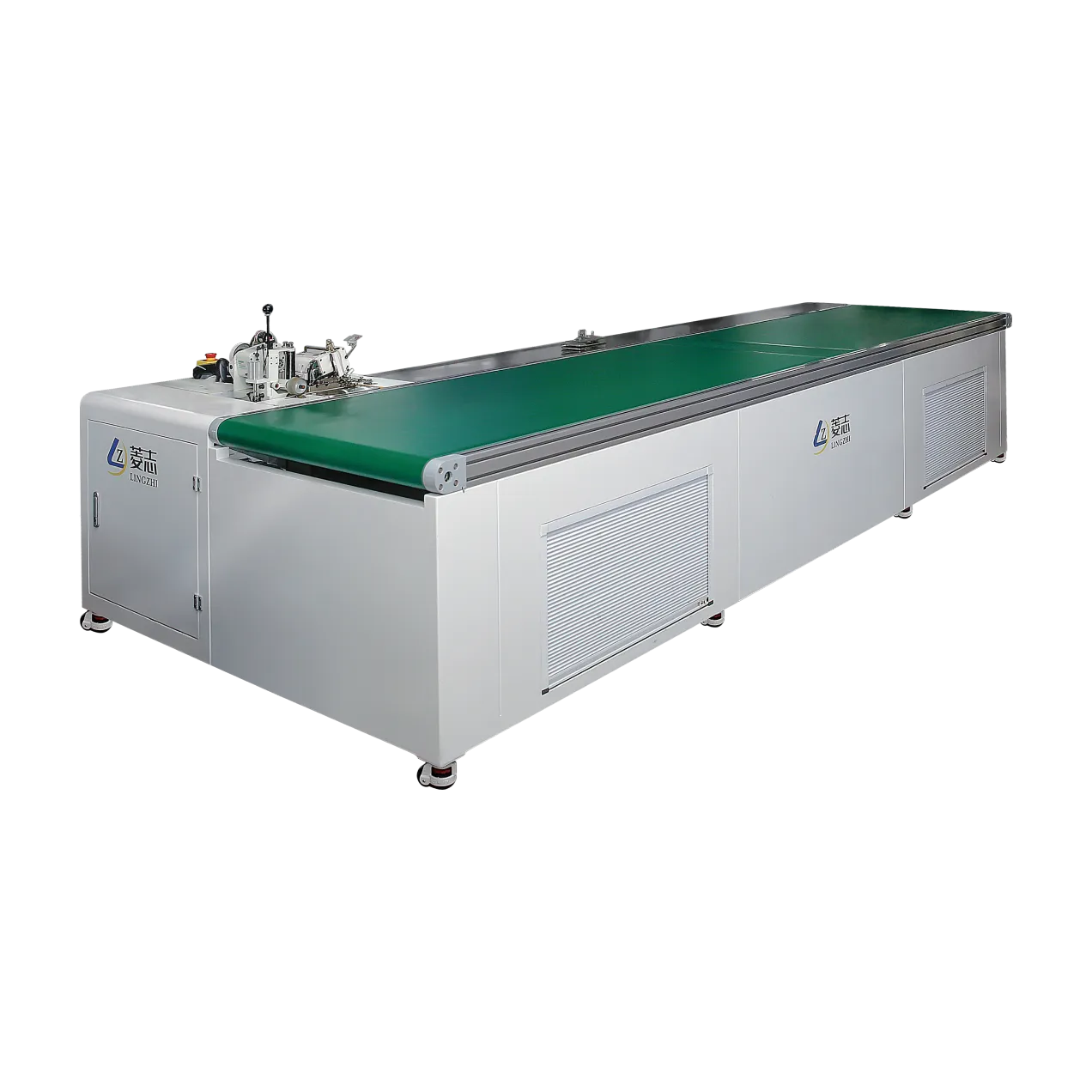
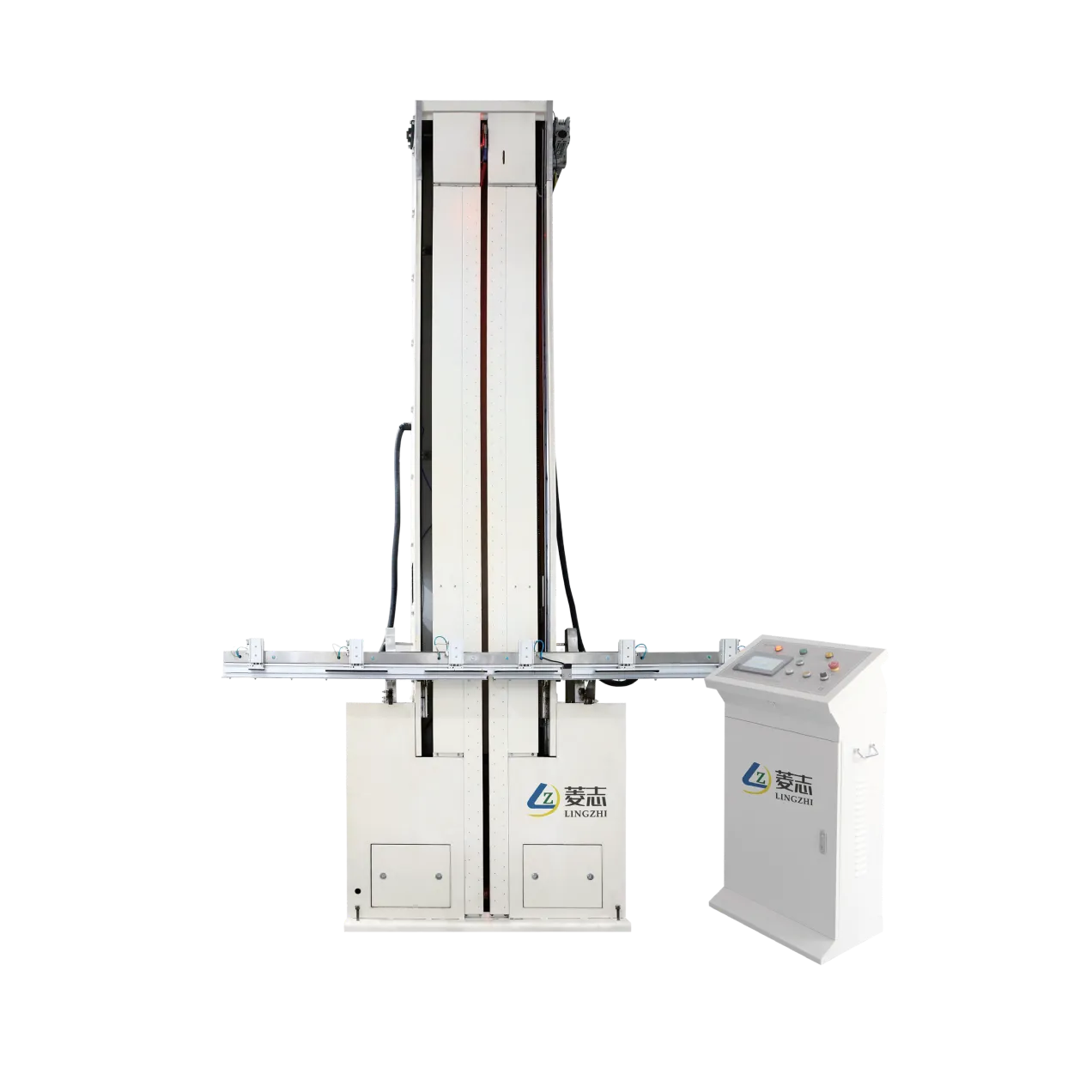
We engineer complete industrial curtain heat setting machines designed for high-volume pleat forming and fabric stabilization. This integrated system combines the LZ-ZLJ-13 Curtain Molding Machine with the heavy-duty LZ-WSDX-15L Horizontal Iron Setting Chamber. Together, they manage the entire pleating workflow—from automated paper mold transport to high-temperature steam setting—ensuring perfectly defined pleats without material distortion.


| Product Name | Model | Voltage | Power | Dimensions (L*W*H) | Weight |
|---|---|---|---|---|---|
| Curtain Molding Machine | LZ-ZLJ-13 | 220V/50HZ | 0.75 kW | 7000 * 3500 * 750 mm | 400 KG |
| Horizontal Iron Setting Machine | LZ-WSDX-15L | 220V/50HZ | 72 kW | 7000 * 2000 * 1500 mm | 6000 KG |

As a vertically integrated manufacturer with 23 years of industry expertise, we deliver precision-engineered automated curtain sewing equipment and commercial-grade fabrics worldwide — ensuring factory-direct quality, stable performance, and comprehensive technical support for your production lines.
learn more about us


The complete solution comprises the LZ-ZLJ-13 curtain molding transport table and the heavy-duty LZ-WSDX-15L horizontal steam setting chamber, providing a seamless workflow from pleat formatting to thermal stabilization.
The transport table mounts the paper molds on rigid stainless steel tubes. This internal structural support prevents the molds from warping or developing sharp corners when subjected to the extreme heat and moisture of the steam chamber.
The Natural Gas Steam configuration is highly recommended for large-scale operations. It provides rapid, high-volume steam generation with significantly lower ongoing operational costs compared to pure electrical heating.
Yes. The equipment can be configured for "Industrial Steam Integration." This setup utilizes internal radiator pipes to connect directly to your facility's existing steam infrastructure, maximizing thermal efficiency.
The LZ-ZLJ-13 transport table measures 7000*3500*750mm (0.75kW). The LZ-WSDX-15L horizontal chamber measures 7000*2000*1500mm and requires a heavy-duty 72kW power supply for maximum capacity operation.
In the industrial manufacturing of curtains and drapes, achieving permanent, uniform pleats requires precise manipulation of fabric memory. A professional curtain heat setting machine must apply exact ratios of thermal energy and moisture while maintaining strict physical constraints on the material. Integrating automated mold handling with a high-capacity steam chamber standardizes this critical finishing phase, ensuring product consistency while optimizing operational overhead.
Curtain fabrics, particularly polyester blends and heavy synthetics, require thermal intervention to permanently alter their molecular structure. The heat setting process involves subjecting the pleated fabric to high-pressure steam. The moisture relaxes the polymer chains within the textile fibers, while the elevated temperature allows them to realign. Upon cooling and drying, these chains lock into their new geometric configuration—the pleat. If the steam penetration is uneven, or the temperature fluctuates during the cycle, the fabric memory will fail, resulting in pleats that wash out or lose their crispness over time.
A persistent vulnerability in traditional heat setting is the degradation of the paper molds used to hold the fabric in shape. Under standard operations, the extreme humidity and heat inside the chamber cause paper molds to warp, leading to rounded corners turning into sharp angles that distort the final curtain drape. Our automated molding transport addresses this by encasing the paper molds over rigid stainless steel tubes. This physical reinforcement resists thermal expansion and moisture absorption, preserving the exact geometry of the pleat. Consequently, this innovation extends the consumable lifespan of the paper molds by up to two additional years, substantially reducing continuous material expenditures.
Selecting the appropriate thermal source is the most critical decision when procuring a horizontal setting chamber. The equipment must align with the factory's existing energy infrastructure to ensure operational profitability.
| Heating Configuration | Primary Advantage | Best Suited For |
|---|---|---|
| Natural Gas Steam | Lowest operational cost, rapid heat transfer | Facilities with established industrial gas lines |
| External Electric Generator | High thermal efficiency via steam recirculation | Small to medium plants without gas access |
| Industrial Steam Integration | Leverages existing boiler infrastructure | Large factories with centralized steam plants |
| Internal Electric Water Mist | Lower initial capital expenditure | Entry-level industrial setups |
By assessing local utility rates and existing boiler capacities, procurement managers can select a heating configuration that minimizes the energy cost per batch, ensuring a rapid return on capital investment.