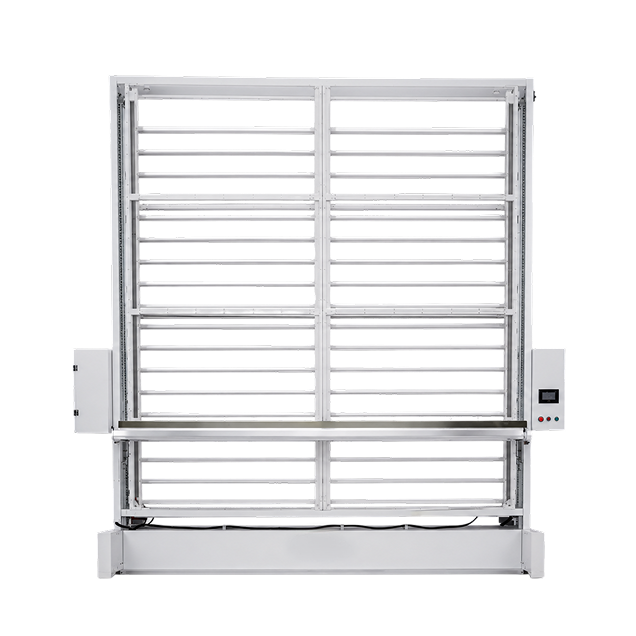
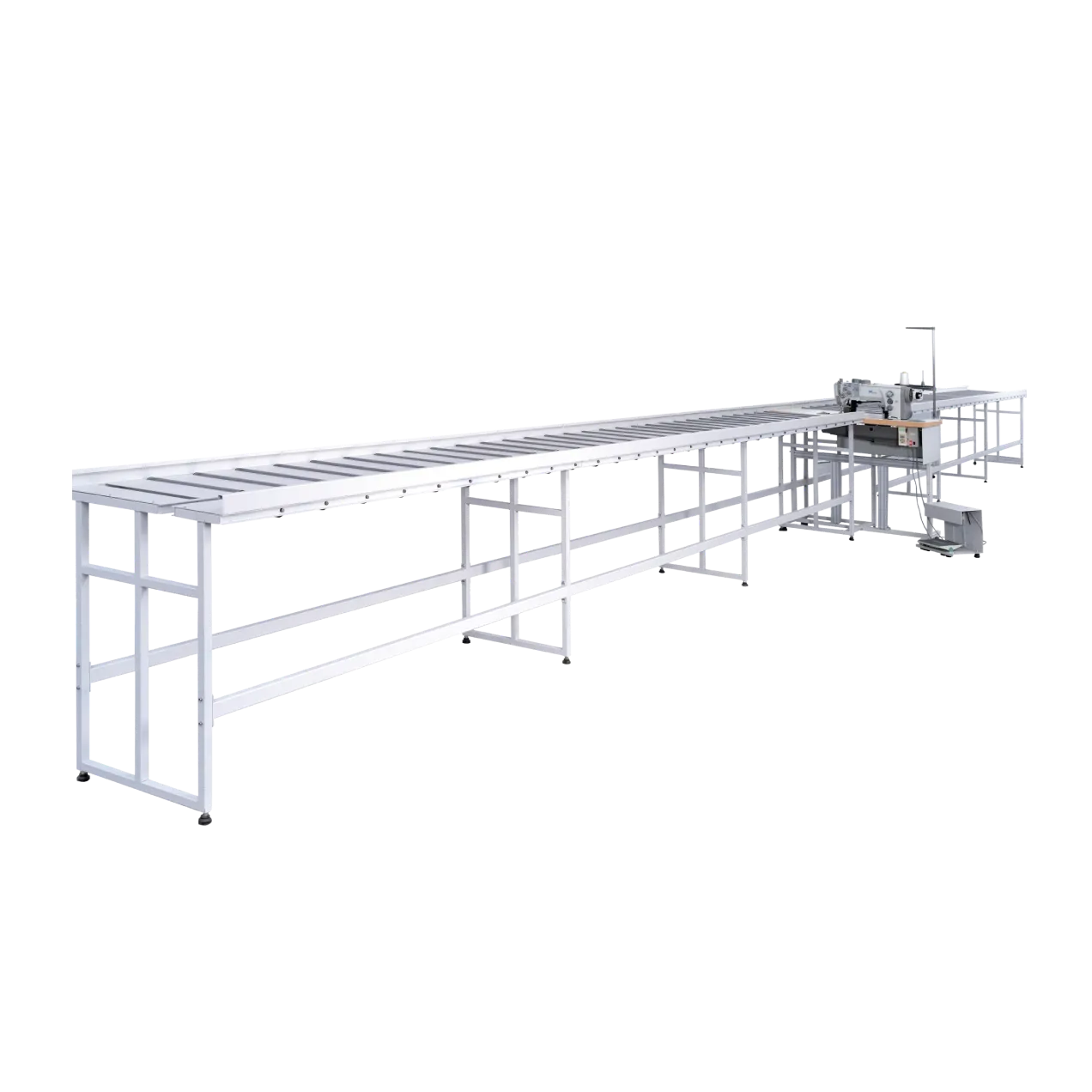
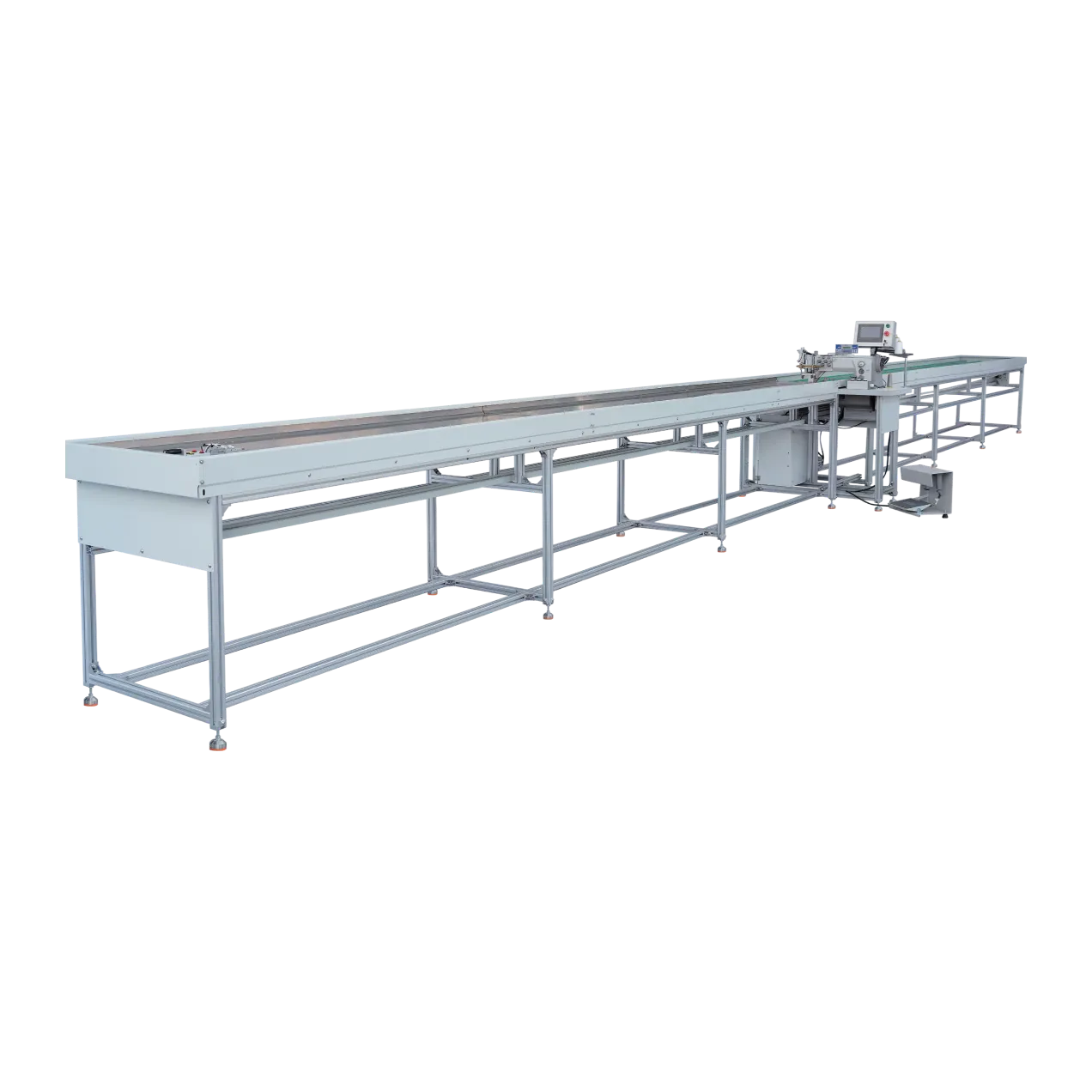
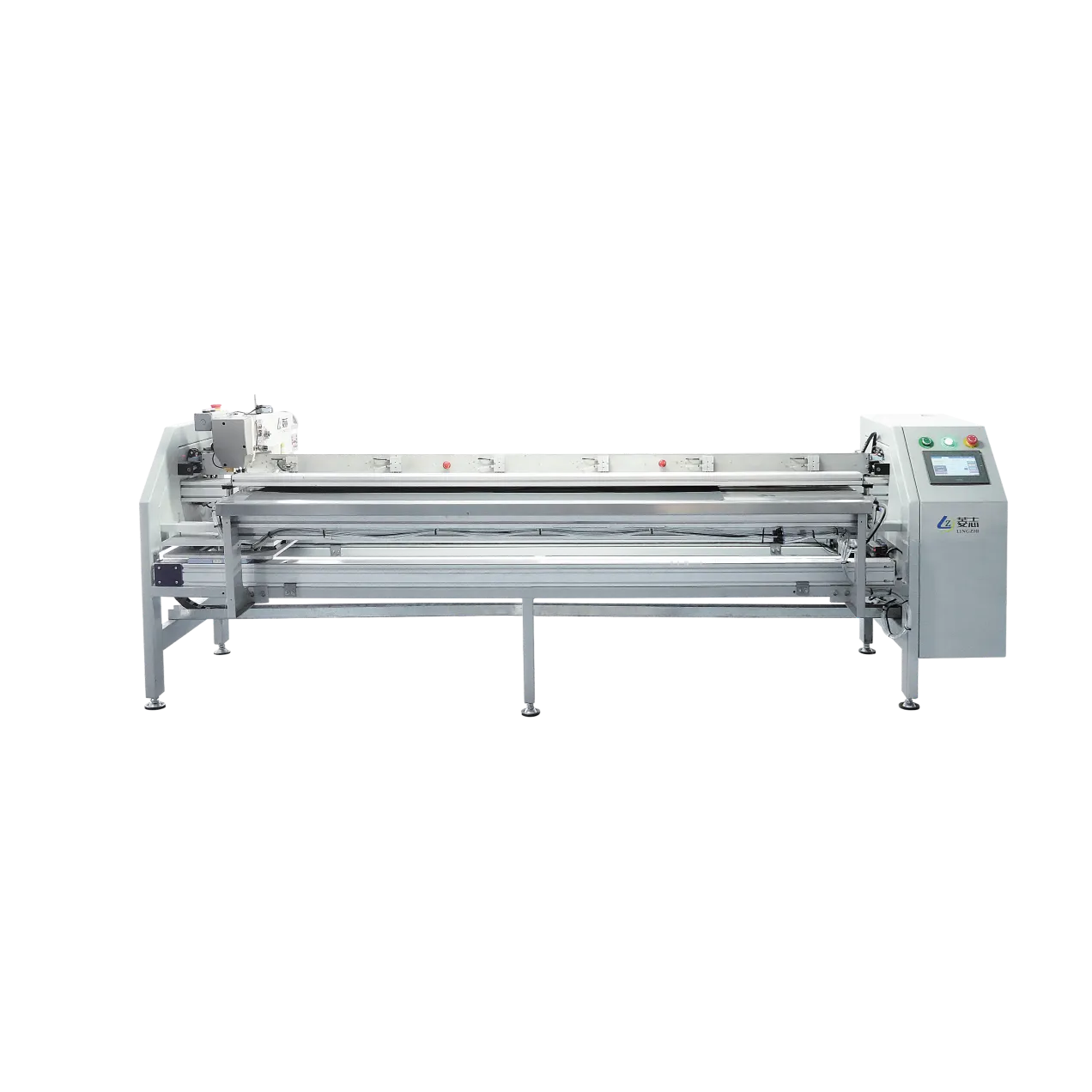
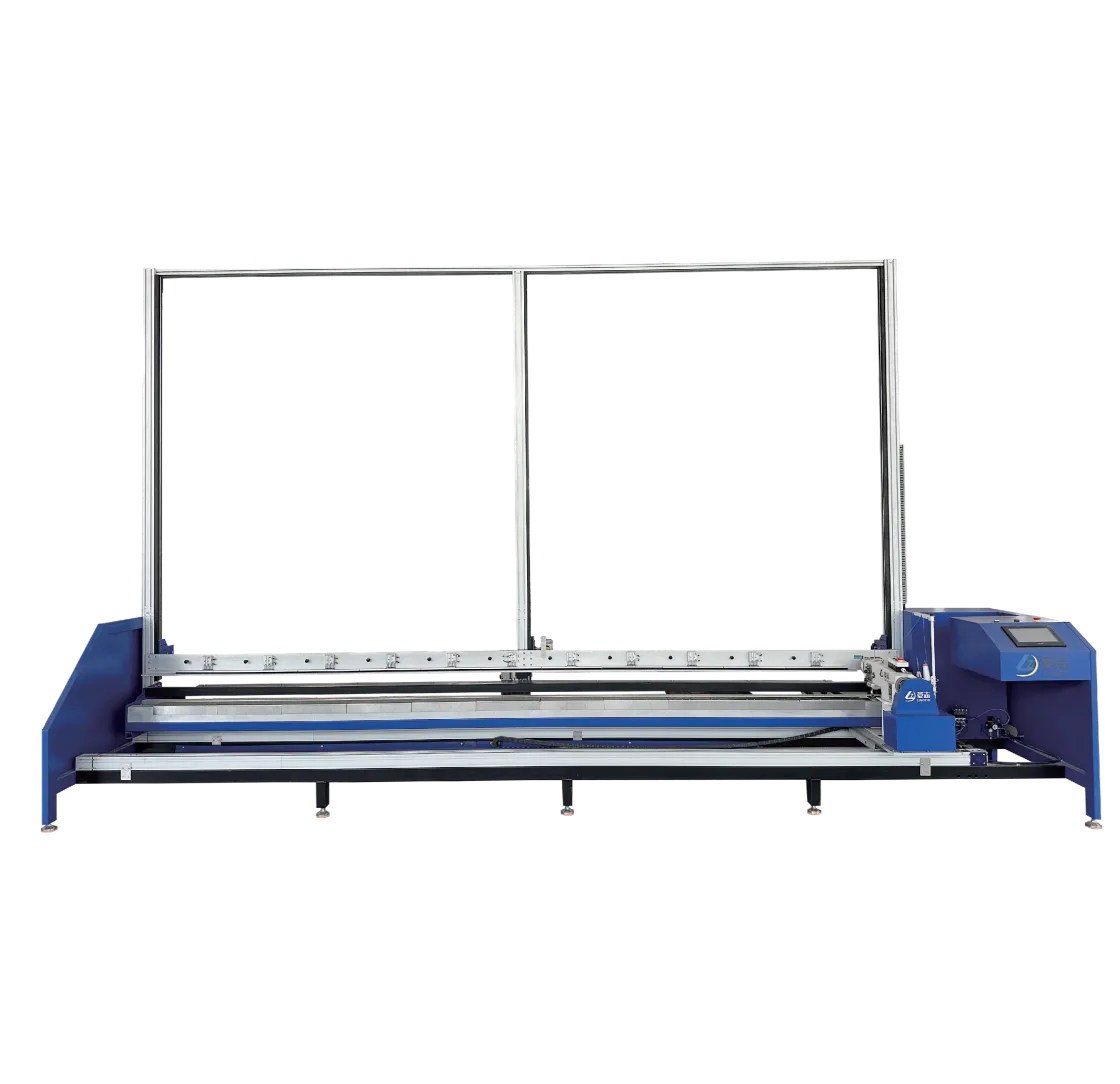
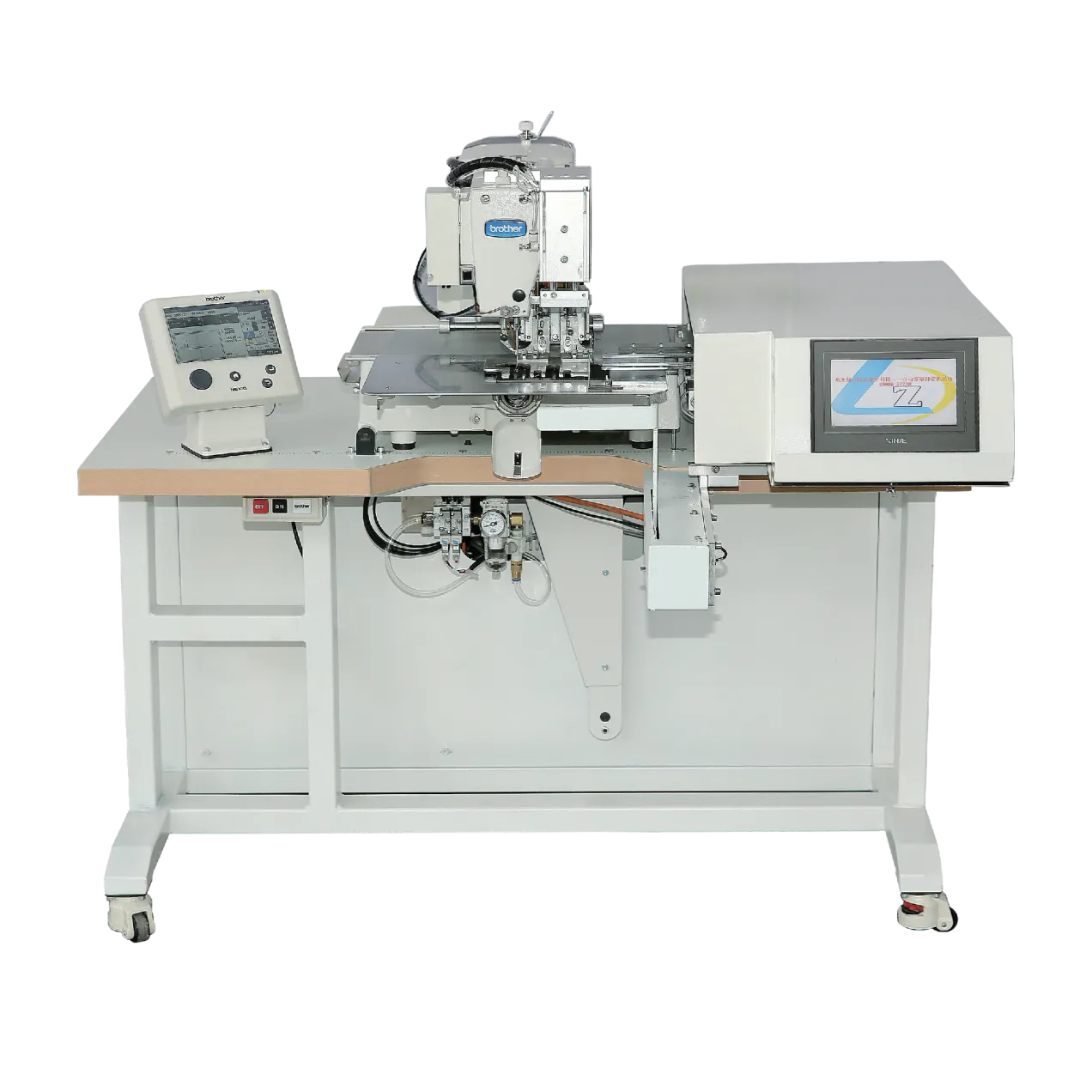
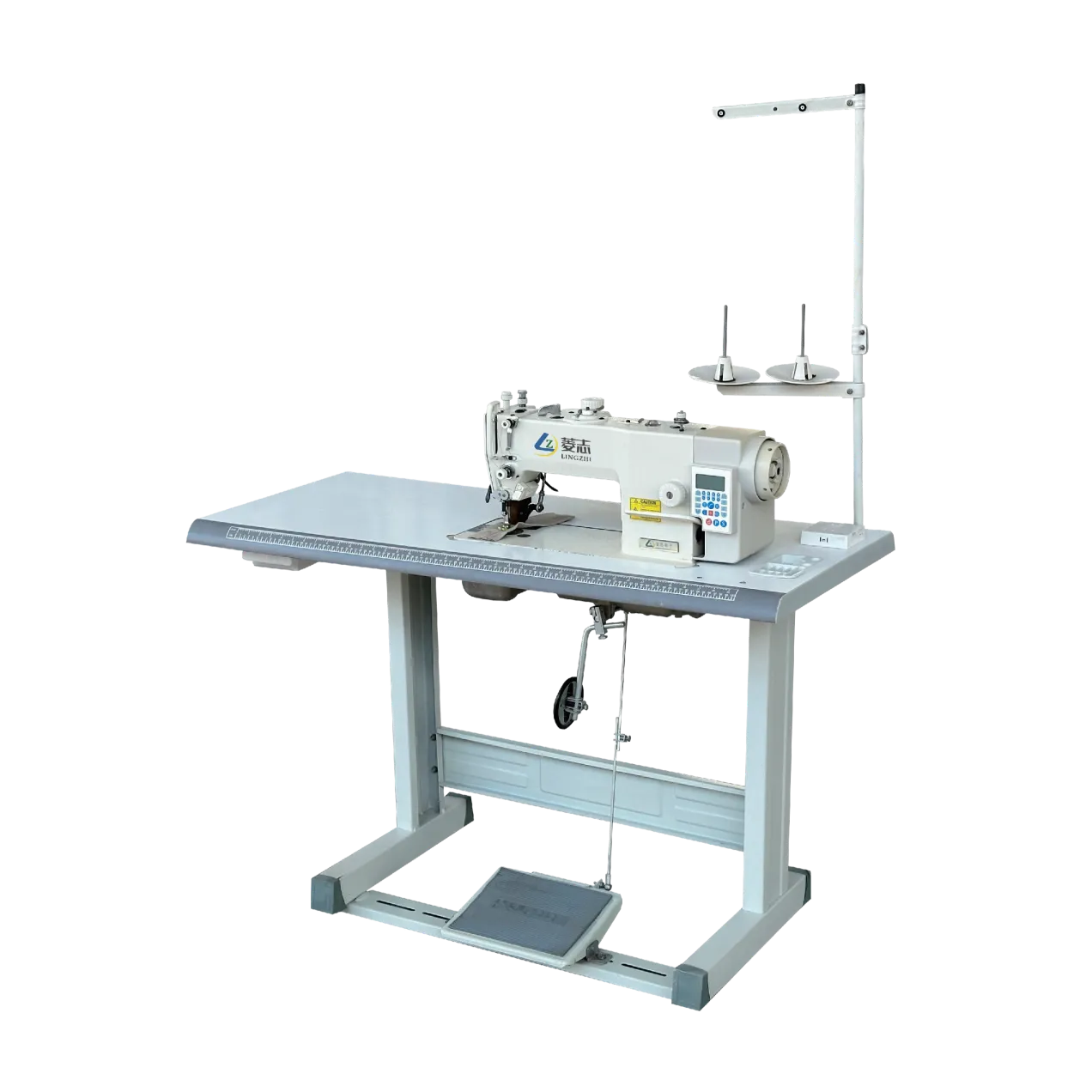
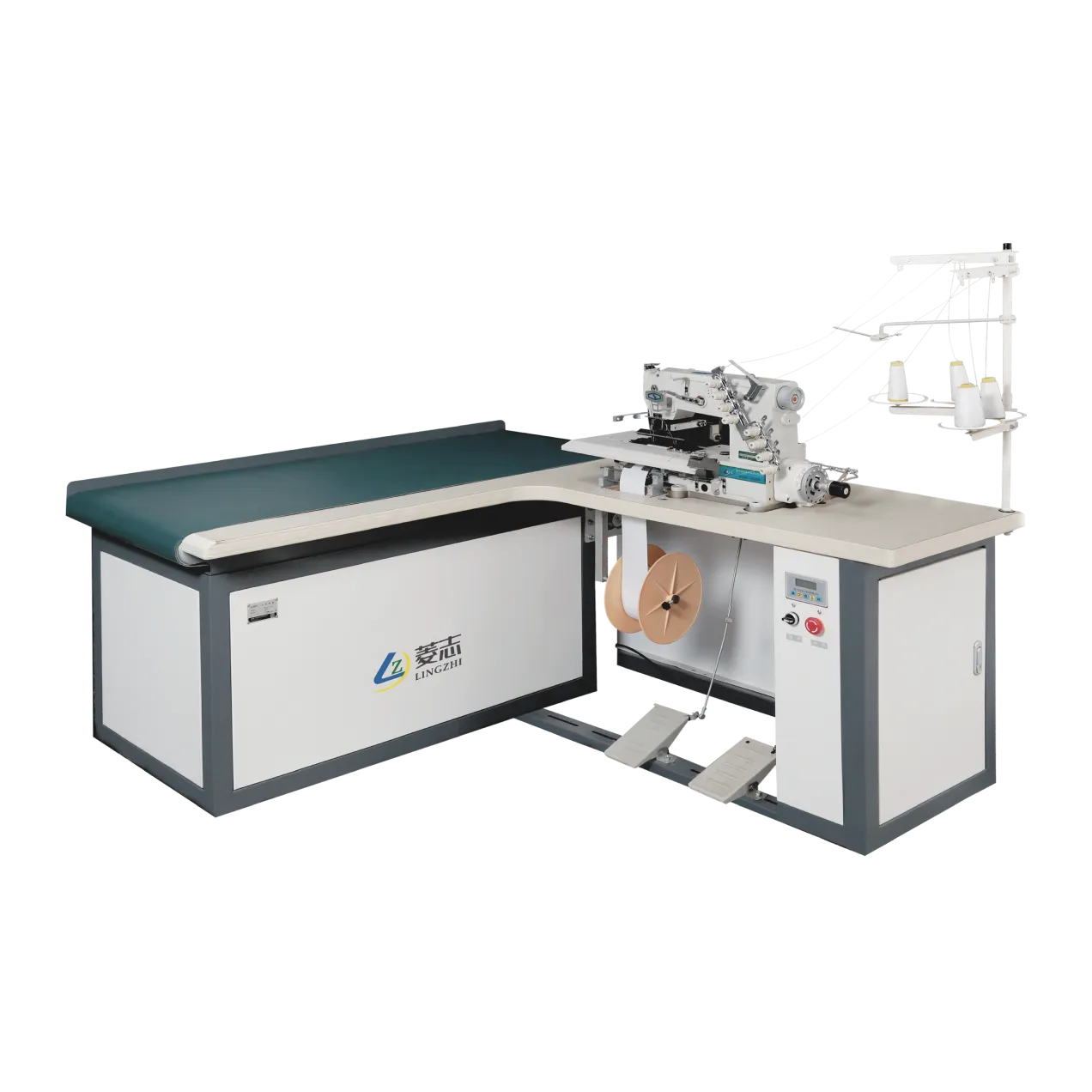
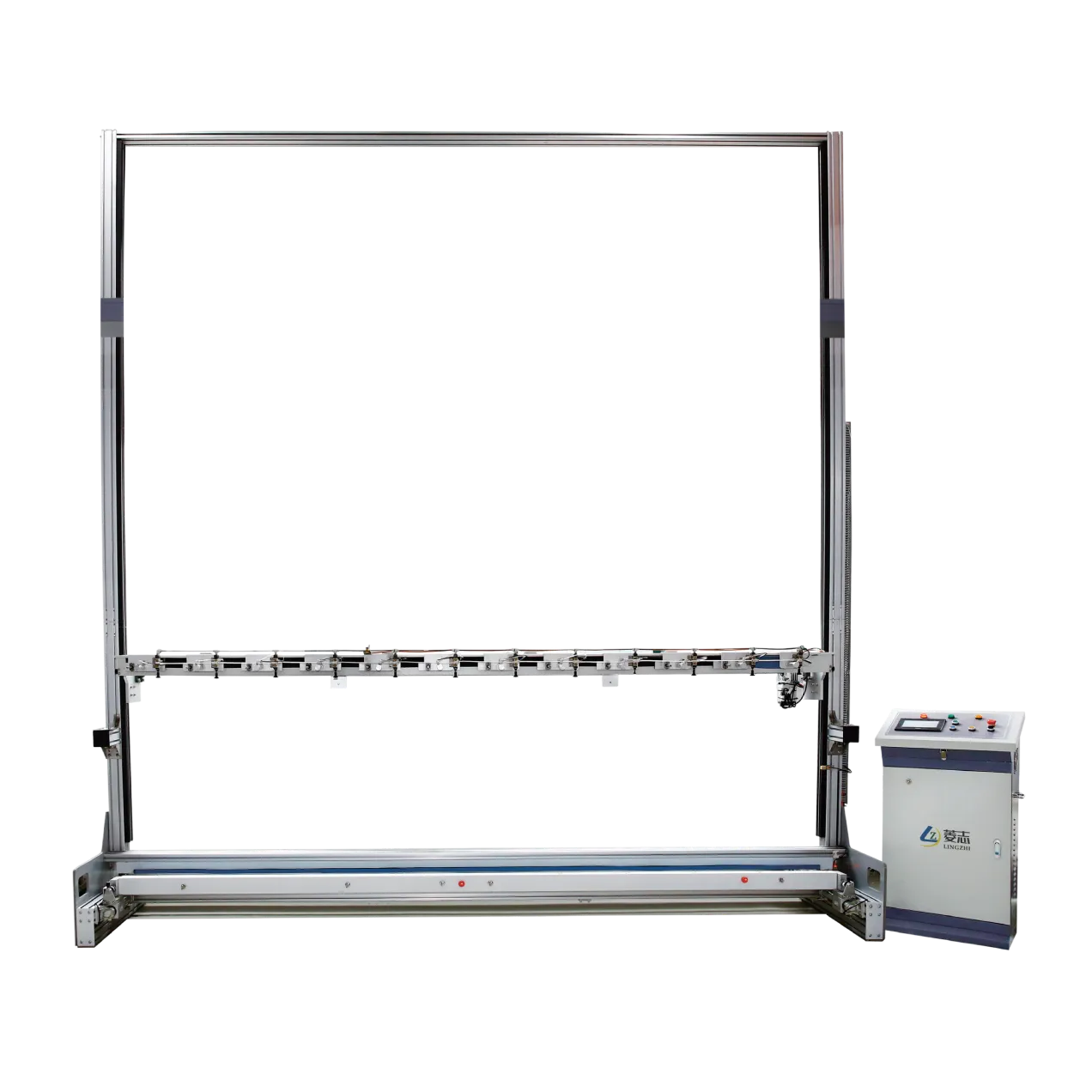
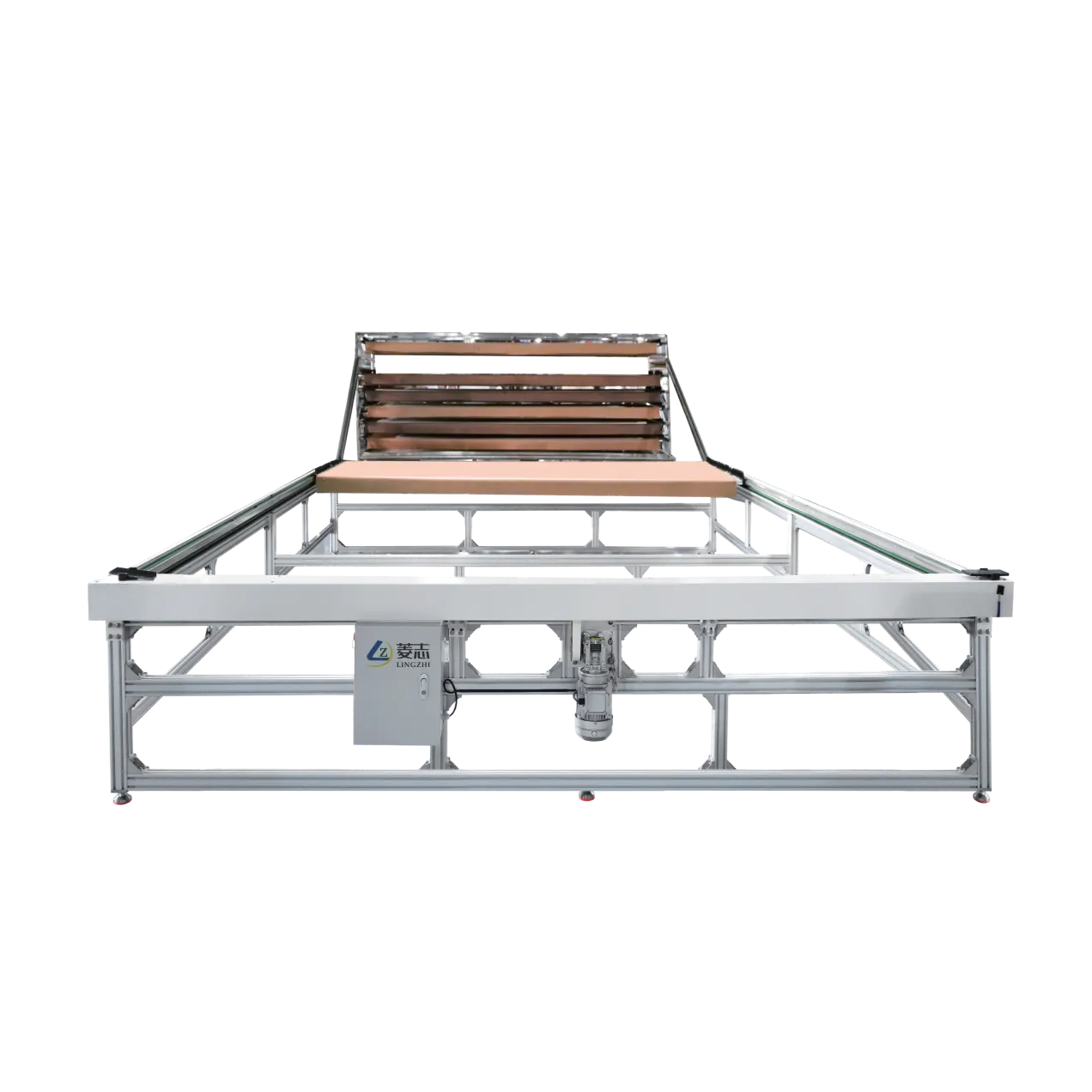
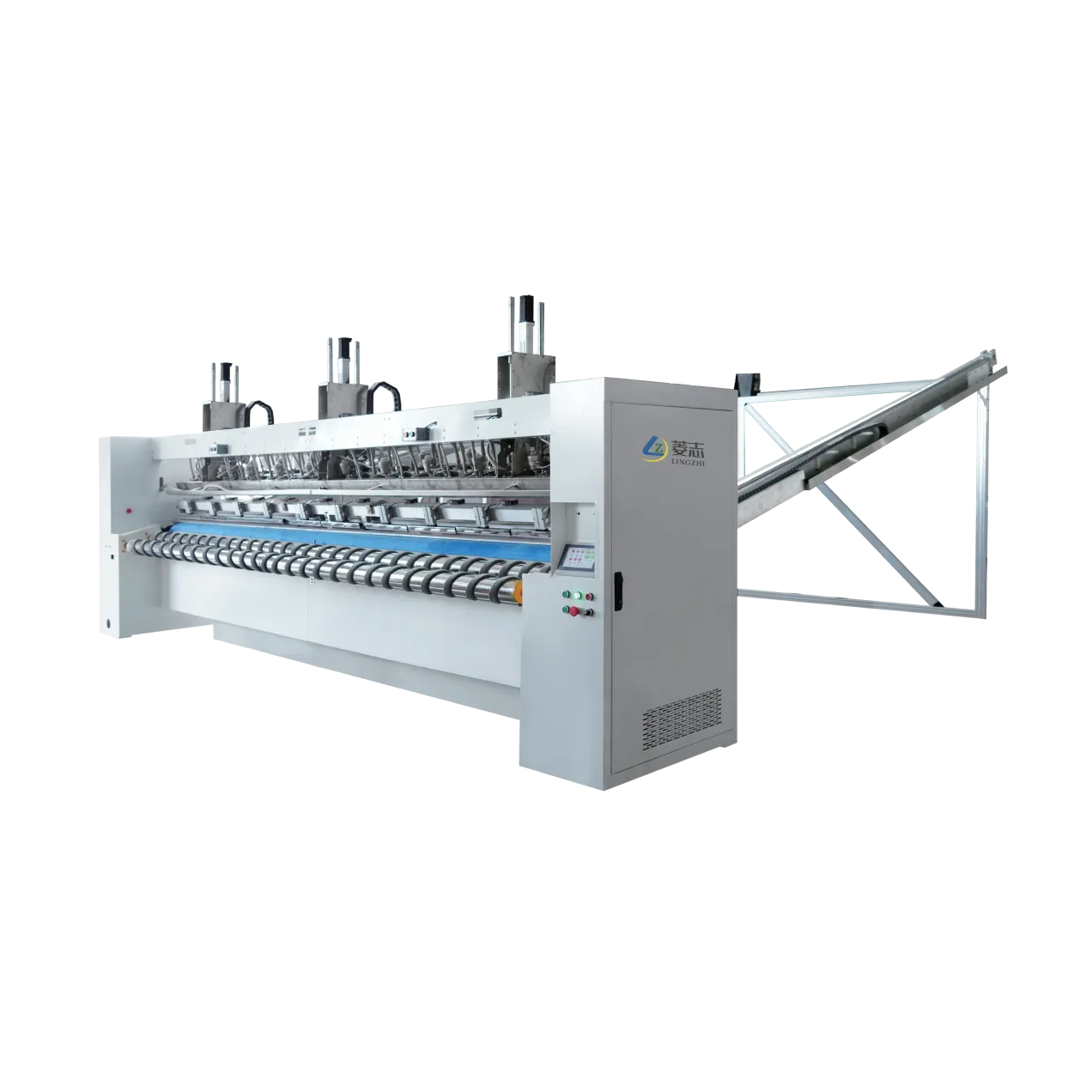
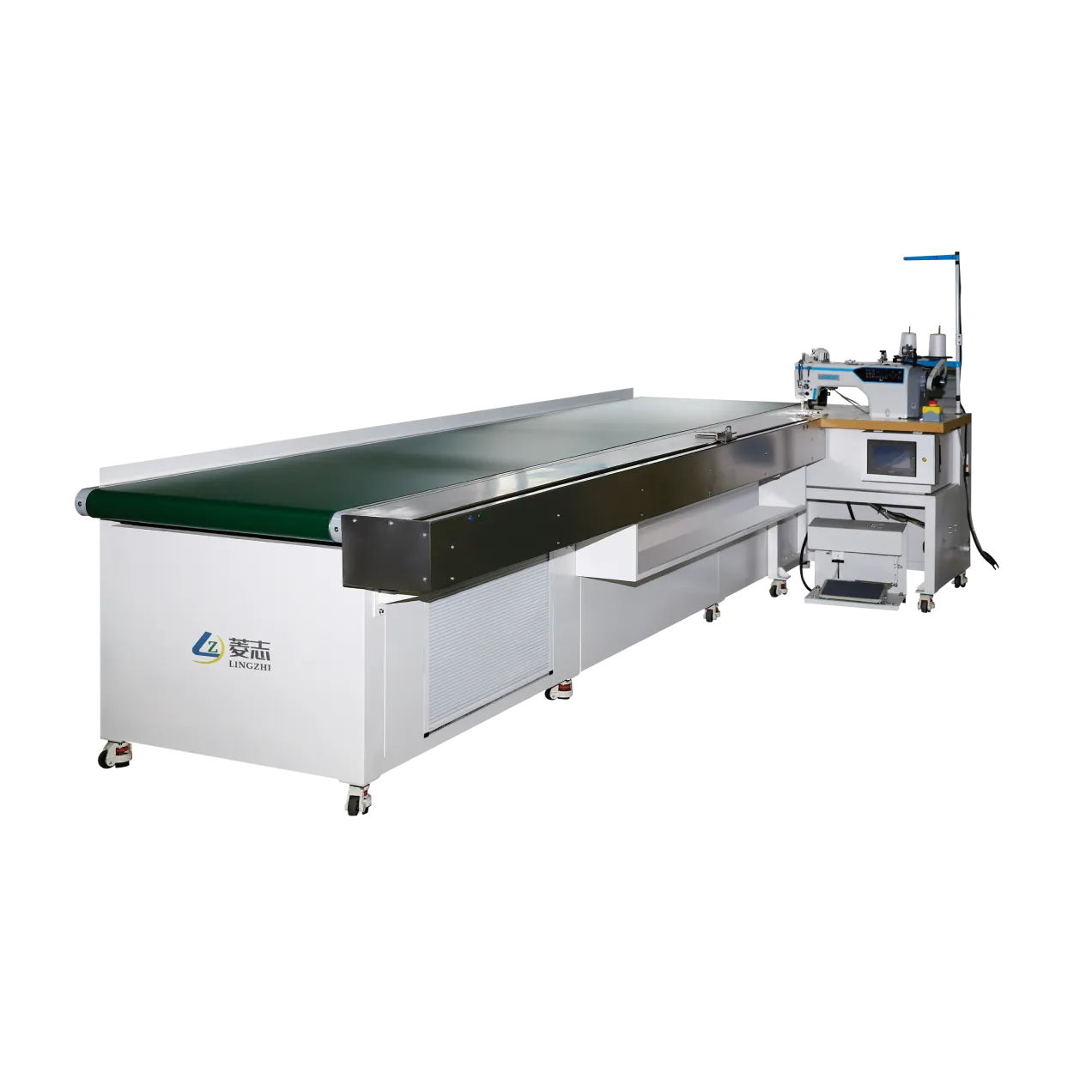
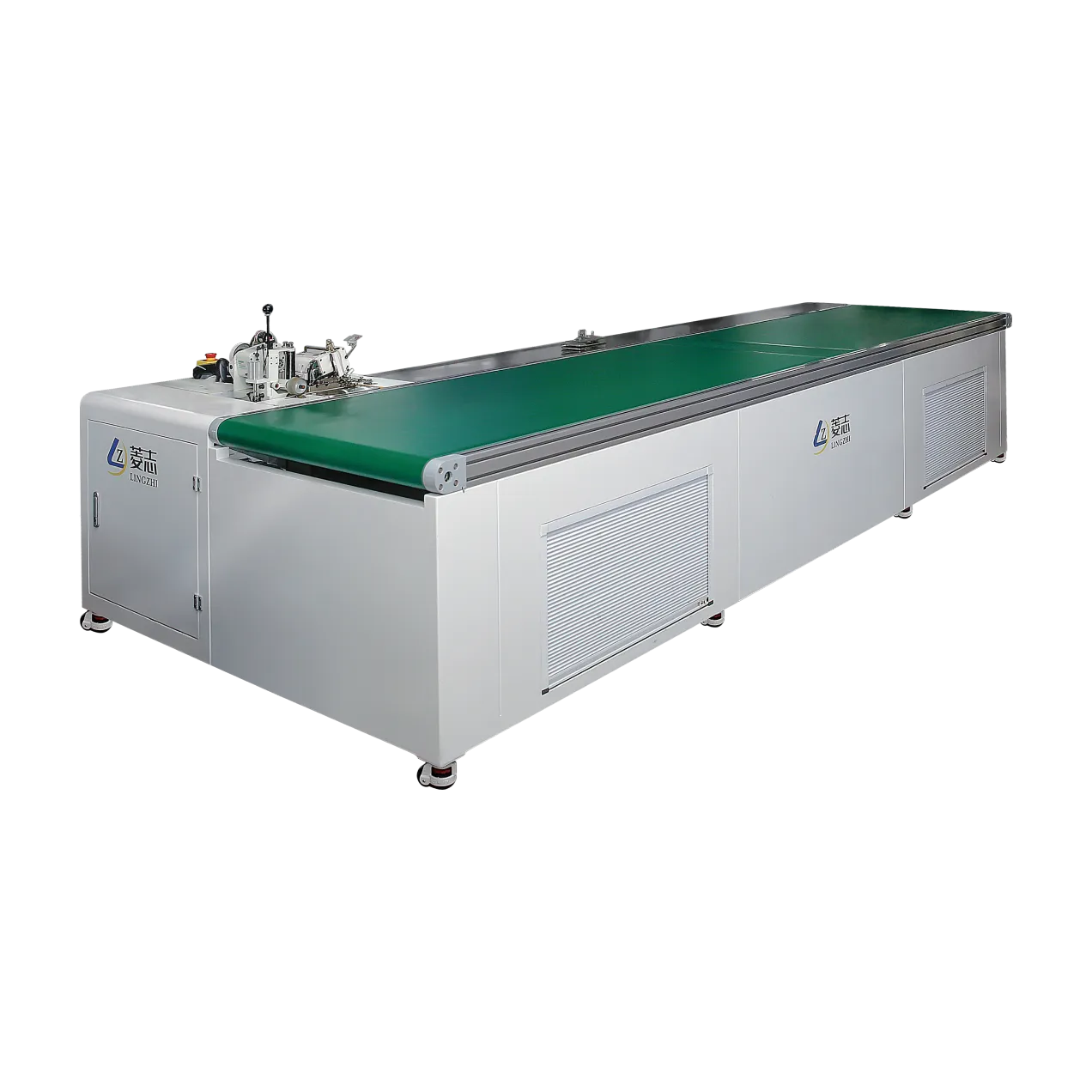
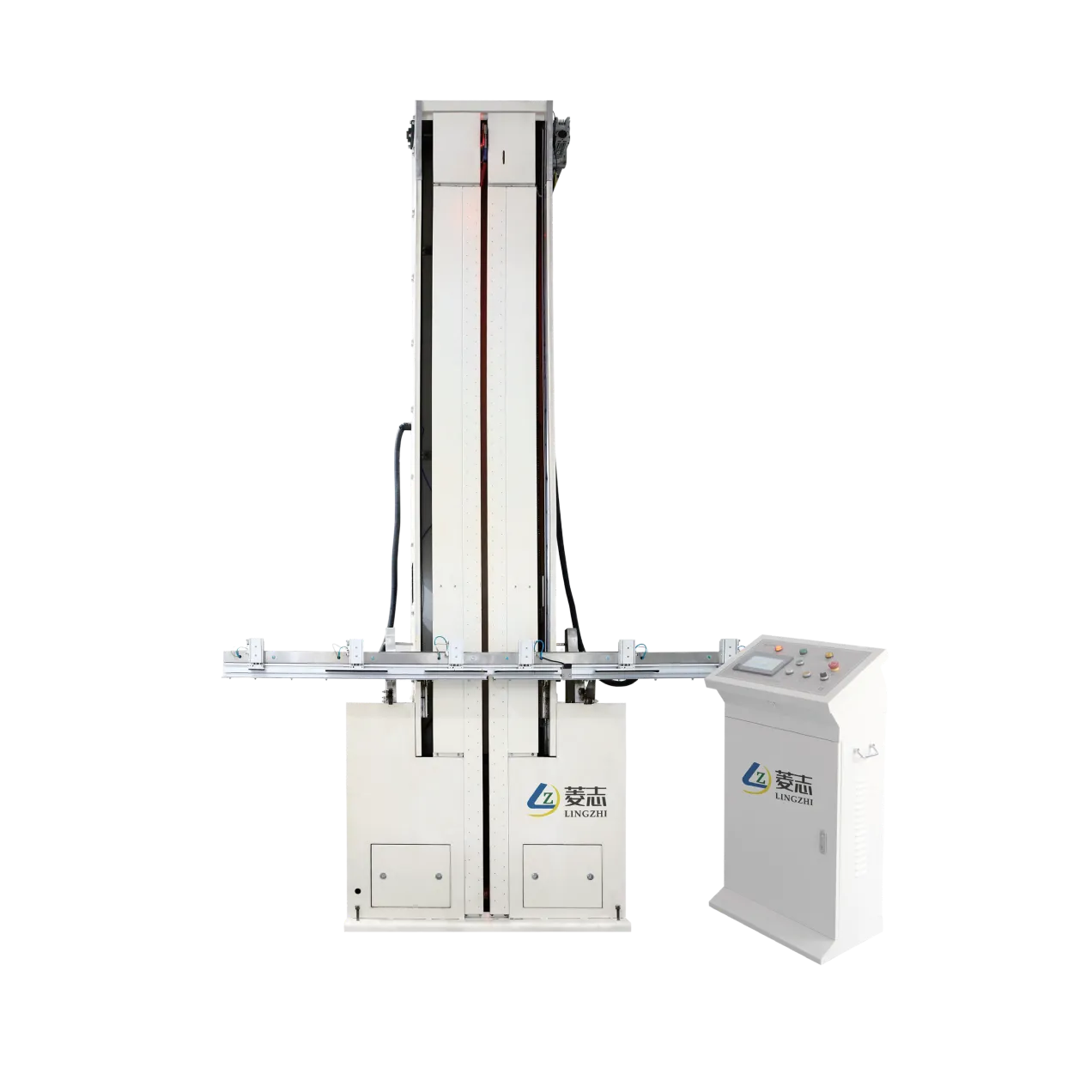
The LZ-LML-06 Roman shade making machine is engineered to resolve the operational bottlenecks inherent in traditional shade fabrication. By replacing manual floor measurement and single-piece sewing, this equipment automates the alignment and stitching phases. This architecture allows operators to process multiple fabric panels simultaneously while ensuring mathematically precise seam placement across the entire textile.

| Product Name | Model | Voltage | Power | Dimensions (L*W*H) | Weight |
|---|---|---|---|---|---|
| Machine for Making Roman Shades | LZ-LML-06 | 220V/50HZ | 2.25 kW | Customizable | N/A |

As a vertically integrated manufacturer with 23 years of industry expertise, we deliver precision-engineered automated curtain sewing equipment and commercial-grade fabrics worldwide — ensuring factory-direct quality, stable performance, and comprehensive technical support for your production lines.
learn more about us


The machine automates the measuring and sewing process. It eliminates the intense physical labor of floor layout while enabling the simultaneous stitching of multiple fabric panels, directly boosting production throughput.
By utilizing automated sewing guides, the equipment prevents the crooked stitch lines and seam deviations that frequently occur during manual sewing, ensuring the finished shade hangs with a perfectly straight, professional finish.
No. The equipment utilizes a specialized frame design that condenses the required operational footprint to just 20% of the space previously needed for traditional manual measurement and assembly methods.
Yes. The automated mechanisms handle the complex sewing and alignment sequences. This allows standard manufacturing workers to operate the machine safely and efficiently following basic operational training, removing the reliance on skilled sewing technicians.
The LZ-LML-06 requires a standard 220V/50HZ power supply and features a 2.25kW power rating. The overall physical dimensions of the machine are customizable based on the specific width requirements of your manufacturing facility.
The fabrication of Roman shades and blinds has historically relied on extensive manual labor, characterized by floor-level measuring, chalking, and single-piece sewing. This traditional methodology presents severe limitations in both production throughput and product consistency. Adopting a Roman shade making machine resolves these critical bottlenecks by mechanizing the alignment and stitching phases, directly translating into standardized quality and optimized labor economics for high-volume producers.
Traditional Roman shade assembly demands significant physical exertion, with workers spending hours kneeling on the factory floor to measure and mark precise seam intervals across large fabric panels. This physical fatigue inevitably leads to human error, resulting in crooked stitching or dimensional deviations between folds. An automated machine entirely removes these physical variables. By securing the fabric within a structured, ergonomic frame, the equipment executes perfectly parallel stitch lines without relying on the operator's manual dexterity. This mechanical intervention ensures the finished shade hangs with exact geometric symmetry, regardless of the operator's fatigue level during a long production shift.
Floor space is a premium asset in any textile manufacturing facility. Manual layout requires massive tables or dedicated open floor zones to accommodate the full length of the shade during measurement. Automated Roman blind sewing machines shift this process onto a specialized, highly condensed structural frame. This architecture recovers up to 80% of the operational footprint previously lost to manual layout. Facility managers can utilize this recovered space to deploy additional production lines or staging areas, maximizing the revenue potential of the existing factory dimensions.
The most direct metric of manufacturing efficiency is throughput. While standard flatbed sewing machines restrict output to a single operator working on a single fabric panel, advanced Roman shade equipment is engineered with multi-feed capabilities to process multiple fabric sections concurrently. This simultaneous sewing capability drastically reduces the processing time per individual unit. Automating the sequence enables facilities to scale their daily output predictably, fulfilling the strict volume deadlines of large commercial hospitality or residential B2B orders without expanding their workforce.