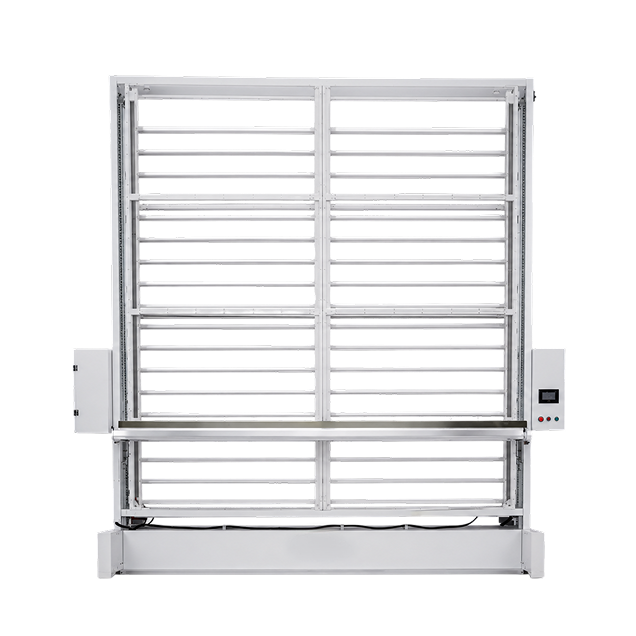
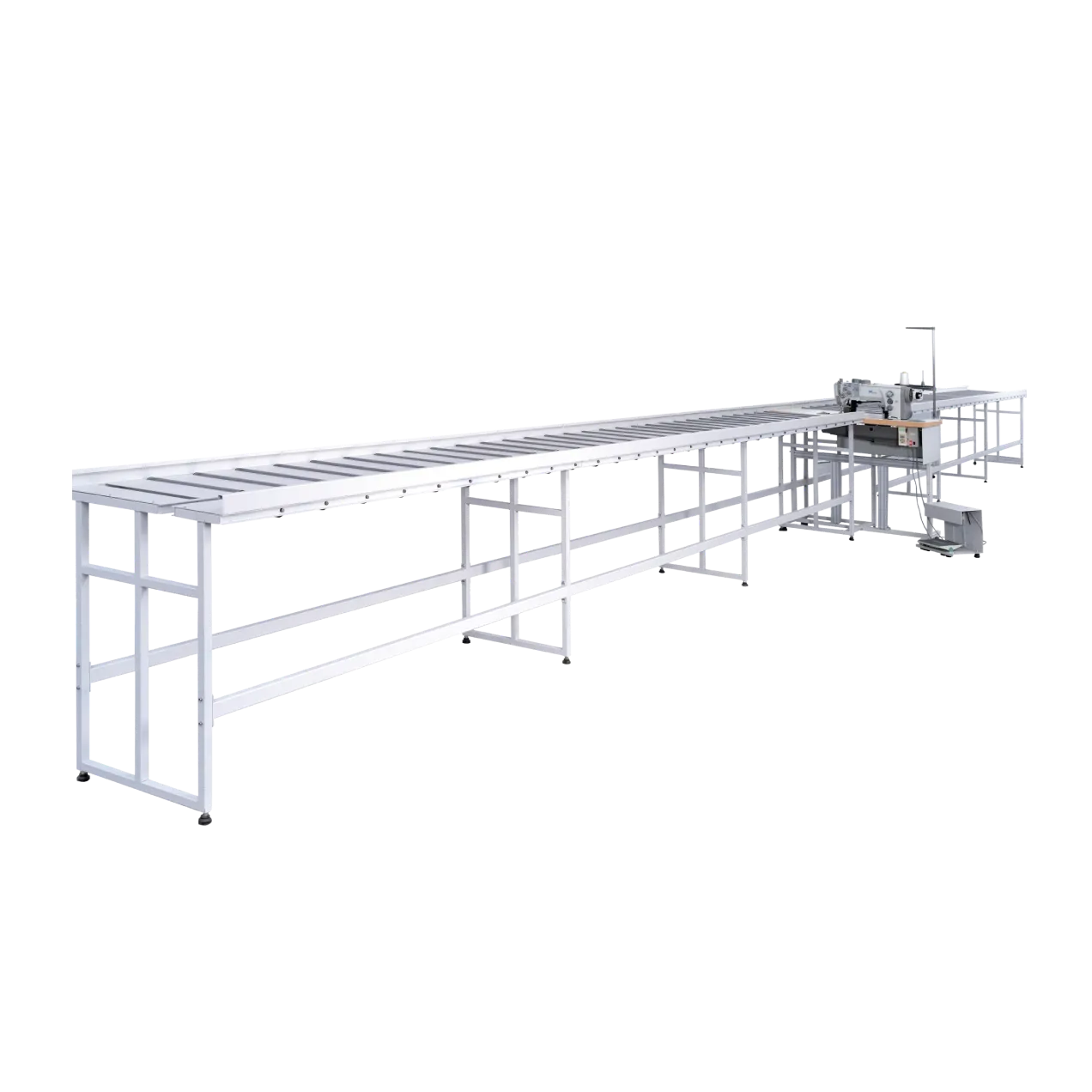
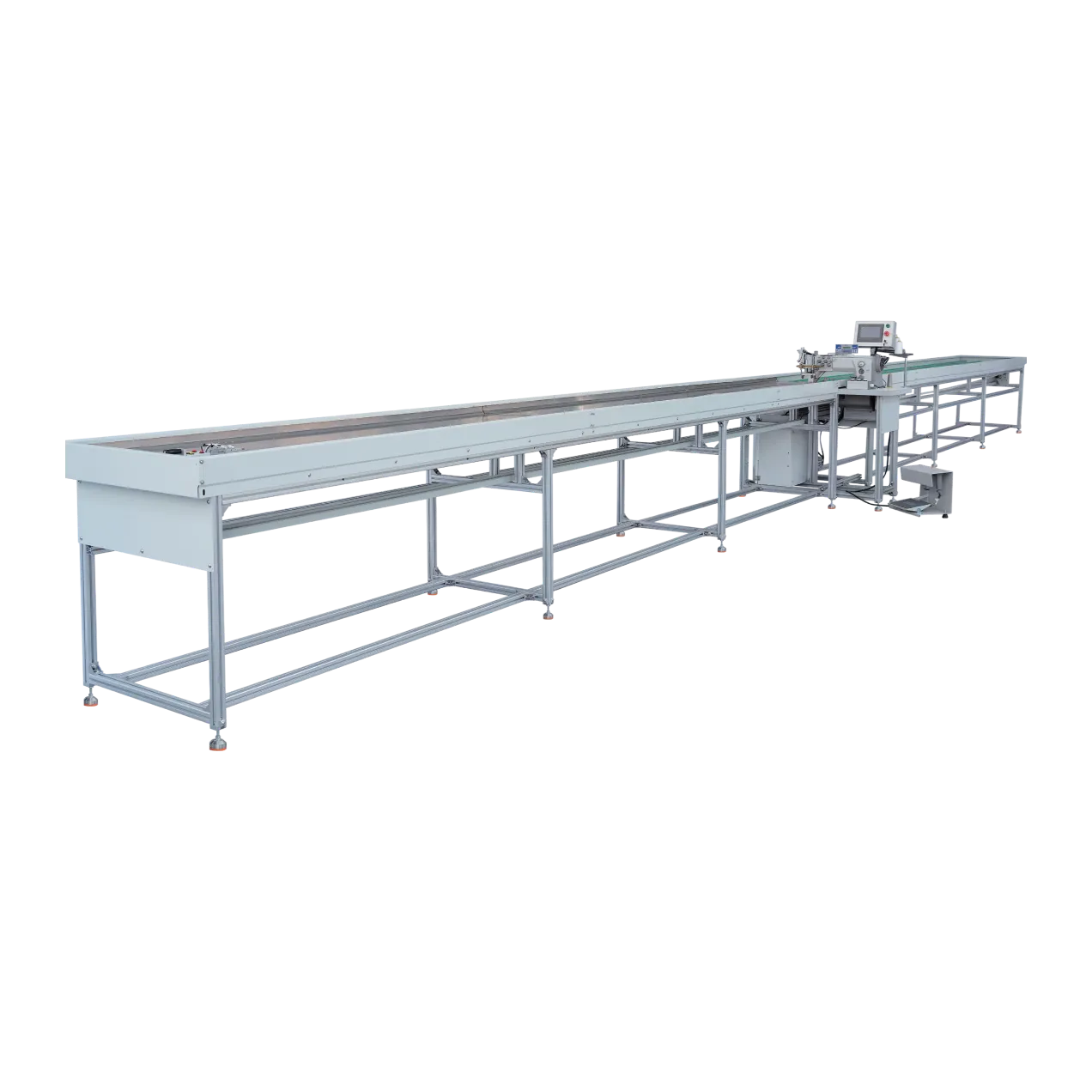
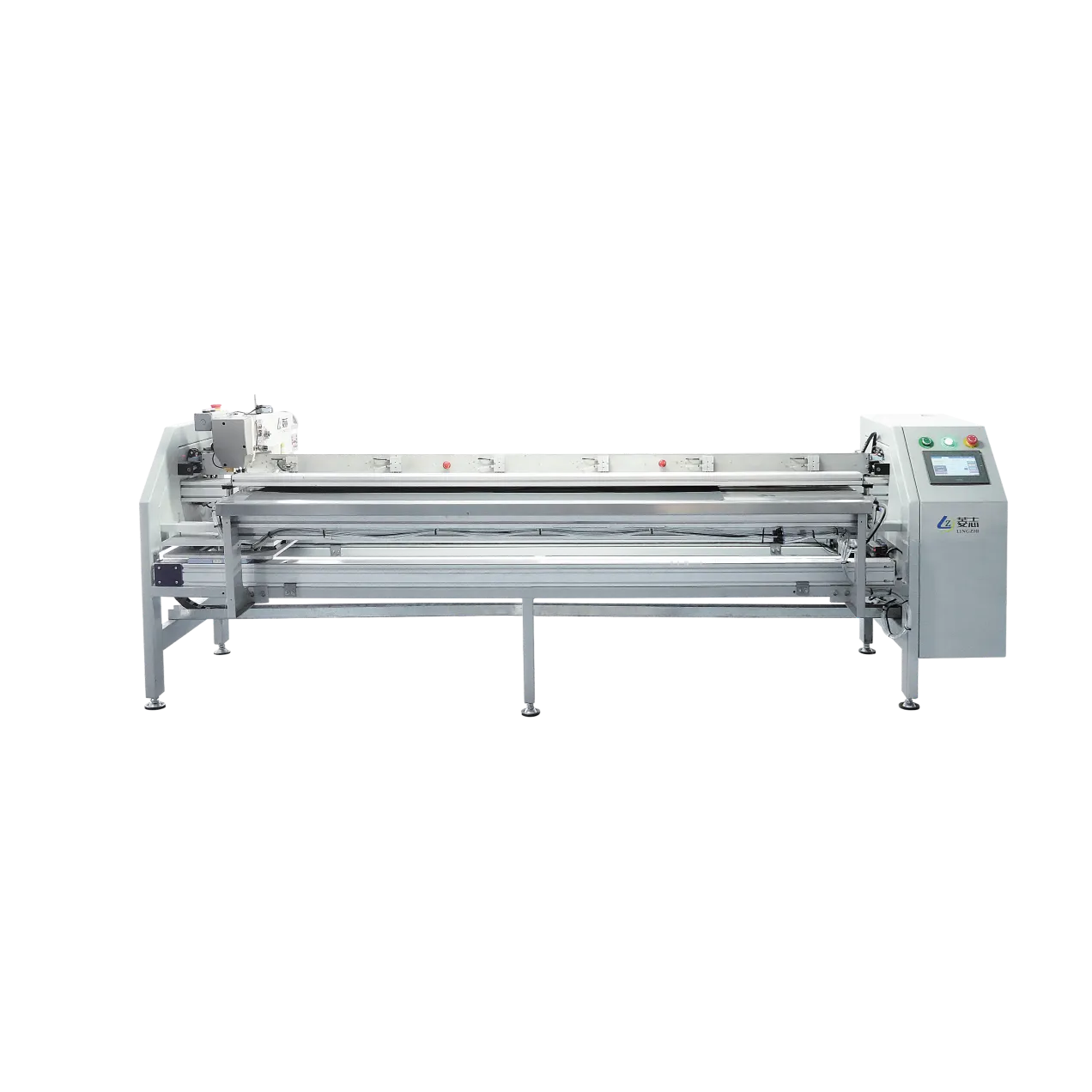
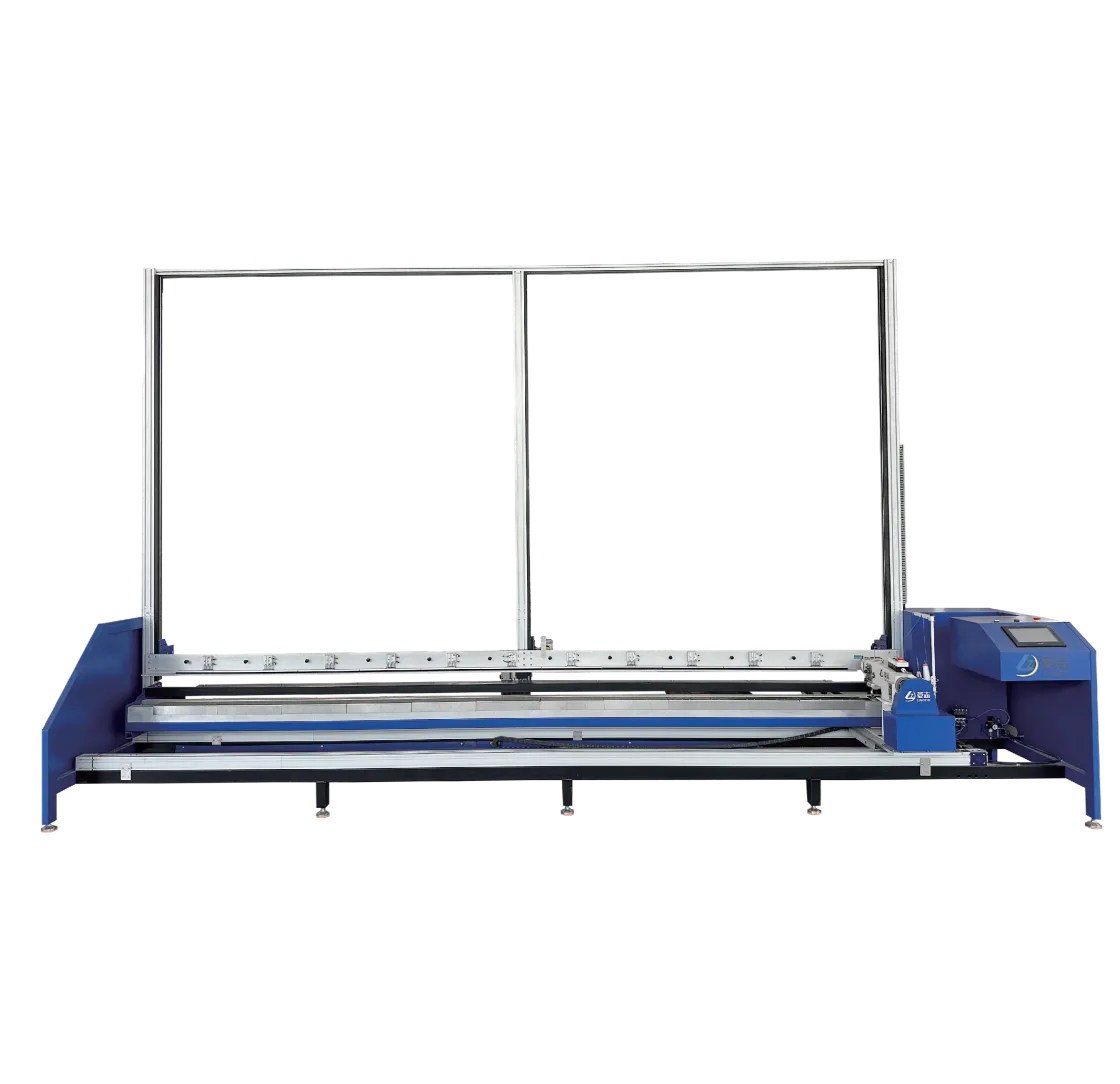
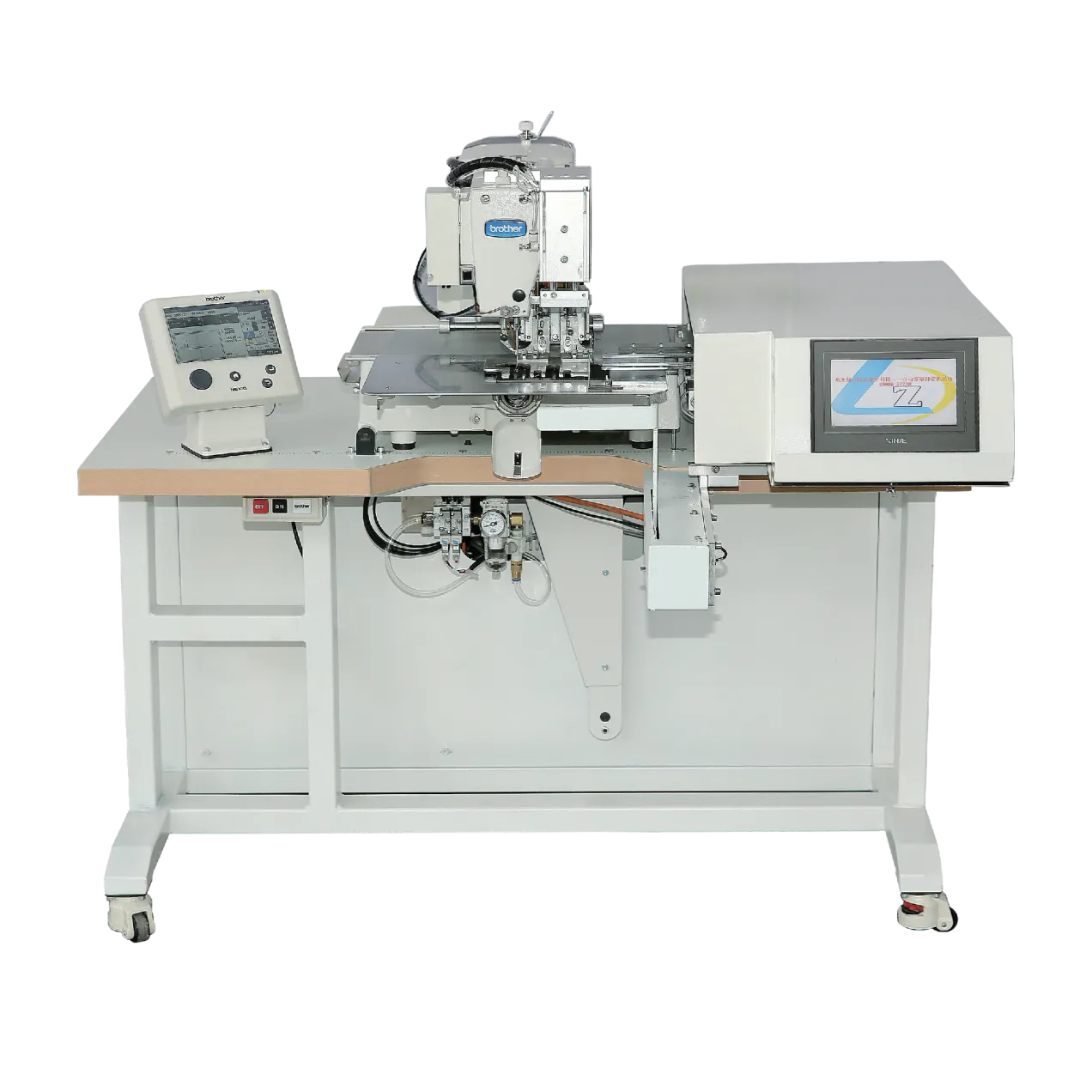
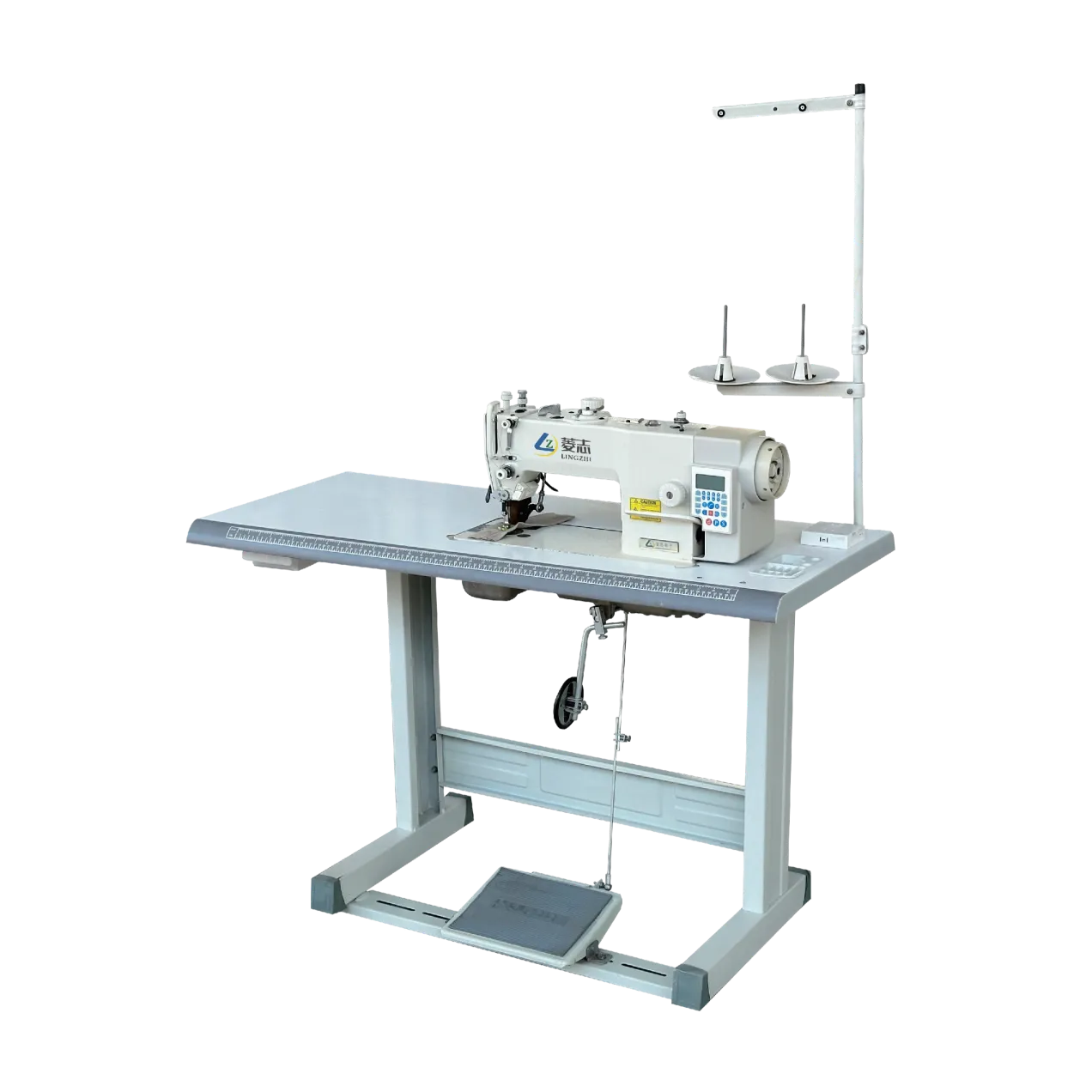
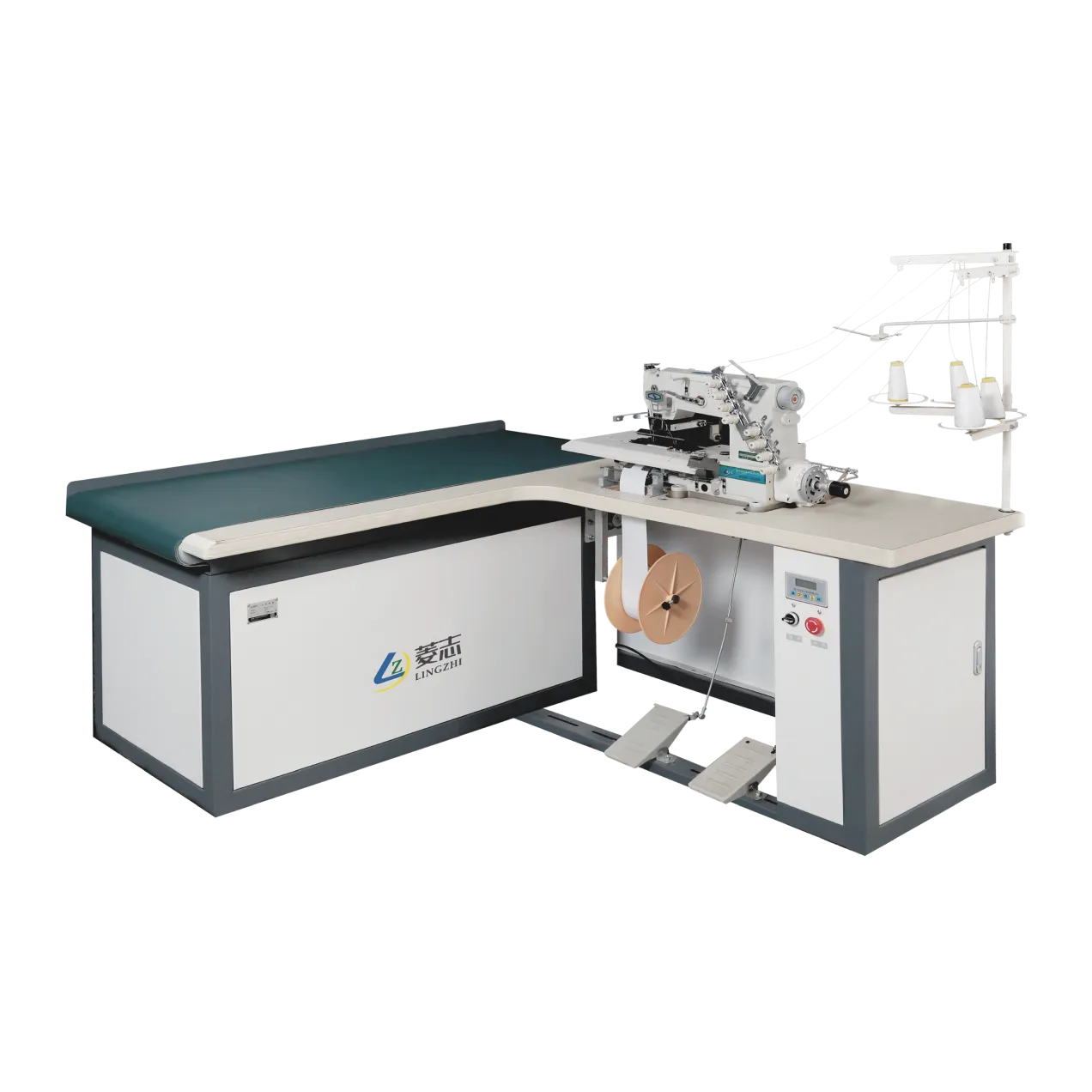
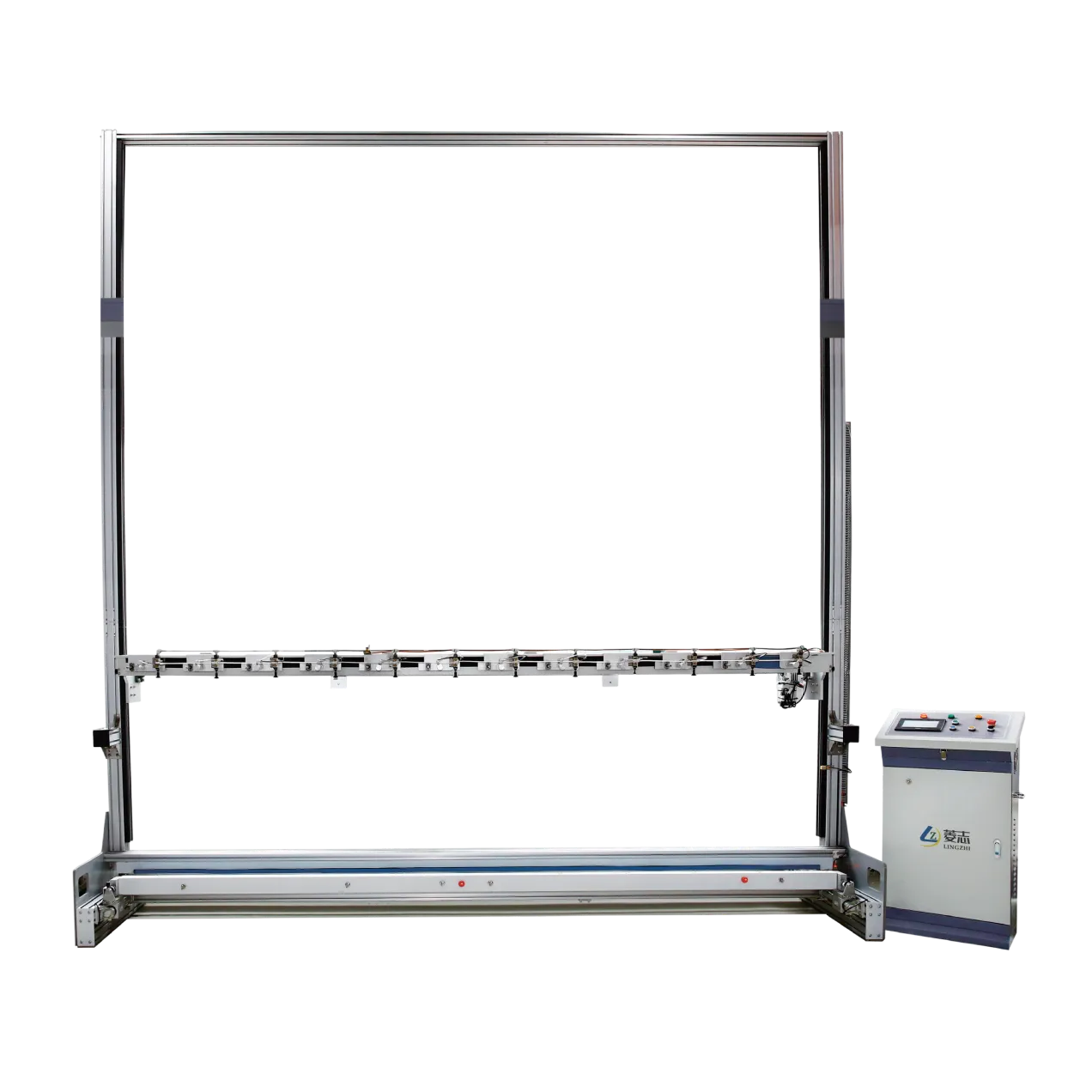
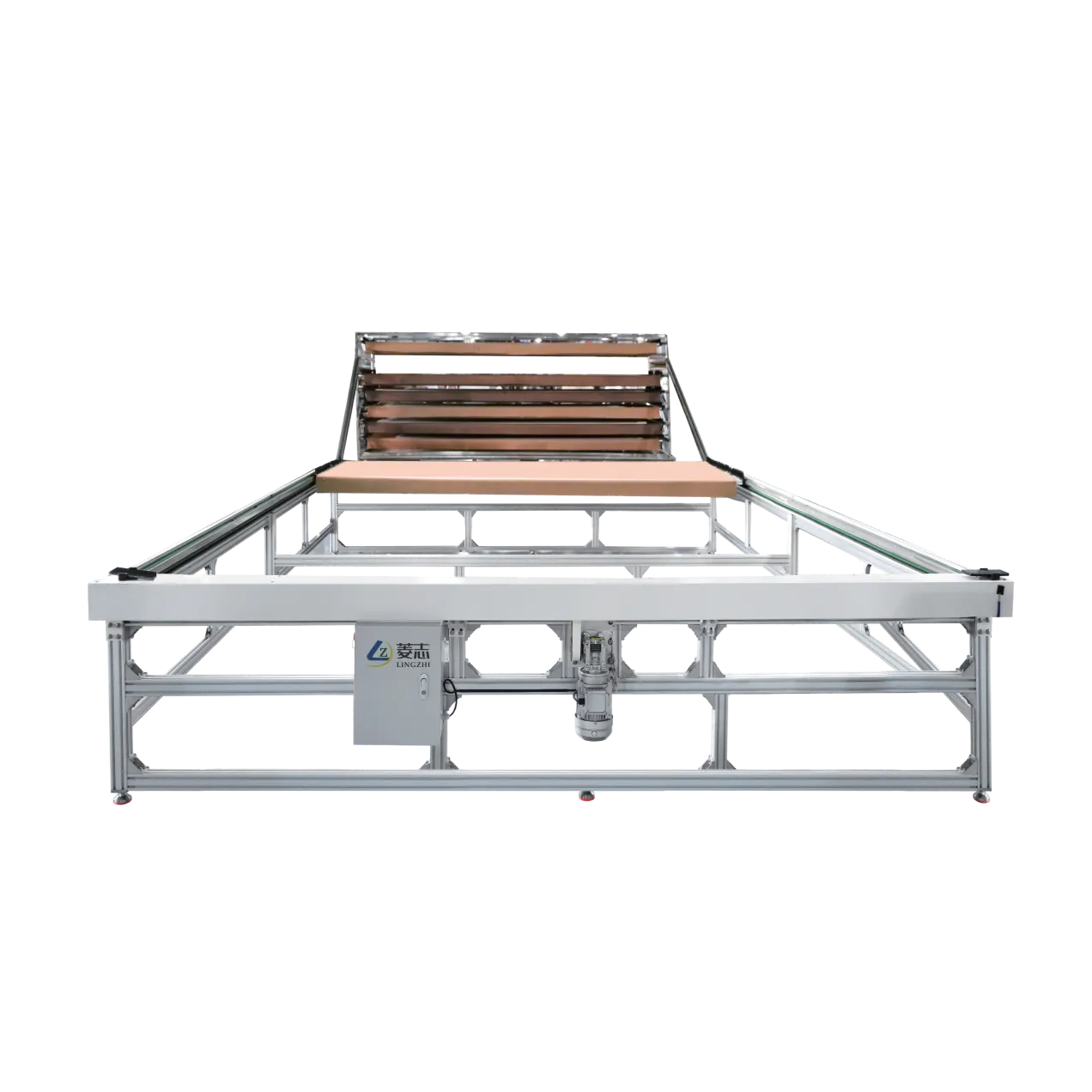
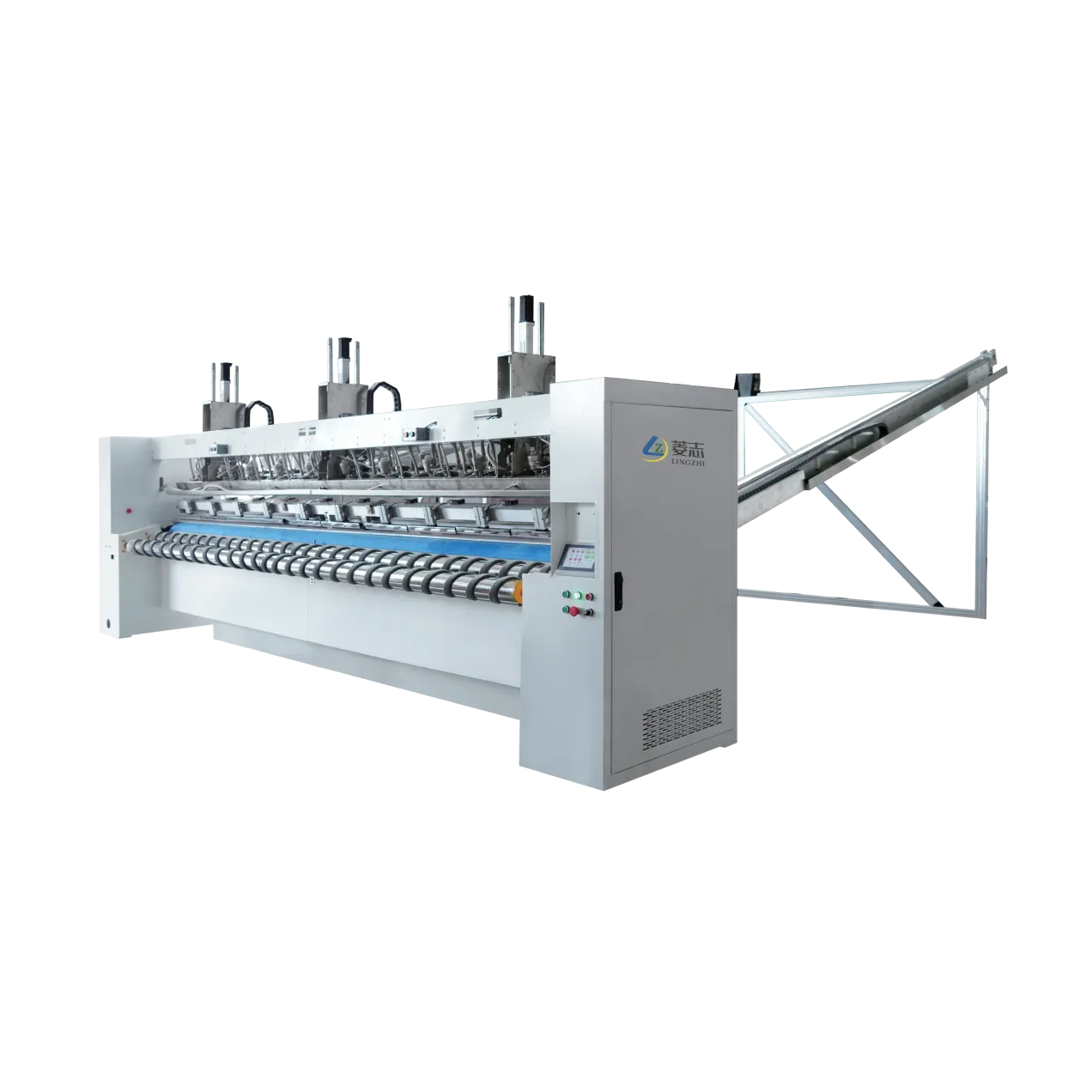
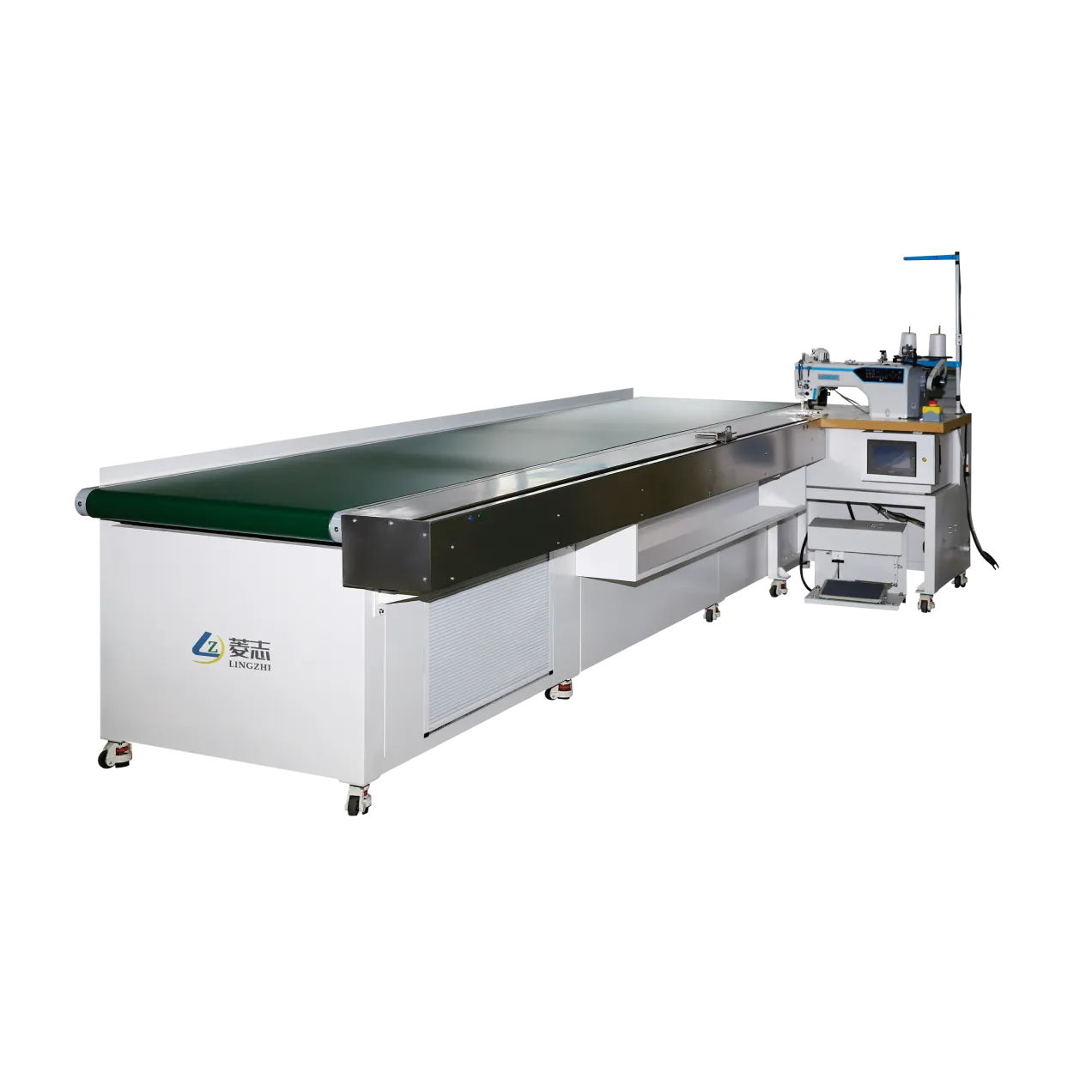
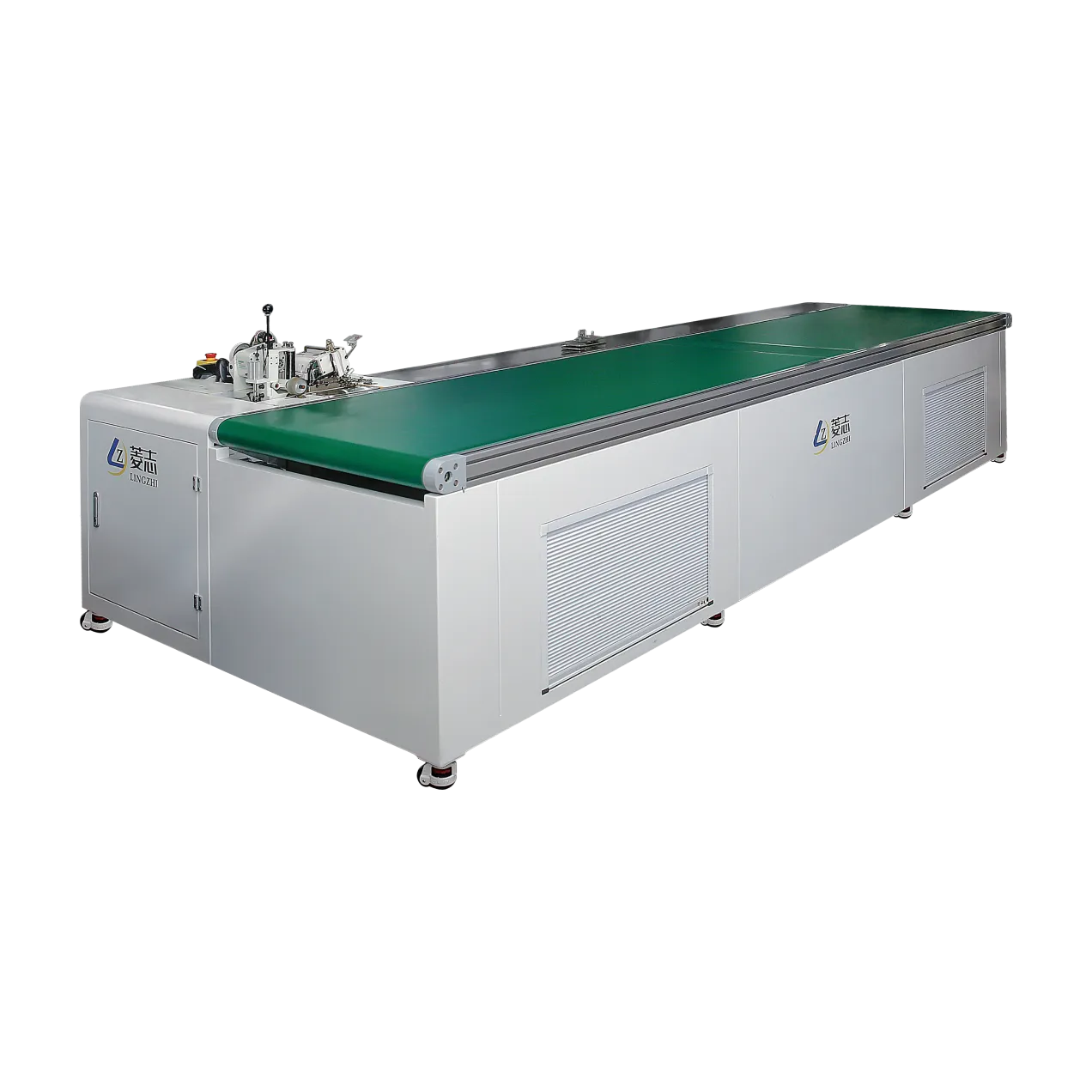
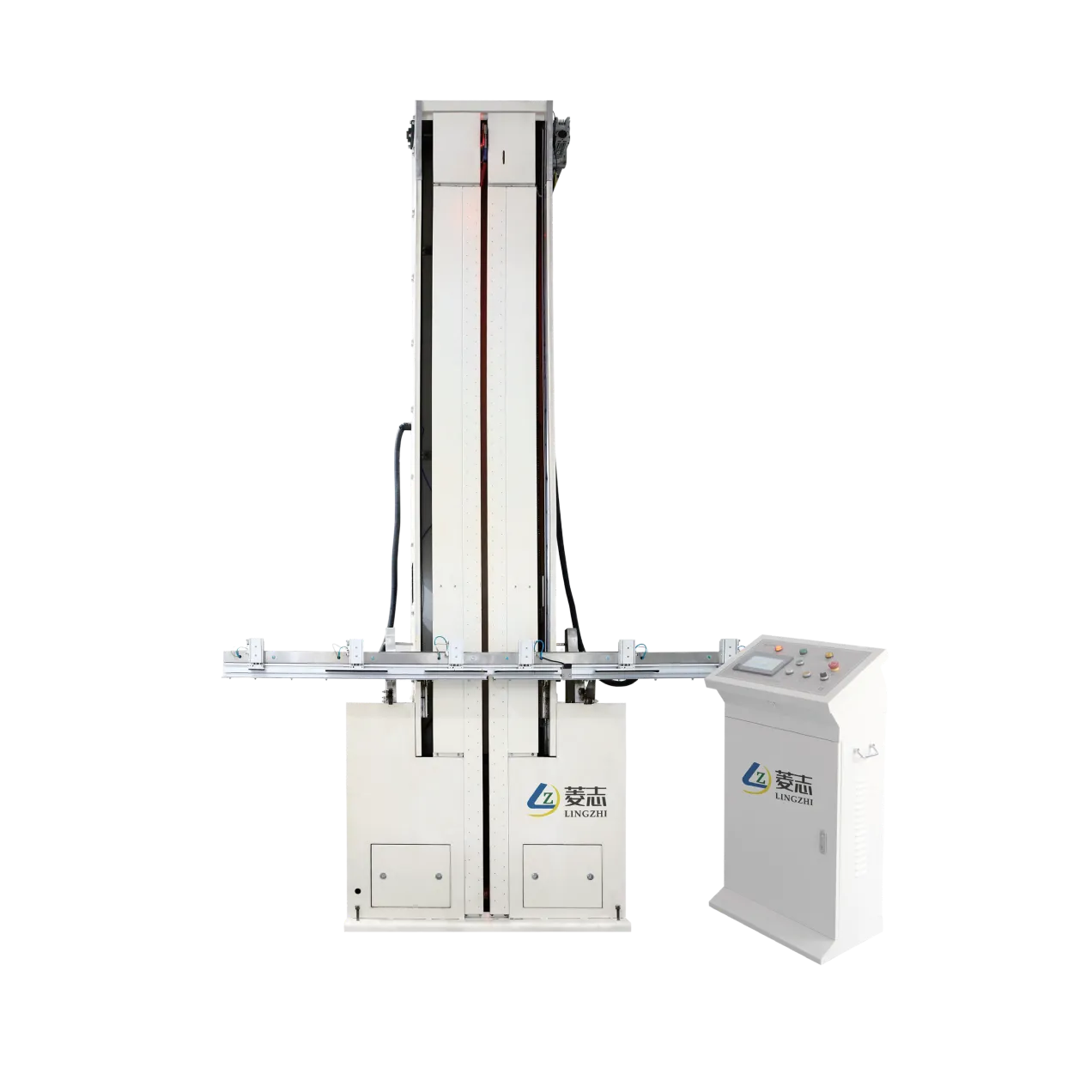
We engineer industrial automatic curtain cutting machines designed to eliminate dimensional errors and shrinkage variables in home textile manufacturing. Our equipment series, featuring the standard LZ-DGJ-16 and the advanced LZ-DGJ-17, integrates programmable batch processing with sophisticated dual-lifting technology. This ensures that every fabric panel is measured and cut under true-to-life gravity suspension, establishing a high-precision, continuous cutting workflow.


| Product Name | Model | Voltage | Power | Dimensions (L*W*H) | Weight |
|---|---|---|---|---|---|
| Automatic Curtain Length Cutting Machine (Standard) | LZ-DGJ-16 | 220V/50HZ | 1.5 kW | 4500 * 600 * 3800 mm | 300 KG |
| Automatic Curtain Length Cutting Machine (Dual Lifting) | LZ-DGJ-17 | 220V/50HZ | 2.25 kW | 4500 * 600 * 3800 mm | 300 KG |

As a vertically integrated manufacturer with 23 years of industry expertise, we deliver precision-engineered automated curtain sewing equipment and commercial-grade fabrics worldwide — ensuring factory-direct quality, stable performance, and comprehensive technical support for your production lines.
learn more about us


The dual lifting mechanism suspends the curtain so it hangs naturally under gravity before cutting. This simulates actual usage conditions, preventing length inaccuracies and uneven hems caused by fabric shrinkage, elastic stretching, or table friction during horizontal measurement.
The system allows operators to pre-load multiple cutting dimensions into the interface. The machine then executes these varied length cuts in a continuous sequence, eliminating the downtime usually spent on manual measuring and marking between different curtain sizes.
Yes, the equipment is structurally designed to manage large-format textiles. Its pneumatic clamping and heavy-duty tracking mechanisms securely hold both lightweight sheers and heavy blackout materials to ensure clean, precise cuts.
While both models provide precise programmable length cutting, the LZ-DGJ-17 features the advanced dual lifting system for gravity-assisted measurement. It also incorporates a higher power capacity (2.25kW vs. 1.5kW) to support faster processing cycles on heavier textiles.
Both machines share a vertical physical footprint of 4500mm in length, 600mm in width, and 3800mm in height. They operate on a standard 220V/50HZ industrial power supply.
The cutting department serves as the dimensional baseline for all subsequent textile manufacturing processes. In industrial curtain production, manual measuring introduces compounding errors. A slight deviation in length or an off-square cut significantly disrupts automated hemming and joining machines later in the line. Procuring a programmable curtain cutting machine standardizes this initial stage, ensuring strict dimensional compliance and reducing raw material waste.
Traditional cutting tables measure fabric horizontally, inherently ignoring the natural stretch and drape of a hanging textile. Certain fabrics, especially heavy synthetics and velvet blends, exhibit varying degrees of elasticity. When measured flat, surface friction prevents the fabric from reaching its true length. The advanced LZ-DGJ-17 utilizes a dual lifting function to counteract this. By suspending the fabric vertically, the material stretches under its own weight, revealing its actual hanging length. Executing the cut in this suspended state ensures that the finished curtain will not shrink or hang unevenly once installed in a residential or commercial setting.
A primary bottleneck in bespoke or varied-batch curtain manufacturing is the constant recalibration of cutting tools. Advanced curtain cutting equipment mitigates this via programmable task queuing. Production managers can input a sequence of different lengths and quantities directly into the machine's numerical control panel. The system processes these varied dimensions in a single continuous workflow without requiring the operator to stop and physically remeasure the fabric. This capability dramatically accelerates the processing time from raw roll to sized panel.
Securing large-format fabrics without causing localized distortion requires uniform, precise force. Manual clamping often applies uneven pressure, causing the fabric to warp slightly before the blade makes contact. Automated cutting machines integrate pneumatic clamping systems across the entire cutting width. These air-driven clamps apply consistent, immediate pressure, locking the fabric exactly on the measurement line. This guarantees that the automated rotary or straight blade passes through the textile perfectly perpendicular to the grain, yielding a flawless edge that streamlines downstream hemming operations.