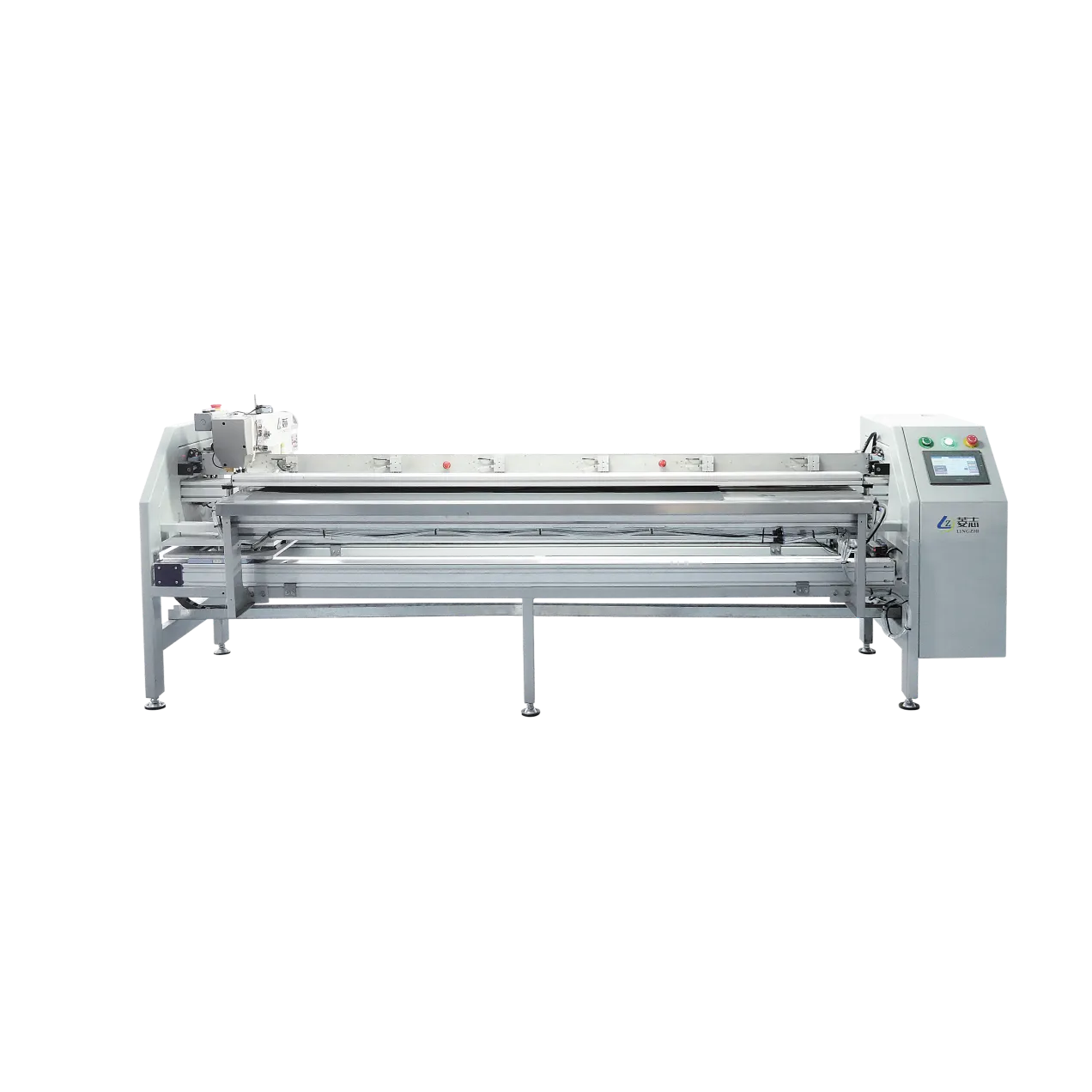
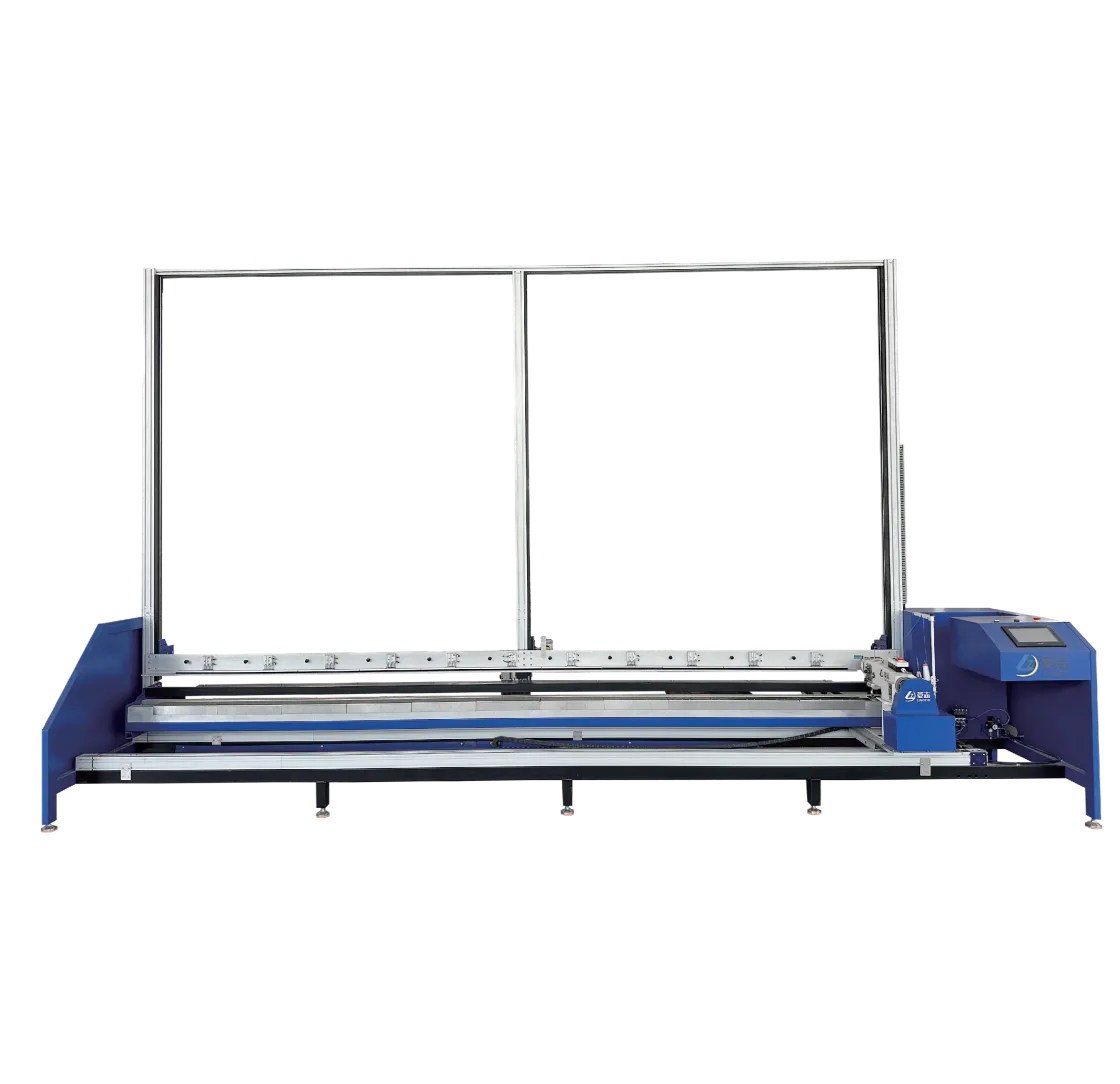
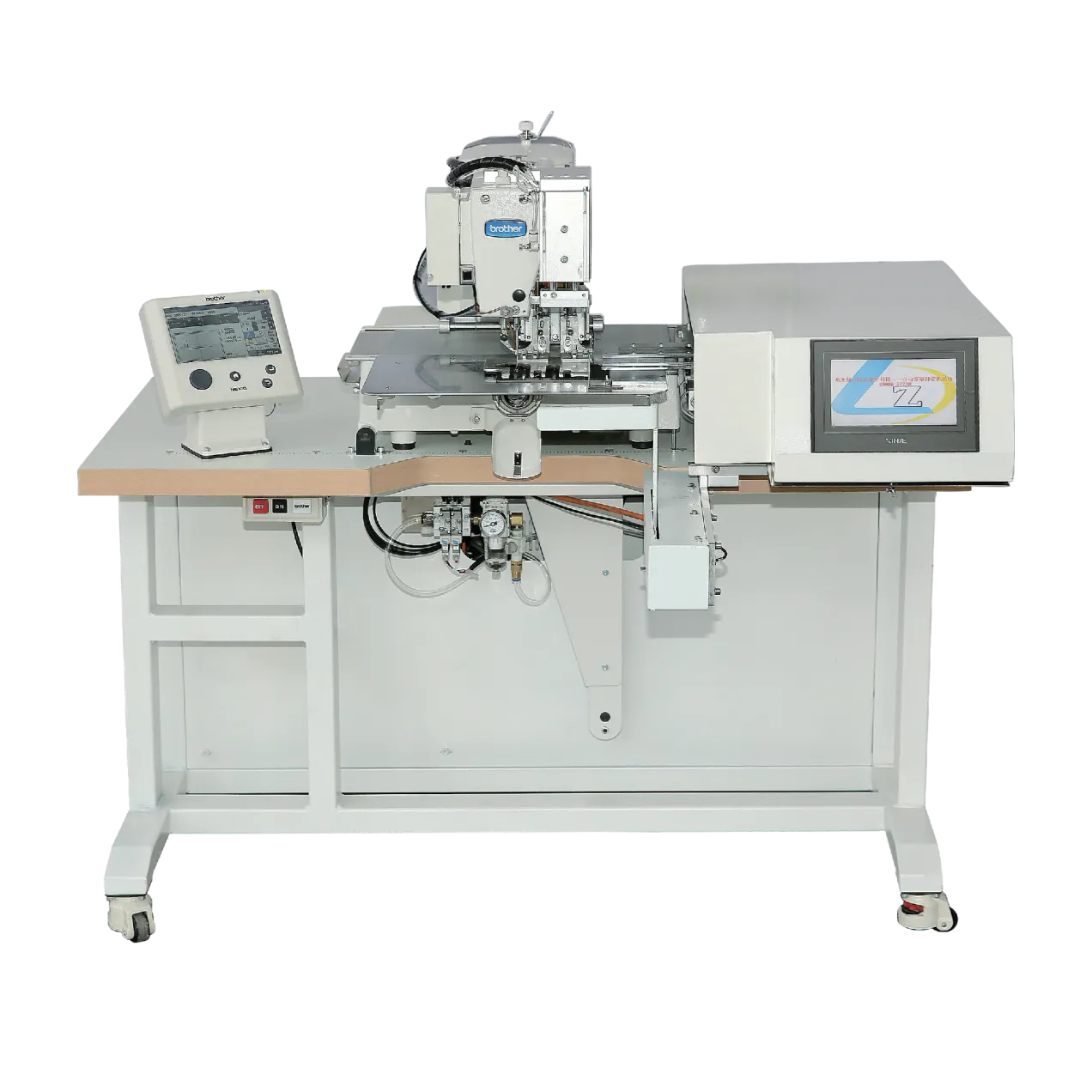
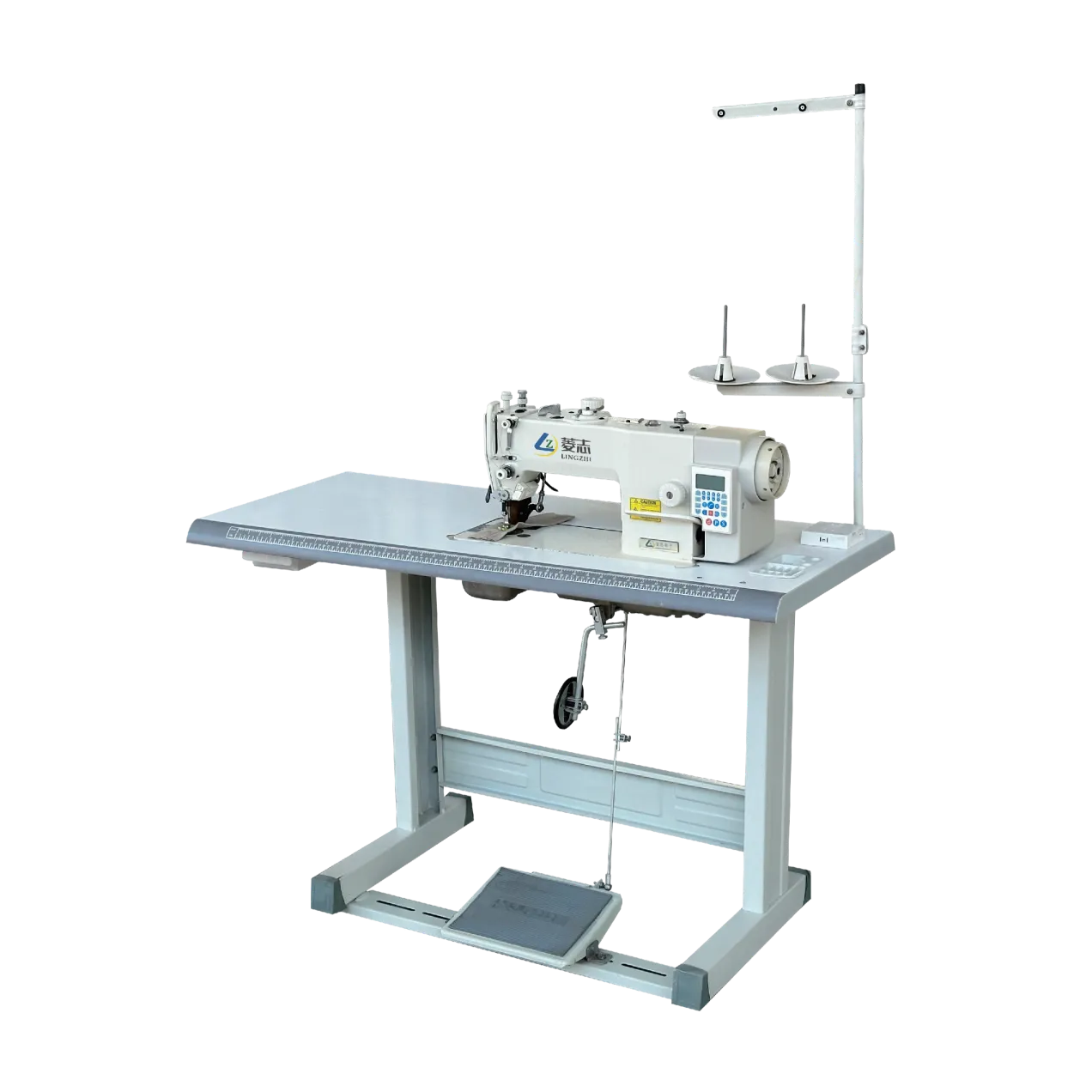
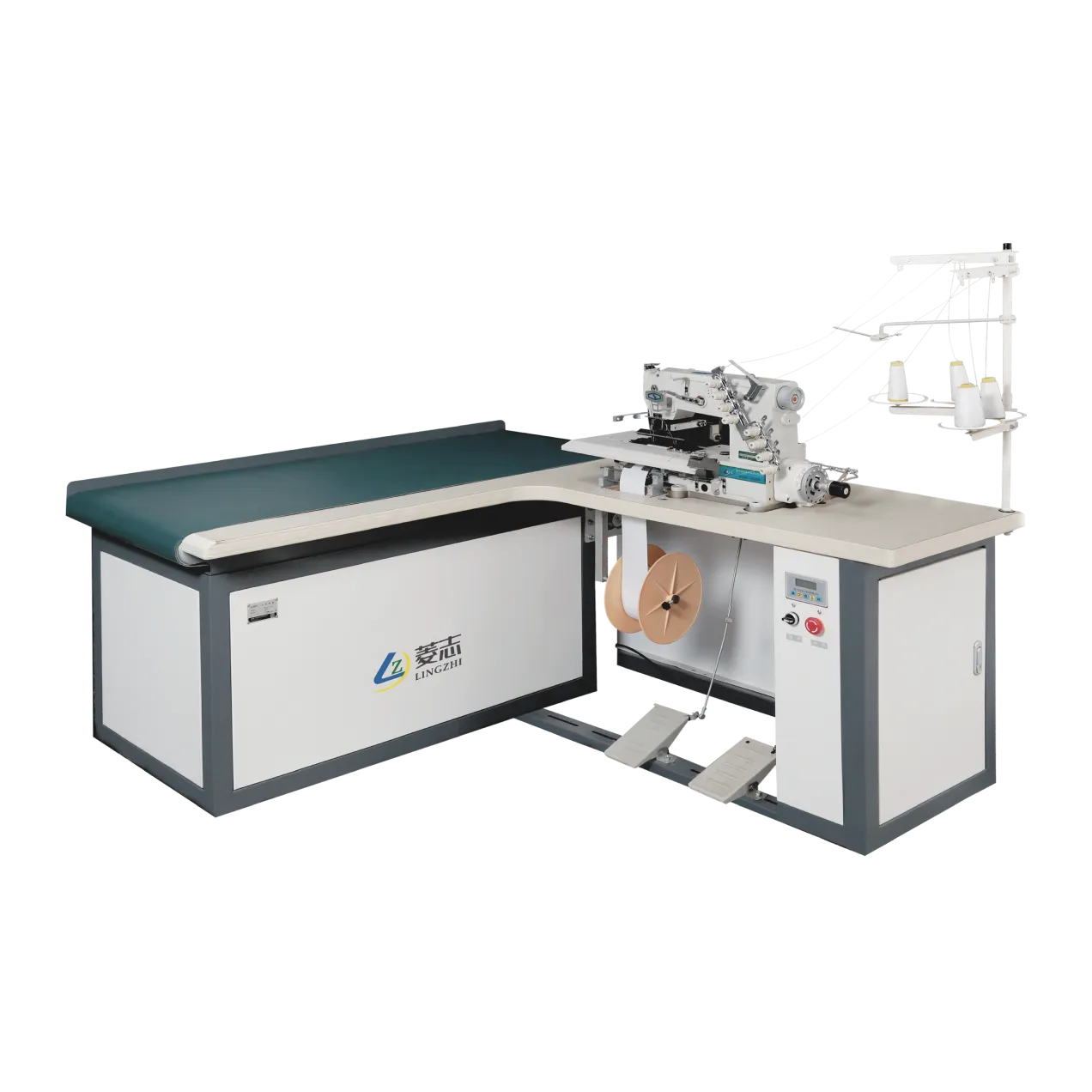
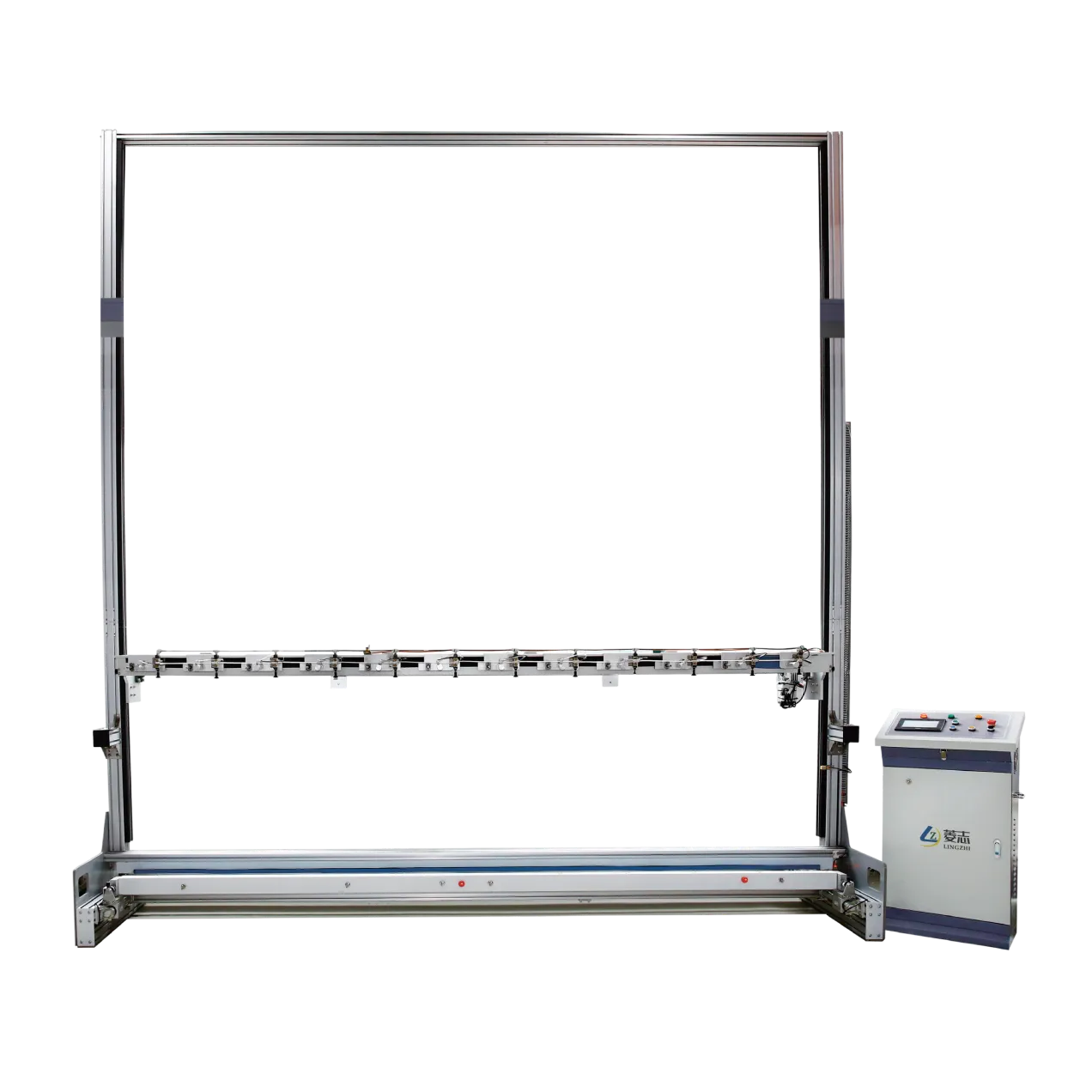
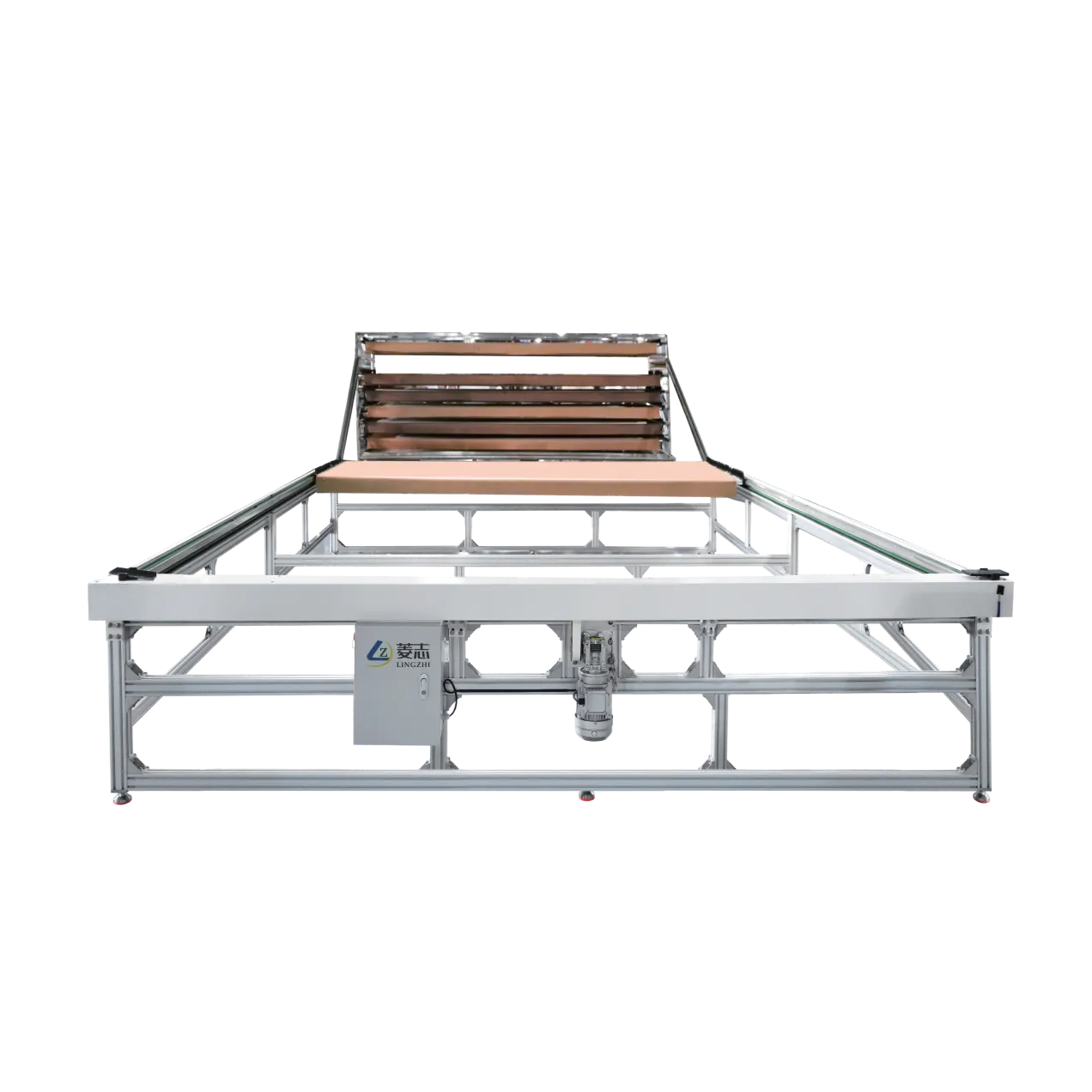
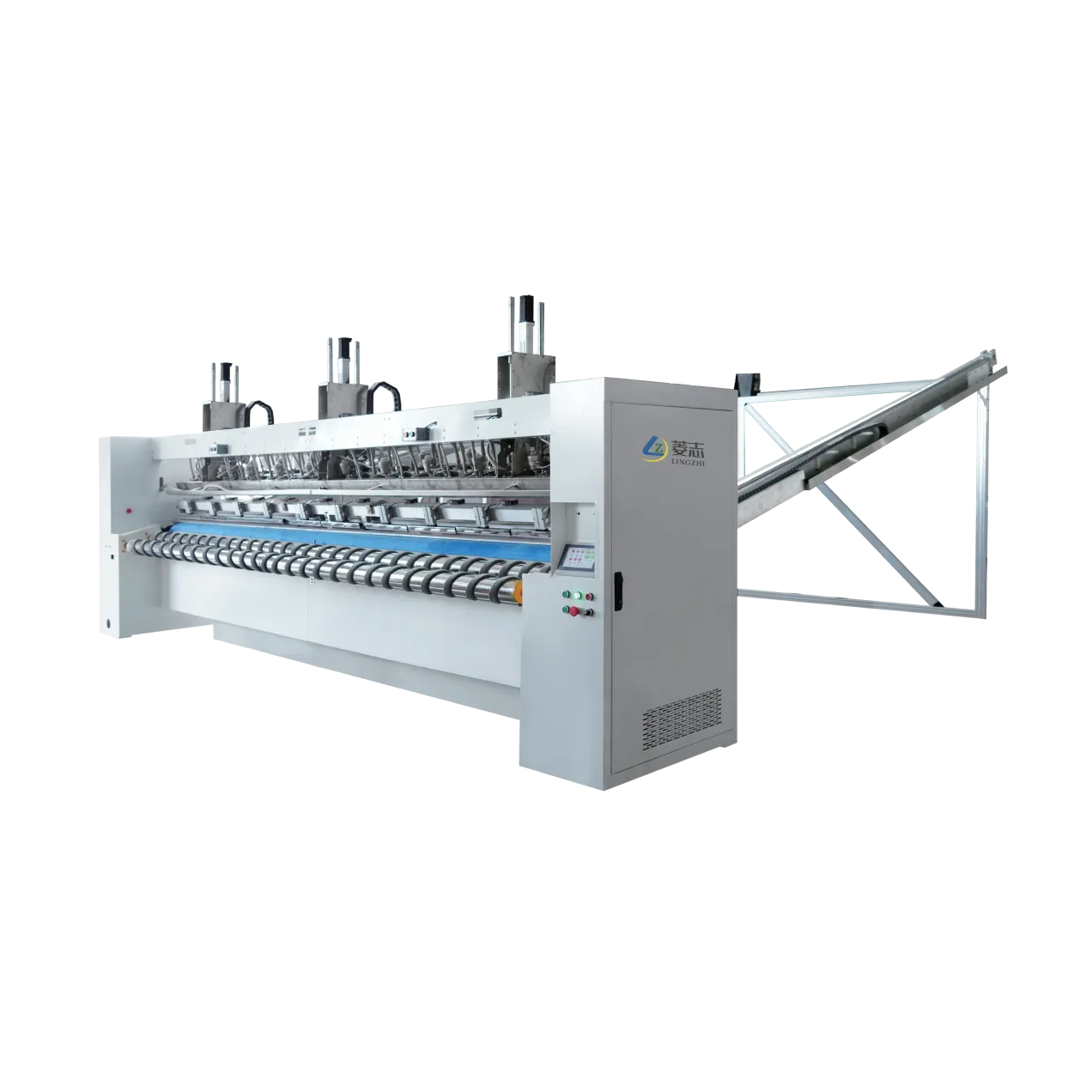
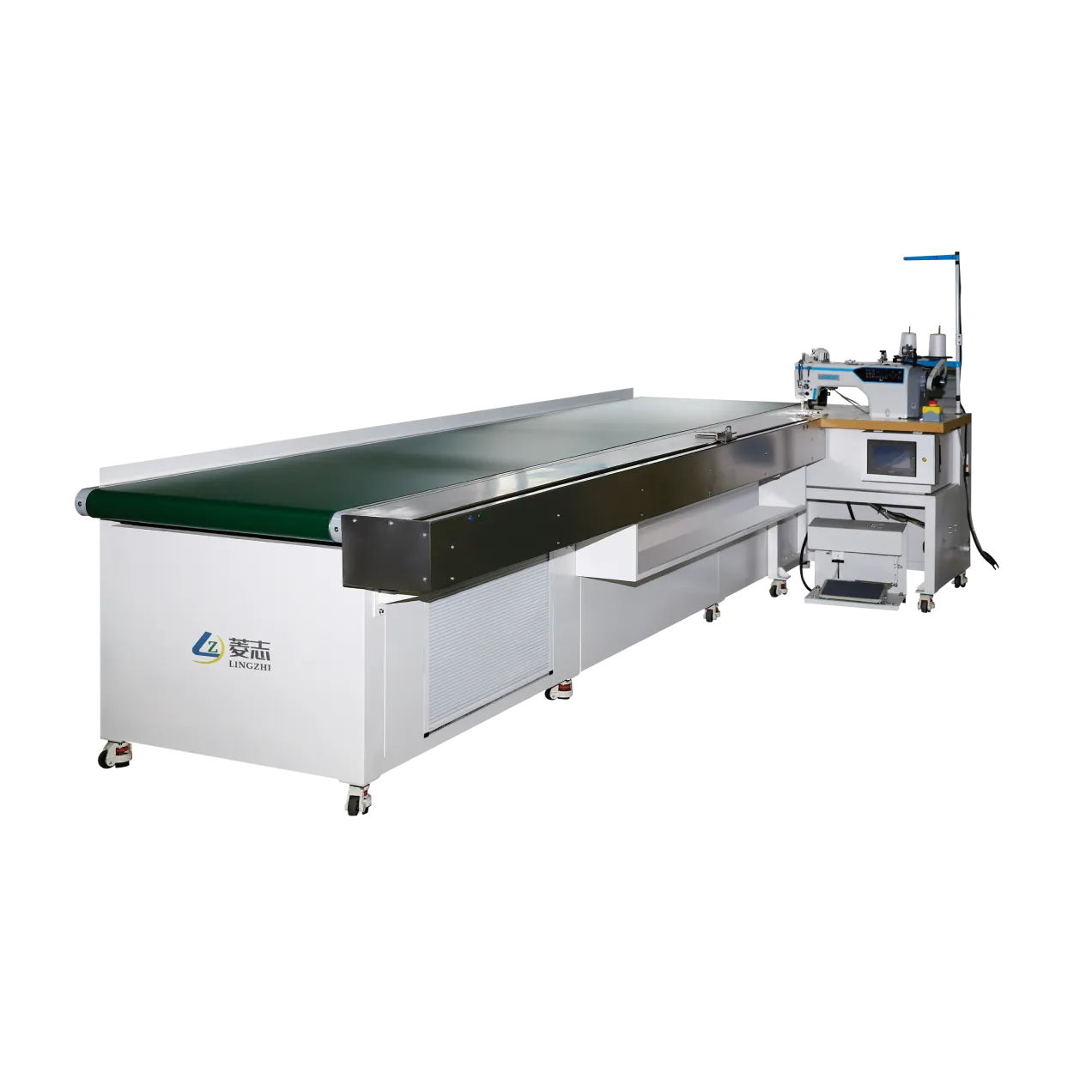
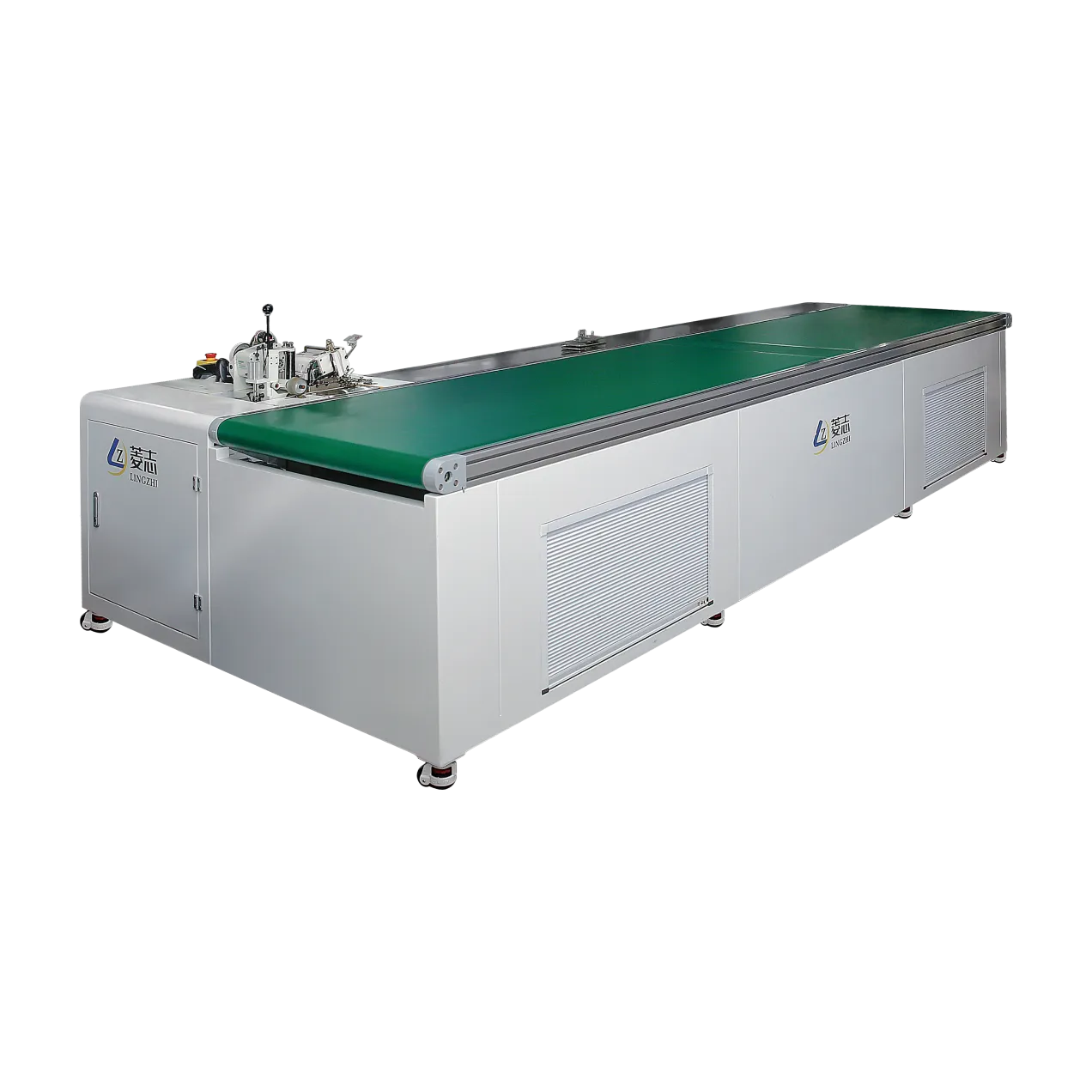
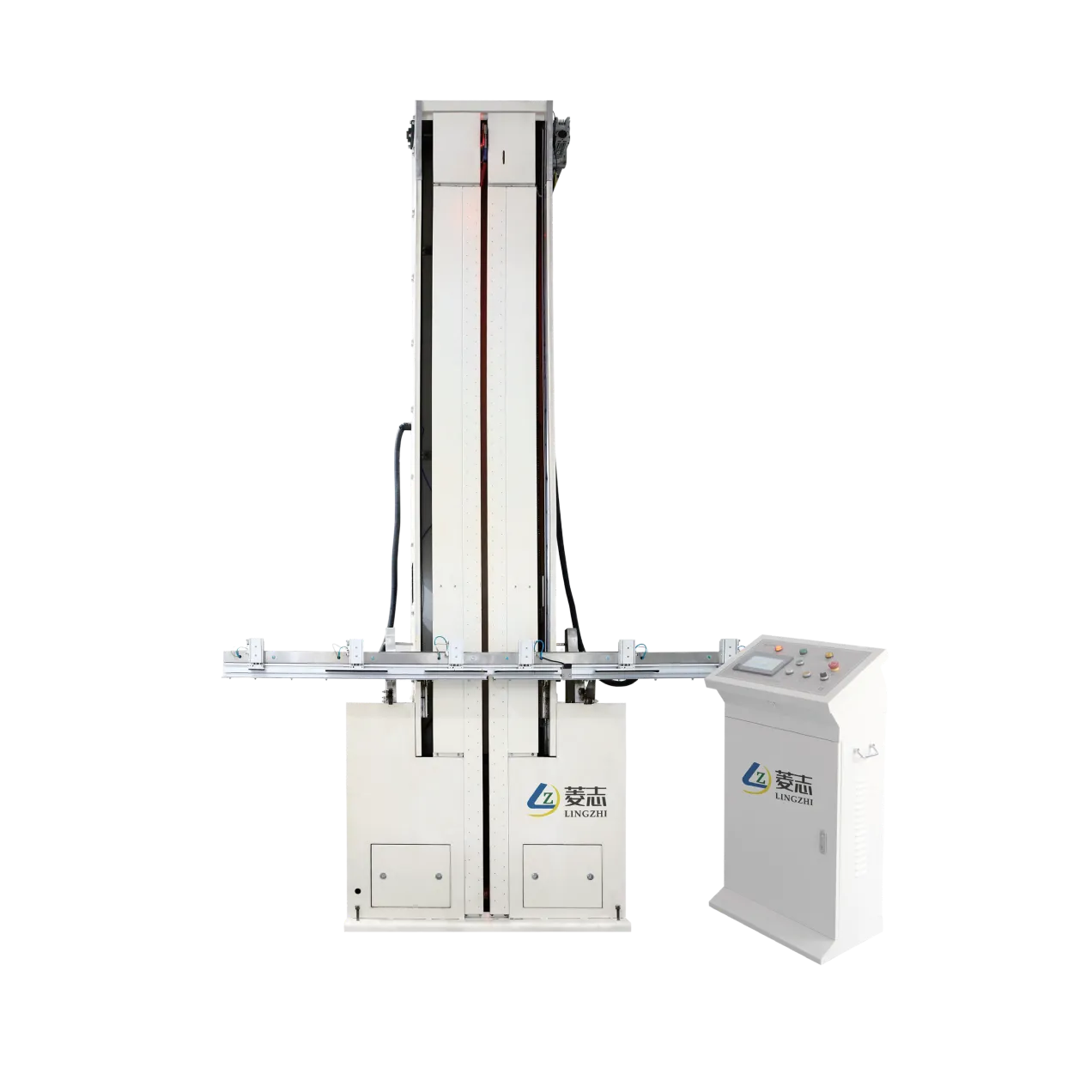
The LZ-ZYJB-01 awning hemming machine is engineered specifically to execute four-side hemming operations on heavy outdoor textiles. By integrating a high-performance Dürkopp 867 single-needle head and a specialized roller support system, this equipment ensures smooth material feeding and precise stitch lines on large sunshade canopies, tarpaulins, and PVC advertising banners.

| Product Name | Model | Voltage | Power | Dimensions |
|---|---|---|---|---|
| Sunshade Canopy Hemming Machine | LZ-ZYJB-01 | 220V/50-60HZ | 1 kW | Customizable |

As a vertically integrated manufacturer with 23 years of industry expertise, we deliver precision-engineered automated curtain sewing equipment and commercial-grade fabrics worldwide — ensuring factory-direct quality, stable performance, and comprehensive technical support for your production lines.
learn more about us


This machine is built for heavy outdoor materials. It effectively processes thick sunshade canvas, weather-resistant PVC tarpaulins, and dense advertising banner textiles without skipping stitches.
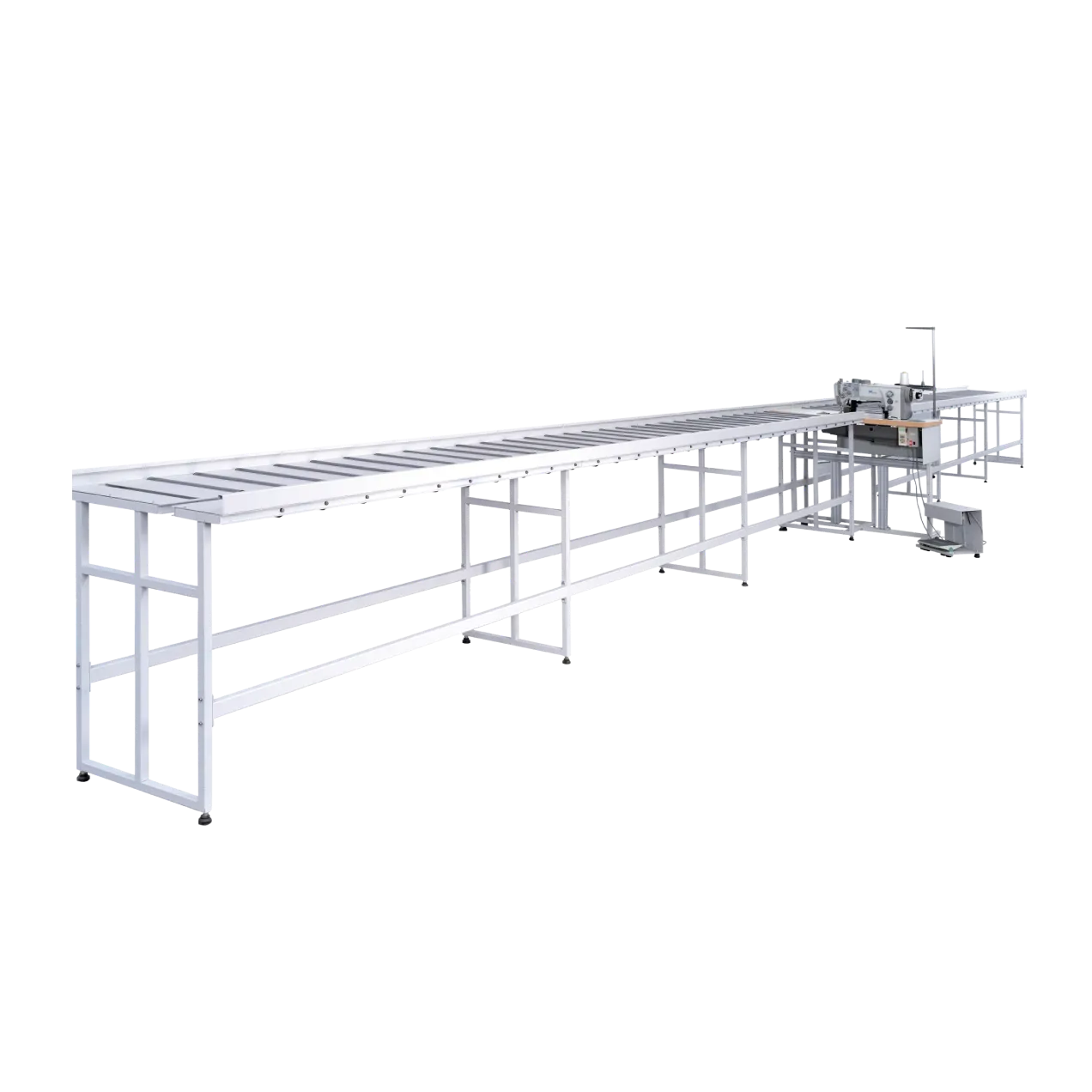
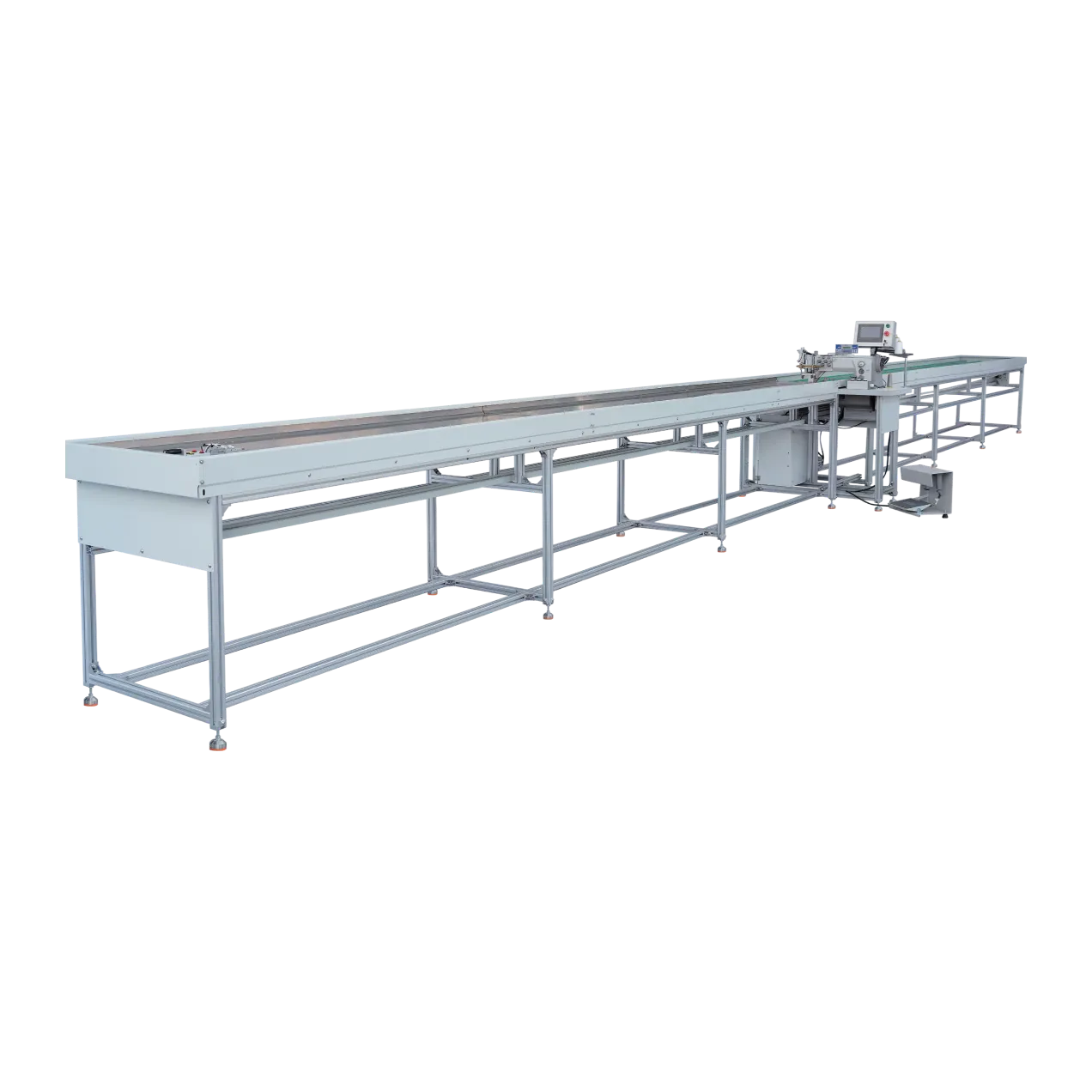
Large awnings are extremely heavy and create drag. The front and rear rollers bear this physical weight, allowing the massive fabric panels to move smoothly across the sewing bed and preventing the operator from having to manually force the material forward.
The LZ-ZYJB-01 is equipped with a high-performance single-needle Dürkopp 867 sewing head, specifically selected for its exceptional penetration force and mechanical stability on thick layered fabrics.
No. The synchronized feed mechanism and unique structural design are calibrated to process the textile without leaving residual folding marks or tension wrinkles, delivering a perfectly flat and neat final hem.
The equipment operates on a standard 220V/50-60HZ electrical supply and draws a 1kW power rating, making it simple to integrate into standard textile manufacturing facilities.
Edge finishing on large-format outdoor canopies presents distinct material handling challenges. When processing awnings, sunshades, and tarpaulins, the sheer weight of the fabric creates a severe drag coefficient across standard flatbed sewing tables. This physical resistance misaligns the feed, resulting in crooked hems and broken needles. The LZ-ZYJB-01 awning hemming machine is constructed to counteract these specific physical limitations through targeted mechanical support.
A critical failure point in heavy textile hemming is material drag. If a heavy canopy hangs off the edge of the table, the sewing operator must exert significant physical force to pull the fabric forward. This manual pulling disrupts the synchronized feeding mechanism of the sewing machine, inevitably resulting in bunched hems and skipped stitches. The awning hemming machine resolves this by utilizing specialized front and rear rollers. These mechanical rollers bear the gravitational load of the large fabric panel, allowing the material to glide seamlessly across the sewing bed. This structural support entirely eliminates operator physical exhaustion and ensures that the four-side perimeter hem remains perfectly parallel.
Outdoor textiles are inherently dense, multi-layered, and frequently treated with weather-resistant PVC or polyurethane coatings. A standard single-needle machine lacks the kinetic drive to pierce these materials repeatedly without deflecting. Integrating the German-engineered Dürkopp 867 sewing head provides the necessary rotational torque. This high-performance mechanism drives the needle precisely through thick canvas layers, securing the hem with a robust lockstitch that resists the high wind loads applied to outdoor canopies.
In commercial shading and advertising applications, the visual presentation of the fabric is as critical as its tensile strength. Traditional hemming of heavy materials often leaves permanent mechanical creases or deep feed-dog marks on the textile surface. The synchronized feeding architecture of this hemming machine coordinates the needle, presser foot, and feed dog to advance the fabric uniformly. This calibration ensures the material is processed without localized tension, yielding a pristine, flat perimeter suitable for premium architectural and commercial deployment.