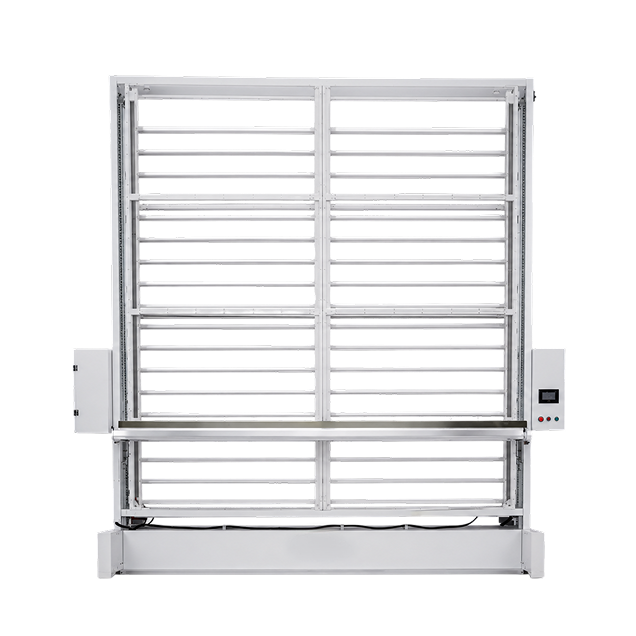
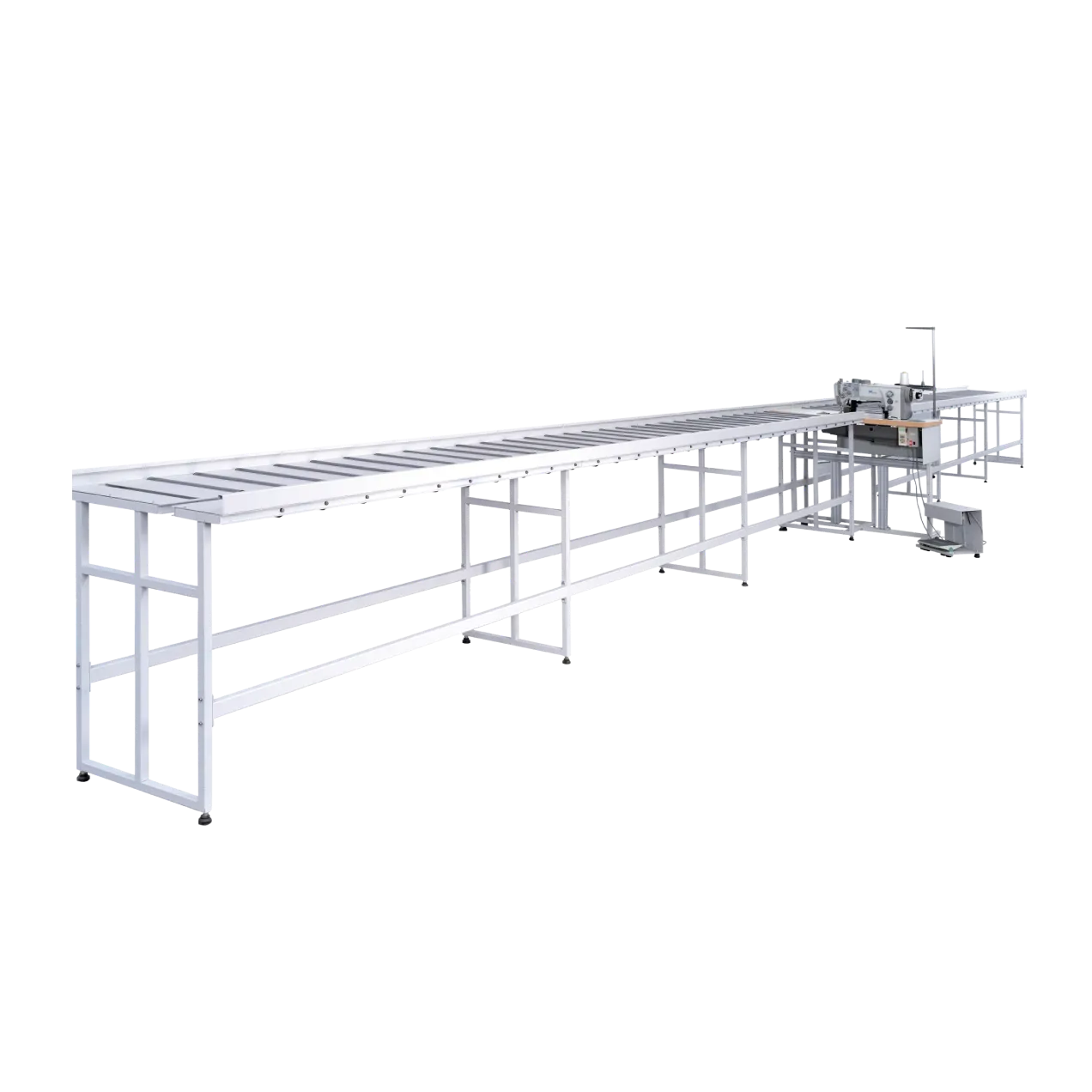
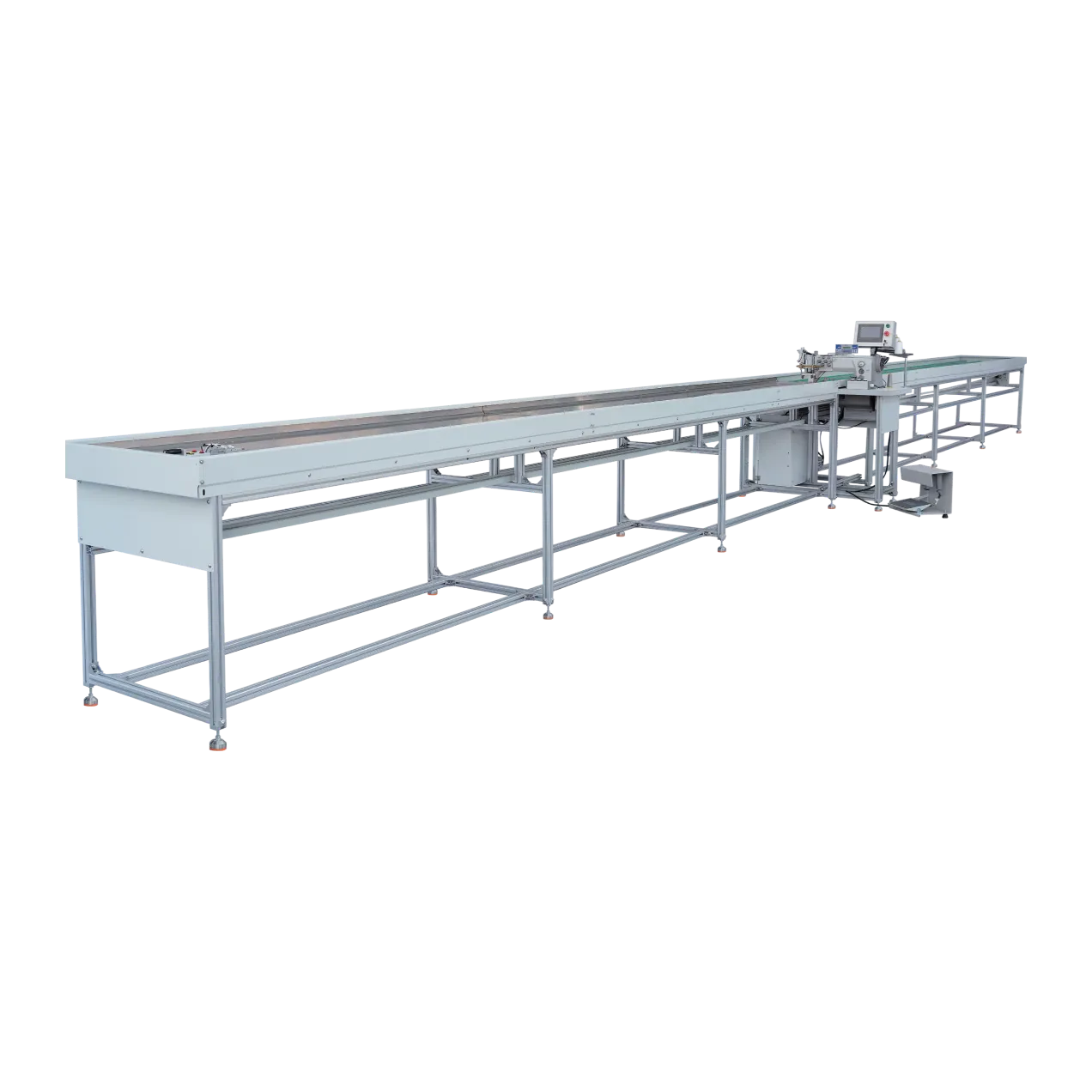
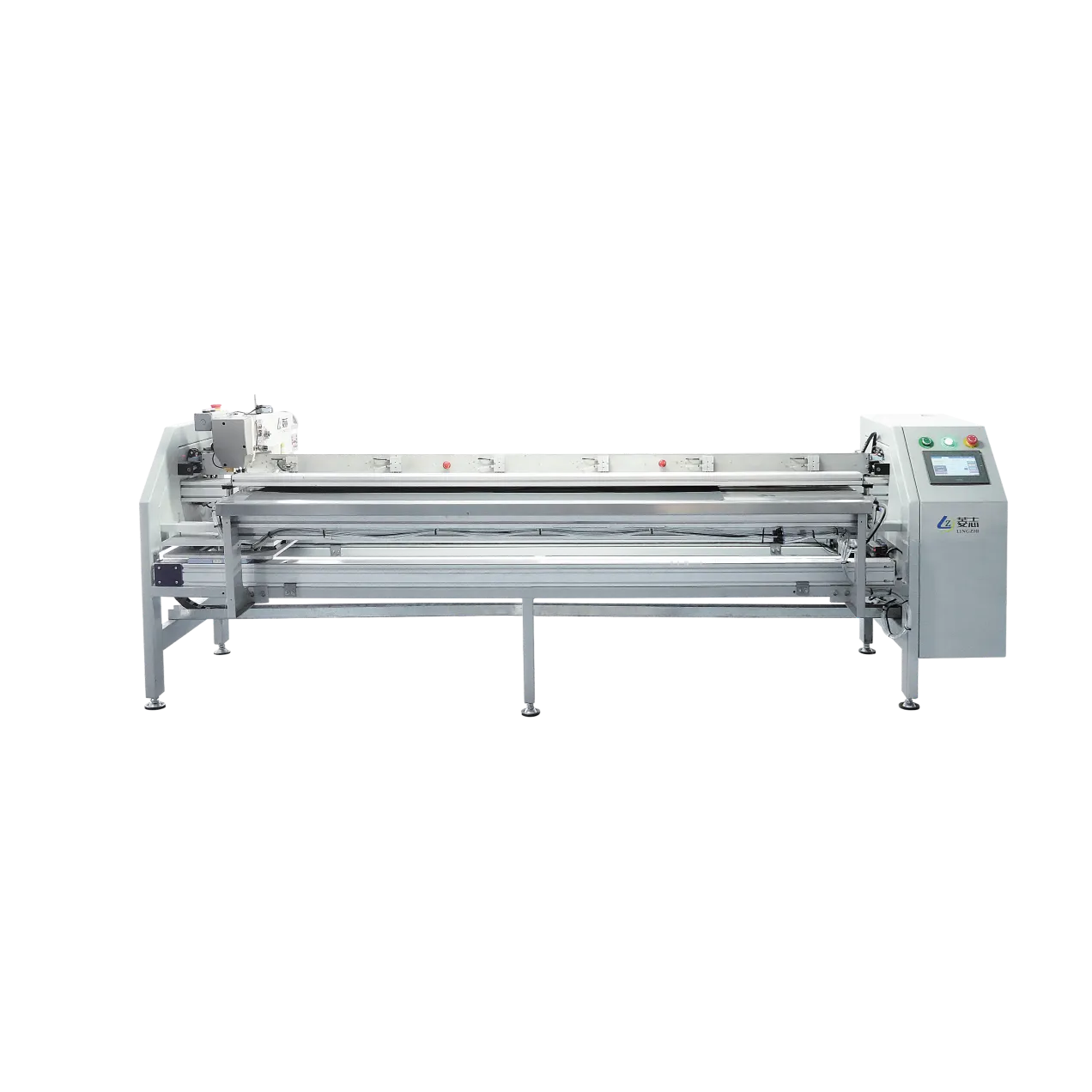
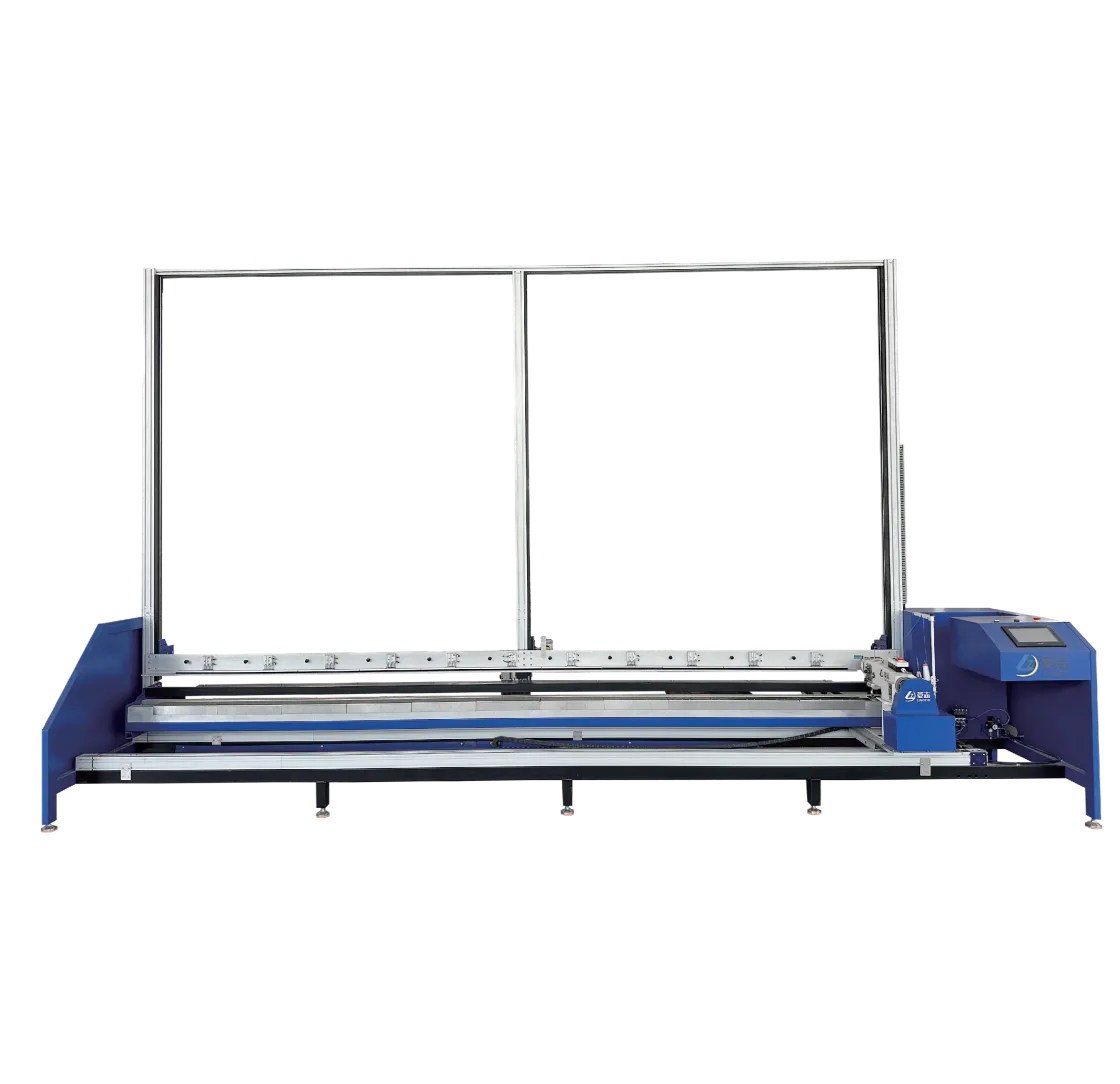
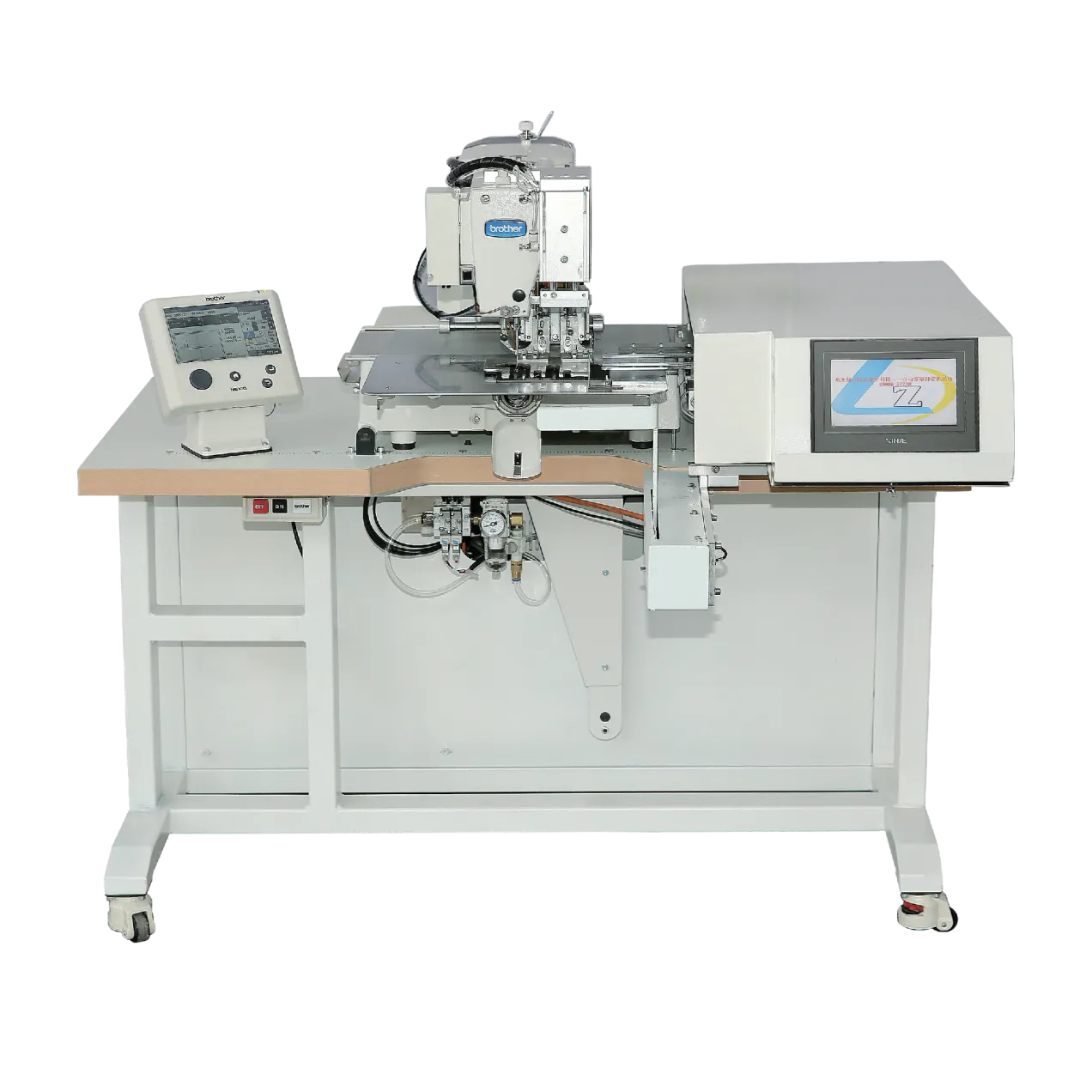
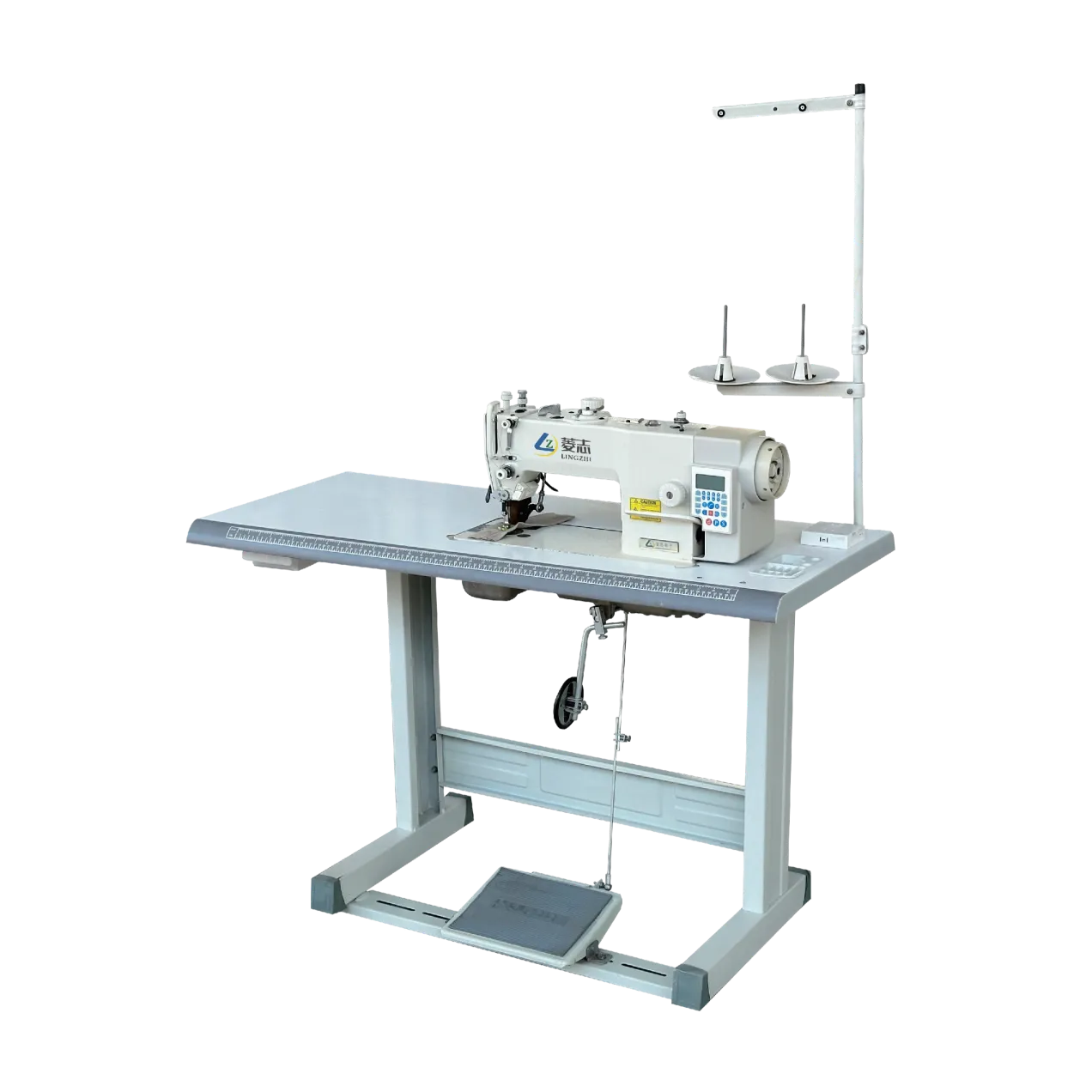
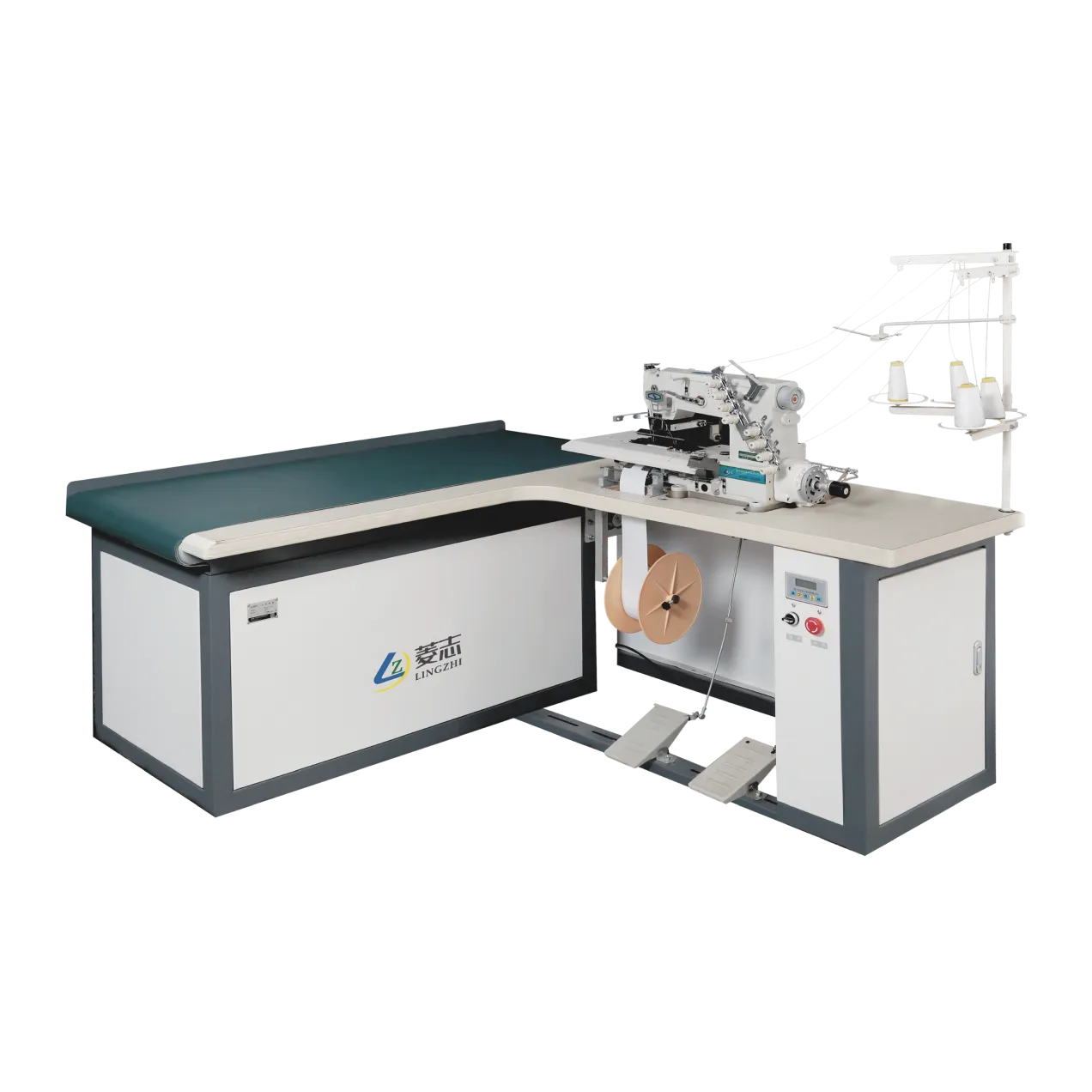
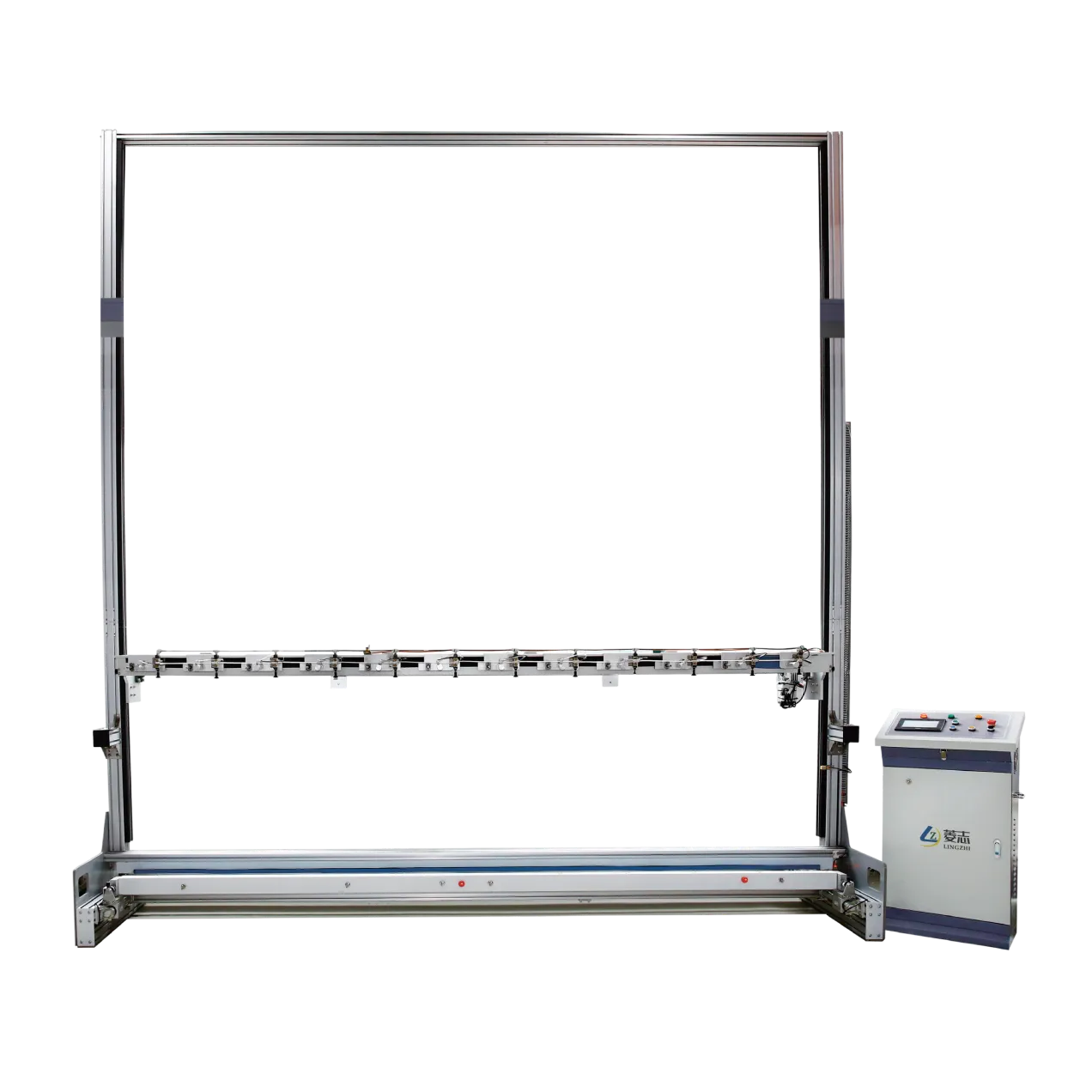
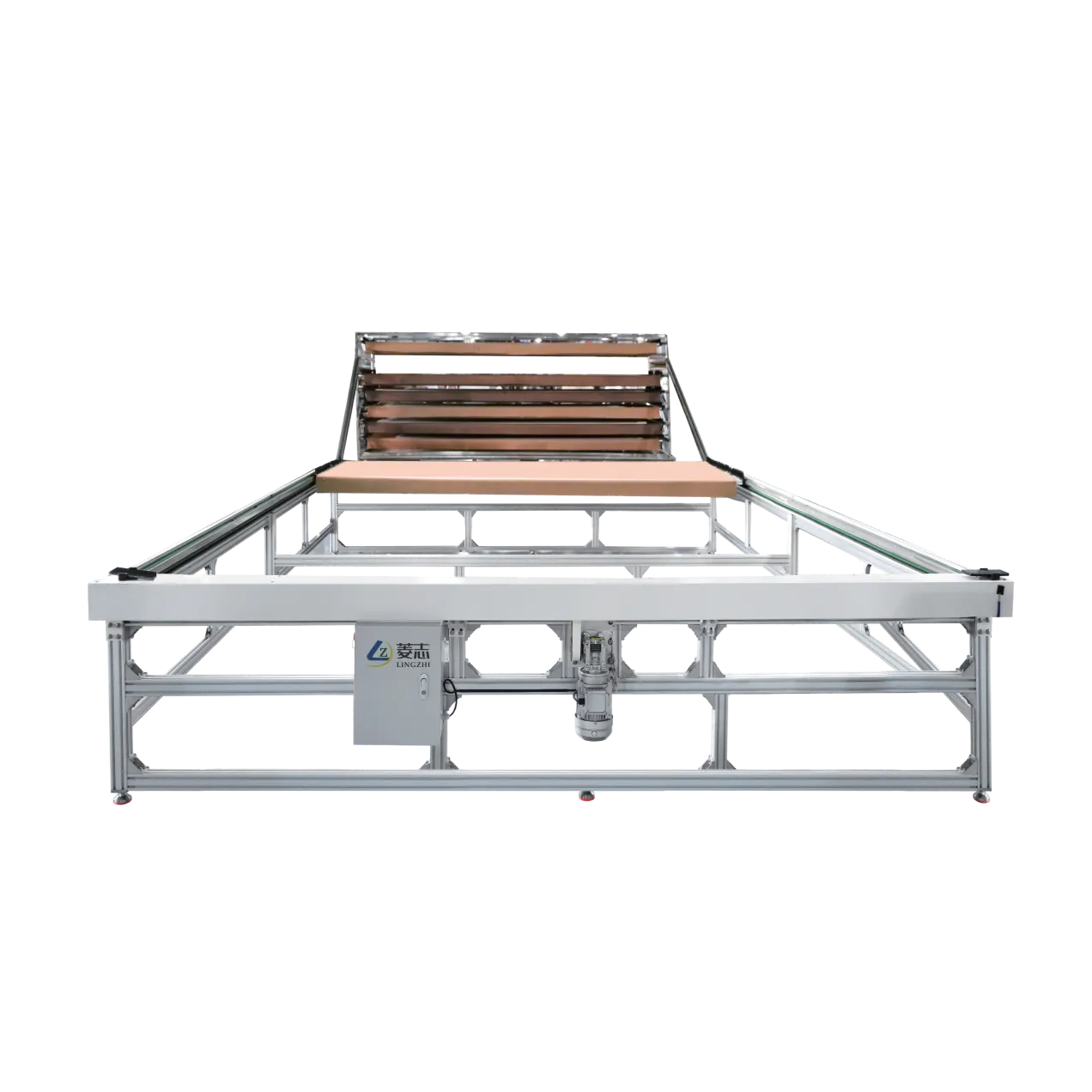
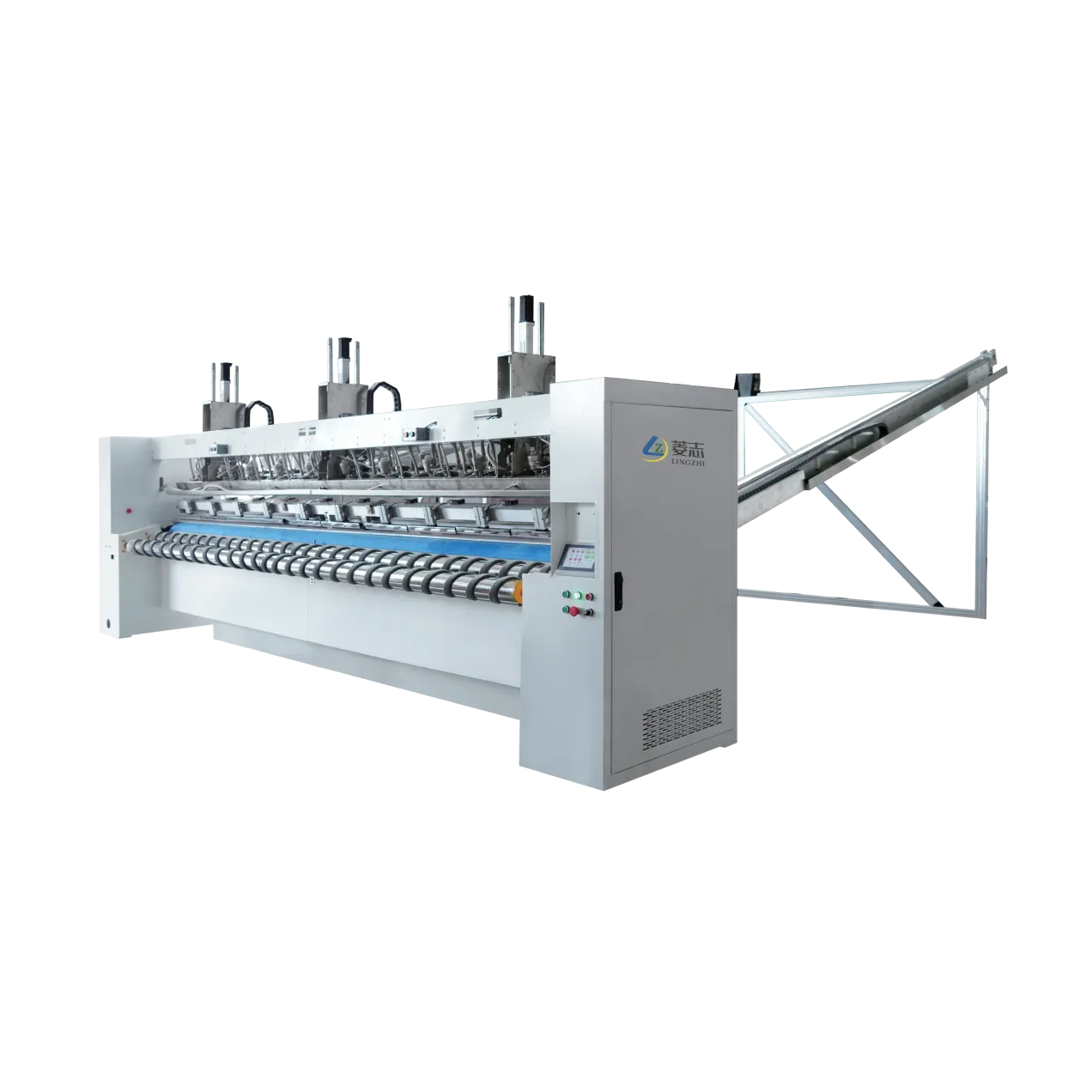
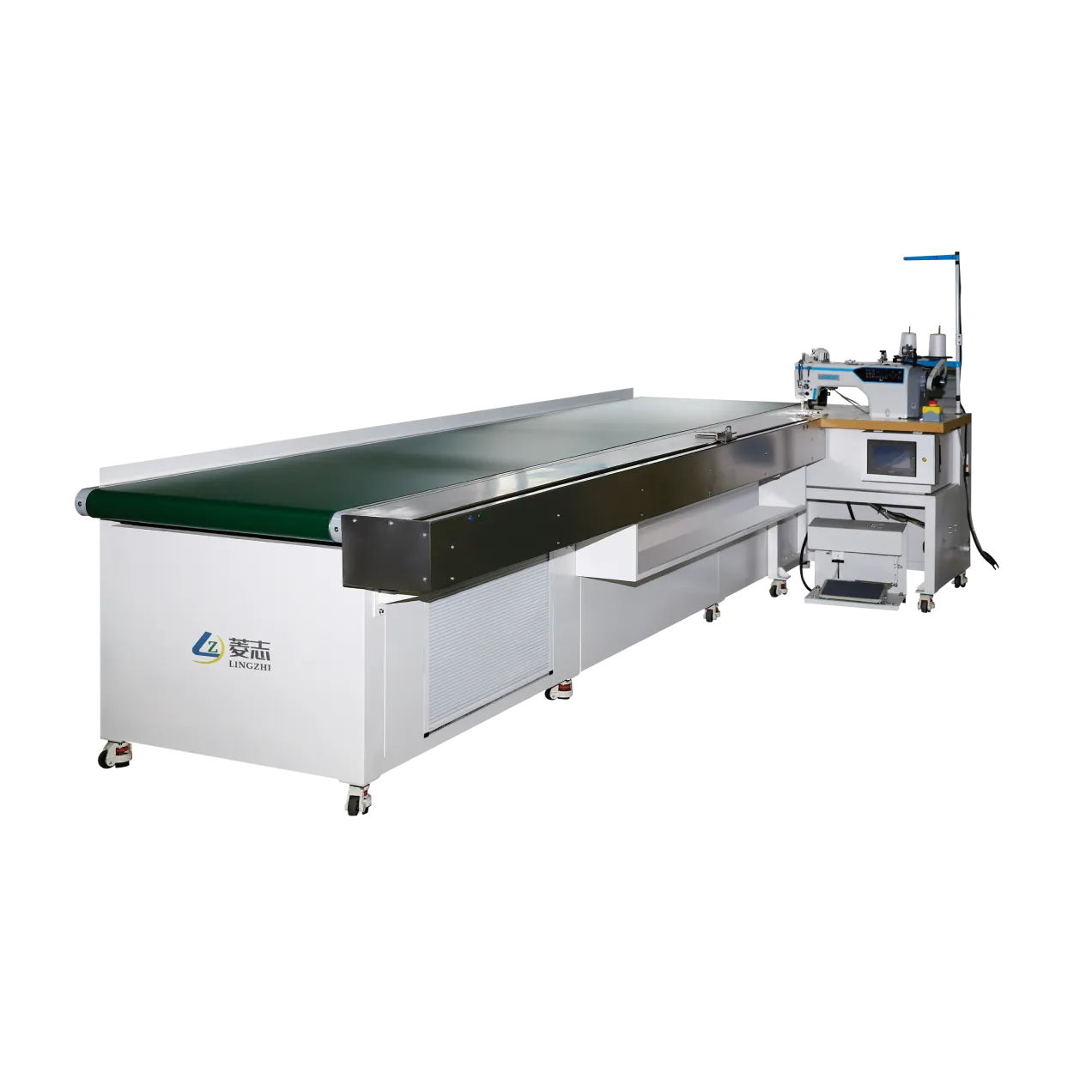
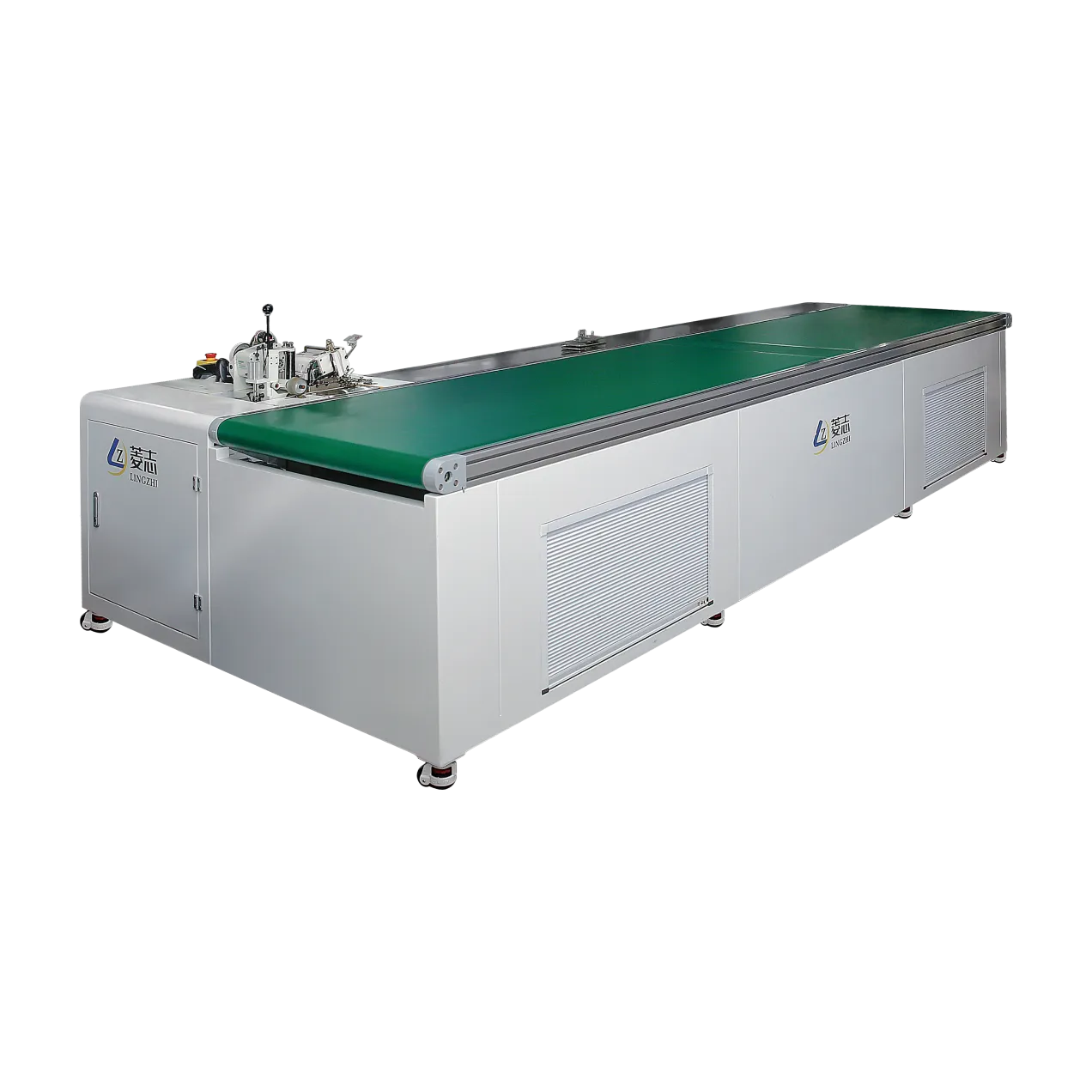
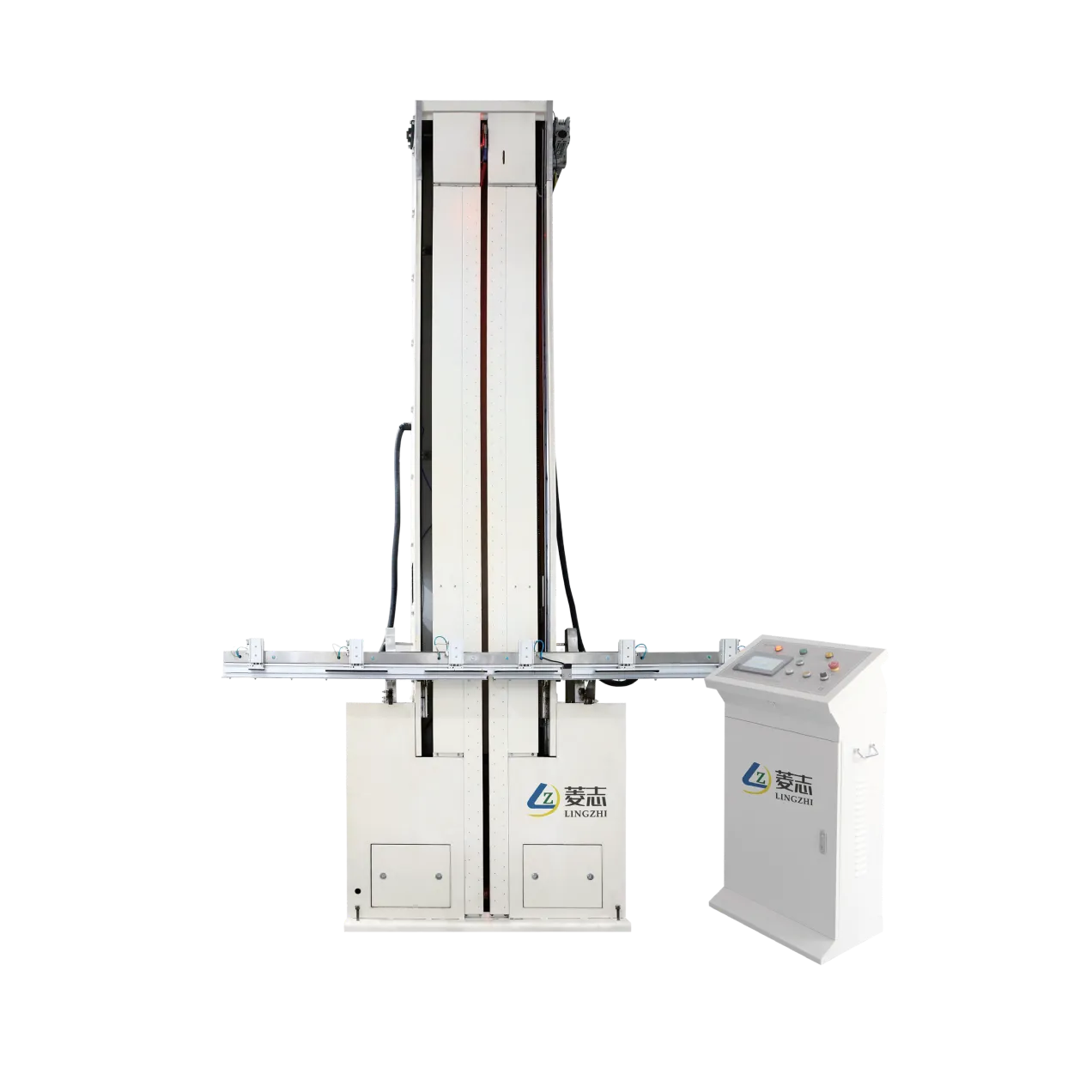
The LZ-SBD-12 curtain tape machine is engineered to attach various heading tapes, meshes, and decorative trims to curtain panels. To address different fabric weights and pleating requirements, this equipment platform is available in three distinct mechanical configurations: a 5-thread overlock system for concealed tapes, a high-speed double-needle chain stitch for surface mounting, and a double lockstitch setup for heavy decorative applications.

| Product Name | Model | Voltage | Power | Dimensions (L*W*H) | Weight |
|---|---|---|---|---|---|
| Curtain Tape Attaching Machine | LZ-SBD-11 | 220V/50HZ | 0.75 kW | 1500 * 1500 * 1200 mm | 150 KG |

As a vertically integrated manufacturer with 23 years of industry expertise, we deliver precision-engineered automated curtain sewing equipment and commercial-grade fabrics worldwide — ensuring factory-direct quality, stable performance, and comprehensive technical support for your production lines.
learn more about us


The machine can be configured with three distinct sewing heads based on production needs: a Japanese-style 5-thread overlock, a double-needle chain stitch, and a double lockstitch setup.
The Japanese-style 5-thread overlock configuration is highly recommended for concealed applications. It securely sews non-woven or mesh tapes while keeping the tape completely hidden on the curtain's reverse side.
Yes. The double lockstitch configuration is specifically engineered to handle surface-mounted decorative tapes and trims. Its locked thread mechanics provide strong, durable seams without skipping stitches on thicker layers.
The chain stitch mechanism allows for exceptionally fast linear sewing speeds. This makes it the optimal choice for large-volume manufacturing environments that process standard surface-mounted heading tapes.
The LZ-SBD-11 model requires a 220V/50HZ power supply and draws 0.75kW. It has a compact workstation footprint of 1500mm in length, 1500mm in width, and 1200mm in height, weighing 150KG.
Attaching heading tape is a critical structural phase in curtain manufacturing. The heading tape dictates the pleat style, governs how the curtain hangs from the track, and bears the physical weight of the fabric panel. Because heading tapes vary significantly in material—ranging from lightweight non-woven mesh to heavy decorative trims—a single sewing method cannot effectively process all types. Selecting the correct curtain tape machine configuration ensures seam durability and prevents aesthetic defects.
The interaction between the machine's needle, the thread tension, and the tape material determines the quality of the attachment. Production managers must match the equipment configuration to the specific tape type used in their facility:
| Configuration | Stitch Type | Primary Application | Manufacturing Advantage |
|---|---|---|---|
| Japanese-Style | 5-Thread Overlock | Non-woven tapes, mesh tapes | Hides the tape on the reverse side; highly cost-effective and prevents fraying. |
| Chain Stitch | Double-Needle Chain | Standard surface-mounted tapes | Maximizes sewing speed; delivers highly uniform and continuous seams for mass production. |
| Lockstitch | Double Lockstitch | Decorative tapes, heavy trims | Creates an exceptionally durable, locked seam; prevents skipped stitches on dense material stacks. |
Beyond the stitch type, the mechanical configuration impacts the daily workflow on the factory floor. For facilities processing lightweight sheer curtains, the 5-thread overlock machine provides a clean aesthetic by keeping the tape invisible from the front, while simultaneously reducing the frequency of thread spool changes. Conversely, factories producing heavy hotel drapery with surface-mounted blackout tapes benefit from the sheer speed and linear consistency of the double-needle chain stitch. By selecting the precise mechanical setup, facilities minimize fabric handling errors and optimize the speed of their finishing department.