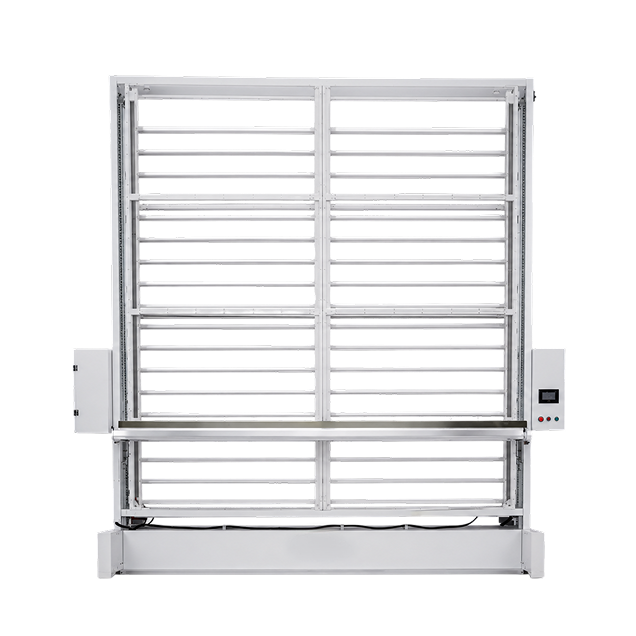
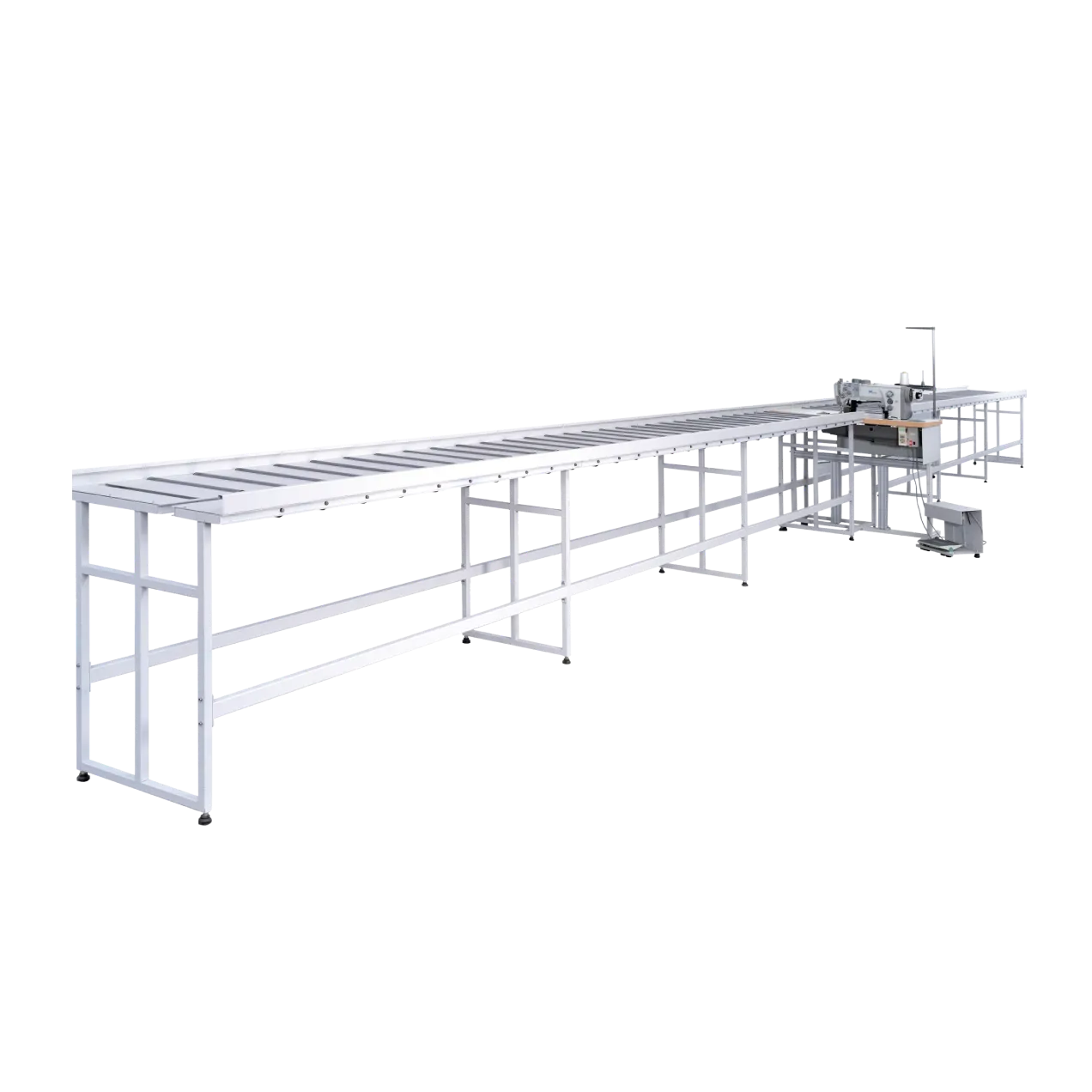
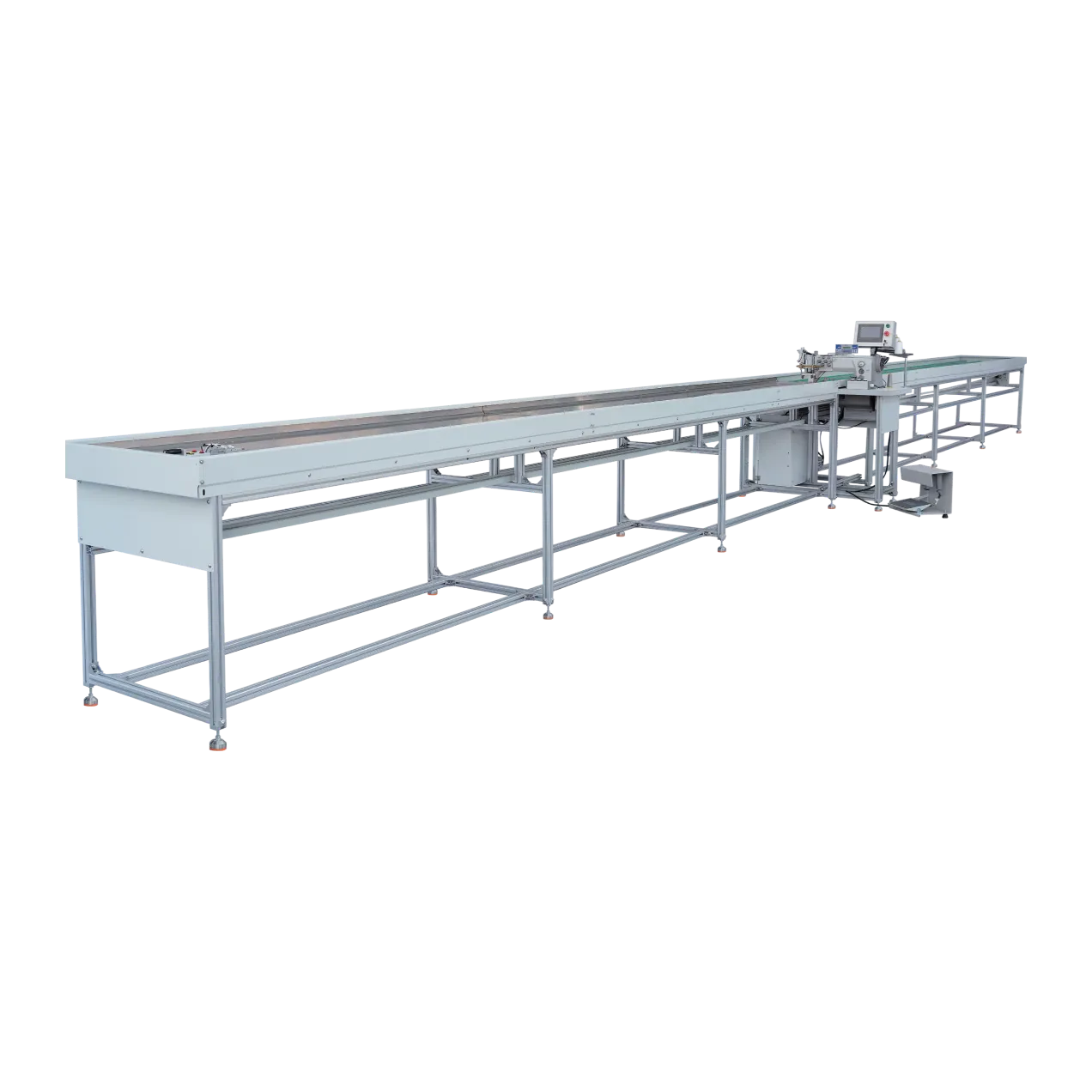
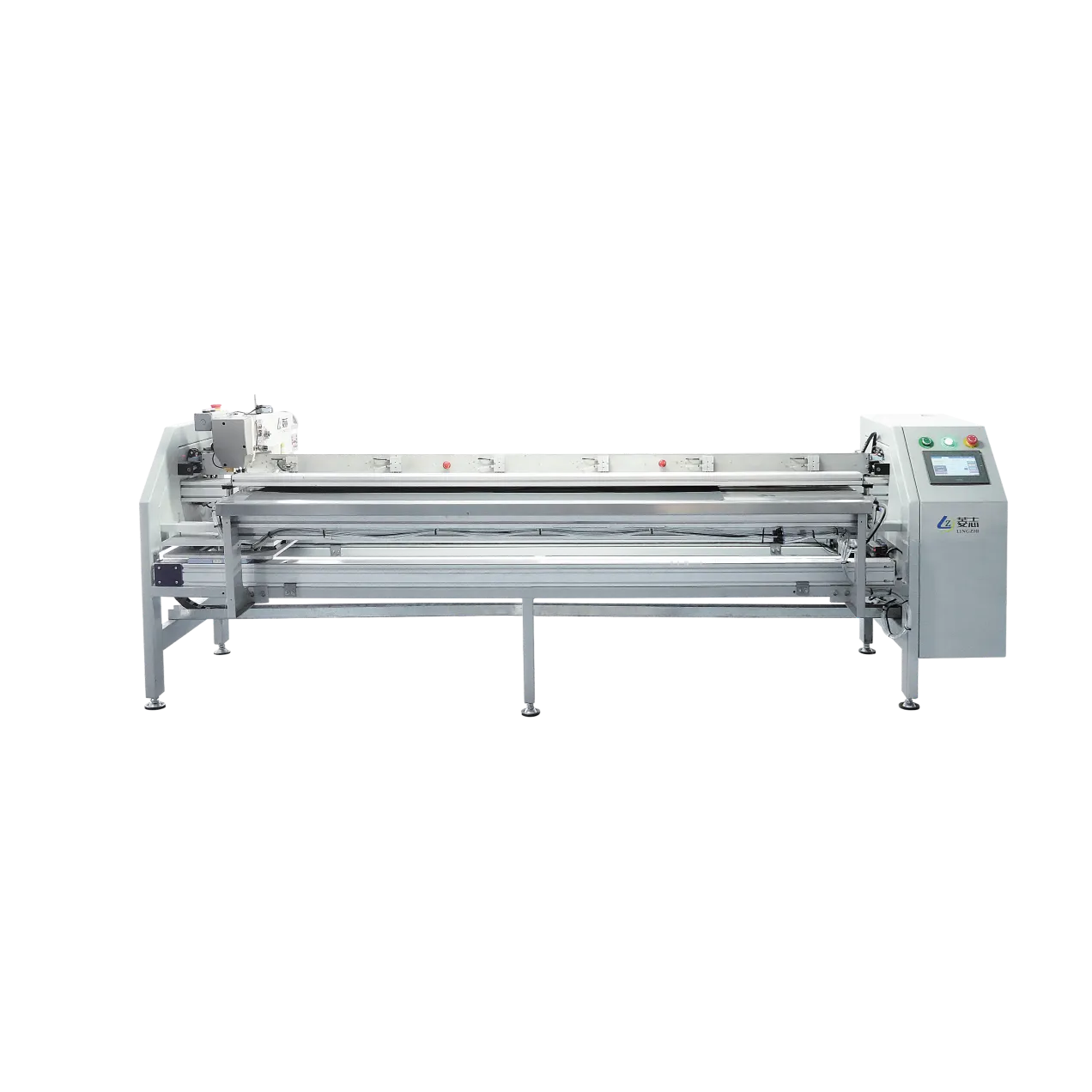
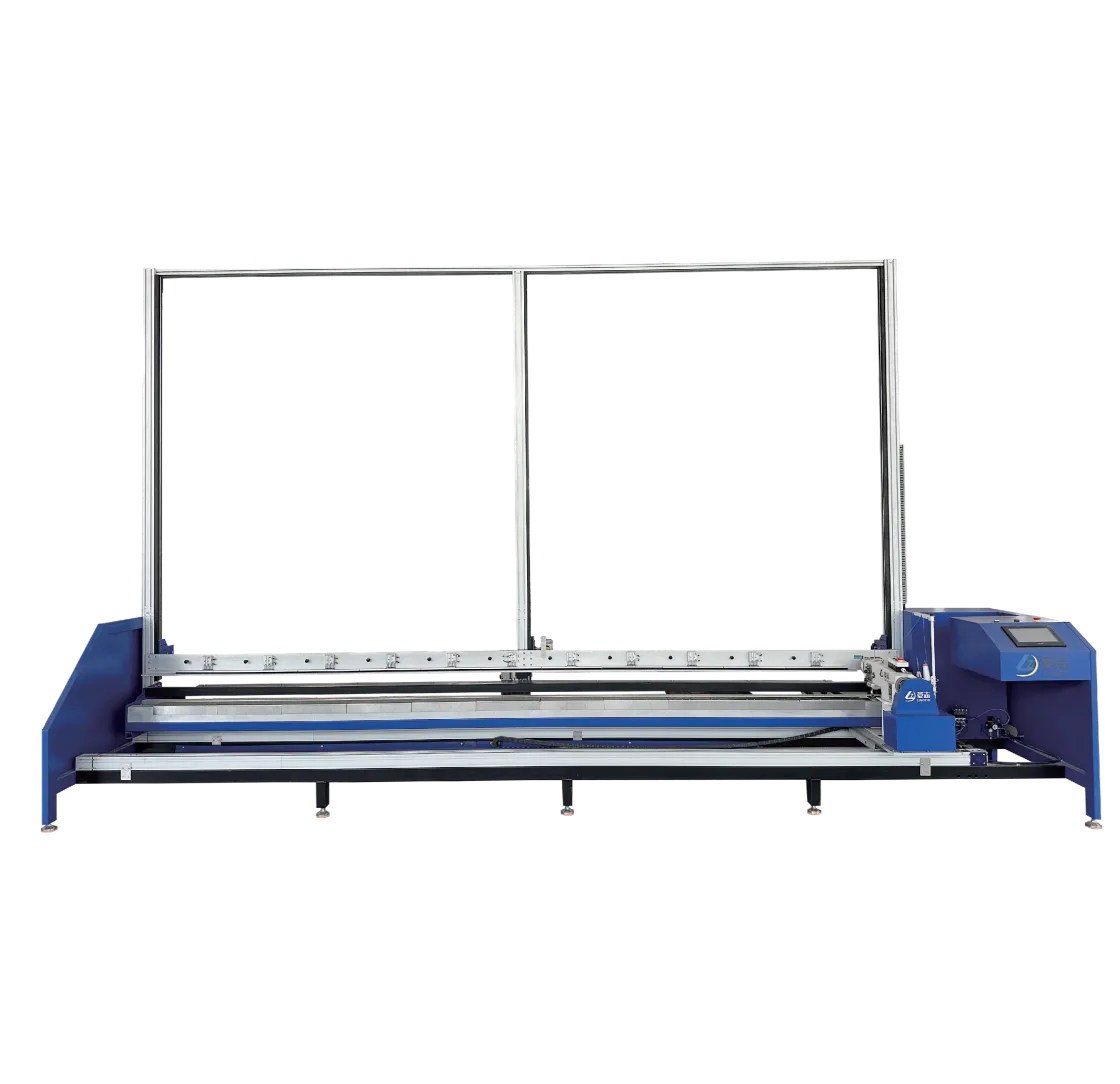
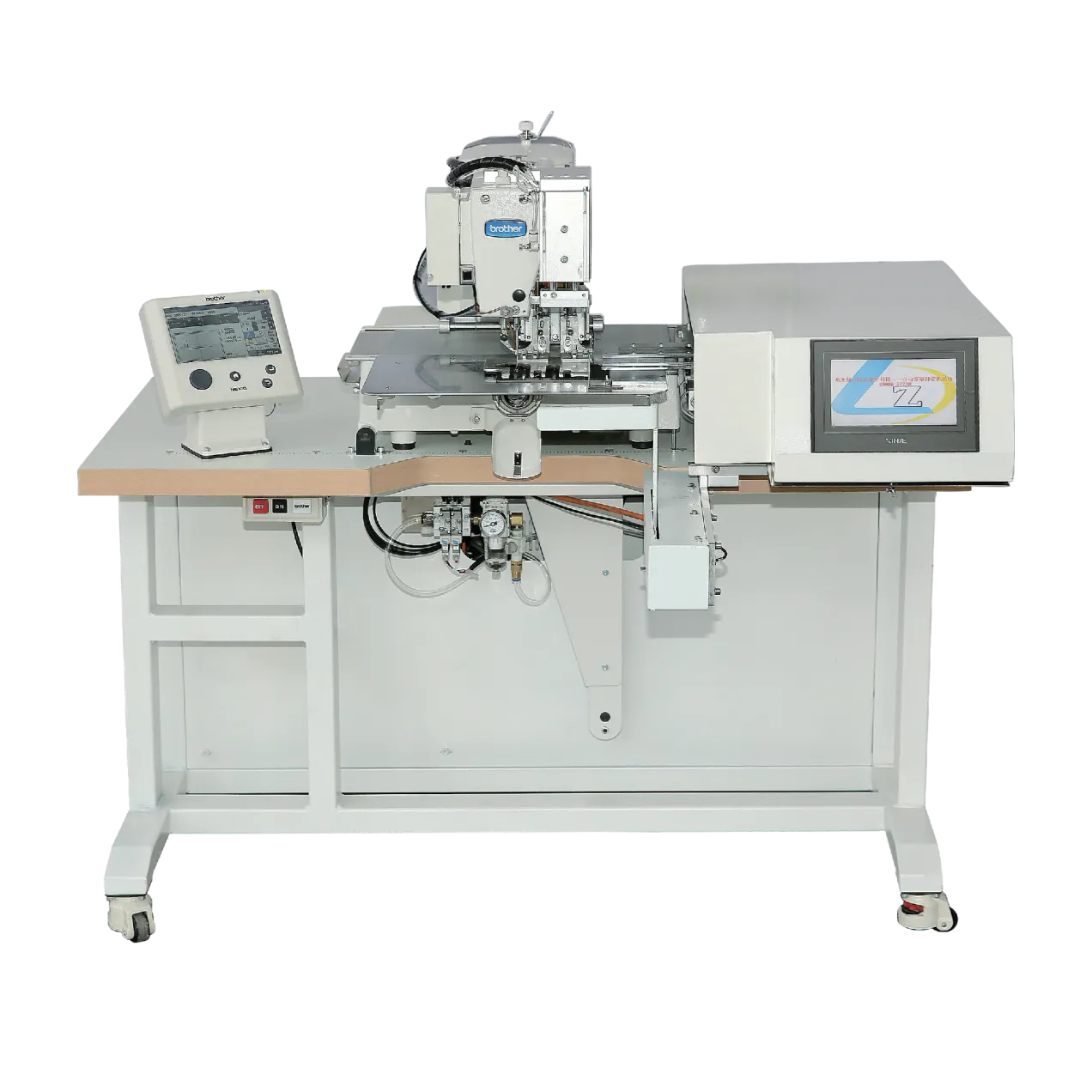
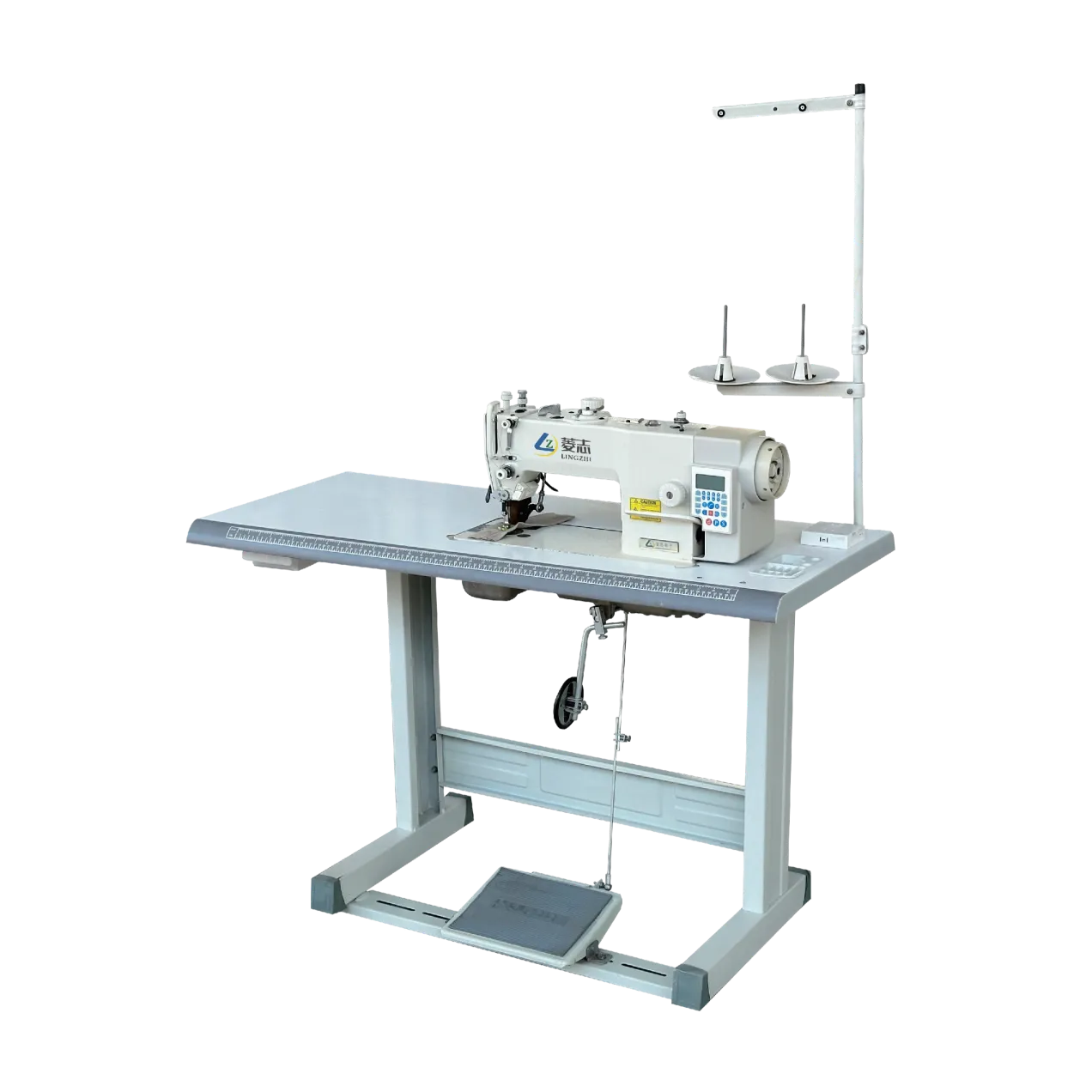
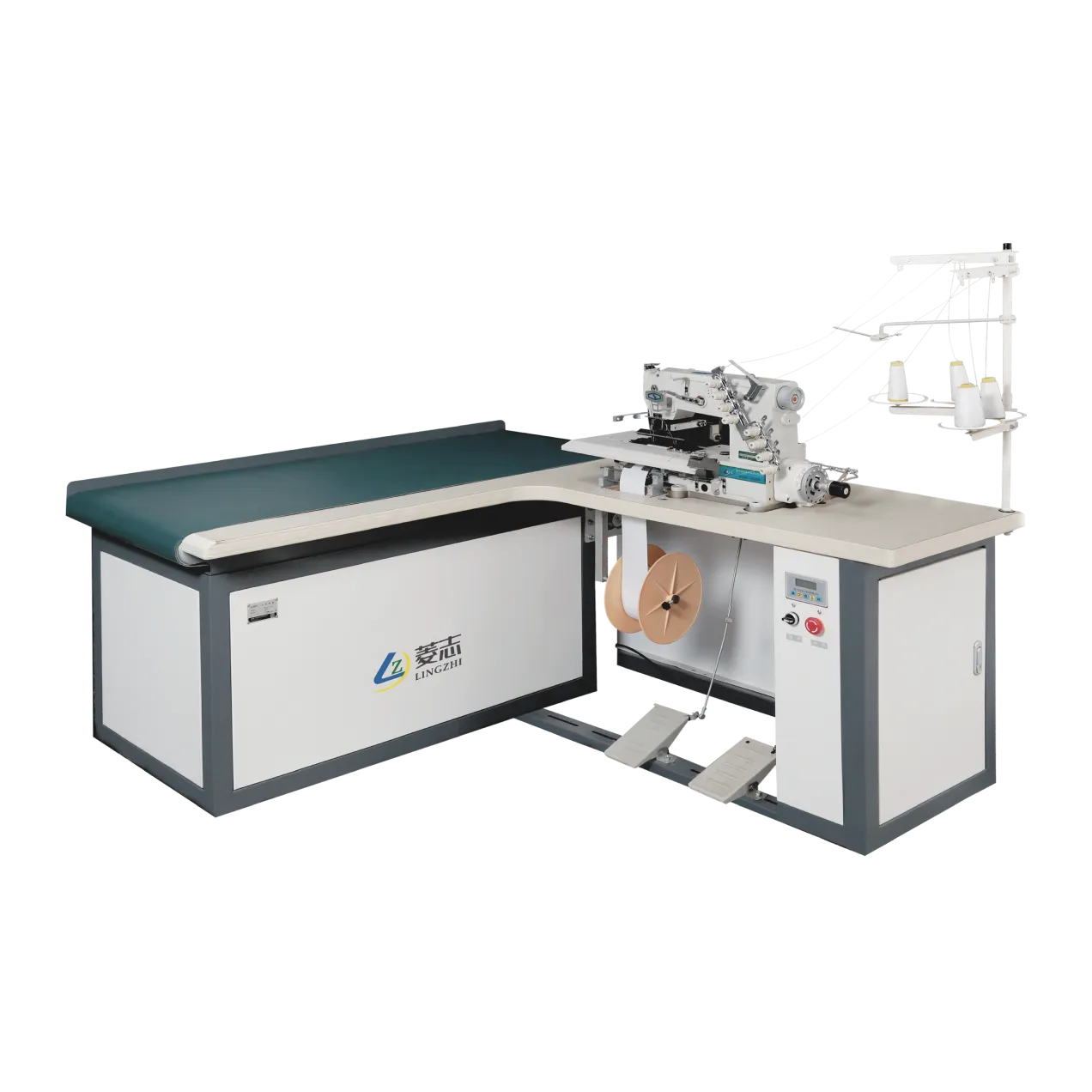
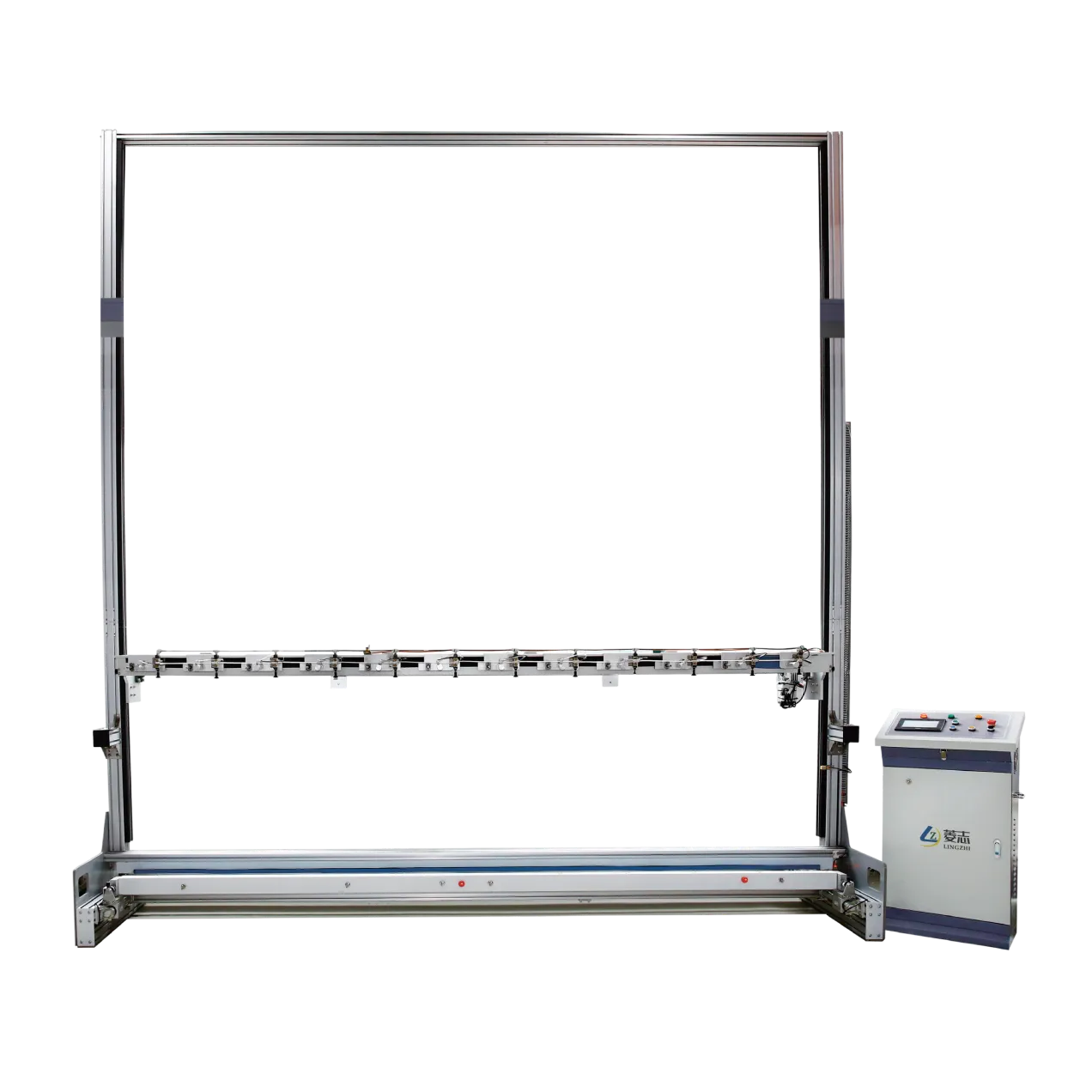
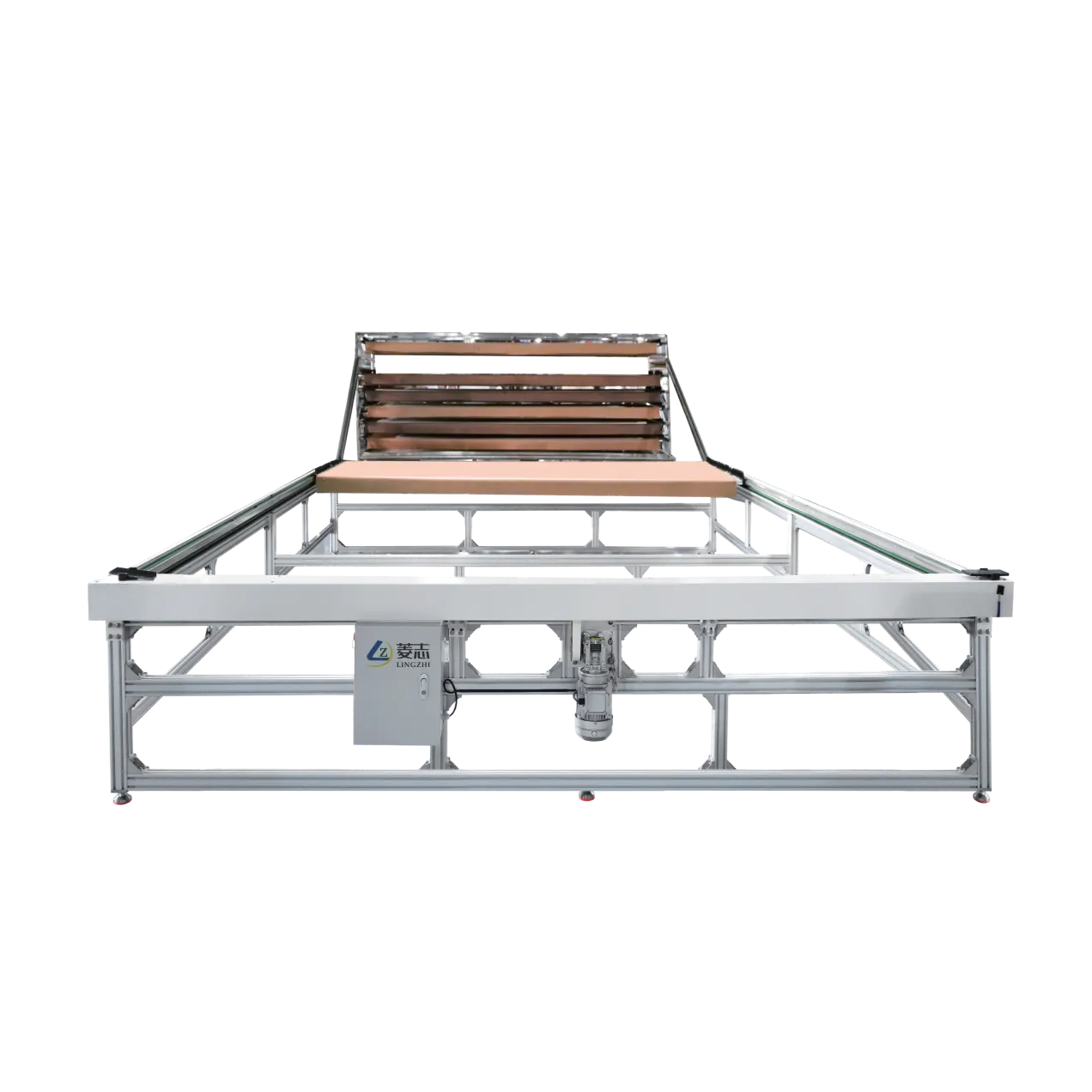
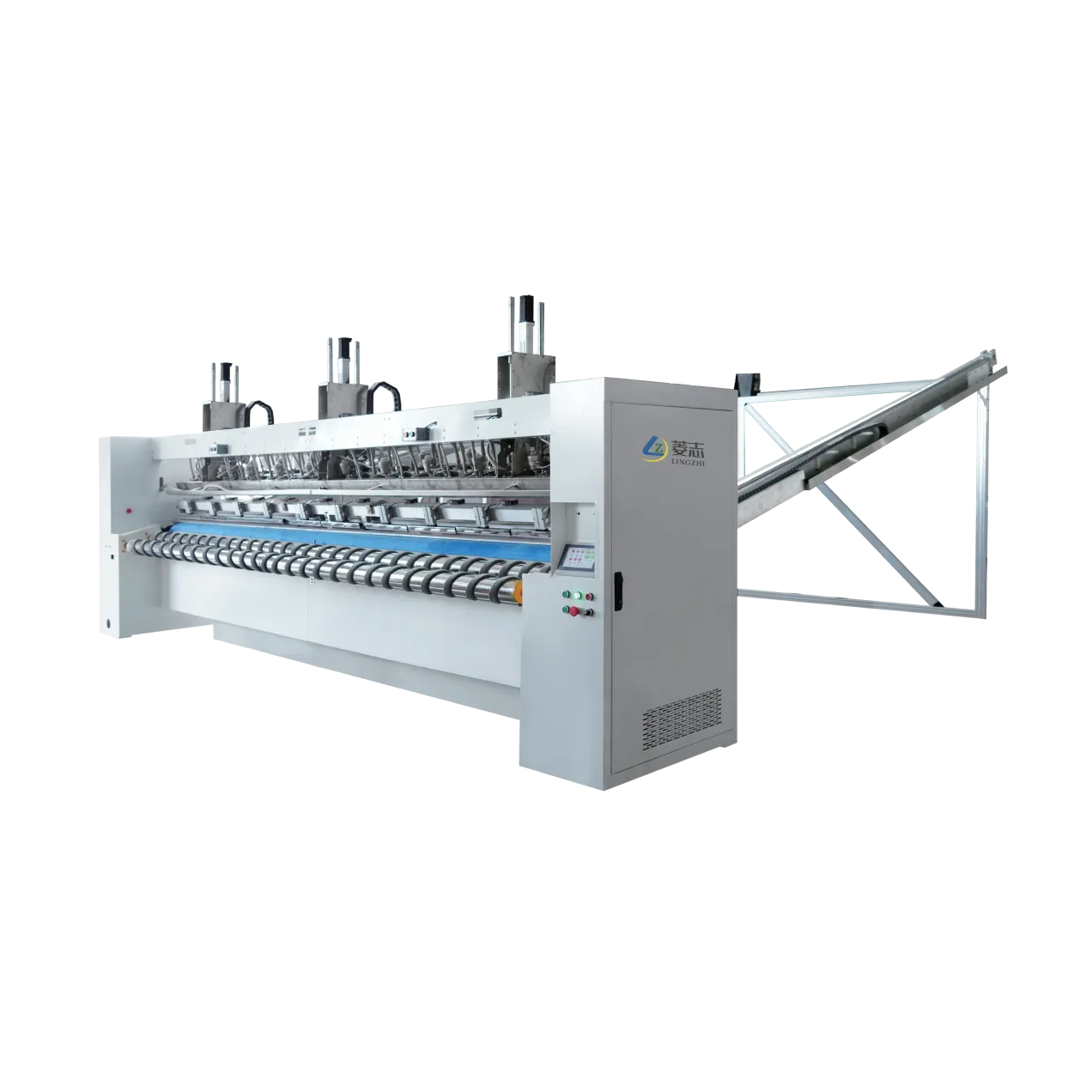
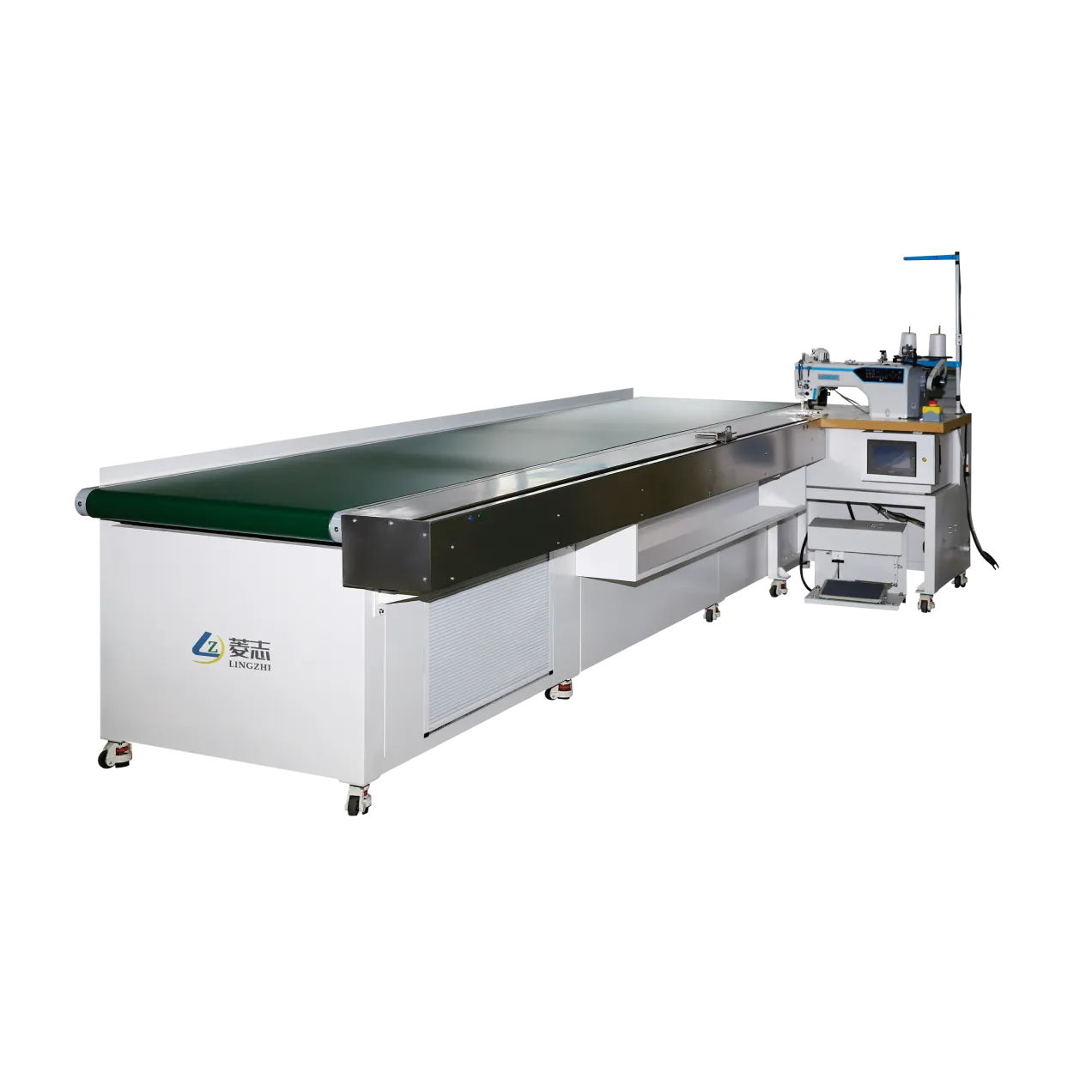
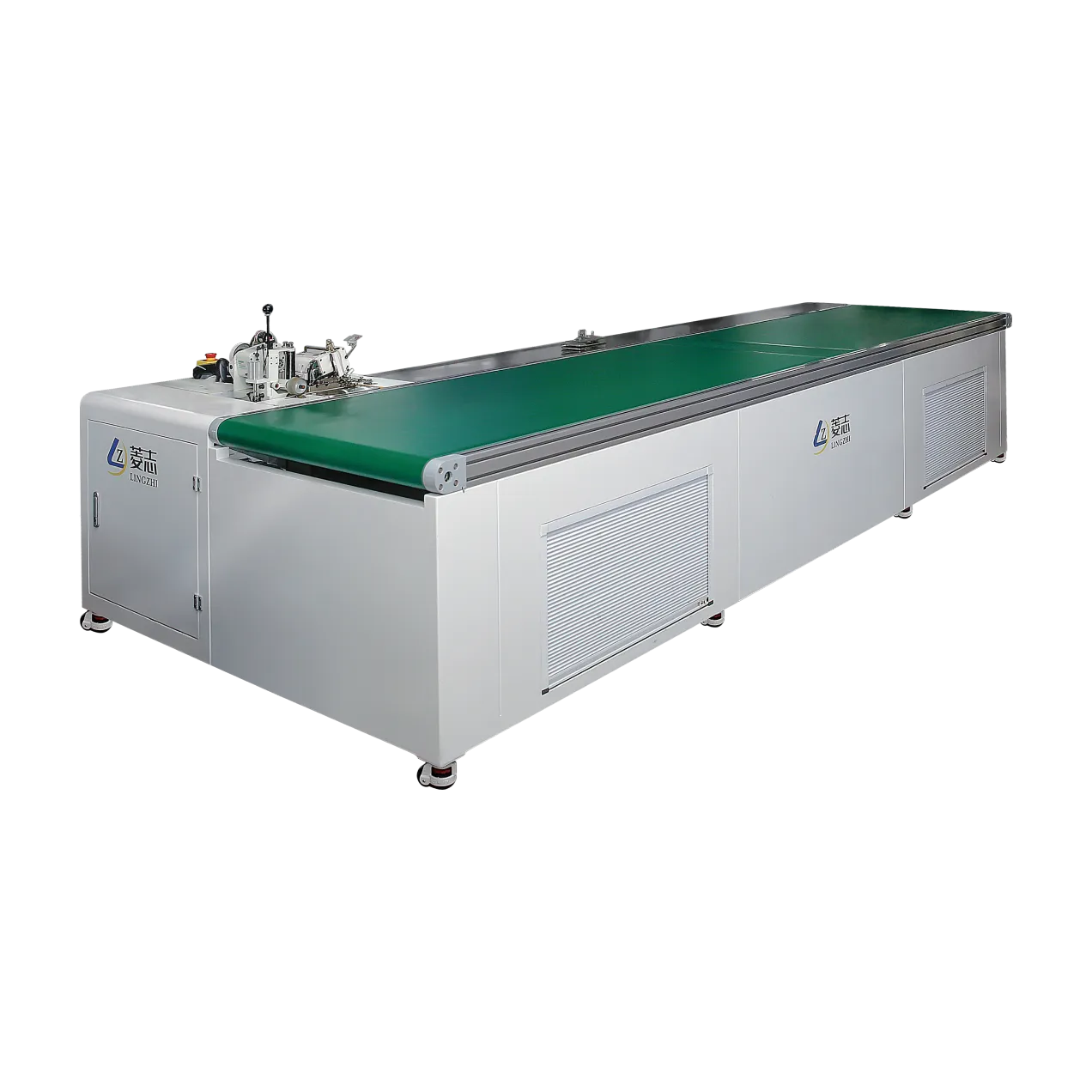
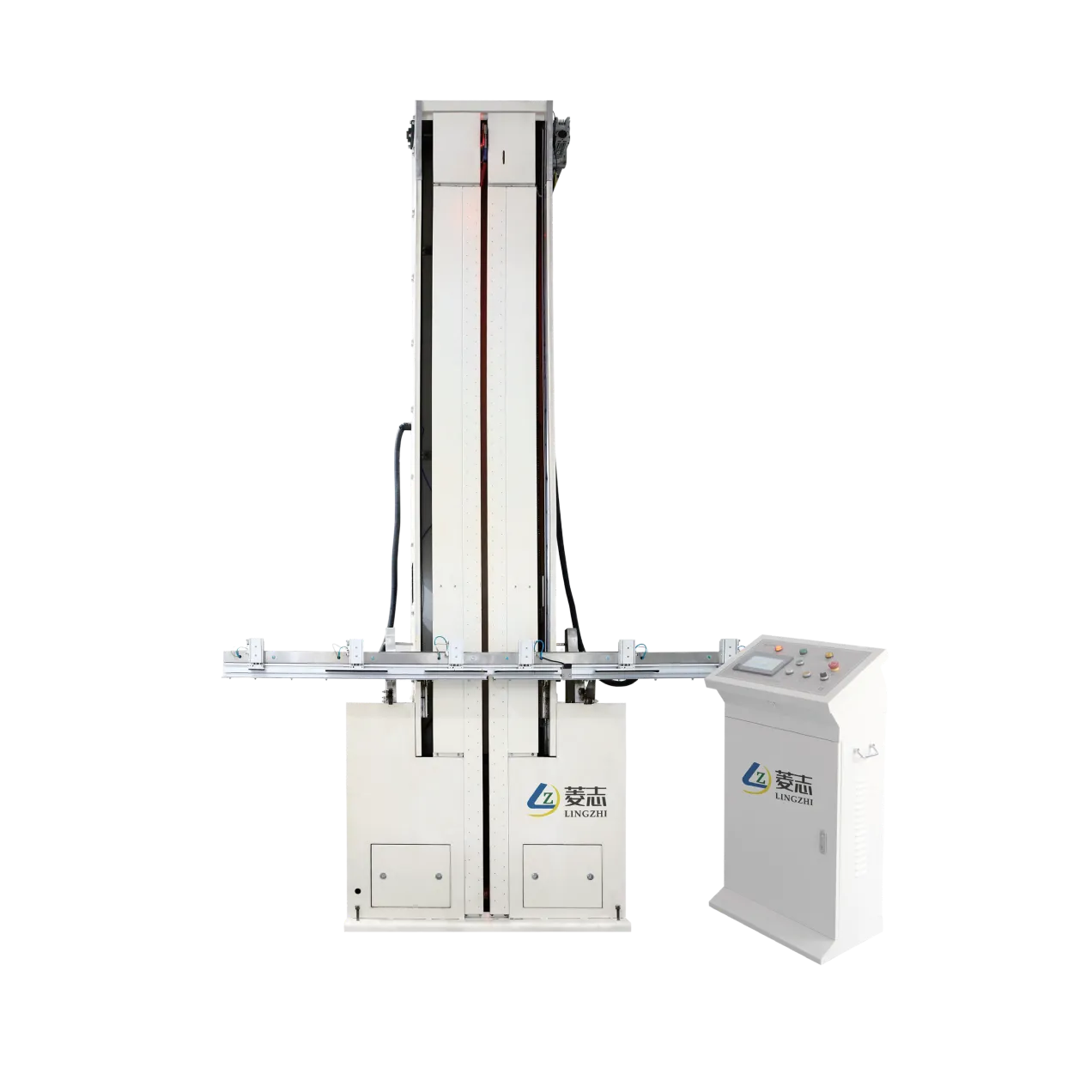
We manufacture industrial curtain joining machines designed to replace manual sewing in high-volume textile production. Functioning as a high-precision fabric splicing machine, this equipment integrates an advanced backwards tension control system to ensure consistent, wrinkle-free seams across large panels. Engineered for modern curtain processing facilities, it delivers rapid, high-quality joining for various materials without relying on highly specialized labor.

| Product Name | Model | Voltage | Power | Dimensions (L*W*H) | Weight |
|---|---|---|---|---|---|
| Automatic Backwards Tension Joint Machine | LZ-HZL-05 | 220V/50HZ | 0.75 kW | 4000 * 1400 * 1250 mm | 320 KG |

As a vertically integrated manufacturer with 23 years of industry expertise, we deliver precision-engineered automated curtain sewing equipment and commercial-grade fabrics worldwide — ensuring factory-direct quality, stable performance, and comprehensive technical support for your production lines.
learn more about us


The equipment is engineered to handle a diverse range of curtain fabrics, including standard polyester, lightweight chiffon, and thick velvet. The mechanical feed adapts to different material weights to ensure a secure and clean joint.
It utilizes an intelligent tension control system that automatically monitors and adjusts the pulling force on the fabric as it is sewn. This constant mechanical regulation keeps the material flat and prevents puckering along the seam line.
No. The automation of the tension and feed mechanisms simplifies the sewing process. This allows standard factory employees to operate the machine effectively after basic orientation, drastically reducing training overhead.
The machine features a configurable speed ratio adjustment. This function independently controls the feed speed of the upper and lower fabric layers, ensuring that both panels align perfectly without shifting or offset during the joining process.
The LZ-HZL-05 requires a standard 220V/50HZ power supply and draws 0.75kW. It has an operational footprint of 4000mm in length, 1400mm in width, and 1250mm in height, with a total structural weight of 320KG.
In high-volume curtain manufacturing, the transition from manual sewing to an automated curtain joining machine is driven by the strict requirement for standardization and production throughput. Large fabric panels require consistent handling to maintain dimensional accuracy and aesthetic quality. A professional fabric splicing machine addresses the specific mechanical challenges of joining long textiles, primarily tension management and fabric layer synchronization.
When joining long runs of fabric, uneven tension applied by manual operators results in seam puckering, where the fabric bunches along the stitch line. This structural defect compromises the drape of the finished curtain. Automated joining equipment mitigates this by utilizing sensor-driven backwards tension control systems. These mechanisms dynamically adjust the resistance on the fabric roll as it feeds into the sewing head. By maintaining a constant, calculated pull, the machine ensures that the fabric remains perfectly flat as the needle penetrates the material, resulting in a smooth, professional seam.
A persistent issue in textile processing is the differential feed rate between upper and lower fabric layers. When two panels of different textures or weights are sewn together, the friction of the machine bed often causes the bottom layer to feed faster than the top, leading to uneven ends and structural misalignment. Advanced splicing machines incorporate speed ratio adjustments to counteract this physical limitation. By mechanically synchronizing or intentionally offsetting the feed rates of the respective layers, the equipment guarantees that both panels progress at an identical pace, preventing seam shift and material distortion.
Deploying automated joining machinery fundamentally alters the economics of a curtain processing facility. Traditional sewing requires highly skilled labor to manually manage fabric tension over 3 to 5-meter runs. Automation transfers this physical responsibility from the operator to the machine's control system. This shift allows manufacturers to utilize standard production personnel for complex joining tasks, significantly lowering labor costs and reducing the onboarding time required for new staff. Furthermore, the mechanized speed of the equipment substantially outpaces manual methods, enabling facilities to scale their daily output and fulfill high-volume B2B orders with consistent, standardized quality.