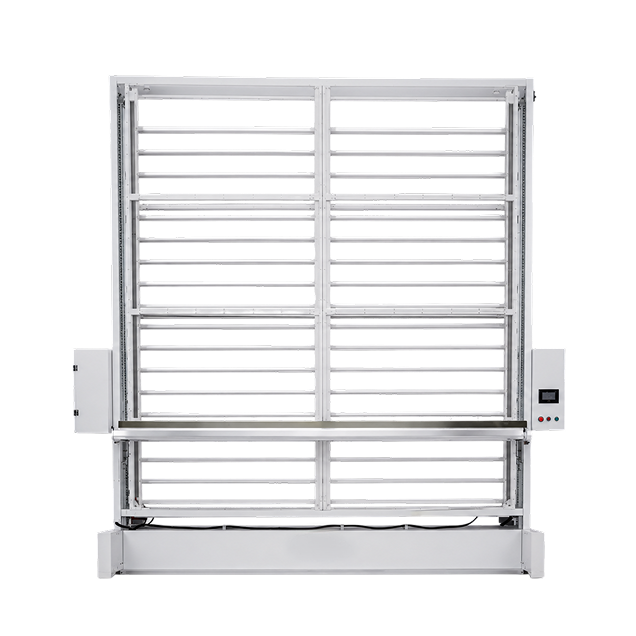
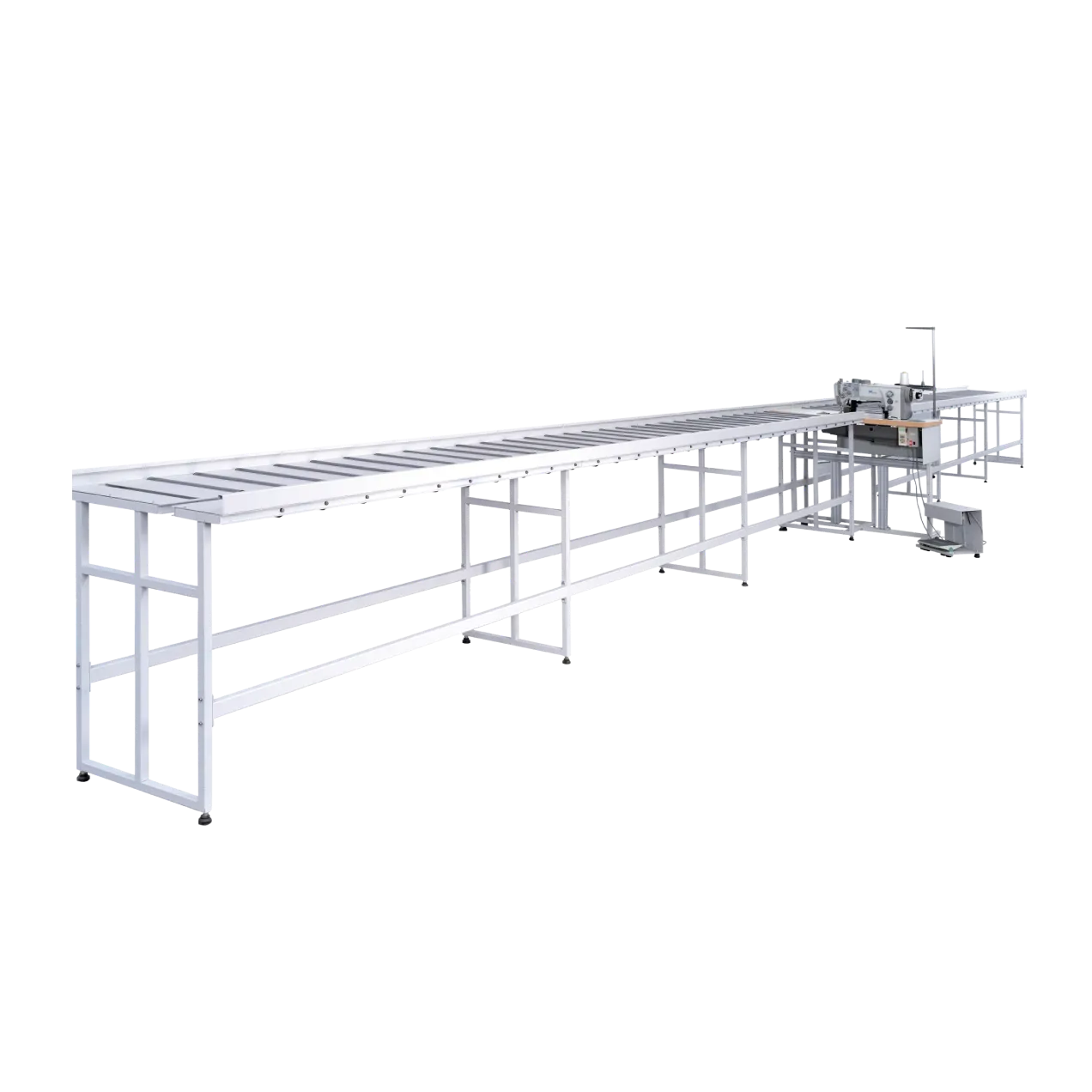
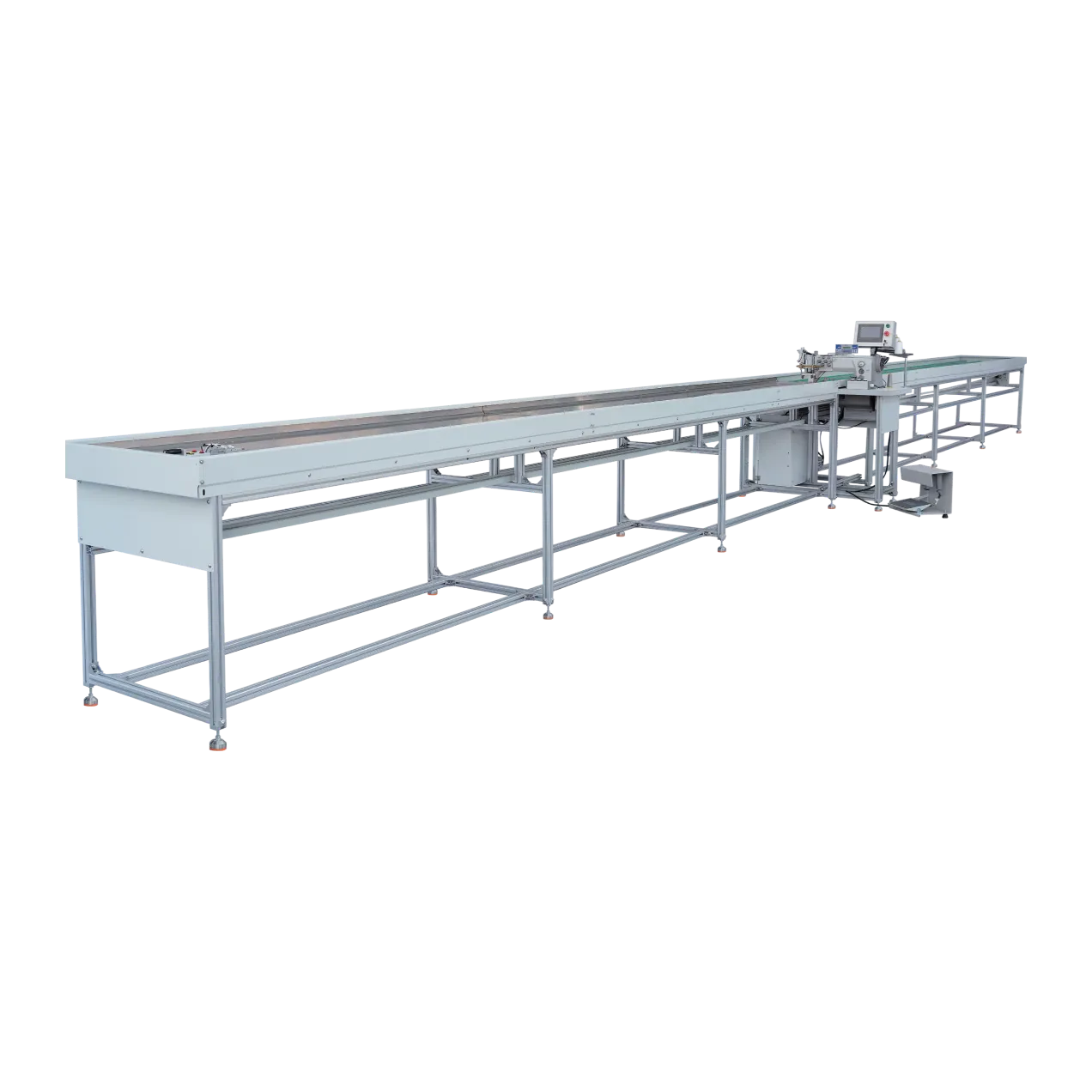
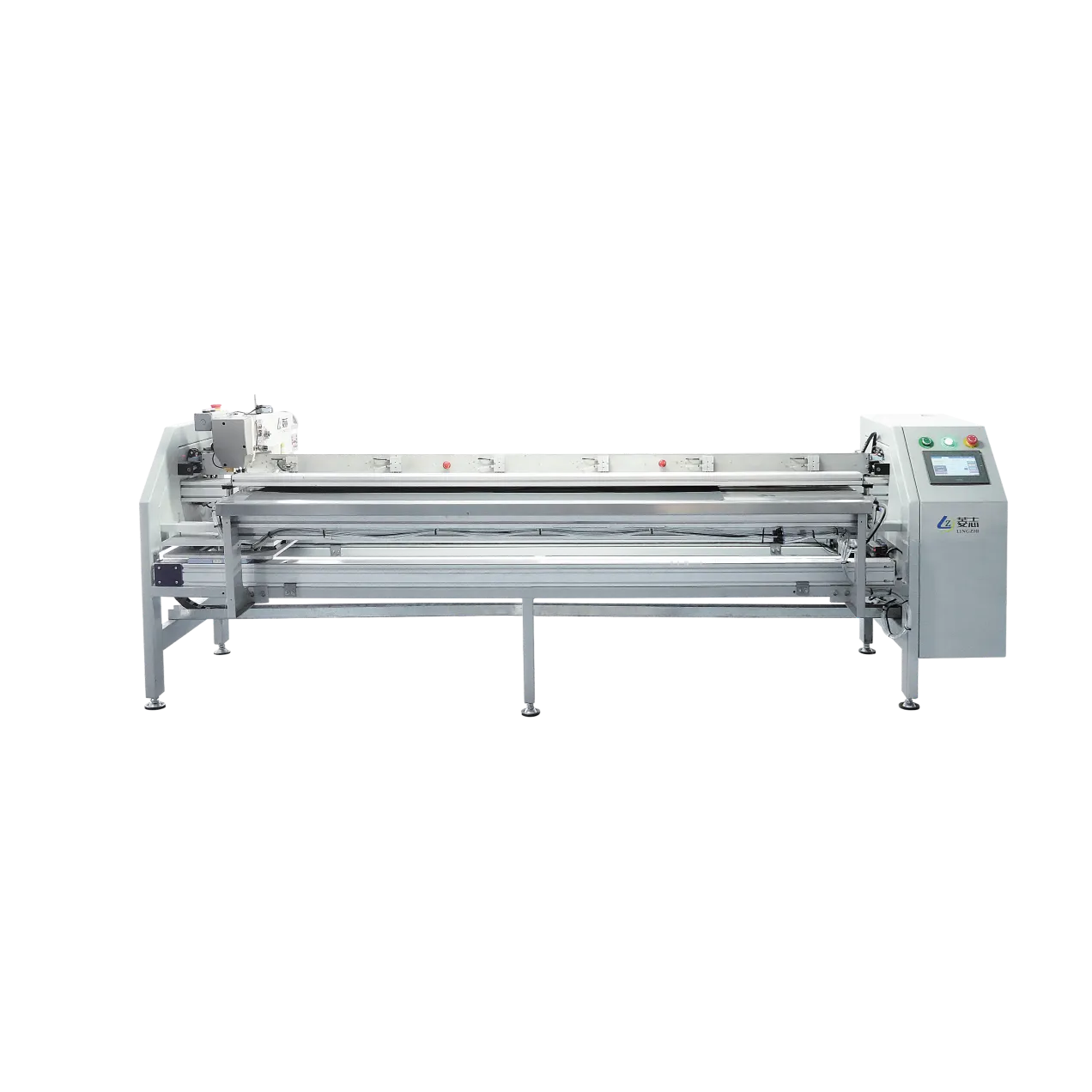
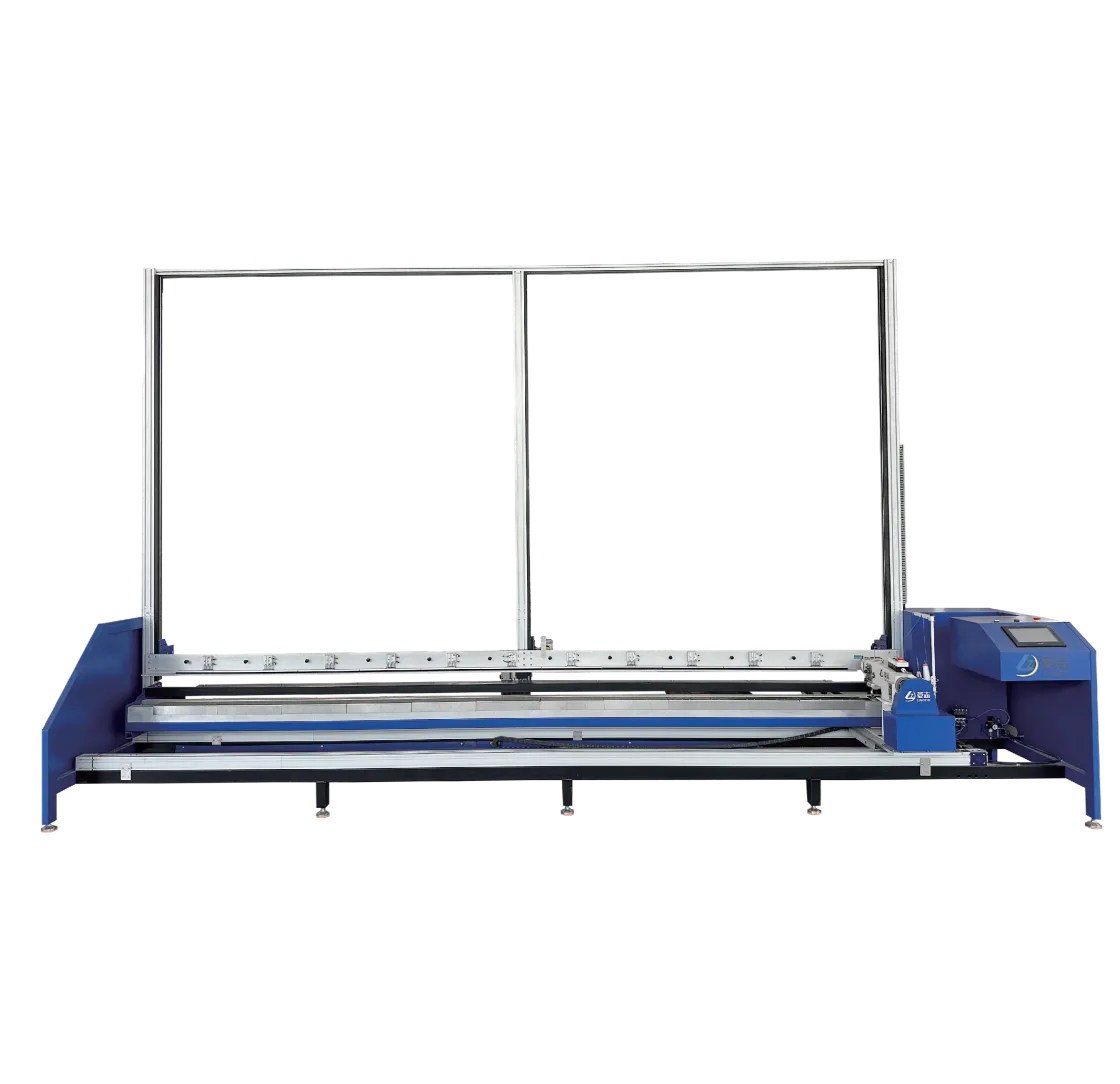
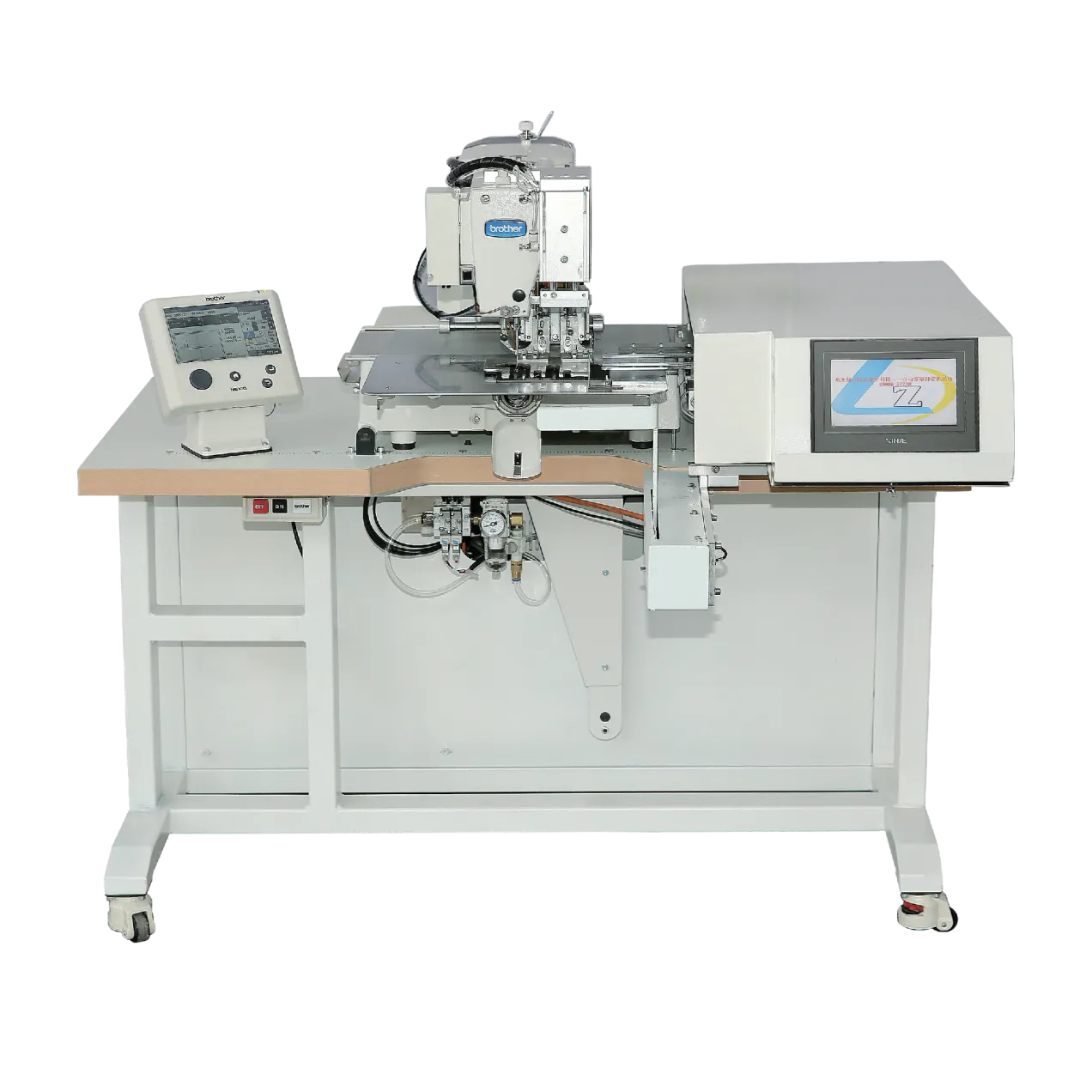
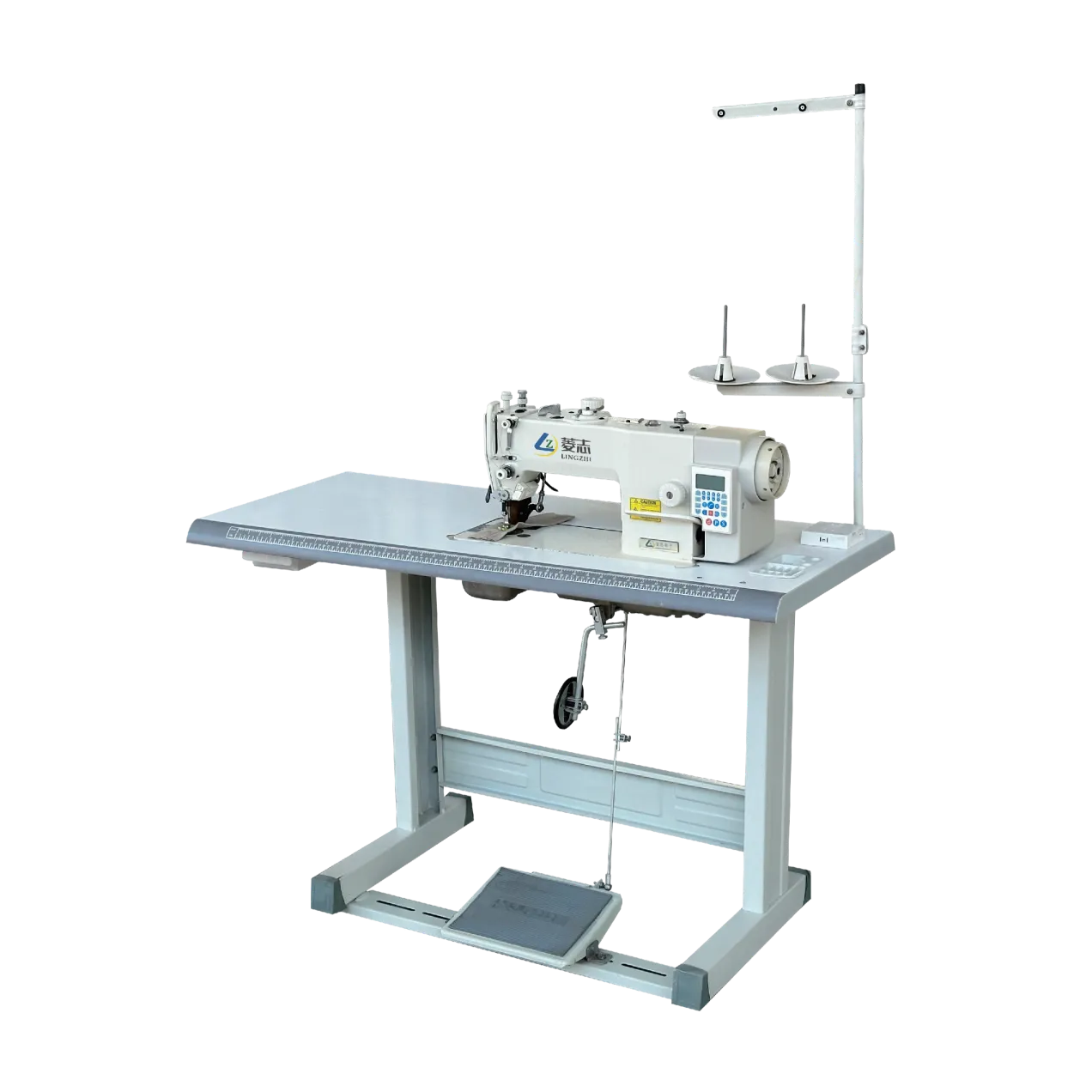
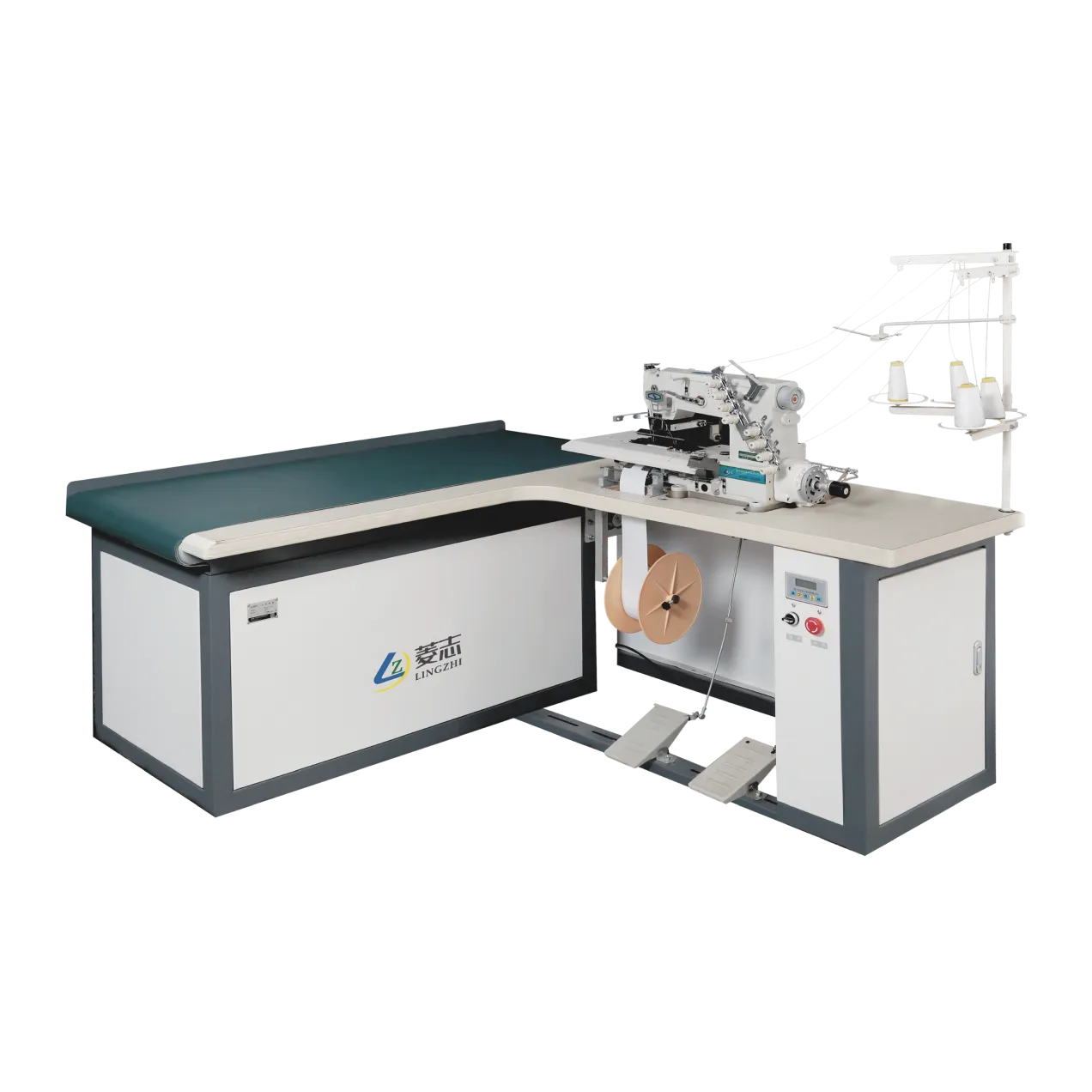
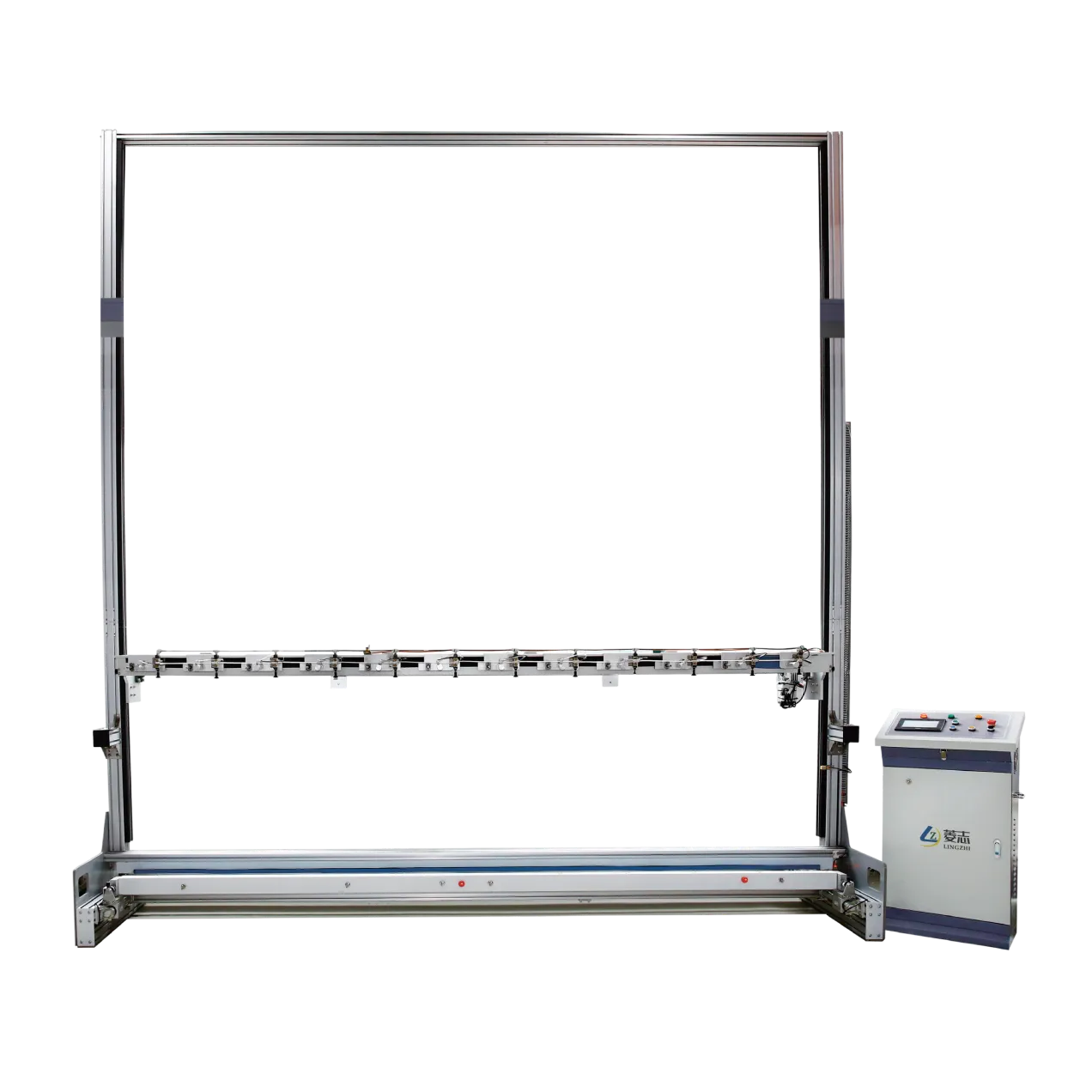
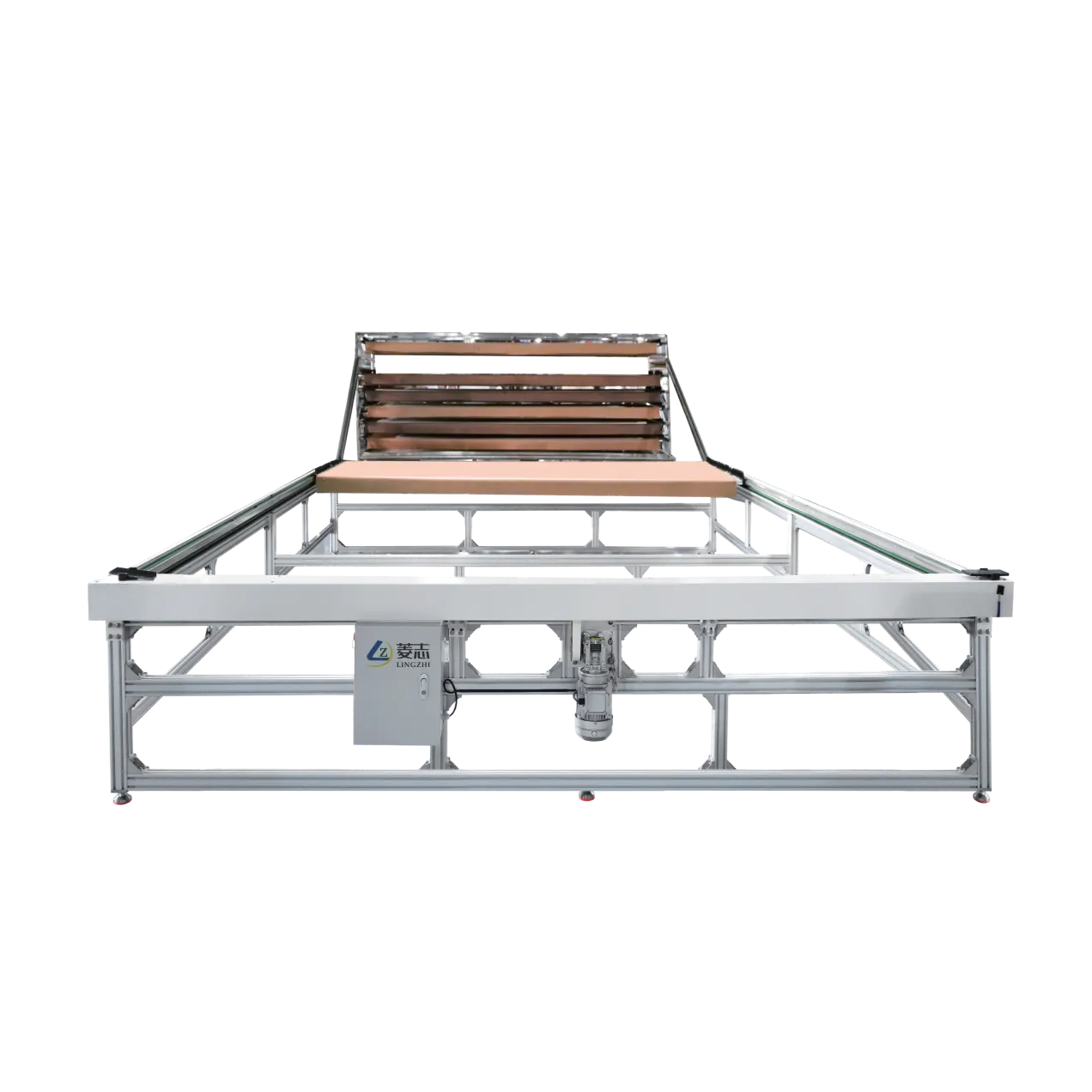
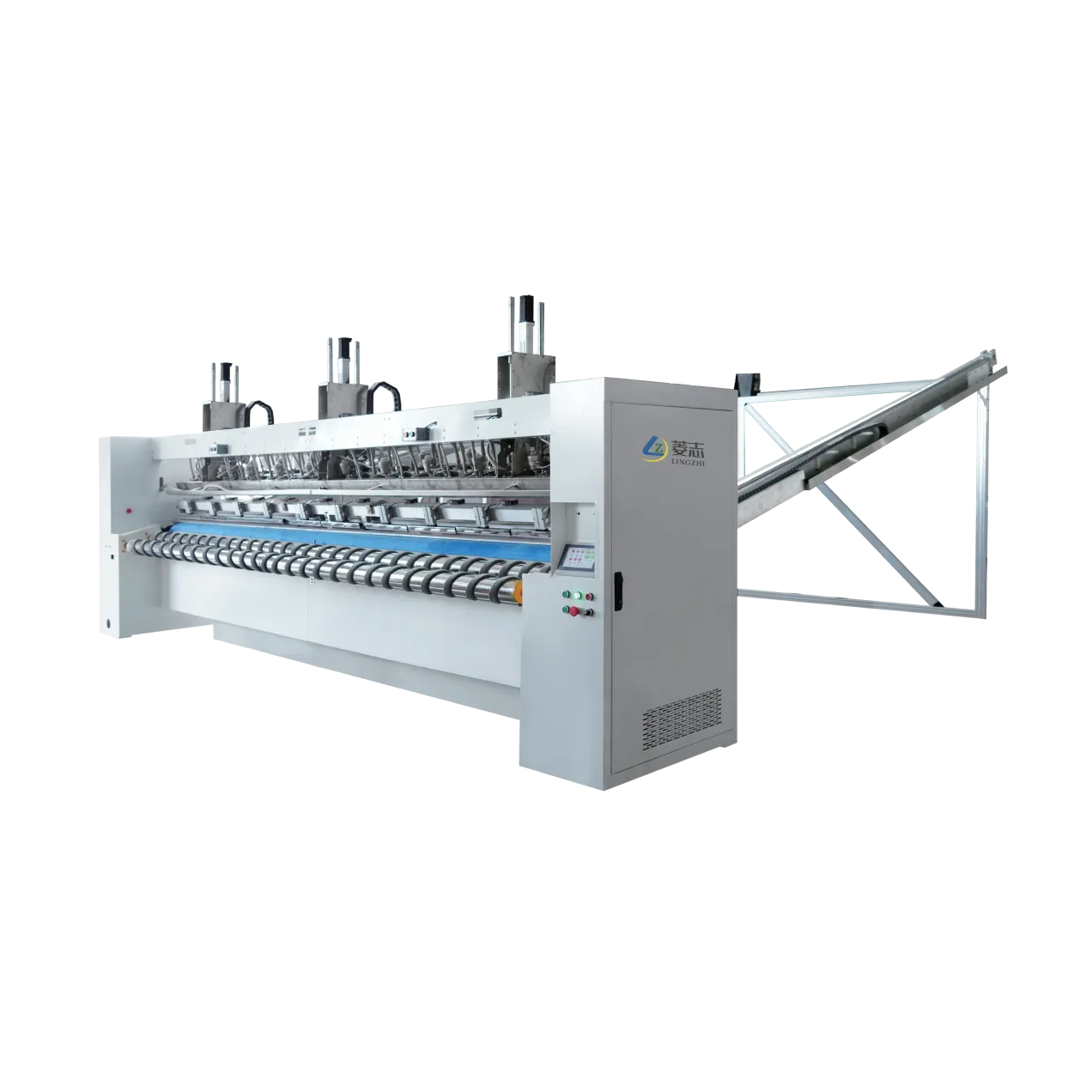
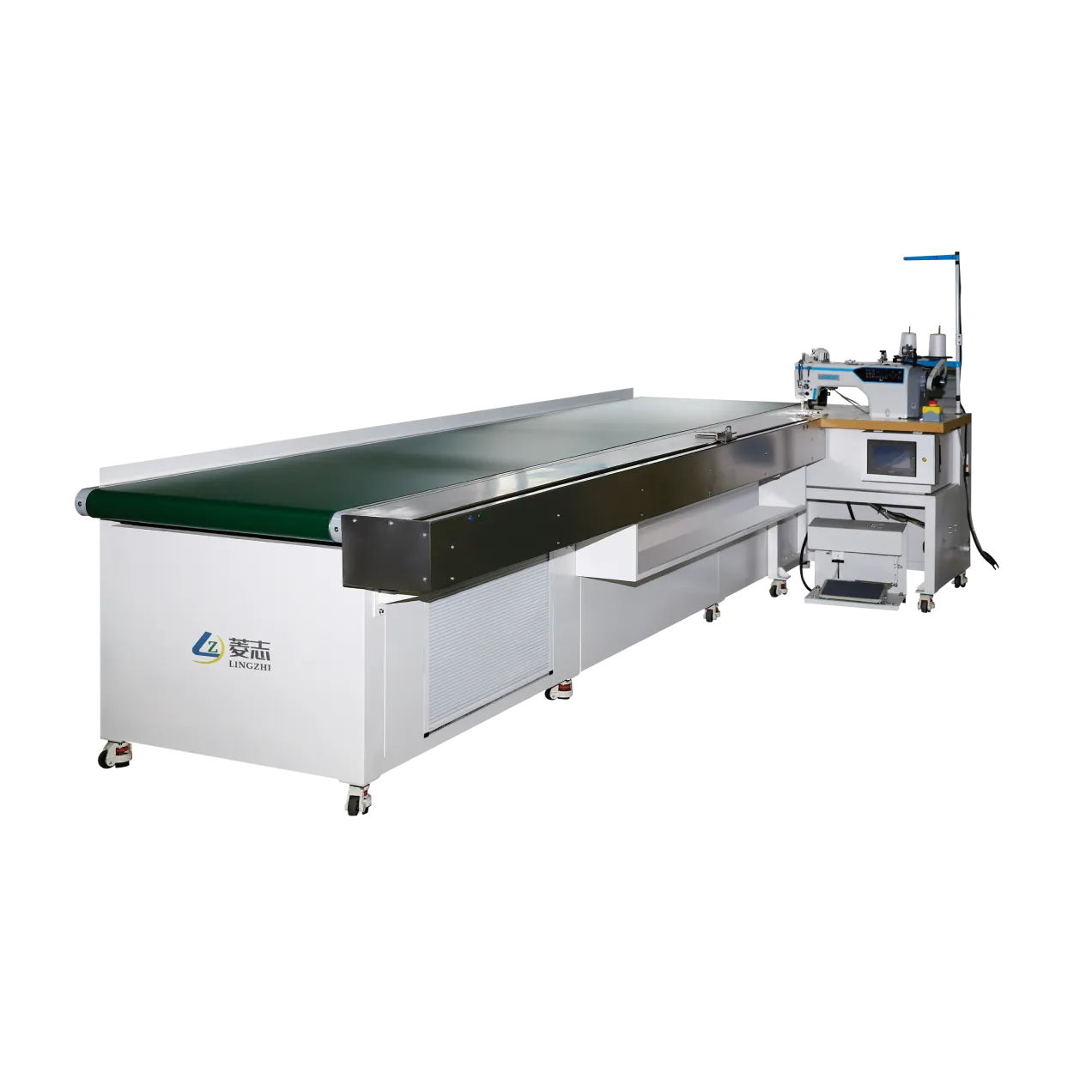
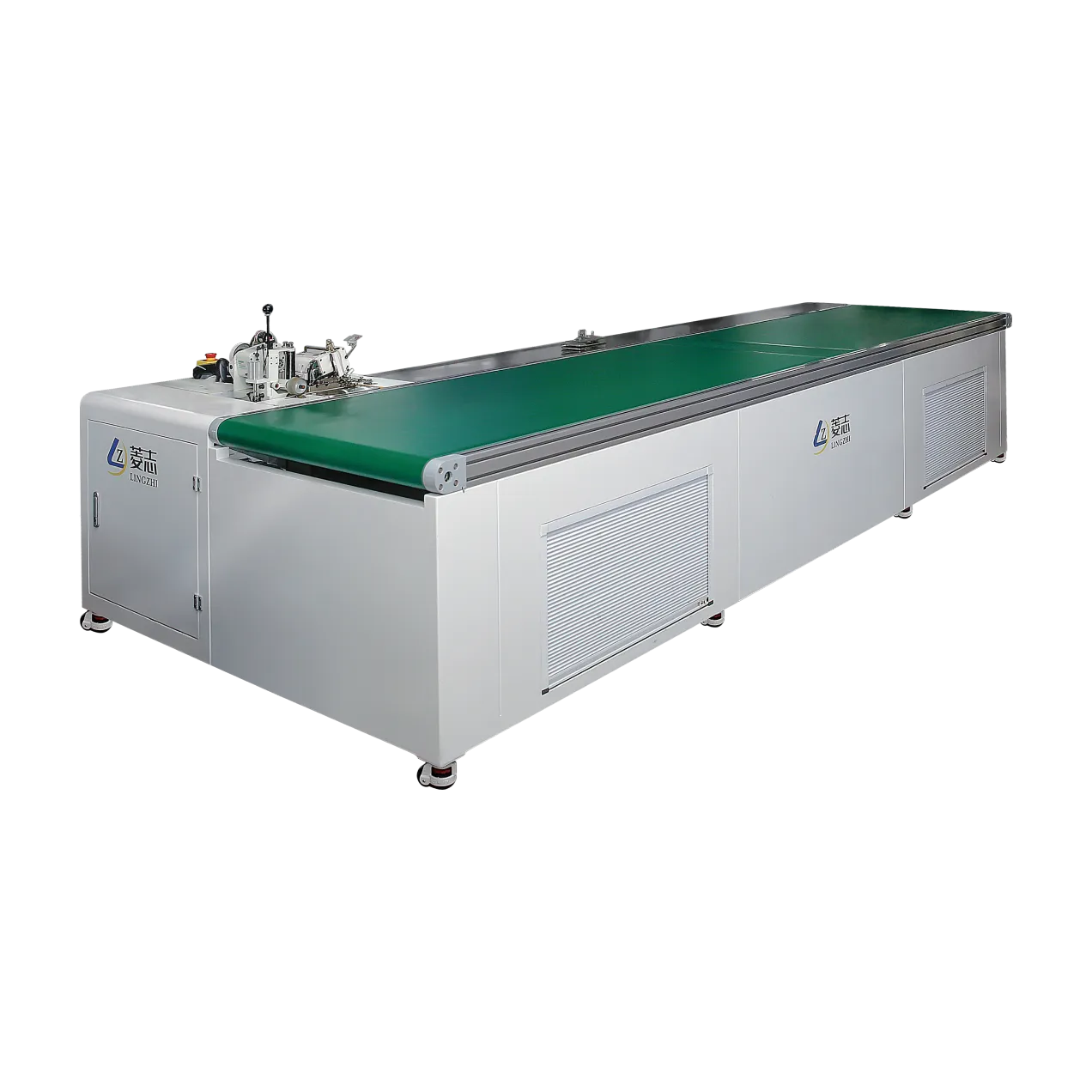
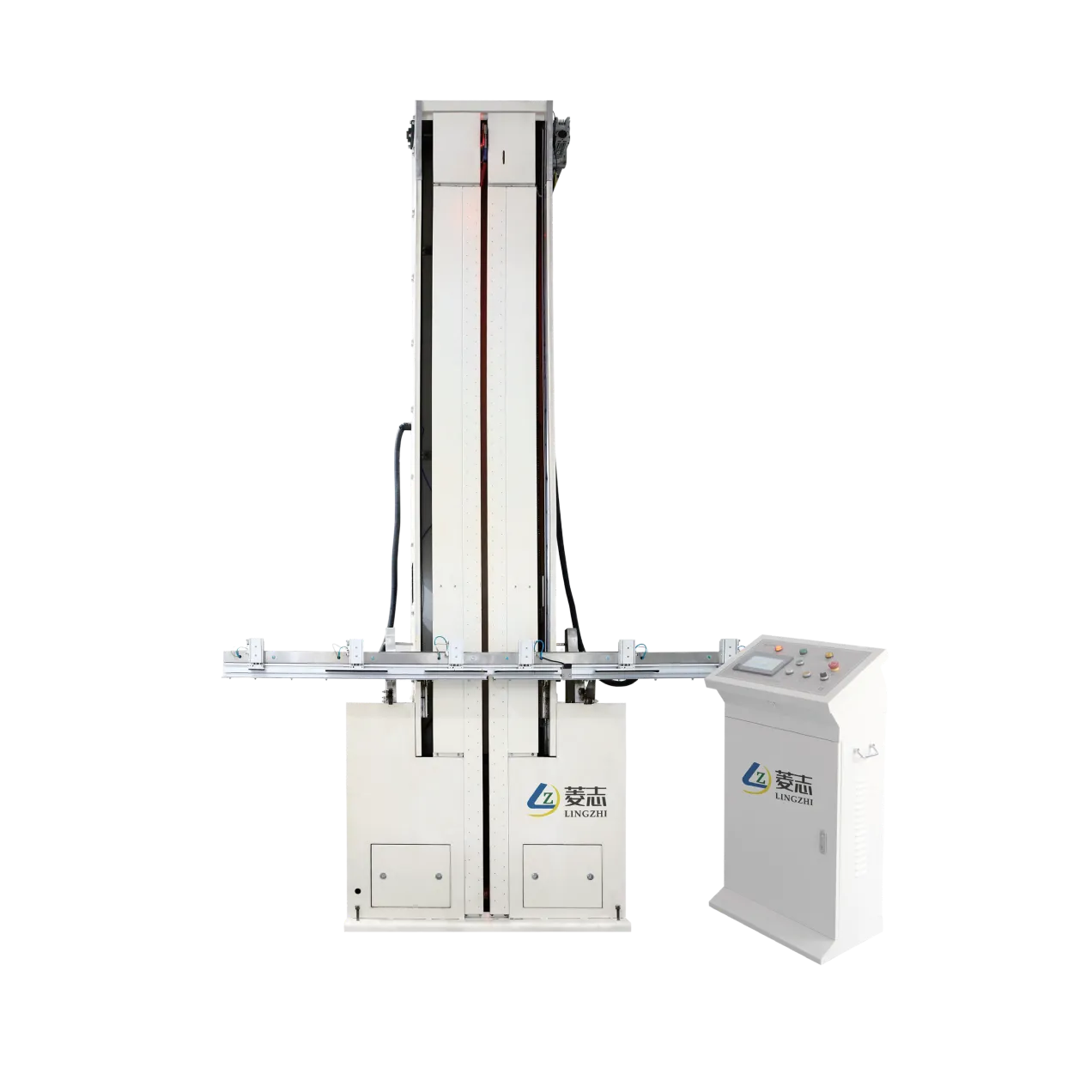
We engineer industrial automatic fabric hemming machines designed for high-efficiency processing of curtains and home textiles. Our equipment series includes the LZ-HZL-08 single-sided backwards tension model and the LZ-STJB-07 fully automatic double-sided machine. By integrating advanced tension regulation and synchronized offset correction, these systems eliminate wrinkles, material deformation, and seam deviations during high-speed sewing operations.


| Product Name | Model | Voltage | Power | Dimensions (L*W*H) | Weight |
|---|---|---|---|---|---|
| Automatic Backwards Tension Hemming Machine | LZ-HZL-08 | 220V/50HZ | 0.75 kW | 4000 * 1400 * 1250 mm | 300 KG |
| Double-Sided Hemming Machine | LZ-STJB-07 | 220V/50HZ | 1.5 kW | 5000 * 3000 * 2250 mm | 1500 KG |

As a vertically integrated manufacturer with 23 years of industry expertise, we deliver precision-engineered automated curtain sewing equipment and commercial-grade fabrics worldwide — ensuring factory-direct quality, stable performance, and comprehensive technical support for your production lines.
learn more about us


The LZ-HZL-08 is a single-sided machine utilizing backwards tension for flat, wrinkle-free edges on curtains and sofas. The LZ-STJB-07 is a fully automatic double-sided machine that processes both edges simultaneously, designed specifically for maximum volume output and labor reduction.
The LZ-STJB-07 features an exclusive auto thread feeding and recovery function. If a thread breaks, high-sensitivity sensors halt the machine, the sewing head quickly reverses to the break point, and resumes stitching to ensure no gaps are left in the seam.
Yes. The double-sided machine (LZ-STJB-07) features a flexible width adjustment mechanism, allowing operators to quickly recalibrate the distance between sewing heads to accommodate various fabric sizes used in home textile production.
The backwards tension system mechanically monitors and adjusts the pulling force applied to the fabric. This prevents the material from stretching unevenly or bunching under the needle, ensuring a flat hem.
The automated systems remove the need for specialized sewing skills. In fact, a single standard factory worker can independently manage multiple double-sided hemming machines after brief orientation training, drastically cutting labor costs.
In large-scale home textile manufacturing, the hemming process defines the final structural integrity and visual drape of the product. Industrial curtain hemming machines must process long fabric panels rapidly without introducing tension defects or seam deviations. Automated hemming equipment resolves these critical manufacturing bottlenecks through mechanical precision, offering both single-sided and double-sided solutions based on factory volume requirements.
The primary challenge in hemming long textiles is maintaining a perfectly parallel fold while the material passes under the sewing head. Conventional sewing setups rely on the operator's hands to guide and tension the fabric, leading to unavoidable inconsistencies. The single-sided backwards tension machine automates this control. By applying a calculated, continuous resistance against the direction of the feed, the machine keeps the fabric taut and perfectly aligned. This mechanical regulation ensures that the hem folds uniformly and the stitch line remains straight, preventing the wavy edges associated with improper tension.
For high-capacity facilities, double-sided hemming machines fundamentally alter production metrics. Processing both edges simultaneously halves the operational time per panel. However, guiding wide fabrics through two independent sewing heads introduces the risk of material deviation. Advanced models counter this utilizing synchronized offset correction technology. The sewing heads and fabric feed mechanisms are digitally synchronized to ensure identical feed rates on both sides, keeping the fabric perfectly squared and preventing edge run-offs.
Thread breakage is a common cause of defective seams and rework in automated sewing. Premium double-sided hemming machines integrate smart break detection and exclusive thread recovery systems. Instead of leaving a gap in the seam that requires manual repair, the machine halts, reverses to the exact break point, and resumes sewing. This autonomous error correction, combined with simplified touchscreen operations, allows a single standard factory worker to oversee multiple operating machines simultaneously. This capability stabilizes production rates, lowers defect ratios, and significantly reduces labor overhead in the textile finishing department.