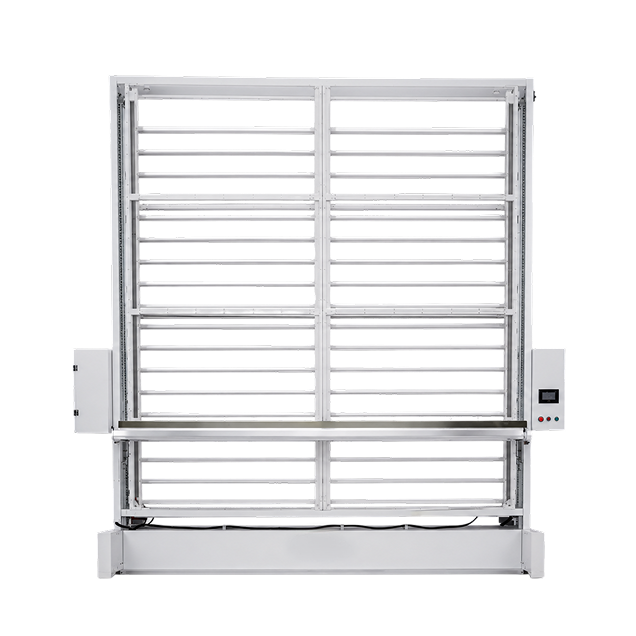
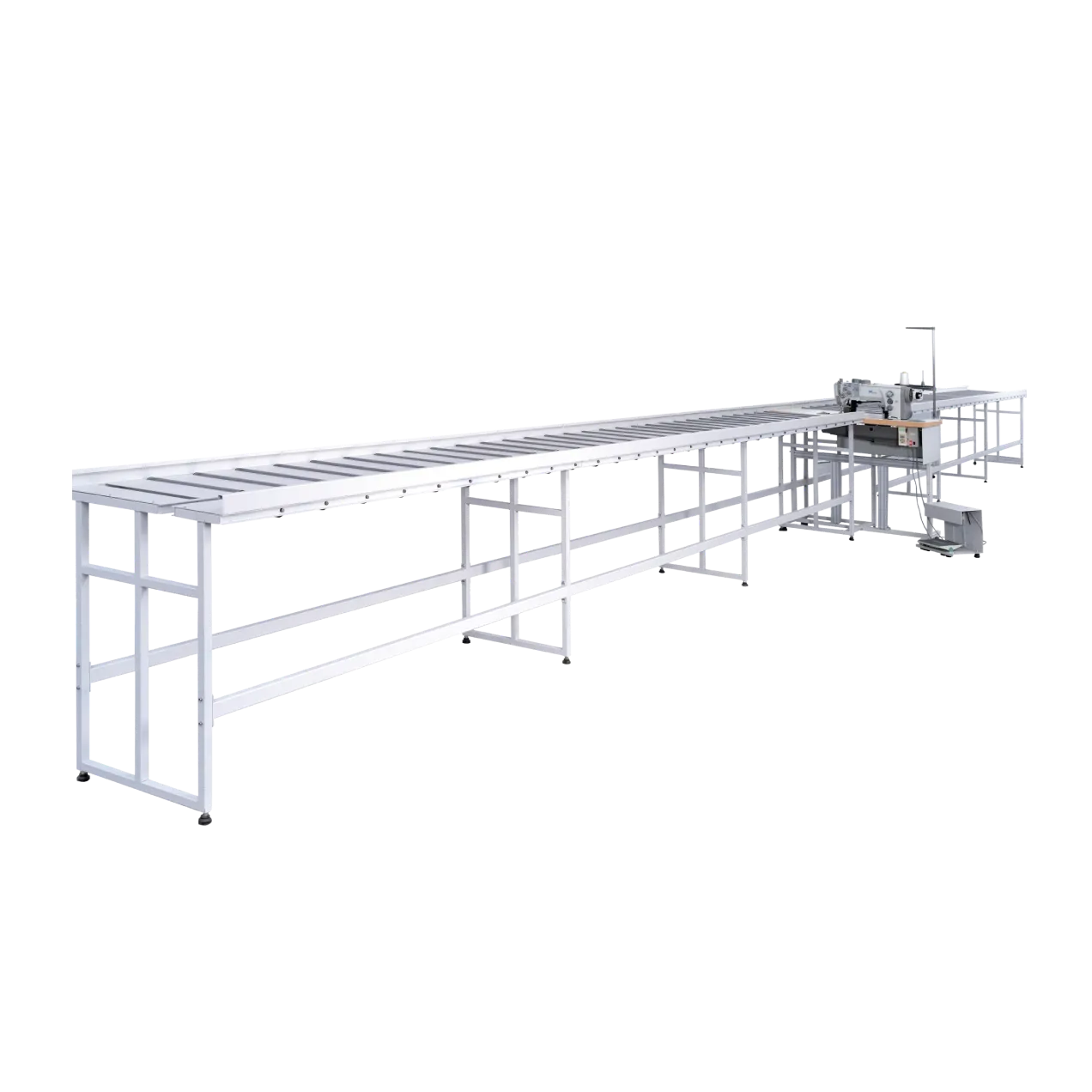
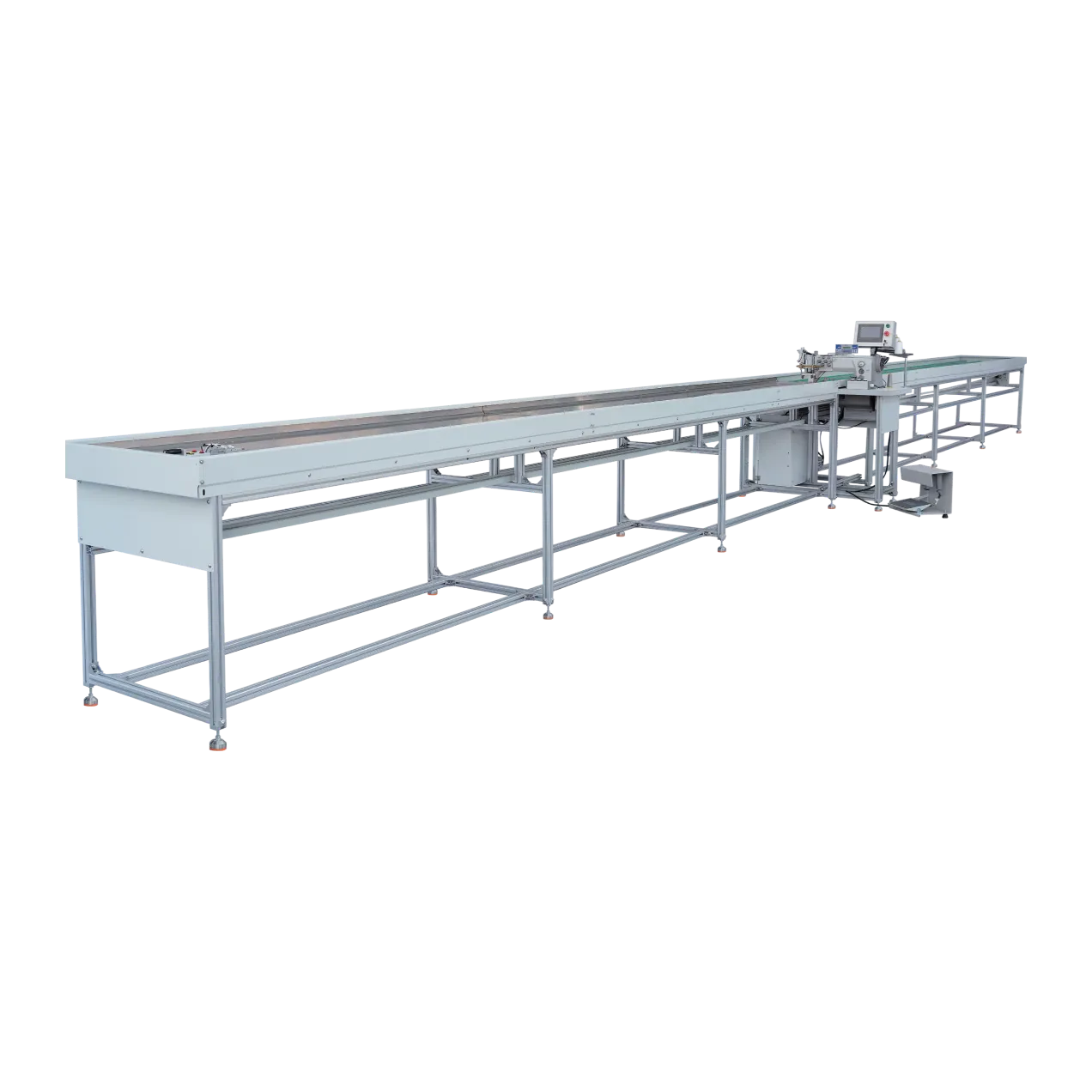
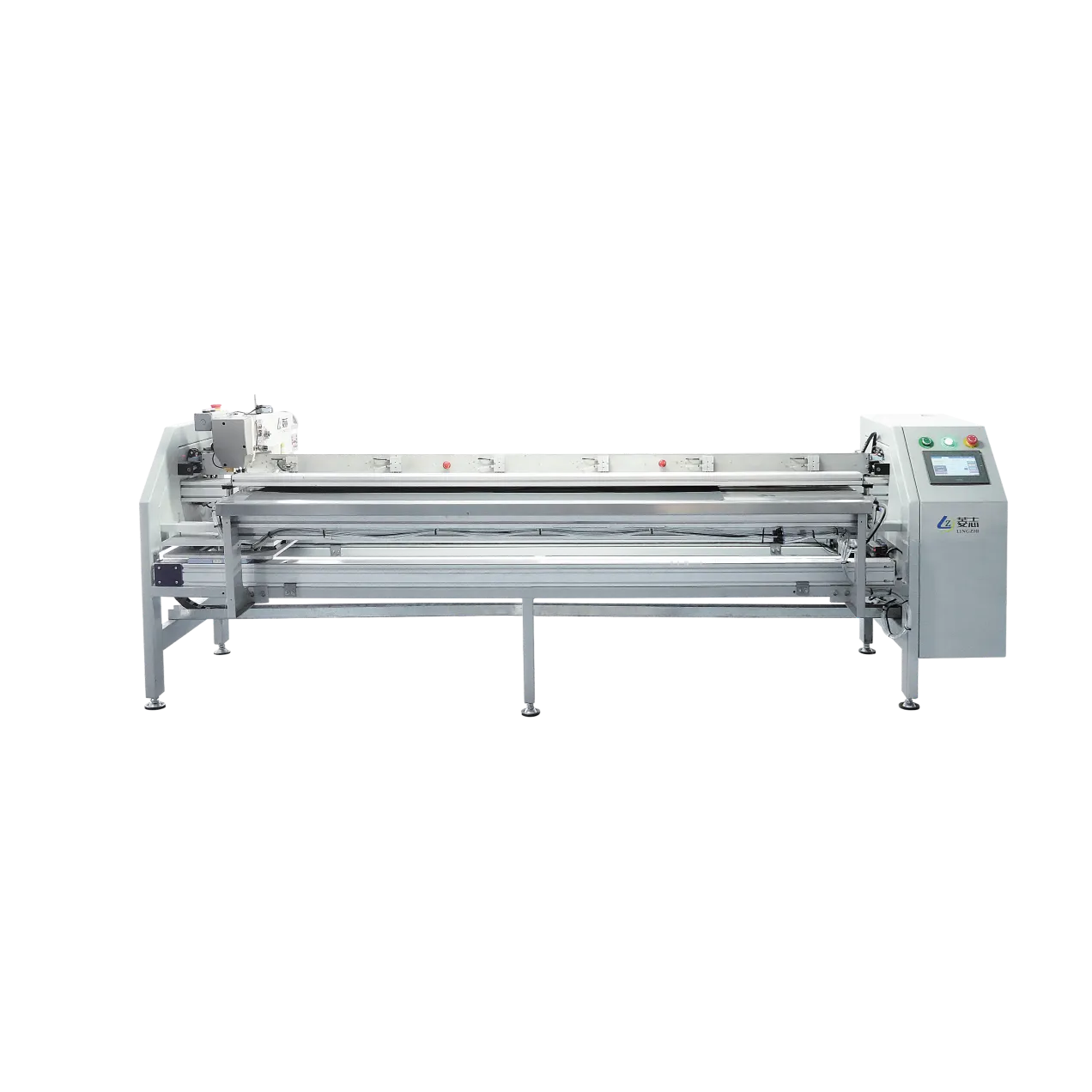
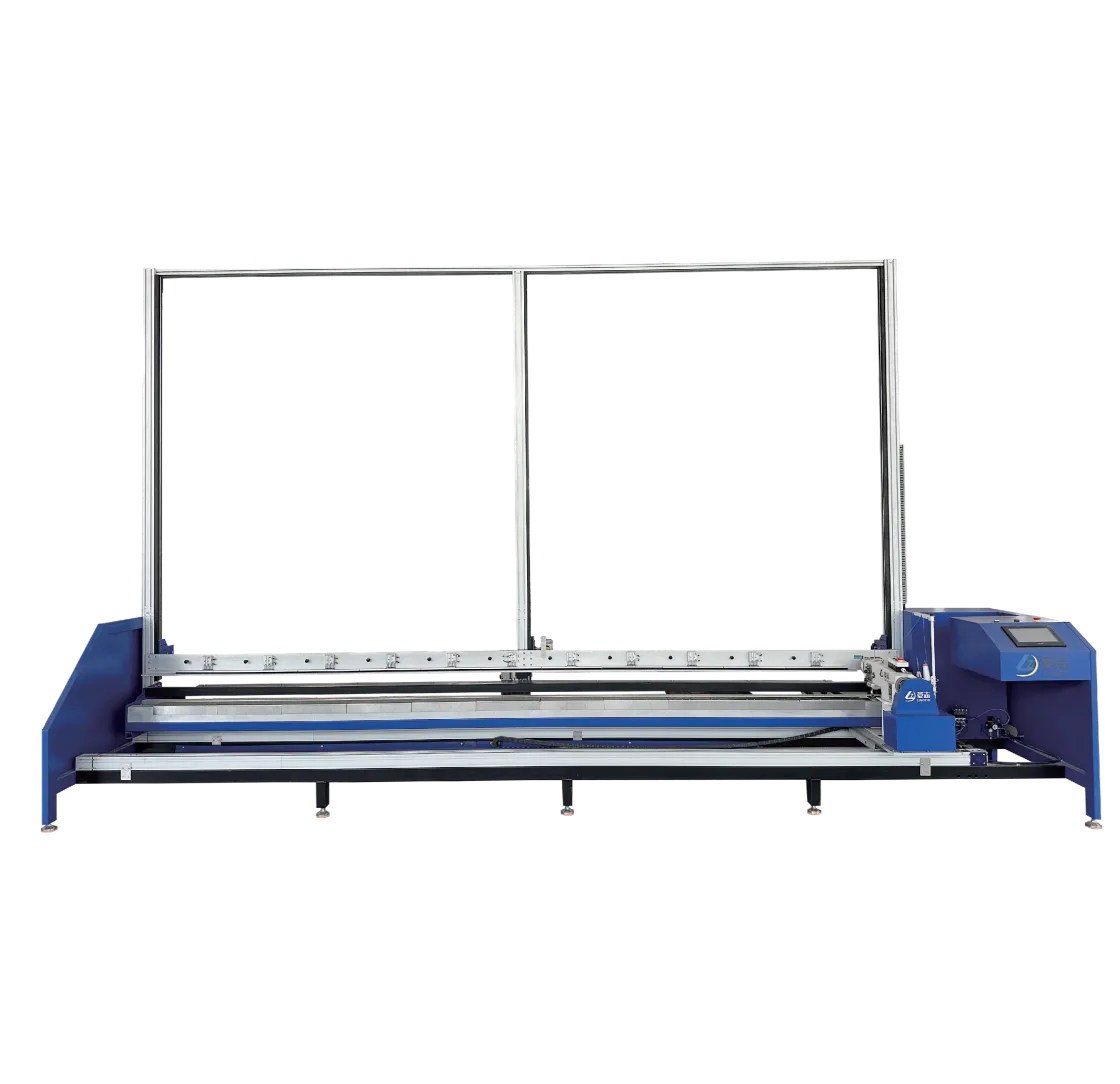
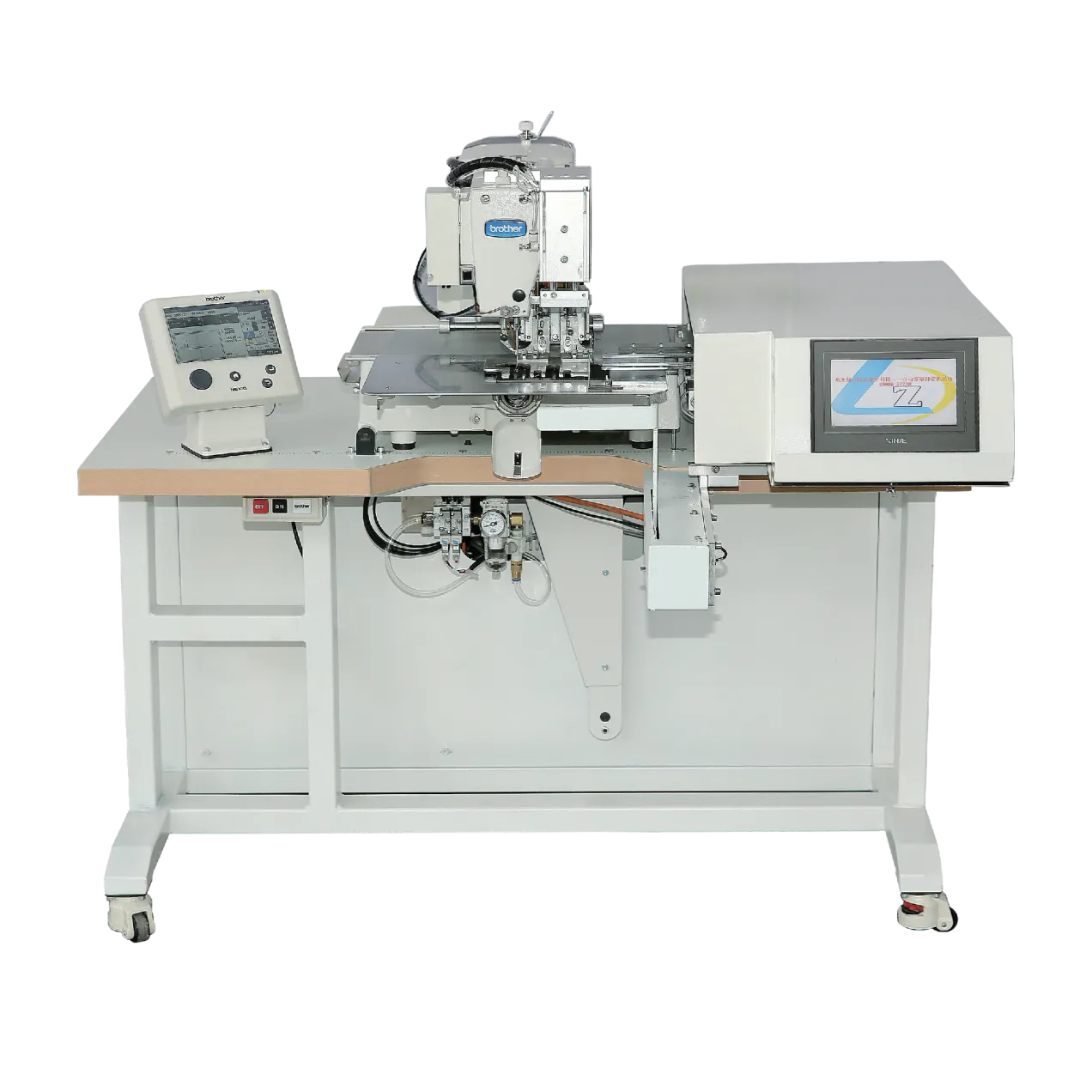
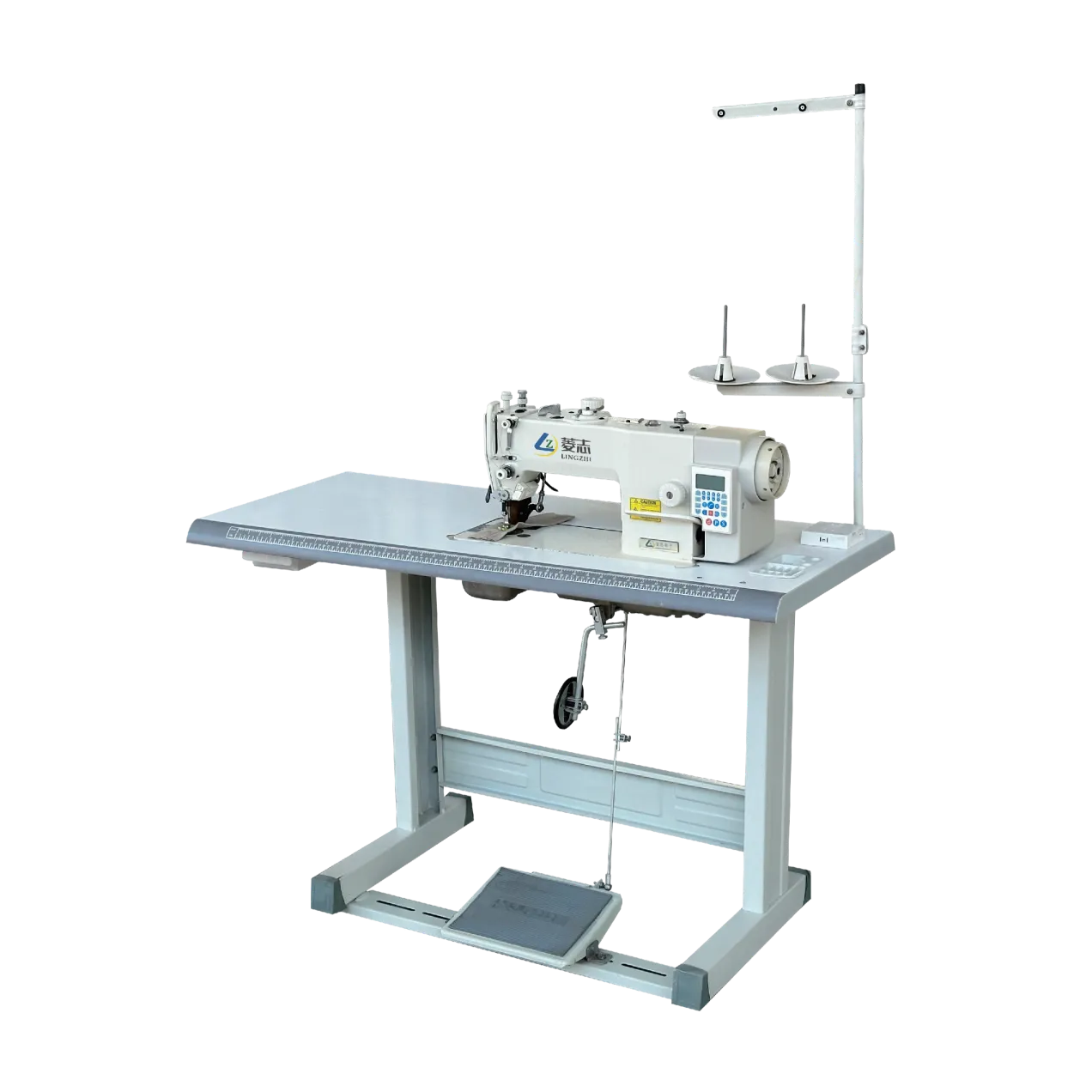
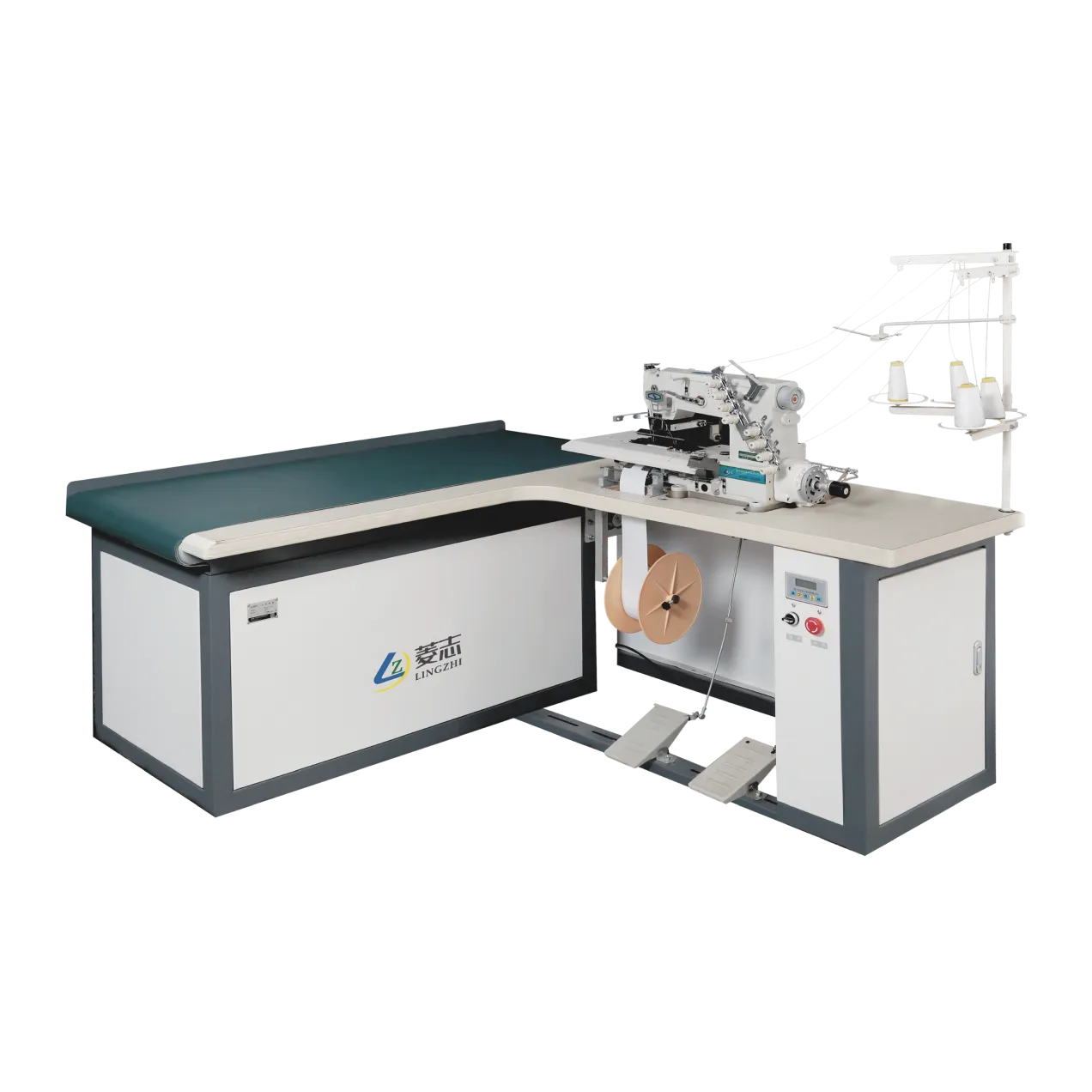
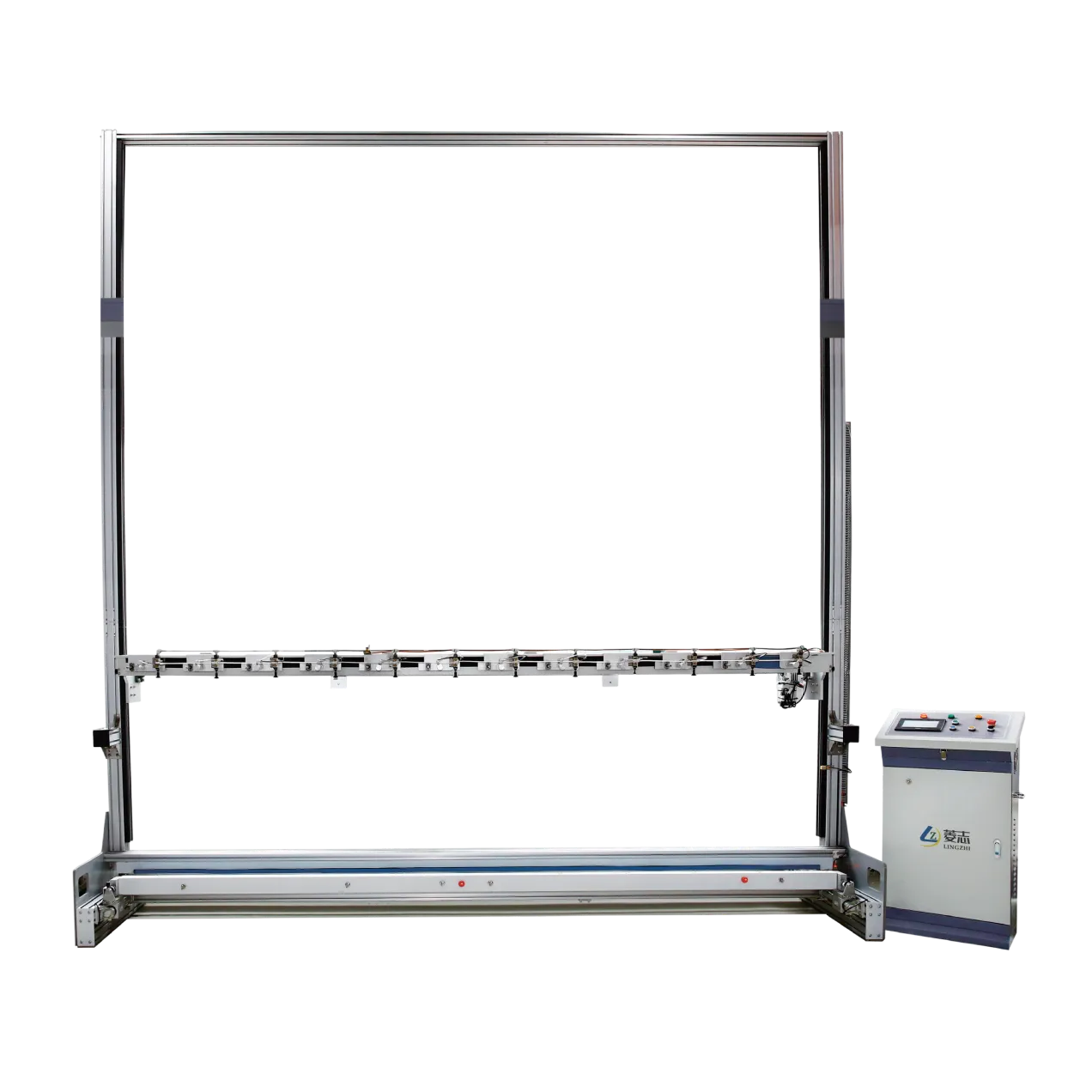
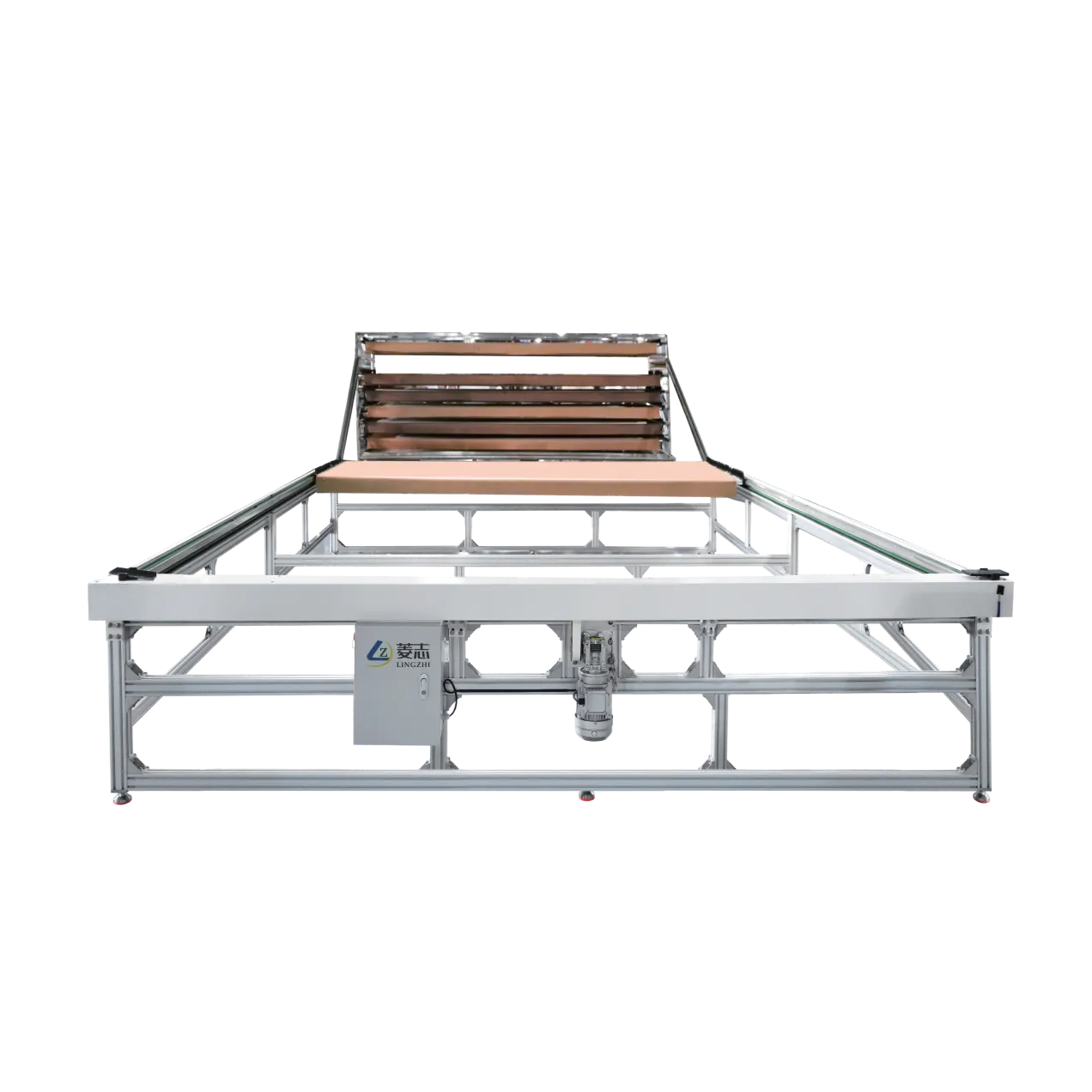
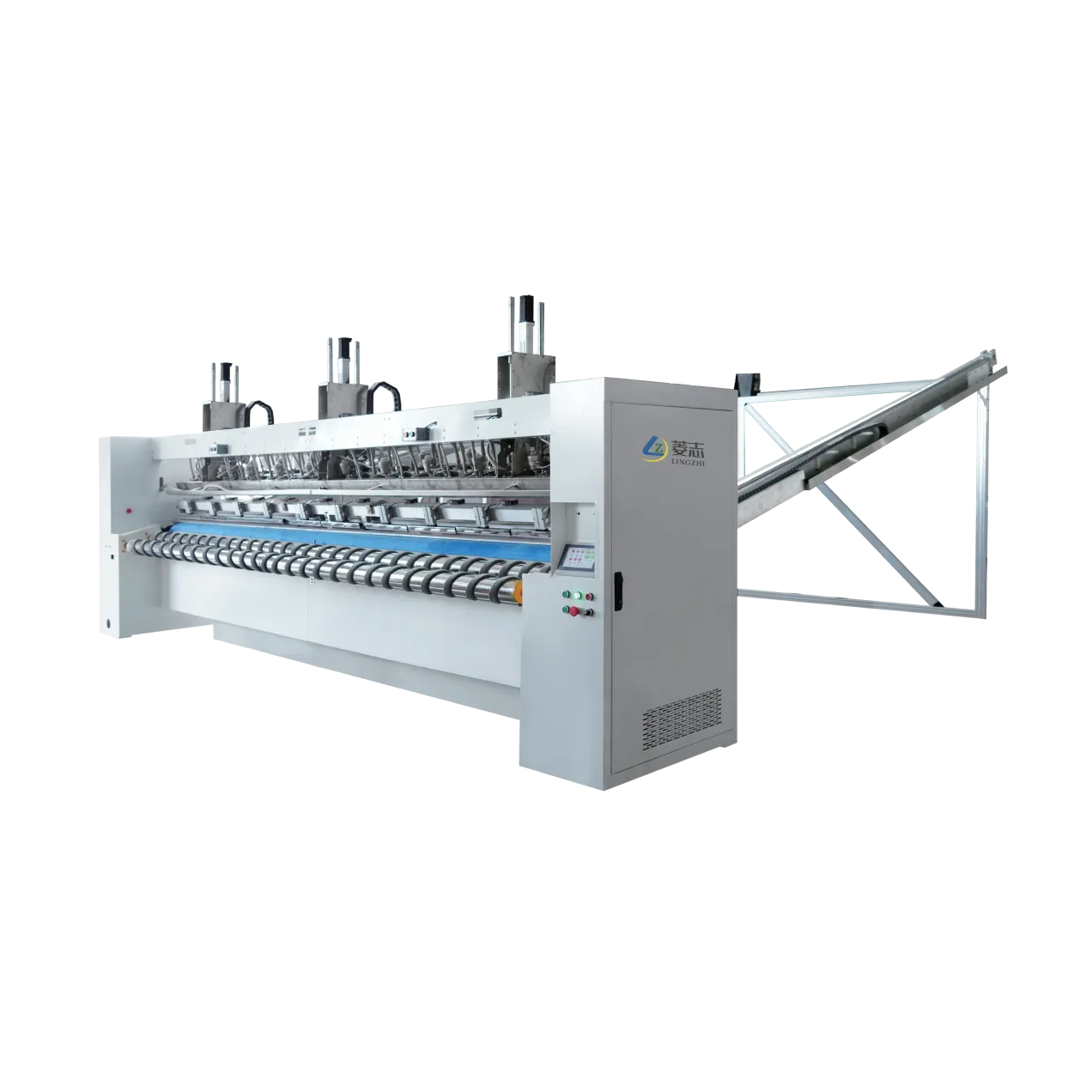
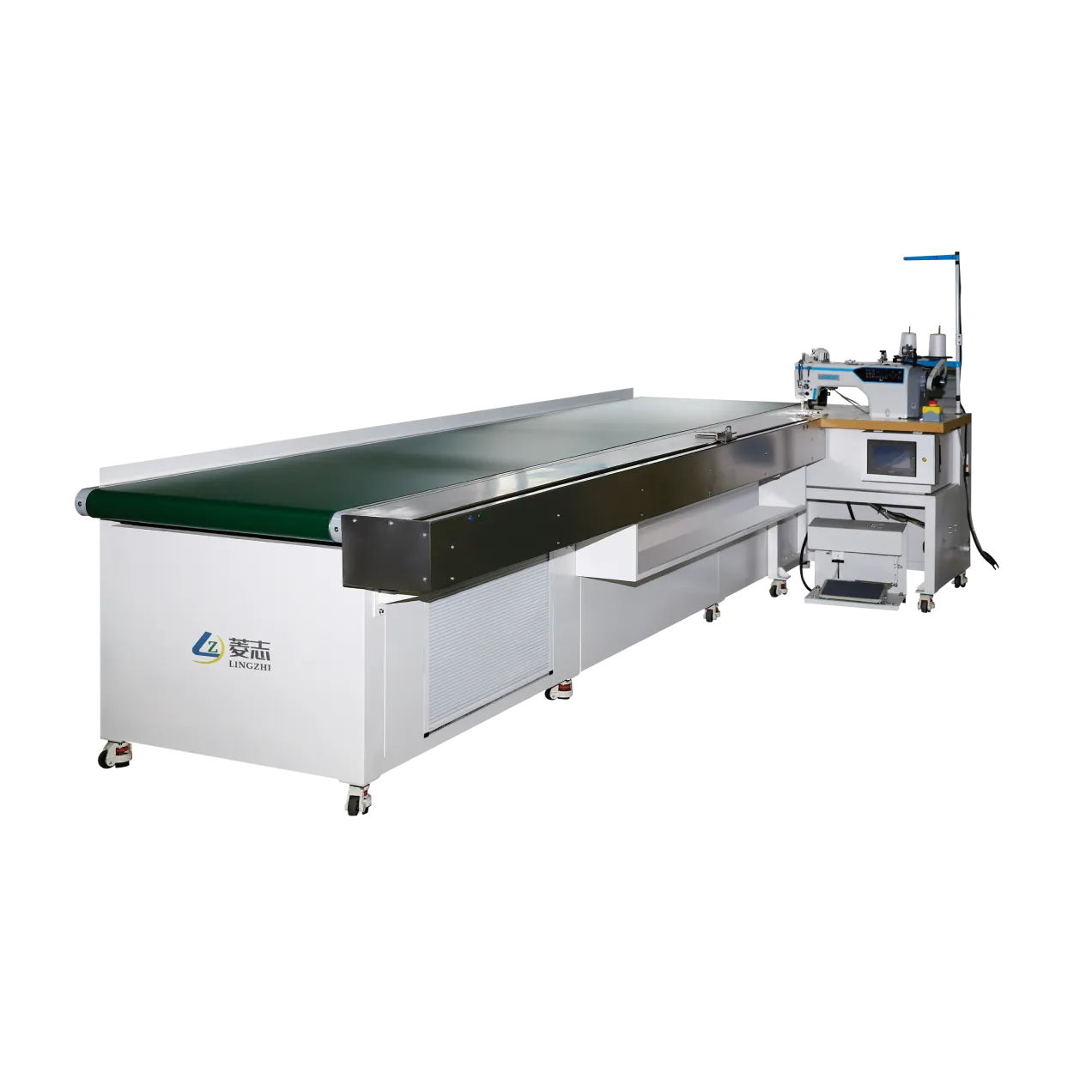
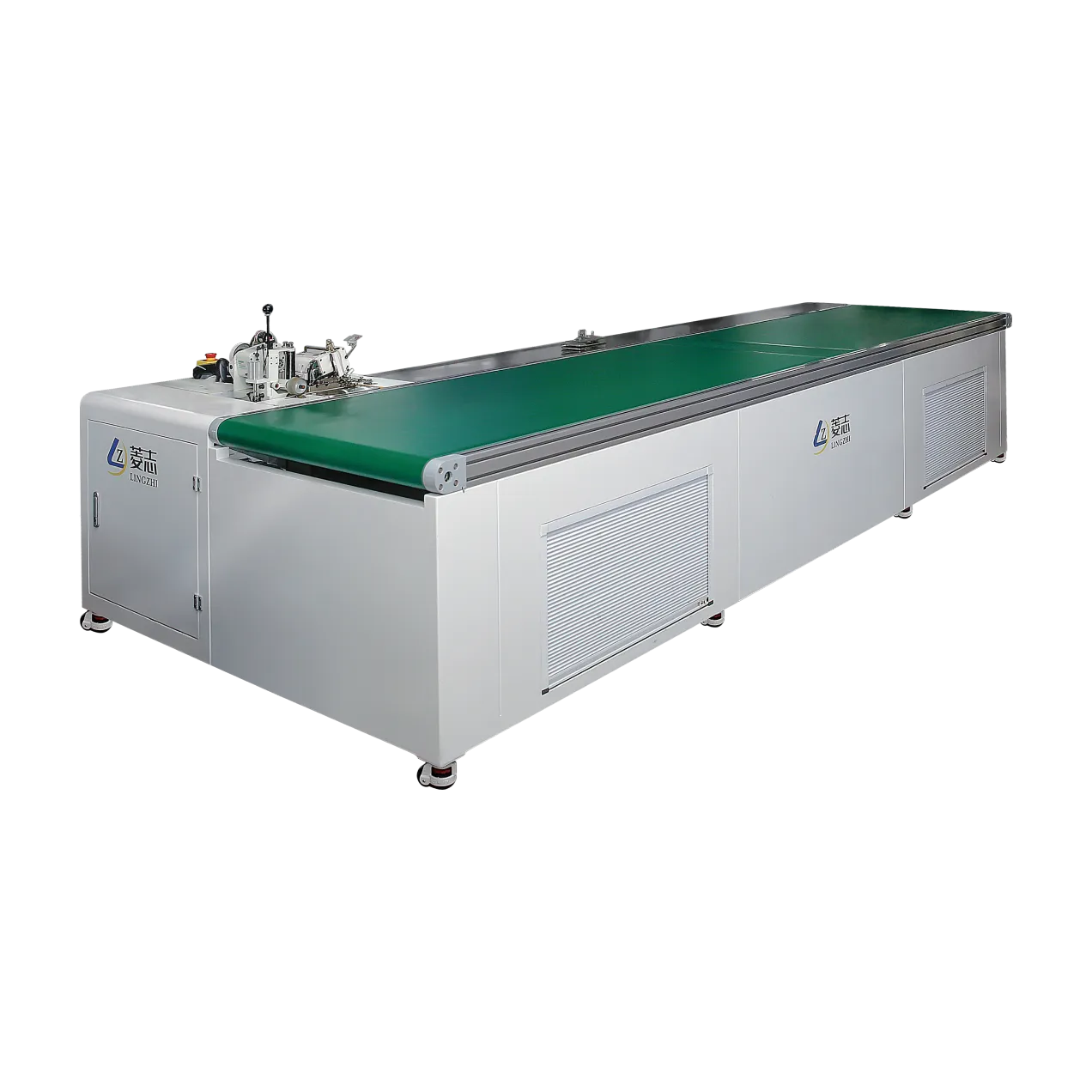
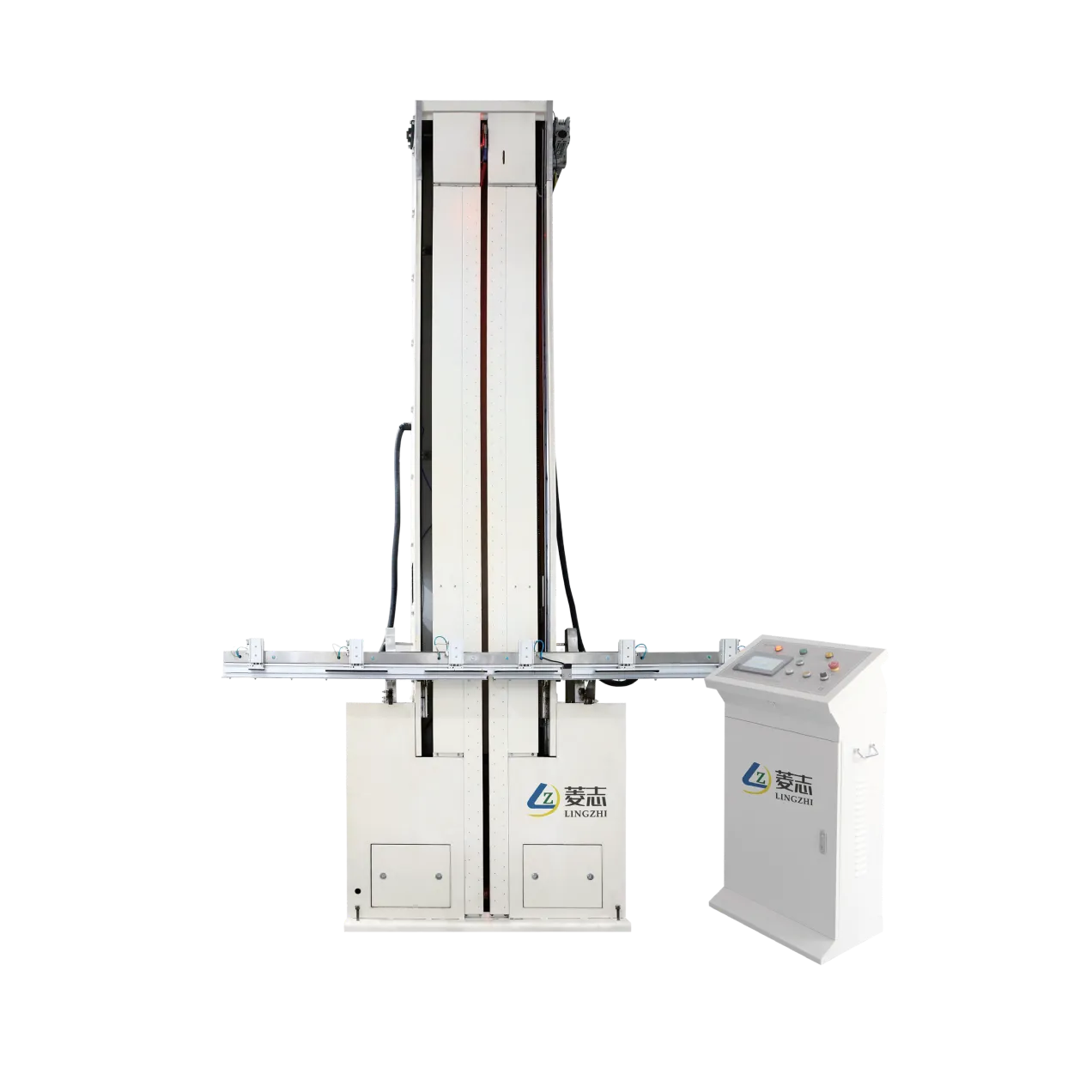
The LZ-FKJ-18 heavy duty curtain sewing machine is engineered specifically to execute edge-closing and hemming operations on medium-to-heavy textiles. By utilizing a reinforced needle bar and optimized thread tension dynamics, this workstation guarantees stable stitch formation on thick, multi-layered curtain fabrics without the mechanical stalling or thread snapping typical of standard flatbed machines.

| Product Name | Model | Voltage | Power | Dimensions (L*W*H) | Weight |
|---|---|---|---|---|---|
| Heavy Duty Curtain Sewing Machine | LZ-FKJ-18 | 220V/50HZ | 1.2 kW | 1500 * 800 * 1200 mm | 150 KG |

As a vertically integrated manufacturer with 23 years of industry expertise, we deliver precision-engineered automated curtain sewing equipment and commercial-grade fabrics worldwide — ensuring factory-direct quality, stable performance, and comprehensive technical support for your production lines.
learn more about us


This machine is explicitly calibrated for medium-to-heavy textiles. It efficiently processes dense fabrics such as multi-layer blackout materials, heavy velvet, and thick polyester blends commonly used in commercial curtain manufacturing.
Needle breakage is prevented through a combination of a high-torque 1.2kW motor and a reinforced needle bar assembly. This provides the kinetic energy required to punch through dense fabric folds without the needle deflecting or snapping.
Yes, it is built for continuous manufacturing shifts. The robust internal components are machined to tight tolerances to withstand the sustained vibrations and high workloads typical in large-scale home textile factories.
It utilizes a heavy-duty lockstitch mechanism. This produces a secure, flat, and highly durable seam that prevents unraveling and ensures the curtain hem maintains structural integrity under its own hanging weight.
The complete workstation requires a 220V/50HZ power supply. The physical footprint measures 1500mm in length, 800mm in width, and 1200mm in height, with a total equipment weight of 150KG.
In curtain and drape manufacturing, edge closing and hemming are foundational processes. When facilities attempt to process medium-to-heavy textiles using standard flatbed sewing machines, they invariably encounter mechanical stalling, skipped stitches, and frequent needle breakage. A dedicated heavy duty curtain sewing machine addresses these physical limitations through reinforced mechanics, ensuring continuous production speed and structural seam integrity.
Sewing thick fabrics, particularly layered blackout linings or dense velvet, requires significant kinetic energy at the needle point. Standard machines lack the torque to push the needle cleanly through multiple layers of dense material, causing the needle to deflect, hit the throat plate, and shatter. Heavy duty sewing equipment resolves this by integrating high-torque drive motors coupled with oversized, rigid needle bars. This engineering ensures the needle strikes precisely vertically with maximum force, eliminating deflection and the resulting machine downtime.
Beyond needle penetration, managing thread tension on thick fabrics is critical to aesthetic quality. If the top and bobbin threads are not perfectly balanced, the resulting seam will either pucker the fabric or leave loose loops that catch and unravel. Heavy duty machines utilize specialized tension discs and rotary hooks designed for thicker industrial threads. This mechanical alignment guarantees that the lockstitch intersection occurs exactly in the middle of the fabric layers, creating a hem that lies completely flat. In curtain production, a flat hem is non-negotiable, as any seam puckering disrupts the vertical drape of the finished product when hung.
Curtains are inherently heavy and bulky. When an operator feeds a massive panel through a machine, the weight of the fabric hanging off the edge can drag the material, causing stitch misalignment. To counteract this physical drag, heavy duty curtain workstations incorporate expansive tabletop surfaces—often 1500mm or wider. This structural support bears the weight of the textile, allowing the feed dogs to advance the fabric smoothly and consistently, ensuring straight, parallel hems across extensive yardages.