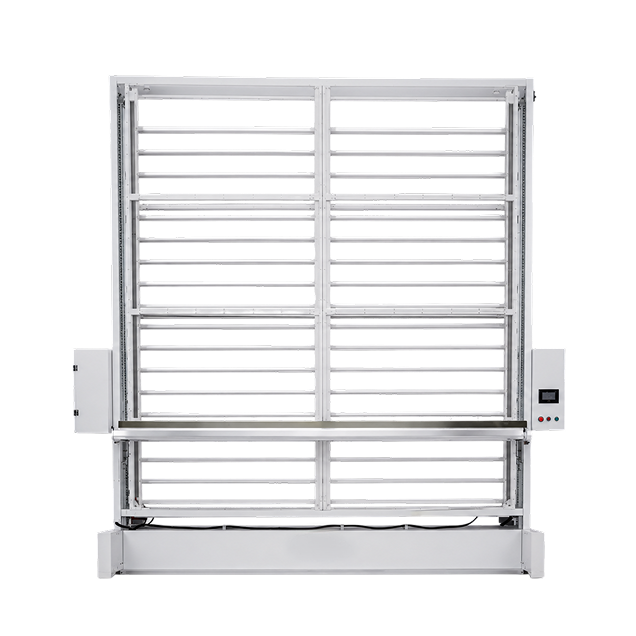
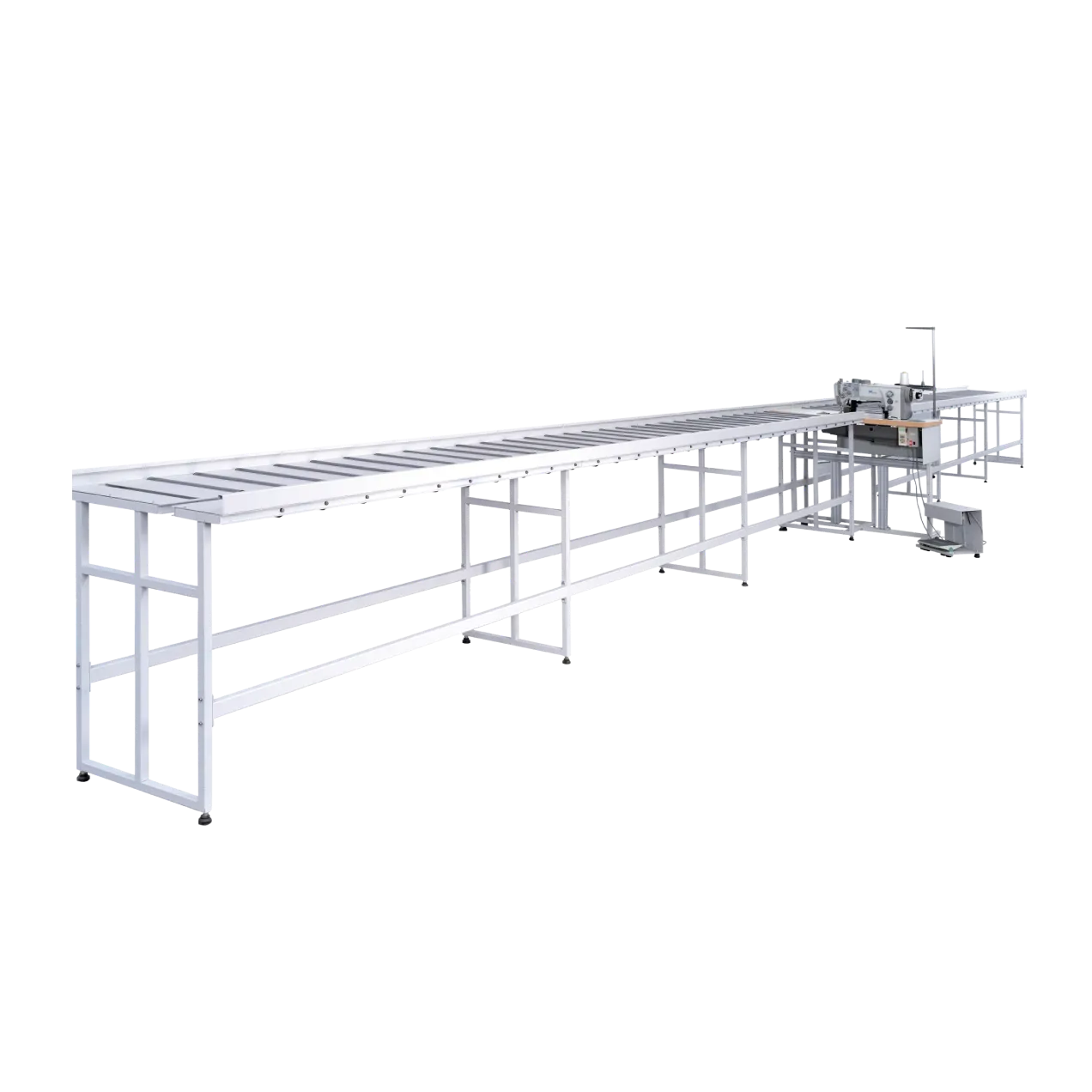
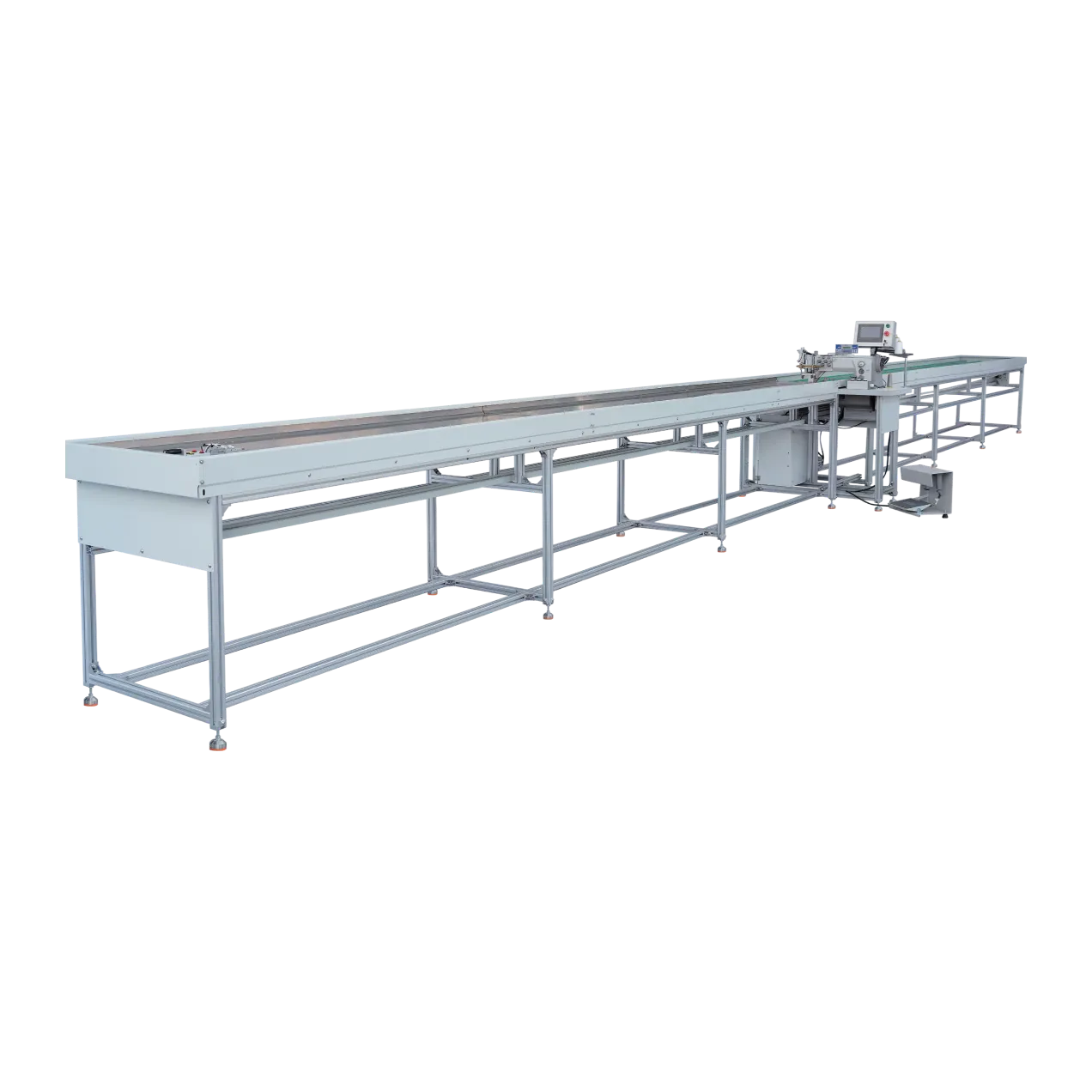
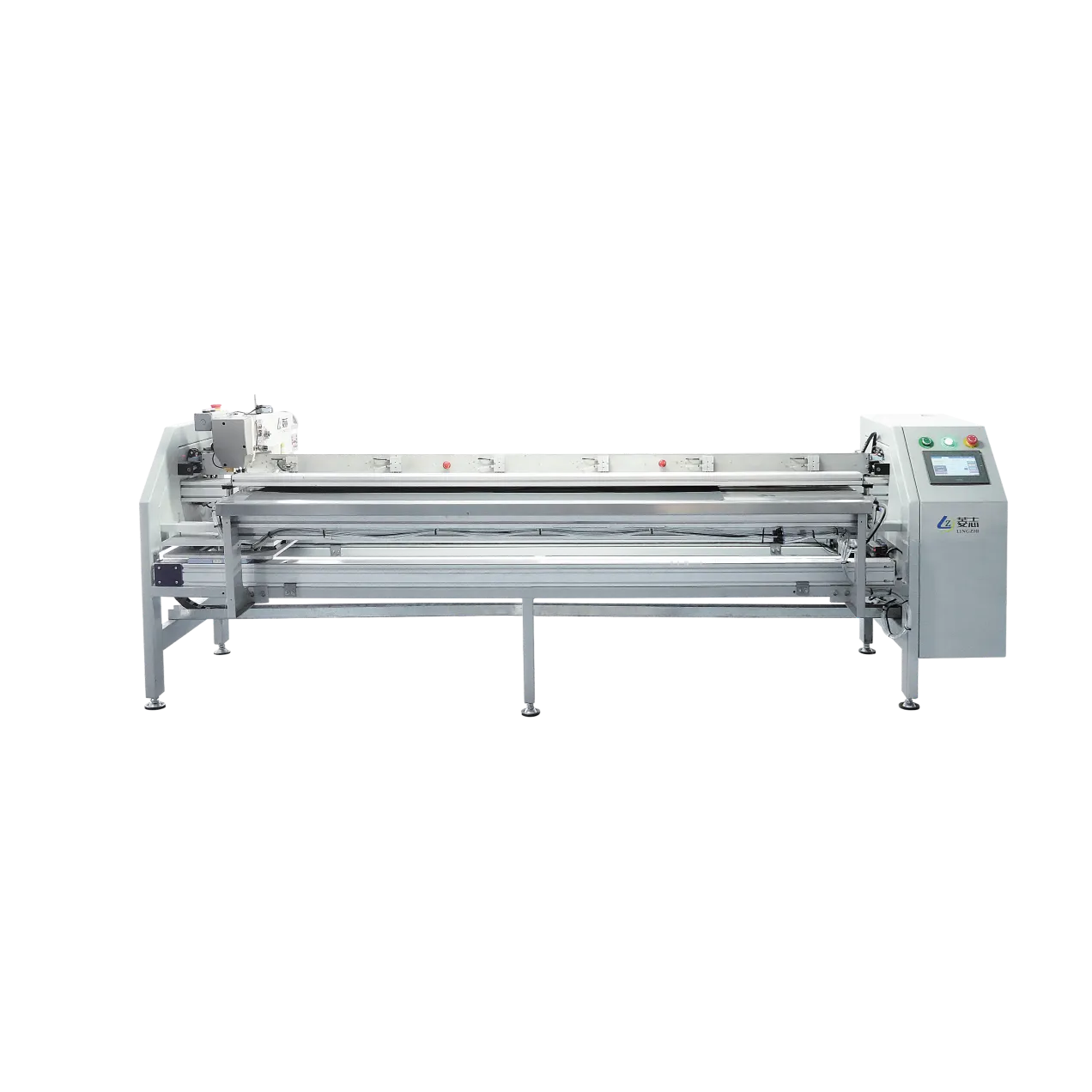
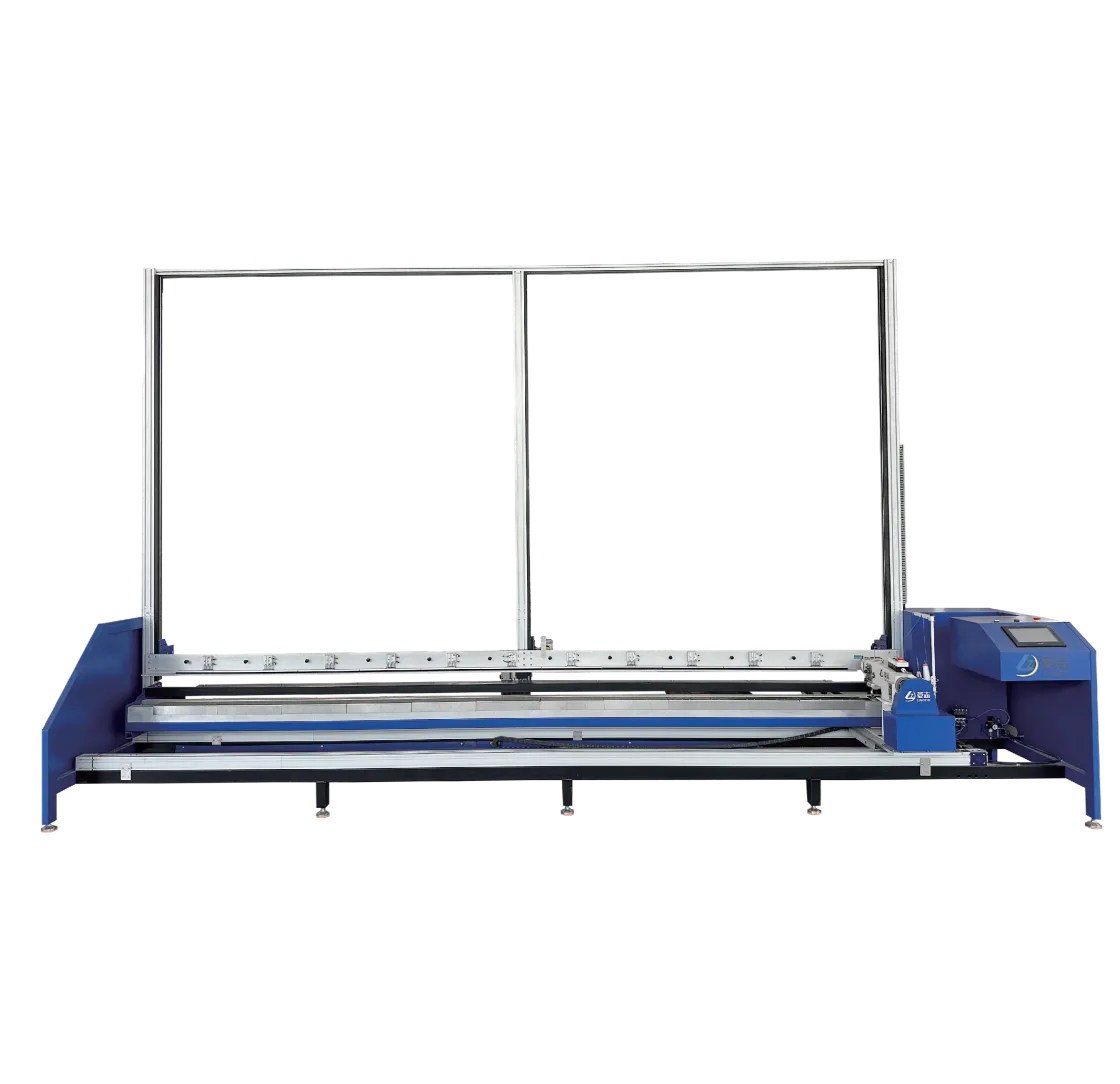
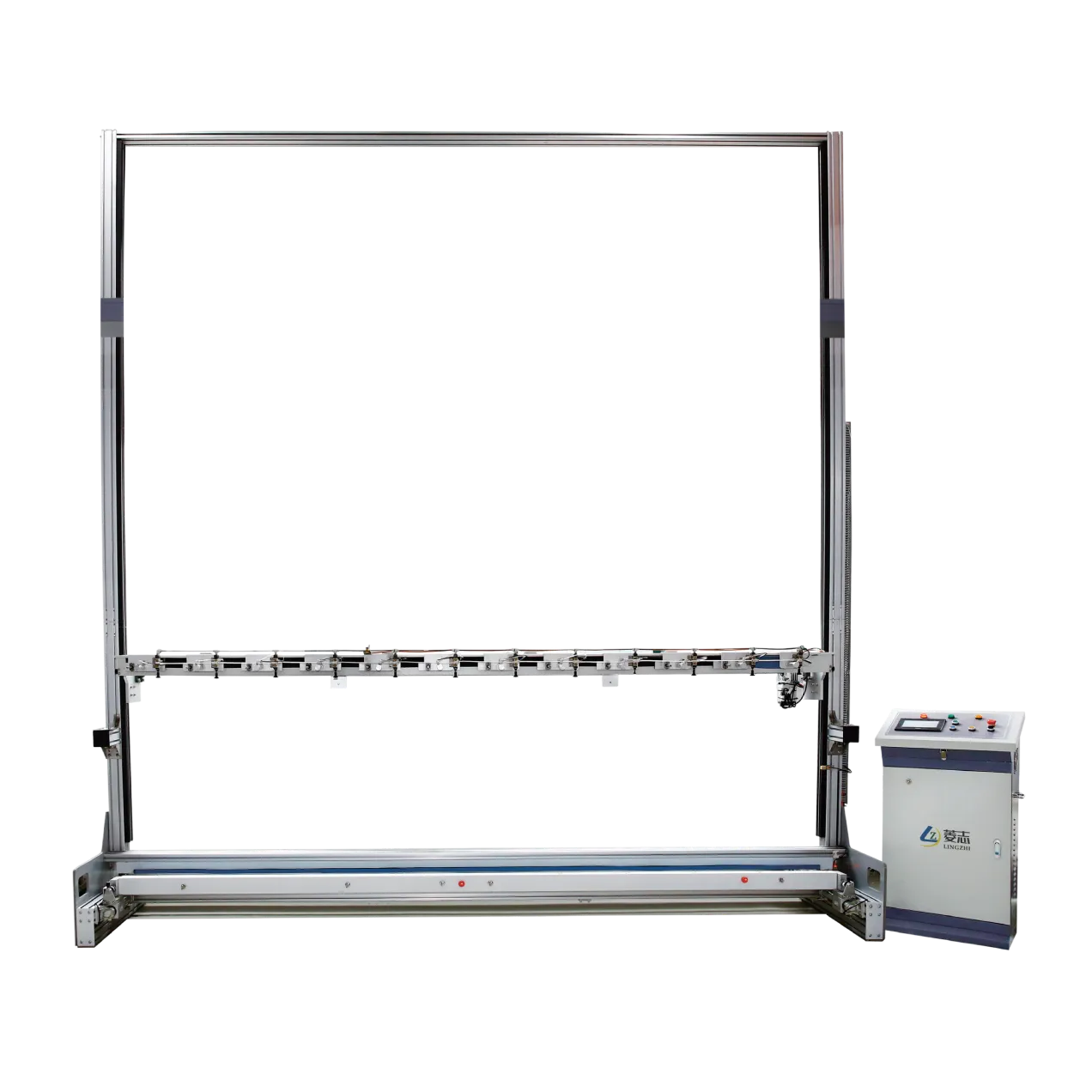
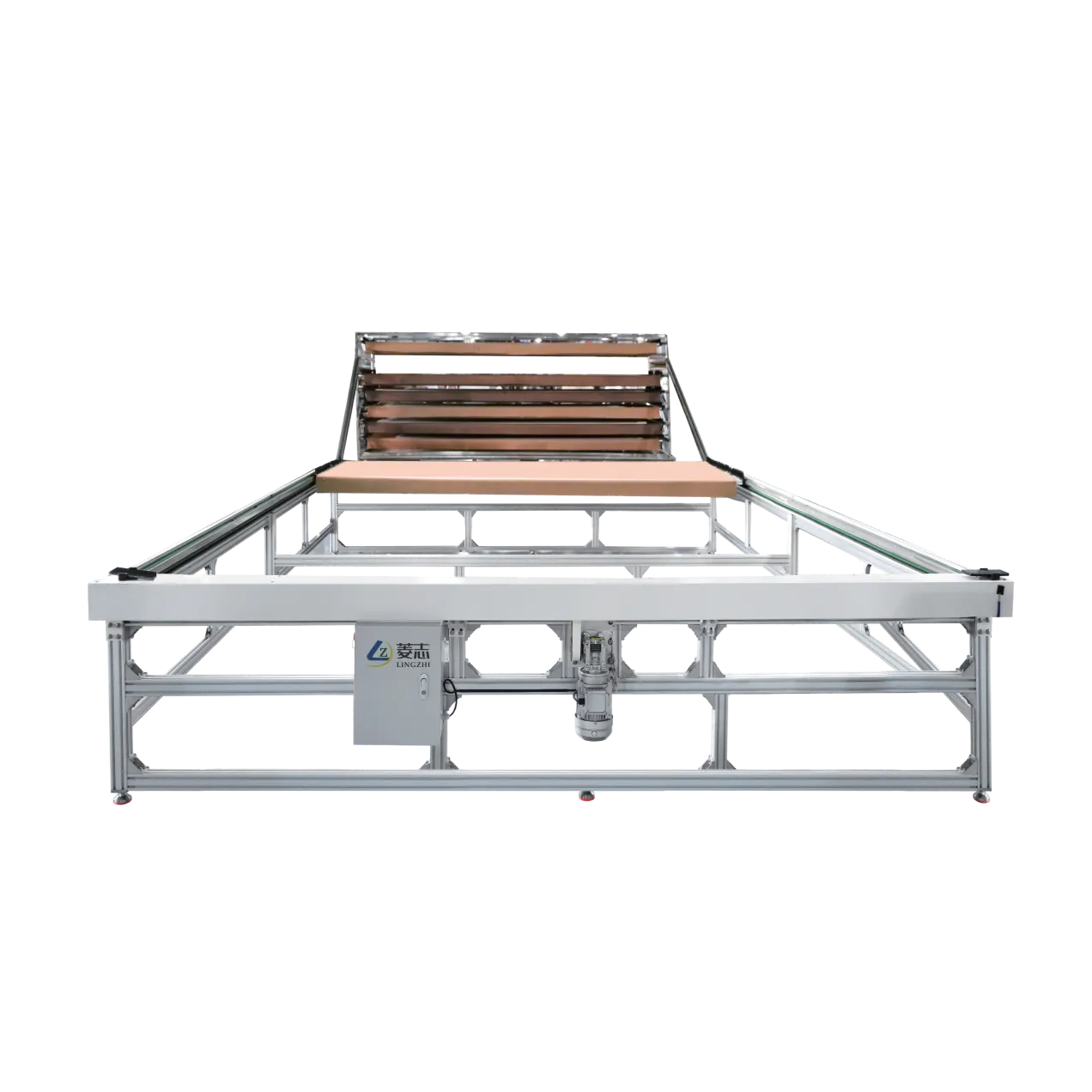
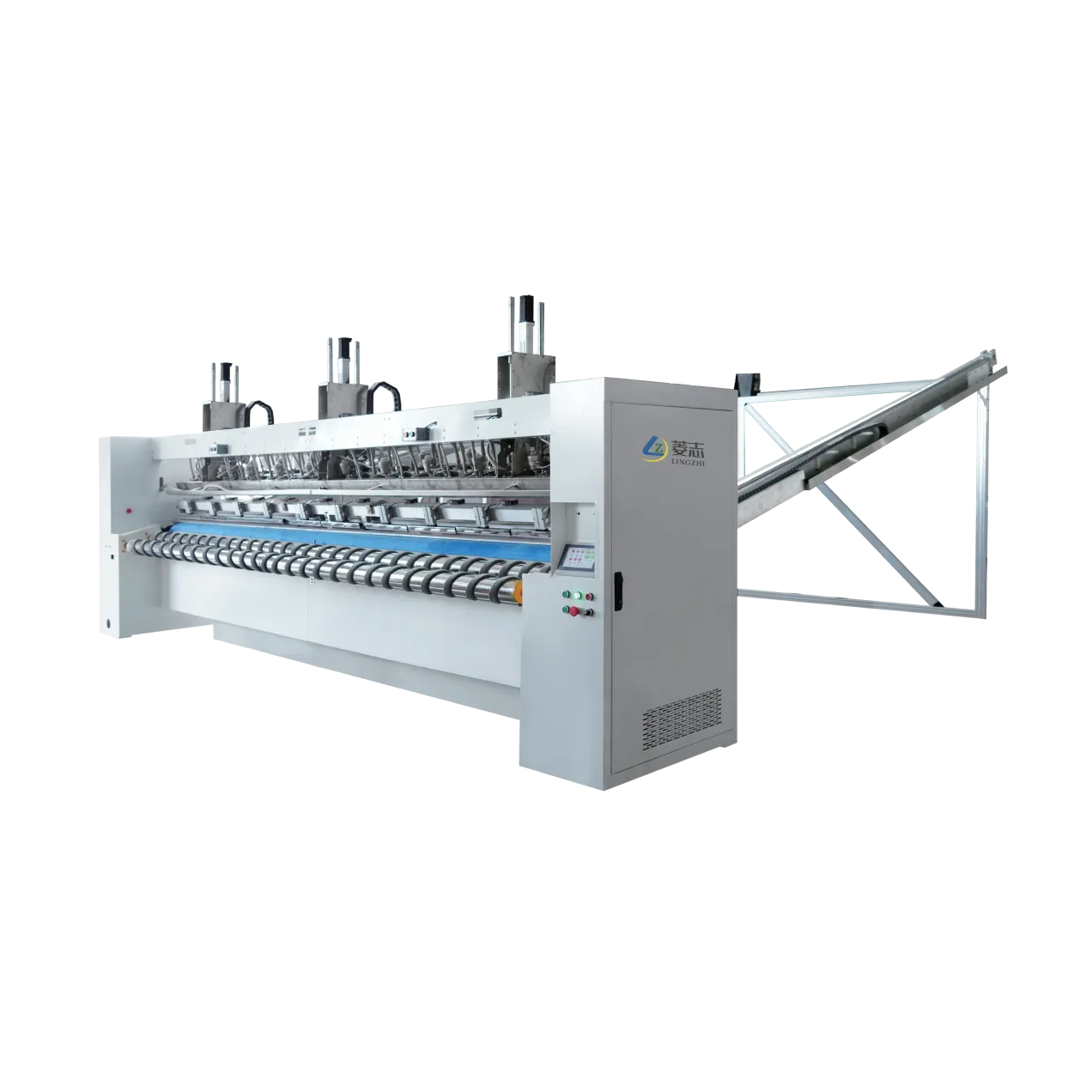
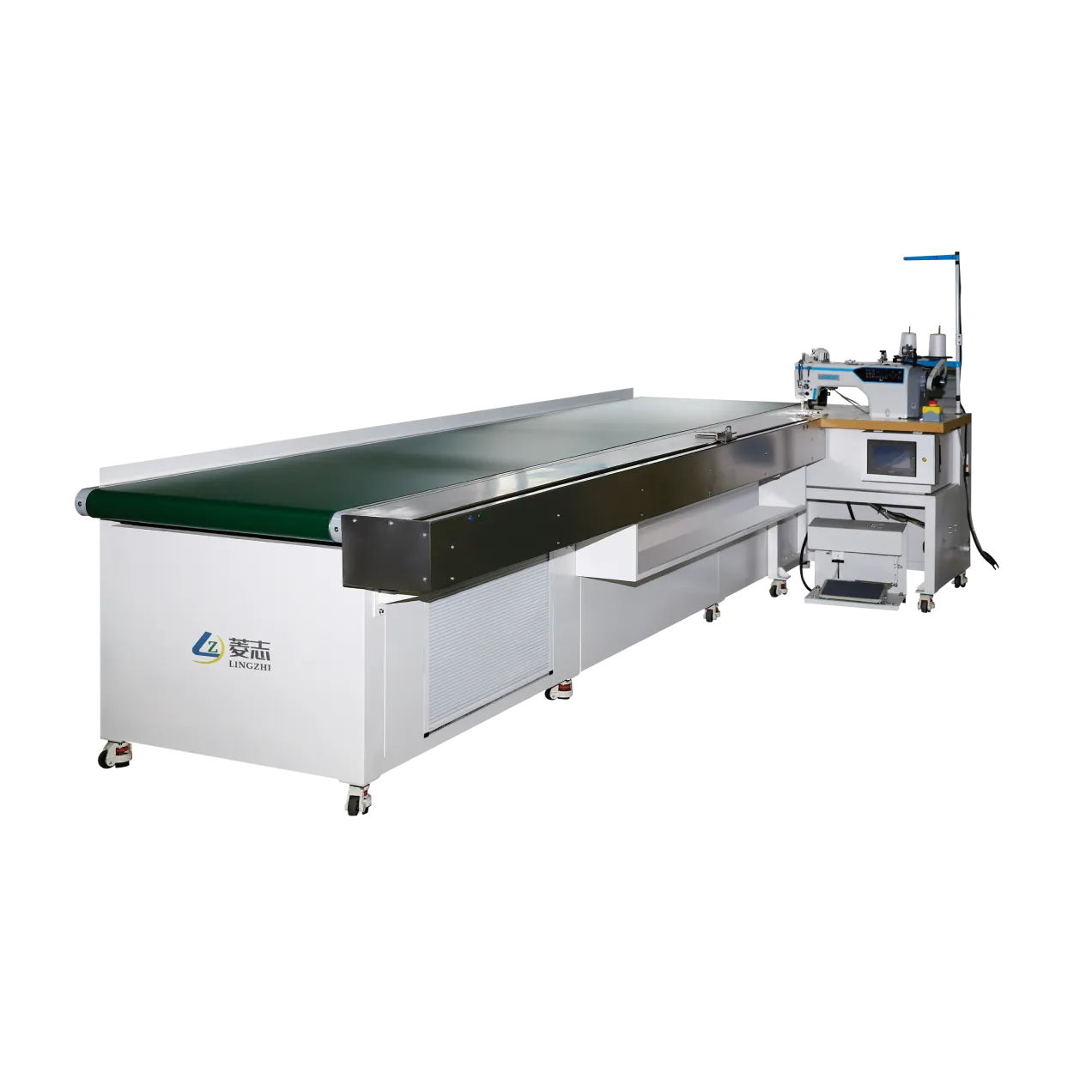
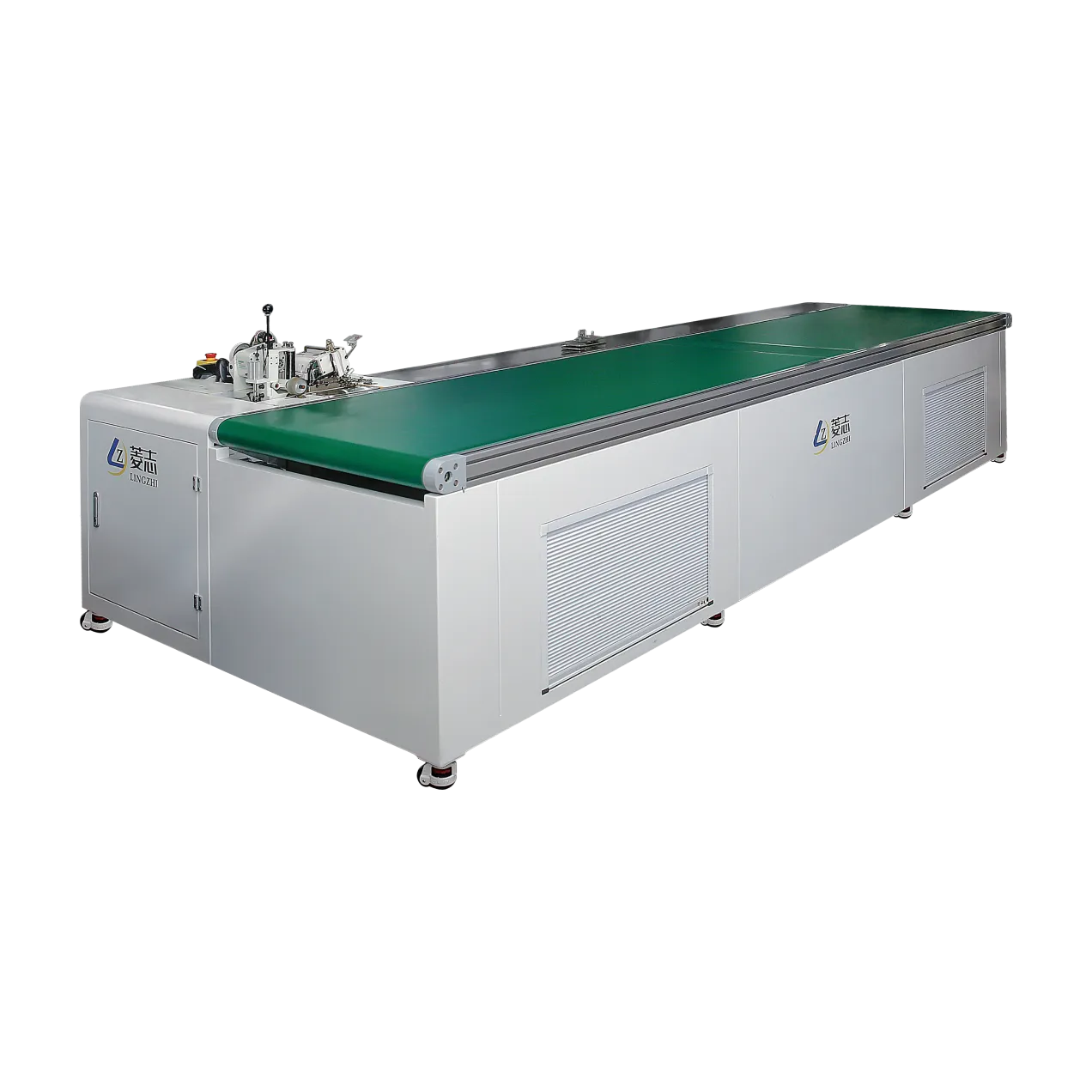
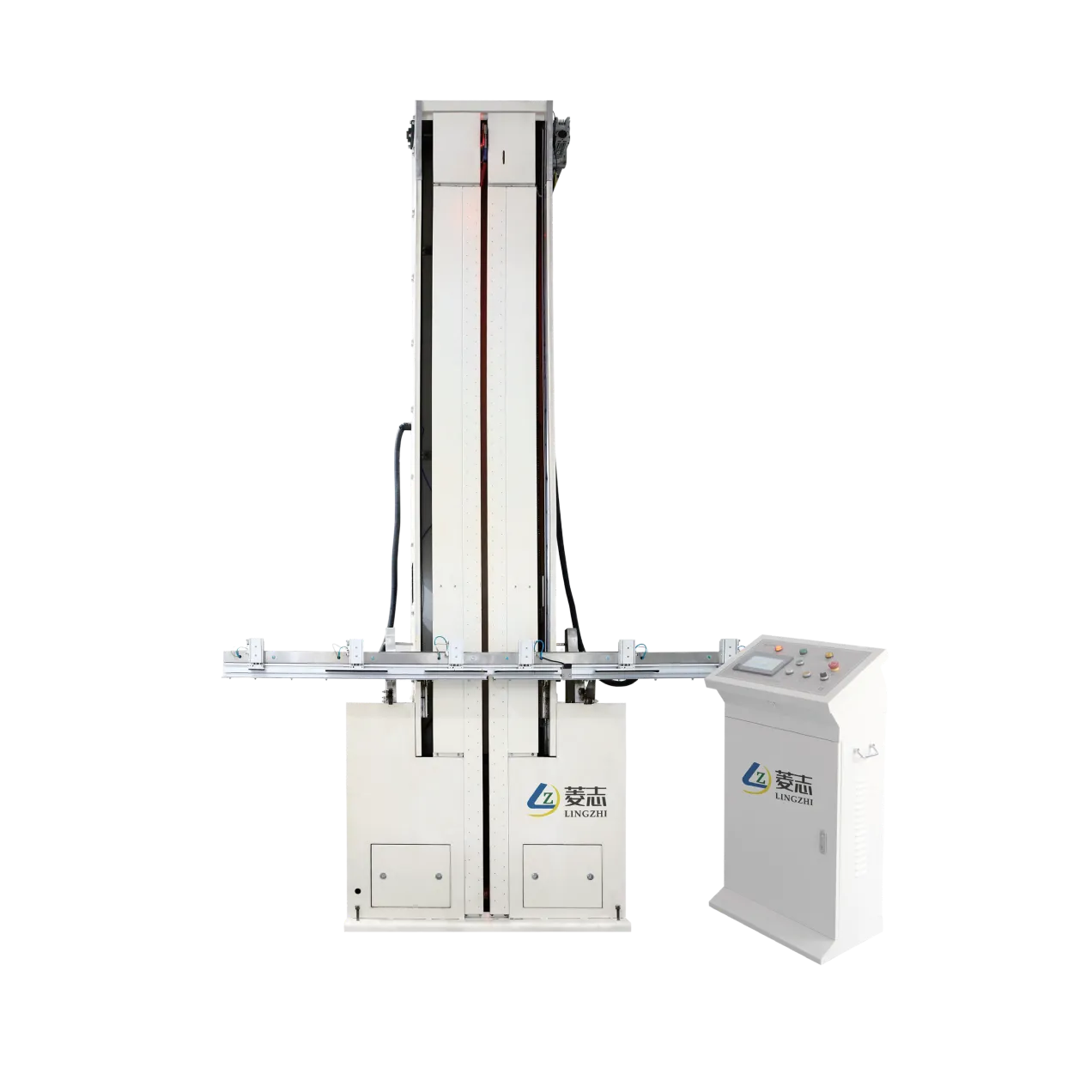
We engineer industrial automatic ironing tables designed to standardize the fabric finishing phase for curtain and home textile manufacturing. The LZ-ZDT-11 model integrates an advanced steam control matrix and rapid-drying technology to process large fabric panels efficiently while preventing common finishing defects such as watermarks and thermal discoloration.

| Product Name | Model | Voltage | Power | Dimensions (L*W*H) | Weight |
|---|---|---|---|---|---|
| Automatic Ironing Table | LZ-ZDT-11 | 220V/50HZ | 3 kW | 5000 * 500 * 1800 mm | 300 KG |

As a vertically integrated manufacturer with 23 years of industry expertise, we deliver precision-engineered automated curtain sewing equipment and commercial-grade fabrics worldwide — ensuring factory-direct quality, stable performance, and comprehensive technical support for your production lines.
learn more about us


The machine completes a full ironing cycle in approximately 30 seconds per piece. Furthermore, its automated design allows a single operator to manage one or two machines simultaneously, effectively replacing the output of 6 to 7 manual workers.
This equipment is optimized for a wide spectrum of heavy and wide-format home textiles. The adjustable steam and temperature controls allow it to safely process polyester blends, heavy cottons, and delicate curtain finishing fabrics.
No highly specialized technicians are required. The automated control system manages the complex thermal and steam parameters, meaning standard factory personnel can operate the machine safely and efficiently after basic orientation.
The integration of advanced steam control combined with immediate rapid-drying technology ensures that moisture is precisely applied and instantly evaporated. This prevents the residual dampness that typically causes watermarks or localized color fading.
The LZ-ZDT-11 requires a linear footprint of 5000mm in length and 500mm in width, with a height of 1800mm. It operates on a standard 220V/50HZ electrical supply with a power rating of 3kW, making it straightforward to integrate into existing production floors.
The finishing phase in textile manufacturing dictates the final presentation and dimensional stability of the product. For manufacturers producing curtains and large-format home textiles, manual ironing introduces unacceptable variables in temperature, pressure, and moisture application. Implementing an industrial automatic ironing table standardizes these parameters, ensuring high-volume output meets stringent B2B quality expectations.
Effective textile setting requires a precise combination of heat, moisture, and rapid cooling. The automatic ironing table utilizes an advanced steam control matrix to inject micro-droplets into the fabric weave. This controlled moisture temporarily relaxes the molecular bonds within the fibers, allowing them to realign perfectly flat. Immediately following the steam injection, the integrated rapid-drying technology extracts the moisture and sets the fabric. This immediate transition from hot/wet to dry/set permanently locks the fabric structure, preventing post-production shrinkage and eliminating surface defects like watermarks or thermal discoloration.
Labor allocation remains one of the highest operational costs in the textile industry. Traditional ironing lines require a dedicated worker for every station, with output directly tied to human physical endurance. Automated curtain ironing machines fundamentally change this operational model. By automating the mechanical handling and thermal application, one operator can easily monitor and load up to two machines simultaneously. This capability consolidates the labor force, allowing factory managers to reassign personnel to more complex sewing or quality assurance roles while simultaneously increasing the daily ironing throughput.
Beyond direct labor savings, automated systems provide measurable reductions in consumable expenditures. In standard curtain setting processes, paper molds degrade quickly due to uneven pressure and excessive moisture. The engineered mechanical action of our industrial table applies uniform, controlled contact, which significantly reduces the frictional and thermal wear on these setting paper molds. Extending the lifespan of these molds lowers ongoing material costs and aligns with modern requirements for energy-saving and waste-reducing manufacturing practices.