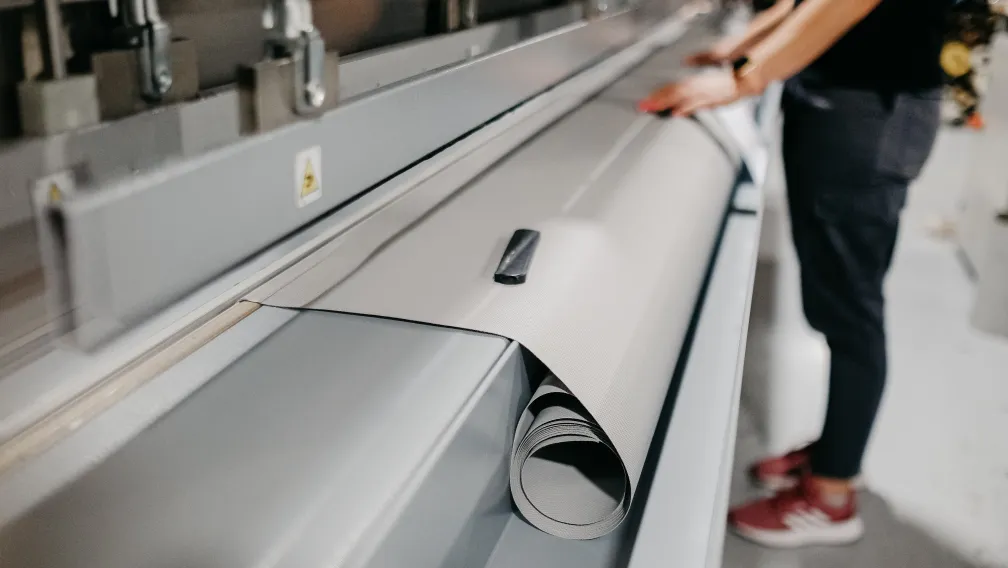
Data from global textile manufacturing associations throughout September 2026 indicates a marked shift in capital allocation across commercial drapery and window treatment facilities. Confronted with a shrinking demographic of specialized machine operators and escalating labor overhead in key manufacturing corridors, home-textile producers are accelerating transitions toward fully automated fabrication lines to safeguard operational margins.
Structural Labor Shortages Shift Production Dynamics
Industrial sewing for large-format soft furnishings has traditionally relied on artisan-level manual dexterity. Operations such as folding deep bottom hems, synchronizing continuous fabric feed, and calculating pleating intervals require months of training. Recent workforce reports across North America, Eastern Europe, and coastal manufacturing regions highlight an acute shortage of qualified sewing personnel, with retirement rates outpacing new apprenticeships by nearly three to one.
Consequently, reliance on manual workstations has created severe production bottlenecks, particularly during peak seasonal contracting cycles. Facilities attempting to scale capacity using conventional machinery face mounting payroll expenses and heightened defect rates caused by operator fatigue.
Automation Reallocates Operational Priorities
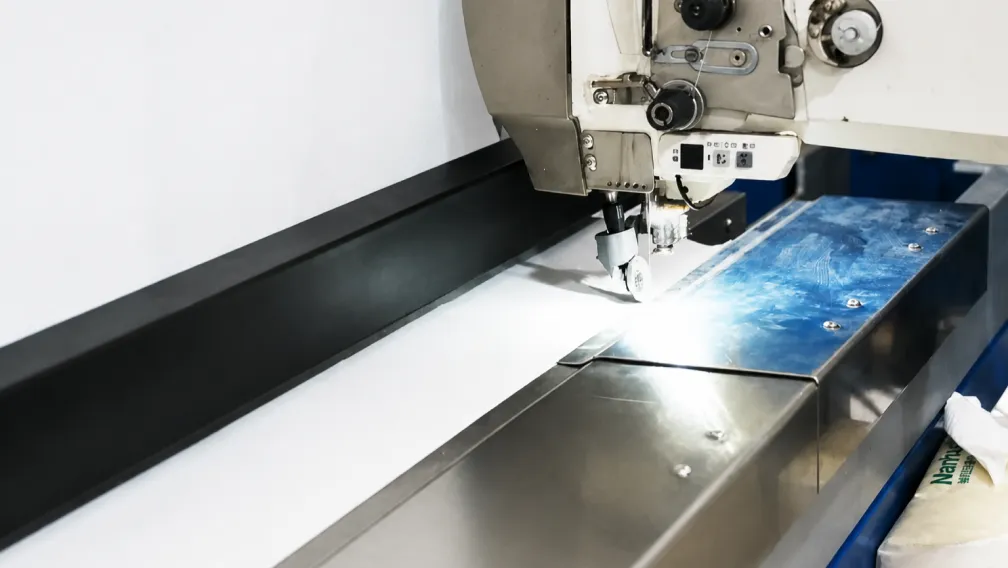
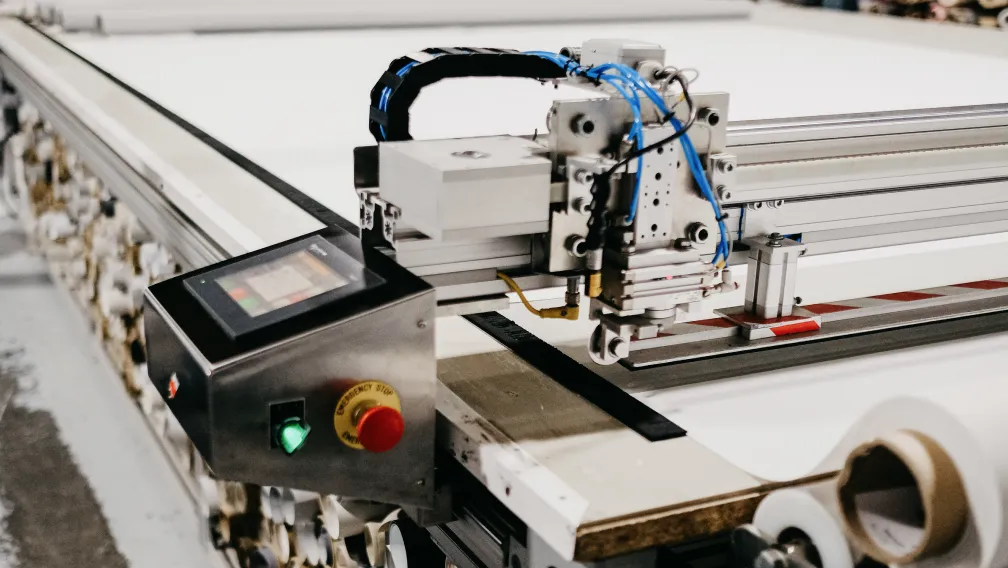
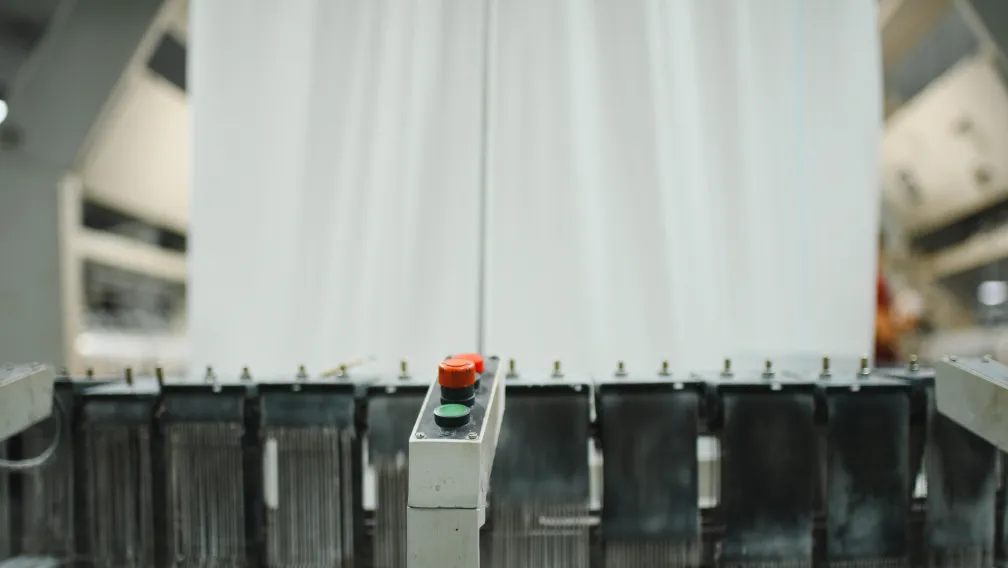
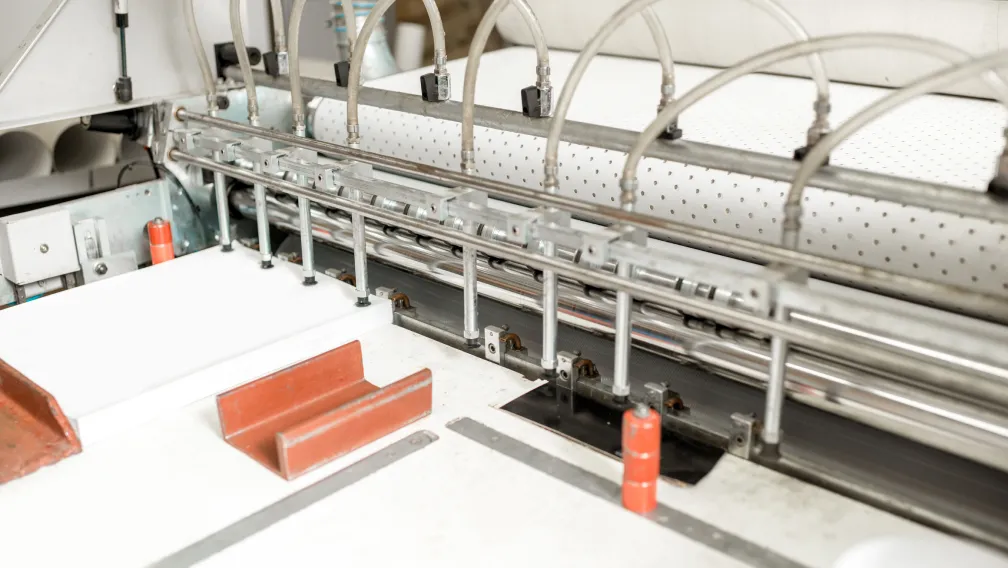
In response to these labor constraints, tier-one manufacturers are prioritizing machinery that standardizes complex mechanical steps through integrated automation. Industrial facilities are replacing manual stations with specialized automatic fabric hemming machines that utilize synchronized conveyor transport and pneumatic folding guides.
This automated infrastructure reduces direct labor dependency by enabling single-operator supervision over processes that formerly required multi-person teams. By eliminating the manual handling of heavy commercial fabrics, these systems maintain constant linear sewing speeds and consistent seam tension across multi-shift operational schedules.
Rigorous Contract Tolerances Drive Machine Adoption
Simultaneously, commercial procurement contracts in the hospitality, healthcare, and high-density residential sectors are enforcing tighter dimensional compliance. Specifications increasingly penalize fabric skewing, uneven seams, and roller blind telescoping. Manual hemming methods frequently produce minute dimensional discrepancies that compromise product integrity during installation.
To eliminate these compliance risks, processors are deploying dedicated roller blind hemming machines engineered with rigid clamping mechanisms and automated edge-trimming modules. These precision platforms ensure absolute parallelism between the cut edge and the bottom pocket, guaranteeing structural symmetry regardless of fabric density or coating stiffness.
Strategic Outlook for Facility Modernization
The convergence of demographic labor pressures and strict quality mandates is redefining competitive benchmarks within the home textile sector. Contract manufacturers that continue to operate labor-heavy sewing lines are facing compressed operating margins and elongated fulfillment lead times. Conversely, facilities integrating automated hemming, programmable pleating, and tensionless material handling are achieving higher throughput per square meter of facility space, establishing a scalable foundation for long-term contract fulfillment.
-

LINGZHI Engineering & Textile Team
R&D and Technical Application Division, LINGZHI
Backed by 23 years of manufacturing experience across our Shanghai and Tongxiang facilities, the LINGZHI Engineering & Textile Team comprises over 17 senior mechanical engineers and textile specialists. Holding 20+ national patents under ISO 9001 quality standards, our division focuses on automated sewing system integration, equipment calibration, and commercial fabric performance testing for global home-textile factories.