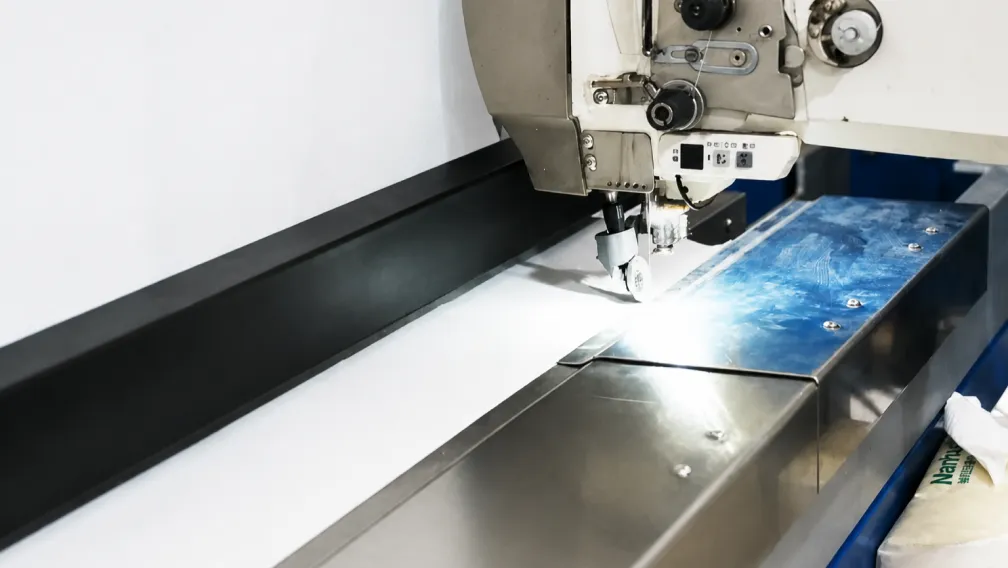
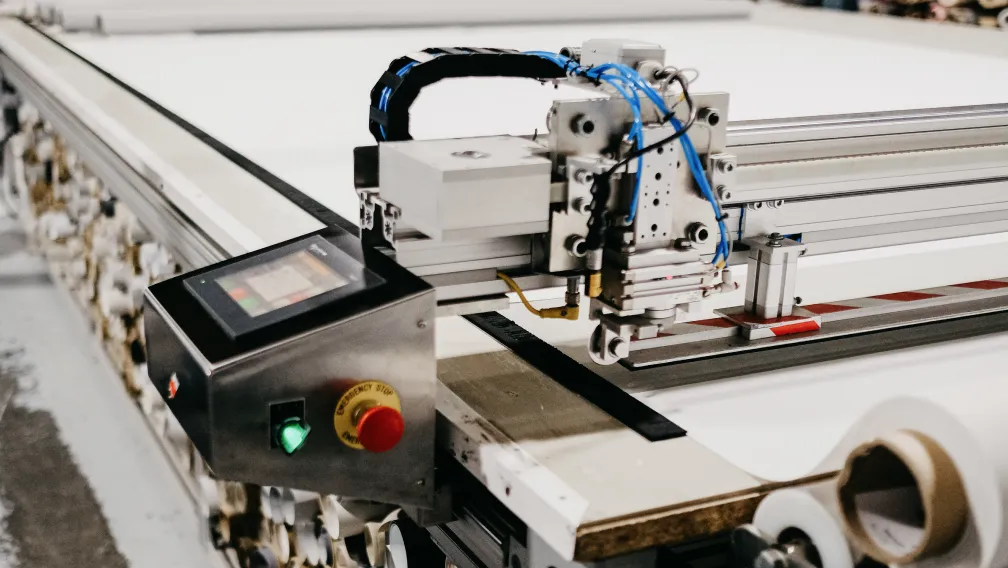
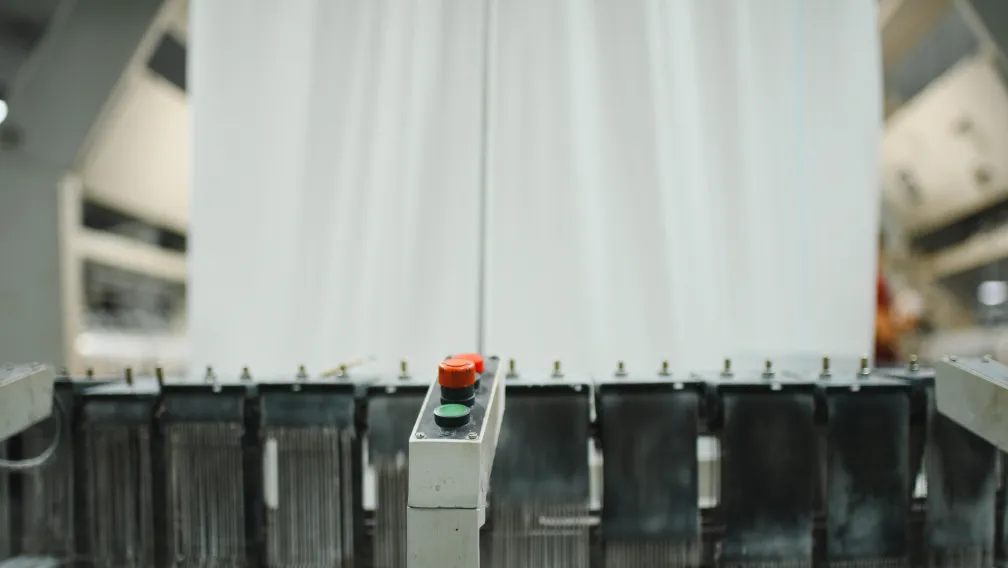
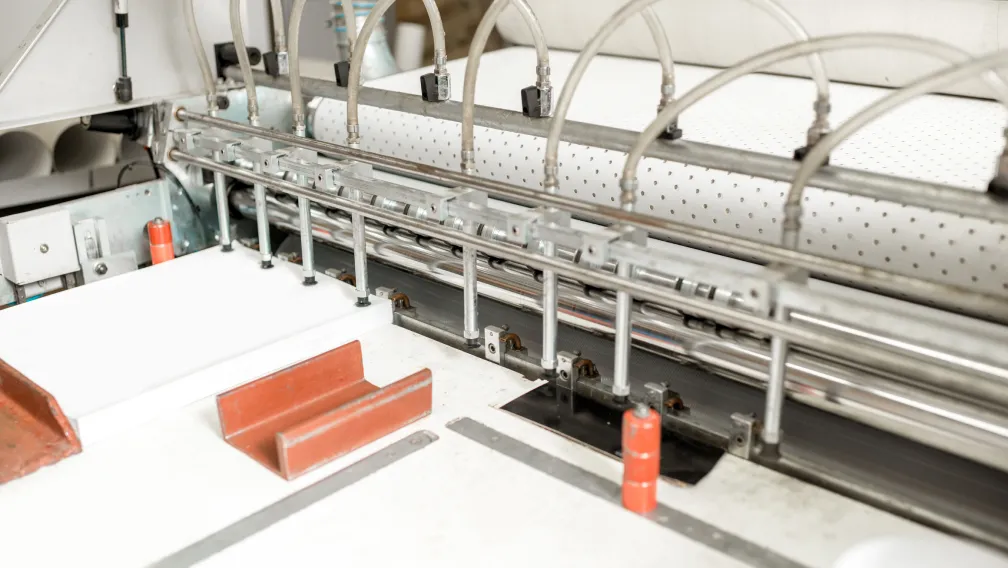
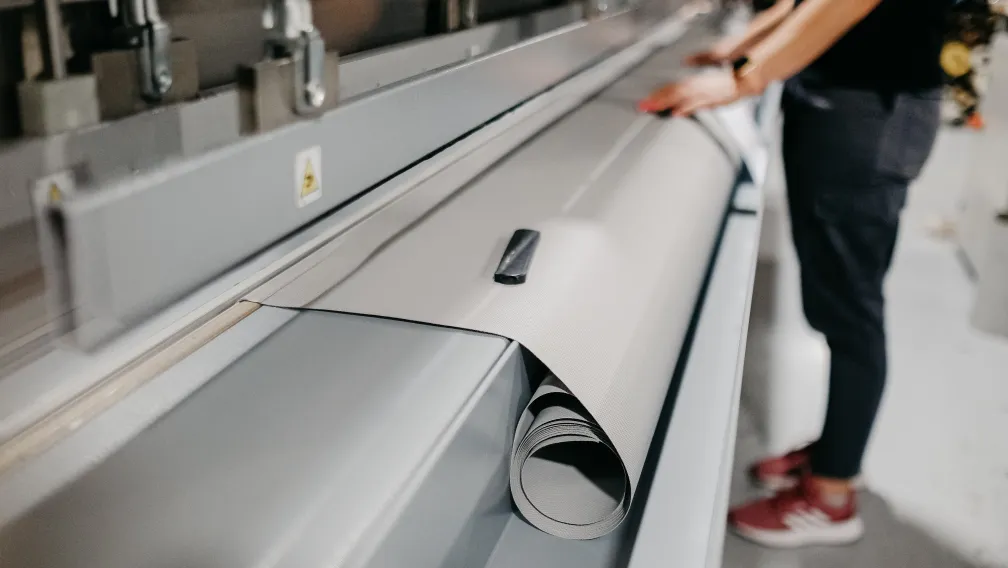
Regulatory updates regarding industrial thermal emissions and electrical efficiency across major textile production centers in mid-September 2026 are compelling commercial fabric finishers to audit their thermal stabilization operations. Escalating utility tariffs combined with mandatory carbon disclosure frameworks in international procurement markets have placed conventional, uninsulated curing ovens under intense financial scrutiny.
Thermal Dissipation in Legacy Finishing Equipment
Heat setting remains one of the most energy-intensive steps in drapery fabrication. Polyester and technical synthetic blends require prolonged exposure to temperatures ranging from 180°C to 210°C to stabilize polymer chains and lock pleat memory. Audits conducted on finishing lines installed over a decade ago reveal thermal dissipation rates exceeding 35% through poorly insulated chamber walls and unmetered exhaust ducts.
These thermal losses force heating elements to run continuously at peak electrical loads, causing operating expenses to increase sharply under fluctuating energy grids. Furthermore, uneven heat distribution within degrading heating zones frequently causes localized under-polymerization, generating uneven shrinkage that compromises the finished product.
Engineering Modernizations in Thermal Chamber Design
To comply with updated industrial efficiency codes, tier-one drapery processors are upgrading to high-efficiency curtain heat setting machines featuring advanced thermal containment. Modern equipment employs multi-layer ceramic insulation and variable-frequency convection blowers that recirculate heated air within closed thermal zones, reducing aggregate energy consumption by up to 28% compared to legacy stenter units.
These platforms incorporate independent proportional-integral-derivative (PID) controllers and calibrated PT100 sensors across all heating stages. This configuration ensures consistent thermal exposure within a strict tolerance of ±1.5°C across the fabric width, preventing energy overconsumption while ensuring repeatable dimensional stability.
Integration of Downstream Quality Auditing
Operating with tighter thermal processing margins requires immediate verification to prevent defective materials from entering downstream assembly. Manufacturers operating under revised efficiency standards are pairing upgraded heat setters with modern fabric inspection machines at the discharge point.
Tension-controlled inspection tables allow quality engineers to inspect fabrics under standard D65 illumination immediately following thermal relaxation. This inspection step detects subtle heat variances—such as edge yellowing or irregular tension relaxation—before the textiles advance to high-speed automated sewing and pleating lines, keeping material reject rates near zero.
Compliance and Market Competitiveness
Global commercial buyers in the hospitality and architectural sectors increasingly require environmental compliance certificates and verifiable energy efficiency data during vendor audits. Facilities relying on outdated, inefficient heating infrastructure face margin compression and the potential loss of preferred supplier status. Implementing modern heat setting systems with advanced thermal management has become an operational requirement for long-term export competitiveness.
-

LINGZHI Engineering & Textile Team
R&D and Technical Application Division, LINGZHI
Backed by 23 years of manufacturing experience across our Shanghai and Tongxiang facilities, the LINGZHI Engineering & Textile Team comprises over 17 senior mechanical engineers and textile specialists. Holding 20+ national patents under ISO 9001 quality standards, our division focuses on automated sewing system integration, equipment calibration, and commercial fabric performance testing for global home-textile factories.